
For solo travellers looking to climb Kilimanjaro in January 2027, confirmed group departures offer a fantastic opportunity to join an expedition with built-in camaraderie and expert support. By joining a pre-scheduled group, you can share the adventure, split costs, and benefit from established logistics, making your solo journey smoother and more social. Climb 4 Africa offers several opportunities to join existing groups during this peak season, ensuring a well-supported and memorable ascent. These departures are ideal for those seeking companionship and a structured climbing experience.
Why Join a Group for Kilimanjaro in January 2027?
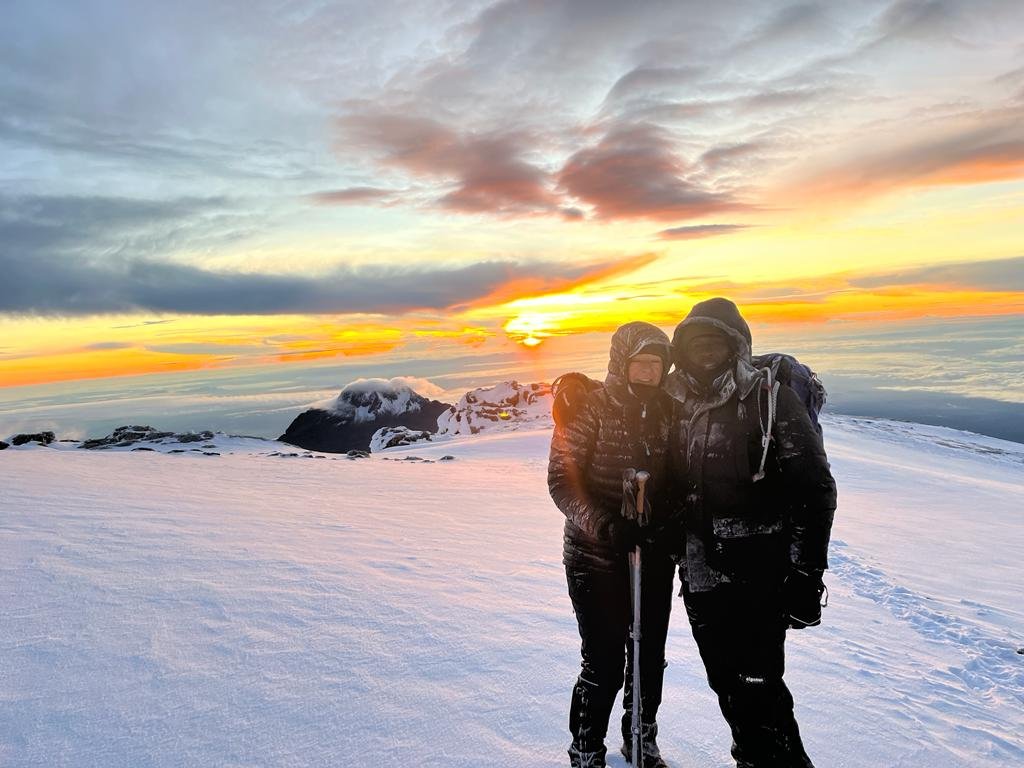
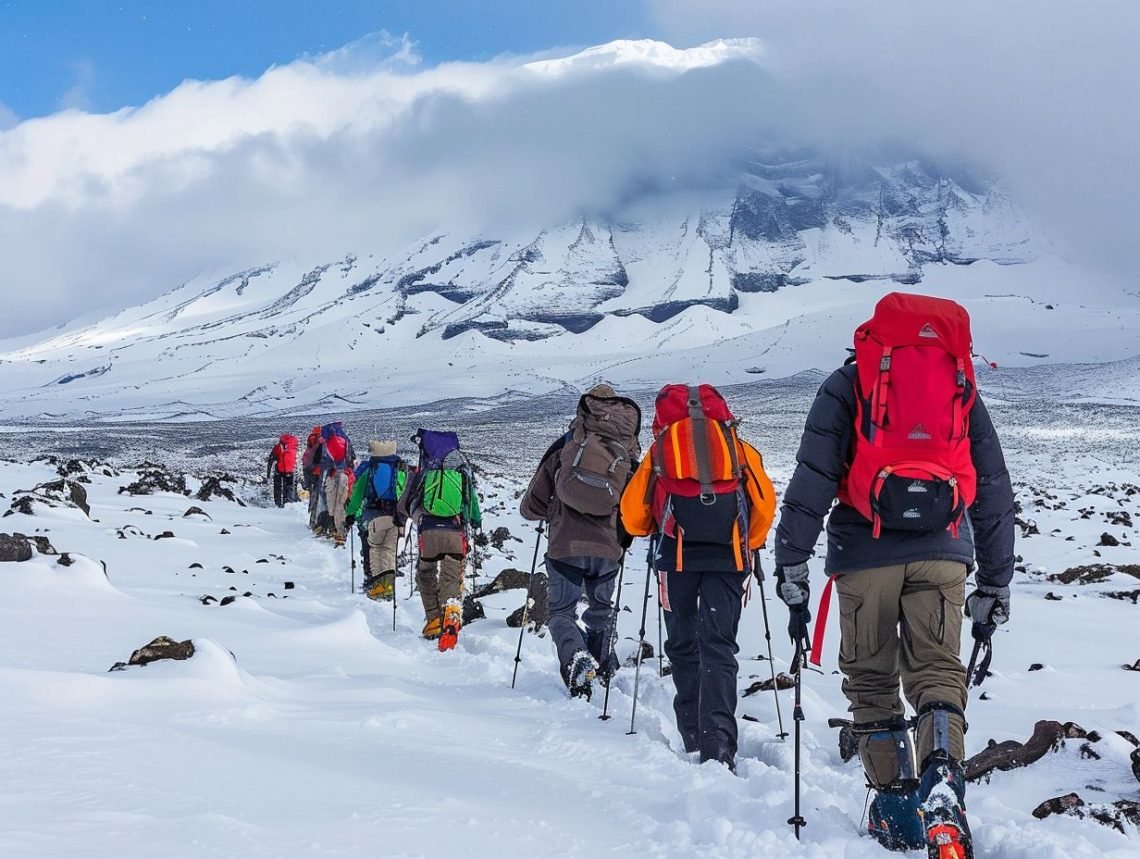
Climbing Kilimanjaro is a significant undertaking, and for solo travellers, the decision of whether to join a group or trek independently carries unique considerations. January 2027 presents an excellent window for an ascent, and joining a confirmed group offers a compelling set of advantages. It’s not just about sharing the mountain; it’s about enhancing the entire experience. As a solo traveller, you gain instant companions, experienced guides, and a structured itinerary that handles all the logistical complexities. This can alleviate much of the pre-trip planning stress and the potential loneliness that some solo journeys might entail.
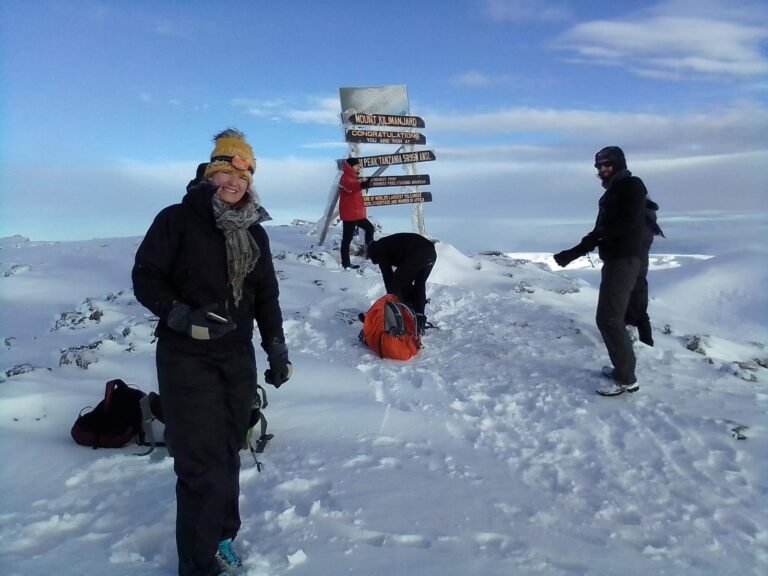
The primary draw for solo travellers is the social aspect. Kilimanjaro treks are inherently communal. Sharing the challenges, the impressive views, and the daily camp life with like-minded individuals fosters a strong sense of camaraderie. This shared experience can be incredibly rewarding, turning strangers into friends by the time you reach Uhuru Peak. For those travelling alone, this built-in social network is invaluable. It means always having someone to share a meal with, to motivate you on a tough day, or to celebrate a summit success with.
Beyond companionship, joining a group climb in January 2027 often translates to better value. Group logistics, such as vehicle transport, porter arrangements, and park fees, are spread across more participants. This shared cost structure can make the overall expedition more affordable compared to arranging a private climb. While the focus remains on an exceptional climbing experience, the economic benefit is a practical consideration for many.
Furthermore, group departures are typically led by highly experienced guides and support crews who are accustomed to managing diverse group dynamics. These professionals are not only adept at navigation and safety but also at fostering a positive team spirit. For a solo traveller, this means peace of mind knowing that experienced hands are managing the expedition, ensuring safety protocols are rigorously followed, and that acclimatisation is managed effectively for everyone in the group.
When you book with a reputable operator like Climb 4 Africa for a solo traveller Kilimanjaro January 2027 group climb, you benefit from their established relationships with park authorities, porters, and cooks. This ensures a smooth operation from start to finish. You avoid the potential pitfalls of trying to coordinate these elements yourself, especially when you’re unfamiliar with the local landscape and operations. The logistical planning is handled, allowing you to concentrate on your physical and mental preparation for the climb itself.
Choosing a group climb also simplifies accommodation and meal arrangements. While camping is the standard on most routes, the organisation of tents, sleeping mats, and communal dining areas is all part of the service. Similarly, meals are prepared by dedicated cooks, offering nutritious and energy-rich food designed to fuel your ascent. As a solo traveller, you don’t have to worry about these details; they are seamlessly integrated into the group package.
Finally, the psychological advantage of having a team behind you cannot be overstated. On summit night, or during challenging ascents, knowing that your guides and fellow climbers are there to support you can make all the difference. This collective effort towards a common goal is a powerful motivator. For a solo traveller Kilimanjaro January 2027 expedition, this sense of shared purpose amplifies the achievement.
Kilimanjaro January 2027 Weather and Conditions
January falls within Kilimanjaro’s dry season, which typically spans from late December to March. This makes it a prime month for climbing the mountain. The weather conditions in January 2027 are generally favourable, characterised by clear skies, moderate temperatures, and less rainfall compared to the wet seasons. However, it’s crucial to understand that Kilimanjaro is a massive mountain, and weather can be highly variable and unpredictable, regardless of the season.
During the day, temperatures on the lower slopes might be warm, often in the range of 20-25°C (68-77°F). As you ascend through the different ecological zones, temperatures will drop significantly. At higher altitudes, such as the alpine desert zone (around 4,000-4,500 meters), daytime temperatures can range from 5-15°C (41-59°F), while nighttime temperatures can plummet well below freezing, often reaching -5°C to -15°C (23-5°F), especially near the summit.
Summit night, which is typically the coldest and most challenging part of the climb, can see temperatures drop to -15°C to -20°C (-5°F to -4°F), and with wind chill, it can feel even colder. This is why proper layering and high-quality cold-weather gear are absolutely essential for any Kilimanjaro climb in January 2027, even though it’s considered a dry month.
Visibility in January is usually excellent. The clear skies offer stunning panoramic views of the surrounding landscape, including Mount Meru and, on exceptionally clear days, even the Great Rift Valley. This clarity enhances the visual experience of the diverse vegetation zones and the stark beauty of the alpine and arctic zones.
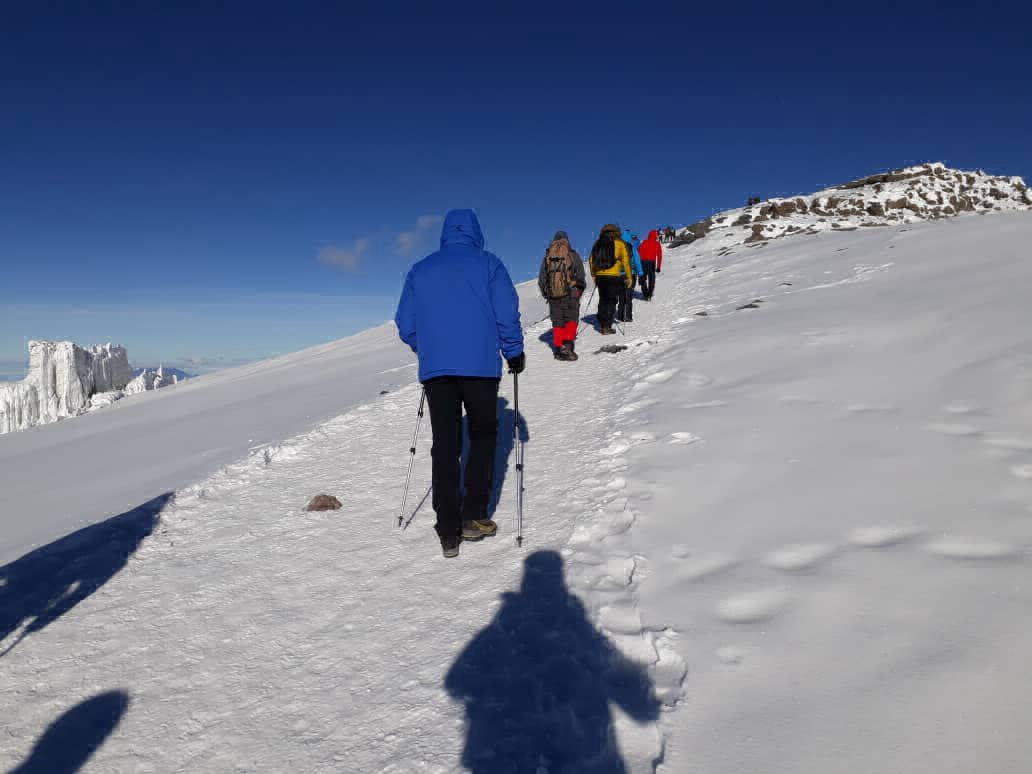
While January is a dry season, brief and light precipitation, often in the form of snow flurries or light rain, can still occur, particularly at higher elevations. These are usually short-lived and do not typically disrupt the climb significantly. However, it’s always wise to pack waterproofs and be prepared for any eventuality. The snowline is generally well below the summit, but ice can form on paths, especially on the steeper sections leading to Stella Point and Uhuru Peak.
The dry season also means that the trails are generally in good condition, though they can become dusty. The paths are usually well-defined, making navigation easier for guides and climbers. For a solo traveller Kilimanjaro January 2027 group, this means a more consistent and predictable trekking experience.
It’s important to remember that Kilimanjaro’s weather patterns are influenced by global climate change, and while historical data points to a dry season, individual years can bring variations. However, January remains one of the most popular months due to its high probability of favourable weather and clear skies, making it an excellent choice for your solo adventure.
Confirmed Group Departures for Solo Travellers: January 2027
Climb 4 Africa specialises in creating opportunities for solo travellers to connect and share their Kilimanjaro adventures. For January 2027, we have established several confirmed group departures designed to suit different preferences in terms of route, duration, and group size. These departures are ideal for solo adventurers seeking a social and well-supported climb.
Some of the confirmed departures for January 2027 include:
- Early January Departures: For those looking to start the year with an epic challenge, we have group departures scheduled for the first week of January. For instance, the 8-day Lemosho Route on January 2nd, 2027, offers a balanced itinerary with excellent acclimatisation opportunities, making it a popular choice for solo climbers.
- Mid-January Departures: The middle of January is a prime time, and we have several options. The Machame Route is known for its scenic beauty and is a favourite. We typically have group departures, such as one around January 20th, 2027, which is perfect for those who prefer a slightly later start to the month. The Lemosho Route on January 16th, 2027, is another excellent option, offering a more gradual ascent.
- Late January Departures: As the month progresses, opportunities continue. We often have a departure around January 30th, 2027, which can be a crossover into February, providing flexibility. The Lemosho Route on January 25th, 2027, is also a great late-month choice. For those interested in specific lunar events, a full moon climb, with a summit around January 22nd, 2027, is often available, offering a unique experience.
- Marangu Route Option: While less common for group joining due to its unique hut accommodation, we may offer specific dates on the Marangu Route, such as January 5th, 2027, for those who prefer sleeping in mountain huts rather than camping.
- Northern Circuit: For a longer, more in-depth experience with higher success rates due to its extended acclimatisation, the Northern Circuit in January 2027 is a fantastic option. While often private, we can sometimes form groups or join existing ones for this route.
These dates are indicative and subject to confirmation. The beauty of joining a confirmed group for your solo traveller Kilimanjaro January 2027 expedition is that the planning is already done. You join an itinerary that is set, with guides and support staff ready. This allows you to focus on your personal preparation, confident that the expedition logistics are in capable hands. It’s essential to book in advance, especially for popular dates in January, to secure your spot.
Choosing the Right Route for Your Solo Kilimanjaro Climb (January 2027)
Selecting the appropriate route is paramount for a successful and enjoyable Kilimanjaro climb, especially for solo travellers joining a group in January 2027. Each route offers a distinct experience in terms of scenery, difficulty, acclimatisation profile, and accommodation. Climb 4 Africa recommends routes that maximise success rates and offer the best experience for solo adventurers.
Here’s a breakdown of popular routes and why they suit solo travellers joining groups:
- Lemosho Route: Often considered one of the most scenic routes, Lemosho is favoured for its excellent acclimatisation profile. It offers a gradual ascent, passing through diverse landscapes. Its popularity means there are often established group departures, making it ideal for solo travellers. The 7-day and 8-day variations are particularly well-balanced. The 8-day Lemosho starting January 2nd, 2027, is a prime example, offering a slower pace for better acclimatisation.
- Machame Route: This is the most popular route, known as the “Whiskey Route” for its challenging terrain and high success rate. It’s also very scenic. Because it’s so popular, Machame routes often have the most group departures available, increasing your chances of finding a convenient date for your solo traveller Kilimanjaro January 2027 climb. The 7-day Machame is highly recommended for optimal acclimatisation. Our departure around January 20th, 2027, is a good example.
- Northern Circuit: This is the longest route, taking 9 days or more. It circles the mountain, offering the highest acclimatisation and therefore the highest success rates. It is also generally less crowded, providing a more serene experience. While often booked as private climbs, Climb 4 Africa can sometimes arrange group departures or integrate solo travellers into existing Northern Circuit expeditions for January 2027. This route is perfect for those who want a more in-depth experience and have more time.
- Marangu Route: Known as the “Coca-Cola” or “Tourist” route, Marangu is the only route that offers accommodation in mountain huts rather than tents. It’s also one of the shortest routes, which can be a disadvantage for acclimatisation. While easier logistically for some, its steeper ascent and faster pace mean lower success rates. If you prefer huts and can find a group departure, like the one on January 5th, 2027, it might be an option, but it’s generally less recommended for solo travellers prioritizing acclimatisation and success.
- Shira Route: Similar to Lemosho but starting at a higher altitude. It can be a good option for those who have prior high-altitude experience, but for most solo travellers, Lemosho or Machame offer a better acclimatisation curve.
When choosing, consider your fitness level, previous trekking experience, and desired pace. For a solo traveller Kilimanjaro January 2027 group climb, routes like Lemosho and Machame (7 or 8 days) are often the best balance of scenic beauty, acclimatisation, and availability of group departures. The Northern Circuit is ideal if you have more time and seek the highest chance of success in a less crowded environment.
What Is Included in a Solo Traveller Kilimanjaro Group Package?
Understanding what’s included in your Kilimanjaro group package is crucial for budgeting and expectation management. Reputable operators like Climb 4 Africa provide comprehensive packages designed to cover all essential aspects of the climb, ensuring a safe, comfortable, and successful expedition for solo travellers. While specific inclusions can vary slightly between operators and chosen routes, a typical package for a solo traveller Kilimanjaro January 2027 group climb will cover:
- Professional Guides: You’ll have experienced, licensed, and first-aid certified guides who are experts in Kilimanjaro’s routes and acclimatisation strategies. They are your primary point of contact for safety and navigation.
- Support Crew: A dedicated team of assistant guides, cooks, and porters who carry your equipment, set up camp, and prepare your meals. The number of porters is calculated to ensure your main luggage is carried efficiently.
- Accommodation on the Mountain: This includes sturdy, waterproof tents for sleeping, a mess tent for dining and socialising, and a toilet tent. For the Marangu route, this means beds in mountain huts.
- Meals on the Mountain: All meals (breakfast, lunch, dinner) are provided on the mountain, prepared by experienced cooks. These are nutritious, high-energy meals designed for trekking at altitude. Snacks and boiled water are also typically supplied.
- Park Fees and Permits: All necessary Kilimanjaro National Park entrance fees, camping/hut fees, and rescue fees are included. These are significant costs and are usually a large part of the overall expedition price.
- Equipment: While you’ll need to bring your personal clothing and gear, the operator usually provides essential group equipment such as tents, sleeping mats, cooking gear, and safety equipment like oxygen cylinders and a comprehensive first-aid kit.
- Transfers: Round-trip transportation from your hotel in Moshi or Arusha to the Kilimanjaro National Park gate and back to your hotel after the climb.
- Accommodation before and after the climb: Often, packages include one or two nights of accommodation in a hotel in Moshi or Arusha before the trek begins and one night after you descend, allowing for rest and celebration.
- Group Dynamics Support: For solo travellers, this includes facilitating introductions and fostering a positive group environment.
What is typically NOT included:
It’s equally important to be aware of exclusions. These usually include: flights to Kilimanjaro International Airport (JRO), visa fees, travel insurance (mandatory), vaccinations, personal climbing gear (boots, clothing, sleeping bag, headlamp), tips for guides and porters (a significant budget item), personal expenses (souvenirs, drinks), and optional activities like pre- or post-climb safaris or Zanzibar trips. For a solo traveller Kilimanjaro January 2027 group, understanding these exclusions helps in accurate budgeting and preparation.
When you inquire about a solo traveller Kilimanjaro January 2027 group departure with Climb 4 Africa, always ask for a detailed list of inclusions and exclusions specific to the chosen date and route. This transparency ensures you know exactly what to expect and what to budget for.
Preparing for Your Solo Kilimanjaro Trek (January 2027)
Successful preparation is key to a safe and enjoyable Kilimanjaro climb, especially when travelling solo for your solo traveller Kilimanjaro January 2027 expedition. The preparation involves several interconnected aspects: physical conditioning, mental readiness, gear selection, and logistical arrangements.
Physical Training:
Kilimanjaro is a challenging trek that demands good cardiovascular fitness and stamina. Start your training at least 2-3 months before your departure date. Focus on:
- Cardiovascular Exercises: Activities like hiking, running, cycling, and swimming build endurance. Aim for at least three sessions per week.
- Hiking with a Backpack: This is the most crucial part of your training. Hike on varied terrain, including hills and stairs, with a weighted backpack (around 5-10 kg) to simulate mountain conditions.
- Strength Training: Focus on leg strength (squats, lunges) and core strength, which are vital for carrying your pack and maintaining balance on steep ascents and descents.
- Stair Climbing: An excellent way to prepare your legs and lungs for the constant uphill effort.
Mental Preparation:
Climbing Kilimanjaro is as much a mental challenge as it is a physical one. Solo travellers, in particular, need to be prepared for the psychological aspects:
- Positive Mindset: Develop a positive attitude and resilience. There will be moments of discomfort, fatigue, and doubt.
- Acclimatisation Understanding: Educate yourself on the symptoms of altitude sickness (AMS) and the importance of slow ascent (‘pole pole’).
- Embrace Solitude (and Companionship): While you’re joining a group, there might be moments of quiet reflection. Be comfortable with your own company, but also be open to connecting with your fellow trekkers.
- Patience and Flexibility: Understand that plans can change, and be patient with the pace of the trek and the group.
Gear Selection:
Proper gear is non-negotiable for a January 2027 climb. Layering is key to managing temperature fluctuations. Essential items include:
- Base Layers: Moisture-wicking thermal tops and bottoms.
- Mid Layers: Fleece jackets or insulated vests for warmth.
- Outer Layer: A waterproof and windproof jacket and trousers (Gore-Tex or similar).
- Insulation Layer: A warm down or synthetic jacket for summit night and cold evenings.
- Footwear: Broken-in, waterproof hiking boots are essential. Also, carry camp shoes or trainers.
- Headwear: A warm hat covering the ears, a sun hat, and a balaclava or neck gaiter for summit night.
- Gloves: A pair of thin liner gloves and a pair of warm, waterproof outer gloves or mittens.
- Sleeping Bag: A 4-season sleeping bag rated to at least -15°C (5°F).
- Backpack: A comfortable daypack (30-40 litres) and a large duffel bag for porters (80-100 litres).
- Other essentials: Sunglasses, sunscreen, lip balm, headlamp with extra batteries, water bottles or hydration reservoir, personal first-aid kit, toiletries, and trekking poles.
Refer to a detailed packing list provided by your operator. For a solo traveller Kilimanjaro January 2027 trip, ensure all your gear is checked and tested before you leave home.
Logistical Arrangements:
- Flights: Book your flights to Kilimanjaro International Airport (JRO) well in advance.
- Visa: Check visa requirements for Tanzania and apply if necessary.
- Travel Insurance: Ensure you have comprehensive travel insurance that covers high-altitude trekking (up to 6,000m) and emergency medical evacuation. This is mandatory for most operators.
- Vaccinations and Health: Consult your doctor or a travel clinic about recommended vaccinations and malaria prophylaxis.
- Pre- and Post-Climb Accommodation: Book any additional nights in hotels in Moshi or Arusha if your package doesn’t include them or if you plan to extend your stay.
Climb 4 Africa can provide guidance on all these aspects to help you prepare thoroughly for your solo traveller Kilimanjaro January 2027 adventure.
Booking Your Solo Kilimanjaro Climb January 2027 with Climb 4 Africa
Securing your spot on a solo traveller Kilimanjaro January 2027 group departure with Climb 4 Africa is a straightforward process designed to ensure you get the best experience. Our expertise lies in facilitating smooth Kilimanjaro expeditions, especially for solo adventurers looking for companionship and expert guidance.
Why Choose Climb 4 Africa for Your Solo Kilimanjaro Adventure?
- Local Expertise: As a Tanzanian-based company, we have intimate knowledge of Kilimanjaro, its routes, its people, and its operational requirements. This local insight translates into a superior and safer climbing experience.
- Experienced Guides and Crew: Our guides are highly trained, experienced, and passionate about Kilimanjaro. They are committed to your safety and success, creating a supportive and encouraging atmosphere.
- Ethical Treatment of Staff: We are committed to fair wages and ethical treatment for all our porters and crew, ensuring a positive impact on the local community.
- Comprehensive Packages: We offer well-structured packages that cover all the essentials, from park fees to meals, allowing you to focus on your climb.
- Flexibility for Solo Travellers: We understand the unique needs of solo travellers and actively create opportunities for them to join established groups, fostering a sense of community from the outset.
The Booking Process:
1. Explore Dates and Routes: Visit our website or contact us directly to view available solo traveller Kilimanjaro January 2027 group departures. Consider the routes and durations that best suit your fitness and preferences. We have specific pages for routes like <a href="https://climb-4-africa.com/lemosho-route-16-january-group-joining-kilimanj
Check Availability for Solo Traveller Kilimanjaro January – Confirmed Groups To Join 2026-2027
Ready to compare dates, prices, and the best option for your group? Send the package name and travel month so the team can reply with a clear quote, availability, and what is included.
Solo Traveller Kilimanjaro February : Join International Groups For Your Climb
start your solo Kilimanjaro adventure in February 2027 by joining an international group. This guide helps solo travelers find suitable expeditions, understand the benefits of group climbs...
View package details
Solo Traveller Kilimanjaro Christmas : How To Join A Group Climb 2026-2027
Embarking on a solo Kilimanjaro climb during Christmas 2026 offers a unique festive experience. This guide helps solo travelers find and join suitable groups for a safe and memorable...
View package details
Solo Traveller Kilimanjaro August – Join A Peak-Season Group 2027
Solo Traveller Kilimanjaro August 2027 – Join a Peak-Season Group is explained with current 2027 planning, price, itinerary and booking information.
View package details
Solo Traveller Kilimanjaro July – Groups With Available Seats 2027
Solo Traveller Kilimanjaro July 2027 – Groups With Available Seats is explained with current 2027 planning, price, itinerary and booking information.
View package details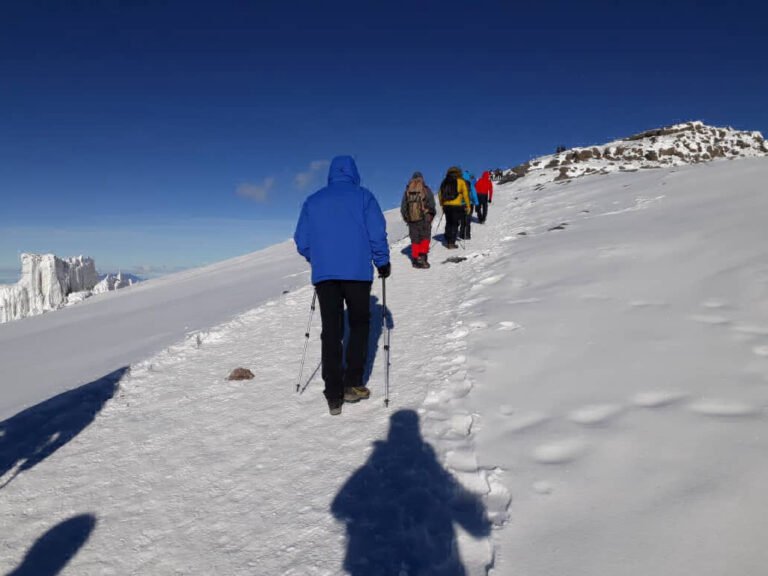
Lemosho Route – 16 January Group Joining Kilimanjaro Climb 2026-2027
This page details the Lemosho Route Kilimanjaro climb scheduled for January 16, 2027. It's an 8-day group joining departure, ideal for trekkers seeking a balance of scenic beauty, excellent...
View package details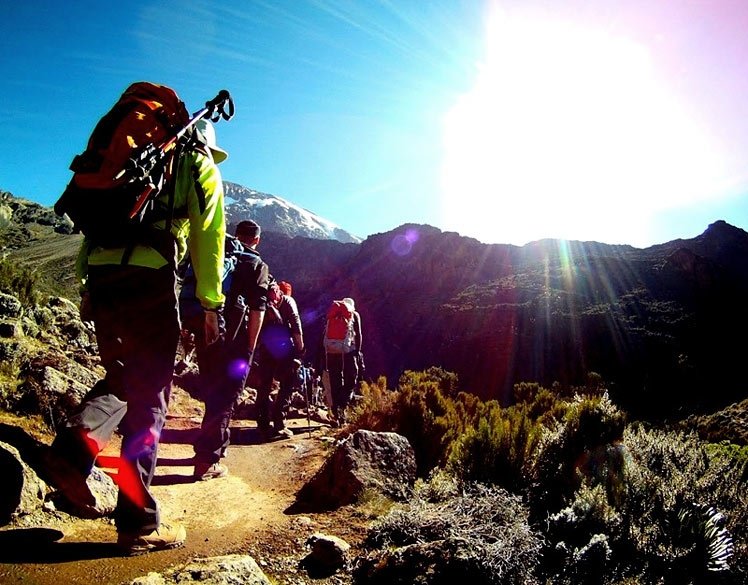
Kilimanjaro Climb February – Dry Season Groups And Availability 2027
Kilimanjaro Climb February 2027 – Dry Season Groups and Availability is explained with current 2027 planning, price, itinerary and booking information.
View package details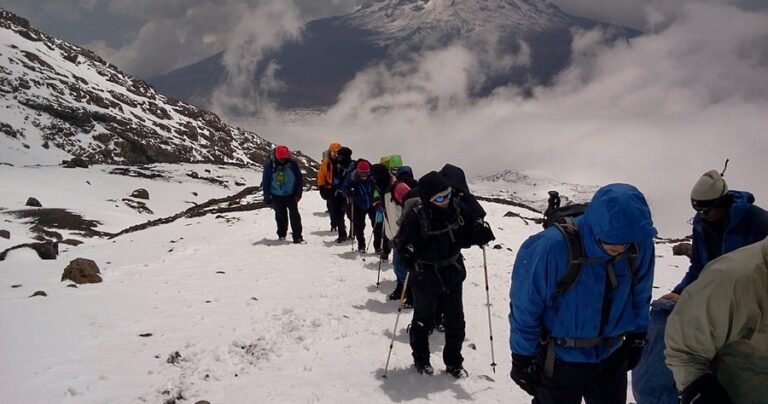
Kilimanjaro Mid-July : Best Routes For Summer Climbers 2027
Embarking on a Kilimanjaro adventure in mid-July 2027 offers a unique window of opportunity for trekkers. This period falls within the drier, cooler season, generally providing stable...
View package detailsPrivate Kilimanjaro Climb April : Your Flexible Trekking Adventure 2027
start a personalized Kilimanjaro ascent in April 2027 with a private climb tailored for flexible travellers. Explore route options, understand the April weather, and learn how to book your...
View package details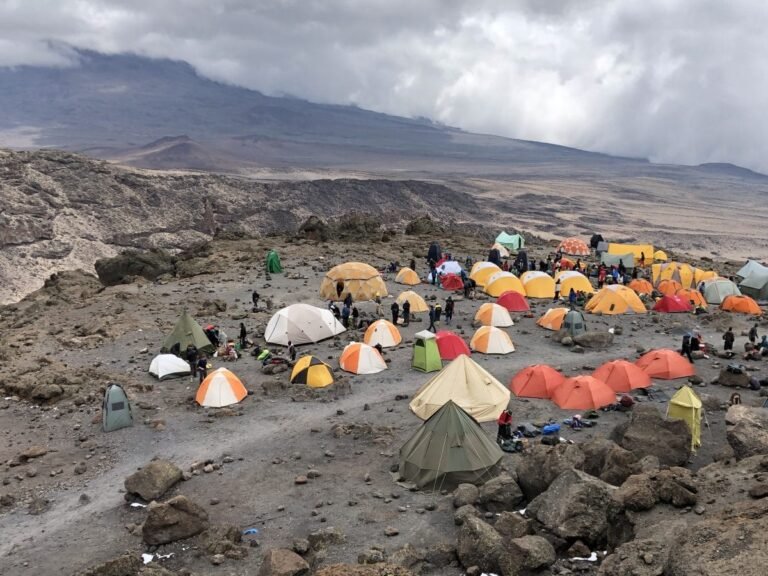
Kilimanjaro Climb March 2027 – Early-Month Groups Before The Long Rains Guide
Discover the unique advantages of climbing Kilimanjaro in early March 2027, just before the onset of the long rainy season. This guide covers weather expectations, route considerations, and...
View package detailsKilimanjaro Late February : Last Dry-Season Groups Before March Rains 2027
Discover the unique opportunity to climb Kilimanjaro in late February 2027, capturing the last dry weather window before the arrival of the March rains. Plan your ascent during this...
View package details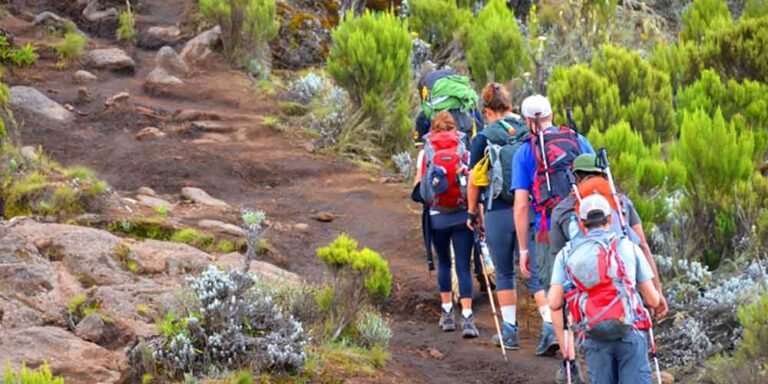
Kilimanjaro 9 January : Lemosho, Machame & Northern Circuit Choices 2027
Explore your Kilimanjaro climbing options for a January 9, 2027 departure, focusing on the popular Lemosho, Machame, and Northern Circuit routes. Understand the unique characteristics of...
View package details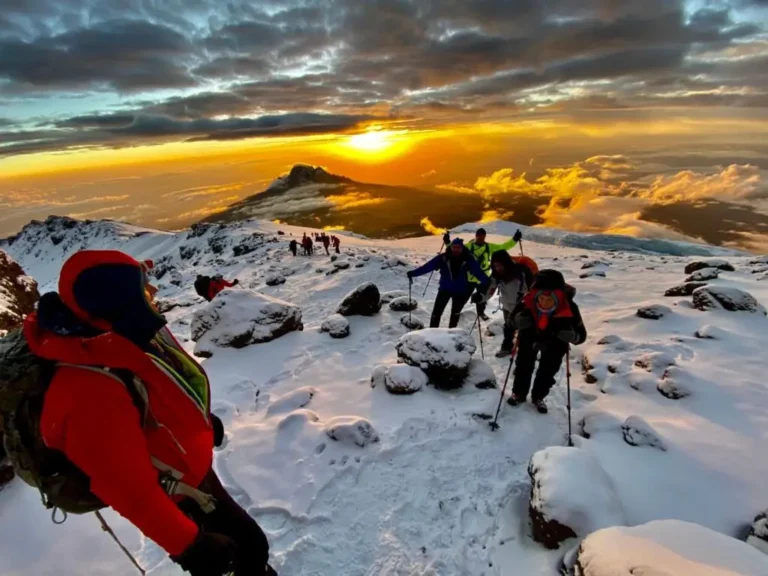
Machame Route – 4 January Kilimanjaro Group Departure 2027
Secure your spot on the popular Machame Route for a Kilimanjaro group trek departing on January 4, 2027. This guide details the itinerary, highlights, and key considerations for this...
View package detailsNo related package matches those filters. Clear one or more filters to see the other topic-matched options.



