
Celebrating New Year’s Eve on Kilimanjaro’s summit in 2026 offers a unique way to start 2027, combining a challenging trek with an unforgettable moment at Uhuru Peak. Options typically involve joining pre-scheduled group departures designed to reach the summit around midnight on December 31st, or arranging a private climb for a more personalized experience. Key considerations include selecting the right route for acclimatization and crowd management, booking well in advance due to high demand, and preparing adequately for the cold, high-altitude conditions.
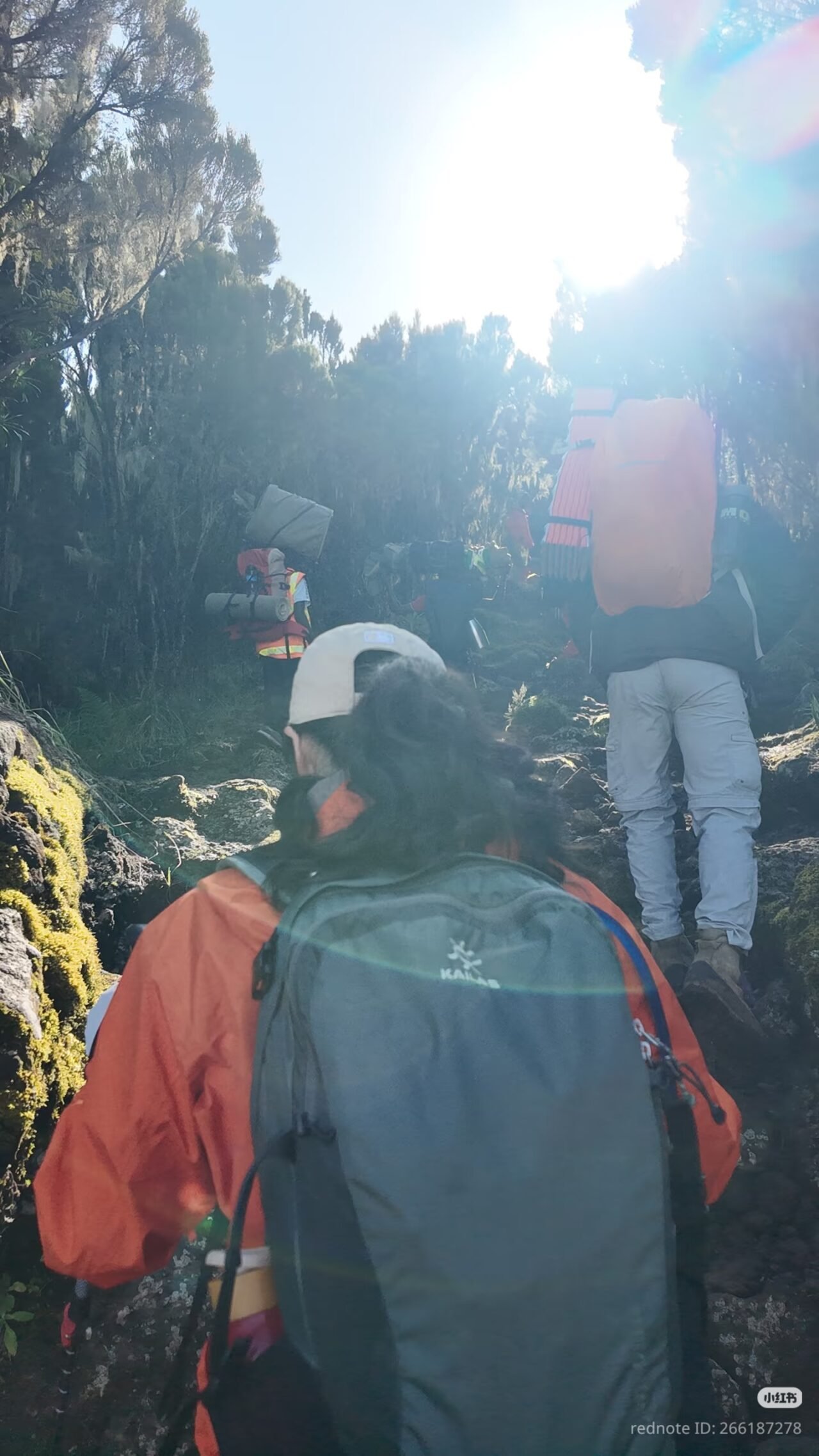
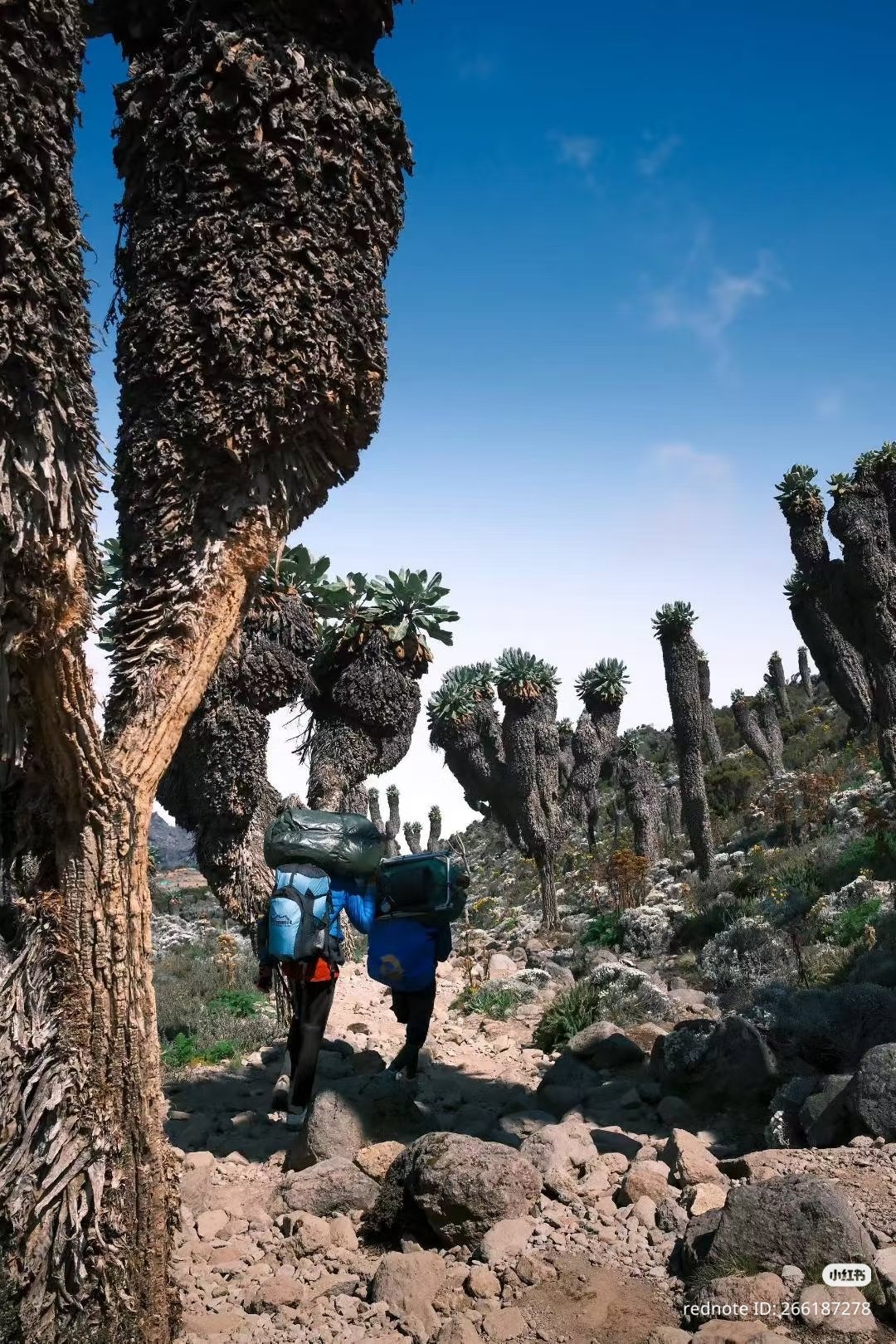
Why Climb Kilimanjaro for New Year’s Eve 2026?
The allure of standing on the Roof of Africa as the clock strikes midnight on December 31st is undeniable. For many, it represents a powerful start to the new year, a symbolic achievement to carry forward. Climbing Kilimanjaro for New Year’s Eve 2026 offers a unique blend of personal challenge, impressive scenery, and a communal sense of accomplishment. The festive atmosphere among trekkers, coupled with the sheer majesty of the mountain, creates an experience that transcends a typical holiday celebration.
Beyond the symbolic significance, the end of December falls within Kilimanjaro’s dry season, offering generally favorable weather conditions for climbing. While still challenging, the chances of clear skies and less rain are higher compared to other times of the year. This makes it an attractive period for those seeking a successful summit bid. The mountain buzzes with a special energy during this period, with groups from around the world converging, all with the shared goal of reaching Uhuru Peak.
Choosing to celebrate New Year’s Eve on Kilimanjaro in 2026 means embracing an adventure that will be etched in your memory. It’s about pushing your limits, connecting with nature on a profound level, and witnessing a sunrise from the continent’s highest point on January 1st, 2027. The planning involved is substantial, but the reward—a truly extraordinary start to the year—is immense. Understanding the specific options available for group climbs and private expeditions during this peak season is crucial for a well-prepared journey.
Choosing Your New Year’s Kilimanjaro Route for 2026-2027
Selecting the right route is paramount for any Kilimanjaro climb, but it becomes even more critical when aiming for the summit on New Year’s Eve. The goal is to balance acclimatization, scenic beauty, and the ability to reach Stella Point or Uhuru Peak precisely on December 31st. Routes differ significantly in length, difficulty, scenery, and how they manage altitude gain. For the New Year period, routes that offer better acclimatization profiles are generally recommended to increase summit success rates.
The Lemosho Route: Scenic Ascent and Acclimatization
The Lemosho Route is widely considered one of the most scenic and rewarding paths up Kilimanjaro. It typically takes 7 to 8 days, with longer durations offering superior acclimatization. For a New Year’s Eve climb in 2026-2027, an 8-day Lemosho itinerary is often preferred. This route approaches Kilimanjaro from the west, offering stunning panoramic views and a gradual ascent through diverse ecological zones. Its longer duration allows for better physiological adaptation to the altitude, which is vital for summiting on a specific, demanding night like New Year’s Eve.
The Lemosho route enters Kilimanjaro National Park at the Londorossi Gate and offers a more remote and wild trekking experience in its initial days. This can be particularly appealing for those seeking a less crowded start. The route eventually merges with the Machame route before heading towards the summit. The gradual acclimatization it provides, especially on longer variations, significantly improves the chances of reaching Uhuru Peak comfortably. If you’re looking for a balance of natural beauty and a good acclimatization schedule for a New Year’s climb, the 8-day Lemosho is a strong contender. You can find specific 8 Days Kilimanjaro New Year Summit Lemosho Group Starting 2026-2027 departures that align with this objective.
The Machame Route: Popular and Well-Supported
The Machame Route, often called the “Whiskey Route,” is Kilimanjaro’s most popular trekking path. It’s known for its excellent acclimatization profile, especially on the 7-day version, and its dramatic scenery. For New Year’s Eve 2026, a 7-day Machame climb is a common choice for group departures, aiming for a summit on December 31st. It offers a challenging but achievable ascent with a good success rate.
Machame traverses the southern circuit, offering diverse landscapes from rainforest to alpine desert. The route uses a “climb high, sleep low” strategy, which is crucial for acclimatization. While popular, meaning you’ll encounter more trekkers, especially during peak times like New Year’s, the route is well-established with good campsites and infrastructure. Its popularity also means that many tour operators, like Climb 4 Africa, offer fixed New Year’s group departures on this route. For instance, a 7 Day Machame Route – 7 December Group Departure, if timed correctly, can position you for a New Year’s summit.
The Marangu Route: The “Coca-Cola” Trail
The Marangu Route is the oldest and perhaps most famous path up Kilimanjaro, often nicknamed the “Coca-Cola” route due to its accessibility and the presence of small huts instead of tents. It’s also the only route that ascends and descends the same path. For New Year’s Eve, Marangu is typically offered as a 6-day option, which is generally considered to have a lower acclimatization profile and thus a lower summit success rate compared to longer routes like Lemosho or Machame.
While it offers a unique hut accommodation experience, the rapid ascent and descent can be challenging for acclimatization, particularly for a summit attempt on a specific night like December 31st. However, its shorter duration and hut accommodations can be appealing to some. If considering Marangu for New Year’s, it’s essential to understand the risks associated with its steeper ascent. A Marangu Route 28 December: Your New Year Kilimanjaro Group Trek 2026-2027 departure would need careful timing and robust preparation.
Other Routes: Shira, Northern Circuit, Rongai
While Lemosho, Machame, and Marangu are the most common for New Year’s Eve climbs, other routes exist. The Shira Route starts at a high altitude, which can be challenging for initial acclimatization. The Northern Circuit is the longest route, offering the best acclimatization but might be less common for fixed New Year’s group departures due to its length and timing requirements. The Rongai Route approaches from the north and is known for its drier conditions, making it a good option during potentially wetter periods, though December is generally dry.
For a New Year’s Eve climb, longer routes that prioritize acclimatization are generally the safest bet for success and enjoyment. The 8-day Lemosho or 7-day Machame are usually the best compromises for group departures aiming for a December 31st summit. If you’re seeking a more extended and potentially less crowded experience, exploring private options on the Northern Circuit might be feasible, though it would require significant advance planning to ensure a summit on the desired night. For those looking for shorter itineraries, options like the Kilimanjaro Shorter Itinerary + Group Joining might be available, but always weigh the acclimatization trade-offs carefully.
Group vs. Private New Year’s Climbs: What’s Right for You?
When planning a New Year’s Eve climb on Kilimanjaro for 2026-2027, a fundamental decision is whether to join a scheduled group departure or opt for a private expedition. Both have distinct advantages and disadvantages, and the choice depends heavily on your budget, desired level of support, and personal preferences.
Benefits of Joining a New Year’s Group Climb
Joining a New Year’s group climb is often the most popular and cost-effective option. Tour operators typically schedule multiple group departures around the holiday season, aiming to bring trekkers to the summit on or around New Year’s Eve. The primary advantages include:
- Cost Savings: Sharing the costs of logistics, guides, porters, and park fees among a larger group generally leads to a lower per-person price compared to a private climb. This makes the ambitious goal of a New Year’s summit more accessible.
- Built-in Camaraderie: You’ll be climbing with like-minded individuals, all sharing the same goal and the excitement of a holiday expedition. This can foster a strong sense of community and mutual support during the challenging trek.
- Simplified Logistics: The tour operator handles all the planning, permits, and coordination. You simply book your spot on a pre-determined departure date. This is ideal for solo travelers or those who prefer a hands-off planning approach.
- Fixed Departures: Operators like Climb 4 Africa often have specific dates for New Year’s group treks, ensuring you can coordinate your travel to be on the mountain during the crucial New Year period. For example, a Kilimanjaro New Year Summit Climb package is designed precisely for this.
The main drawback of group climbs is that you have less control over the pace and the group dynamics. While guides manage the pace for safety and acclimatization, you’ll be part of a larger contingent. It’s also worth noting that due to high demand for New Year’s treks, these groups can sometimes be larger than those departing at other times of the year.
Advantages of a Private New Year’s Expedition
Opting for a private New Year’s expedition offers a more tailored and exclusive experience. This option is ideal for families, groups of friends, or individuals who prioritize flexibility and a personalized pace.
- Flexibility and Pace: You set the pace of the trek, allowing for more frequent breaks, photography stops, or simply a more relaxed journey. This can be particularly beneficial for those concerned about altitude or wanting to savor the experience.
- Exclusive Experience: You’ll have your own dedicated guide team, ensuring personalized attention to your group’s needs, health, and comfort. This can lead to a higher level of safety and support.
- Customizable Itinerary: While summiting on New Year’s Eve is the goal, a private climb might allow for slight adjustments to the itinerary or start date, if feasible with park regulations and guide availability.
- Privacy: You won’t be sharing campsites or the summit push with strangers, offering a more intimate mountain experience.
The significant disadvantage of a private climb is the cost. It will be considerably more expensive than joining a group, as you bear the full cost of the guide team, porters, and logistics. For a New Year’s climb, booking a private expedition requires booking very far in advance, often a year or more, due to the limited availability of guides and resources during this peak holiday period. If you’re considering a private climb, it’s best to contact operators like Climb 4 Africa directly to discuss custom options and secure your preferred dates for 2026-2027.
Timing Your New Year’s Eve Kilimanjaro Climb: Key Dates for 2026-2027
Successfully summiting Kilimanjaro on New Year’s Eve requires precise timing. Most tour operators offering New Year’s treks structure their itineraries to ensure the summit push occurs on the night of December 31st, leading to an early morning January 1st summit. This typically means starting the trek around December 26th or 27th, depending on the chosen route and its duration.
For an 8-day Lemosho route, for example, a departure around December 24th or 25th would position the group for a summit attempt on New Year’s Eve. A 7-day Machame route might require a start date closer to December 25th or 26th. It’s crucial to confirm the exact itinerary and start date with your chosen operator. For instance, if you’re looking at 8 Days Kilimanjaro New Year Summit Lemosho Group Starting 2026, the departure date will be set to achieve this specific goal.
Booking for New Year’s Eve climbs for 2026-2027 needs to happen exceptionally early. This is one of the most sought-after times to climb Kilimanjaro, and availability for both group and private expeditions fills up rapidly, often 9-12 months in advance. If you’re considering a specific departure, like a Marangu Route 28 December: Your New Year Kilimanjaro Group Trek 2026-2027, confirm that the itinerary is designed for a December 31st summit. Early booking is not just recommended; it’s essential to secure your place on the mountain during this festive and high-demand period.
Essential Preparation for a New Year’s Summit Bid
Preparing for a New Year’s Eve climb on Kilimanjaro is similar to preparing for any other climb, but with added considerations for the colder conditions and the pressure of a specific summit night. Comprehensive preparation is key to a safe and successful experience.
Physical Training and Acclimatization Strategies
Kilimanjaro is a strenuous trek that requires good cardiovascular fitness. Begin your training at least 3-6 months in advance. Focus on:
- Cardiovascular Endurance: Engage in regular aerobic activities like hiking, running, cycling, or swimming.
- Strength Training: Focus on leg strength (squats, lunges) and core strength.
- Hiking Practice: Undertake long hikes with significant elevation gain, ideally with a weighted backpack, to simulate mountain conditions. Practice on consecutive days if possible to mimic multi-day trekking.
Acclimatization is the body’s process of adapting to lower oxygen levels at high altitudes. The best way to acclimatize is to ascend slowly, allowing your body time to adjust. This is why longer routes (7-8 days) are recommended for New Year’s Eve climbs, as they offer a more gradual ascent. Hydration and avoiding strenuous activity on rest days also play a crucial role. Remember that even well-trained individuals can suffer from altitude sickness; listening to your body and communicating with your guide is paramount.
Gear and Packing for Extreme Cold
December and January are generally cold on Kilimanjaro, especially at higher altitudes and on summit night. Layering is the most effective strategy for managing temperature fluctuations. Essential gear includes:
- Base Layers: Moisture-wicking synthetic or merino wool tops and bottoms.
- Mid Layers: Fleece jackets or down vests for insulation.
- Outer Layer: Waterproof and windproof jacket and trousers (Gore-Tex or similar).
- Insulated Jacket: A heavy-duty down or synthetic jacket for summit night.
- Footwear: Broken-in, waterproof hiking boots with good ankle support.
- Socks: Several pairs of warm wool or synthetic hiking socks.
- Headwear: Warm, insulated hat covering the ears, and a balaclava or neck gaiter.
- Gloves: Liner gloves and waterproof, insulated outer gloves or mittens.
- Sleeping Bag: A warm, four-season sleeping bag rated to at least -20°C (-4°F).
- Accessories: Headlamp with extra batteries, sunglasses, sunscreen, lip balm, reusable water bottles or hydration reservoir, and a duffel bag for porters.
Many tour operators provide a detailed packing list. It’s also wise to rent some gear, such as sleeping bags or warm jackets, locally in Moshi or Arusha if you don’t want to purchase everything. Ensure all gear is tested before your trip. For specific recommendations, consider the guides provided by operators who run treks like the Kilimanjaro Hiking, This New Year Summit Package.
Health, Vaccinations, and Altitude Sickness Prevention
Consult your doctor or a travel clinic 4-6 weeks before your trip to discuss necessary vaccinations and health precautions. Recommended vaccinations often include Hepatitis A, Typhoid, and Tetanus. Yellow Fever vaccination may be required depending on your travel itinerary within Tanzania.
Altitude sickness (Acute Mountain Sickness – AMS) is the most significant health risk on Kilimanjaro. Prevention and management strategies include:
- Slow Ascent: Choose a longer route (7-8 days).
- Hydration: Drink plenty of water (3-4 liters per day).
- Avoid Alcohol and Smoking: These can exacerbate AMS symptoms.
- Medication: Your doctor may prescribe Diamox (acetazolamide) to aid acclimatization. Discuss its use, dosage, and potential side effects with them.
- Recognize Symptoms: Headache, nausea, dizziness, fatigue, and loss of appetite are common early signs. Report any symptoms immediately to your guide.
- Descend if Necessary: The only cure for severe AMS is descent. Your guide’s decision to descend is for your safety and should be respected.
A well-prepared traveler is a safer traveler. Thorough research, physical conditioning, proper gear, and attention to health are crucial for a successful New Year’s Eve summit.
What to Expect on New Year’s Eve at the Summit
Reaching Uhuru Peak (5,895m / 19,341ft) on New Year’s Eve is an extraordinary experience, but it comes with significant challenges. The summit push typically begins around midnight on December 31st from the last camp (often Barafu Camp or Kibo Huts). You’ll be trekking in the dark, guided by headlamps, navigating steep scree slopes and icy terrain.
The temperature on summit night can plummet to -10°C to -20°C (-4°F to -4°F) or even colder with wind chill. The air is thin, and every step requires considerable effort. The climb is slow and steady, with guides monitoring each climber’s condition closely. Reaching Stella Point, the crater rim, is a major milestone, often achieved just before sunrise.
The final walk along the crater rim to Uhuru Peak is relatively flat but can feel arduous at this altitude. The moment you arrive at Uhuru Peak, usually shortly after sunrise on January 1st, 2027, is incredibly emotional. You’ll be greeted by stunning views of the crater, glaciers, and the African plains stretching out below. Many groups will have small, discreet ways of acknowledging the New Year, perhaps a brief toast with water or a shared moment of quiet reflection, given the extreme conditions and the need to descend safely.
The descent is almost as challenging as the ascent, as fatigue sets in and the scree slopes can be treacherous. Most climbers aim to reach their starting camp (e.g., Barafu Camp) for a short rest before continuing down to the next camp. The feeling of accomplishment, however, is immense. Successfully celebrating New Year’s Eve on Kilimanjaro is a testament to your perseverance and a truly unique way to welcome the year ahead.
Booking Your New Year’s Kilimanjaro Adventure
Securing your spot for a New Year’s Eve climb on Kilimanjaro in 2026-2027 requires early and decisive action. Given the popularity of this period, availability is limited, and popular operators tend to book up months, if not a year, in advance.
When choosing an operator, look for companies with a strong reputation for safety, experienced guides, ethical treatment of porters, and a good success rate. For New Year’s departures, confirm that the itinerary is specifically designed to reach the summit on December 31st. Understand what is included in the package – typically this covers park fees, camping/hut fees, meals on the mountain, guide and porter services, and often airport transfers. Exclusions usually include flights, visas, travel insurance, tips for the crew, and personal gear.
For expert advice and to explore New Year’s Eve group options for 2026-2027, consider contacting Climb 4 Africa. They specialize in Kilimanjaro climbs and can guide you through route selection, itinerary planning, and preparation. Reaching out early is key to securing your preferred departure date and route. You can contact them via WhatsApp at +255 747 477 898 or email at climb4africa@gmail.com to discuss your New Year’s Kilimanjaro summit plans and get a personalized quote or booking information.
Starting the New Year from the summit of Kilimanjaro is an unparalleled achievement. By planning meticulously, choosing the right operator and route, and preparing thoroughly, you can make your New Year’s Eve 2026 Kilimanjaro dream a reality.
Check Availability for New Years Eve On Kilimanjaro – Summit And Group Options 2026-2027
Ready to compare dates, prices, and the best option for your group? Send the package name and travel month so the team can reply with a clear quote, availability, and what is included.
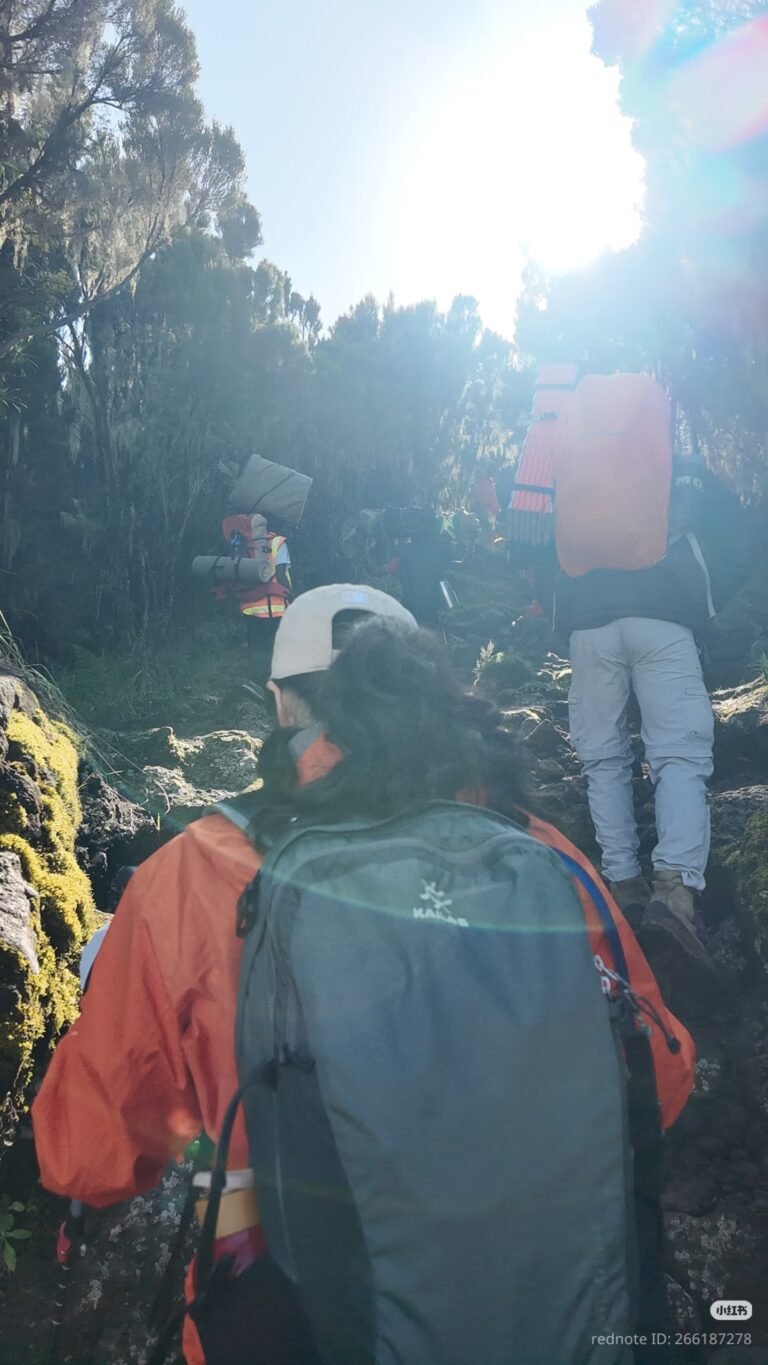
Marangu Route 28 December : Your New Year Kilimanjaro Group Trek 2026-2027
Plan your New Year's Eve ascent of Kilimanjaro by joining a Marangu Route group trek departing on December 28, 2026. This guide covers route specifics, what to expect, and essential...
View package details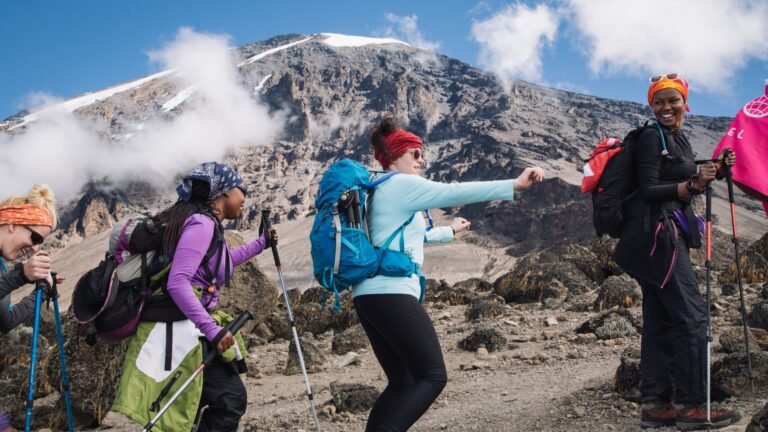
Last Minute Kilimanjaro August – Group Spaces And Availability 2027
Last Minute Kilimanjaro August 2027 – Group Spaces and Availability is explained with current 2027 planning, price, itinerary and booking information.
View package details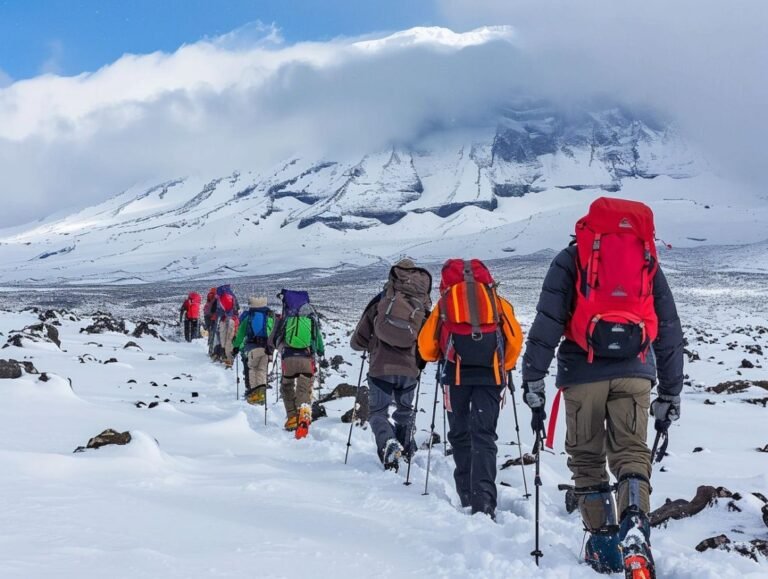
Kilimanjaro Climb July – Peak Dry-Season Group Departures 2027
Kilimanjaro Climb July 2027 – Peak Dry-Season Group Departures is explained with current 2027 planning, price, itinerary and booking information.
View package details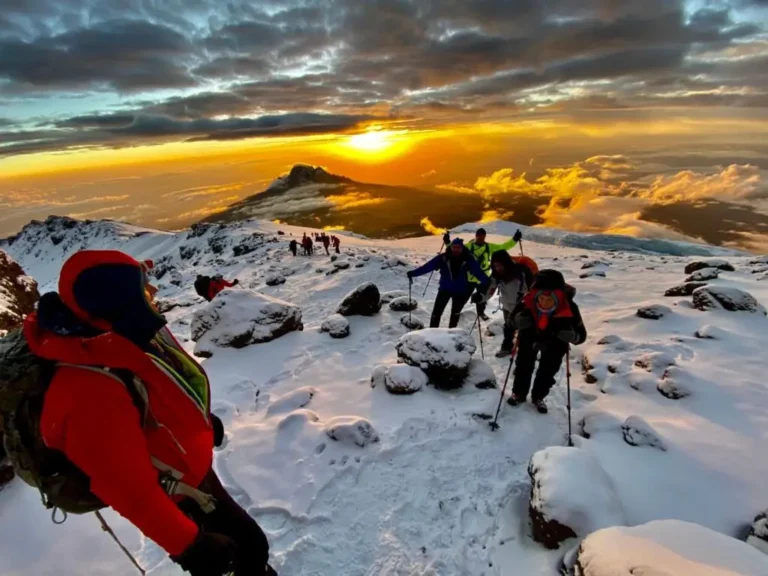
Marangu Route – 26 June Kilimanjaro Group Climb 2027
Marangu Route – 26 June 2027 Kilimanjaro Group Climb is explained with current 2027 planning, price, itinerary and booking information.
View package details7 Day Machame Route – 19 June Kilimanjaro Group Departure 2027
Planning to climb Kilimanjaro on the Machame Route in a group setting? This 7-day departure on June 19, 2027, offers a balanced approach to acclimatization and scenery. Learn what to...
View package detailsLemosho Route – 7 August Summer Group Climb: Your Kilimanjaro Adventure 2027
start a memorable Lemosho Route – 7 August 2027 Summer Group Climb up Mount Kilimanjaro. This guide covers the itinerary, acclimatization, and preparation for your ascent.
View package detailsSolo Traveller Kilimanjaro August – Join A Peak-Season Group 2027
Solo Traveller Kilimanjaro August 2027 – Join a Peak-Season Group is explained with current 2027 planning, price, itinerary and booking information.
View package detailsLemosho Route – 28 August Kilimanjaro Group Climb 2027
Lemosho Route – 28 August 2027 Kilimanjaro Group Climb is explained with current 2027 planning, price, itinerary and booking information.
View package detailsKilimanjaro 21 August – Late Group Departure 2027
Kilimanjaro 21 August 2027 – Late August Group Departure is explained with current 2027 planning, price, itinerary and booking information.
View package detailsLemosho Route – 12 August Kilimanjaro Group Climb With 4 Africa 2027
A detailed guide to the Lemosho Route Kilimanjaro climb for the 12 August 2027 group departure, covering itinerary, acclimatization, challenges, and what to expect with Climb 4 Africa.
View package details7 Day Machame Route – 3 August Group Departure For Kilimanjaro 2027
Secure your spot on the 7 Day Machame Route Kilimanjaro group trek departing on August 3, 2027. This popular route offers a fantastic balance of scenic beauty and acclimatization for a...
View package details8 Day Lemosho Route – 1 August Kilimanjaro Group 2027
8 Day Lemosho Route – 1 August 2027 Kilimanjaro Group is explained with current 2027 planning, price, itinerary and booking information.
View package detailsNo related package matches those filters. Clear one or more filters to see the other topic-matched options.



