
Choosing the Rongai Route for your Kilimanjaro climb in late October 2026 means opting for the drier northern approach, often considered one of the most rewarding and least crowded paths. This route offers excellent acclimatization, consistently good weather patterns in late October, and a unique perspective on Kilimanjaro’s landscape, making it a strong contender for trekkers seeking a more serene and potentially successful summit experience in the 2026-2027 trekking season.
Rongai Route: A Drier Northern Perspective
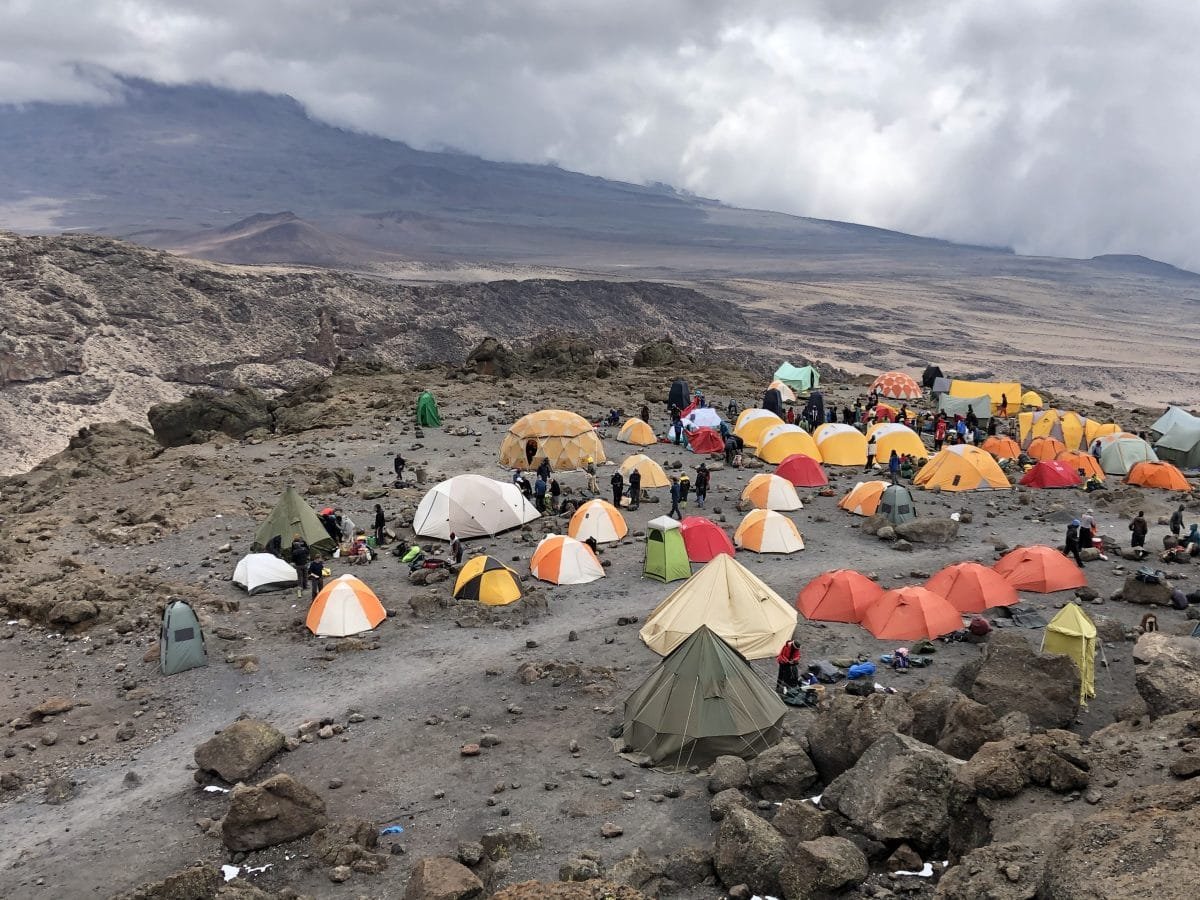
The Rongai Route stands out as a unique option for trekkers aiming for Kilimanjaro’s summit. Unlike most other popular routes that begin on the southern slopes, Rongai approaches the mountain from the north, near the Kenyan border. This distinct positioning is key to its reputation as a drier route, especially during months that might see more rain elsewhere. For those planning a climb in late October 2026, this northern approach offers a significant advantage, promising more consistent trekking conditions and a potentially more comfortable journey. The route is known for its gradual ascent, excellent acclimatization profile, and a sense of remoteness that many trekkers appreciate. It’s a longer route, typically taking 6 or 7 days, which is crucial for proper acclimatization and increasing summit success rates. The landscape traversed is varied, starting in the cultivated foothills, moving through montane forest, heath, moorland, and finally into the alpine desert and arctic zones near the summit.
When considering Kilimanjaro expeditions for 2026-2027, the Rongai Route provides a compelling alternative to the more frequented southern trails. Its less-trafficked nature means you’re more likely to experience the mountain’s grandeur without the constant presence of large trekking groups. This solitude enhances the overall experience, allowing for a deeper connection with the environment and a more personal challenge. The infrastructure on the Rongai Route is well-established, with designated campsites that offer basic but functional facilities. Guides and porters are experienced, and the logistical support is robust, ensuring a safe and well-managed climb. The journey from the northern side also offers different views of Kilimanjaro, particularly as you ascend towards Mawenzi, the mountain’s second peak, before traversing the saddle to Uhuru Peak on Kibo.
Kilimanjaro in Late October 2026: Weather and Why Rongai Shines
Late October on Kilimanjaro falls within the shoulder season, bridging the end of the short rainy season and the beginning of the main dry season. While generally considered a good time to climb, there can be some variability. The northern hemisphere’s autumn means that conditions are starting to stabilize. The short rains, which typically occur in November, might still leave some residual moisture, but the intensity and duration are usually less than in the main rainy seasons. This is precisely where the Rongai Route’s drier northern approach comes into its own. While southern and eastern slopes can experience more cloud cover and precipitation, the northern side often remains significantly drier due to Kilimanjaro’s rain shadow effect. This means fewer muddy trails, more consistent visibility, and a generally more pleasant trekking experience throughout your 2026 climb.
The temperatures in late October are also becoming more predictable as the dry season approaches. Daytime temperatures in the lower altitudes can still be warm, typically ranging from 20-25°C (68-77°F), but will drop considerably as you gain altitude. Nights at higher camps, especially Kibo Camp, can reach sub-zero temperatures, often between -5°C and -10°C (23-14°F), and even colder on summit night. The air is crisp and clear, offering excellent panoramic views of the surrounding landscape, including Mount Kenya in the distance on clear days. The decreasing likelihood of heavy rainfall in late October makes this period attractive for trekkers. However, it’s essential to remember that Kilimanjaro’s weather is notoriously unpredictable. Even in the dry season, short, sharp showers can occur, and conditions can change rapidly. The key advantage of Rongai in this period is its statistical tendency to remain drier, reducing the impact of any unexpected precipitation.
For trekkers planning their 2026-2027 Kilimanjaro adventure, late October presents a sweet spot. It offers a balance between manageable weather, fewer crowds than the peak dry season (December-February), and the distinct advantage of the Rongai Route’s drier conditions. This combination can lead to a more comfortable and visually rewarding climb. When considering specific dates in late October 2026, aiming for the latter half of the month can further increase your chances of encountering drier weather as the season transitions more definitively towards the dry period.
Detailed Rongai Route Itinerary for 2026-2027 Climbers
The Rongai Route is typically offered as a 6-day or 7-day itinerary. For optimal acclimatization and a higher chance of summit success, the 7-day option is strongly recommended, especially for trekkers who may not have extensive high-altitude experience. The extra day allows for a more relaxed pace and an opportunity to better adjust to the thinning air. Here’s a detailed look at a common 7-day Rongai itinerary, perfect for planning your 2026-2027 climb.
Day 1: Rongai Gate (1,950m / 6,398ft) to Simba Camp (2,600m / 8,530ft)
Your Kilimanjaro journey begins at the Rongai Gate, located on the northern side of the mountain. After completing park formalities and meeting your guide and crew, you’ll start your trek through cultivated land and forest. The initial ascent is relatively gentle, taking about 3-4 hours. The path is well-defined and offers a pleasant introduction to trekking on Kilimanjaro. You’ll likely encounter local communities and enjoy the transition from farmland to the montane forest. Simba Camp is situated just beyond the forest line, offering a first glimpse of the mountain’s vastness. The camp is often near a small stream, providing a scenic setting for your first night. Elevation gain for the day is approximately 650 meters (2,132 feet).
Day 2: Simba Camp (2,600m / 8,530ft) to Kikelewa Caves (3,600m / 11,811ft)
Today, you’ll continue your ascent, leaving the montane forest behind and entering the heath and moorland zones. The trail becomes steeper and more exposed. You’ll trek for approximately 6-7 hours, gaining about 1,000 meters (3,281 feet) in altitude. The landscape opens up, offering expansive views. Kikelewa Caves is a beautiful and scenic camping spot, situated at the edge of a forest clearing. It’s named after the caves nearby, which can offer shelter. This camp provides a good base for the next day’s push. The air is noticeably thinner here, and you’ll start to feel the effects of the altitude more keenly. The views from Kikelewa, especially towards the plains of Kenya, are spectacular on clear days.
Day 3: Kikelewa Caves (3,600m / 11,811ft) to Mawenzi Tarn Camp (4,300m / 14,108ft)
This day is characterized by a shorter but steeper climb, taking you into the alpine desert environment. You’ll ascend for about 3-4 hours, covering around 700 meters (2,297 feet) in altitude. Mawenzi Tarn Camp is spectacularly situated in a sheltered valley just below the jagged peaks of Mawenzi, Kilimanjaro’s second-highest peak. The camp offers dramatic scenery and a sense of being truly on the mountain. The afternoon can be used for acclimatization hikes around the camp, exploring the unique rocky landscape. The stark beauty of Mawenzi Tarn is a highlight for many trekkers on the Rongai route. The thin air at 4,300 meters requires careful attention to hydration and pacing.
Day 4: Mawenzi Tarn Camp (4,300m / 14,108ft) to Kibo Camp (4,700m / 15,420ft)
Today’s trek involves crossing the ‘saddle’ – the vast, arid plateau that lies between Mawenzi and Kibo, Kilimanjaro’s main volcanic cone. This is a longer trekking day, typically taking 5-7 hours, with a moderate ascent of about 400 meters (1,312 feet). You’ll be walking on scree and rocky terrain. Kibo Camp is situated at the base of the Kibo crater wall, the starting point for your summit attempt. The landscape is now purely alpine desert, with very little vegetation. The air is extremely thin, and temperatures will be significantly colder. You’ll aim to arrive at Kibo Camp in the afternoon, allowing ample time for rest and preparation for summit night. It’s crucial to hydrate well and get as much sleep as possible before the early morning start.
Day 5: Kibo Camp (4,700m / 15,420ft) to Summit (Uhuru Peak, 5,895m / 19,341ft) and Descent to Horombo Camp (3,700m / 12,140ft)
This is the most challenging day of your trek. You’ll typically start your summit attempt around midnight to 1 AM. The ascent is steep and arduous, primarily on scree and volcanic scree. You’ll ascend approximately 1,195 meters (3,921 feet) in altitude, aiming to reach the crater rim at Stella Point (5,756m / 18,885ft) around sunrise. From Stella Point, it’s a further 1-2 hour walk along the crater rim to Uhuru Peak, the roof of Africa. After celebrating your achievement, you’ll begin the long descent. The descent is often harder on the knees than the ascent is on the lungs. You’ll descend back to Kibo Camp to collect your belongings and then continue down to Horombo Camp, situated in the heath zone. This is a very long day, potentially 10-15 hours of trekking. The change in altitude from summit to Horombo is substantial, approximately 2,195 meters (7,201 feet) descent.
Day 6: Horombo Camp (3,700m / 12,140ft) to Marangu Gate (1,800m / 5,906ft)
After breakfast, you’ll continue your descent through the montane forest. The trek back down is usually quicker and easier than the ascent, taking about 5-6 hours. You’ll descend approximately 1,900 meters (6,234 feet). Upon reaching Marangu Gate, you’ll be met by your driver and transferred back to your hotel in Moshi or Arusha. This is where you’ll receive your climbing certificates. It’s a day for celebration and relaxation after your incredible achievement on Kilimanjaro. The contrast in environment from the alpine zones to the lush foothills is quite striking.
Day 7: Optional Extra Day for Acclimatization (Recommended)
Many operators, including Climb 4 Africa, recommend adding an extra day to the Rongai Route, usually by spending two nights at Simba Camp or Kikelewa Caves. This extra day is dedicated to acclimatization, allowing your body more time to adjust to the increasing altitude. It means breaking down one of the longer days into two shorter ones, which can significantly reduce the risk of altitude sickness and improve overall comfort and energy levels. For instance, you could spend two nights at Kikelewa Caves, allowing for a day hike to explore the surroundings and acclimatize before the significant climb to Mawenzi Tarn. This makes the 7-day itinerary a much more sensible and successful option for most climbers planning their 2026-2027 expeditions.
Why Rongai is Ideal for Your Late October 2026 Kilimanjaro Climb
The Rongai Route offers a confluence of benefits that make it a particularly attractive choice for trekkers aiming for Kilimanjaro in late October 2026. Understanding these advantages helps in making an informed decision for your expedition.
The Drier Northern Approach
This is the Rongai Route’s most significant selling point, especially for the shoulder months like October. Kilimanjaro’s weather is influenced by prevailing winds and the mountain’s topography. The northern slopes, where Rongai begins, are generally in the mountain’s rain shadow. This means that even when other routes might experience showers or persistent drizzle, the Rongai path tends to remain drier. For a late October 2026 climb, this translates to less muddy terrain, more comfortable trekking, and a reduced risk of being caught in prolonged downpours. While no route is guaranteed to be completely dry, Rongai offers statistically better odds for favorable weather during this transitional period.
Reduced Foot Traffic
Popular routes like Machame and Marangu can become quite congested, particularly during peak seasons. The Rongai Route, being less traveled, offers a more tranquil experience. In late October 2026, you’ll likely encounter fewer trekkers on the trail and at the campsites compared to the more established southern routes. This allows for a more intimate connection with the mountain’s environment, greater opportunities for photos without other groups in the background, and a generally more relaxed atmosphere. This is a significant factor for trekkers seeking a personal challenge and a sense of wilderness.
Potential for Wildlife Encounters
The initial stages of the Rongai Route pass through diverse vegetation zones, including forests that are home to various wildlife. While not a safari, trekkers on the Rongai Route have reported sightings of colobus monkeys, blue monkeys, and various bird species. These encounters are more common on the lower, forested sections of the route, and the quieter nature of Rongai can sometimes enhance the chances of spotting these animals. While wildlife sightings are never guaranteed, the forest environment on the northern slopes offers a pleasant bonus.
Excellent Acclimatization
The Rongai Route is known for its gradual ascent, especially in the initial days. This slow and steady climb allows the body to acclimatize more effectively to the increasing altitude. The typical 7-day itinerary, which includes an extra day for acclimatization, provides ample time for trekkers to adjust. Proper acclimatization is paramount for reaching the summit safely and successfully. By spending more time at intermediate altitudes and gradually increasing your elevation, you reduce the risk of developing Acute Mountain Sickness (AMS) and improve your overall endurance for the demanding summit push. The transition from Mawenzi Tarn to Kibo Camp is a significant jump, but the days leading up to it are designed to prepare your body.
Rongai vs. Other Kilimanjaro Routes in Late October 2026
When planning a Kilimanjaro climb in late October 2026, comparing the Rongai Route to other popular options helps solidify its suitability. Each route has its unique characteristics, and understanding these differences is crucial for selecting the best fit for your priorities.
Rongai vs. Machame
Machame, often called the ‘Whiskey Route’, is the most popular route due to its excellent acclimatization profile and scenic beauty. It’s also known for being steep and challenging. In late October 2026, Machame, starting on the southern side, is more likely to experience the residual rains from the short rainy season compared to Rongai. While Machame offers a 7-day option with good acclimatization, its popularity means it can be crowded. Rongai’s advantage here is its drier conditions and fewer trekkers, making it a better choice if solitude and consistent weather are higher priorities than the dramatic scenery of Machame’s western approach.
Rongai vs. Marangu
Marangu, the ‘Coca-Cola Route’, is the oldest and perhaps the most famous. It’s the only route that offers accommodation in huts rather than tents and is typically done in 5 or 6 days. The 5-day Marangu itinerary is generally considered to have poor acclimatization, leading to lower summit success rates. While Marangu is on the southern side and can also be affected by October rains, its main drawback for many is the lack of solitude and the challenging acclimatization on shorter itineraries. Rongai, with its longer, tented camping approach and better acclimatization profile (especially the 7-day option), is generally preferred for a more comfortable and successful climb in 2026-2027, despite being a tented route.
Rongai vs. Lemosho
Lemosho is another excellent route that starts on the western side and joins the Machame route. It’s known for its stunning scenery, good acclimatization, and lower crowds in its initial stages. Lemosho is a longer route, typically 7-8 days. In late October 2026, Lemosho’s western start might also experience some rain, though less than the southern routes. Rongai’s primary advantage over Lemosho in this specific context is its drier northern approach, which is a more significant factor for late October than the initial scenery of Lemosho. Both routes offer good acclimatization, but Rongai’s drier climate is a distinct benefit.
Rongai vs. Shira
Shira is similar to Lemosho in that it starts on the western side, but it begins at a higher altitude, which can initially make acclimatization more challenging. Shira is also a longer route, typically 7-8 days. Like Lemosho, it can be subject to weather patterns on the western side. For a late October 2026 climb, Rongai’s drier northern approach remains its key differentiator. While Shira offers beautiful landscapes, the potential for more consistent dry weather on Rongai makes it a more pragmatic choice for this specific time of year if dry conditions are a priority.
Rongai vs. Northern Circuit
The Northern Circuit is the longest route on Kilimanjaro, circumnavigating the mountain and offering the best acclimatization profile and highest summit success rates. It also starts on the western side, similar to Lemosho, and offers incredible views and solitude. In late October 2026, the Northern Circuit would also benefit from being in a potentially drier region than the southern routes. However, the Northern Circuit is significantly longer (9-10 days) and more expensive. Rongai offers a more budget-friendly and shorter option (6-7 days) while still providing excellent acclimatization and the significant advantage of the drier northern approach. If budget and time are constraints, Rongai is a more accessible choice than the Northern Circuit, without sacrificing the drier conditions.
Preparing for Your October 2026 Rongai Climb
A successful Kilimanjaro climb, especially on a route like Rongai in late October 2026, requires thorough preparation. This involves physical training, acquiring the right gear, understanding altitude sickness, and handling logistical aspects like visas and insurance.
Physical Fitness and Training
Kilimanjaro is a strenuous trek, and while it’s not technically difficult, the altitude is the main challenge. Your training should focus on cardiovascular endurance and leg strength. Aim for regular hiking in the months leading up to your 2026 climb, ideally with a weighted backpack, to simulate trek conditions. Include activities like running, cycling, swimming, and stair climbing. Focus on long, steady-paced hikes rather than short, intense bursts. The goal is to build stamina to endure 6-8 hours of trekking per day, with a very long day for the summit push.
Essential Gear and Equipment for 2026-2027
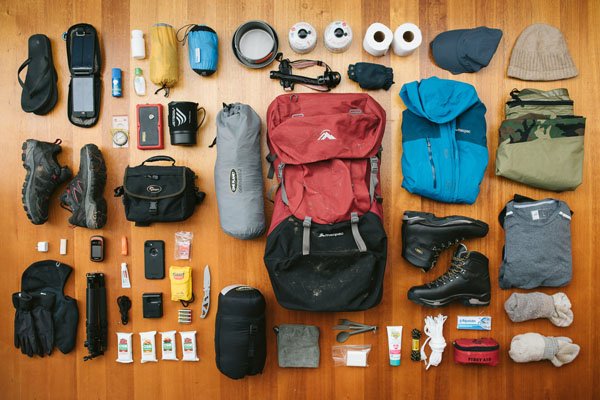
The varying altitudes and temperatures on Kilimanjaro necessitate a layered clothing system. You’ll need gear for warm, humid conditions at the start and freezing temperatures near the summit. Key items include:
- Waterproof and Windproof Outerwear: A good quality jacket and trousers are essential.
- Insulating Layers: Fleece jackets, down vests, and thermal base layers (merino wool or synthetic) are crucial.
- Footwear: Broken-in, waterproof hiking boots are non-negotiable. Bring comfortable camp shoes or sandals.
- Headwear: A warm hat, sun hat, and balaclava or neck gaiter for summit night.
- Gloves: Warm, waterproof gloves and liner gloves.
- Sleeping Bag: A 4-season sleeping bag rated to at least -15°C (0°F) is recommended for cold nights.
- Trekking Poles: Highly recommended for stability and reducing strain on knees, especially during descents.
- Headlamp: Essential for summit night and navigating camps in the dark.
- Water Bottles/Hydration Reservoir: Capacity for at least 3 liters. Insulated covers are useful to prevent freezing.
Reputable tour operators like Climb 4 Africa can provide detailed packing lists tailored to the season and route. Ensure your gear is high quality, as you’ll rely on it for comfort and safety throughout your 2026-2027 expedition.
Packing List Essentials
Beyond the core clothing and gear, consider these essentials for your late October 2026 Rongai climb:
- Sun Protection: High SPF sunscreen, lip balm with SPF, and sunglasses. The sun is intense at altitude.
- First-Aid Kit: Personal medications, blister treatment, pain relievers, and any specific items recommended by your doctor.
- Toiletries: Biodegradable soap, toothbrush, toothpaste, wet wipes, and hand sanitizer.
- Snacks: High-energy snacks like energy bars, nuts, dried fruit, and chocolate.
- Camera and Power Bank: To capture memories, but be mindful of battery life in the cold.
- Passport and Visa: Keep these secure and accessible.
- Cash: For tips for your guide and porters, and for any personal purchases.
It’s important to pack light but smart. Your porters will carry the bulk of your luggage, but you’ll need a comfortable daypack for essentials you need during the trek.
Altitude Sickness Prevention and Management
Acute Mountain Sickness (AMS) is the most significant risk on Kilimanjaro. Prevention is key. The Rongai Route’s gradual ascent and the recommended 7-day itinerary are excellent for acclimatization. Other preventive measures include:
- Ascend Slowly: The 7-day Rongai itinerary is designed for this.
- Hydrate: Drink plenty of water (3-4 liters per day). Avoid alcohol and caffeine.
- Eat Well: Consume high-carbohydrate meals, even if your appetite is reduced.
- Pace Yourself: ‘Pole pole’ (slowly, slowly) is the mantra on Kilimanjaro.
- Medication: Consult your doctor about Diamox (acetazolamide), which can help prevent or alleviate AMS symptoms.
Be aware of AMS symptoms: headache, nausea, dizziness, fatigue, and loss of appetite. If symptoms worsen or persist, inform your guide immediately. The primary treatment for AMS is descent. Your guide is trained to recognize and manage altitude sickness.
Travel Insurance and Visas for Tanzania
Comprehensive travel insurance is mandatory for Kilimanjaro climbs. It must cover emergency medical expenses, including high-altitude trekking and helicopter evacuation if necessary. Ensure your policy is valid for Tanzania and covers the full duration of your trip in 2026-2027. Visas for Tanzania can typically be obtained upon arrival at Kilimanjaro International Airport (JRO) or in advance online. Check the latest visa requirements for your nationality well before your departure date.
Booking Your 2026-2027 Rongai Kilimanjaro Climb with Climb 4 Africa
When planning your late October 2026 Rongai Route Kilimanjaro climb, partnering with an experienced and reputable tour operator is crucial. Climb 4 Africa specializes in Kilimanjaro expeditions and offers expert guidance, well-trained guides, quality equipment, and a commitment to safety and client satisfaction. We understand the nuances of each route, including the specific advantages of the Rongai Route for the drier northern approach, and can help you tailor your 2026-2027 adventure to your needs.
Choosing Climb 4 Africa means you benefit from local expertise, ensuring that your climb is not only successful but also supports the local economy and community. Our team is dedicated to providing a memorable and safe experience, from the initial booking process to your final descent. We can advise on the best itinerary length for your fitness level and acclimatization goals, recommend the ideal time within late October 2026 for the driest conditions, and ensure all logistical aspects are covered. Our pricing is transparent, reflecting the quality of service, safety standards, and the comprehensive inclusions that ensure a well-supported climb. We encourage you to reach out to us to discuss your specific plans for a 2026 or 2027 Kilimanjaro expedition. You can contact us directly via WhatsApp at +255 747 477 898 or by emailing climb4africa@gmail.com. Let us help you plan your unforgettable Rongai Route adventure!
Frequently Asked Questions: Rongai Route, October 2026
Here are answers to common questions about climbing the Rongai Route in late October 2026.
Is late October a good time to climb Kilimanjaro via the Rongai Route?
Yes, late October is generally considered a good time. It’s the shoulder season between the short rainy period and the main dry season. The Rongai Route’s northern approach is statistically drier than southern routes, making it an excellent choice for this month in 2026-2027.
How does the weather on the Rongai Route compare to other routes in October 2026?
The Rongai Route benefits from Kilimanjaro’s rain shadow effect on its northern side. This means it typically receives less rainfall than routes starting on the southern or western sides, such as Machame, Lemosho, or Marangu, during October 2026.
What is the recommended itinerary length for the Rongai Route in 2026?
While a 6-day itinerary is available, the 7-day Rongai Route is highly recommended for better acclimatization and a significantly higher chance of summit success. The extra day allows for a more gradual ascent and rest.
Is the Rongai Route crowded in late October 2026?
No, the Rongai Route is generally less crowded than routes like Machame or Marangu. This offers a more peaceful trekking experience, especially during the shoulder season of late October 2026.
What are the main advantages of choosing Rongai for a late October 2026 climb?
The primary advantages are its drier northern approach, reduced crowds, good acclimatization profile, and unique scenery. These factors combine to offer a comfortable and potentially more successful climbing experience for your 2026-2027 expedition.
What is the typical temperature range in late October 2026 on Kilimanjaro?
Temperatures vary greatly with altitude. Lower camps might be around 15-20°C (59-68°F) during the day, while summit night can drop to -15°C (5°F) or colder. Always be prepared for a wide range of conditions.
Do I need specific gear for the Rongai Route in October 2026?
Yes, a comprehensive gear list is essential. Focus on layered clothing, waterproof outer shells, warm insulation, sturdy hiking boots, and cold-weather accessories for summit night. Your tour operator will provide a detailed list.
How difficult is the Rongai Route compared to others?
Rongai is considered a moderately difficult route. Its gradual ascent profile aids acclimatization, making it less demanding in terms of daily altitude gain compared to some steeper routes. However, the altitude itself remains the primary challenge for all Kilimanjaro routes.
Check Availability for Rongai Route Kilimanjaro Late October : Your Drier Northern Approach Guide
Ready to compare dates, prices, and the best option for your group? Send the package name and travel month so the team can reply with a clear quote, availability, and what is included.
Rongai Route March : Your Northern Approach For Changing Kilimanjaro Weather
The Rongai Route offers a unique advantage for trekkers aiming for Kilimanjaro in March 2027. Its northern approach provides a distinct weather pattern compared to southern routes, often...
View package detailsRongai Route Kilimanjaro May : Your Guide To A Quiet Northern Trail 2027
The Rongai Route presents a unique opportunity for a less crowded Kilimanjaro ascent, especially in May 2027. This guide details its northern approach, advantages, and what to expect.
View package details
Rongai Route Kilimanjaro April : Your Northern-Side Rainy Season Trek 2027
start your Kilimanjaro adventure via the Rongai Route in April 2027. This guide details the northern-side experience during the shoulder rainy season, offering practical insights for...
View package details
6 Day Machame Route – 26 October Kilimanjaro Group Climb 2026-2027
Discover the details of the 6-day Machame Route Kilimanjaro group climb scheduled for October 26, 2026. This comprehensive guide covers itinerary, preparation, what to expect, and booking...
View package detailsKilimanjaro Mid-October – Best Routes Before The Short Rains 2026-2027
Kilimanjaro Mid-October 2026 – Best Routes Before the Short Rains is explained with current 2026-2027 planning, price, itinerary and booking information.
View package details
Northern Circuit – 10 July Dry-Season Expedition: Your Ultimate Kilimanjaro
Plan your Northern Circuit expedition for July 10, 2027. This dry-season adventure offers the most scenic and gradual ascent on Kilimanjaro, maximizing acclimatization and success rates.
View package details
Marangu Route – 26 June Kilimanjaro Group Climb 2027
Marangu Route – 26 June 2027 Kilimanjaro Group Climb is explained with current 2027 planning, price, itinerary and booking information.
View package details7 Day Machame Route – 19 June Kilimanjaro Group Departure 2027
Planning to climb Kilimanjaro on the Machame Route in a group setting? This 7-day departure on June 19, 2027, offers a balanced approach to acclimatization and scenery. Learn what to...
View package details
Lemosho Route – 7 August Summer Group Climb: Your Kilimanjaro Adventure 2027
start a memorable Lemosho Route – 7 August 2027 Summer Group Climb up Mount Kilimanjaro. This guide covers the itinerary, acclimatization, and preparation for your ascent.
View package detailsLemosho Route – 28 August Kilimanjaro Group Climb 2027
Lemosho Route – 28 August 2027 Kilimanjaro Group Climb is explained with current 2027 planning, price, itinerary and booking information.
View package detailsKilimanjaro 21 August – Late Group Departure 2027
Kilimanjaro 21 August 2027 – Late August Group Departure is explained with current 2027 planning, price, itinerary and booking information.
View package detailsLemosho Route – 12 August Kilimanjaro Group Climb With 4 Africa 2027
A detailed guide to the Lemosho Route Kilimanjaro climb for the 12 August 2027 group departure, covering itinerary, acclimatization, challenges, and what to expect with Climb 4 Africa.
View package detailsNo related package matches those filters. Clear one or more filters to see the other topic-matched options.



