
Solo travellers looking to climb Kilimanjaro in November 2026 can find excellent opportunities by joining a small group departure. This approach balances the independence of solo travel with the benefits of shared costs, built-in companionship, and expert guiding, making the adventure more accessible and enjoyable. November is a favourable month for climbing, often offering clear skies and moderate temperatures, ideal for reaching Uhuru Peak.

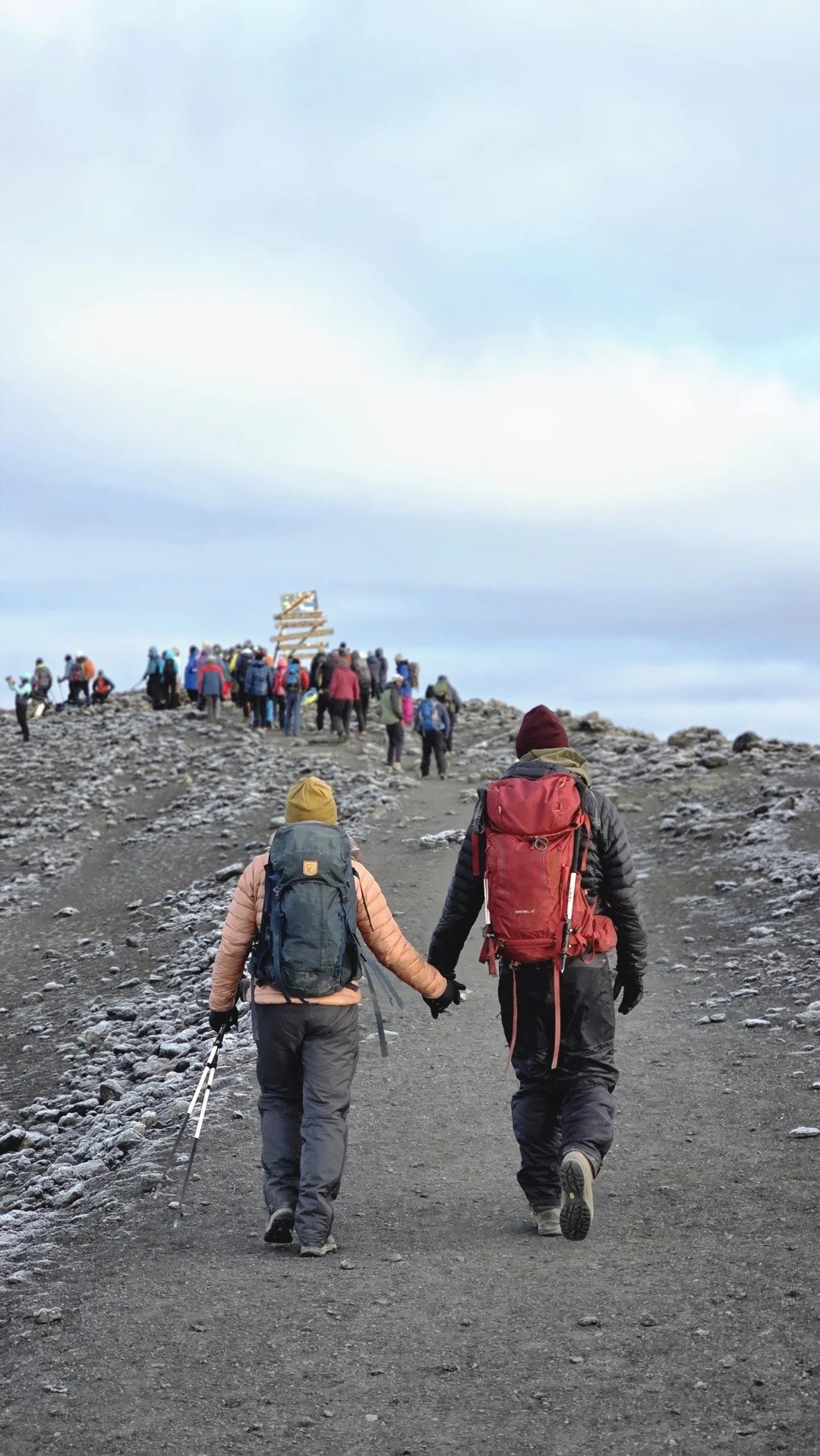
Why Join a Group as a Solo Traveller?
Embarking on a solo adventure to climb Kilimanjaro is an empowering decision, but for many, the question of how to best experience it arises. Joining a small group specifically designed for solo travellers, or opting for a scheduled group departure, offers a compelling solution. It’s not about forfeiting independence; rather, it’s about enhancing the experience through shared effort, mutual encouragement, and the innate camaraderie that develops when individuals pursue a challenging goal together. For a solo traveller heading to Kilimanjaro in November 2026, a group setting can transform potential anxieties about logistics, safety, and loneliness into a vibrant shared journey.
The most immediate benefit is financial. Kilimanjaro climbs involve significant fixed costs: park fees, guide and porter salaries, food, and accommodation at the base camp. When these costs are spread across a group, the per-person price becomes considerably more attractive than a private climb. This cost-sharing is particularly beneficial for solo travellers who might otherwise bear the full brunt of these expenses. For November 2026 departures, joining a group ensures you tap into this economic advantage, making your dream climb more attainable.
Beyond the practicalities, the social aspect is invaluable. You’ll be sharing the trek with like-minded individuals who are also seeking adventure and personal achievement. This creates a natural support system. During long trekking days, especially on summit night, having companions to share the struggle and celebrate milestones with can be profoundly motivating. The shared experience fosters bonds that often extend beyond the mountain itself, creating lasting memories and friendships. For a solo traveller, this built-in social circle can make the demanding trek feel less daunting and far more enjoyable.
Safety is another paramount consideration, and group travel inherently offers enhanced security. You are never truly alone. A well-established tour operator like Climb 4 Africa ensures you are accompanied by experienced guides, assistant guides, and porters who are trained in first aid and familiar with the mountain’s challenges. In the unlikely event of a medical issue or other emergency, a group provides more eyes and hands to assist, and professional support is readily available. This peace of mind is crucial for any traveller, especially one venturing solo.
Furthermore, joining a group simplifies logistics. All the complex arrangements – permits, park entries, transportation to the trailhead, meals, and camp setup – are handled by the tour operator. As a solo traveller, you can focus entirely on the climb and your personal journey, free from the stress of coordinating these essential elements. This allows for a more in-depth experience, where your attention is directed towards the stunning scenery, the physical challenge, and the profound sense of accomplishment.
Considering a solo traveller Kilimanjaro November 2026 – join a small group approach means you get the best of both worlds: the personal journey of solo exploration combined with the support, affordability, and shared joy of a group adventure. Climb 4 Africa specialises in creating these enriching group experiences, ensuring that solo adventurers feel welcomed, supported, and part of a cohesive team from start to finish.
Kilimanjaro in November 2026: Weather and Seasons
Choosing the right time to climb Kilimanjaro significantly impacts the experience, and November 2026 presents a unique window of opportunity. Kilimanjaro experiences distinct seasons, driven by the interplay of rainfall and temperature. Understanding these patterns is key to optimising your trek, especially when planning as a solo traveller aiming to join a group.
Generally, Kilimanjaro has two main dry seasons and two shorter, wetter rainy seasons. The peak dry seasons are January to March and June to October. These periods typically offer the clearest skies, lowest rainfall, and most stable weather conditions, making them the most popular times to climb.
November falls within one of the two ‘shoulder’ seasons, often referred to as the ‘short rains’ season. However, it’s crucial to understand what this means in practice. The short rains typically occur from November to mid-December. During this period, expect a mix of weather: sunny mornings are common, followed by afternoon showers. These showers are usually brief and can be quite localised. The rain is often light to moderate, and crucially, it doesn’t typically last all day, nor does it usually fall heavily enough to obstruct the trails for extended periods. Importantly, the precipitation often comes in the form of rain at lower altitudes and snow at higher altitudes, which can add a dramatic beauty to the landscape.
The advantage of climbing in November 2026, despite being part of the short rains season, is that it’s generally less crowded than the peak dry months. This means fewer people on the trails and at the campsites, offering a more serene and potentially more intimate experience – something many solo travellers seek. The landscape can also be incredibly vibrant and lush due to the preceding rains, with clearer air and less dust.
Temperatures on Kilimanjaro vary dramatically with altitude. At the base, it can be warm and humid (around 20-25°C or 68-77°F). As you ascend, temperatures drop significantly. At the crater rim (around 5,800m or 19,000ft), expect temperatures to be well below freezing, often ranging from -7°C to -20°C (19°F to -4°F), especially at night and during the summit push. November’s temperatures will align with this general pattern, with the added possibility of experiencing rain or snow showers, particularly in the afternoons.
For a solo traveller Kilimanjaro November 2026 – join a small group, the short rains season offers a trade-off: slightly less predictable weather in exchange for fewer crowds and potentially a more unique, less-trodden path. The key is to be well-prepared with appropriate waterproof gear and layered clothing. Climb 4 Africa’s guides are highly experienced in navigating all weather conditions and will ensure your safety and comfort regardless of what nature throws your way. Many trekkers find November to be a surprisingly good month, with clear views often dominating the early parts of the day before any cloud cover or precipitation builds.
When planning for November 2026, it’s wise to check long-range forecasts closer to the date, but always pack for a range of conditions. The beauty of Kilimanjaro in this season can be exceptional, with rainbows often appearing after showers and the mountain cloaked in mist and cloud, adding to its mystique. For those who embrace a bit of weather variability, November provides an excellent, less-congested window to conquer Africa’s highest peak.
Choosing the Right Kilimanjaro Route for Solo Trekkers in 2026
Selecting the optimal route is a critical decision for any Kilimanjaro trekker, and for a solo traveller joining a group in November 2026, it influences everything from acclimatisation and scenery to difficulty and group dynamics. Kilimanjaro offers several distinct routes, each with its own character, duration, and success rate. Understanding these differences helps match the route to your fitness, time availability, and desired experience.
For solo travellers aiming to join a small group, the most popular routes are often those with regular scheduled departures. Climb 4 Africa offers group departures on several key routes, ensuring that solo adventurers can easily find a compatible trek. The primary considerations for solo trekkers joining a group are acclimatisation profile, scenery, and the overall trekking experience.
Machame Route
Often dubbed the ‘Whiskey Route’ due to its popularity, the Machame Route is a 6-day or 7-day trek that is consistently favoured for its excellent acclimatisation profile and stunning scenery. It’s one of the most scenic routes, traversing diverse ecosystems and offering impressive views. The route progresses in a ‘climb high, sleep low’ pattern for much of its duration, which is highly effective for acclimatisation. This makes it a strong contender for solo travellers concerned about altitude sickness.
Duration: Typically 6 or 7 days.
Pros for Solo Travellers: High success rate due to good acclimatisation, beautiful and varied scenery, relatively well-established infrastructure, frequent group departures making it easy to join. The 7-day option significantly improves acclimatisation and success rates compared to the 6-day version.
Cons: Can be crowded, especially during peak seasons. While November is less crowded, it’s still a popular choice.
Lemosho Route
The Lemosho Route is generally considered one of the most beautiful and rewarding treks on Kilimanjaro. It’s a longer route, typically 7 or 8 days, which provides an even better acclimatisation profile than Machame. It starts on the western side of the mountain and offers remote, pristine wilderness for the first few days before merging with the Shira Ridge and eventually joining the Machame route. The longer duration and gradual ascent significantly increase the chances of reaching the summit comfortably.
Duration: Typically 7 or 8 days.
Pros for Solo Travellers: Excellent acclimatisation, arguably the most scenic route with diverse landscapes and fewer crowds in the initial days, high success rates. The 8-day option is particularly recommended for optimal acclimatisation and enjoyment.
Cons: Longer duration means a higher overall cost, though the per-person cost for group departures remains competitive. Fewer departure dates than Machame, but Climb 4 Africa schedules regular Lemosho group climbs.
Rongai Route
The Rongai Route approaches Kilimanjaro from the north, near the Kenyan border. It’s the only route that begins in a drier, semi-arid region, offering a different perspective. Rongai is generally less crowded than Machame or Lemosho. It’s a more gradual ascent, often completed in 6 or 7 days, and has a good acclimatisation profile, though perhaps not as pronounced as Lemosho.
Duration: Typically 6 or 7 days.
Pros for Solo Travellers: Less crowded, good acclimatisation, offers a unique starting point and scenery. It’s a good option if you prefer a quieter trek. The 7-day option is recommended for better acclimatisation.
Cons: Scenery is less varied than Machame or Lemosho in the initial days. It can be slightly less developed in terms of campsite facilities compared to the southern routes.
Other Routes
The Marangu Route (‘Coca-Cola Route’) is the oldest and simplest, but its ‘switchback’ ascent offers poor acclimatisation, leading to lower success rates. It’s also the only route with sleeping huts instead of camping. The Northern Circuit is the longest (9 days) and offers the best acclimatisation and highest success rates, circling the mountain, but has fewer scheduled group departures. The Umbwe Route is the shortest and steepest, recommended only for experienced and very fit hikers with excellent acclimatisation ability.
For a solo traveller Kilimanjaro November 2026 – join a small group, the Machame (7-day) and Lemosho (7 or 8-day) routes are generally the top recommendations. They offer the best balance of scenery, acclimatisation, and accessibility for group departures. Climb 4 Africa’s scheduled group climbs often feature these routes, ensuring you can find a departure that suits your needs.
When making your choice for 2026, consider how much time you have, your budget, and your priority for scenery versus solitude. A 7-day Machame or Lemosho trek provides an excellent balance for most solo travellers joining a group.
Small Group Kilimanjaro Departures: November 2026
Finding the perfect small group departure for your Kilimanjaro climb in November 2026 as a solo traveller is about more than just dates; it’s about finding an operator that values the solo experience within a group setting. Climb 4 Africa focuses on creating supportive, well-managed small group treks designed to welcome solo adventurers.
Our November 2026 small group departures are carefully scheduled to maximise the chances of good weather and provide a conducive environment for acclimatisation and enjoyment. We understand that solo travellers seek both connection and personal space, and our group sizes are typically kept to a manageable number, usually between 6 to 12 trekkers. This ensures a personalised experience where guides can give individual attention while fostering a strong group dynamic.
When looking for a solo traveller Kilimanjaro November 2026 – join a small group, consider the following aspects of Climb 4 Africa’s offerings:
- Scheduled Dates: We publish our group departure dates well in advance, allowing you to plan your 2026 adventure with ample time. While specific November 2026 dates will be confirmed closer to the time, you can expect multiple options.
- Route Selection: Our group departures typically focus on the most popular and well-acclimatising routes like the 7-day Machame and 7 or 8-day Lemosho routes. These routes offer the best combination of scenery, success rates, and accessibility for group travel.
- Inclusions: We detail exactly what is included in our climb packages. This typically covers park fees, rescue fees, professional guides and support crew, all meals on the mountain, camping equipment (tents, sleeping mats), boiled water, and transportation to and from the mountain. This transparency is vital for solo travellers budgeting their trip.
- Safety Standards: Our commitment to safety is paramount. All our guides are certified Wilderness First Responders, and we carry comprehensive medical kits. We adhere to strict safety protocols, including regular health checks on trekkers during the climb.
- Experienced Crew: We pride ourselves on our experienced, ethical, and well-paid local guides and porters. This ensures not only your safety and comfort but also fair treatment of the mountain crew, contributing to a positive trekking experience for everyone.
- No Single Supplement (Typically): For solo travellers joining our scheduled group climbs, we generally do not charge a single supplement for accommodation at the hotel before and after the climb, or for tent sharing on the mountain (if preferred and available). This makes group travel even more cost-effective for solo adventurers. Please confirm this policy when booking for November 2026.
By joining a Climb 4 Africa small group for your Kilimanjaro expedition in November 2026, you are choosing a well-supported, professionally managed, and camaraderie-filled journey. You’ll be part of a team with a shared goal, guided by experts who understand the mountain and the needs of every climber, including those venturing solo.
To find available dates and specific itineraries for November 2026, it’s best to contact us directly. We can provide detailed information on upcoming group departures and help you select the climb that best suits your aspirations. The planning for 2027 adventures also begins early, so if you’re looking further ahead, we can assist with that too.
Preparation for Your Solo Kilimanjaro Climb in 2026
A successful Kilimanjaro climb, especially for a solo traveller joining a group in November 2026, hinges on thorough preparation. This encompasses physical conditioning, appropriate gear, understanding altitude sickness, and mental readiness. While the group setting provides support, your personal preparation is the foundation of your achievement.
Physical Fitness
Kilimanjaro is a challenging trek, not a technical climb, but it demands significant cardiovascular endurance and leg strength. The altitude is the primary adversary, but the sustained physical effort over multiple days is also demanding. Aim to build a fitness routine in the months leading up to your November 2026 climb.
- Cardiovascular Endurance: Engage in activities like hiking (with a backpack and on varied terrain), running, cycling, or swimming at least 3-4 times a week. Focus on longer duration sessions (1-2 hours) to build stamina.
- Leg Strength: Incorporate exercises like squats, lunges, step-ups (with weight), and calf raises. Building strong legs will help you on the steep ascents and descents.
- Hiking Practice: The most crucial preparation is hiking on uneven terrain, ideally with hills. Practice hiking for several hours at a time, wearing the boots and carrying the backpack you intend to use on Kilimanjaro. This helps your body adapt and identifies any potential issues with gear. Try to simulate multi-day hiking if possible.
- Consistency is Key: Start your training gradually and increase intensity and duration over time. Avoid overexertion close to your departure date.
Gear and Equipment
Proper gear is essential for comfort, safety, and success on Kilimanjaro, especially in variable November weather. Layering is the principle: base layers for warmth and moisture-wicking, mid-layers for insulation, and outer layers for wind and rain protection. Climb 4 Africa provides a detailed packing list, but here are the essentials:
- Boots: Well-worn-in, waterproof hiking boots with good ankle support are non-negotiable.
- Clothing: Thermal base layers (merino wool or synthetic), fleece jackets or down jackets for insulation, waterproof and windproof outer jacket and trousers, comfortable hiking trousers, t-shirts, and warm socks (multiple pairs).
- Headwear: A warm, insulated hat that covers your ears, and a sun hat or cap for lower altitudes. A balaclava or neck gaiter is also highly recommended for summit night.
- Gloves: Warm, waterproof gloves or mittens, and thinner liner gloves.
- Sleeping Bag: A 4-season sleeping bag rated to at least -15°C (0°F) is crucial.
- Backpack: A comfortable daypack (30-40 litres) for essentials you carry daily, and a larger duffel bag (80-100 litres) for your main gear, carried by porters.
- Trekking Poles: Highly recommended to reduce strain on knees and improve balance.
- Headlamp: Essential for navigating in the dark, especially on summit night. Bring spare batteries.
- Sun Protection: High SPF sunscreen, lip balm with SPF, and sunglasses.
- Water Bottles/Hydration Reservoir: Capacity for at least 3 litres. Insulated covers are useful in cold weather.
Tip for Solo Travellers: Consider renting some of the bulkier items like sleeping bags or down jackets from Climb 4 Africa if you don’t want to purchase them for a single trip. This can save on luggage weight and cost.
Altitude Sickness Prevention
Altitude sickness (Acute Mountain Sickness – AMS) is the most common challenge on Kilimanjaro. It’s caused by ascending too quickly and the body not having enough time to adapt to lower oxygen levels. The best prevention is a slow, gradual ascent, which is why choosing a longer route (7 or 8 days) is highly recommended, especially for solo travellers who may not have companions noticing subtle changes.
- Ascend Slowly: Choose a 7-day or longer trek. The ‘pole pole’ (slowly, slowly) principle is vital.
- Hydrate: Drink plenty of fluids – water, herbal teas, and clear broths. Aim for 3-4 litres per day. Avoid alcohol and caffeine, which can dehydrate you.
- Eat Well: Consume carbohydrate-rich meals. Your appetite may decrease at altitude, but try to eat small, frequent meals.
- Monitor Symptoms: Be honest about how you feel. Symptoms include headache, nausea, dizziness, fatigue, and shortness of breath. Report any symptoms to your guide immediately.
- Medication: Discuss Diamox (acetazolamide) with your doctor. It can help speed up acclimatisation but is not a substitute for slow ascent and proper hydration. It must be prescribed.
Climb 4 Africa’s guides are trained to recognise and manage altitude sickness. They will monitor trekkers closely and make decisions based on your health and safety. For a solo traveller Kilimanjaro November 2026 – join a small group, this expert oversight is invaluable.
Mental Preparation
The mental aspect of climbing Kilimanjaro is as significant as the physical. The summit push, in particular, can be gruelling, often starting in the middle of the night and continuing for 10-14 hours. Solo travellers often excel in mental fortitude, but it’s still important to prepare.
- Set Realistic Expectations: Understand that there will be tough moments. Embrace the challenge and focus on taking one step at a time.
- Positive Mindset: Focus on the incredible achievement and the stunning environment. Visualise yourself reaching the summit.
- Trust Your Guides: Your guides are experienced professionals. Listen to their advice and trust their judgment regarding pace, rest, and your health.
- Embrace the Group: While you are a solo traveller, you are part of a team. Be supportive of others, and accept support graciously.
Preparing for your solo traveller Kilimanjaro November 2026 – join a small group adventure means being ready physically, equipped correctly, aware of altitude risks, and mentally resilient. Climb 4 Africa provides comprehensive pre-departure information to assist you in every aspect of your preparation for 2026 and beyond into 2027.
What to Expect on a Group Climb with Climb 4 Africa
When you choose to join a Climb 4 Africa small group for your Kilimanjaro climb in November 2026 as a solo traveller, you’re signing up for a professionally managed and supportive expedition. Our goal is to ensure that every trekker, whether travelling solo or with companions, feels integrated, safe, and well-cared for throughout the journey.
Here’s a breakdown of what you can typically expect:
- Pre-Climb Briefing: Before you even reach the mountain, you’ll receive detailed pre-departure information. On arrival in Tanzania, there’s usually a comprehensive briefing session where you meet your guides, other group members (if they’ve also arrived), and go over the itinerary, gear check, and answer any last-minute questions. This is a great opportunity for solo travellers to start connecting with the group.
- The Mountain Crew: You’ll be accompanied by a dedicated team: lead guide, assistant guides (depending on group size), a cook, and a team of porters. Our crew is highly trained, experienced, and committed to providing excellent service. They are not just staff; they are integral to the success and enjoyment of your climb.
- Daily Routine: Each trekking day follows a rhythm. After breakfast, you’ll pack up camp. The porters will carry the main gear. You’ll trek for several hours, with breaks for snacks and lunch. The pace is always ‘pole pole’ (slowly, slowly), dictated by the slowest member of the group. Your guides will monitor everyone’s condition. You’ll arrive at the next campsite in the afternoon, have dinner, and then retire to your tents.
- Meals on the Mountain: Climb 4 Africa provides nutritious and varied meals designed to give you energy. Expect breakfasts (porridge, eggs, toast), lunches (sandwiches, soups, hot dishes), and dinners (soups, main courses like chicken, beef, or vegetarian stews, followed by dessert). Plenty of boiled water for drinking and washing is provided.
- Accommodation: On the mountain, you’ll be camping in comfortable, spacious tents. We provide quality tents, sleeping mats, and a mess tent for dining and socialising. Solo travellers will typically share a tent with another same-sex trekker if they choose, or we can arrange a private tent at an additional cost if available and requested in advance for 2026 or 2027 trips.
- Support for Solo Travellers: Your guides are trained to be particularly attentive to solo climbers. They will check in with you regularly, ensuring you’re feeling well and managing the altitude. The group dynamic itself provides companionship, and our guides foster an inclusive atmosphere where everyone feels comfortable interacting and supporting each other.
- Summit Night: This is the most challenging part of the trek. You’ll typically start around midnight, trekking in the dark with headlamps. The pace is very slow, and the cold can be intense. Your guides will be with you every step of the way, offering encouragement and ensuring you stay safe. Reaching Stella Point and then Uhuru Peak is an unforgettable experience, shared with your group.
- Descent and Celebration: After reaching the summit and enjoying the views (weather permitting), you’ll descend back to a lower camp. The following day, you’ll descend to the park gate where you’ll be met by our vehicle. A celebratory dinner is often organised at the hotel in Moshi or Arusha, a perfect way to share stories and achievements with your fellow trekkers.
Choosing Climb 4 Africa for your solo traveller Kilimanjaro November 2026 – join a small group means you’re opting for a team that prioritises your well-being, safety, and enjoyment. We aim to make your solo journey on Kilimanjaro a truly remarkable and positive experience, fostering a sense of achievement and connection within your group.
Booking Your Solo Kilimanjaro Adventure for 2026-2027
Securing your spot on a Kilimanjaro group climb for November 2026 or looking ahead to 2027 is a straightforward process with Climb 4 Africa. We encourage solo travellers to book in advance to ensure they get their preferred dates and routes, especially as November is a popular shoulder season.
How to Book:
- Enquire About Dates: Visit our website or contact us directly to inquire about our scheduled small group departure dates for November 2026. We can provide you with a detailed itinerary for your chosen route (e.g., 7-day Machame or 7/8-day Lemosho).
- Confirm Inclusions and Pricing: We will provide a clear breakdown of what is included in the climb package. Our pricing is competitive and transparent, reflecting the quality of service, safety standards, and ethical treatment of our crew. For a solo traveller Kilimanjaro November 2026 – join a small group, you’ll find our group rates offer excellent value.
- Deposit and Balance: A deposit is typically required to confirm your booking and secure your place on the chosen departure. The remaining balance is usually due a certain number of weeks or months before your departure date (e.g., 60-90 days).
- Visa and Flights: Please note that international flights to Kilimanjaro International Airport (JRO) and Tanzanian visas are not typically included in our climb packages. You will need to arrange these separately. We can offer guidance on visa requirements and flight recommendations.
- Travel Insurance: Comprehensive travel insurance is mandatory for all our Kilimanjaro climbs. This insurance must cover high-altitude trekking (up to 6000m) and emergency medical evacuation.
Why Book with Climb 4 Africa?
As a local Tanzanian company with extensive experience in Kilimanjaro expeditions, Climb 4 Africa offers unparalleled local knowledge and support. We are committed to responsible tourism, ensuring fair wages and working conditions for our guides and porters, and minimising our environmental impact. For solo travellers, our personal touch and dedication to client care mean you’re not just a booking number; you’re an adventurer embarking on a life-changing journey, and we are here to support you every step of the way. We handle all the complexities of the climb, allowing you to focus on the adventure.
To begin planning your solo traveller Kilimanjaro November 2026 – join a small group expedition, or to discuss options for 2027, please reach out to our team. We are ready to help you make this incredible dream a reality.
Contact us:
WhatsApp: +255 747 477 898
Email: climb4africa@gmail.com
Post-Climb Extensions: Safari and Zanzibar
Completing your Kilimanjaro climb is a monumental achievement, and many solo travellers choose to extend their Tanzanian adventure by combining the trek with a wildlife safari or a relaxing stay in Zanzibar. These extensions offer a fantastic way to experience more of what Tanzania has to offer and provide a perfect transition from the challenges of the mountain to the wonders of the country.
Kilimanjaro Safaris:
After descending Kilimanjaro, most trekkers head to Arusha or Moshi, which serve as excellent starting points for safaris. Climb 4 Africa specialises in crafting unforgettable safari experiences. For solo travellers, joining a small group safari is also an excellent option, mirroring the benefits of group trekking.
- Northern Circuit Parks: Popular destinations include the Serengeti National Park (famous for the Great Migration), the Ngorongoro Conservation Area (a UNESCO World Heritage Site with incredible wildlife density within the crater), Tarangire National Park (known for its large elephant herds and baobab trees), and Lake Manyara National Park (home to tree-climbing lions and diverse birdlife).
- Duration: Safaris can range from a 3-day introductory tour to a 7-day or longer in-depth experience covering multiple parks.
- Accommodation: Options range from comfortable tented camps that offer a closer-to-nature experience to lodges providing more amenities.
A safari provides a stark yet beautiful contrast to Kilimanjaro. Imagine spotting lions, elephants, giraffes, and zebras in their natural habitat after conquering Africa’s highest peak. For solo travellers, a group safari offers shared excitement and the opportunity to discuss wildlife sightings with new friends.
Zanzibar Holidays:
For those seeking relaxation and a change of pace, the exotic island of Zanzibar is the perfect post-climb destination. Located off the coast of Tanzania, Zanzibar offers pristine white-sand beaches, turquoise waters, and a rich cultural heritage.
- Stone Town: Explore the labyrinthine streets of Stone Town, a UNESCO World Heritage site, with its historic buildings, bustling markets, and spice tours.
- Beaches: Relax on the stunning beaches of Nungwi, Kendwa, Paje, or Matemwe. Enjoy swimming, snorkelling, diving, or simply soaking up the sun.
- Activities: From spice tours and Jozani Forest (home to the Red Colobus monkey) to dolphin watching and dhow sunset cruises, Zanzibar offers a variety of activities.
A few days or a week in Zanzibar allows your body to recover and your mind to unwind. The warm Indian Ocean waters and gentle sea breeze are a welcome balm after the rigors of the mountain. For solo travellers, Zanzibar offers both opportunities for social interaction (beach bars, group excursions) and tranquil solitude.
Combining Your Trip:
Climb 4 Africa can seamlessly integrate your Kilimanjaro climb with safari and Zanzibar extensions. This allows for a single point of contact for all your travel arrangements in Tanzania, simplifying planning and ensuring a cohesive experience. Whether you’re planning for November 2026 or looking further ahead to 2027, we can help you craft the ultimate Tanzanian adventure. Many solo travellers find that combining these elements creates a well-rounded and unforgettable African journey.
Frequently Asked Questions: Solo Kilimanjaro November 2026
Can I join a group climb even if I’m travelling solo?
Absolutely! Joining a small group is one of the most popular and recommended ways for solo travellers to climb Kilimanjaro. It offers camaraderie, shared costs, and built-in support, making the experience more enjoyable and accessible. Climb 4 Africa specialises in creating welcoming group environments for solo adventurers.
Is November a good month to climb Kilimanjaro?
November falls within the ‘short rains’ season. While you might encounter brief afternoon showers, mornings are often clear, and the rain doesn’t typically disrupt the climb significantly. The advantage is fewer crowds compared to the peak dry seasons. It’s a good month for those who are well-prepared with waterproof gear and don’t mind a bit of variable weather for a more serene experience.
What is the best route for a solo traveller joining a group?
For solo travellers joining a group, the 7-day Machame Route or the 7 or 8-day Lemosho Route are highly recommended. They offer excellent acclimatisation profiles, stunning scenery, and are popular choices for group departures, increasing your chances of finding a suitable trek for November 2026.
What are the main costs for a solo Kilimanjaro climb in a group?
The primary cost is the tour operator’s package price, which includes park fees, guide and porter salaries, meals, camping equipment, and transport. Additional costs typically include flights to Tanzania, visa fees, travel insurance, tips for the crew, personal gear, and any pre/post-climb accommodation or extensions (like safaris or Zanzibar).
How can I prevent altitude sickness on Kilimanjaro?
The best prevention methods are a slow ascent (choose a longer route like 7 or 8 days), staying well-hydrated (3-4 litres of fluids daily), eating well, avoiding alcohol and caffeine, and listening to your body. Report any symptoms immediately to your guide. Discussing Diamox with your doctor is also an option.
What should I pack for a Kilimanjaro climb in November 2026?
You’ll need warm, layered clothing (thermals, fleece, waterproof outer layers), sturdy waterproof hiking boots, a warm sleeping bag (rated to -15°C), gloves, a warm hat, sun protection, trekking poles, and a headlamp. Climb 4 Africa provides a detailed packing list upon booking.
Will I be alone on the mountain if I’m a solo traveller?
While you are travelling solo, you will be part of a small group with a dedicated guide and support crew. You will have plenty of opportunities for social interaction with your fellow trekkers and guides, but you will also have ample personal time to enjoy the journey at your own pace.
How do I book a solo Kilimanjaro climb with Climb 4 Africa for November 2026?
You can contact Climb 4 Africa directly via WhatsApp (+255 747 477 898) or email (climb4africa@gmail.com). They will provide you with available group departure dates for November 2026, detailed itineraries, and pricing information to help you secure your booking.
Check Availability for Solo Traveller Kilimanjaro November : Join A Small Group Climb 2026-2027
Ready to compare dates, prices, and the best option for your group? Send the package name and travel month so the team can reply with a clear quote, availability, and what is included.
Solo Traveller Kilimanjaro August – Join A Peak-Season Group 2027
Solo Traveller Kilimanjaro August 2027 – Join a Peak-Season Group is explained with current 2027 planning, price, itinerary and booking information.
View package details
Solo Traveller Kilimanjaro February : Join International Groups For Your Climb
start your solo Kilimanjaro adventure in February 2027 by joining an international group. This guide helps solo travelers find suitable expeditions, understand the benefits of group climbs...
View package details
Solo Traveller Kilimanjaro Christmas : How To Join A Group Climb 2026-2027
Embarking on a solo Kilimanjaro climb during Christmas 2026 offers a unique festive experience. This guide helps solo travelers find and join suitable groups for a safe and memorable...
View package details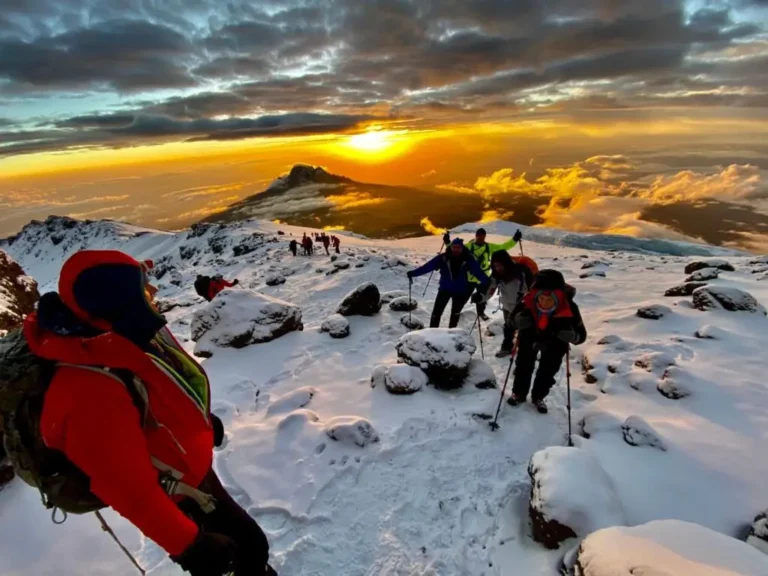
Kilimanjaro 17 April – Small Group Rainy-Season Adventure With Climb 4 Africa
start a unique Kilimanjaro climb on April 17, 2027, as part of a small group during the rainy season. This adventure offers a different perspective of the mountain, with fewer crowds and...
View package details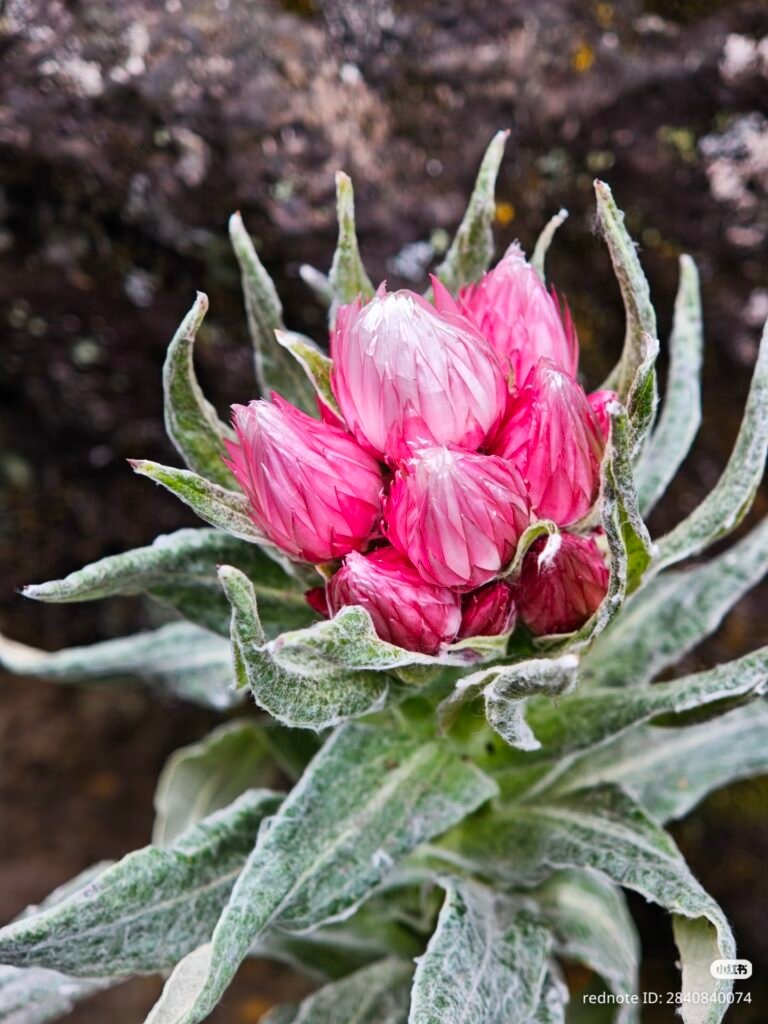
?? Kilimanjaro Early December, Group Joining, Acclimatization 2026-2027
→ Kilimanjaro early December, group joining, acclimatization. is explained with current 2026-2027 planning, price, itinerary and booking information.
View package details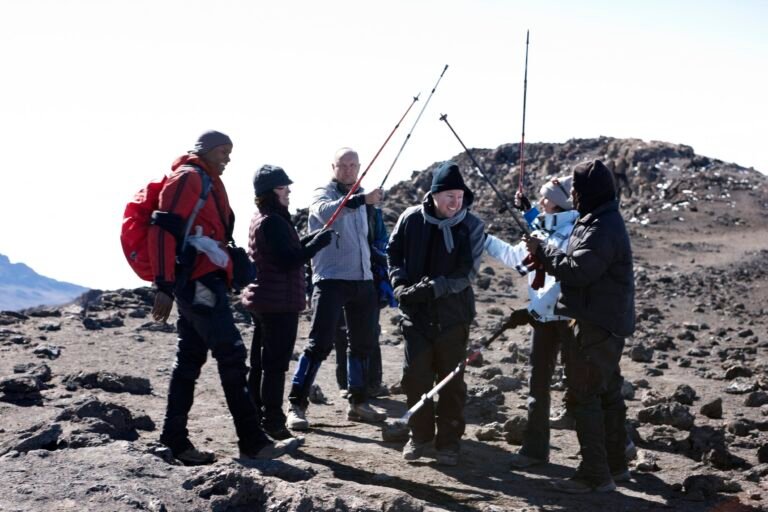
Kilimanjaro 26 November : Thanksgiving Week Group Trek 2026-2027
Plan your Kilimanjaro climb for the unique 26 November 2026 departure, coinciding with Thanksgiving week. This group trek offers a special opportunity to summit Africa's highest peak while...
View package detailsSolo Traveller Kilimanjaro January – Confirmed Groups To Join 2026-2027
Solo Traveller Kilimanjaro January 2027 – Confirmed Groups to Join is explained with current 2026-2027 planning, price, itinerary and booking information.
View package details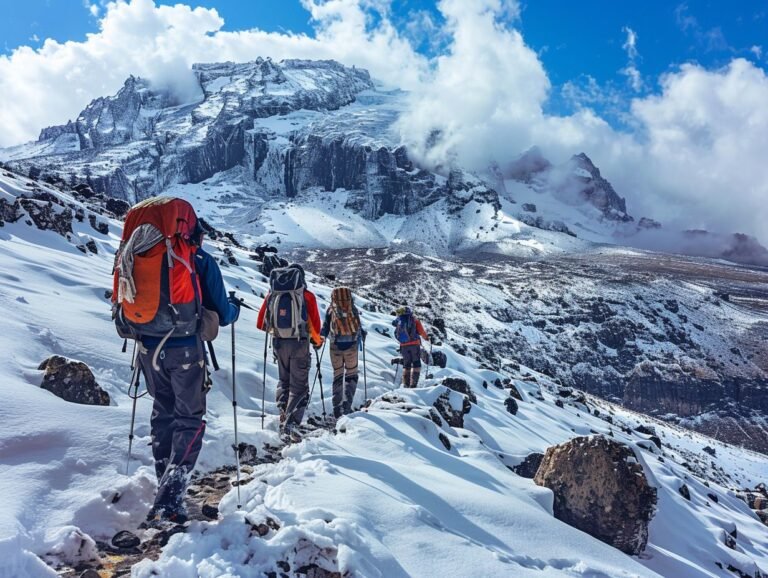
Kilimanjaro 22 May : Your Late-Rainy-Season Group Trek 2027
Planning a Kilimanjaro trek for May 22, 2027? This late-rainy-season group departure offers a different perspective on Africa's highest peak, often with fewer crowds and lush landscapes...
View package detailsKilimanjaro 8 May : Experience A Low-Crowd Group Trek 2027
Discover the unique advantages of joining a low-crowd group trek on Kilimanjaro on May 8, 2027. This departure offers a more intimate climbing experience, focusing on safety...
View package detailsKilimanjaro 3 April – Low-Season Group Departure 2027
Kilimanjaro 3 April 2027 – Low-Season Group Departure is explained with current 2027 planning, price, itinerary and booking information.
View package detailsKilimanjaro 1 March – Early Group Trek 2027
Kilimanjaro 1 March 2027 – Early March Group Trek is explained with current 2027 planning, price, itinerary and booking information.
View package details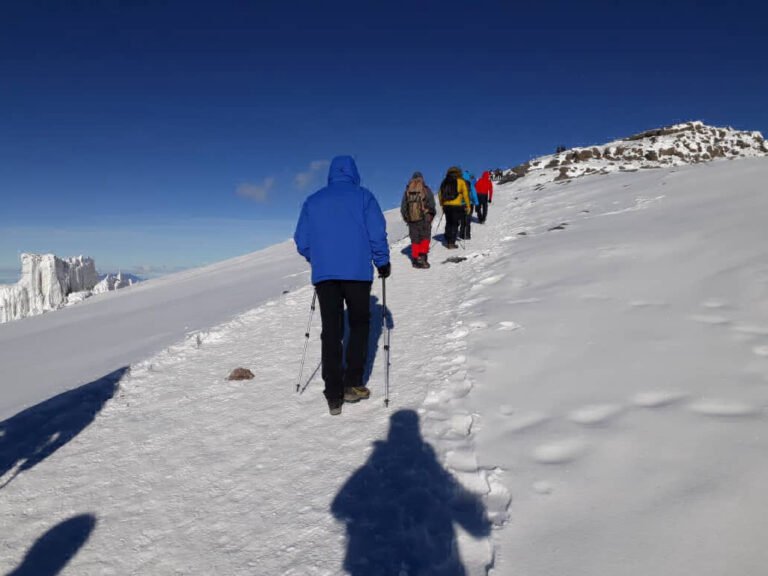
Lemosho Route – 16 January Group Joining Kilimanjaro Climb 2026-2027
This page details the Lemosho Route Kilimanjaro climb scheduled for January 16, 2027. It's an 8-day group joining departure, ideal for trekkers seeking a balance of scenic beauty, excellent...
View package detailsNo related package matches those filters. Clear one or more filters to see the other topic-matched options.



