
A Kilimanjaro Full Moon Climb in November 2026, targeting a summit around the 24th of November, offers an unparalleled experience of ascending Africa’s highest peak under the ethereal glow of a full moon. This specific period in November often aligns with favorable weather conditions, providing clear skies and less rainfall, enhancing both the climbing experience and the spectacular lunar views from the summit. Planning this trip requires careful consideration of routes, acclimatization, and preparation to maximize safety and enjoyment during this unique ascent.
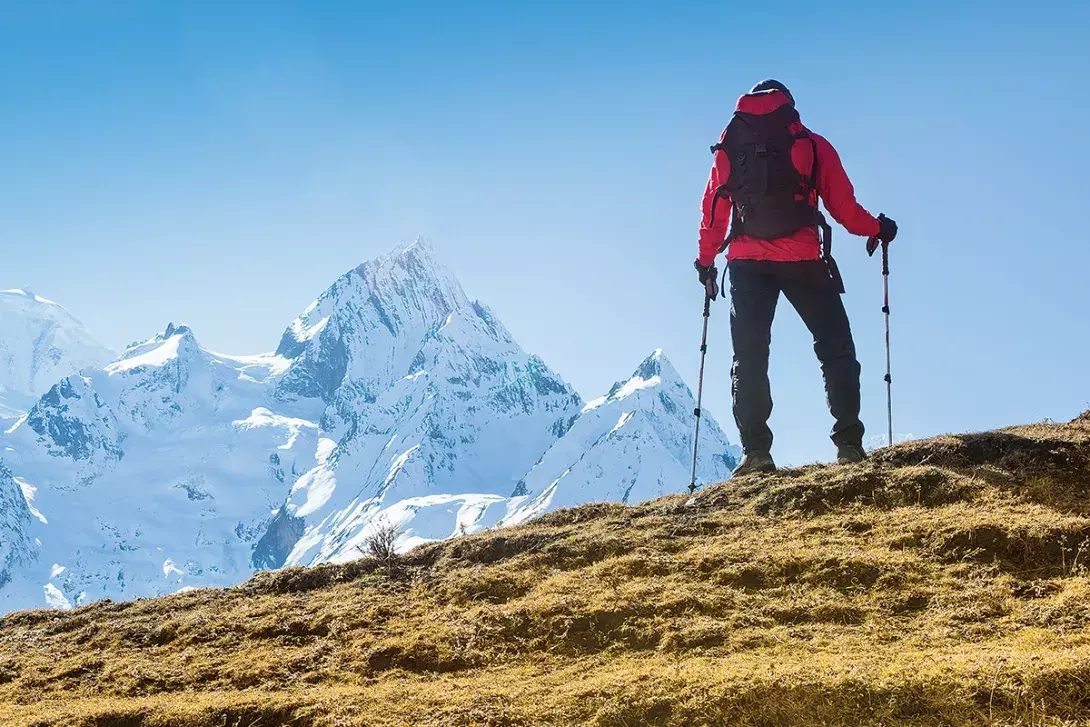
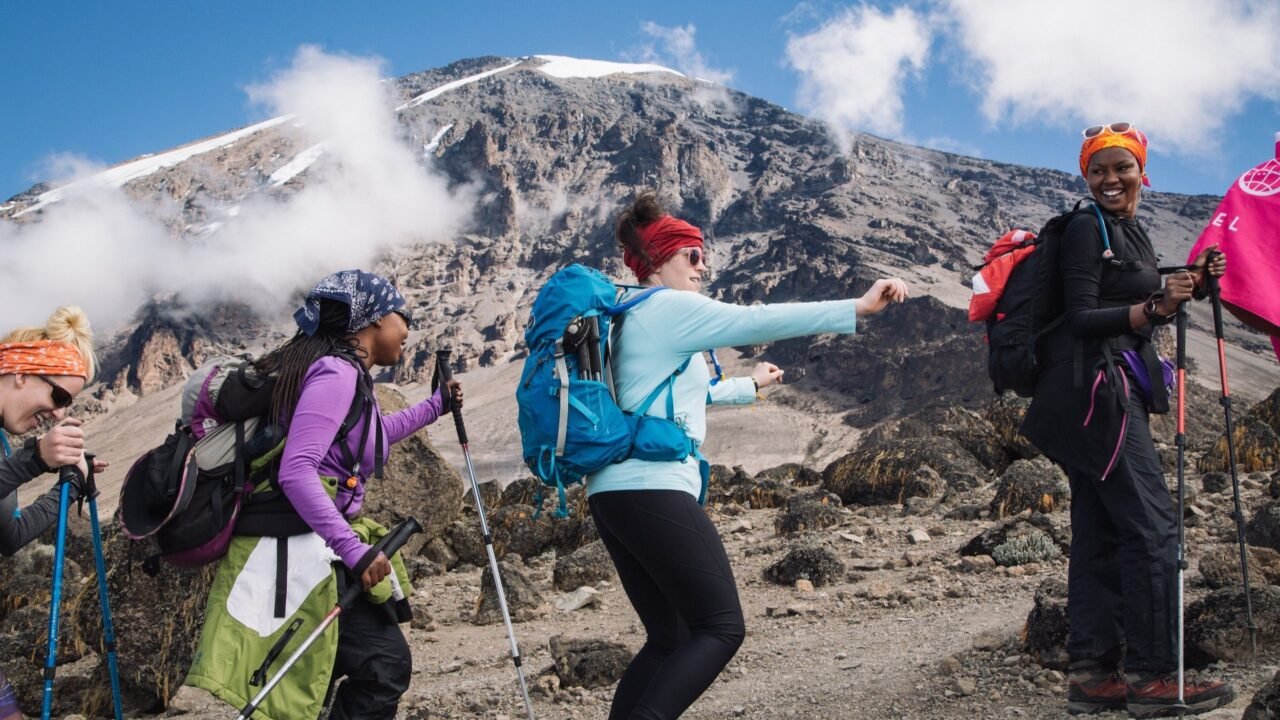
Understanding the Full Moon Climb Advantage
Climbing Kilimanjaro is an achievement in itself, but timing your ascent to coincide with a full moon transforms the experience into something truly magical. The primary allure of a full moon climb, especially for a Kilimanjaro Full Moon Climb November 2026 expedition, lies in the celestial illumination it provides during the most challenging part of the trek: the summit night. Most routes involve a pre-dawn start from the final camp, typically around midnight or 1 AM, to reach the summit for sunrise. Under a full moon, this ascent is significantly less reliant on headlamps, allowing climbers to appreciate the vast, star-filled sky, the distinct contours of the volcanic landscape, and the distant lights of the plains below. This natural light not only enhances the visual spectacle but can also offer a psychological boost, making the steep, cold, and oxygen-depleted climb feel more manageable and less disorienting.
Beyond the aesthetic appeal, the full moon can also play a role in visibility. While Kilimanjaro’s weather can be unpredictable, clear nights are more common during certain seasons, and a full moon often accompanies such clarity. This means better chances of seeing the expansive panorama from the crater rim and Uhuru Peak, including views of Mount Meru and, on exceptionally clear mornings, even glimpses of the Kenyan highlands. The moon’s light can reveal the snow-capped glaciers and ice fields near the summit, remnants of Kilimanjaro’s glacial past, adding another layer of wonder to the experience.
For those planning a Kilimanjaro Full Moon Climb November 2026, it’s important to recognize that while the moon provides light, it does not replace the need for proper gear. Headlamps are still essential for navigating rocky terrain and for backup. The temperature at the summit, especially during November, can drop significantly below freezing, and the moon’s glow offers no warmth. Therefore, thorough preparation regarding clothing, hydration, and acclimatization remains paramount, regardless of the lunar phase.
November 2026 Full Moon Dates and Weather Considerations
The precise date of the full moon in November 2026 is crucial for planning a Kilimanjaro Full Moon Climb November 2026. The full moon in November 2026 occurs on November 25th. This means that the ideal summit night would be the night leading into November 26th, with the summit attempt beginning in the very early hours of the 26th. However, many operators and climbers aim for a summit attempt on or around the actual full moon date itself, meaning a summit push on the night of the 25th. For the purpose of this guide, we will consider the period around November 24th-26th as the prime window for a full moon summit experience.
November falls within Kilimanjaro’s shoulder seasons, bridging the end of the short rainy season (October-November) and the beginning of the dry season (December-March). This can present a mixed bag in terms of weather. While the short rains typically taper off by mid-November, occasional showers are still possible, particularly in the lower rainforest zones. However, as you ascend to higher altitudes, the precipitation often transitions to snow, especially near the summit. The advantage of late November is that the weather patterns are usually improving, with increasing chances of clear skies, particularly at higher elevations and during the summit night. Temperatures will be cold, typically ranging from -5°C to -15°C (23°F to 5°F) at the summit, and potentially colder with wind chill.
Choosing a Kilimanjaro Full Moon Climb November 2026 means you are likely to encounter fewer crowds compared to the peak dry seasons of January-February or June-August. This can enhance the sense of solitude and the connection with nature. However, it’s always wise to check the specific weather forecasts closer to your departure date. Experienced tour operators like Climb 4 Africa will monitor weather patterns and advise on the best strategy for your climb, ensuring safety remains the top priority.
Choosing the Right Route for Your Full Moon Summit
Selecting the appropriate Kilimanjaro route is fundamental to the success and enjoyment of any climb, but it takes on added significance for a full moon expedition. The goal is to arrive at the summit camp ready for the pre-dawn push under the moonlight, meaning the route should offer adequate acclimatization, good scenery, and a reasonable chance of reaching the summit camp in good condition. For a Kilimanjaro Full Moon Climb November 2026, routes that offer longer itineraries are generally preferred as they provide better acclimatization, which is critical for success at high altitudes.
Machame Route for Full Moon Climbs
The Machame Route, often called the ‘Whiskey Route,’ is one of the most popular choices for a reason. It’s a 6-day or 7-day trek that offers excellent acclimatization through its ‘climb high, sleep low’ profile. The 7-day variation significantly increases success rates. It traverses diverse ecological zones, from rainforest to alpine desert and arctic summit. The final ascent to the summit is typically from Barafu Camp, which is well-positioned for a pre-dawn start. The views along the Machame route are spectacular, and its popularity means it’s well-supported by guides and porters. For a Kilimanjaro Full Moon Climb November 2026, the 7-day Machame route provides a balanced approach to acclimatization and an engaging trekking experience.
Lemosho Route: A Popular Choice
The Lemosho Route is another excellent option, often considered more scenic than Machame, particularly in its early stages as it passes through pristine wilderness. It’s typically offered as a 7-day or 8-day trek. The longer duration allows for superior acclimatization, making it a strong contender for those aiming for a successful summit, especially during the challenging full moon ascent. The route converges with the Machame route on day 3, sharing the same camping spots and the final push from Barafu Camp. The added days at the beginning of the Lemosho route allow for a gentler start and better adaptation to altitude, which is crucial for a Kilimanjaro Full Moon Climb November 2026.
Northern Circuit for Extended Acclimatization
For the ultimate in acclimatization and a less crowded experience, the Northern Circuit is the longest route, typically taking 9 or 10 days. It circles the mountain, offering panoramic views from all sides. This extended duration provides the highest success rates due to superb acclimatization. While it’s a longer commitment and may be more costly, it’s ideal for individuals who want to maximize their chances of reaching the summit, particularly during a full moon climb where the physical and mental demands are heightened. The gradual ascent and longer exposure to altitude help the body adapt more effectively, making the summit night under the moon less daunting for a Kilimanjaro Full Moon Climb November 2026.
Marangu Route: The ‘Coca-Cola’ or ‘Easier’ Option
The Marangu Route is often called the ‘Coca-Cola’ route due to its accessibility and the availability of dormitory-style hut accommodation instead of camping. It’s also the only route that allows for a 5-day ascent, though a 6-day option is highly recommended for better acclimatization. While it is considered less scenic and provides poorer acclimatization than other routes, its primary advantage is the availability of huts, which can be more comfortable for some. However, for a full moon climb, the 5-day Marangu is generally not recommended due to insufficient acclimatization. If considering Marangu for a Kilimanjaro Full Moon Climb November 2026, the 6-day option would be the minimum, but even then, other routes offer superior acclimatization profiles.
Rongai Route: Dry Season Advantage
The Rongai Route approaches Kilimanjaro from the north, near the Kenyan border. It is often recommended for its drier weather, as it lies in the rain shadow of Kilimanjaro. This can be a significant advantage in November, which is still considered a shoulder month. Rongai is typically a 6-day or 7-day trek. The 7-day option provides better acclimatization. The summit ascent is usually from Kibo Hut, similar to Marangu, but Rongai’s drier conditions can make the initial days more pleasant. For a Kilimanjaro Full Moon Climb November 2026, Rongai offers a good alternative, especially if you are concerned about potential rain in the lower rainforest zones.
Recommendation for a November 2026 Full Moon Climb: For the best balance of acclimatization, scenery, and a good chance of success during a Kilimanjaro Full Moon Climb November 2026, the 7-day Lemosho or 7-day Machame routes are highly recommended. If budget and time allow, the 9-day Northern Circuit offers the highest success rates due to superior acclimatization.
Acclimatization and Physical Preparation
Successfully summiting Kilimanjaro, especially during a challenging full moon ascent, hinges on two critical factors: acclimatization and physical fitness. These are not interchangeable; one cannot ‘out-train’ altitude sickness. Proper acclimatization is the body’s gradual adaptation to lower oxygen levels at higher altitudes. This means choosing a longer route (7 days or more is ideal for November 2026 climbs), following the ‘pole pole’ (slowly, slowly) principle on the mountain, and listening to your body.
Symptoms of Acute Mountain Sickness (AMS) can include headaches, nausea, dizziness, and fatigue. Recognizing these symptoms early and communicating them to your guide is vital. If symptoms worsen, descent is the only effective treatment. For a Kilimanjaro Full Moon Climb November 2026, where the summit night is particularly demanding, having a well-acclimatized body is paramount. Operators like Climb 4 Africa emphasize acclimatization by choosing appropriate itineraries and training their guides to monitor climbers closely.
Physical preparation should focus on cardiovascular fitness and endurance. Activities like hiking (especially with a weighted backpack), running, cycling, and swimming for several months leading up to your expedition are beneficial. Strength training, particularly for your legs and core, will also help. The goal is not to be an elite athlete, but to have a body that can sustain effort for many hours a day, over consecutive days, at altitude. Practicing hiking on steep terrain with your trekking boots will help prevent blisters and ensure comfort. For the full moon ascent, remember that the final push is often the most strenuous, involving a long, steep climb in the dark and cold. Being physically prepared will make this arduous section more manageable, allowing you to appreciate the lunar spectacle.
Essential Gear for Your November 2026 Kilimanjaro Expedition
Packing the right gear is crucial for comfort, safety, and success on Kilimanjaro, and a Kilimanjaro Full Moon Climb November 2026 is no exception. The weather can change rapidly, and temperatures vary dramatically between the rainforest, alpine desert, and arctic summit zones. Layering is key. Here’s a breakdown of essential items:
- Layering System:
- Base Layers: Moisture-wicking synthetic or merino wool tops and bottoms. Avoid cotton.
- Mid Layers: Fleece jackets or insulated vests for warmth.
- Outer Layer: Waterproof and windproof jacket and trousers (Gore-Tex or similar).
- Headwear:
- Warm, insulated hat that covers your ears.
- Sun hat or cap for lower altitudes.
- Balaclava or warm scarf for face protection.
- Handwear:
- Thin liner gloves.
- Warm, waterproof, insulated gloves or mittens.
- Footwear:
- Broken-in, waterproof hiking boots with good ankle support.
- Camp shoes or comfortable trainers for evenings.
- Several pairs of warm, moisture-wicking socks (wool or synthetic).
- Trekking Gear:
- Duffel bag (80-100L) for porters to carry.
- Waterproof backpack (40-60L) for your daily essentials.
- Trekking poles (highly recommended for descent).
- Headlamp with extra batteries (essential for summit night).
- Water bottles or hydration reservoir (at least 2-3 liters capacity). Ensure they are insulated or won’t freeze.
- Sunglasses (with UV protection).
- Sunscreen (SPF 30+).
- Lip balm with SPF.
- Personal first-aid kit (including blister treatment).
- Toiletries (biodegradable soap, toothbrush, toothpaste).
- Hand sanitizer.
- Quick-dry towel.
- Sleeping Gear:
- Sleeping bag rated to at least -10°C (0°F) or -20°C (-4°F) for November conditions.
- Sleeping bag liner (optional, adds warmth).
- Clothing for Lower Altitudes:
- T-shirts, hiking trousers, shorts (for the first day or two).
- Documents & Money:
- Passport, visa, travel insurance details.
- Cash for tips and personal expenses.
It’s crucial to pack light but smart. Porters will carry your main duffel bag, but you need to carry your daypack with essentials like water, snacks, extra layers, sun protection, and your camera. For a Kilimanjaro Full Moon Climb November 2026, ensure your sleeping bag is rated for very cold temperatures, as summit night can be significantly below freezing.
The Summit Night Experience Under the Moon
The summit night is the culmination of your Kilimanjaro Full Moon Climb November 2026. It typically begins around midnight from the last camp (e.g., Barafu Camp on Machame/Lemosho, Kibo Hut on Marangu/Rongai). After a brief rest and some food, you’ll strap on your headlamp, adjust your layers, and begin the steep, switchbacking ascent towards Stella Point and then Uhuru Peak. The full moon, if well-positioned, will cast an ethereal glow, transforming the stark volcanic landscape into a surreal, moonlit panorama. This is where the ‘full moon climb’ truly shines.
As you ascend, the air becomes thinner and colder. The path is often rocky and uneven, and the gradient is steep. The moonlight provides sufficient visibility to navigate, reducing reliance on headlamps and allowing you to look up and around. You can often see the shadows cast by your fellow climbers and the mountain itself. The silence, broken only by the crunch of boots on scree and the sound of your own breathing, combined with the vastness of the night sky and the lunar illumination, creates a profoundly moving experience. Many climbers find this natural light comforting and less disorienting than the focused beam of a headlamp.
Reaching Stella Point, usually around sunrise, offers your first glimpse of the caldera and the vast plains stretching out below. The final push to Uhuru Peak, the true summit at 5,895 meters (19,341 feet), takes another hour or so. Standing at Uhuru Peak under the fading moonlight, with the sun beginning to rise over the horizon, is an unforgettable moment. The glaciers and ice fields around the summit are often dramatically illuminated by the moon before the sun’s rays fully take over. This is the peak experience of a Kilimanjaro Full Moon Climb November 2026, a moment of immense accomplishment framed by natural beauty.
The descent is often underestimated. It is long, steep, and can be hard on the knees. While the full moon might still be visible during the initial part of the descent, daylight will gradually take over, revealing the full scale of the mountain you’ve just conquered. Having trekking poles is invaluable for this part of the journey.
Safety and Logistics on Full Moon Ascents
Safety is the paramount concern for any Kilimanjaro climb, and a Kilimanjaro Full Moon Climb November 2026 requires careful attention to specific logistical and safety considerations. While the full moon offers visual advantages, it does not negate the inherent risks of high-altitude trekking.
Guide Expertise: The quality of your guides is non-negotiable. Reputable operators like Climb 4 Africa employ experienced, certified guides who are trained in wilderness first aid and high-altitude medicine. They are adept at monitoring climbers for signs of altitude sickness, managing pace, and making critical decisions regarding safety. For a full moon climb, their experience in navigating in low-light conditions (even with moonlight) and assessing the group’s well-being is crucial.
Acclimatization Strategy: As previously emphasized, longer routes (7 days or more) are strongly advised for November 2026 climbs to ensure adequate acclimatization. Rushing the ascent significantly increases the risk of altitude sickness, which can be dangerous and lead to forced descent. A well-planned itinerary that prioritizes gradual ascent and acclimatization is key to enjoying the full moon summit experience safely.
Weather Monitoring: While November can offer clearer skies, it’s still a shoulder season. Operators should have systems in place to monitor weather forecasts and be prepared for sudden changes. If conditions deteriorate significantly (e.g., heavy fog, high winds, or snow), the summit attempt might be postponed or even canceled for safety reasons. The full moon provides light, but it doesn’t offer protection from severe weather.
Emergency Procedures: Ensure your tour operator has robust emergency protocols. This includes having oxygen on hand, a comprehensive first-aid kit, and a plan for evacuation if necessary. Mobile phone coverage is limited on the mountain, so communication relies on satellite phones carried by guides for emergencies.
Summit Night Pace: The guides will manage the pace on summit night. It’s imperative to follow their instructions, walk ‘pole pole,’ and stay hydrated. Even with moonlight, the climb is physically demanding. Guides will assess each climber’s condition throughout the night. For a Kilimanjaro Full Moon Climb November 2026, knowing your guide team is experienced in managing full moon ascents adds significant peace of mind.
Gear Check: A final gear check before the summit night is essential. Ensure your headlamp works, batteries are fresh, warm layers are properly worn, and you have enough water. The moonlit ascent is beautiful, but the cold and altitude are real. Proper gear ensures you are protected.
Booking Your Kilimanjaro Full Moon Climb in 2026
Booking your Kilimanjaro Full Moon Climb November 2026 requires careful selection of a reputable tour operator. Given the specific timing and the unique nature of a full moon ascent, it’s wise to work with a company that understands these nuances and prioritizes safety and success.
When choosing an operator, consider the following:
- Experience and Reputation: Look for companies with a proven track record of successful Kilimanjaro climbs, especially during the shoulder seasons. Online reviews and testimonials can offer insights.
- Itinerary Length: For November 2026, opt for operators offering 7-day or longer itineraries for routes like Machame or Lemosho. Shorter trips increase the risk of altitude sickness.
- Guide Qualifications: Inquire about the training and experience of their guides, particularly in high-altitude first aid.
- Safety Equipment: Confirm that they carry emergency oxygen and have established safety protocols.
- Inclusions and Exclusions: Understand what is covered in the price (e.g., park fees, meals, accommodation, guide/porter salaries, rescue fees) and what is not (e.g., tips, personal gear, travel insurance).
- Full Moon Specifics: Some operators may have specific departures or recommendations for full moon climbs.
Climb 4 Africa specializes in Kilimanjaro expeditions and offers expert guidance for planning your Kilimanjaro Full Moon Climb November 2026. They understand the importance of acclimatization, experienced guides, and quality equipment. To inquire about specific dates around the November 25th, 2026 full moon, or to discuss itinerary options tailored to this goal, it is best to contact them directly. They can provide detailed itineraries, discuss pricing, and help you prepare for this incredible adventure. They can also advise on the best route for your fitness level and preferences, ensuring your lunar summit experience is as safe and rewarding as possible.
Contact Climb 4 Africa today to start planning your dream Kilimanjaro Full Moon Climb:
- WhatsApp: +255 747 477 898
- Email: climb4africa@gmail.com
When you reach out, mention your interest in a Kilimanjaro Full Moon Climb November 2026 and your preferred summit date around the 24th-26th. This will help them tailor their recommendations and available departure dates for you. They can also provide information on group departures versus private climbs, which can affect pricing and flexibility for your Kilimanjaro Full Moon Climb November 2026 expedition.
Post-Climb Options: Safari and Zanzibar
After the exhilaration of conquering Kilimanjaro, especially during a memorable Kilimanjaro Full Moon Climb November 2026, many travelers choose to extend their African adventure. Tanzania offers world-class wildlife safaris and the idyllic beaches of Zanzibar, providing a perfect complement to the challenging mountain trek.
Tanzania Safaris: A safari is an iconic Tanzanian experience. Popular parks include the Serengeti, famous for the Great Migration; the Ngorongoro Crater, a caldera teeming with wildlife; Tarangire National Park, known for its elephant herds and baobab trees; and Lake Manyara, home to tree-climbing lions. Climb 4 Africa can arrange tailor-made safaris that fit seamlessly with your post-Kilimanjaro plans. Whether you prefer a luxury lodge experience or a more adventurous camping safari, they can create an itinerary that maximizes wildlife viewing opportunities. A safari shortly after your climb, perhaps in late November or early December 2026, allows you to recover and witness the diverse ecosystems and abundant wildlife that Tanzania is renowned for.
Zanzibar Holidays: For relaxation and cultural immersion, the island of Zanzibar is an unparalleled destination. With its white-sand beaches, turquoise waters, vibrant coral reefs, and the historic Stone Town, Zanzibar offers a perfect respite. You can explore spice plantations, dive or snorkel in crystal-clear waters, wander through the narrow alleys of Stone Town, or simply unwind on the beach. A few days in Zanzibar post-climb provides a wonderful contrast to the physical demands of Kilimanjaro and the wildlife encounters of a safari. Climb 4 Africa can arrange transfers and accommodation in Zanzibar, ensuring a smooth transition from the wilderness to a tropical paradise.
Combining your Kilimanjaro Full Moon Climb November 2026 with a safari and a Zanzibar beach holiday offers a comprehensive Tanzanian experience. It’s an excellent way to explore the country’s diverse offerings, from its highest peak to its richest wildlife habitats and its most beautiful coastlines.
Frequently Asked Questions about Kilimanjaro Full Moon Climbs
Q1: Is a full moon climb safe for Kilimanjaro?
Yes, a full moon climb is generally as safe as any other Kilimanjaro climb, provided you are with a reputable operator, have adequate acclimatization, and are physically prepared. The moonlight enhances visibility but does not eliminate the need for proper gear and caution. Safety is paramount, and experienced guides will manage any risks.
Q2: Which route is best for a November 2026 full moon climb?
For a Kilimanjaro Full Moon Climb November 2026, longer routes like the 7-day Lemosho or 7-day Machame are highly recommended for better acclimatization. The 9-day Northern Circuit offers the best acclimatization and highest success rates.
Q3: What is the weather like on Kilimanjaro in November?
November is a shoulder season month. It marks the end of the short rainy season and the beginning of the dry season. While lower slopes might still experience some rain, higher altitudes often see snow. Clear skies are increasingly common, especially towards the end of the month, making it a good time for a full moon climb. Temperatures at the summit are very cold, typically below freezing.
Q4: How much colder is it during a full moon climb?
The full moon itself does not generate significant heat. The temperature is determined by altitude and weather conditions. While the moonlight provides visibility, it offers no additional warmth. You should prepare for sub-zero temperatures at the summit, similar to any other climb during that season.
Q5: Do I need a special headlamp for a full moon climb?
No, a standard, reliable headlamp with fresh batteries is essential for all Kilimanjaro climbs, including full moon ascents. While the moonlight reduces reliance on it, you will still need it for navigating tricky terrain, for backup, and for the initial and final stages of the summit night where the moon’s light might be less effective or obscured.
Q6: How much should I tip the guides and porters for a November 2026 climb?
Tipping is customary and highly appreciated. For a Kilimanjaro Full Moon Climb November 2026, general guidelines suggest around $20-25 per day for the lead guide, $15-20 per day for assistant guides, and $10-15 per day for porters, per climber. Climb 4 Africa can provide specific recommended tipping guidelines based on the group size and service received.
Q7: What is the best way to book a Kilimanjaro Full Moon Climb in November 2026?
The best way is to contact experienced operators like Climb 4 Africa directly. They can confirm departure dates around the November 25th, 2026 full moon, discuss suitable routes, and provide a detailed quote. You can reach them via WhatsApp at +255 747 477 898 or email at climb4africa@gmail.com.
Q8: Is November a good month for Kilimanjaro in general?
November is considered a shoulder season. While there’s a chance of short rains, especially in the early part of the month, it’s generally a good time to climb, often with fewer crowds and improving weather as the month progresses. Late November, aligning with the full moon, can be particularly rewarding due to clearer skies at higher altitudes.
Check Availability for Kilimanjaro Full Moon Climb November : Summit Under The Lunar Glow 2026-2027
Ready to compare dates, prices, and the best option for your group? Send the package name and travel month so the team can reply with a clear quote, availability, and what is included.
Kilimanjaro Full Moon Climb May – Summit Around 20 2027
start a magical Kilimanjaro Full Moon Climb in May 2027, aiming for the summit around May 20th. This guide details the unique experience, optimal planning for the Green Season, and how...
View package details
Kilimanjaro Full Moon Climb April – Summit Around 20-21 2027
start an unforgettable Kilimanjaro Full Moon Climb in April 2027, aiming for the summit on April 20-21. Discover the magic of reaching Uhuru Peak under the glow of the full moon, and learn...
View package details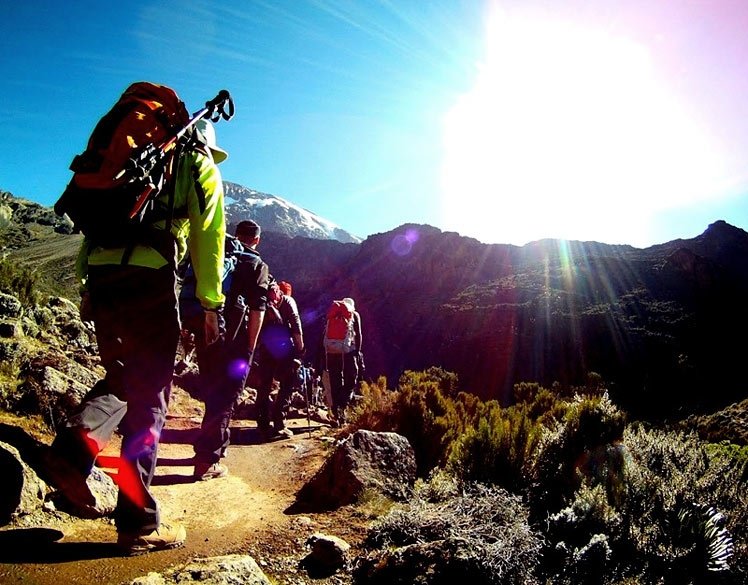
Kilimanjaro Full Moon Climb March – Summit Around 22 2027
Kilimanjaro Full Moon Climb March 2027 – Summit Around 22 March is explained with current 2027 planning, price, itinerary and booking information.
View package details
Kilimanjaro Full Moon Christmas Climb : Summit Around December 24Th 2026-2027
Experience the magic of a Kilimanjaro summit under the moonlight during Christmas week. This guide details planning for a December 24th summit, including route options and essential...
View package detailsKilimanjaro Full Moon Climb August – Summit Around 17 2027
start an unforgettable Kilimanjaro Full Moon Climb in August 2027, targeting a impressive summit on or around August 17th. This guide covers optimal routes, August conditions, and essential...
View package details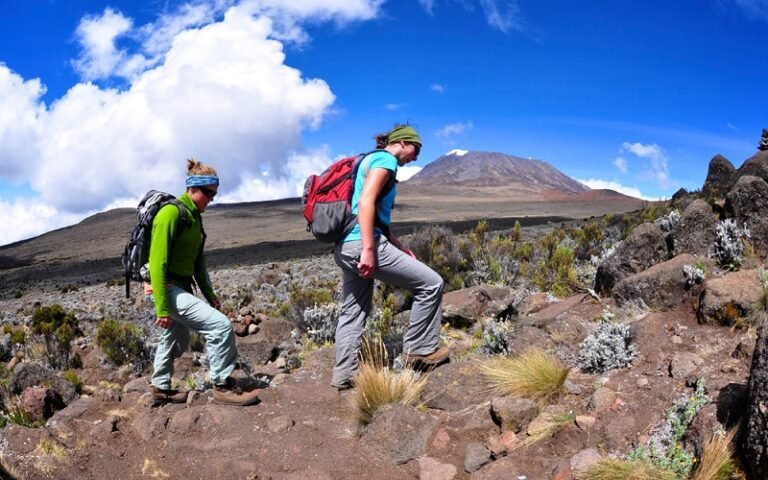
Kilimanjaro Full Moon Climb July – Summit Around 18 2027
start an unforgettable Kilimanjaro full moon climb in July 2027, targeting a summit on or around July 18th. This guide details the unique advantages of a full moon ascent, optimal routes...
View package details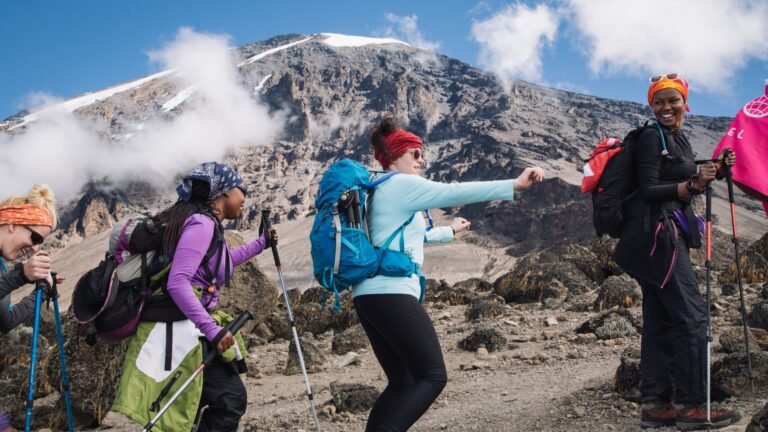
Kilimanjaro Full Moon Climb June : Summiting Under The Moonlight On 19Th 2027
start an unforgettable Kilimanjaro Full Moon Climb in June 2027, with the peak aiming for the night of June 19th. This guide explores the magic of summiting under the full moon, optimal...
View package detailsKilimanjaro Full Moon Climb January – Summit Around 22 2026-2027
Kilimanjaro Full Moon Climb January 2027 – Summit Around 22 January is explained with current 2026-2027 planning, price, itinerary and booking information.
View package details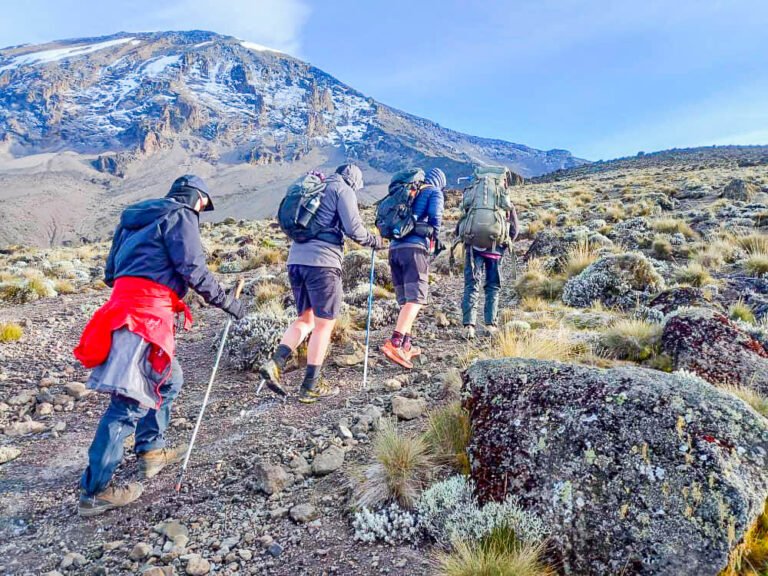
Kilimanjaro Easter Climb – Trek Around 26-29 March With 4 Africa 2027
start a Kilimanjaro Easter Climb in 2027, with prime trekking dates around March 26-29. This guide explores the benefits of climbing during this transitional period, key route...
View package details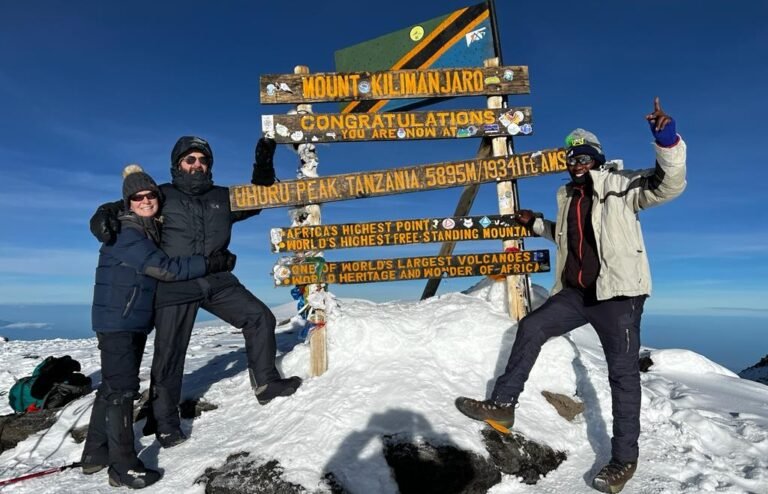
Kilimanjaro February Full Moon And Lunar Eclipse Climb 2027
Kilimanjaro February 2027 Full Moon and Lunar Eclipse Climb is explained with current 2027 planning, price, itinerary and booking information.
View package details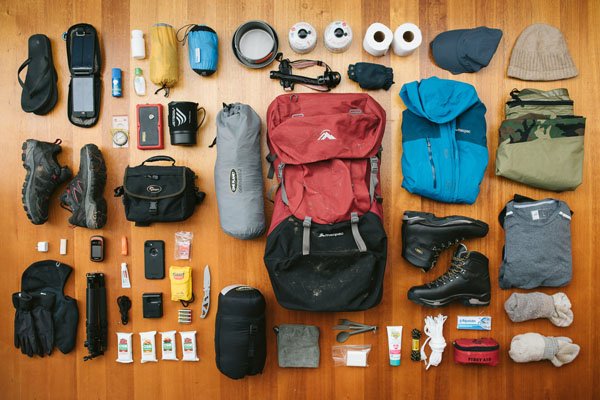
Thanksgiving Kilimanjaro Climb – November Holiday Trek 2026-2027
Thanksgiving Kilimanjaro Climb 2026 – November Holiday Trek is explained with current 2026-2027 planning, price, itinerary and booking information.
View package details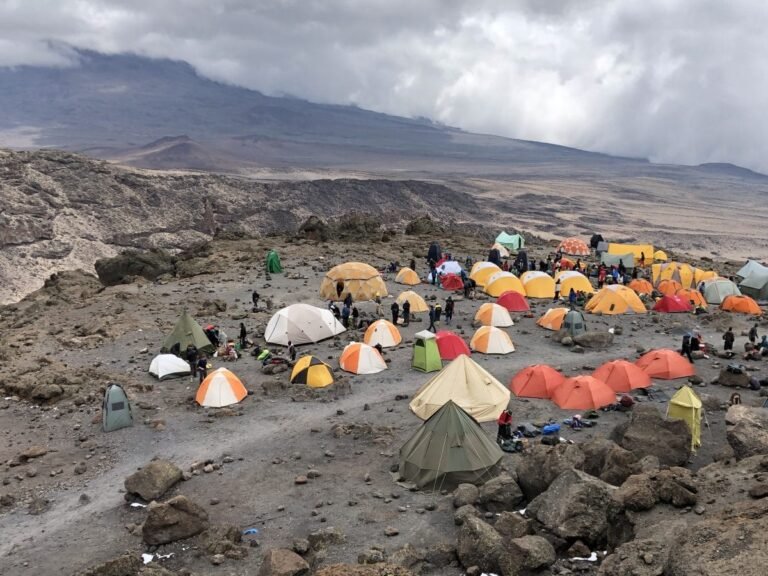
Kilimanjaro May Private Climb: Flexible Low-Season Dates For Your Adventure
start a private Kilimanjaro climb in May 2027. This guide details the advantages of low-season dates, route options, and essential planning for your unique adventure.
View package detailsNo related package matches those filters. Clear one or more filters to see the other topic-matched options.



