
Tanga, Tanzania, offers a wealth of hidden gems and authentic local tours beyond its well-trodden coastal neighbor, Zanzibar. Travelers seeking unique cultural encounters, pristine natural beauty, and a genuine connection with local life will find rewarding experiences in places like the Amboni Caves, the historic Portuguese Fort, the serene Sigi Beach, and the vibrant markets, all best explored through guided local tours that reveal the region’s rich history and living traditions. Planning for 2026-2027 involves understanding these distinct attractions and how to access them responsibly, often with the help of local operators who can navigate logistics and provide invaluable insights.

The Allure of Tanga: More Than Just a Port City
Tanga, situated on Tanzania’s northern coast, often gets overshadowed by the more famous island of Zanzibar. Yet, this vibrant port city and its surrounding region possess a unique charm and a wealth of undiscovered attractions that appeal to travelers seeking authentic experiences away from the typical tourist crowds. Its history is a rich mix woven from Swahili, Arab, German, and British influences, leaving behind a fascinating architectural legacy and a distinct cultural identity. For those interested in delving into the less-explored corners of Tanzania, Tanga presents an opportunity to connect with local life, explore natural wonders, and uncover historical sites that tell compelling stories.
Unlike the bustling tourist hubs, Tanga offers a more laid-back pace. It’s a place where you can wander through streets lined with colonial-era buildings, stumble upon lively local markets brimming with exotic produce, and find tranquil stretches of coastline that feel blissfully untouched. The true magic of Tanga lies in its ‘hidden gems’ – the places and experiences that don’t make it into every guidebook but offer profound insights into the region’s soul. These are best discovered through local eyes, making guided tours an invaluable part of any Tanga itinerary, especially as we look towards planning trips for 2026 and 2027.
Natural Wonders: Caves, Forests, and Coastal Escapes
The Tanga region is blessed with diverse natural landscapes, from dramatic cave systems to unique coastal ecosystems. These natural attractions offer a refreshing contrast to city exploration and provide ample opportunities for adventure and relaxation.
Amboni Caves: A Subterranean Spectacle
One of Tanga’s most significant natural attractions is the Amboni Caves, located just a short drive north of the city. These limestone caves are among the largest in East Africa, boasting impressive stalactite and stalagmite formations that have been sculpted over millennia. The caves have a rich history, having been used by local communities for centuries for various purposes, including religious ceremonies and as a refuge. Today, they offer a fascinating glimpse into geological processes and a cooler environment to escape the coastal heat.
A guided tour through Amboni Caves is highly recommended. Local guides are knowledgeable about the cave’s formations, its history, and the folklore associated with it. They can point out unique features, share stories of the caves’ past inhabitants, and ensure your safety as you navigate the sometimes slippery pathways. The main cave system is extensive, and while not all parts are accessible to the public, the explored sections provide a interesting experience. Be prepared for humidity and bring a flashlight, although guides usually provide their own. The sheer scale and the intricate beauty of the natural formations make Amboni Caves a must-visit less crowded place.
Saadani National Park: Where Wildlife Meets the Ocean
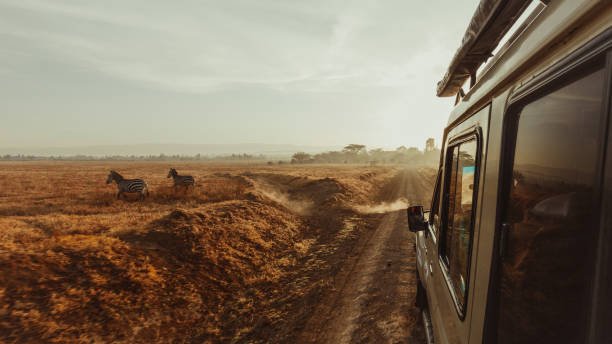
While not strictly within Tanga town, Saadani National Park is a crucial part of the Tanga region’s natural appeal and is easily accessible for day trips or longer stays. Saadani is unique in Tanzania as the only national park located directly on the Indian Ocean coastline. This means you can observe wildlife such as elephants, lions, leopards, giraffes, and various antelope species against the backdrop of the sea. The park also encompasses diverse habitats, including coastal mangrove forests, savannah grasslands, and coral reefs, supporting a rich biodiversity.
Activities in Saadani include game drives, boat safaris on the Wami River (known for its hippos and crocodiles), and bird watching. The opportunity to see wildlife on the beach or near the ocean is a rare and special experience. For those planning a visit in 2026 or 2027, Saadani offers an exceptional wildlife experience combined with coastal beauty. It’s advisable to book a safari package that includes park entry fees, accommodation (if staying overnight), and game drives. Local guides within the park are essential for spotting animals and understanding the ecosystem.
Sigi Beach: Tranquility and Local Life
For a taste of Tanga’s coastal beauty without the crowds, Sigi Beach is an excellent choice. Located a bit outside the main town, Sigi offers a more relaxed and authentic beach experience. It’s a place where local fishermen bring in their daily catch, children play along the shore, and the pace of life is dictated by the tides. The beach itself is characterized by soft sand and palm trees, providing a picturesque setting for a leisurely afternoon.
Visiting Sigi Beach is best done with a local guide who can introduce you to the community and perhaps arrange for a fresh seafood lunch prepared by a local family. It’s an opportunity to witness everyday coastal life, understand the importance of fishing to the local economy, and enjoy the peaceful ambiance. Unlike more developed tourist beaches, Sigi retains a raw, natural feel. It’s ideal for travelers looking for quiet reflection, simple pleasures, and genuine interactions.
Mwarongo Beach: Secluded Beauty
Further north along the coast from Tanga, Mwarongo Beach offers an even more secluded and pristine coastal experience. This stretch of sand is less visited and provides a sense of untouched paradise. The turquoise waters, the gentle lapping of waves, and the surrounding natural vegetation create a serene environment perfect for relaxation and enjoying the natural beauty of the Tanzanian coast.
Accessing Mwarongo might require arranging transport, ideally through a local tour operator who knows the best routes and can ensure you have a comfortable journey. While facilities are minimal, this is part of its appeal. It’s a place to disconnect, enjoy the sun, swim in the ocean, or simply walk along the shore, observing the coastal flora and fauna. For travelers seeking true solitude and natural beauty, Mwarongo Beach is a less crowded place worth seeking out during their 2026-2027 travels.
Historical and Cultural Footprints
Tanga’s history is a significant part of its identity, with remnants of its past visible in its architecture, ruins, and cultural practices. Exploring these historical sites provides a deeper understanding of the region’s development and its people.
The Portuguese Fort: Echoes of the Past
Though perhaps less grand than some other historical forts in East Africa, the remnants of a Portuguese fort near Tanga offer a tangible link to the early European presence in the region. These structures, though partly in ruins, speak of a time of exploration, trade, and strategic importance. Exploring these sites, often with a local guide who can piece together the history, provides a unique perspective on Tanga’s colonial past.
While detailed historical records might be scarce, the presence of such a fort underscores Tanga’s significance as a coastal trading post. It’s a site that rewards patient exploration and imagination, allowing visitors to picture the historical events that unfolded there. For those interested in the layers of history that shape modern Tanga, this fort is an essential stop on any historical tour.
Tanga’s Colonial Architecture: A Walking Tour
Tanga town itself is a living museum of colonial architecture. During the German and British colonial periods, Tanga served as an important administrative and economic center. This era left behind a distinctive architectural style, characterized by sturdy buildings with verandas, ornate facades, and often a blend of European and local design elements. Many of these buildings, though some are in disrepair, still stand and tell stories of a bygone era.
A guided walking tour focused on Tanga’s colonial architecture is an excellent way to appreciate these historical structures. A knowledgeable local guide can point out significant buildings, explain their original purpose, and share anecdotes about their history. Key areas to explore include the old administrative offices, former residential buildings, and the railway station. Understanding this architectural heritage provides crucial context for Tanga’s development. Such tours can be arranged through local operators, offering a personalized and insightful experience for travelers in 2026-2027.
Local Markets and Handicrafts: A Sensory Experience
No exploration of Tanga’s culture is complete without a visit to its bustling local markets. The central market is a vibrant hub of activity, where locals shop for fresh produce, spices, clothing, and household goods. It’s a feast for the senses, with colorful displays, the aroma of spices, and the lively chatter of vendors and shoppers. This is where you can truly experience the pulse of the city.
Beyond fresh produce, Tanga’s markets are also places to find local handicrafts. While perhaps not as extensive as in some other tourist destinations, you can still find unique items such as carved wooden figures, beaded jewelry, and locally made textiles. Engaging with local artisans and purchasing directly from them supports the local economy and offers a chance to take home a meaningful souvenir. A guided market tour can help you navigate the stalls, understand the local products, and perhaps even learn a few Swahili phrases for bargaining. This is a fantastic way to interact with the community and discover authentic Tanga.
Visiting a Local Village: Authentic Encounters
For travelers seeking a deeper cultural immersion, arranging a visit to a nearby local village offers invaluable insights into the daily lives and traditions of the Tanga region’s inhabitants. These visits, when conducted respectfully and ethically, provide a genuine connection to the community, allowing you to learn about their customs, agriculture, and social structures firsthand.
It is crucial that such visits are arranged through reputable local tour operators who have established relationships with the villages and ensure that the community benefits from the interaction. This might involve participating in a traditional meal, learning about local farming techniques, or understanding the roles of different community members. Such authentic encounters are often the most memorable aspects of a trip to Tanga and are a key part of discovering its hidden cultural gems. For those planning for 2026 and 2027, prioritizing responsible and respectful village visits will enhance the experience.
Local Tours and Experiences in Tanga
To truly uncover the hidden gems of Tanga, engaging with local tour operators is essential. They possess the knowledge, connections, and logistical capabilities to guide you through the region’s unique offerings, providing experiences that are both authentic and enriching.
Guided Walking Tours of Tanga Town
As mentioned, Tanga’s history and architecture are best appreciated on foot. A guided walking tour of Tanga town allows you to explore its streets, discover hidden courtyards, admire colonial buildings, and visit key landmarks like the Old Boma and the Clock Tower. Local guides can share historical facts, local stories, and point out details that you might otherwise miss. These tours can be tailored to focus on specific interests, such as architecture, history, or local life. They are an excellent introduction to the city and a great way to orient yourself.
Cultural Immersion Tours
These tours go beyond casual sightseeing and aim to provide a deeper understanding of Tanga’s culture. This could include visits to local schools (with prior arrangement and respect for protocols), community projects, or traditional craft workshops. Some tours might involve attending a local event or festival if the timing is right. The focus is on interaction and learning, offering a genuine glimpse into the Tanga way of life. For travelers looking for more than just a tourist experience, cultural immersion tours are highly recommended.
Eco-Tours and Nature Walks
Beyond the larger national parks, the Tanga region offers opportunities for more intimate nature experiences. Eco-tours might involve guided walks through local forests, birdwatching excursions, or visits to botanical gardens that showcase the region’s flora. These tours are led by guides who are knowledgeable about the local environment, its biodiversity, and conservation efforts. They offer a chance to appreciate the natural beauty of Tanga in a sustainable and educational way.
Boat Trips and Fishing Excursions
The coastline around Tanga is ideal for exploring by boat. Local tour operators can arrange trips to nearby islands, snorkeling or diving excursions to explore coral reefs (though less famous than Zanzibar’s, they exist), or sunset cruises along the coast. For those interested in experiencing traditional livelihoods, fishing excursions with local fishermen can be arranged. This offers a chance to learn about traditional fishing methods and enjoy the sea from a local perspective. These activities are particularly appealing for those visiting in 2026 or 2027 and looking to enjoy the coastal environment.
Culinary Tours and Cooking Classes
Tanga’s cuisine is a delightful fusion of Swahili, Indian, and African flavors. A culinary tour or cooking class offers a delicious way to explore local culture. This might involve a guided visit to a local market to select ingredients, followed by a hands-on cooking session where you learn to prepare traditional dishes. You’ll get to taste authentic flavors and learn about the ingredients and techniques used in Tanzanian cooking. This is a fun and interactive way to engage with the local culture and a truly memorable experience.
Planning Your Tanga Adventure (2026-2027)
Successful travel to Tanga, especially when seeking out its hidden gems, requires careful planning. Considering the best time to visit, transportation, accommodation, and how to book local tours will ensure a smoother and more enjoyable trip for your 2026-2027 adventure.
Best Time to Visit Tanga
Tanga experiences a tropical climate, characterized by warm temperatures and humidity year-round. The best time to visit depends on your preferences regarding weather and crowds:
- Dry Seasons (June to October and December to February): These periods generally offer the most pleasant weather, with less rainfall and sunshine. The June-October period is often considered ideal for exploring Tanga and its surroundings, as it coincides with cooler temperatures and lower humidity.
- Rainy Seasons (March to May and November): These months see more significant rainfall, which can sometimes disrupt travel plans, especially for outdoor activities. However, the landscape is lush and green, and there are fewer tourists, potentially offering a more serene experience if you don’t mind occasional downpours.
For wildlife viewing in Saadani National Park, the dry seasons are generally preferred. For beach activities, any time outside the heaviest rains can be enjoyable, but the dry seasons offer the most consistent sunshine.
Getting to Tanga
Tanga is accessible by several means:
- By Air: Tanga has a small airport (Tanga Airport – TGT) that receives domestic flights, primarily from Dar es Salaam. This is the quickest way to reach Tanga if flying from other parts of Tanzania.
- By Road: Tanga is well-connected by road. Buses are a common and affordable way to travel from major cities like Dar es Salaam and Arusha. The journey from Dar es Salaam takes approximately 5-7 hours, depending on road conditions and traffic. Private car hire is also an option for more comfort and flexibility.
- By Sea: While Tanga is a port city, passenger ferry services are not a common or reliable way to reach it for tourists.
When planning your 2026-2027 trip, consider the most convenient and cost-effective option based on your starting point and budget. Flights offer speed, while buses offer affordability.
Accommodation Options in Tanga
Tanga offers a range of accommodation to suit different budgets and preferences:
- Hotels: You’ll find a variety of hotels in Tanga town, from basic guesthouses to more comfortable mid-range options. Some offer sea views or are located near key attractions.
- Lodges and Beach Resorts: For those seeking a more relaxing coastal experience, there are lodges and resorts located on the outskirts of town or along the coast, offering more amenities and direct beach access.
- Guesthouses and Homestays: For a more local feel and budget-friendly option, consider guesthouses or homestays. These can provide a more intimate experience and opportunities to interact with local families.
When booking for 2026 or 2027, it’s wise to book in advance, especially if you are traveling during peak season or wish to stay in a specific type of accommodation. Some unique experiences might be part of homestays arranged through local guides.
Transportation Within Tanga
Getting around Tanga and its environs is relatively straightforward:
- Taxis: Taxis are readily available for hire within Tanga town. Negotiate the fare before starting your journey.
- Dala-dalas: These are local minibusses and are the most economical way to travel short distances within the city and to nearby areas. They can be a bit crowded and follow fixed routes.
- Motorbike Taxis (Bodaboda): A popular option for quick trips, especially for solo travelers. Ensure the rider provides a helmet.
- Car Hire: For exploring further afield, such as Saadani National Park or more remote beaches, hiring a car with a driver is often the most practical solution. Local tour operators can arrange this.
For excursions to hidden gems and less accessible locations, hiring a vehicle through a local tour operator is highly recommended, ensuring you have reliable transport and often a guide who knows the best routes.
Booking Local Tours: What to Consider
When planning your Tanga adventure for 2026-2027, booking local tours is key to unlocking its hidden gems. Here’s what to consider:
- Reputation and Recommendations: Look for tour operators with good reviews and local recommendations. Word-of-mouth is often the best indicator of quality.
- Inclusions and Exclusions: Clearly understand what is included in your tour package (e.g., guide fees, transport, entrance fees, meals) and what is not.
- Guide Expertise: Ensure your guide is knowledgeable about the local area, history, culture, and environment. Local guides offer invaluable insights.
- Responsible Tourism: Choose operators who practice responsible tourism, respect local communities, and contribute to conservation efforts.
- Flexibility: Local operators can often tailor tours to your specific interests and pace. Discuss your preferences beforehand.
- Payment and Cancellation Policies: Understand the payment terms and cancellation policy before confirming your booking.
For a smooth experience, consider contacting operators like Climb 4 Africa, who specialize in Tanzanian travel and can arrange bespoke itineraries that include Tanga’s hidden gems and local tours.
Why Choose Climb 4 Africa for Your Tanga Trip?
While Tanga might not be Climb 4 Africa’s primary focus compared to Kilimanjaro or major safari circuits, their expertise in Tanzanian travel means they are well-equipped to help you discover its unique coastal treasures. As a company deeply rooted in providing authentic African travel experiences with practical local support, Climb 4 Africa understands the importance of venturing beyond the obvious.
Their commitment to tailor-made trips means they can design an itinerary that incorporates Tanga’s hidden gems, whether it’s arranging a visit to the Amboni Caves, securing transport for Saadani National Park, or connecting you with reliable local guides for cultural excursions. They can help you navigate the logistics, ensuring your trip for 2026 or 2027 is well-organized and truly reflects the spirit of adventure and discovery that Tanga offers. By leveraging their local knowledge and network, Climb 4 Africa can transform a standard visit into an unforgettable journey through the heart of coastal Tanzania.
If you’re ready to explore Tanga’s lesser-known wonders, reach out to Climb 4 Africa. You can contact them via WhatsApp at +255 747 477 898 or send an email to climb4africa@gmail.com. Share your interests, desired travel dates for 2026-2027, and any specific experiences you’re looking for, and they will help craft your perfect Tanga adventure.
Essential Tips for Exploring Tanga
To make the most of your Tanga adventure, keep these practical tips in mind:
- Stay Hydrated: Tanga is a coastal city with a warm and humid climate. Drink plenty of water to stay hydrated, especially when exploring outdoors.
- Sun Protection: Always use sunscreen, wear a hat, and sunglasses to protect yourself from the strong equatorial sun.
- Insect Repellent: Mosquitoes can be present, particularly in the evenings and near water bodies. Carry and use insect repellent.
- Dress Modestly: While Tanga is a port city, it’s advisable to dress modestly, especially when visiting local villages or religious sites. Light, breathable clothing is best for the climate.
- Learn Basic Swahili Phrases: Knowing a few basic Swahili phrases like ‘Jambo’ (Hello), ‘Asante’ (Thank you), and ‘Karibu’ (Welcome) can greatly enhance your interactions with locals.
- Currency: The local currency is the Tanzanian Shilling (TZS). US Dollars are also widely accepted in tourist establishments, but it’s good to have local currency for smaller purchases and local markets.
- Safety: Tanga is generally a safe city, but like anywhere, it’s wise to be aware of your surroundings, avoid displaying valuables openly, and take standard precautions, especially at night.
- Embrace the Pace: Life in Tanga moves at a relaxed pace. Be patient, go with the flow, and enjoy the laid-back atmosphere.
- Respect Local Customs: Be mindful of local customs and traditions. Always ask permission before taking photos of people.
By following these tips, you’ll be well-prepared to explore the hidden gems and local tours of Tanga, Tanzania, and have an enriching experience in 2026-2027.
Check Availability for Hidden Gems And Local Tours In Tanga, Tanzania: Your Coastal Adventure Guide
Ready to compare dates, prices, and the best option for your group? Send the package name and travel month so the team can reply with a clear quote, availability, and what is included.

Hidden Gems And Local Tours In Tabora, Tanzania: A Deep Dive For 2026-2027
Explore Tabora, Tanzania, beyond the usual tourist trails. This guide uncovers its rich history, unique culture, and lesser-known attractions, offering insights for independent travelers…

Hidden Gems And Local Tours In Singida, Tanzania Guide
Explore the less-traveled paths of Singida, Tanzania, uncovering its unique cultural heritage, natural beauty, and local community interactions through authentic tours.
Discover Simiyus Hidden Gems: Authentic Local Tours & Experiences In Tanzania
Uncover the best-kept secrets of Simiyu, Tanzania, through authentic local tours. This guide highlights unique cultural encounters, wildlife viewing opportunities, and stunning natural…

Hidden Gems And Local Tours In Shinyanga, Tanzania: An Experts Guide 2026-2027
Explore the lesser-known attractions and unique local experiences in Shinyanga, Tanzania. This guide reveals hidden gems and provides practical advice for planning unforgettable tours, with…

Hidden Gems And Local Tours In Ruvuma, Tanzania Guide
Ruvuma region in Tanzania offers a wealth of undiscovered treasures, from vibrant local cultures to pristine natural landscapes. This guide details how to experience these hidden gems…

Discover Rukwas Hidden Gems: Authentic Local Tours In Tanzania 2026-2027
Uncover the authentic charm of Rukwa, Tanzania, by venturing off the beaten path. This guide details hidden gems and local tour experiences, from unique wildlife encounters to cultural…

Discover Pwanis Hidden Gems & Authentic Local Tours In Tanzania 2026-2027
Uncover the lesser-known wonders and authentic local experiences in Pwani, Tanzania. This guide highlights unique destinations and tours for travelers seeking genuine cultural immersion and…

Pemba Kusini: Discover Hidden Gems And Authentic Local Tours In Tanzania
Uncover the untold stories and untouched beauty of Pemba Kusini, Tanzania, with this in-depth guide to its hidden gems and authentic local tours. From pristine beaches to vibrant culture…
Hidden Gems And Local Tours In Pemba Kaskazini, Tanzania: Your Ultimate
find the secrets of Pemba Kaskazini, Tanzania. This guide reveals its most secluded beaches, unique cultural experiences, and unforgettable local tours, perfect for travelers seeking…

Discover Njombe, Tanzania: Hidden Gems And Authentic Local Tours For 2026-2027
Uncover the lesser-known treasures of Njombe, Tanzania, with a focus on authentic local tours and unique experiences. This guide explores the natural beauty, cultural richness, and…

Hidden Gems And Local Tours In Mwanza, Tanzania Guide
Uncover the soul of Mwanza, Tanzania, through its lesser-known attractions and genuine local tours. This guide reveals secret spots and unique cultural encounters for an unforgettable…
Hidden Gems And Local Tours In Mtwara, Tanzania: Your Ultimate Guide 2026-2027
Uncover the secrets of Mtwara, Tanzania, with this comprehensive guide to its hidden gems and local tours. From untouched coastlines to vibrant cultural experiences, plan your unforgettable…
No related package matches those filters. Clear one or more filters to see the other topic-matched options.



