
A Pangani Island boat trip offers a gateway to pristine, less-traveled shores, focusing on secluded beaches, vibrant coral reefs for snorkeling or diving, and opportunities to witness local marine life and traditional fishing practices. While specific itineraries vary, expect excursions typically lasting a full day, departing from the mainland Pangani coast, and often including stops at sandbanks, opportunities for swimming, and a picnic lunch, with options for private or shared charters to suit different budgets and preferences for 2026-2027 travel.


Discovering Pangani’s Coastal Gems
Pangani, a historical coastal town on mainland Tanzania, offers a serene alternative to the bustling tourist hubs of Zanzibar. Its charm lies in its unhurried pace, rich Swahili heritage, and access to stunning, undeveloped stretches of coastline. A Pangani Island boat trip is the quintessential way to experience the region’s natural beauty, moving beyond the mainland’s historical sites to explore the azure waters, secluded islands, and vibrant marine ecosystems that lie just offshore. These excursions are crafted for those seeking tranquility, natural immersion, and a genuine escape from the everyday. Whether you’re drawn by the promise of pristine beaches, the allure of underwater exploration, or simply the joy of a day spent sailing on the Indian Ocean, a Pangani Island boat trip promises a memorable adventure, especially as you plan for travel in the upcoming years of 2026 and 2027.
Understanding Pangani Island and Its Appeal
While the term “Pangani Island” might suggest a singular, large landmass, the experience of a Pangani Island boat trip typically refers to excursions exploring the various sandbanks, small coral islets, and protected marine areas accessible by boat from the Pangani mainland. These are not developed tourist islands like those found in Zanzibar’s archipelago, but rather natural, often uninhabited havens that retain an untouched feel. The primary appeal of a Pangani Island boat trip lies in its exclusivity and authenticity. Unlike more popular destinations, Pangani offers a sense of discovery. The waters teem with life, the beaches are often deserted, and the pace is dictated by the tides and the gentle sea breeze. This region is known for its clear, warm waters, making it ideal for swimming, snorkeling, and simply soaking in the coastal beauty. The historical significance of Pangani town itself, once a major trading post and the starting point for famous expeditions into the interior, adds a layer of cultural depth to any visit, though the boat trips themselves focus more on the natural environment offshore.
Planning Your Pangani Island Boat Trip: Key Considerations for 2026-2027
Organizing a Pangani Island boat trip requires thoughtful planning, especially if you’re looking to visit in the peak travel seasons of 2026 or 2027. Understanding the nuances of the local environment, the types of excursions available, and what to bring will ensure a smoother and more enjoyable experience. Unlike highly commercialized tourist islands, Pangani offers a more intimate and natural encounter with the coast, so flexibility and preparedness are key.
Timing and Best Season for Your Trip
The best time for a Pangani Island boat trip generally aligns with Tanzania’s dry seasons. From **June to October**, the weather is typically sunny, with lower humidity and minimal rainfall, making for ideal conditions on the water. The sea is usually calm, and visibility for snorkeling and diving is excellent. Another favorable period is from **December to February**, which offers warm, sunny weather, though it can be more humid than the mid-year dry season.
Conversely, the **long rains from April to May** can make sea travel unpredictable and less pleasant, with rougher seas and overcast skies. The **short rains in November** can bring occasional showers, but often these are brief and the rest of the day can be clear. For travelers planning for **2026 and 2027**, aiming for the June-October or December-February windows will offer the most reliable weather for enjoying a Pangani Island boat trip. Consider booking well in advance for these popular periods, especially if you are part of a group or require a specific type of private charter.
Types of Boat Trips Available
When considering a Pangani Island boat trip, you’ll encounter a few primary types of excursions, each catering to different preferences and group sizes:
- Shared Day Trips: These are often the most budget-friendly option, where you join a group of other travelers on a larger boat. They typically follow a standard itinerary, visiting popular snorkeling spots and beaches. This is a good choice for solo travelers or couples looking for a social atmosphere and cost savings.
- Private Charters: For more exclusivity and flexibility, a private charter is ideal. You can tailor the itinerary, depart at a time that suits you, and have the boat and crew entirely to yourselves. This is perfect for families, groups of friends, or couples seeking a romantic and personalized experience. Private charters offer greater control over the pace and the destinations visited.
- Fishing Excursions: Some operators offer specialized boat trips focused on deep-sea or in-shore fishing. These often combine fishing with stops at scenic spots for swimming and relaxation.
- Diving Trips: If your primary interest is underwater exploration, dedicated diving trips can be arranged, often taking you to specific reef sites known for their marine biodiversity.
Understanding these distinctions will help you select the Pangani Island boat trip that best matches your interests and travel style for your 2026-2027 visit.
Duration and Typical Itineraries
Most Pangani Island boat trips are designed as full-day excursions, typically lasting between 6 to 8 hours. They usually commence in the morning, around 9:00 AM or 10:00 AM, and conclude in the late afternoon, by 4:00 PM or 5:00 PM. The exact itinerary is often flexible, especially on private charters, but a common structure includes:
- Morning Departure: Setting off from the Pangani coast, often from the main town’s jetty or a nearby beach hotel.
- First Stop: Usually a prime snorkeling or swimming location, perhaps near a coral reef or a particularly clear sandbank.
- Exploration: Cruising along the coastline, observing the scenery, and potentially visiting a secluded beach for relaxation.
- Lunch: A picnic lunch, often featuring fresh seafood, local fruits, and other Swahili-inspired dishes, is typically served either on board or at a scenic beach location.
- Afternoon Activity: This might involve further snorkeling, exploring another sandbank, visiting a local fishing village (if arranged), or simply enjoying the sea breeze on the return journey.
- Return: Arriving back on the mainland in the late afternoon.
For those planning a Pangani Island boat trip in 2026 or 2027, it’s wise to discuss your desired activities and pace with your chosen operator to ensure the itinerary meets your expectations. Some operators might offer half-day options, but a full day allows for a more relaxed and comprehensive experience.
What to Expect Onboard
The type of boat you’ll be on for your Pangani Island boat trip can vary, but generally, you can expect traditional dhows (wooden sailing vessels) or smaller, motorized speedboats. Dhows offer a more traditional and scenic experience, gliding gracefully across the water, while speedboats provide quicker transit times. Regardless of the vessel, most operators aim to provide a comfortable experience.
Common onboard amenities often include:
- Shade: Most boats will have a shaded area to protect you from the sun.
- Seating: Basic seating arrangements, often cushions or benches.
- Safety Equipment: Life jackets are standard.
- Crew: A captain and usually one or two crew members who will manage the boat, assist with activities, and serve refreshments or meals.
Don’t expect luxury amenities on most standard Pangani Island boat trips; the focus is on the natural experience. For private charters, you might have more say in the onboard setup. It’s always a good idea to confirm what is provided, especially regarding food, drinks, and any snorkeling gear, when booking your trip for 2026 or 2027.
What to Pack for Your Excursion
Packing wisely is crucial for a comfortable and enjoyable Pangani Island boat trip. The tropical sun can be intense, and the activities involve both sun and water. Here’s a recommended packing list:
- Sun Protection: High SPF sunscreen (reef-safe is preferable), a wide-brimmed hat, and sunglasses are essential. Consider a rash guard for extra sun protection while swimming.
- Swimwear: Wear your swimwear under your clothes for easy access.
- Towel: A quick-drying travel towel is ideal.
- Light Clothing: Lightweight, breathable clothing such as shorts, t-shirts, and a light cover-up for cooler moments or sun protection. A sarong is also very versatile.
- Footwear: Water shoes or sandals that can get wet are recommended for walking on beaches and potentially slippery boat decks. Flip-flops are fine for casual wear.
- Camera/Waterproof Bag: A waterproof bag or case for your phone, camera, and other valuables is highly advisable. Consider a waterproof camera for underwater shots.
- Personal Items: Insect repellent (especially for evenings if you linger after the trip), any personal medications, and a small dry bag for essentials.
- Cash: Some small local currency might be useful for tips or small purchases if you visit a local village.
Remember that space on smaller boats can be limited, so pack efficiently for your Pangani Island boat trip in 2026-2027.
Popular Routes and Destinations from Pangani
While Pangani itself is a gateway, the real magic of a Pangani Island boat trip lies in exploring the diverse marine and coastal environments accessible from the mainland. These destinations offer a blend of natural beauty, wildlife, and serene landscapes.
Mkomazi National Park Coastal Access
While Mkomazi National Park is primarily known for its inland wilderness and conservation efforts for species like the black rhino and wild dog, its proximity to the coast means that boat trips can sometimes offer unique perspectives. Certain Pangani Island boat trips might include routes that skirt the coastline adjacent to the park’s less-visited eastern boundaries. This is not a direct park entry via boat, but rather an opportunity to appreciate the coastal ecosystem that borders this significant conservation area. The marine life here can be particularly rich due to the less-impacted environment. It’s a less common route for standard boat trips but could be arranged as a special charter for those interested in a more comprehensive exploration of the region’s biodiversity, potentially offering views of mangrove ecosystems and coastal birdlife.
Bawe Island and Sandbanks
Bawe Island, a small, uninhabited island located a short boat ride from the Pangani coast, is a highlight for many Pangani Island boat trips. It’s a popular spot for snorkeling due to its surrounding coral reefs, which are home to a variety of tropical fish. The crystal-clear waters around Bawe Island are perfect for a refreshing swim.
Beyond Bawe Island, numerous ephemeral sandbanks emerge from the ocean during low tide. These pristine stretches of white sand offer idyllic spots for relaxation, sunbathing, and enjoying a picnic lunch delivered by your boat crew. They feel like private desert islands, providing a true sense of escape. Many Pangani Island boat trips will incorporate stops at one or more of these sandbanks, allowing you to step ashore and experience their untouched beauty. The exact location of these sandbanks can change with currents and tides, adding to the sense of adventure.
Local Fishing Villages
Part of the authentic charm of a Pangani Island boat trip experience can include a visit to one of the small, traditional Swahili fishing villages dotted along the coast or on small islets. These communities offer a glimpse into the daily lives of the local fishermen and their families, who have relied on the ocean for generations. You might witness traditional dhows being built or repaired, see fishermen mending nets, and observe the rhythm of coastal life.
These visits are usually brief and conducted with respect for the local culture. It’s an opportunity to understand the human element of Pangani’s coastal heritage. Some tours might arrange for a simple, authentic lunch or the chance to purchase fresh seafood. When planning your Pangani Island boat trip for 2026-2027, inquire if your chosen operator can include such a cultural stop, ensuring it’s done responsibly and benefits the local community.
Snorkeling and Diving Spots
The waters off Pangani are surprisingly rich in marine life, making them excellent for snorkeling and, for the more experienced, diving. Several coral reefs lie relatively close to the shore, accessible by boat. These reefs host a vibrant ecosystem with colorful corals, various species of reef fish, and occasionally larger marine creatures like turtles or dolphins.
Popular spots often visited on Pangani Island boat trips include areas around Bawe Island and other designated marine reserves. The clarity of the water is generally very good, especially during the dry seasons. While Pangani is not as renowned for diving as some other Tanzanian locations, it offers a more intimate and less crowded underwater experience. Divers should ensure their operator is PADI-certified or equivalent and has appropriate equipment. For snorkelers, most operators provide basic gear, but bringing your own mask and snorkel can ensure a better fit and hygiene. Planning a Pangani Island boat trip with a focus on marine exploration is highly recommended for nature enthusiasts.
Activities and Experiences on a Pangani Boat Trip
A Pangani Island boat trip is more than just a journey across the water; it’s an opportunity to engage with the natural environment and coastal culture in various ways. The activities are centered around the ocean, the sun, and the serene atmosphere that Pangani offers.
Snorkeling and Diving Details
Snorkeling is a staple activity on most Pangani Island boat trips. The shallow coral gardens are easily accessible from the boat, allowing you to witness a kaleidoscope of marine life. Expect to see butterflyfish, angelfish, parrotfish, and possibly clownfish darting among the anemones. The coral formations themselves can be diverse, ranging from branching corals to brain corals.
For diving, the reefs offer a more in-depth experience. While visibility can vary, it’s typically good enough to appreciate the underwater topography and the resident fish populations. Some dive sites might be deeper, requiring certified divers. Operators should provide information on the dive sites, depth, and what marine life is commonly sighted. If you plan to dive, it’s crucial to book with an operator that has proper diving certifications and equipment maintenance for your trip in 2026 or 2027. Always follow your guide’s instructions and practice responsible diving/snorkeling to protect the fragile coral ecosystems.
Beach Relaxation and Picnics
The secluded beaches that Pangani’s coastline and nearby islets offer are a major draw. Imagine stepping onto soft, white sand, with no crowds in sight, just the gentle lapping of waves and the vast expanse of the Indian Ocean before you. Many Pangani Island boat trips include ample time for simply relaxing on these pristine shores. You can sunbathe, read a book, take a leisurely stroll along the water’s edge, or simply enjoy the tranquility.
A highlight for many is the picnic lunch provided by the boat operator. This typically consists of fresh, locally sourced ingredients, often including grilled fish caught that morning, rice, salads, and tropical fruits like mangoes, pineapples, and papayas. Enjoying this meal with your feet in the sand, surrounded by stunning natural beauty, is a quintessential Pangani experience. Ensure you confirm the lunch arrangements when booking your Pangani Island boat trip.
Wildlife Spotting
Beyond the underwater world, a Pangani Island boat trip offers opportunities for wildlife spotting. Keep an eye out for dolphins that occasionally play in the boat’s wake or swim nearby. Sea turtles are also resident in these waters and can sometimes be seen gliding through the sea or basking near the surface.
Birdwatching is another rewarding activity. The coastal areas and mangrove fringes attract a variety of seabirds, waders, and resident species. If your trip takes you near coastal forests or islands with vegetation, you might also spot monkeys or other small mammals. The marine environment itself is a form of wildlife, with the diverse fish species seen while snorkeling or diving being a primary attraction. For those interested in conservation, learning about the local marine life from your guide can be particularly enriching.
Cultural Interactions
While the primary focus of a Pangani Island boat trip is often nature and relaxation, there’s a significant cultural dimension to the region. If your itinerary includes a stop at a local fishing village, you’ll have a chance for respectful interaction with the community. This offers insight into the traditional Swahili way of life, which is deeply intertwined with the sea. You can observe their fishing techniques, learn about their customs, and perhaps even purchase handicrafts or fresh produce.
It’s important to approach these interactions with sensitivity and respect. Dress modestly when visiting villages, ask permission before taking photos, and engage with genuine curiosity. Such encounters add a profound layer of understanding to your Pangani Island boat trip, connecting you with the human history and present-day life of this beautiful coastal area. For travelers in 2026-2027 seeking authentic experiences, these cultural moments are invaluable.
Choosing Your Boat and Operator
The choice of boat and operator significantly impacts the quality and enjoyment of your Pangani Island boat trip. Given Pangani’s less developed tourism infrastructure compared to other coastal hubs, careful selection is paramount to ensure a safe, enjoyable, and authentic experience.
Private Charters vs. Shared Tours
Private Charters: These offer the ultimate flexibility. You decide when to leave, where to go (within the operator’s capabilities and safety limits), how long to spend at each spot, and who is on board – just your group. This is ideal for families, romantic getaways, or groups of friends who want a personalized experience. Private charters are generally more expensive but provide unparalleled freedom and comfort. They are perfect for those who want to tailor their Pangani Island boat trip precisely to their wishes for 2026-2027.
Shared Tours: These are more economical, as the cost is divided among multiple passengers. They usually follow a set itinerary and schedule. While you have less control over the pace and destinations, shared tours can be a great way to meet other travelers and enjoy a guided experience without the higher price tag. They are suitable for solo travelers, couples, or small groups who are comfortable with a more standard excursion.
When deciding, consider your budget, the size of your group, and how much control you want over the day’s activities for your Pangani Island boat trip.
Vetting Operators for 2026-2027
Selecting a reputable operator is crucial for safety and a quality experience. Here’s how to vet potential operators for your Pangani Island boat trip in 2026 or 2027:
- Reputation and Reviews: Look for online reviews on platforms like TripAdvisor or Google. While Pangani has fewer reviews than major destinations, seek out feedback on safety, crew professionalism, boat condition, and overall experience.
- Local Knowledge: Choose operators with deep knowledge of the local waters, marine life, and cultural sites. Local guides often enhance the experience significantly.
- Safety Standards: Inquire about their safety protocols. Do they carry essential safety equipment like life jackets and first-aid kits? Is the boat well-maintained? What is their policy in case of bad weather?
- Inclusions: Clearly understand what is included in the price (e.g., food, drinks, snorkeling gear, park fees if applicable).
- Insurance: While not always standard for day trips, inquire if they have any form of liability insurance.
- Environmental Practices: A responsible operator will adhere to eco-friendly practices, such as not disturbing marine life and properly disposing of waste.
Climb 4 Africa, for instance, works with trusted local partners who adhere to high standards, ensuring a safe and memorable Pangani Island boat trip.
Essential Inclusions and Exclusions
Before confirming your booking for a Pangani Island boat trip, it’s vital to clarify what is included in the price and what is not. This prevents misunderstandings and unexpected costs.
Typically Included:
- Boat hire and fuel.
- A qualified captain and crew.
- Snorkeling equipment (mask, snorkel, fins) – though quality can vary.
- A picnic lunch, often featuring seafood and fruits.
- Bottled water.
- Shade on the boat.
Often Excluded (or requiring an extra fee):
- Alcoholic beverages (sometimes available for purchase or can be brought along).
- Gratuities for the crew.
- Personal travel insurance.
- Diving equipment (if not a dedicated dive trip).
- Any park or conservation fees (though less common for standard Pangani trips compared to national parks).
- Transfers to and from the departure point if you are not staying locally.
Always ask for a detailed breakdown of inclusions and exclusions when inquiring about a Pangani Island boat trip for 2026-2027. This clarity is key to a well-planned adventure.
Budgeting for Your Pangani Island Boat Trip
While Pangani generally offers a more budget-friendly coastal experience compared to Zanzibar’s prime resorts, understanding the cost factors for a Pangani Island boat trip is essential for planning your 2026-2027 travel budget. Prices can fluctuate based on several elements.
Cost Factors to Consider
Several factors influence the price of a Pangani Island boat trip:
- Type of Trip: Private charters are significantly more expensive than shared tours due to the exclusive use of the boat and crew.
- Boat Size and Type: Larger or more luxurious boats will command higher prices than smaller, traditional dhows or basic speedboats.
- Duration: Full-day trips are priced higher than half-day excursions.
- Inclusions: Trips that include elaborate meals, a wider range of drinks, or specialized activities like guided diving will naturally cost more.
- Seasonality: While less pronounced than in major tourist hubs, prices might see slight adjustments during peak holiday seasons (e.g., Christmas/New Year) in 2026-2027.
- Operator’s Overhead: Established operators with higher safety standards and better-maintained equipment may charge more.
- Group Size: For private charters, the cost is often per boat, so the per-person cost decreases with more people in your group.
Understanding these variables will help you set realistic expectations for the cost of your Pangani Island boat trip.
Typical Price Ranges
Exact pricing for Pangani Island boat trips can vary widely, and operators often provide quotes based on specific requests. However, here are some general ranges you might expect for 2026-2027:
- Shared Day Trips: These typically range from $50 to $100 per person. This usually covers the boat, a basic lunch, water, and snorkeling gear.
- Private Charters (per boat): Prices for a full-day private charter can range from $250 to $600 or more, depending on the boat size, type, and inclusions. For a group of 4-6 people, this might translate to $50-$150 per person, making it comparable to shared tours if the group is larger.
These are estimates and can change. It’s always best to get a direct quote from your chosen operator. When comparing prices for your Pangani Island boat trip, ensure you are comparing like for like regarding what is included.
Booking Your Pangani Adventure
Securing your Pangani Island boat trip requires a few straightforward steps, ensuring that your chosen excursion is ready for you, especially when planning for popular travel years like 2026 and 2027. Early booking is advisable to guarantee availability, particularly for private charters or during peak seasons.
Booking Window for 2026-2027
For travelers aiming for 2026 or 2027, it’s recommended to book your Pangani Island boat trip at least 2 to 3 months in advance, especially if you have specific dates or require a private charter. If you are planning during peak seasons (June-October, December-February) or coordinating a trip with other Tanzanian travel arrangements (like a safari or Kilimanjaro climb), booking even further ahead, perhaps 4 to 6 months in advance, is wise.
Last-minute bookings might be possible, particularly for shared tours, but availability can be limited, and you might have fewer choices regarding operators or boat types. Booking early ensures peace of mind and allows you to secure the best options for your Pangani Island boat trip.
What to Confirm Before Booking
Before making any payment or finalizing your booking for a Pangani Island boat trip, confirm the following crucial details:
- Full Itinerary: Understand the planned route, duration, and activities.
- Inclusions: Get a clear list of what the price covers (food, drinks, gear, transfers).
- Exclusions: Know what you’ll need to pay for separately (tips, extra drinks, etc.).
- Departure/Meeting Point: Confirm the exact location and time for your pickup or meeting.
- Cancellation Policy: Understand the terms for cancellations due to weather or unforeseen circumstances.
- Payment Terms: How much deposit is required, and when is the balance due? What payment methods are accepted?
- Safety Measures: Reconfirm safety equipment and crew qualifications.
Asking these questions upfront will help ensure a smooth and transparent booking process for your Pangani Island boat trip.
Contacting Climb 4 Africa
When you’re ready to plan your Pangani Island boat trip, or if you have any questions about incorporating it into a larger Tanzanian itinerary, the team at Climb 4 Africa is here to assist. They specialize in creating smooth travel experiences across Tanzania, offering expert advice and reliable local support. Whether you’re looking for a standalone day trip or want to combine it with a safari or a Zanzibar visit, they can help tailor an itinerary that perfectly suits your needs for 2026-2027.
To discuss your Pangani Island boat trip or any other Tanzanian adventure, you can reach out via:
- WhatsApp: +255 747 477 898
- Email: climb4africa@gmail.com
They can provide personalized recommendations, arrange bookings with trusted local operators, and ensure all your travel logistics are handled efficiently, making your Pangani Island boat trip a highlight of your Tanzanian journey.
Environmental Considerations and Responsible Tourism
As you plan your Pangani Island boat trip for 2026-2027, embracing responsible tourism practices is essential to help preserve the pristine beauty of Pangani’s coastal environment. The marine ecosystems here are delicate and can be easily impacted by human activity.
- Respect Marine Life: Never touch, feed, or chase marine animals. Observe them from a respectful distance. This is particularly important for turtles, dolphins, and coral reefs.
- Minimize Waste: Avoid single-use plastics. Carry a reusable water bottle and refuse plastic bags. Ensure all your waste is properly disposed of on the mainland, not at sea or on the islands.
- Reef Protection: When snorkeling or diving, be mindful of your fins and equipment to avoid touching or damaging coral. Do not stand on coral. Use reef-safe sunscreen if possible, as some chemicals can harm marine life.
- Support Local Communities: If visiting fishing villages, engage respectfully, purchase local crafts or products ethically, and consider tipping guides or boat crews who provide excellent service.
- Choose Eco-Conscious Operators: Opt for tour operators who demonstrate a commitment to environmental sustainability. Ask them about their practices regarding waste management, marine conservation, and community engagement.
By being a conscious traveler, you contribute to the long-term health and beauty of the Pangani coast, ensuring that future visitors can also enjoy the magic of a Pangani Island boat trip.
Common Misconceptions and Practical Tips
Travelers sometimes have misconceptions about Pangani or its boat trips, which can be easily addressed with practical advice. Understanding these points can enhance your experience for your 2026-2027 visit.
Common Misconceptions:
- Pangani Island is a single, large destination like Zanzibar: While there are islands and sandbanks, the experience is more about exploring scattered marine spots accessible by boat from the mainland town of Pangani, offering a wilder, less developed feel.
- It’s just like any other beach trip: Pangani’s charm lies in its historical depth and relative seclusion, offering a more authentic and tranquil experience compared to busier tourist centers.
- All boat trips are the same: The difference between shared tours and private charters, as well as the quality of the operator, can significantly alter the experience.
Practical Tips:
- Stay Hydrated: The tropical sun is strong. Drink plenty of water throughout the day.
- Protect Your Valuables: Use a waterproof bag for your phone and camera.
- Learn a Few Swahili Phrases: Simple greetings like ‘Jambo’ (Hello) and ‘Asante’ (Thank you) are appreciated.
- Be Flexible: Weather conditions can change, and itineraries might need slight adjustments. A flexible attitude leads to a more relaxed trip.
- Book in Advance for Peak Times: For 2026-2027 travel during popular months, early booking is recommended.
- Communicate Your Needs: If you have dietary restrictions or specific interests (e.g., birdwatching, photography), inform your operator in advance.
By keeping these tips in mind, your Pangani Island boat trip will be smoother and more enjoyable.
Beyond the Boat Trip: Exploring Pangani Mainland
While a Pangani Island boat trip is a spectacular way to experience the coastal beauty, the mainland town of Pangani itself holds significant historical and cultural appeal. To truly appreciate the region, consider extending your stay to explore its treasures. The town was once a vital German and later British administrative and trading center, and remnants of this colonial past are still visible.
- Historical Sites: Wander through the town to discover old administrative buildings, former German and Arab architecture, and the remains of slave market sites. The Pangani River itself is a historic waterway, crucial for trade and exploration.
- Local Markets: Experience the vibrant local life at the town’s markets, where you can find fresh produce, local crafts, and interact with residents.
- Pangani River Tours: Explore the Pangani River by boat, offering opportunities for birdwatching, seeing local life along the riverbanks, and understanding the ecological importance of the mangroves.
- Cultural Experiences: Engage with the local Swahili culture, known for its unique traditions, music, and cuisine. Some guesthouses can arrange cultural tours or cooking classes.
- Nearby Beaches: Besides the islands, the mainland coast offers its own beautiful, often uncrowded beaches, perfect for relaxation after your boat excursion.
Combining a Pangani Island boat trip with exploration of the mainland provides a richer, more comprehensive understanding of this fascinating corner of Tanzania. For your 2026-2027 travels, consider dedicating a few days to fully experience the charm of Pangani.
”
}
“`
Check Availability for Pangani Island Boat Trip 2026-2027
Ready to compare dates, prices, and the best option for your group? Send the package name and travel month so the team can reply with a clear quote, availability, and what is included.
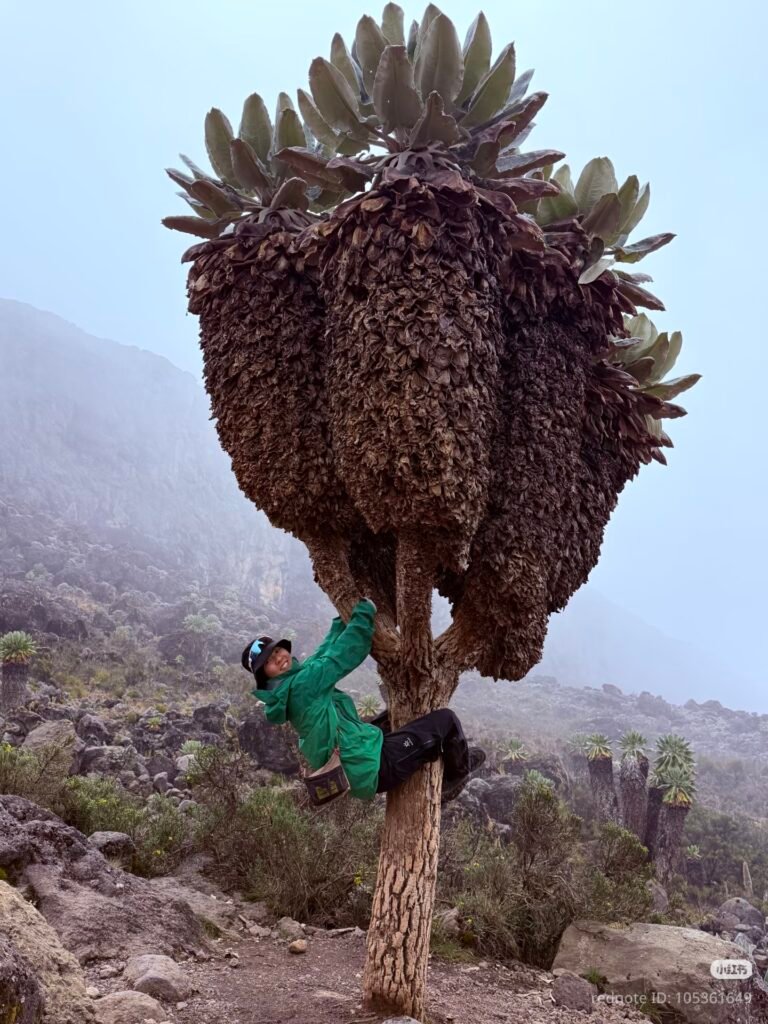
Christmas Kilimanjaro And Zanzibar Holiday : Your Ultimate Adventure 2026-2027
Experience an unforgettable Christmas combining the thrill of climbing Mount Kilimanjaro with the serene beauty of Zanzibar's beaches. This guide covers planning for your 2026-2027 festive...
View package detailsNo related package matches those filters. Clear one or more filters to see the other topic-matched options.



