
A 3-day trek on Mount Meru is possible, typically focusing on reaching the summit (Socialism Peak) via the direct or shortest route, often starting from the Momella Gate. This rapid ascent demands excellent physical fitness, acclimatization considerations, and a well-prepared itinerary, usually involving two overnight stays in huts or campsites, with the summit push occurring on the final day. While challenging due to the altitude and steepness, it offers a rewarding Mount Meru experience for those with limited time, especially when planned for 2026 or 2027 with experienced guides.
Understanding the 3-Day Mount Meru Trek
Mount Meru, the second-highest peak in Tanzania and an iconic stratovolcano within Arusha National Park, presents a formidable yet accessible challenge for trekkers. While longer routes like the 5-day option are more common for gradual acclimatization and a more relaxed experience, a trek Mont Meru 3 jours is a distinct possibility. This condensed itinerary is designed for the time-constrained adventurer who possesses a high level of physical fitness and is keen to reach the summit, Socialism Peak, at 4,566 meters (14,980 feet). It’s a trek that prioritizes efficiency, pushing the limits of what’s possible in a short timeframe, and requires careful planning and execution. For many, the allure of Meru lies not just in its altitude but in its diverse ecosystems, abundant wildlife sightings in the lower reaches, and the dramatic views it offers of Mount Kilimanjaro on clear days. A 3-day trek condenses these experiences, focusing primarily on the ascent and descent, with the summit bid being the central objective.
Choosing a 3-day trek means accepting a faster pace and a more demanding schedule. Unlike longer treks where days are structured around gradual ascents, wildlife viewing opportunities, and rest, a 3-day itinerary is about maximizing daylight hours and pushing through altitude challenges more rapidly. This approach is best suited for individuals who have prior experience with high-altitude trekking, understand the symptoms of altitude sickness, and are in peak physical condition. It’s crucial to approach this shorter trek with a realistic understanding of its intensity. The trade-off for saving time is increased physical exertion and a higher potential for altitude-related discomfort if not managed meticulously. For those targeting Mount Meru in 2026 or 2027, understanding these nuances is the first step towards a successful and memorable expedition.
Feasibility and Challenges of a 3-Day Mount Meru Trek
The feasibility of a 3-day trek on Mount Meru hinges on several critical factors. Primarily, it requires an aggressive ascent profile. The standard routes, even the shorter ones, are designed with acclimatization in mind. Condensing this into three days means significantly less time for the body to adapt to rising altitudes. This is the single biggest challenge. Altitude sickness (Acute Mountain Sickness – AMS) can manifest at any altitude above 2,500 meters, and Meru’s summit is at 4,566 meters. Symptoms can range from mild headaches and nausea to severe, life-threatening conditions like HAPE (High Altitude Pulmonary Edema) and HACE (High Altitude Cerebral Edema).
Key challenges of a 3-day Mount Meru trek include:
- Rapid Ascent: The sheer speed at which you gain altitude significantly increases the risk of AMS. There is very little time for your body to acclimatize naturally.
- Physical Exertion: Covering the distance and elevation gain required for a summit in just three days demands exceptional cardiovascular fitness and muscular endurance. The trails can be steep and rugged, especially in the final sections.
- Limited Wildlife Viewing: While Meru is known for its wildlife in the lower zones (elephants, buffaloes, antelopes), a 3-day trek prioritizes the summit push. This means opportunities to observe fauna will be significantly reduced, often limited to the first day’s trek.
- Weather Variability: Mountain weather is unpredictable at any altitude, but on a fast-paced trek, you are more likely to encounter challenging conditions such as rain, fog, or even snow near the summit, especially during shoulder seasons or unexpected cold snaps.
- Summit Night Intensity: The summit push typically occurs on the third day, often starting in the early hours of the morning. This requires trekking in darkness, often in cold temperatures, for many hours.
Despite these challenges, a 3-day trek is achievable for a specific profile of trekker. Those who have successfully climbed other high-altitude peaks quickly, have a proven track record of managing altitude, and are committed to proper hydration and pacing may find this itinerary suitable. It’s not a trek to be underestimated or attempted without thorough preparation and the guidance of experienced local operators. For planning in 2026 or 2027, it’s vital to select a company that understands the specific demands of a rapid ascent and can provide experienced guides who are adept at monitoring trekkers for AMS.
Route Options for a 3-Day Mount Meru Summit
When aiming for a 3-day trek Mont Meru, the route choice is severely limited by the need to achieve the summit and descend efficiently. The most common and practical approach for this condensed itinerary is to utilize the direct route from Momella Gate, often referred to as the ‘Northern Circuit’ or ‘Miriakamba Route’ but compressed significantly. This route is chosen for its relative directness and the availability of park facilities (huts/campsites) at strategic points.
Here’s how the route typically unfolds in a 3-day timeframe:
- Momella Gate to Miriakamba Hut: This is the first day’s ascent. The trek starts at Momella Gate (around 1,500m) and climbs through lush montane forests, often with opportunities to see wildlife. The destination is Miriakamba Hut, situated at approximately 2,100 meters. This is a relatively short walking day in terms of distance and time, but the altitude gain is significant.
- Miriakamba Hut to Saddle Hut: This is the most critical day for acclimatization and gaining substantial altitude. The trail climbs steeply through the forest and then onto the moorland zone. The goal is Saddle Hut (also known as Elephant Footprint), located at around 3,500 meters. This day involves a considerable elevation gain and is often where trekkers start to feel the effects of altitude. Some operators might suggest an optional short hike to Little Meru (3,800m) from Saddle Hut in the afternoon to further aid acclimatization, though this might be too demanding on a strict 3-day schedule.
- Saddle Hut to Socialism Peak (Summit) and Descent to Miriakamba Hut/Momella Gate: This is the summit day, which is extremely demanding. Trekkers typically start their ascent from Saddle Hut around 1-2 AM. The trail becomes very steep and involves scree and rocky sections. The goal is to reach Socialism Peak (4,566m) by sunrise for spectacular views. After celebrating at the summit, the descent is immediate and rapid. The most common strategy for a 3-day trek is to descend all the way back to Miriakamba Hut (saving one night’s accommodation) or, for the extremely fit and determined, even descend further towards Momella Gate on the same day, which is a very long and arduous day.
Why this route for a 3-day trek?
- Directness: It offers the most straightforward path to the summit without unnecessary detours.
- Hut Availability: Miriakamba Hut and Saddle Hut are established points for overnight stays, providing basic shelter and facilities.
- Established Trail: It’s a well-trodden path, making navigation simpler for guides.
It’s important to note that longer routes like the Grand Traverse are not feasible within a 3-day timeframe. The focus is purely on reaching the summit and returning. For those planning their Mount Meru trek in 2026 or 2027, discussing this specific route with your tour operator is essential to ensure they are equipped to handle the demands of a 3-day ascent and can provide guides experienced in rapid acclimatization strategies.
Itinerary Breakdown for a 3-Day Mount Meru Trek
A 3-day trek on Mount Meru requires a tightly scheduled itinerary that maximizes progress while attempting to manage the significant altitude gain. The key is to balance speed with safety, a delicate act that demands experienced guides and a well-prepared trekker. Below is a typical, albeit very demanding, itinerary. Remember, this is a template, and actual timings can vary based on group pace, weather, and guide decisions.
Day 1: Momella Gate to Miriakamba Hut
- Start Point: Momella Gate (1,500m / 4,921 ft)
- End Point: Miriakamba Hut (2,100m / 6,890 ft)
- Trekking Time: Approximately 4-6 hours
- Distance: Approximately 10 km / 6.2 miles
- Activities: Registration at Momella Gate, briefing by guides, commencement of trek through montane forest. Keep an eye out for wildlife such as buffalo, giraffes, and various antelope species. The trail is generally a good dirt path, with some steeper sections as you approach the hut.
- Overnight: Miriakamba Hut. Basic facilities, often shared dormitories.
Day 2: Miriakamba Hut to Saddle Hut
- Start Point: Miriakamba Hut (2,100m / 6,890 ft)
- End Point: Saddle Hut (3,500m / 11,483 ft)
- Trekking Time: Approximately 6-8 hours
- Distance: Approximately 8 km / 5 miles
- Activities: This is a significant day for altitude gain. The trek ascends steeply through the rainforest and then into the moorland zone. The air becomes thinner, and the pace will likely slow. The trail can be rugged and involves sustained climbing. Upon arrival at Saddle Hut, rest is paramount. Some guides may suggest a short, optional acclimatization hike to Little Meru (3,800m), but this is often omitted on a strict 3-day schedule to conserve energy for the summit push.
- Overnight: Saddle Hut. Very basic, often requiring sleeping bags.
Day 3: Saddle Hut to Socialism Peak (Summit) and Descent to Miriakamba Hut/Momella Gate
- Start Point: Saddle Hut (3,500m / 11,483 ft)
- End Point: Socialism Peak (4,566m / 14,980 ft), then descend to Miriakamba Hut (2,100m) or potentially Momella Gate (1,500m)
- Trekking Time: Summit push 3-5 hours; Descent 6-9 hours (total 9-14 hours)
- Distance: Summit return to Miriakamba approx. 18 km / 11.2 miles; Summit to Momella Gate approx. 26 km / 16.2 miles
- Activities: This is the most challenging day. You’ll start in the very early morning (around 1-2 AM) to reach the summit by sunrise. The trail is steep, rocky, and involves scree. The final ascent to Socialism Peak is demanding. After celebrating at the summit, you begin the long descent. For a 3-day trek, the common practice is to descend directly to Miriakamba Hut for a brief rest or to continue all the way down to Momella Gate, which is an exceptionally long and tiring day.
Important Considerations for this Itinerary:
- Pace: The pace will be faster than on longer treks. Guides will push the group, but also monitor for signs of altitude sickness.
- Hydration and Nutrition: Crucial for energy and altitude management. Drink plenty of water and eat well, even if appetite is reduced.
- Rest: While the schedule is tight, adequate sleep at the huts is vital.
- Flexibility: This itinerary is aggressive. Guides may make decisions to turn back trekkers if safety is compromised due to altitude sickness or weather.
For those planning a Mount Meru trek in 2026 or 2027, it’s crucial to confirm this aggressive itinerary with your chosen operator. They should be transparent about the demands and the safety protocols in place. Climb 4 Africa specializes in Tanzanian climbs and can tailor itineraries, but we always emphasize safety and realistic expectations, especially for shorter, high-altitude treks.
Preparation for Your 3-Day Mount Meru Adventure
Embarking on a 3-day trek on Mount Meru is a serious undertaking that requires meticulous preparation. Due to the compressed timeframe and rapid altitude gain, preparation is even more critical than for longer treks. Your physical and mental readiness will be tested, and attention to detail in packing, training, and understanding the risks is paramount.
Physical Training:
- Cardiovascular Fitness: Focus on activities that build endurance, such as running, cycling, swimming, and hiking with a weighted backpack. Aim for at least 3-4 sessions per week for several months leading up to your trek.
- Strength Training: Strengthen your legs, core, and back. Squats, lunges, step-ups, and planks are beneficial.
- Hiking Practice: Undertake long hikes (6-8 hours) on varied terrain, including steep ascents and descents, preferably with a backpack similar to what you’ll carry on Meru. This helps your body adapt to prolonged effort and tests your gear.
- Altitude Simulation (If Possible): While not always feasible, any experience with high altitude training or trekking will be advantageous.
Gear and Packing:
Layering is key for mountain environments. Temperatures can fluctuate dramatically from the base to the summit.
- Clothing:
- Moisture-wicking base layers (synthetic or merino wool)
- Insulating mid-layers (fleece or down jacket)
- Waterproof and windproof outer shell (jacket and trousers)
- Warm hat and gloves
- Sun hat or cap
- Hiking socks (wool or synthetic)
- Footwear:
- Broken-in waterproof hiking boots with good ankle support
- Comfortable camp shoes or sandals
- Equipment:
- Backpack (40-60 liters)
- Daypack (20-30 liters) for summit day essentials
- Sleeping bag (rated to at least -10°C or 0°F)
- Trekking poles (highly recommended for stability and reducing knee strain)
- Headlamp with extra batteries
- Water bottles or hydration reservoir (at least 3 liters capacity)
- Water purification tablets or filter (as a backup)
- Sunglasses
- Sunscreen (high SPF) and lip balm
- Personal first-aid kit (including blister treatment, pain relievers, antiseptic wipes)
- Toiletries (biodegradable soap, toothbrush, toothpaste)
- Quick-drying towel
- Snacks (energy bars, nuts, dried fruit)
Health and Acclimatization:
- Consult Your Doctor: Discuss your travel plans and any pre-existing medical conditions. Get advice on altitude sickness prevention and treatment.
- Hydration: Begin hydrating well in advance of your trek. Drink at least 3-4 liters of water per day during the trek. Avoid alcohol and caffeine, which can dehydrate you.
- Diamox (Acetazolamide): Discuss with your doctor whether Diamox is suitable for you to aid acclimatization. It is not a substitute for proper acclimatization but can help manage symptoms.
- Recognize AMS Symptoms: Educate yourself on the signs of altitude sickness (headache, nausea, dizziness, fatigue, loss of appetite). Be honest with your guides about how you feel.
Mental Preparation:
- Understand the Challenge: A 3-day trek is intensely demanding. Mentally prepare for the long hours, steep ascents, cold temperatures, and potential discomfort.
- Positive Attitude: A positive mindset and determination are crucial for overcoming challenges.
- Trust Your Guides: Your guides are experienced professionals. Listen to their advice and trust their judgment regarding safety and pace.
For anyone planning a trek Mont Meru 3 jours in 2026 or 2027, starting your preparation at least 3-6 months in advance is highly recommended. Early planning ensures you are physically ready, have the right gear, and are mentally prepared for the significant challenges of this rapid ascent. Climb 4 Africa can provide detailed gear lists and training advice tailored to your specific trek.
What to Expect on the Mountain
The 3-day Mount Meru trek offers a concentrated experience of the mountain’s diverse environments and the significant challenges of high-altitude climbing. From the moment you start at Momella Gate to the summit push, you’ll encounter distinct ecological zones and a rapid shift in conditions.
Ecological Zones:
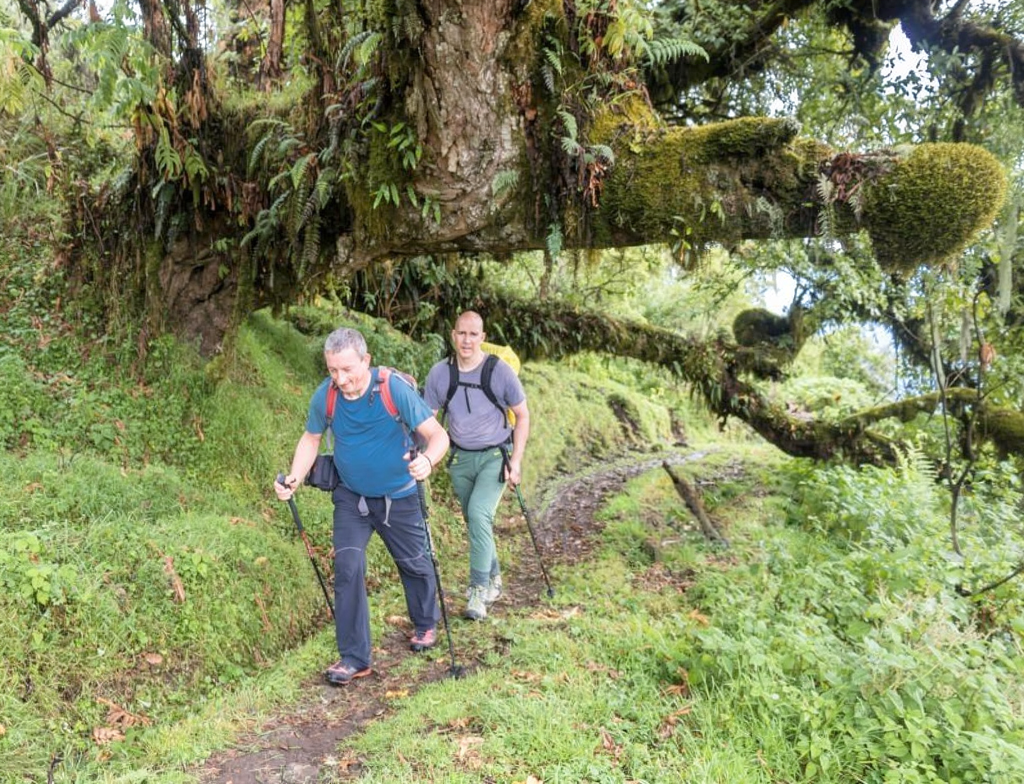
- Rainforest (Lower Slopes): The initial part of the trek takes you through dense, humid rainforest. This zone is teeming with life. You might see troops of colobus monkeys, various bird species, and potentially larger mammals like buffalo, elephants, and giraffes, especially on the first day. The path here is often muddy and can be slippery, particularly after rain.
- Heath and Moorland: As you ascend, the forest thins out, giving way to heath and moorland. This is characterized by heathers, giant groundsels, and lobelias. The landscape becomes more open, offering wider views. Temperatures begin to drop, and the air becomes noticeably thinner.
- Alpine Desert: Above the moorland, the vegetation becomes sparse, with only hardy grasses and mosses surviving. This zone feels more exposed and barren, with rocky terrain becoming more prevalent.
- Arctic Zone (Summit Area): The summit itself is a rocky, volcanic landscape, often covered in snow and ice, especially in the early morning. Temperatures here are well below freezing, and wind can be a significant factor.
Altitude Effects:
This is the primary challenge of any Meru trek, but it’s amplified on a 3-day itinerary. You will gain altitude rapidly. By the end of Day 2, you will be at 3,500 meters, and Day 3 takes you to 4,566 meters. Expect to experience some symptoms of altitude sickness, even if mild. These can include:
- Headaches
- Nausea and loss of appetite
- Dizziness
- Fatigue
- Slight shortness of breath
It is crucial to communicate any symptoms to your guide immediately. They are trained to assess the severity and advise on the best course of action, which may include resting, descending, or medication. Proper hydration and a slow, steady pace (even when feeling well) are your best defenses.
Summit Night and Day:
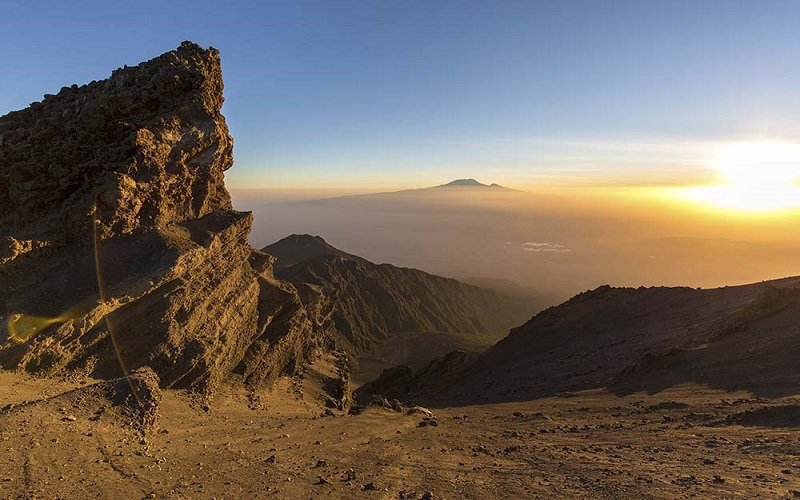
The summit push on Day 3 is the most demanding part of the trek Mont Meru 3 jours. It begins in the pre-dawn darkness, often around 1 AM, with temperatures plummeting well below freezing. You’ll be trekking for hours in the dark, using headlamps, on a steep, challenging trail that includes scree and rocky sections. The goal is to reach Socialism Peak by sunrise (around 6:30 AM). The views from the summit, if clear, are spectacular, offering panoramic vistas of the surrounding landscape, including Mount Kilimanjaro. However, you will be tired, cold, and likely experiencing some altitude effects. The descent is just as important as the ascent. You will retrace your steps, often rapidly, back down to Saddle Hut, then continue to Miriakamba Hut or all the way to Momella Gate. This descent can be hard on the knees and requires concentration, especially on the scree slopes.
Weather:
Mountain weather is unpredictable. You can experience sunshine, rain, fog, and strong winds all in a single day. The summit can be extremely cold and windy, even during drier months. Pack layers and be prepared for all conditions.
Logistics:
Accommodation at the huts (Miriakamba and Saddle) is basic. Expect dormitory-style sleeping arrangements, shared facilities, and a communal dining area. Porters will carry the bulk of your gear, but you will carry a daypack with essentials for the day and summit night. Meals are prepared by your trekking crew.
For those planning a Mount Meru trek in 2026 or 2027, understanding these on-mountain realities is key to managing expectations and ensuring you are as prepared as possible for this challenging 3-day expedition.
Booking Your 3-Day Mount Meru Trek in 2026-2027
Booking a 3-day trek on Mount Meru requires careful consideration, especially when planning for future years like 2026 or 2027. Given the aggressive nature of this short itinerary, selecting a reputable and experienced tour operator is paramount. Your safety, comfort, and success depend heavily on the quality of guides, porters, and logistical support provided.
Choosing the Right Operator:
- Experience with Short Treks: Not all operators are equipped or experienced in managing 3-day Meru ascents. Look for companies that specifically mention offering or have a proven track record with this condensed itinerary. They should understand the acclimatization challenges and have robust safety protocols.
- Guide Qualifications: Ensure guides are certified, experienced in high-altitude trekking, and knowledgeable about altitude sickness management. They should be fluent in English and possess good communication skills.
- Safety Standards: Inquire about their safety procedures, including emergency evacuation plans, availability of oxygen, and communication equipment.
- Inclusions and Exclusions: Understand exactly what is covered in the price. Typically, this includes park fees, guide and porter salaries, food, accommodation at huts, and sometimes transfers. Exclusions might be tips, personal gear, insurance, and items of a personal nature.
- Reputation: Check reviews on platforms like TripAdvisor or consult with previous clients if possible. Look for feedback specifically related to Mount Meru treks.
What to Discuss When Booking:
- Itinerary Confirmation: Explicitly confirm the 3-day itinerary and ensure it aligns with your expectations and the realities of the trek.
- Group Size: Understand the typical group size for a 3-day trek. Smaller groups may be more manageable.
- Customization: While a 3-day trek is inherently fast-paced, discuss any specific needs or concerns you might have.
- Permits and Fees: Confirm that all necessary park entry fees, climbing permits, and conservation fees are included. These can be substantial.
- Departure Dates for 2026-2027: If you have specific dates in mind for 2026 or 2027, inquire about availability. While Meru can be climbed year-round, the dry seasons (June-October and December-February) are generally preferred for better weather conditions.
Working with Climb 4 Africa:
Climb 4 Africa is a Tanzanian-based tour operator with extensive experience in Mount Meru expeditions and other Tanzanian adventures. We understand the nuances of planning treks for various durations and fitness levels. For a trek Mont Meru 3 jours, we emphasize:
- Expert Local Guides: Our guides are seasoned professionals with deep knowledge of Meru’s trails and altitude management.
- Safety First Approach: We prioritize your safety with well-maintained equipment, emergency protocols, and experienced crew.
- Transparent Pricing: We provide clear breakdowns of what’s included in our trek packages.
- Tailored Support: We work with you to ensure you have the necessary information for preparation, from training advice to gear recommendations.
To discuss your 3-day Mount Meru trek for 2026 or 2027, or to get a personalized quote and itinerary, please don’t hesitate to contact us. We are here to help you plan a safe and unforgettable adventure. You can reach us via WhatsApp at +255 747 477 898 or by emailing climb4africa@gmail.com. Let us help you prepare for your challenging yet rewarding summit attempt.
Choosing the right operator is a significant decision, especially for a demanding trek like the 3-day Mount Meru. By doing your research and communicating openly with potential providers, you can ensure you select a partner who will help you achieve your goal safely and successfully.
Check Availability for Trek Mont Meru 3 Jours: A Practical Guide To A Short Summit Expedition
Ready to compare dates, prices, and the best option for your group? Send the package name and travel month so the team can reply with a clear quote, availability, and what is included.
Trek Mont Meru 4 Jours: Your Complete Guide 2026-2027
start a 4-day trek up Mount Meru, a challenging yet rewarding climb near Kilimanjaro. This guide covers routes, preparation, gear, and essential tips for your 2026-2027 expedition.
View package details
Trekking Monte Meru Tanzania: Precios, Ruta Y Consejos 2026-2027
Trekking Monte Meru Tanzania: precios, ruta y consejos is explained with current 2026-2027 planning, price, itinerary and booking information.
View package detailsTrekking Monte Meru Desde Arusha: Your Ultimate Guide For 2026-2027
Your comprehensive guide to trekking Mount Meru from Arusha, covering everything from route options and difficulty to essential preparation and booking advice for climbs in 2026-2027.
View package details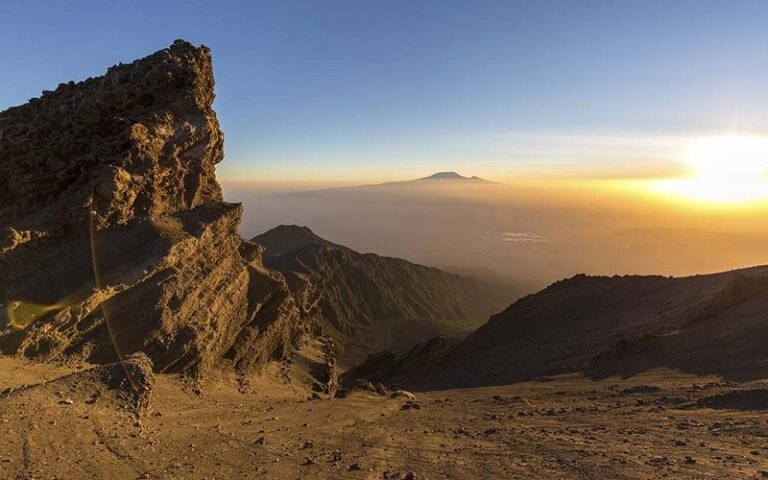
Monte Meru Y Kilimanjaro: Trekking En Tanzania 2026-2027
Discover the ultimate trekking experience in Tanzania by combining Mount Meru and Mount Kilimanjaro. This comprehensive guide covers everything from route selection and preparation to...
View package details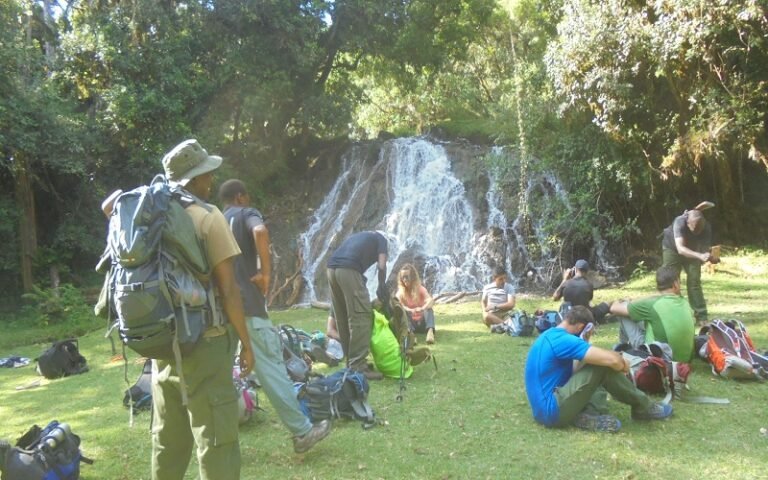
Precio Trekking Monte Meru: ¿Cuánto Cuesta Tu Aventura En ? 2026-2027
Planifica tu aventura en el Monte Meru conociendo los costos detallados. Explora las opciones de rutas, duraciones y lo que influye en el precio para tu expedición 2026-2027.
View package details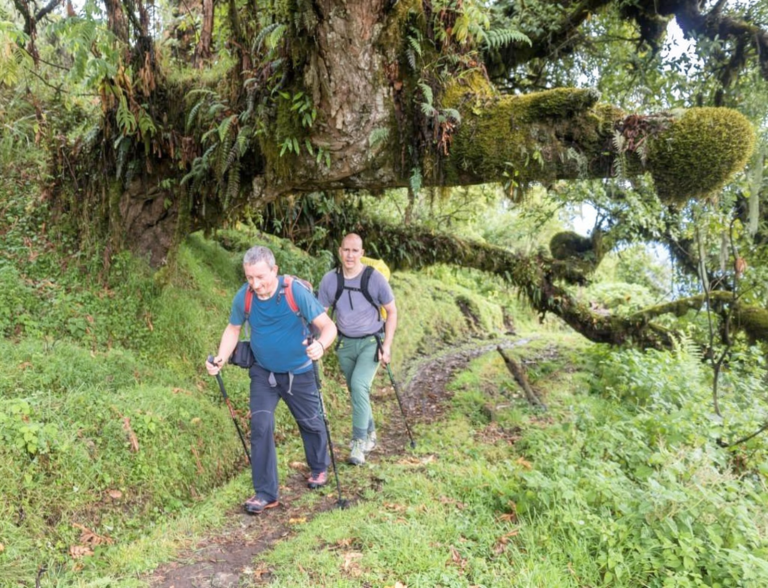
Trekking Monte Meru 4 Días 2026-2027
Trekking Monte Meru 4 días is explained with current 2026-2027 planning, price, itinerary and booking information.
View package detailsTrekking Monte Meru 3 Días 2026-2027
Trekking Monte Meru 3 días is explained with current 2026-2027 planning, price, itinerary and booking information.
View package details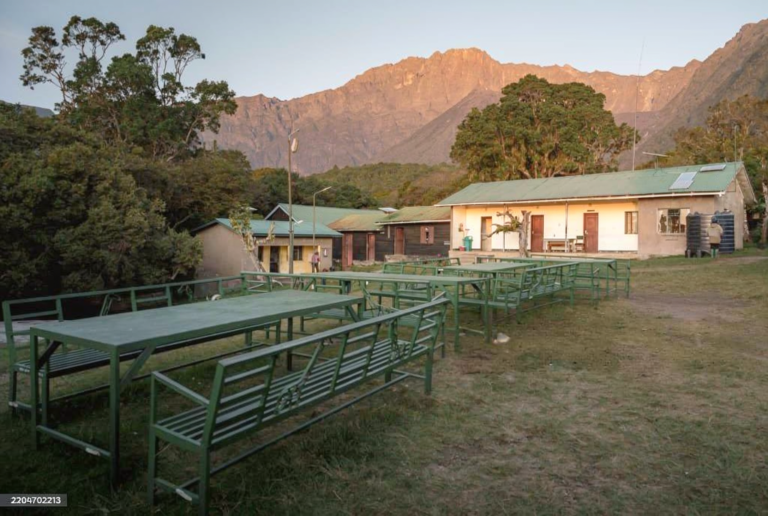
Monte Meru Tanzania Trekking From Arusha: Your Essential Guide 2026-2027
start a trek up Mount Meru from Arusha, Tanzania's stunning dormant volcano. This guide covers everything from routes and difficulty to preparation and best times to go for your 2026-2027...
View package detailsMount Meru Trekking 3 Tage: Your Essential Planning Guide 2026-2027
A comprehensive guide to the 3-day Mount Meru trek, covering essential planning details for 2026-2027, including routes, preparation, what to expect, and booking advice.
View package details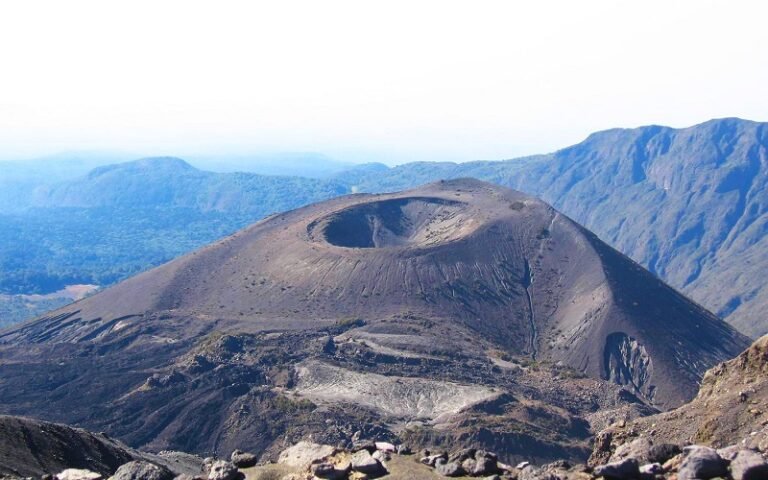
Mount Meru Trekking Ab Arusha 2026-2027
Mount Meru Trekking ab Arusha is explained with current 2026-2027 planning, price, itinerary and booking information.
View package detailsRuta Momella Monte Meru: Your Complete Guide 2026-2027
Your comprehensive guide to the Momella Route on Mount Meru, covering everything from preparation and typical itineraries to what makes this climb a unique Tanzanian adventure, ideal for...
View package detailsMonte Meru Y Safari En Tanzania: Guía Completa Para Tu Aventura Africana
Explora la combinación perfecta de trekking en Monte Meru y safaris inolvidables en Tanzania. Esta guía detallada te ayudará a planificar tu viaje de ensueño para 2026-2027, cubriendo...
View package detailsNo related package matches those filters. Clear one or more filters to see the other topic-matched options.



