
For a Northern Circuit Kilimanjaro climb in 2026-2027, the choice between 8 or 9 days primarily hinges on balancing acclimatization needs with available time. The 9-day itinerary offers superior acclimatization due to a slower pace and more gradual ascent, significantly increasing summit success rates and enjoyment by allowing the body more time to adapt to altitude. The 8-day version is a viable, slightly faster option for those who are well-acclimatized or have tighter schedules, but it demands a slightly more aggressive pace and slightly compromises the exceptional acclimatization the Northern Circuit is known for.
- Day 1: Machame Gate to Machame Camp
- Day 2: Machame Camp to Shira 2 Camp
- Day 3: Shira 2 Camp to Lava Tower/Arrow Glacier Camp
- Day 4: Lava Tower/Arrow Glacier Camp to Karanga Valley
- Day 5: Karanga Valley to Barafu Camp
- Day 6: Barafu Camp to Uhuru Peak, then to Kosovo Camp/High Camp
- Day 7: Kosovo Camp/High Camp to Mweka Camp
- Day 8: Mweka Camp to Mweka Gate
Understanding the Northern Circuit
The Northern Circuit is often lauded as Kilimanjaro’s most scenic and arguably best-route for acclimatization. It encircles the mountain’s northern slopes, offering diverse landscapes and a more relaxed pace than shorter routes. Unlike the Machame, Lemosho, or Marangu routes, the Northern Circuit utilizes a less-trafficked path, providing a more solitary experience and unparalleled views of Kilimanjaro’s glaciers and the surrounding plains. Its longer duration is its greatest asset, allowing trekkers to ascend slowly and steadily, a critical factor for successfully reaching Uhuru Peak. This route is a favorite among experienced trekkers or those who prioritize acclimatization and a more in-depth mountain experience. When considering a Northern Circuit Kilimanjaro climb in 2026-2027, understanding the nuances between its 8-day and 9-day variations is key to a successful and enjoyable expedition.
8 vs. 9 Days: The Core Difference
The fundamental distinction between the 8-day and 9-day Northern Circuit itineraries lies in the distribution of days and, consequently, the pace of ascent. The 9-day version is the standard and most recommended itinerary for this route because it spreads the trekking days out more evenly, incorporating an extra day of acclimatization, typically between Shira 2 Camp and Barranco Camp, or as an additional rest day at Karanga Camp. This extra day allows for shorter trekking distances on some days and more time spent at higher altitudes, promoting better physiological adaptation. The 8-day Northern Circuit is essentially a condensed version, often achieved by combining two trekking days into one longer, more strenuous day, or by skipping a lower camp. While it offers a faster ascent and can be slightly more cost-effective, it slightly compromises the exceptional acclimatization benefits that make the Northern Circuit so popular. For many, the incremental cost difference is well worth the significant improvement in comfort and summit chances that the 9-day itinerary provides, especially for a Northern Circuit Kilimanjaro climb in 2026-2027.
The 9-Day Northern Circuit: The Gold Standard
The 9-day Northern Circuit itinerary is widely considered the optimal way to experience Kilimanjaro via this route. It maximizes the acclimatization benefits, offering a more comfortable and enjoyable trek with a higher probability of summit success. This itinerary allows for a more leisurely pace, shorter daily trekking distances on many days, and includes more time for rest and hydration, all crucial for altitude adaptation. Many operators offer this as their standard Northern Circuit package, and it’s the one we most frequently recommend for clients planning their expedition for 2026 or 2027.
Here is a typical breakdown of the 9-day Northern Circuit:
Day 1: Machame Gate to Machame Camp
Start Point: Machame Gate (1,800m / 5,905 ft)
End Point: Machame Camp (3,050m / 10,007 ft)
Trekking Time: 5-7 hours
Distance: Approx. 11 km / 7 miles
Habitat: Rainforest
The journey begins at Machame Gate, where you’ll complete registration and meet your climbing crew. The trek starts with a steady ascent through the lush rainforest. This is a beautiful introduction to Kilimanjaro, with abundant flora and fauna. The path is well-maintained but can be muddy, especially during the wet seasons. Machame Camp is situated on the edge of the forest, offering a comfortable first night.
Day 2: Machame Camp to Shira 2 Camp
Start Point: Machame Camp (3,050m / 10,007 ft)
End Point: Shira 2 Camp (3,850m / 12,631 ft)
Trekking Time: 4-6 hours
Distance: Approx. 5 km / 3 miles
Habitat: Moorland
Today’s trek takes you out of the rainforest and into the moorland zone. The terrain becomes more open, with heather and giant senecio trees. The ascent is steady, and by the end of the day, you’ll have gained significant altitude. Shira 2 Camp is located on the Shira Plateau, offering expansive views and a chance to acclimatize further. It’s a shorter trekking day, allowing for more rest and preparation for the higher altitudes ahead.
Day 3: Shira 2 Camp to Barranco Camp
Start Point: Shira 2 Camp (3,850m / 12,631 ft)
End Point: Barranco Camp (3,950m / 12,959 ft)
Trekking Time: 5-7 hours
Distance: Approx. 10 km / 6 miles
Habitat: Alpine Desert
This is a crucial acclimatization day. You’ll trek east across the Shira Plateau, passing the Shira Needles, and then descend slightly towards the Lava Tower (4,600m / 15,091 ft). After lunch at Lava Tower, you’ll descend to Barranco Camp. This “climb high, sleep low” strategy is vital for acclimatization. Barranco Camp is spectacularly situated below the Barranco Wall, a formidable rock face that you’ll tackle the following day.
Day 4: Barranco Camp to Karanga Camp
Start Point: Barranco Camp (3,950m / 12,959 ft)
End Point: Karanga Camp (4,200m / 13,779 ft)
Trekking Time: 4-5 hours
Distance: Approx. 5 km / 3 miles
Habitat: Alpine Desert
The day begins with the challenging but rewarding climb up the Barranco Wall. It’s not a technical climb but involves scrambling over large rocks. Once at the top, the views are incredible. You’ll then trek through a series of valleys and ridges, with a steady ascent, to Karanga Camp. This camp is located in a high valley and offers a good resting point before the final push towards the summit.
Day 5: Karanga Camp to Barafu Camp
Start Point: Karanga Camp (4,200m / 13,779 ft)
End Point: Barafu Camp (4,650m / 15,255 ft)
Trekking Time: 3-5 hours
Distance: Approx. 4 km / 2.5 miles
Habitat: Alpine Desert
Today’s trek is relatively short but involves a steady, sometimes steep, ascent over rocky terrain. You’ll gain significant altitude, reaching Barafu Camp. Barafu means ‘ice’ in Swahili, and this camp is exposed and cold, located on a narrow ridge. You’ll have an early dinner and an early night to prepare for the summit attempt, which begins around midnight.
Day 6: Barafu Camp to Uhuru Peak, then to Mweka Camp
Start Point: Barafu Camp (4,650m / 15,255 ft)
End Point: Uhuru Peak (5,895m / 19,341 ft), then Mweka Camp (3,100m / 10,170 ft)
Trekking Time: 10-15 hours (summit day)
Distance: Approx. 12 km / 7.5 miles ascent, 7 km / 4.3 miles descent
Habitat: Arctic
This is the longest and most challenging day. You’ll start your ascent around midnight, trekking through the cold, dark, and often windy conditions towards Stella Point (5,756m / 18,885 ft) on the crater rim. From Stella Point, it’s a further hour-long walk to Uhuru Peak, the highest point in Africa. After celebrating your achievement and taking photos, you’ll begin the long descent back to Barafu Camp for a short rest, and then continue down to Mweka Camp. Descending is surprisingly taxing and requires careful footing.
Day 7: Mweka Camp to Mweka Gate
Start Point: Mweka Camp (3,100m / 10,170 ft)
End Point: Mweka Gate (1,650m / 5,413 ft)
Trekking Time: 3-5 hours
Distance: Approx. 10 km / 6 miles
Habitat: Rainforest
After breakfast, you’ll descend through the rainforest to Mweka Gate. This is a much easier trek, primarily downhill. At the gate, you’ll receive your climbing certificates and bid farewell to your guides and crew. You’ll then be transferred back to your hotel in Arusha.
Day 8: Mweka Gate to Arusha
End Point: Arusha
This day is typically the final day of the organised trek package, involving the transfer from Mweka Gate to your hotel in Arusha. It’s a day to rest, reflect on your incredible achievement, and perhaps enjoy a hot shower and a celebratory meal.
Day 9: Relaxation or Transfer
End Point: Arusha or onward travel
The 9th day is often included as a buffer or for clients who wish to spend an extra day in Arusha to relax, explore the town, or prepare for a subsequent safari or flight home. It provides flexibility and ensures you don’t feel rushed after completing the climb.
The 8-Day Northern Circuit: A Faster Pace
The 8-day Northern Circuit is a condensed version of the 9-day itinerary. It’s designed for trekkers who want to experience the Northern Circuit’s unique advantages but have less time, or who prefer a slightly quicker pace. To achieve this, one or two trekking days are typically combined, or a specific camp might be skipped. This means longer trekking days on certain stages and a more demanding ascent profile. While still offering better acclimatization than shorter routes like Machame or Lemosho, it doesn’t quite match the superior acclimatization of the 9-day option. It can be a good choice for 2026-2027 if you have prior high-altitude experience and are confident in your body’s ability to adapt quickly.
Here’s a representative 8-day itinerary:
Day 1: Machame Gate to Machame Camp
Start Point: Machame Gate (1,800m / 5,905 ft)
End Point: Machame Camp (3,050m / 10,007 ft)
Trekking Time: 5-7 hours
Distance: Approx. 11 km / 7 miles
Habitat: Rainforest
Identical to the 9-day itinerary, you start at Machame Gate and trek through the rainforest to Machame Camp.
Day 2: Machame Camp to Shira 2 Camp
Start Point: Machame Camp (3,050m / 10,007 ft)
End Point: Shira 2 Camp (3,850m / 12,631 ft)
Trekking Time: 4-6 hours
Distance: Approx. 5 km / 3 miles
Habitat: Moorland
Again, this day mirrors the 9-day itinerary, moving from the moorland zone to the Shira Plateau and Shira 2 Camp.
Day 3: Shira 2 Camp to Lava Tower/Arrow Glacier Camp
Start Point: Shira 2 Camp (3,850m / 12,631 ft)
End Point: Lava Tower (4,600m / 15,091 ft) or Arrow Glacier Camp (4,900m / 16,076 ft)
Trekking Time: 6-8 hours
Distance: Approx. 10 km / 6 miles
Habitat: Alpine Desert
In the 8-day version, this day often involves trekking directly to Lava Tower for lunch, and then continuing to a higher camp like Arrow Glacier Camp (also known as the Crater Camp). This significantly increases the altitude gained and the challenge, but it’s a more aggressive ‘climb high, sleep low’ strategy. If Arrow Glacier Camp is used, you are sleeping at a much higher altitude than Barranco Camp, which can be challenging but aids acclimatization for the summit push.
Day 4: Lava Tower/Arrow Glacier Camp to Karanga Valley
Start Point: Lava Tower/Arrow Glacier Camp (4,600m / 15,091 ft or 4,900m / 16,076 ft)
End Point: Karanga Valley (4,200m / 13,779 ft)
Trekking Time: 4-6 hours
Distance: Approx. 5 km / 3 miles
Habitat: Alpine Desert
If you slept at Arrow Glacier Camp, this day involves a descent to Karanga Valley. This descent, following a high-altitude night, is a strategic move to aid recovery and acclimatization before the final ascent. If you only reached Lava Tower, this day would be a more direct ascent to Karanga.
Day 5: Karanga Valley to Barafu Camp
Start Point: Karanga Valley (4,200m / 13,779 ft)
End Point: Barafu Camp (4,650m / 15,255 ft)
Trekking Time: 3-5 hours
Distance: Approx. 4 km / 2.5 miles
Habitat: Alpine Desert
Similar to the 9-day itinerary, this day involves trekking from Karanga Valley to Barafu Camp, setting up for the summit bid.
Day 6: Barafu Camp to Uhuru Peak, then to Kosovo Camp/High Camp
Start Point: Barafu Camp (4,650m / 15,255 ft)
End Point: Uhuru Peak (5,895m / 19,341 ft), then Kosovo Camp (4,900m / 16,076 ft) or continue to Crater Camp.
Trekking Time: 10-12 hours (summit day)
Distance: Approx. 5 km / 3 miles ascent to Uhuru Peak, then descent.
Summit day is still a long, demanding night. After reaching Uhuru Peak, instead of descending all the way to Mweka Camp, climbers often descend to Kosovo Camp (sometimes called High Camp), which is slightly lower than Barafu but still very high. This allows for a slightly less strenuous descent on summit night and a more manageable trek to Mweka the following day.
Day 7: Kosovo Camp/High Camp to Mweka Camp
Start Point: Kosovo Camp/High Camp (4,900m / 16,076 ft)
End Point: Mweka Camp (3,100m / 10,170 ft)
Trekking Time: 7-9 hours
Distance: Approx. 12 km / 7.5 miles descent.
This is a longer descent day than in the 9-day itinerary. You’ll descend from Kosovo Camp all the way to Mweka Camp, passing Barafu Camp en route. This covers significant ground and altitude loss.
Day 8: Mweka Camp to Mweka Gate
Start Point: Mweka Camp (3,100m / 10,170 ft)
End Point: Mweka Gate (1,650m / 5,413 ft)
Trekking Time: 3-5 hours
Distance: Approx. 10 km / 6 miles
Habitat: Rainforest
This is the final trekking day, descending through the rainforest to Mweka Gate for your certificates and transfer back to Arusha. This day is identical to Day 7 of the 9-day itinerary.
Key Considerations for 8 vs. 9 Days
When deciding between an 8-day and a 9-day Northern Circuit trek for your 2026-2027 adventure, several critical factors come into play. The choice isn’t just about saving a day; it’s about optimizing your experience, understanding your physical capabilities, and maximizing your chances of reaching the summit comfortably.
Acclimatization and Summit Success Rates
This is, by far, the most significant differentiator. Altitude sickness is the primary reason for summit failure on Kilimanjaro. The Northern Circuit is already renowned for its excellent acclimatization profile due to its length and the gradual ascent. The 9-day itinerary enhances this by:
- Slower Pace: Spreading the trek over more days means shorter daily distances and more time for the body to adjust to decreasing oxygen levels.
- ‘Climb High, Sleep Low’ Maximized: The extra day allows for more effective implementation of this crucial acclimatization strategy, often involving longer stays at higher camps or more deliberate ascents to high points before descending to sleep.
- Reduced Fatigue: Less strenuous days mean trekkers are less exhausted, making it easier for their bodies to cope with the physiological stress of altitude.
Consequently, the 9-day Northern Circuit typically boasts higher summit success rates compared to the 8-day version. The 8-day itinerary, while still better than shorter routes, compresses these acclimatization benefits. It might involve longer daily treks or skipping a camp, leading to a faster overall ascent rate, which can be more challenging for some individuals’ bodies to adapt to. For anyone concerned about altitude, or who hasn’t experienced high altitudes before, the 9-day option is the safer, more comfortable choice.
Physical Demands and Pace
The 8-day Northern Circuit is undeniably more physically demanding. The condensed schedule means longer trekking hours on some days and potentially a more relentless uphill climb. This can lead to increased fatigue, which in turn can exacerbate the effects of altitude. Trekkers on the 8-day option need to be prepared for more challenging days, especially on the approach to Barafu Camp and on summit night. The 9-day Northern Circuit offers a more relaxed pace. While still a challenging trek, the daily exertion is generally lower, allowing for better recovery and a more sustainable effort throughout the expedition. This makes it more suitable for a wider range of fitness levels, including those who are fit but not necessarily experienced high-altitude trekkers.
Scenery and Overall Experience
Both itineraries traverse the same stunning landscapes of the Northern Circuit, from the rainforest to the alpine desert and the arctic zone. However, the 9-day itinerary often allows for a more leisurely appreciation of these environments. With more time, trekkers might find themselves more attuned to the subtle changes in vegetation, the vastness of the plains, and the dramatic geological features. The slower pace can lead to a more profound connection with the mountain and a more in-depth experience. The 8-day route, while still spectacular, can feel more like a race against time for some, with less opportunity to linger and absorb the surroundings. For those prioritizing the journey and the panoramic views, the extra day on the 9-day Northern Circuit is invaluable.
Cost Implications
Generally, the 8-day Northern Circuit will be less expensive than the 9-day version. This is primarily due to the reduced number of days required for park fees, guide and porter wages, and camping fees. While the difference might not be enormous on a per-day basis, it can add up. However, it’s crucial to remember that the Northern Circuit is already one of the more expensive routes due to its longer duration. When comparing the cost difference between the 8 and 9-day options, it’s essential to weigh it against the potential benefits of increased success rates, comfort, and enjoyment. For a 2026-2027 climb, consider that operator prices can vary significantly based on group size, service level, and inclusions. The marginal savings on the 8-day option might not justify the compromises in acclimatization for many trekkers.
Who is Each Option For?
The 9-Day Northern Circuit is ideal for:
- First-time Kilimanjaro climbers.
- Anyone prioritizing the highest possible chance of summit success.
- Trekkers who want the best acclimatization profile.
- Those who wish for a more relaxed pace and a deeper immersion in the mountain environment.
- Individuals with moderate fitness levels who want to minimize the physical strain.
- Anyone with concerns about altitude sickness.
The 8-Day Northern Circuit is suitable for:
- Experienced trekkers with a proven track record of high-altitude ascents.
- Individuals with excellent cardiovascular fitness and who are confident in their body’s ability to acclimatize quickly.
- Trekkers on a slightly tighter schedule or budget who still want the benefits of the Northern Circuit’s scenery.
- Those who have previously climbed Kilimanjaro or other high peaks and understand their personal acclimatization response.
For most clients planning a Northern Circuit Kilimanjaro climb in 2026-2027, the 9-day itinerary is the most prudent and rewarding choice.
Comparing the Routes Visually
While the core difference is an extra day, the impact on the itinerary is substantial. The 9-day route provides more distinct stages and gentler gradients on average. The 8-day route often consolidates stages, leading to longer trekking days. For instance, Day 3 on the 9-day route is a moderate trek with a significant descent after reaching Lava Tower. On the 8-day route, Day 3 might involve pushing significantly higher to Arrow Glacier Camp (nearly 5,000m), meaning you sleep much higher, but with less time to adjust to that specific altitude before the summit push.
Imagine it this way:
- 9-Day: A marathon runner pacing themselves perfectly, with extra water stops and recovery periods.
- 8-Day: A marathon runner with a slightly faster pace, fewer recovery stops, and a more challenging final push.
The additional day on the 9-day itinerary typically means an extra night at a mid-altitude camp, or a slightly shorter day between camps, allowing for more rest and enjoyment of the views. This strategic distribution of effort is what makes the 9-day Northern Circuit the preferred option for optimal acclimatization and enjoyment.
Planning Your 2026-2027 Climb
Planning a Kilimanjaro expedition requires careful consideration of various elements. Whether you opt for the 8 or 9-day Northern Circuit, your 2026-2027 climb will be an unforgettable experience. Here’s what you need to know:
Best Time to Climb
Kilimanjaro can be climbed year-round, but certain periods offer more favorable weather conditions. The driest and warmest months are typically:
- January to March: Generally dry and warm, with good visibility. Can be very cold at the summit.
- June to October: The longest dry season, characterized by cooler temperatures but excellent visibility and less cloud cover. This is a peak season for climbs.
The shoulder seasons (April-May and November-December) can experience more rain and cloud cover, making them less ideal but still possible for determined climbers. For 2026-2027, booking during the dry seasons will enhance your trekking experience. The Northern Circuit’s exposure means clear skies are particularly appreciated.
Choosing a Tour Operator
Selecting the right tour operator is paramount for a safe and successful climb. Look for operators with:
- Experienced Guides: Certified guides with extensive knowledge of altitude sickness and mountain rescue.
- Safety Standards: Proper emergency procedures, oxygen supplies, and communication equipment.
- Ethical Treatment of Porters: Fair wages, adequate food, and appropriate gear for their support crew.
- Good Reviews: Check independent platforms for feedback on service, safety, and success rates.
- Clear Itineraries: Detailed day-by-day plans that prioritize acclimatization.
Climb 4 Africa specializes in Kilimanjaro expeditions and offers expert guidance for planning your Northern Circuit Kilimanjaro climb in 2026-2027. We ensure our itineraries, especially the 9-day Northern Circuit, are designed with acclimatization and safety as top priorities. You can reach us via WhatsApp +255 747 477 898 or Email climb4africa@gmail.com to discuss your specific needs.
What is Typically Included
Most reputable operators will include:
- Park entrance fees (Kilimanjaro National Park fees are substantial).
- A qualified climbing guide, assistant guides, and porters.
- All meals during the trek (breakfast, lunch, dinner).
- Camping equipment (tents, sleeping mats).
- Bottled drinking water or water purification.
- Transfer from Moshi/Arusha to the gate and back.
- Temporary rescue fee.
- A celebratory meal upon completion.
Always confirm the specifics with your chosen operator for your 2026-2027 climb.
What is Typically Not Included
Common exclusions are:
- International flights.
- Visa fees.
- Travel and medical insurance (mandatory).
- Personal climbing gear (sleeping bag, hiking boots, clothing).
- Tips for guides, porters, and cook (a significant portion of the total cost).
- Lunches/dinners in Arusha or Moshi before and after the climb.
- Personal expenses (e.g., souvenirs, drinks).
- Optional porter for personal luggage (often called “extra porter” or “porter for your duffel bag”).
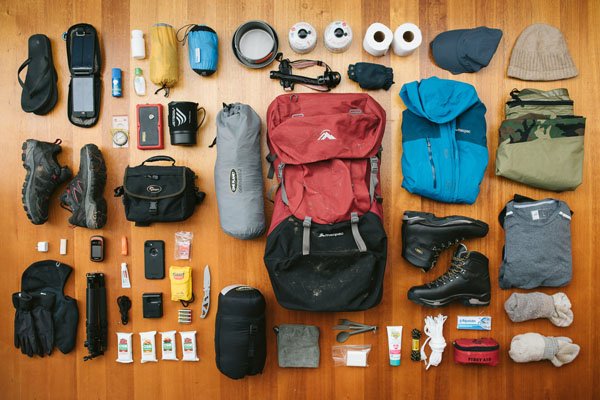
Gear and Preparation
Proper gear is essential for comfort and safety. Key items include:
- Layered Clothing: Thermal base layers, mid-layers (fleece), and a waterproof/windproof outer shell.
- Footwear: Broken-in hiking boots, comfortable camp shoes.
- Sleeping Bag: A good quality 4-season sleeping bag rated to at least -15°C (0°F).
- Headlamp: With spare batteries.
- Sun Protection: Sunscreen, sunglasses, hat.
- Hydration: Water bottles or hydration reservoir.
- Trekking Poles: Highly recommended for ascents and descents.
Physical training should focus on cardiovascular fitness, leg strength, and endurance. Hiking with a weighted backpack is highly beneficial for preparing for the Northern Circuit Kilimanjaro climb.
Making Your Decision
The choice between the 8-day and 9-day Northern Circuit for your 2026-2027 climb is a personal one, but for most, the 9-day itinerary offers a superior balance of acclimatization, comfort, and success probability. The Northern Circuit is a longer, more remote route, and extending it by one day allows you to fully capitalize on its inherent acclimatization benefits. The extra day is not just ‘more trekking’; it’s strategically placed to allow your body to adapt more effectively. Consider your fitness, previous altitude experience, and your primary goals for the climb. If summit success and a comfortable journey are paramount, the 9-day Northern Circuit is the clear winner. If you are an experienced high-altitude trekker with a strong constitution and limited time, the 8-day option is a viable alternative, provided you fully understand the increased demands.
Booking Your Northern Circuit Trek
When you’re ready to plan your expedition, choosing a knowledgeable and reliable partner is crucial. At Climb 4 Africa, we are dedicated to providing exceptional Kilimanjaro climbing experiences. We understand the importance of acclimatization, safety, and supporting our local crews ethically. Whether you’re leaning towards the 8 or 9-day Northern Circuit Kilimanjaro climb for your 2026-2027 adventure, our team is here to guide you through every step of the planning process.
We can help you select the best itinerary based on your profile, advise on the optimal timing, and ensure you are fully prepared. Our packages are designed to offer excellent value, prioritizing safety and success. To discuss your dream climb, get a personalized quote, or ask any further questions, please do not hesitate to contact us. You can reach us directly via WhatsApp at +255 747 477 898 or send us an email at climb4africa@gmail.com. Let us help you make your Northern Circuit Kilimanjaro climb a reality.
“,
“faq_schema”: [
{
“question”: “What is the main difference between the 8-day and 9-day Northern Circuit Kilimanjaro routes?”,
“answer”: “The primary difference is the duration and pace of acclimatization. The 9-day itinerary offers a slower, more gradual ascent with an extra day dedicated to acclimatization, significantly increasing summit success rates and comfort. The 8-day route is a more condensed version, involving longer trekking days on certain stages or skipping a camp, making it more demanding.”
},
{
“question”: “Which route, 8 or 9 days, is better for acclimatization on Kilimanjaro’s Northern Circuit?”,
“answer”: “The 9-day Northern Circuit is superior for acclimatization. It follows the ‘climb high, sleep low’ principle more effectively and allows the body more time to adjust to altitude, thus reducing the risk of altitude sickness and improving chances of reaching the summit.”
},
{
“question”: “Is the 8-day Northern Circuit a good option for first-time Kilimanjaro climbers in 2026-2027?”,
“answer”: “While the Northern Circuit is generally good for acclimatization, the 8-day version can be quite demanding due to its faster pace. For first-time climbers, the 9-day Northern Circuit is highly recommended to maximize acclimatization and ensure a more comfortable experience. The 8-day option is better suited for experienced high-altitude trekkers.”
},
{
“question”: “What are the cost differences between the 8-day and 9-day Northern Circuit treks?”,
“answer”: “The 8-day Northern Circuit is generally less expensive than the 9-day version because it requires fewer days of park fees, guide/porter services, and camping fees. However, the Northern Circuit is already a longer and more costly route, so the difference between the 8 and 9-day options might be marginal compared to the overall cost.”
},
{
“question”: “Which months are best for climbing Kilimanjaro’s Northern Circuit in 2026-2027?”,
“answer”: “The best times for climbing Kilimanjaro are the dry seasons: January to March and June to October. These periods offer the most stable weather conditions with less rain and cloud cover, which is particularly beneficial for the scenic Northern Circuit.”
},
{
“question”: “Does the Northern Circuit offer better views than other Kilimanjaro routes?”,
“answer”: “Yes, the Northern Circuit is widely regarded as the most scenic route on Kilimanjaro. It circles the mountain, offering diverse landscapes, panoramic views of the northern slopes, glaciers, and the surrounding plains, with fewer crowds than other popular routes.”
}
]
}
“`
Check Availability for Northern Circuit Kilimandscharo: 8 Oder 9 Tage 2026-2027
Ready to compare dates, prices, and the best option for your group? Send the package name and travel month so the team can reply with a clear quote, availability, and what is included.
Rongai Route Kilimanjaro: 6 Or 7 Days For Your Climb 4 Africa Adventure
Deciding between the 6-day and 7-day Rongai Route for your Kilimanjaro climb? This expert guide breaks down the key differences, suitability for different trekkers, and essential planning…
Marangu Route Kilimanjaro: 5 Vs 6 Days For Your Climb In 2026-2027
The Marangu Route offers two primary durations for climbing Kilimanjaro: a 5-day trek for speed and a 6-day option for acclimatization. This guide breaks down the critical differences…
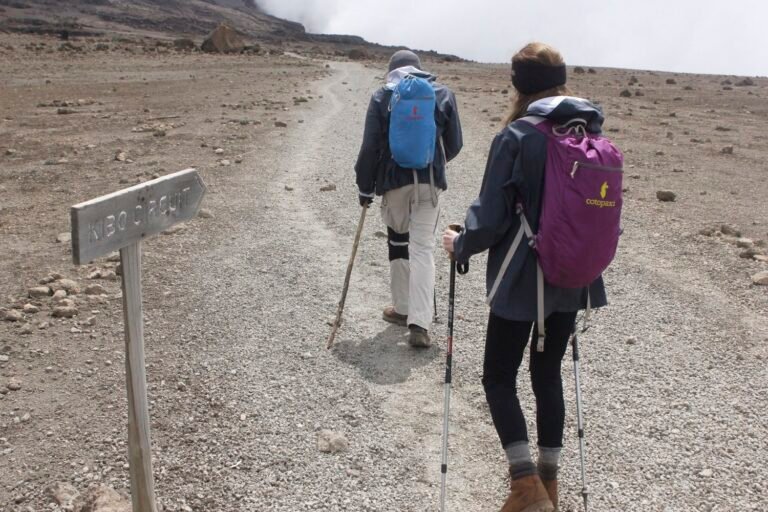
Lemosho Route Kilimandscharo: 7 Oder 8 Tage 2026-2027
Lemosho Route Kilimandscharo: 7 oder 8 Tage is explained with current 2026-2027 planning, price, itinerary and booking information.
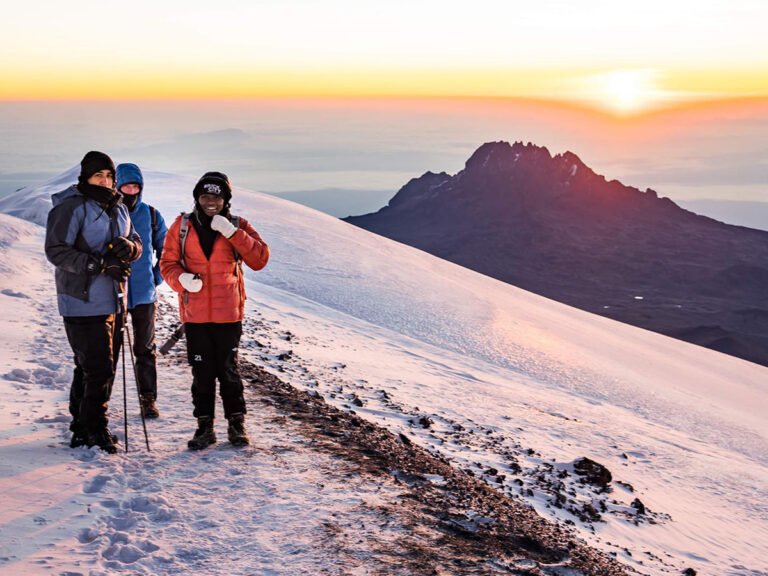
Machame Route Kilimandscharo: 6 Oder 7 Tage 2026-2027
Machame Route Kilimandscharo: 6 oder 7 Tage is explained with current 2026-2027 planning, price, itinerary and booking information.
No related package matches those filters. Clear one or more filters to see the other topic-matched options.



