
The 8-day Lemosho Route is an excellent choice for climbing Kilimanjaro, balancing acclimatization, scenic beauty, and a high success rate. This extended itinerary allows for a slower ascent, significantly increasing your chances of reaching Uhuru Peak by introducing more rest days and gradual acclimatization, particularly in the early stages. It typically begins in the west, offering varied landscapes from rainforests to alpine deserts, and joins the popular Northern Circuit for the final summit push, providing a more remote experience initially before converging with other routes. Planning for a 2026 or 2027 climb on this route means prioritizing early booking to secure preferred dates and guides, especially during the peak seasons of January-March and June-October.
Understanding the 8-Day Lemosho Route for Your Kilimanjaro Climb
Choosing the right route for your Kilimanjaro ascent is one of the most critical decisions you’ll make. The 8-day Lemosho Route stands out as a top contender for many reasons, primarily its superior acclimatization profile and impressive scenery. While shorter routes might seem appealing for time constraints, the 8-day Lemosho offers a nuanced approach that dramatically enhances your odds of success and the overall enjoyment of the climb. This isn’t just about getting to the summit; it’s about the journey, and Lemosho provides an exceptional one.
For prospective climbers targeting 2026 or 2027, understanding the Lemosho route’s specific advantages is key to making an informed decision. It’s a route that prioritizes the climber’s well-being by offering a more gradual introduction to altitude, a less crowded initial experience, and a more diverse trek through Kilimanjaro’s distinct ecological zones. This guide aims to break down everything you need to know, from itinerary details and challenges to preparation and what to expect on the mountain, ensuring your Kilimanjaro 8 days Lemosho Route adventure is well-planned and successful.
Why Choose the 8-Day Lemosho Route?
The allure of Kilimanjaro draws thousands of adventurers each year, and for good reason. It’s Africa’s highest peak, a dormant volcano offering a unique challenge and an unforgettable experience. When considering how to best tackle this magnificent mountain, the 8-day Lemosho Route emerges as a strong contender for several compelling reasons, especially for those aiming for a successful summit bid in 2026 or 2027.
Firstly, and perhaps most importantly, is its superior acclimatization profile. Altitude sickness is the primary reason climbers fail to reach Uhuru Peak. The Lemosho route, particularly the 8-day version, adheres to the principle of ‘climb high, sleep low’ more effectively than shorter routes. It offers more days to gradually ascend, allowing your body to adapt to the decreasing oxygen levels. This methodical approach significantly boosts your chances of reaching the summit comfortably and safely.
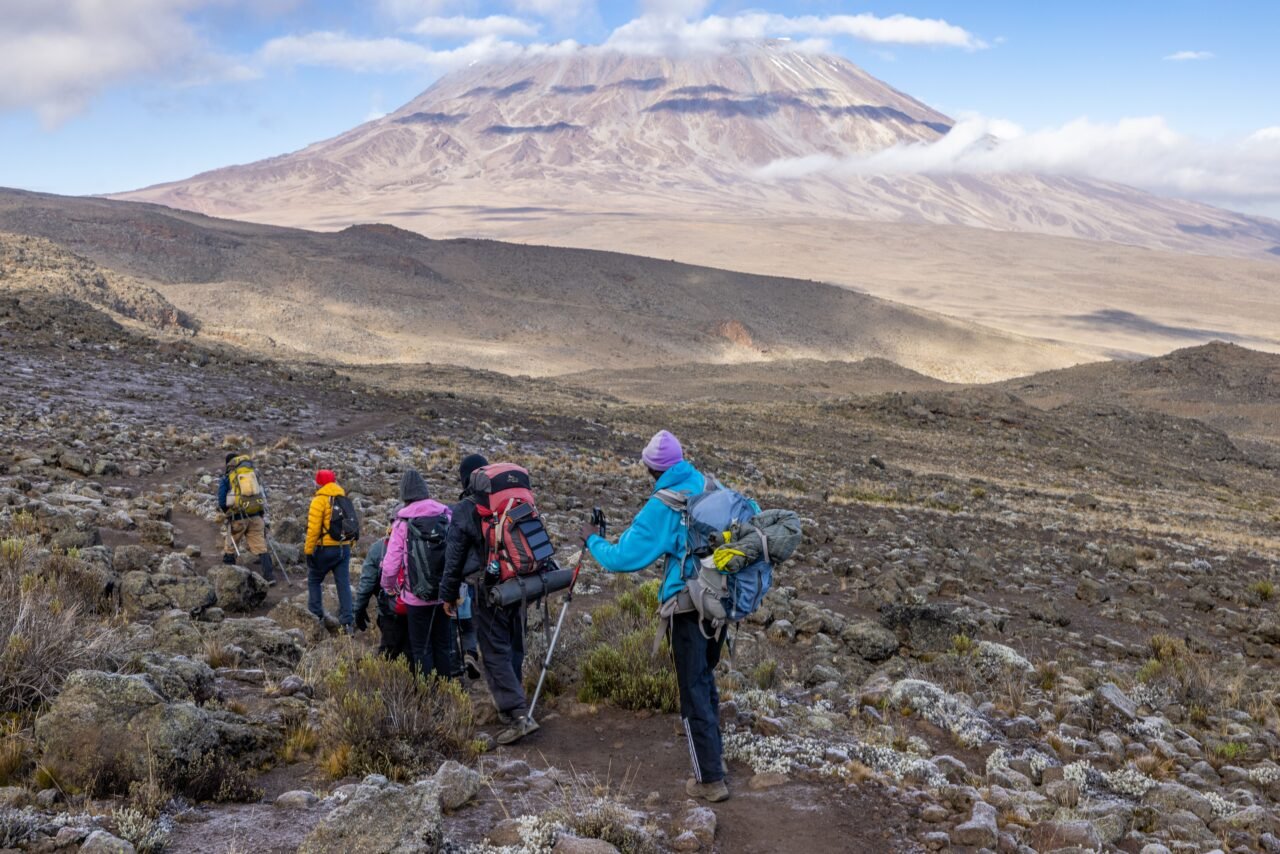
Secondly, the scenic beauty of the Lemosho route is unparalleled. It begins in the lush, remote rainforests on Kilimanjaro’s western side, offering a more pristine and less crowded start. As you ascend, the landscape dramatically transforms, presenting you with diverse ecosystems including heath, moorland, alpine desert, and finally, the arctic zone near the summit. This constant visual change makes the trek engaging and visually rewarding.
Thirdly, the higher success rates associated with the 8-day Lemosho Route are a significant draw. While no operator can guarantee a summit, routes that facilitate better acclimatization naturally lead to more successful climbs. The extra day or two dedicated to acclimatization on this route makes a tangible difference in how climbers feel as they approach summit night.
Finally, for those seeking a slightly more exclusive experience initially, Lemosho offers this. It starts on a less-travelled path, meaning you’ll encounter fewer trekkers in the initial days compared to routes like Marangu or Machame. This provides a sense of remoteness and a deeper connection with the mountain’s natural environment before it eventually merges with the more popular routes higher up.
In summary, if your priority is a high chance of summit success, a journey through diverse and stunning landscapes, and a more comfortable acclimatization process, the Kilimanjaro 8 days Lemosho Route is an exceptional choice for your 2026-2027 expedition.
Detailed 8-Day Lemosho Route Itinerary
The 8-day Lemosho Route itinerary is meticulously designed to maximize acclimatization and enjoyment. This extended duration allows for a more relaxed pace, more opportunities to appreciate the surroundings, and a significantly higher probability of reaching the summit. Below is a typical breakdown, though specific operators may offer slight variations.
Day 1: Lemosho Gate (2100m/6890ft) to Mti Mkubwa Camp (2800m/9186ft)
Trek Time: 3-4 hours
Distance: Approx. 6 km / 3.7 miles
Habitat: Rainforest
Description: Your adventure begins at the Lemosho Gate, where you’ll complete park formalities. A short drive takes you to the trailhead. The trek starts in the dense rainforest, a vibrant ecosystem teeming with life. The trail is well-defined and relatively gentle, passing through lush vegetation. You’ll likely hear and possibly see colobus monkeys and various bird species. Your first camp, Mti Mkubwa (meaning ‘big tree’), is located within this forest, offering a peaceful introduction to mountain camping.
Day 2: Mti Mkubwa Camp (2800m/9186ft) to Shira 1 Camp (3500m/11483ft)
Trek Time: 5-7 hours
Distance: Approx. 10 km / 6.2 miles
Habitat: Heath and Moorland
Description: Today’s trek takes you out of the rainforest and into the heath and moorland zone. The path becomes steeper in places as you gain altitude. You’ll notice the vegetation changing, with giant heathers and senecios becoming more prominent. The goal is Shira 1 Camp, situated on the Shira Plateau. This exposed plateau offers spectacular views of the surrounding landscape and, weather permitting, Kilimanjaro itself. This is a significant altitude gain, so staying hydrated and moving slowly is crucial.
Day 3: Shira 1 Camp (3500m/11483ft) to Shira 2 Camp (3850m/12631ft)
Trek Time: 4-5 hours
Distance: Approx. 7 km / 4.3 miles
Habitat: Moorland
Description: This is a day for acclimatization. You’ll trek across the Shira Plateau, a vast, rolling landscape. The trek is relatively moderate in terms of difficulty, with gentle ascents and descents. The route leads to Shira 2 Camp, which is at a slightly higher altitude than Shira 1. This day’s hike is designed to help your body adjust to the altitude by trekking at a higher elevation and then returning to a slightly lower sleeping altitude, or simply camping higher to further aid acclimatization. The views from the Shira Plateau are magnificent, offering a sense of scale and wilderness.
Day 4: Shira 2 Camp (3850m/12631ft) to Barranco Camp (3950m/12959ft) via Lava Tower (4600m/15092ft)
Trek Time: 6-8 hours
Distance: Approx. 10 km / 6.2 miles
Habitat: Alpine Desert
Description: This is a classic acclimatization day and a highlight of the Lemosho route. You’ll trek towards the Lava Tower, a prominent volcanic rock formation. The climb to Lava Tower is steady and takes you into the alpine desert zone, characterized by sparse vegetation and rocky terrain. After a break at Lava Tower for lunch and to admire the views, you begin your descent towards Barranco Camp. This ‘climb high, sleep low’ strategy is vital for acclimatization. Barranco Camp is located in a stunning valley, beneath the imposing Barranco Wall.
Day 5: Barranco Camp (3950m/12959ft) to Karanga Camp (4000m/13123ft)
Trek Time: 4-5 hours
Distance: Approx. 5 km / 3.1 miles
Habitat: Alpine Desert
Description: Today’s trek involves ascending the famous Barranco Wall. This is not a technical climb but a steep scramble that requires careful hand and foot placement. It’s a challenging but rewarding section, offering incredible views once you reach the top. After conquering the wall, the terrain becomes more undulating as you traverse towards Karanga Camp. Karanga Camp is situated at a similar altitude to Barranco, but this day’s effort and the climb over the wall are excellent for acclimatization. The views of the southern circuit are spectacular from here.
Day 6: Karanga Camp (4000m/13123ft) to Barafu Camp (4650m/15256ft)
Trek Time: 3-4 hours
Distance: Approx. 4 km / 2.5 miles
Habitat: Alpine Desert
Description: This is a relatively short but steep ascent to Barafu Camp, the base camp for your summit attempt. The landscape becomes increasingly barren and rocky. Barafu Camp is exposed and situated on a rocky ridge, offering dramatic views of the summit cone and the surrounding peaks. You’ll arrive at Barafu Camp in the early afternoon, giving you plenty of time to rest, hydrate, and prepare for the most challenging part of your trek – summit night. An early dinner and an early night are essential.
Day 7: Summit Night! Barafu Camp (4650m/15256ft) to Uhuru Peak (5895m/19341ft) and descend to Mweka Camp (3100m/10171ft)
Trek Time: 10-15 hours (summit push and descent)
Distance: Approx. 15 km / 9.3 miles (total)
Habitat: Arctic Zone, Alpine Desert, Heath
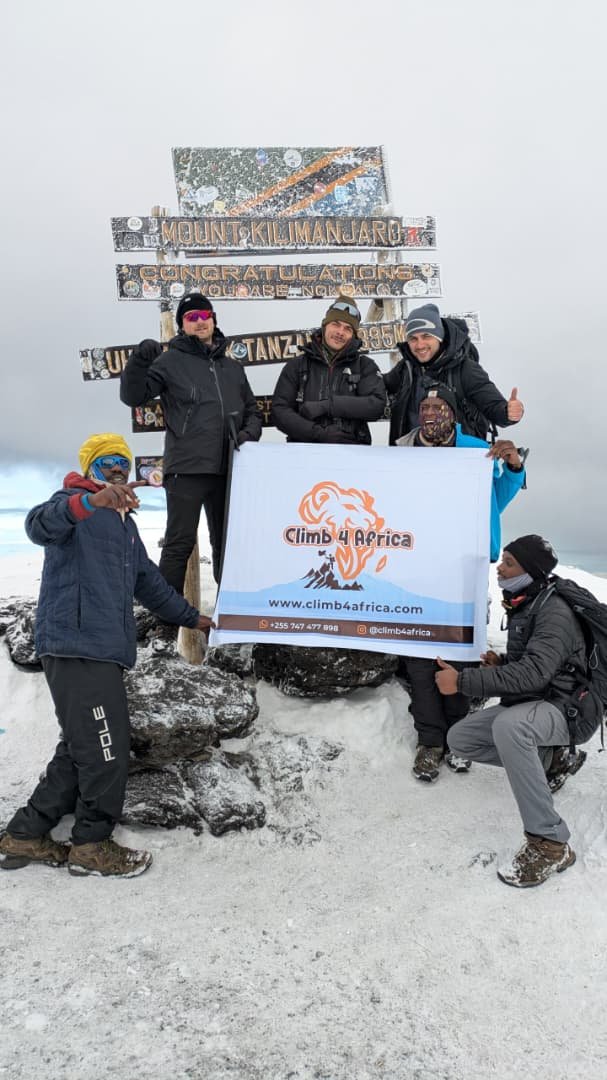
Description: This is the pinnacle of your climb. You’ll start your ascent around midnight, trekking in the dark with headlamps. The trail is steep and challenging, winding up scree slopes. Key points include Stella Point (5756m/18885ft) on the crater rim, and then the final push to Uhuru Peak, the highest point in Africa. The sunrise from the summit is an unforgettable experience. After celebrating your achievement, you begin the long descent, passing Barafu Camp to continue down to Mweka Camp. This descent is tough on the knees but offers a chance to see the landscapes in daylight.
Day 8: Mweka Camp (3100m/10171ft) to Mweka Gate (1640m/5381ft)
Trek Time: 3-4 hours
Distance: Approx. 10 km / 6.2 miles
Habitat: Rainforest
Description: After breakfast, you’ll make the final descent through the rainforest to Mweka Gate. The trail is often muddy and can be slippery, but the change in vegetation is a welcome sign of returning to lower altitudes. At the gate, you’ll receive your summit certificates. Your vehicle will be waiting to transfer you back to your hotel in Moshi, where you can rest and celebrate your incredible accomplishment. This concludes your Kilimanjaro 8 days Lemosho Route journey.
Acclimatization: The Lemosho Route’s Key Advantage
The success of any Kilimanjaro climb hinges on effective acclimatization. The 8-day Lemosho Route is specifically structured to provide this crucial element, making it one of the most recommended routes for trekkers seeking a higher probability of reaching Uhuru Peak. Unlike shorter routes that rush the ascent, Lemosho offers a more leisurely pace, particularly in the initial days, allowing your body ample time to adjust to the thinning air.
Understanding Altitude Sickness
Altitude sickness, or Acute Mountain Sickness (AMS), is a physiological response to reduced oxygen levels at higher elevations. Symptoms can range from mild headaches and nausea to severe, life-threatening conditions like High Altitude Pulmonary Edema (HAPE) and High Altitude Cerebral Edema (HACE). The key to preventing AMS is gradual ascent. The Kilimanjaro 8 days Lemosho Route itinerary incorporates this principle by:
- Starting at a moderate elevation: The initial days are spent trekking through lower zones, gradually increasing altitude.
- Incorporating ‘Climb High, Sleep Low’: The trek from Shira 2 Camp to Lava Tower (4600m) and then descending to Barranco Camp (3950m) is a prime example. This strategy exposes your body to higher altitudes during the day, stimulating acclimatization, while sleeping at a lower elevation reduces the strain.
- Providing sufficient rest days/short trekking days: The 8-day duration allows for more shorter trekking days and rest periods, especially around the critical acclimatization points.
How Lemosho Enhances Acclimatization
The 8-day Lemosho Route typically offers a 70-80% success rate, significantly higher than many 5- or 6-day routes. This is directly attributable to its well-paced itinerary. For instance:
- Day 3 (Shira 1 to Shira 2): This day allows for a moderate trek at higher altitudes on the Shira Plateau, ensuring your body continues to adapt before the significant climb to Lava Tower.
- Day 4 (Lava Tower & Barranco Camp): This is a crucial acclimatization day. Reaching Lava Tower at 4600m is a significant altitude achievement. Descending to sleep at Barranco Camp (3950m) is a textbook acclimatization strategy.
- Day 5 (Barranco to Karanga): While climbing the Barranco Wall is physically demanding, it also helps acclimatize you to sustained effort at altitude.
When planning your 2026 or 2027 climb, remember that even on the best-acclimatizing routes like Lemosho, individual responses to altitude vary. Staying hydrated, eating well, moving at a ‘pole pole’ (slowly, slowly) pace, and listening to your body and guides are paramount. The 8-day Lemosho Route provides the best possible framework for successful acclimatization, but personal diligence is still required.
Assessing the Difficulty and Physical Demands
Climbing Kilimanjaro is a serious undertaking, and the 8-day Lemosho Route, while offering excellent acclimatization, is still a physically demanding trek. It tests your endurance, mental fortitude, and physical conditioning. Understanding the challenges involved is crucial for proper preparation.
Key Difficulty Factors:
- Altitude: This is the primary challenge. The highest point, Uhuru Peak, stands at 5895 meters (19,341 feet). The air at this altitude contains about half the oxygen available at sea level. The gradual ascent on the Lemosho route mitigates this, but AMS symptoms can still occur.
- Duration and Distance: An 8-day trek means spending nearly a week on the mountain. While daily distances are manageable (typically 5-15 km), the cumulative fatigue is significant.
- Steepness and Terrain: The route involves varied terrain, from rainforest paths to scree slopes and rock scrambles. The ascent to summit night is particularly steep and challenging, often on loose scree. The Barranco Wall presents a unique scrambling challenge.
- Summit Night: This is the most grueling part. Starting in the pre-dawn darkness, you’ll trek for 6-10 hours to reach the summit, often in freezing temperatures and high winds. The descent is equally demanding, covering significant distance and elevation.
- Weather: Conditions on Kilimanjaro can change rapidly. You can experience sun, rain, wind, and snow, sometimes all in one day. Extreme cold at higher altitudes is a significant factor.
Physical Conditioning Recommendations:
To prepare for the Kilimanjaro 8 days Lemosho Route, a comprehensive training program is essential. Aim to:
- Cardiovascular Fitness: Engage in regular aerobic activities like hiking, running, cycling, or swimming for at least 3-4 times a week for several months leading up to your climb. Focus on endurance.
- Hiking with a Pack: Undertake long hikes (6-8 hours) carrying a weighted backpack (5-8 kg) to simulate mountain conditions. This helps condition your muscles and joints and tests your gear.
- Strength Training: Focus on leg strength (squats, lunges) and core stability.
- Mental Preparation: Understand that there will be difficult moments. Visualizing success and developing coping strategies for fatigue and discomfort are important.
While the 8-day Lemosho Route is considered one of the more comfortable routes due to its acclimatization, it is by no means an easy trek. Proper physical preparation is non-negotiable for a successful and enjoyable experience in 2026 or 2027.
Scenery and Wildlife Encounters on Lemosho
One of the most compelling reasons to choose the 8-day Lemosho Route is the incredible diversity of scenery and the potential for wildlife encounters. This route offers a journey through Kilimanjaro’s distinct ecological zones, each with its unique character and beauty.
The Ecological Zones of Kilimanjaro (as seen on Lemosho):
- Rainforest (1600m – 2800m): The trek begins in the lush, dense rainforest. This zone is characterized by towering trees, thick undergrowth, ferns, and mosses. It’s often misty and humid. Keep an eye out for:
- Colobus monkeys and Blue monkeys: Often seen leaping through the trees.
- Various bird species: The rainforest is a haven for diverse avian life.
- Beautiful flora: Including wild orchids and impatiens.
- Heath and Moorland (2800m – 4000m): As you ascend, the rainforest thins out, giving way to open moorlands. The vegetation here is dominated by giant heathers, groundsels (Senecio kilimanjari), and lobelias. This zone offers wider views and a sense of open space.
- Dramatic landscapes: Rolling hills and expansive vistas.
- Unique high-altitude plants: The giant groundsels and lobelias are iconic to Kilimanjaro.
- Alpine Desert (4000m – 5000m): This is a stark, arid environment resembling a desert. Vegetation is sparse, consisting mainly of mosses, lichens, and a few hardy grasses. The air is dry and the sun intense during the day, with temperatures dropping sharply at night.
- Lunar-like landscapes: Vast, rocky plains and dramatic rock formations like Lava Tower.
- Expansive views: On clear days, you can see across vast distances of Tanzania.
- Arctic Zone (Above 5000m): Above 5000 meters, vegetation disappears almost entirely. This zone is characterized by rock, ice, and snow. The terrain becomes challenging, with scree slopes and glacial remnants leading to the summit.
- Glaciers and ice fields: Remnants of Kilimanjaro’s glaciers are visible, though sadly receding.
- The summit crater: The ultimate destination, a stark and powerful landscape.
Wildlife Sightings:
While the higher altitudes are largely devoid of large mammals due to the harsh conditions, the lower rainforest section of the 8-day Lemosho Route offers the best chance for wildlife sightings. You might encounter:
- Monkeys: Colobus and Blue monkeys are common in the forest.
- Birds: Many endemic and migratory species inhabit the forest.
- Small mammals: You might spot various small antelopes or rodents in the moorland zones, though they are often shy.
The Lemosho route’s initial isolation means you’re more likely to experience these natural wonders without the crowds often found on other routes. The changing scenery ensures that every day on the mountain presents a new visual spectacle, making the Kilimanjaro 8 days Lemosho Route a truly in-depth experience for nature lovers and trekkers alike, especially for your 2026 or 2027 expedition.
Lemosho Route vs. Other Popular Kilimanjaro Routes
When planning your Kilimanjaro ascent, understanding how the 8-day Lemosho Route compares to other popular options is crucial for making the best choice for your expedition. Each route offers a unique experience in terms of scenery, difficulty, acclimatization, and crowd levels.
| Feature | 8-Day Lemosho Route | Machame Route (7 Days) | Marangu Route (6 Days) | Northern Circuit (9 Days) |
|---|---|---|---|---|
| Duration | 8 Days | 7 Days | 6 Days | 9 Days |
| Acclimatization | Excellent (Gradual ascent, ‘climb high, sleep low’) | Good (Uses ‘climb high, sleep low’) | Poor (Shortest duration, less acclimatization) | Excellent (Longest, most gradual ascent) |
| Scenery | Very Diverse (Rainforest to Arctic) | Very Diverse | Less Diverse (Forest to Alpine Desert) | Most Diverse (Longer traverse of varied zones) |
| Crowds | Less crowded initially, joins Machame/Mweka higher up | Moderate to High (Especially higher up) | High (Most popular, hut accommodation) | Least Crowded (Circumnavigates the mountain) |
| Success Rate | High (Approx. 70-80%) | High (Approx. 70-80%) | Lower (Approx. 65-75%) | Very High (Approx. 85-90%) |
| Accommodation | Camping | Camping | Huts | Camping |
| Difficulty | Moderate to Difficult | Moderate to Difficult | Moderate | Moderate |
| Cost | Mid to High | Mid to High | Mid (due to hut fees) | High (Longest duration) |
Key Comparisons for the 8-Day Lemosho Route:
- Lemosho vs. Machame: The 7-day Machame is often called the ‘Whiskey Route’ and is very popular. Lemosho starts on a quieter path, offering a more secluded experience for the first few days before merging with Machame. The 8-day Lemosho provides an extra day for acclimatization compared to the standard 7-day Machame, further boosting success rates.
- Lemosho vs. Marangu: Marangu is the oldest and only route offering hut accommodation. It’s often perceived as easier due to its shorter duration and huts, but this comes at the cost of significantly poorer acclimatization and thus lower success rates. Lemosho, being a camping route with better acclimatization, is generally preferred for summit success.
- Lemosho vs. Northern Circuit: The Northern Circuit is the longest route (9 days) and offers the best acclimatization and lowest crowd levels as it circumnavigates the mountain. The 8-day Lemosho is a close second in terms of acclimatization and scenery, offering a slightly shorter, more budget-friendly option that still provides an excellent experience. If time and budget allow, the 9-day Northern Circuit is arguably superior, but the 8-day Lemosho is a fantastic, more accessible alternative.
For many trekkers planning a 2026 or 2027 climb, the Kilimanjaro 8 days Lemosho Route strikes an ideal balance between excellent acclimatization, stunning scenery, and a manageable duration. It offers a challenging yet achievable path to the summit.
Preparing for Your 8-Day Lemosho Climb
Successfully climbing Kilimanjaro via the 8-day Lemosho Route requires diligent preparation, extending beyond just physical training. A holistic approach encompassing fitness, mental readiness, and logistical planning is key to ensuring a safe and enjoyable expedition for your 2026 or 2027 climb.
1. Physical Training: The Foundation of Your Climb
As mentioned, cardiovascular fitness is paramount. Aim for a consistent training regimen for at least 3-6 months prior to your climb. Focus on:
- Endurance Hiking: Undertake long hikes (4-8 hours) weekly, ideally with significant elevation gain and carrying a weighted backpack (5-8 kg). This simulates the actual trek and helps condition your body for sustained effort.
- Cardio Workouts: Incorporate activities like running, cycling, swimming, or stair climbing 3-4 times per week to build aerobic capacity.
- Strength Training: Focus on lower body (squats, lunges, calf raises) and core strength. This will help you manage steep ascents and descents.
- Altitude Simulation (If Possible): While not essential, using altitude training masks or visiting higher elevations can provide some benefit.
2. Mental Preparation: The Summit Within
Climbing Kilimanjaro is as much a mental challenge as a physical one. The summit night, in particular, can be grueling. Prepare yourself by:
- Understanding the Challenge: Be realistic about the difficulties you will face, including cold, fatigue, and potential AMS symptoms.
- Developing a Positive Mindset: Focus on your goal and visualize success. Break down the climb into smaller, manageable segments.
- Learning to Cope with Discomfort: Practice pushing your limits during training hikes. Learn to manage discomfort and stay motivated.
- Trusting Your Guides: Your guides are experienced professionals. Listen to their advice, follow their instructions, and trust their judgment implicitly.
3. Health and Medical Considerations:
- Consult Your Doctor: Discuss your plans with your physician. They can advise on necessary vaccinations, fitness, and any pre-existing conditions.
- Travel Insurance: Ensure your insurance covers high-altitude trekking and emergency medical evacuation. This is critical for peace of mind.
- Medications: Consider consulting your doctor about prescription medications for altitude sickness, such as Diamox (Acetazolamide). Understand how to use them and their potential side effects. Carry a basic first-aid kit for personal needs.
4. Logistical Planning: The Practicalities
- Booking Your Tour: Choose a reputable operator well in advance, especially for 2026 or 2027 peak season dates. A good operator will provide detailed pre-departure information.
- Visa and Flights: Arrange your Tanzanian visa and international flights early.
- Vaccinations: Check current recommended vaccinations for Tanzania (e.g., Yellow Fever, Typhoid, Hepatitis A).
- Travel to Tanzania: Plan your arrival in Tanzania a day or two before your trek begins to allow for rest and acclimatization to the local climate.
Thorough preparation for the Kilimanjaro 8 days Lemosho Route will significantly enhance your chances of a successful and memorable summit experience. It’s about respecting the mountain and giving yourself the best possible foundation for the adventure ahead.
Essential Gear for the Lemosho Route
Proper gear is fundamental to comfort, safety, and success on the 8-day Lemosho Route. The mountain’s rapidly changing altitudes and weather conditions demand a layered approach to clothing and specialized equipment. Investing in or renting quality gear will make a significant difference to your experience. For your 2026 or 2027 climb, ensure you have the following:
Clothing Layers (The Key to Comfort)
- Base Layers: Moisture-wicking thermal tops and bottoms (synthetic or merino wool). Avoid cotton. (2-3 sets)
- Mid Layers: Fleece jacket or trousers for insulation. (1-2 fleece jackets, 1 fleece pant)
- Insulation Layer: A warm down or synthetic insulated jacket (puffer jacket) for extreme cold, especially during summit night.
- Outer Layer (Shell): Waterproof and windproof jacket and trousers (Gore-Tex or similar). This protects against rain and wind.
Headwear and Handwear
- Warm Hat: Wool or fleece, covering your ears.
- Sun Hat: Wide-brimmed for sun protection during the day.
- Balaclava or Buff: For face protection against wind and cold.
- Gloves: Warm, waterproof outer gloves and thinner liner gloves.
Footwear
- Hiking Boots: Waterproof, sturdy, broken-in hiking boots with good ankle support.
- Camp Shoes: Comfortable shoes or sandals for wearing at camp.
- Socks: Several pairs of warm wool or synthetic hiking socks.
- Gaiters: To keep scree, mud, and snow out of your boots.
Trekking Equipment
- Backpack: A comfortable daypack (30-40 liters) for carrying essentials during the day (water, snacks, extra layers, camera).
- Duffel Bag: A large, waterproof duffel bag (80-100 liters) for your main gear, carried by porters.
- Sleeping Bag: A warm, four-season sleeping bag rated to at least -15°C (0°F).
- Trekking Poles: Highly recommended for stability and reducing strain on knees, especially on descents.
- Headlamp: Essential for summit night and camp use. Carry spare batteries.
Personal Items
- Water Bottles/Hydration Reservoir: At least 2-3 liters capacity. Ensure they are insulated or protected from freezing.
- Sunscreen: High SPF.
- Lip Balm: With SPF.
- Sunglasses: UV protection.
- Personal First-Aid Kit: Including blister treatment, pain relievers, antiseptic wipes, and any personal medications.
- Toiletries: Biodegradable soap, toothbrush, toothpaste, wet wipes, hand sanitizer.
- Camera and Power Bank: For capturing memories.
- Snacks: High-energy snacks like energy bars, nuts, and dried fruit.
- Passport, Visa, and Money: Keep these secure.
Important Notes on Gear:
- Rentals: Many operators offer rentals for items like sleeping bags, down jackets, and trekking poles. Confirm availability and quality.
- Break-in Boots: Ensure your hiking boots are well broken-in before the trek to avoid blisters.
- Waterproofing: Protect all gear from rain using waterproof bags or liners within your duffel.
Packing wisely for the Kilimanjaro 8 days Lemosho Route ensures you are prepared for the diverse conditions, making your journey more comfortable and increasing your chances of reaching the summit.
Understanding Costs for an 8-Day Lemosho Climb in 2026-2027
The cost of an 8-day Lemosho Route Kilimanjaro climb can vary significantly depending on the tour operator, the services included, and the season of travel. For prospective climbers targeting 2026 or 2027, understanding these cost factors is essential for budgeting and choosing a reputable operator.
What is Typically Included in an 8-Day Lemosho Route Package:
- Park Fees: Entrance fees, camping fees, and conservation fees. These are substantial and form a significant portion of the overall cost.
- Guides and Crew: Experienced, licensed guides, assistant guides, cooks, and porters.
- Accommodation: Camping equipment (tents, mattresses) and meals on the mountain.
- Transfers: Airport transfers and transportation to/from the mountain gate.
- Safety Equipment: Oxygen cylinders, first-aid kits, and communication devices.
- Accommodation: Usually includes one night of pre-climb hotel accommodation in Moshi and one night post-climb.
Factors Influencing Cost:
- Operator Reputation and Quality: High-end operators with a strong safety record, well-paid staff, and excellent equipment generally charge more. This is crucial for a safe and successful climb.
- Group Size: Private climbs are more expensive per person than group climbs. Shared group departures offer the most economical option.
- Duration: While we are focusing on the 8-day Lemosho, longer treks (like the 9-day Northern Circuit) will naturally cost more due to more days of park fees and crew services.
- Inclusions: Some operators may include extras like bottled water, pre-climb briefings, or airport transfers, which can affect the price.
- Season: Peak seasons (January-March, June-October) often have slightly higher prices due to demand.
Typical Price Range for 2026-2027:
For a reputable operator offering the Kilimanjaro 8 days Lemosho Route, expect to pay in the range of $2,000 to $3,500 USD per person for a shared group climb. Private climbs can range from $2,500 to $4,500+ USD per person, depending on the level of service and group size.
What is Usually NOT Included:
- International flights.
- Visa fees.
- Travel insurance (mandatory).
- Tips for guides and porters (a significant amount, budget around $250-$350 per climber).
- Personal gear (sleeping bag, clothing, boots).
- Lunches and drinks in hotels.
- Personal expenses.
- Optional activities (e.g., hot springs visit).
Budgeting for 2026-2027:
When comparing prices for 2026 or 2027, don’t just look at the bottom line. A cheaper climb might mean cutting corners on safety, guide experience, porter welfare, or food quality, which can compromise your climb. Prioritize operators who:
- Have excellent safety records.
- Pay their staff fairly and ethically.
- Provide quality equipment and food.
- Offer clear itineraries and good pre-climb support.
Contacting operators like Climb 4 Africa can help you get a precise quote tailored to your needs for the 8-day Lemosho Route and provide insights into current pricing for 2026 and 2027.
Booking Your 8-Day Lemosho Route Expedition
Securing your spot for an 8-day Lemosho Route Kilimanjaro climb, especially for popular dates in 2026 or 2027, requires careful planning and timely booking. Choosing the right tour operator is paramount, as they will be responsible for your safety, logistics, and overall experience on the mountain. For those seeking expert local support and a deep understanding of Kilimanjaro treks, Climb 4 Africa is a premier choice.
Why Choose a Reputable Operator like Climb 4 Africa?
- Expertise: Climb 4 Africa specializes in Kilimanjaro climbs and Tanzanian travel, offering invaluable local knowledge and experience.
- Safety Focus: They prioritize climber safety with experienced guides, proper acclimatization protocols, and emergency procedures.
- Ethical Porter Treatment: A commitment to fair wages and good working conditions for their mountain crew ensures a motivated and reliable team.
- Quality Equipment and Food: Providing reliable gear and nutritious meals is essential for comfort and energy on the mountain.
- Comprehensive Support: From pre-climb advice to on-mountain assistance, they offer dedicated support throughout your journey.
Steps to Booking Your 2026-2027 Climb:
- Research and Compare: Look for operators with strong reviews, transparent pricing, and a clear focus on safety and sustainability.
- Contact Operators: Reach out to your shortlisted operators to discuss your plans. For the Kilimanjaro 8 days Lemosho Route, inquire about specific departure dates for 2026 and 2027.
- Request a Detailed Quote: Ensure the quote clearly outlines what is included and excluded. Pay attention to park fees, crew wages, and safety measures.
- Book in Advance: The best climbing seasons (January-March and June-October) fill up quickly. Booking 6-12 months in advance is recommended for 2026-2027 to secure your preferred dates and potentially group departures.
- Understand the Deposit and Payment Schedule: Most operators require a deposit to confirm your booking, with the balance due several weeks or months before departure.
- Complete Necessary Forms: You will typically need to fill out booking forms, medical questionnaires, and potentially provide passport details.
Ready to Plan Your 8-Day Lemosho Expedition?
Don’t hesitate to get in touch with the experts at Climb 4 Africa to discuss your dream Kilimanjaro 8 days Lemosho Route adventure. Whether you’re looking for a shared group departure or a private climb for 2026 or 2027, they can provide personalized advice and a tailored quotation. Understanding your specific needs and preferences is the first step towards a successful climb.
Contact Climb 4 Africa today:
- WhatsApp: +255 747 477 898
- Email: climb4africa@gmail.com
Discussing your climb with Climb 4 Africa will help you finalize your plans, understand the best timing for your Kilimanjaro 8 days Lemosho Route expedition, and ensure you are fully prepared for this incredible journey. Their team is ready to assist you in making your Kilimanjaro dream a reality for 2026 or 2027.
“,
“faq_schema”: [
{
“question”: “What is the best time of year to climb Kilimanjaro via the 8-day Lemosho Route?
Check Availability for Kilimandscharo 8 Tage: Lemosho Route 2026-2027
Ready to compare dates, prices, and the best option for your group? Send the package name and travel month so the team can reply with a clear quote, availability, and what is included.
Kilimanjaro Climb Machame Route : Expert Guide For Your Trek 2026-2027
Discover the ultimate guide to climbing Mount Kilimanjaro via the Machame Route for your 2026 or 2027 adventure. This comprehensive resource covers everything from choosing an itinerary and...
View package detailsKilimanjaro Routes: Which Is Best For Your Climb? 2026-2027
Choosing the right Kilimanjaro route is crucial for a successful and enjoyable climb. This comprehensive guide compares the main routes, helping you select the best option for your...
View package details
Momella Route Mount Meru 2026-2027
Momella Route Mount Meru is explained with current 2026-2027 planning, price, itinerary and booking information.
View package details
Mount Meru Trekking 3 Tage: Your Essential Planning Guide 2026-2027
A comprehensive guide to the 3-day Mount Meru trek, covering essential planning details for 2026-2027, including routes, preparation, what to expect, and booking advice.
View package details
3 Day Joining Safari Group Departures From Moshi: 2026
Discover convenient 3-day group safari departures from Moshi, perfect for maximizing your Tanzania adventure. Explore wildlife-rich parks like Tarangire, Manyara, or the Serengeti on shared...
View package detailsWhat To Expect On Your First Kilimanjaro Trek: A Comprehensive Guide 2026-2027
Planning your first climb up Kilimanjaro? This comprehensive guide covers everything you need to know, from choosing a route and preparing your body to what daily life on the mountain is...
View package details20 Natural Wonders In Africa You Need To See 2026-2027
Explore Africa's most spectacular natural wonders, from the majestic peaks of Kilimanjaro and the vast plains of the Serengeti to the unique landscapes of Namibia and the vibrant coral...
View package details15 Natural Wonders In Africa That Don’t Look Real | Climb 4 2026-2027
Africa is home to a stunning array of natural wonders that defy belief, appearing so surreal they seem plucked from another planet. This guide explores 15 of the continent's most...
View package detailsWhy Is Climbing Kilimanjaro So Expensive? 2026-2027
Why Is Climbing Kilimanjaro So Expensive? is explained with current 2026-2027 planning, price, itinerary and booking information.
View package detailsWhy Do People Travel From Around The World To Climb Kilimanjaro? 2026-2027
Why Do People Travel From Around the World to Climb Kilimanjaro? is explained with current 2026-2027 planning, price, itinerary and booking information.
View package detailsWhy Is Kilimanjaro One Of The World’s Most Famous Mountains? Your Planning
Kilimanjaro's fame stems from its status as the highest free-standing mountain, its accessibility to non-technical climbers, its iconic snow-capped summit, and its location in a biodiverse...
View package detailsWhy Do Thousands Of Travelers Visit Kilimanjaro Every Year? Your Expert Guide
Thousands of adventurers flock to Kilimanjaro each year, drawn by its status as Africa's highest peak and a bucket-list trekking challenge. This guide explores the compelling reasons behind...
View package detailsNo related package matches those filters. Clear one or more filters to see the other topic-matched options.



