
For a 7-day Kilimanjaro trek, both the Machame Route and the Lemosho Route offer excellent opportunities for success, with Lemosho generally providing better acclimatization due to its longer approach and higher starting point, while Machame is more direct and popular. Both routes are considered ‘walk-ups’ but require significant physical preparation and good acclimatization strategies to reach Uhuru Peak. Planning for 2026-2027 climbs means considering operator support, specific itinerary variations, and booking windows well in advance.
Understanding the 7-Day Kilimanjaro Trek Experience
Embarking on a 7-day trek up Kilimanjaro is a significant undertaking, and choosing the right route is paramount to your experience and success. The two most sought-after 7-day itineraries are based on the Machame and Lemosho routes. While both aim for the summit, Uhuru Peak, the journey, acclimatization profile, and scenery differ considerably. This detailed guide aims to dissect these differences, providing you with the practical information needed to make an informed decision for your 2026 or 2027 climb.
Kilimanjaro is not a technical climb; its challenge lies in the altitude, the sustained effort over consecutive days, and the unpredictable weather. A 7-day duration strikes a balance: it’s long enough to allow for reasonable acclimatization, particularly on the Lemosho route’s extended version, yet shorter than the 8 or 9-day treks that offer even higher success rates. For many, a 7-day climb represents a manageable commitment while still offering a robust chance of reaching the roof of Africa.
When we talk about a ‘7-day Kilimanjaro trek,’ this typically refers to the number of days spent on the mountain itself, from the initial entry gate to the final descent to Mweka Gate. It does not usually include travel days to and from Tanzania or your acclimatization days in Moshi or Arusha before the trek begins. Understanding this distinction is crucial for your overall trip planning for 2026-2027.
The Machame Route: The ‘Whiskey Route’ on Kilimanjaro (7 Days)
Often nicknamed the ‘Whiskey Route’ because it’s considered a more challenging and rewarding climb compared to the ‘Beer Route’ (Marangu), the Machame Route is one of the most popular choices for trekkers. Its popularity stems from its good acclimatization profile, scenic beauty, and relatively high success rates, especially when extended to 7 days. A 7-day Machame itinerary offers a more gradual ascent than the 6-day version, significantly improving your chances of reaching the summit.
The 7-day Machame itinerary typically starts at the Machame Gate (1,800m/5,905ft) and proceeds through diverse ecological zones, from the rainforest to alpine desert and arctic summit. The extra day allows for a more relaxed pace, particularly on critical acclimatization days, and often includes a slightly longer trek between camps or an extra camp altogether, which can make a substantial difference in how your body adapts to the altitude.
Typical 7-Day Machame Itinerary Breakdown
While specific operators may have slight variations, a standard 7-day Machame itinerary generally follows this structure:
Day 1: Machame Gate (1,800m/5,905ft) to Machame Camp (3,050m/10,007ft)
Trek Duration: 5-7 hours
Distance: Approx. 11 km / 7 miles
Habitat: Rainforest
The journey begins with a scenic drive to the Machame Gate. After completing park formalities, you’ll start your trek through the dense rainforest. The path is often muddy and can be steep in places, with guides and porters providing ample support. You’ll arrive at Machame Camp, situated at the edge of the forest zone, for your first night.
Day 2: Machame Camp (3,050m/10,007ft) to Shira Camp (3,850m/12,631ft)
Trek Duration: 4-6 hours
Distance: Approx. 5 km / 3 miles
Habitat: Moorland
Today’s trek takes you out of the rainforest and into the moorland zone. The ascent is steady, and the views begin to open up. You’ll cross a significant ridge and descend into a gorge before climbing again to Shira Camp, a spectacular campsite on a flat, grassy plateau offering magnificent views of the Shira Ridge and Mount Meru in the distance.
Day 3: Shira Camp (3,850m/12,631ft) to Barranco Camp (3,950m/12,959ft) via Lava Tower (4,600m/15,092ft)
Trek Duration: 6-8 hours
Distance: Approx. 10 km / 6 miles
Habitat: Alpine Desert
This is a crucial acclimatization day, often referred to as a ‘climb high, sleep low’ day. You’ll ascend steadily towards Lava Tower, a prominent volcanic plug. After a break and lunch at Lava Tower, you’ll descend to Barranco Camp. This descent is vital for acclimatization, allowing your body to adjust to the higher altitude you’ve reached. Barranco Camp is situated in a stunning amphitheater below the famous Barranco Wall.
Day 4: Barranco Camp (3,950m/12,959ft) to Karanga Camp (4,000m/13,123ft)
Trek Duration: 3-5 hours
Distance: Approx. 5 km / 3 miles
Habitat: Alpine Desert
Today involves the exhilarating scramble up the Barranco Wall, a challenging but rewarding section that requires using your hands. While it looks daunting, it’s not technical climbing and is safely navigated by most trekkers with guidance. After the wall, the terrain becomes less steep, leading to Karanga Camp, a simple stopover located in a valley. This day is relatively short, allowing for rest and further acclimatization.
Day 5: Karanga Camp (4,000m/13,123ft) to Barafu Camp (4,650m/15,256ft)
Trek Duration: 3-5 hours
Distance: Approx. 4 km / 2.5 miles
Habitat: Alpine Desert
The trek to Barafu Camp is a steady ascent across scree slopes. You’ll reach Barafu Camp by early afternoon, which is the base camp for your summit attempt. This is where you’ll rest, hydrate, and prepare for the strenuous night-time ascent. Having an extra day leading up to Barafu Camp on the 7-day itinerary provides more time to recover and adapt before the final push.
Day 6: Barafu Camp (4,650m/15,256ft) to Uhuru Peak (5,895m/19,341ft) and descend to Mweka Camp (3,100m/10,171ft)
Trek Duration: 10-15 hours (summit day)
Distance: Approx. 17 km / 10.5 miles (summit and descent)
Habitat: Arctic
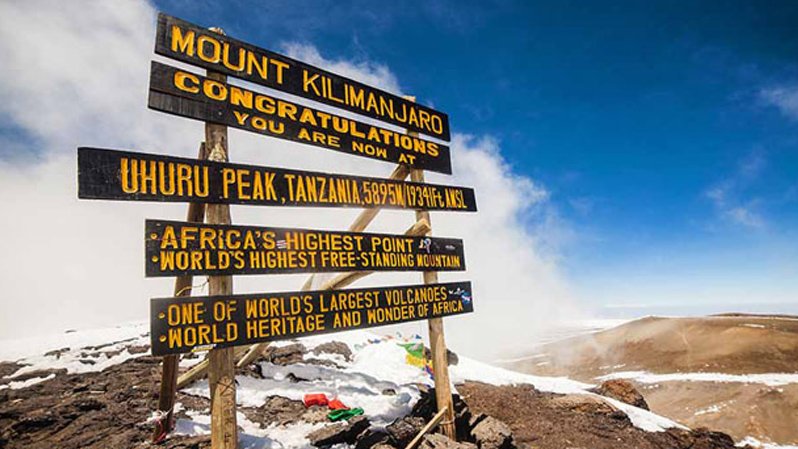
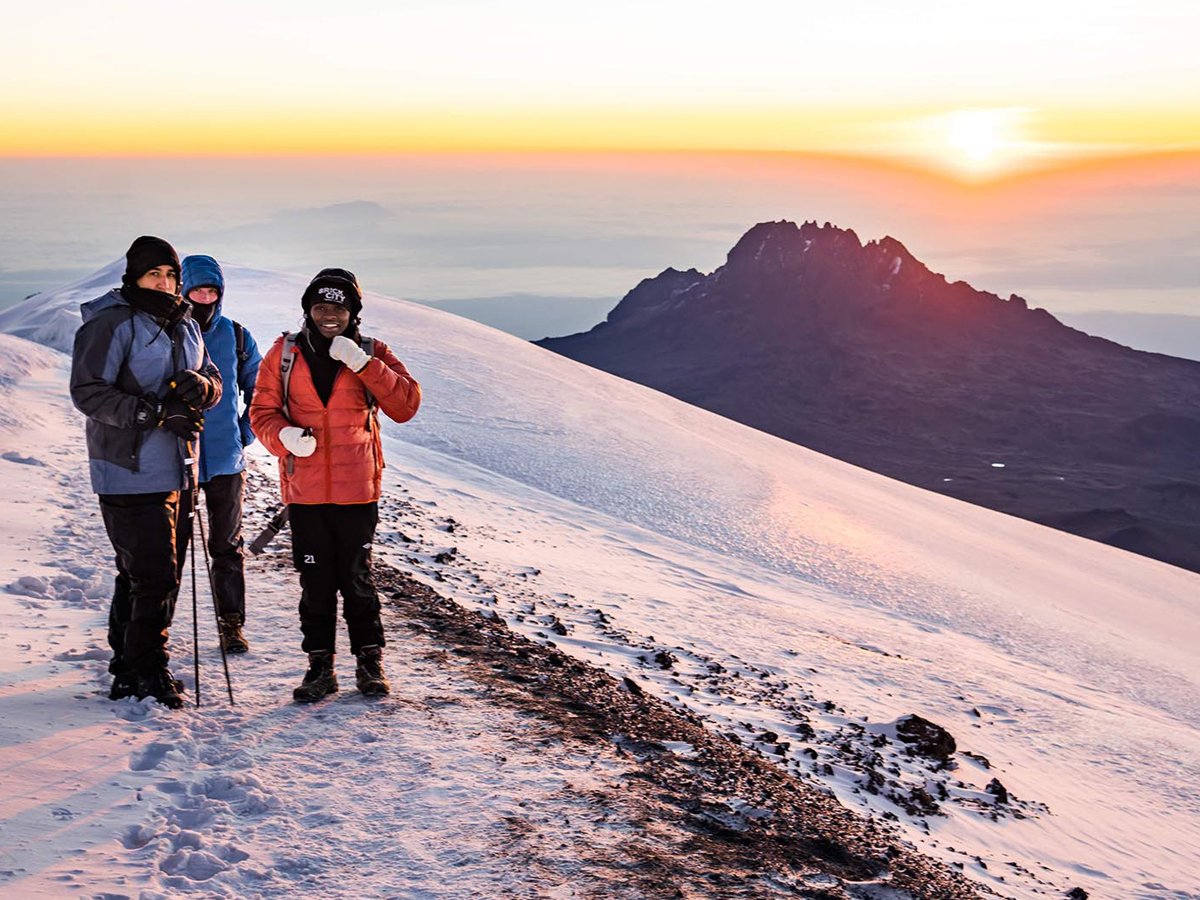
Summit night begins around midnight. You’ll trek in the dark, navigating steep scree slopes under the stars, aiming to reach Stella Point on the crater rim by sunrise. From Stella Point, a further hour’s walk brings you to Uhuru Peak, the highest point in Africa. After celebrating your achievement, you’ll descend back past Barafu Camp to Mweka Camp, a much lower altitude, for a well-deserved rest.
Day 7: Mweka Camp (3,100m/10,171ft) to Mweka Gate (1,640m/5,380ft)
Trek Duration: 3-5 hours
Distance: Approx. 10 km / 6 miles
Habitat: Rainforest
The final descent is relatively short and takes you back through the rainforest to Mweka Gate, where you’ll receive your climbing certificates. From here, you’ll be transferred back to your hotel in Moshi.
Pros and Cons of the 7-Day Machame Route
- Pros:
- Good acclimatization profile, especially the 7-day version.
- Scenic diversity, from rainforest to alpine desert.
- Higher success rate compared to shorter routes.
- Well-established infrastructure and support.
- Considered a challenging yet rewarding climb.
- Cons:
- Can be crowded, especially during peak seasons.
- The 7-day version still involves a significant daily altitude gain.
- Barranco Wall scramble can be intimidating for some.
The Lemosho Route: A Scenic and Gradual Ascent (7 Days)
The Lemosho Route is renowned for its stunning scenery and excellent acclimatization profile, making it one of the preferred routes for trekkers seeking a more remote and picturesque experience on Kilimanjaro. While Lemosho is often done over 8 days for optimal acclimatization, a 7-day itinerary is also a popular and viable option, offering a slightly quicker pace but still maintaining a superior acclimatization curve compared to many other routes. This route starts on the western side of the mountain and eventually merges with the Machame route at Shira Plateau.
The advantage of Lemosho, even in its 7-day iteration, is its longer approach and higher starting altitude compared to Machame. This allows for a more gradual ascent through the lower rainforest and moorland zones, giving your body more time to adapt to increasing elevations. The initial days on Lemosho are often described as more wild and less trafficked, providing a more in-depth experience in the mountain’s natural environment.
Typical 7-Day Lemosho Itinerary Breakdown
A 7-day Lemosho itinerary typically looks like this:
Day 1: Londorossi Gate (2,360m/7,743ft) to Mti Mkubwa Camp (2,800m/9,186ft)
Trek Duration: 3-5 hours
Distance: Approx. 6 km / 4 miles
Habitat: Rainforest
After reaching Londorossi Gate, you’ll drive further up to the trailhead. The trek begins through a beautiful rainforest, with opportunities to spot colobus monkeys and various bird species. The hike is relatively gentle, leading to Mti Mkubwa (Big Tree) Camp.
Day 2: Mti Mkubwa Camp (2,800m/9,186ft) to Shira 1 Camp (3,500m/11,483ft)
Trek Duration: 5-7 hours
Distance: Approx. 8 km / 5 miles
Habitat: Moorland
Today, you ascend out of the rainforest into the moorland zone. The landscape changes dramatically, with heather and giant groundsels becoming prominent. The trail is steady, and you’ll reach Shira 1 Camp, a campsite on the Shira Plateau, offering expansive views.
Day 3: Shira 1 Camp (3,500m/11,483ft) to Barranco Camp (3,950m/12,959ft)
Trek Duration: 4-6 hours
Distance: Approx. 5 km / 3 miles
Habitat: Alpine Desert
This day involves crossing the Shira Plateau, with stunning views of the Western Breach. You will ascend to Lava Tower (4,600m/15,092ft) for lunch, then descend to Barranco Camp. This ‘climb high, sleep low’ strategy is crucial for acclimatization, preparing you for the challenges ahead.
Day 4: Barranco Camp (3,950m/12,959ft) to Karanga Camp (4,000m/13,123ft)
Trek Duration: 3-5 hours
Distance: Approx. 5 km / 3 miles
Habitat: Alpine Desert
Similar to the Machame route, this day involves the famous Barranco Wall scramble. After successfully navigating the wall, you’ll continue to Karanga Camp, a straightforward day that aids acclimatization.
Day 5: Karanga Camp (4,000m/13,123ft) to Barafu Camp (4,650m/15,256ft)
Trek Duration: 3-5 hours
Distance: Approx. 4 km / 2.5 miles
Habitat: Alpine Desert
The trek leads you across scree slopes to Barafu Camp, the base camp for the summit push. You’ll arrive in the afternoon, allowing ample time for rest and preparation for the summit night.
Day 6: Barafu Camp (4,650m/15,256ft) to Uhuru Peak (5,895m/19,341ft) and descend to Mweka Camp (3,100m/10,171ft)
Trek Duration: 10-15 hours (summit day)
Distance: Approx. 17 km / 10.5 miles (summit and descent)
Habitat: Arctic
The summit attempt begins in the early hours of the morning. You’ll ascend in the dark towards Stella Point on the crater rim, reaching Uhuru Peak by sunrise. The descent is steep and long, taking you back past Barafu Camp to Mweka Camp.
Day 7: Mweka Camp (3,100m/10,171ft) to Mweka Gate (1,640m/5,380ft)
Trek Duration: 3-5 hours
Distance: Approx. 10 km / 6 miles
Habitat: Rainforest
Your final descent through the rainforest to Mweka Gate, where you’ll be awarded your summit certificates and transferred back to your hotel.
Pros and Cons of the 7-Day Lemosho Route
- Pros:
- Excellent acclimatization profile, considered one of the best for altitude adaptation.
- Highly scenic, offering diverse landscapes and stunning views.
- Less crowded in the initial days, providing a more pristine experience.
- Higher success rates due to better acclimatization.
- Higher starting point and longer approach contribute to gradual ascent.
- Cons:
- Can be slightly more expensive than Machame due to longer logistics.
- The initial days can be longer walks.
- Merges with Machame, so it can become busier from Shira Plateau onwards.
Direct Comparison: Machame vs. Lemosho for a 7-Day Climb
Choosing between the 7-day Machame and Lemosho routes hinges on your priorities: acclimatization, scenery, crowds, and cost. Both are excellent choices for a 7-day Kilimanjaro trek, but they offer distinct experiences.
| Feature | 7-Day Machame Route | 7-Day Lemosho Route |
|---|---|---|
| Starting Point | Machame Gate (1,800m) | Londorossi Gate (2,360m) |
| Acclimatization Profile | Good, especially the 7-day version. Includes ‘climb high, sleep low’ day. | Excellent. Longer approach, higher start, good ‘climb high, sleep low’ days. Generally considered superior. |
| Scenery | Diverse, from rainforest to alpine desert. Barranco Wall is a highlight. | Exceptional, particularly in the early days. Wide-ranging views across Shira Plateau. |
| Crowds | Can be busy, especially from Day 2 onwards. | Quieter in the first 2 days, then merges with Machame. |
| Difficulty | Challenging, with steep ascents and descents. Barranco Wall. | Challenging, with a significant summit night. Generally more gradual initial ascent. |
| Success Rate (7-Day) | Good (typically 70-80% for well-prepared climbers with good operators). | Very Good (often slightly higher than Machame due to acclimatization, 75-85% for well-prepared climbers). |
| Cost | Generally slightly more affordable. | Typically a bit more expensive due to longer logistics. |
| Duration | 7 Days on the mountain. | 7 Days on the mountain. |
Who Should Choose Which Route?
- Choose 7-Day Machame if:
- You are looking for a popular, well-trodden path with good support infrastructure.
- You want a challenging trek with a rewarding scramble up the Barranco Wall.
- You are on a slightly tighter budget but still want a high chance of success.
- You are confident in your acclimatization abilities and have trained well.
- Choose 7-Day Lemosho if:
- Your top priority is maximizing acclimatization for the highest chance of summit success.
- You value stunning, diverse scenery and a more remote feel, especially in the early days.
- You are willing to spend a little more for a potentially smoother acclimatization experience.
- You prefer a slightly less crowded start to your trek.
For 2026-2027 climbs, it’s worth noting that both routes remain highly popular. Booking early, especially for Lemosho, is advisable to secure preferred dates and operators.
Key Considerations for Your 7-Day Kilimanjaro Trek
Beyond the route choice, several other factors significantly impact your 7-day Kilimanjaro trek experience. Understanding these will help you prepare thoroughly and set realistic expectations for your 2026-2027 adventure.
1. Acclimatization is King
Altitude sickness (Acute Mountain Sickness – AMS) is the primary reason climbers fail to reach the summit. While 7 days is a reasonable duration, it’s still a rapid ascent. The principle of ‘climb high, sleep low’ is incorporated into both routes, but Lemosho’s longer approach and higher starting point inherently offer better acclimatization. Even with the best itinerary, individual physiology plays a huge role. Listen to your body, stay hydrated, and communicate any symptoms to your guide immediately. Diamox can be prescribed by your doctor to aid acclimatization, but it’s not a substitute for proper ascent profiles and personal adaptation.
2. Physical Fitness and Training
A 7-day trek requires a good level of cardiovascular fitness. You should be comfortable hiking for 5-8 hours a day with a daypack, over varied terrain, and at altitude. Focus your training on endurance: long hikes (4-6 hours) on weekends, incorporating hills or stairs. Strength training for your legs and core is also beneficial. The key is consistency in your training leading up to 2026-2027. Remember, no amount of training can guarantee acclimatization, but good fitness makes the physical exertion more manageable, allowing you to focus on altitude adaptation.
3. The Role of Your Guide and Crew
Your guides are trained in altitude sickness management and wilderness first aid. They are responsible for your safety and making critical decisions on summit night. A good crew of porters will carry your main gear, set up camp, and prepare meals, allowing you to focus on walking. Choosing a reputable operator like Climb 4 Africa, which employs experienced local guides and porters and ensures fair treatment and good wages, is crucial for both your safety and the well-being of the mountain community. For 2026-2027 bookings, inquire about guide-to-client ratios and crew welfare policies.
4. Essential Gear and Packing
Kilimanjaro’s weather is highly variable, with temperatures ranging from warm and humid in the rainforest to freezing at the summit. Layering is key. You’ll need waterproof and windproof outer layers, warm mid-layers (fleece, down jacket), thermal base layers, sturdy hiking boots, a warm hat, gloves, and sunglasses. A good quality sleeping bag (rated to -10°C to -20°C), a headlamp, and a comfortable daypack are essential. Your operator will provide a detailed packing list, but it’s wise to start gathering your gear well in advance for 2026-2027 climbs.
5. Success Rates and Expectations
While 7-day routes offer good success rates, they are not guaranteed. A 7-day Machame or Lemosho climb typically sees success rates of 70-85% for well-prepared climbers with reputable operators. Factors influencing success include acclimatization, fitness, weather, and personal resilience. It’s important to manage expectations: the goal is to attempt the summit safely, and reaching the top is a bonus, not a guarantee. The journey itself is an incredible achievement.
6. Environmental Responsibility
Kilimanjaro National Park is a UNESCO World Heritage site. Responsible trekking involves adhering to park rules, such as staying on trails, packing out all trash, and using designated toilets. Operators like Climb 4 Africa are committed to Leave No Trace principles. Discussing environmental policies with your chosen operator for your 2026-2027 trek is a good practice.
Training and Preparation for 7-Day Climbs
Successfully trekking Kilimanjaro on a 7-day route, whether Machame or Lemosho, demands dedicated preparation. Your training should focus on building endurance, strengthening key muscle groups, and mentally preparing for the challenges of altitude and sustained effort. Starting your preparation at least 3-6 months before your planned 2026-2027 climb is recommended.
Cardiovascular Endurance
The core of your training should be aerobic. Aim for activities that elevate your heart rate for extended periods. Examples include:
- Hiking: This is the most relevant activity. Aim for at least one long hike (4-6 hours) per week, ideally on weekends. Choose routes with elevation gain to simulate Kilimanjaro’s terrain. If you live in a flat area, use stairs or incline trainers in the gym.
- Running/Jogging: Consistent running builds excellent cardiovascular fitness.
- Cycling: Both road and stationary cycling are great for building leg strength and endurance.
- Swimming: A low-impact, full-body workout that improves cardiovascular health.
Strength Training
While endurance is key, strong legs and core muscles will make the trek more comfortable and reduce the risk of injury. Focus on exercises like:
- Squats and Lunges: To build strength in your quads, hamstrings, and glutes.
- Calf Raises: For lower leg strength.
- Plank and Core Exercises: To improve stability and prevent back strain.
- Step-ups: Using a bench or step to mimic uphill walking.
Acclimatization Preparation
While you cannot fully simulate Kilimanjaro’s altitude at home, you can prepare your body for the stress of altitude:
- Gradual Ascents: Whenever possible, hike at higher elevations. Even a few days at moderate altitude can help your body start adapting.
- Hydration: Get into the habit of drinking plenty of water daily. This is crucial on the mountain.
- Listen to Your Body: Learn to recognize the signs of fatigue and mild altitude symptoms (headache, nausea) so you can respond appropriately on the mountain.
Mental Preparation
Climbing Kilimanjaro is as much a mental challenge as a physical one. Summit night, in particular, can be grueling. Visualize yourself succeeding, prepare for discomfort, and develop coping mechanisms for difficult moments. Remind yourself why you are undertaking this adventure and focus on the experience.
Gear Familiarization
Before your trek in 2026-2027, break in your hiking boots thoroughly. Test all your gear, especially your sleeping bag and clothing layers, on a shorter hike or camping trip. Ensure your headlamp has fresh batteries. This prevents discomfort and issues on the mountain.
Logistics and Booking Your 2026-2027 Trek
Planning your Kilimanjaro climb well in advance is essential, especially for popular routes like Machame and Lemosho and for specific dates in the 2026-2027 seasons. Booking with a reputable operator like Climb 4 Africa ensures a well-organized, safe, and ethical trekking experience.
Choosing an Operator
When selecting an operator for your 7-day Machame or Lemosho trek, consider these factors:
- Safety Record: Look for operators with a strong safety protocol and experienced guides.
- Crew Welfare: Ensure porters are treated fairly, paid well, and equipped properly. Reputable companies often provide porter weight limits and welfare programs.
- Group Size: Smaller groups can offer a more personalized experience.
- Inclusions: Understand what is covered in the price – park fees, accommodation, meals, rescue fees, equipment, transfers.
- Reviews: Check independent reviews on platforms like TripAdvisor.
Climb 4 Africa is dedicated to providing exceptional Kilimanjaro climbing experiences, focusing on safety, sustainability, and authentic local support. We manage all aspects of your climb, from logistics and permits to ensuring your crew is well-cared for.
Best Time to Climb (2026-2027)
The best times to climb Kilimanjaro generally fall into two dry seasons:
- January to March: Cold but clear, with good visibility.
- June to October: The longest dry season, with pleasant temperatures and clear skies.
The shoulder seasons (April-May and November-December) can experience more rain and cloud cover, making them less ideal but potentially less crowded and cheaper. Planning your 2026-2027 climb during the dry seasons will significantly increase your chances of good weather and a successful summit bid.
Booking Process for 2026-2027
To book your 7-day Machame or Lemosho trek with Climb 4 Africa:
- Inquire: Contact us through our website, email, or WhatsApp. Let us know your preferred route (Machame or Lemosho), desired 7-day duration, and your target climbing dates in 2026 or 2027.
- Consultation: We’ll discuss your options, answer your questions, and help you choose the best itinerary and dates.
- Quotation: We will provide a detailed quotation based on your chosen package and dates.
- Deposit: A deposit is required to confirm your booking and secure your dates.
- Final Payment: The balance is typically due a few weeks before your trek begins.
- Pre-Trek Information: You’ll receive comprehensive pre-departure information, including packing lists and training advice.
Contact Climb 4 Africa today to start planning your 2026-2027 Kilimanjaro adventure:
WhatsApp: +255 747 477 898
Email: climb4africa@gmail.com
Booking early for 2026-2027 is highly recommended, as popular dates, especially during peak seasons, fill up quickly. This allows us to arrange the best guides, porters, and logistics for your unforgettable journey.
Frequently Asked Questions: 7-Day Machame & Lemosho Treks
What is the main difference between the 7-day Machame and Lemosho routes?
The main differences lie in their starting points, initial approach, and acclimatization profiles. Lemosho starts higher and on the western side, offering a more gradual ascent and scenic beauty in the early days. Machame is more direct and popular, known for its challenging Barranco Wall scramble. Both offer good acclimatization over 7 days, but Lemosho is often considered superior for altitude adaptation.
Which route has a higher success rate for a 7-day climb?
Generally, the Lemosho route, due to its superior acclimatization profile and longer approach, tends to have a slightly higher success rate than the Machame route on a 7-day itinerary. However, with proper training, good acclimatization, and a reputable operator, both routes offer good chances of reaching the summit for well-prepared climbers.
Is the 7-day Machame or Lemosho route better for beginners?
For beginners, the 7-day Lemosho route might be slightly preferable due to its gentler acclimatization curve and less crowded initial days. However, both routes are challenging and require good physical fitness. The most critical factor for beginners is choosing a reputable operator that prioritizes safety and acclimatization, regardless of the route.
What are the typical weather conditions on Kilimanjaro in 2026-2027?
Kilimanjaro experiences distinct climate zones. The lower rainforest is humid and can be rainy. The moorland and alpine desert zones are drier but colder. The summit zone is arctic, with extreme cold, high winds, and potential snow. The dry seasons (Jan-Mar and Jun-Oct) offer the best weather, but conditions can change rapidly at any time.
How much should I budget for a 7-day Kilimanjaro trek in 2026-2027?
Costs vary significantly based on the operator’s inclusions, quality, and group size. A reputable operator for a 7-day Machame or Lemosho climb typically ranges from $2,000 to $4,000 USD per person, excluding flights and tips. This usually includes park fees, camping/hut fees, meals, guides, porters, and transfers. Always clarify what is included in the price.
When is the best time to book my 2026-2027 Kilimanjaro climb?
It is highly recommended to book your 2026-2027 Kilimanjaro climb at least 6-12 months in advance, especially if you plan to climb during the peak dry seasons (June-October and January-March). This ensures availability for your preferred dates and allows ample time for training and preparation.
What is the most important factor for success on a 7-day climb?
The single most important factor is proper acclimatization. This is achieved through a slow, gradual ascent, adhering to the ‘climb high, sleep low’ principle, staying well-hydrated, and listening to your body. Physical fitness is crucial for endurance, but it cannot compensate for poor acclimatization.
Your 7-day trek on Kilimanjaro, whether via the Machame or Lemosho route, is an expedition that promises incredible rewards. By understanding the nuances of each route, committing to thorough preparation, and partnering with experienced local experts like Climb 4 Africa, you can significantly enhance your chances of a safe, successful, and profoundly memorable ascent. For planning your 2026-2027 adventure, reach out to us for personalized guidance and a smooth booking experience.
Check Availability for Trek Kilimanjaro 7 Days: Machame & Lemosho Routes For Climbs 2026-2027
Ready to compare dates, prices, and the best option for your group? Send the package name and travel month so the team can reply with a clear quote, availability, and what is included.
Kilimanjaro Climb Machame Route : Expert Guide For Your Trek 2026-2027
Discover the ultimate guide to climbing Mount Kilimanjaro via the Machame Route for your 2026 or 2027 adventure. This comprehensive resource covers everything from choosing an itinerary and...
View package details
Trek Mont Meru 4 Jours: Your Complete Guide 2026-2027
start a 4-day trek up Mount Meru, a challenging yet rewarding climb near Kilimanjaro. This guide covers routes, preparation, gear, and essential tips for your 2026-2027 expedition.
View package detailsWhat To Expect On Your First Kilimanjaro Trek: A Comprehensive Guide 2026-2027
Planning your first climb up Kilimanjaro? This comprehensive guide covers everything you need to know, from choosing a route and preparing your body to what daily life on the mountain is...
View package details
Trekking Monte Meru Tanzania: Precios, Ruta Y Consejos 2026-2027
Trekking Monte Meru Tanzania: precios, ruta y consejos is explained with current 2026-2027 planning, price, itinerary and booking information.
View package details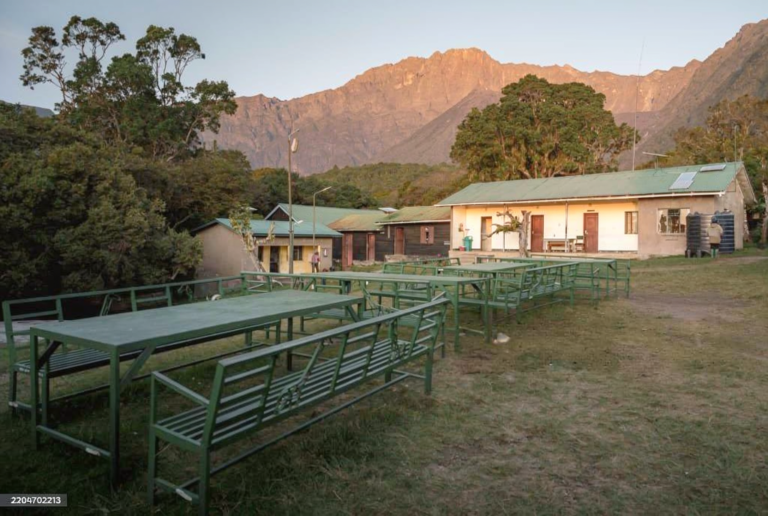
Mount Meru Trekking 3 Tage: Your Essential Planning Guide 2026-2027
A comprehensive guide to the 3-day Mount Meru trek, covering essential planning details for 2026-2027, including routes, preparation, what to expect, and booking advice.
View package details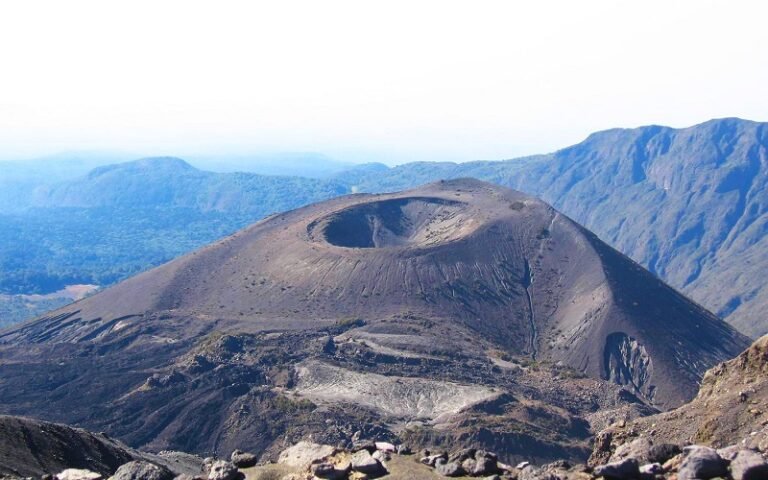
Mount Meru Trekking Ab Arusha 2026-2027
Mount Meru Trekking ab Arusha is explained with current 2026-2027 planning, price, itinerary and booking information.
View package detailsTrekking Monte Meru Desde Arusha: Your Ultimate Guide For 2026-2027
Your comprehensive guide to trekking Mount Meru from Arusha, covering everything from route options and difficulty to essential preparation and booking advice for climbs in 2026-2027.
View package details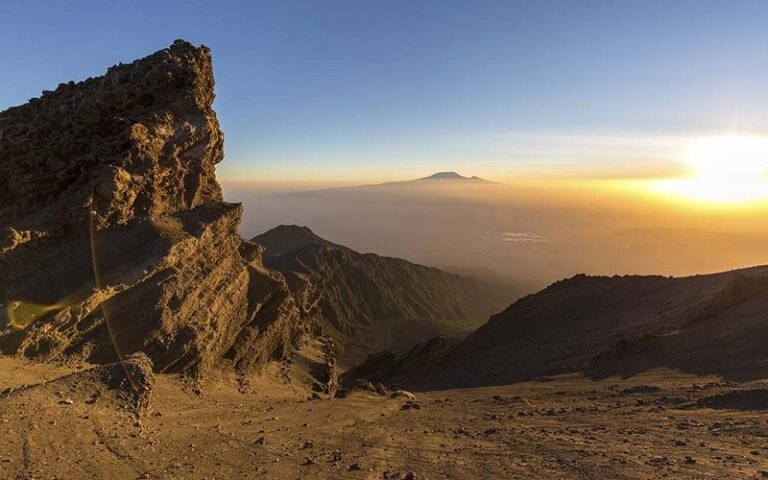
Monte Meru Y Kilimanjaro: Trekking En Tanzania 2026-2027
Discover the ultimate trekking experience in Tanzania by combining Mount Meru and Mount Kilimanjaro. This comprehensive guide covers everything from route selection and preparation to...
View package details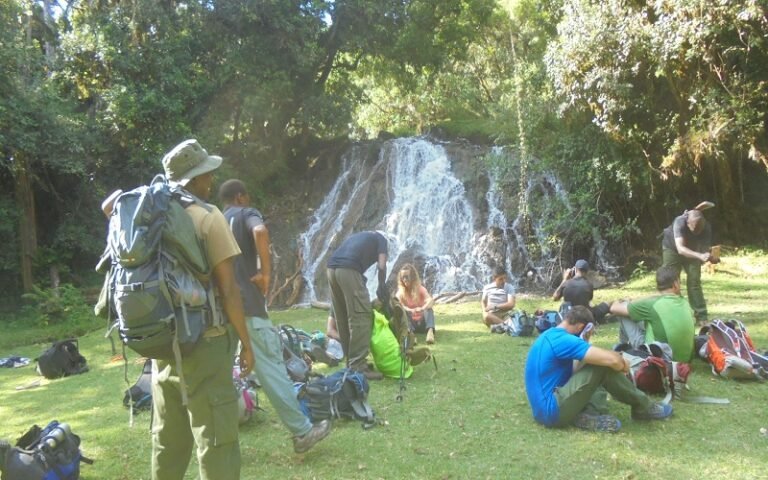
Precio Trekking Monte Meru: ¿Cuánto Cuesta Tu Aventura En ? 2026-2027
Planifica tu aventura en el Monte Meru conociendo los costos detallados. Explora las opciones de rutas, duraciones y lo que influye en el precio para tu expedición 2026-2027.
View package details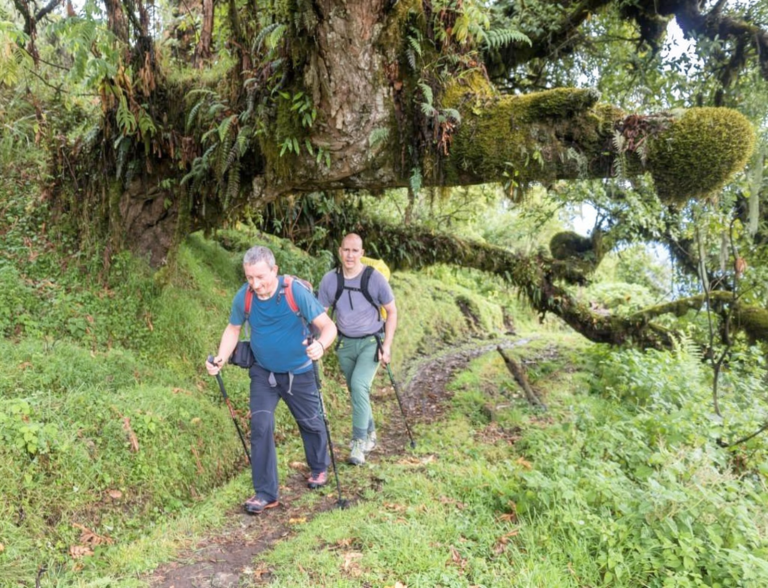
Trekking Monte Meru 4 Días 2026-2027
Trekking Monte Meru 4 días is explained with current 2026-2027 planning, price, itinerary and booking information.
View package detailsTrekking Monte Meru 3 Días 2026-2027
Trekking Monte Meru 3 días is explained with current 2026-2027 planning, price, itinerary and booking information.
View package detailsMonte Meru Tanzania Trekking From Arusha: Your Essential Guide 2026-2027
start a trek up Mount Meru from Arusha, Tanzania's stunning dormant volcano. This guide covers everything from routes and difficulty to preparation and best times to go for your 2026-2027...
View package detailsNo related package matches those filters. Clear one or more filters to see the other topic-matched options.



