
The Great Migration safari in Tanzania is best experienced between June and October, with the dramatic river crossings typically occurring from late July to September in the Grumeti River and the Mara River areas of the Serengeti. For 2026 and 2027, these general timings hold true, but specific herd movements can vary. Planning a safari during these peak months offers the highest chance of witnessing large concentrations of wildebeest and zebras, alongside predators. Key locations for viewing include the central Serengeti (Seronera) for resident wildlife year-round, the western corridor (Grumeti River) for river crossings in July/August, and the northern Serengeti (Mara River) for crossings from August to October. Tours should be booked well in advance, especially for 2026-2027, due to high demand. Consider a 7-10 day itinerary for a comprehensive experience, focusing on different regions of the Serengeti to follow the herds.
Understanding the Great Migration: A Natural Spectacle
The Great Migration is not just a singular event; it’s a continuous, circular journey undertaken by an estimated 1.5 million wildebeest, 200,000 zebras, and hundreds of thousands of other herbivores, primarily in Tanzania’s Serengeti National Park and Kenya’s Maasai Mara National Reserve. This epic trek is driven by the search for fresh grazing land and water, dictated by the seasonal rainfall patterns across the vast plains. It’s a year-round phenomenon, but its intensity and location shift, creating specific windows of opportunity for wildlife enthusiasts aiming to witness it. Understanding this cycle is fundamental to planning the ultimate Great Migration safari.
### The Driving Force: Rain and Grass
The migration’s rhythm is dictated by the rains. As the dry season progresses, the short grass plains of the southern Serengeti become depleted. Following the scent of rain, the herds begin to move northwards. The first rains typically fall in the southern Serengeti around November, signaling the start of calving season. As the grass grows, the herds graze and breed, and by May, the landscape can no longer sustain them, prompting the move west and north.
### The Annual Cycle: A Never-Ending Journey
* December – March: Southern Serengeti & Ngorongoro Conservation Area
This period is known for calving. Thousands of wildebeest calves are born, making the southern plains a prime location for predator sightings as lions, cheetahs, and hyenas capitalize on the vulnerable newborns. The landscape is often dotted with green shoots of grass.
* April – May: The Western Movement
As the rains subside and the grass dries out, the herds begin their push towards the western corridor of the Serengeti. This is a period of transition, and the migration can be spread out, making it more challenging to find concentrated herds. However, fewer tourists are present during these months.
* June – July: Western Corridor & Grumeti River Crossings
The herds gather in the western Serengeti, preparing to cross the Grumeti River. These crossings can be dramatic, with large crocodiles lying in wait. The dense woodlands of this region also offer excellent opportunities to spot other wildlife, including the elusive colobus monkeys.
* July – October: Northern Serengeti & Mara River Crossings
This is arguably the most iconic phase. The herds move into the northern Serengeti, heading towards the Mara River. The crossings here are often the most spectacular, with vast numbers of wildebeest and zebras plunging into the fast-flowing river. This is prime time for predator action as well, with lions and crocodiles posing significant threats.
* November: The Southern Return
Following the first rains in the east and south, the herds begin their journey back towards the southern Serengeti and the Ndutu area (which straddles the Serengeti and Ngorongoro Conservation Area), completing the vast circular route.
### Predators and Prey: A Dynamic Ecosystem
The Great Migration is a spectacle of life and death. The sheer numbers of prey attract a host of predators. Lions, leopards, cheetahs, hyenas, and wild dogs all play a role in the ecosystem, keeping the populations in check. Witnessing a hunt or a predator stalking its prey against the backdrop of thousands of migrating animals is a profoundly moving experience. The density of predators around the migration is exceptionally high, offering unparalleled viewing opportunities.
### Beyond the Migration: Year-Round Wildlife
While the Great Migration is the star attraction, Tanzania’s national parks, particularly the Serengeti, are home to abundant resident wildlife. Even outside the peak migration months, you can expect to see the Big Five (lion, leopard, elephant, rhino, buffalo), numerous antelope species, giraffes, and a vast array of birdlife. The Seronera Valley in the central Serengeti is renowned for its year-round resident predators, making it a fantastic safari destination regardless of the migration’s specific location.
Understanding this intricate dance of nature is the first step in planning a successful Great Migration safari. It allows you to align your travel dates with the specific phases of the migration that most appeal to you, whether it’s the drama of river crossings or the abundance of newborn calves.”,
“h2”: [
{
“id”: “best-time-great-migration”,
“title”: “The Best Time for a Great Migration Safari (2026-2027 Outlook)”
},
{
“id”: “where-to-see-great-migration”,
“title”: “Prime Locations for Witnessing the Great Migration”
},
{
“id”: “great-migration-safari-tours”,
“title”: “Crafting Your Great Migration Safari Tour”
},
{
“id”: “planning-your-great-migration-safari”,
“title”: “Essential Planning for Your 2026-2027 Great Migration Safari”
},
{
“id”: “why-choose-climb-4-africa”,
“title”: “Why Choose Climb 4 Africa for Your Great Migration Safari?”
}
],
“content”: ”
The Best Time for a Great Migration Safari (2026-2027 Outlook)
Choosing the right time to start a Great Migration safari is paramount to maximizing your chances of witnessing this extraordinary natural phenomenon. While the herds are always moving, certain periods offer more predictable and dramatic viewing opportunities. For travelers planning their trips for 2026 and 2027, understanding these timings is crucial for booking the right itinerary and location.
### Peak Season: July to October
This is widely considered the prime time to see the Great Migration safari. During these months, the herds are typically concentrated in the northern Serengeti, preparing for or actively engaged in crossing the Mara River. The landscape is drier, making it easier to spot animals against the more sparse vegetation. Predator activity is also at its highest, as lions, leopards, and crocodiles attempt to prey on the thousands of animals attempting the perilous river crossings. Expect large numbers of wildebeest and zebras.
* Pros: Highest probability of witnessing dramatic river crossings, excellent predator sightings, good general wildlife viewing across the Serengeti.
* Cons: This is peak tourist season, meaning higher prices for accommodation and safaris, and more crowded viewing points. Lodges and camps, especially those with prime locations, book up months, even a year, in advance for 2026 and 2027.
### Shoulder Seasons: June & November
These months represent transition periods and can offer a fantastic safari experience with fewer crowds and potentially lower costs than the peak season.
* June: The herds are moving from the central Serengeti towards the western corridor, often congregating before the Grumeti River crossings. The landscape is transitioning from wet to dry, and the vegetation is still relatively green in many areas. Predator sightings are generally good.
* November: The first rains typically begin in the eastern and southern Serengeti, prompting the herds to start their return journey from the north. This can mean the migration is spread out across different regions, but you might catch them moving through the eastern plains or heading south. The landscape turns a vibrant green after the rains.
* Pros: Fewer tourists, potentially more affordable options, good wildlife viewing as herds are on the move.
* Cons: River crossings are less predictable or dramatic than in July-October. Herds might be more dispersed, requiring more extensive game drives to locate them.
### Calving Season: December to March
This period is centered in the southern Serengeti and the Ndutu area. While not characterized by dramatic river crossings, it’s an incredible time for observing the sheer abundance of life. Witnessing the birth of thousands of wildebeest calves is a unique and moving experience. The plains are lush and green, attracting numerous predators eager to take advantage of the vulnerable newborns. It’s a prime time for photographing young animals and observing predator-prey interactions.
* Pros: Incredible for observing predator-prey dynamics, abundant young animals, lush green landscapes, generally good resident wildlife viewing.
* Cons: The main migration herds are concentrated in one area, so the ‘migration’ aspect is less about vast movement and more about a massive gathering. River crossings are absent.
### Planning for 2026 and 2027
For 2026 and 2027 Great Migration safari planning, it’s essential to book early, especially if you are targeting the July-October period. Demand for prime accommodations and experienced guides is exceptionally high. Consider these points:
* River Crossings: If witnessing the dramatic Mara or Grumeti River crossings is your top priority, aim for late July through September. Understand that these are natural events and cannot be guaranteed, but these months offer the highest probability.
* Calving Season: If you are fascinated by newborn animals and predator action, the December-March window is ideal.
* Flexibility: While timings are generally consistent, weather patterns can influence the migration’s exact location year to year. A good tour operator will have guides who track the herds and can adjust your itinerary to optimize viewing.
* Duration: A safari of at least 7-10 days is recommended to allow sufficient time to cover different areas of the Serengeti and increase your chances of encountering the migration at its most active points.
Ultimately, the “best” time depends on your priorities. Each phase of the Great Migration offers a unique and unforgettable wildlife spectacle. By understanding these timings and planning well in advance for 2026-2027, you can tailor your safari to your specific interests.
“,
“h2”: [
{
“id”: “great-migration-what-it-is”,
“title”: “Understanding the Great Migration: A Natural Spectacle”
},
{
“id”: “best-time-great-migration”,
“title”: “The Best Time for a Great Migration Safari (2026-2027 Outlook)”
},
{
“id”: “where-to-see-great-migration”,
“title”: “Prime Locations for Witnessing the Great Migration”
},
{
“id”: “great-migration-safari-tours”,
“title”: “Crafting Your Great Migration Safari Tour”
},
{
“id”: “planning-your-great-migration-safari”,
“title”: “Essential Planning for Your 2026-2027 Great Migration Safari”
},
{
“id”: “why-choose-climb-4-africa”,
“title”: “Why Choose Climb 4 Africa for Your Great Migration Safari?”
}
],
“content”: ”
Prime Locations for Witnessing the Great Migration
The Serengeti National Park is the heartland of the Great Migration, a vast ecosystem that spans over 14,750 square kilometers. While the migration is a dynamic, constantly moving phenomenon, certain regions within the Serengeti and its surrounding areas are critical stages in the annual cycle. Knowing these locations and their typical timing is key to planning a successful Great Migration safari.
### Central Serengeti (Seronera Valley)
* When to Visit: Year-round.
* What to Expect: The Seronera Valley is famous for its high concentration of resident wildlife, including lions, leopards, cheetahs, elephants, and giraffes. While the main migration herds may not always be present in massive numbers here, it’s an excellent base for seeing predators year-round. During the early months of the year (December-March), the southern migration herds often pass through or graze in the wider central and eastern Serengeti plains. In other months, you might find smaller groups or ‘stragglers’ from the main migration.
* Why it’s important: It offers consistent wildlife viewing opportunities regardless of the migration’s exact location, making it a reliable component of many Serengeti itineraries.
### Western Corridor (Grumeti River)
* When to Visit: Primarily June and July.
* What to Expect: As the herds move westwards, they are funneled towards the Grumeti River. This is a period of significant river crossings, though generally less dramatic than the Mara River crossings. The Grumeti River is wider and can be challenging to cross, leading to exciting predator-prey interactions. The landscape here is characterized by woodlands and riverine forests, offering different scenery and opportunities to spot other wildlife like the black-and-white colobus monkeys.
* Why it’s important: It’s a critical bottleneck for the migration, offering a chance to witness crossings and a different facet of the Serengeti’s ecosystem.
### Northern Serengeti (Mara River)
* When to Visit: Typically August to October.
* What to Expect: This is the climax for many Great Migration safaris. The Mara River, flowing from Kenya’s Maasai Mara, is a formidable barrier. Thousands of wildebeest and zebras attempt to cross its currents, often in dramatic and perilous leaps. Crocodiles, lions, and opportunistic hyenas are frequently seen here, creating intense wildlife drama. The northern Serengeti offers vast, open plains interspersed with kopjes and riverine forests.
* Why it’s important: It hosts the most iconic and visually spectacular river crossings of the entire migration cycle. The sheer scale of animals gathered here is awe-inspiring.
### Southern Serengeti & Ndutu Area
* When to Visit: December to March.
* What to Expect: This region, including the Ndutu plains that straddle the Serengeti and the Ngorongoro Conservation Area, is the calving ground. The short grass plains become covered in lush vegetation, supporting hundreds of thousands of pregnant wildebeest and zebras. The primary focus here is the calving season, with thousands of newborns appearing on the plains. It’s an exceptional time for predator sightings, as lions, cheetahs, and hyenas feast on the vulnerable young. The landscape is vast and open, offering incredible photographic opportunities.
* Why it’s important: It’s the birthplace of the next generation of the migration and a hub for predator activity.
### Connecting the Dots: Itinerary Planning
To fully appreciate the Great Migration safari, especially for trips planned for 2026 and 2027, a well-structured itinerary is essential. A typical 7-10 day safari might focus on:
1. **A few days in the Central Serengeti (Seronera):** For consistent predator viewing and understanding the Serengeti’s general ecosystem.
2. **Moving to the Western Corridor (Grumeti):** If traveling in June/July, to witness early river crossings.
3. **Heading North (Mara River):** If traveling in August-October, to experience the most dramatic crossings.
4. **Or, focusing on the South (Ndutu):** If your travel dates fall between December and March for the calving season.
It’s also worth noting that the migration doesn’t strictly adhere to park boundaries. Many animals move into the Maasai Mara in Kenya from July/August onwards. Some comprehensive safaris might include cross-border travel or focus on the northern Serengeti, which borders the Mara.
A reputable tour operator, like Climb 4 Africa, can help tailor your safari to coincide with the most active migration phases in these key locations, ensuring you get the most from your Great Migration safari experience in 2026-2027.
“,
“h2”: [
{
“id”: “great-migration-what-it-is”,
“title”: “Understanding the Great Migration: A Natural Spectacle”
},
{
“id”: “best-time-great-migration”,
“title”: “The Best Time for a Great Migration Safari (2026-2027 Outlook)”
},
{
“id”: “where-to-see-great-migration”,
“title”: “Prime Locations for Witnessing the Great Migration”
},
{
“id”: “great-migration-safari-tours”,
“title”: “Crafting Your Great Migration Safari Tour”
},
{
“id”: “planning-your-great-migration-safari”,
“title”: “Essential Planning for Your 2026-2027 Great Migration Safari”
},
{
“id”: “why-choose-climb-4-africa”,
“title”: “Why Choose Climb 4 Africa for Your Great Migration Safari?”
}
],
“content”: ”
Crafting Your Great Migration Safari Tour
A Great Migration safari is a significant undertaking, and the way your tour is structured can profoundly impact your experience. From the type of accommodation and vehicle to the length of your stay and the specific regions you visit, every decision matters. For 2026 and 2027, planning a safari that maximizes your chances of witnessing the migration while ensuring comfort and immersion is key.
### Safari Styles: Finding Your Fit
When planning your Great Migration safari, consider the different safari styles available:
* Budget/Camping Safaris: These typically involve staying in public campsites within or near the national parks. Accommodation is usually in tents, with shared facilities. Meals are prepared by a camp cook. This is the most economical option, offering a close-to-nature experience, but with fewer creature comforts.
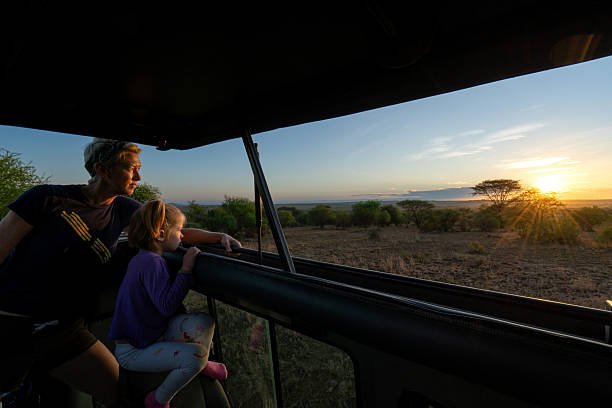
* Mid-Range Safaris: This popular choice often involves staying in comfortable safari lodges or permanent tented camps. These accommodations offer en-suite bathrooms, comfortable beds, and often dining areas and lounges. Game drives are conducted in sturdy 4×4 safari vehicles, usually with pop-up roofs for optimal game viewing.
* Luxury Safaris: For those seeking ultimate comfort and exclusivity, luxury lodges and tented camps offer exquisite accommodations, gourmet dining, and personalized service. Private game drives, often with specialized guides and vehicles, are common. This style provides an indulgent experience with smooth logistics.
### Itinerary Length and Focus
A Great Migration safari requires time to follow the herds. A common recommendation is:
* Minimum 5-7 Days: This allows you to explore one or two key areas of the Serengeti, such as the central region and either the north or west, depending on the season. It provides a good introduction to the migration.
* Recommended 7-10 Days: This duration is ideal for covering multiple regions of the Serengeti and increasing your chances of seeing different phases of the migration, including potential river crossings. It also allows for a more relaxed pace and deeper immersion.
* 10+ Days: For a truly comprehensive experience, longer safaris can include Serengeti, the Ngorongoro Crater, and potentially other northern circuit parks like Tarangire or Lake Manyara, offering diverse landscapes and wildlife.
### Key Inclusions to Look For:
When comparing tour packages for your Great Migration safari in 2026 or 2027, pay close attention to what’s included:
* Accommodation: Specify the type of lodges or camps (public campsites, mid-range lodges, luxury tented camps).
* Park Fees: These are substantial and should always be included. Ensure they are for the correct parks and duration.
* Game Drives: Number of game drives, type of vehicle (4×4 is standard for Serengeti), and whether they are shared or private.
* Meals: Full board (breakfast, lunch, dinner) is standard on safari. Specify if drinks are included.
* Guide: An experienced, English-speaking driver-guide is essential. Guides specializing in the Great Migration are invaluable.
* Transfers: Airport transfers and transfers between locations.
### What to Confirm (Exclusions & Potential Add-ons):
* Flights: International flights to Kilimanjaro International Airport (JRO) are usually not included.
* Visas: Tanzanian visas need to be arranged.
* Travel Insurance: Highly recommended for any safari.
* Tips: Gratuities for guides and camp staff are customary.
* Personal Expenses: Souvenirs, alcoholic beverages, laundry, etc.
* Optional Activities: Hot air balloon safaris over the Serengeti are a popular, though expensive, add-on.
### Sample Itinerary Focus (Example for August 2026)
If you’re planning a Great Migration safari for August 2026, focusing on the northern Serengeti for Mara River crossings would be a priority. A possible structure:
* Day 1: Arrive at Kilimanjaro International Airport (JRO), transfer to Arusha.
* Day 2: Drive to Tarangire National Park (known for elephants).
* Day 3: Transfer to Ngorongoro Conservation Area, descend into the crater for game drives.
* Day 4: Drive to the Central Serengeti (Seronera Valley).
* Day 5-6: Explore the Central Serengeti, looking for resident predators.
* Day 7-8: Drive north to the Kogatende or Lamai Wedge area for Mara River crossings.
* Day 9: Fly from Kogatende airstrip back to Arusha/JRO for departure or onward travel.
This itinerary balances different ecosystems and migration phases. For a more focused migration experience, you might extend time in the northern Serengeti or opt for a fly-in safari to minimize travel time. When considering tours for 2026-2027, discuss your priorities with your tour operator to ensure the itinerary perfectly matches your vision of the Great Migration safari.
“,
“h2”: [
{
“id”: “great-migration-what-it-is”,
“title”: “Understanding the Great Migration: A Natural Spectacle”
},
{
“id”: “best-time-great-migration”,
“title”: “The Best Time for a Great Migration Safari (2026-2027 Outlook)”
},
{
“id”: “where-to-see-great-migration”,
“title”: “Prime Locations for Witnessing the Great Migration”
},
{
“id”: “great-migration-safari-tours”,
“title”: “Crafting Your Great Migration Safari Tour”
},
{
“id”: “planning-your-great-migration-safari”,
“title”: “Essential Planning for Your 2026-2027 Great Migration Safari”
},
{
“id”: “why-choose-climb-4-africa”,
“title”: “Why Choose Climb 4 Africa for Your Great Migration Safari?”
}
],
“content”: ”
Essential Planning for Your 2026-2027 Great Migration Safari
Planning a trip to witness the Great Migration safari is an exciting prospect, and for 2026 and 2027, detailed preparation will ensure a smooth and unforgettable experience. Beyond choosing the right time and location, several practical aspects need careful consideration to avoid common pitfalls and maximize your adventure.
### Booking Window: Act Early!
The Great Migration is one of the world’s most sought-after wildlife spectacles. This means that popular lodges, tented camps, and safari vehicles book up incredibly fast, especially during the peak season (July-October). For 2026 and 2027, you should aim to book your safari at least 9-12 months in advance, and even earlier if you have specific accommodation preferences or are traveling during a popular holiday period.
* Peak Season (July-Oct): Book 12+ months ahead.
* Shoulder Seasons (June, Nov): Book 8-10 months ahead.
* Calving Season (Dec-Mar): Book 6-8 months ahead.
Early booking not only secures your spot but also often allows for better pricing before any potential increases.
### Accommodation Choices: Balancing Comfort and Location
Your accommodation directly influences your safari experience. In the Serengeti, options range from basic public campsites to ultra-luxury tented suites. For a Great Migration safari, consider:
* **Location is Key:** For migration viewing, proximity to the herds is paramount. Camps and lodges in the northern Serengeti (Kogatende, Lamai) are ideal for August-October crossings, while those in the south (Ndutu) are best for calving season. Central Serengeti offers consistent wildlife year-round.
* **Tented Camps vs. Lodges:** Tented camps often provide a more intimate, “in the bush” feel, with canvas walls allowing you to hear the sounds of the African night. Permanent tented camps offer en-suite bathrooms and comfortable amenities. Lodges are more permanent structures, often with more extensive facilities.
* **Mobile Camps:** Some operators use mobile camps that are strategically moved to follow the migration. These can offer unparalleled access to the herds but may have more basic facilities.
### Transportation: The Safari Vehicle
The vehicle you use for your game drives is your mobile viewing platform. Ensure it’s:
* **4×4 Safari Vehicle:** Essential for navigating the varying terrain of the Serengeti. Look for vehicles with pop-up roofs that allow for unobstructed 360-degree views and excellent photography opportunities.
* **Experienced Driver-Guide:** A knowledgeable guide is invaluable. They understand animal behavior, migration patterns, and the best locations for sightings. They can interpret the landscape and provide fascinating insights.
### What to Pack: Essentials for the Bush
Packing light and smart is crucial. Here’s a general checklist:
* **Clothing:** Neutral-colored clothing (khaki, beige, olive green) is best to avoid startling wildlife. Bring light layers for warm days and cooler mornings/evenings. A warm fleece or jacket is recommended, especially during the dry season.
* **Footwear:** Comfortable walking shoes or hiking boots if you plan any walking safaris (though less common in the Serengeti). Open sandals for relaxing at the lodge/camp.
* **Sun Protection:** Wide-brimmed hat, sunglasses, and high-SPF sunscreen are non-negotiable.
* **Insect Repellent:** Especially important for evenings and areas near water.
* **Camera Gear:** Bring extra batteries, memory cards, and a good zoom lens.
* **Binoculars:** A good pair of binoculars will enhance your wildlife viewing.
* **Personal Items:** Prescription medications, a small first-aid kit, hand sanitizer.
* **Documents:** Passport, visa, vaccination certificates, travel insurance details.
### Health and Safety Considerations
* **Malaria:** Tanzania is a malaria-endemic country. Consult your doctor about malaria prophylaxis and mosquito bite prevention.
* **Vaccinations:** Ensure your routine vaccinations are up-to-date. Yellow fever vaccination may be required if arriving from certain countries.
* **Hydration:** Drink plenty of bottled water to stay hydrated, especially in the heat.
* **Sun Safety:** Protect yourself from the strong African sun.
* **Wildlife Safety:** Always follow your guide’s instructions. Never exit the vehicle in areas with wildlife unless explicitly permitted by your guide.
### Budgeting for Your Safari
Costs for a Great Migration safari can vary significantly based on the style of accommodation, duration, and private versus group tours. For 2026-2027, expect:
* Budget: From $250 – $400 per person per day (camping).
* Mid-Range: From $400 – $700 per person per day (lodges/tented camps).
* Luxury: From $700+ per person per day (high-end lodges, private guides).
These figures typically include accommodation, park fees, meals, and game drives. They do not usually include international flights, visas, tips, or personal expenses.
By meticulously planning these aspects, your Great Migration safari in 2026 or 2027 will be more enjoyable, less stressful, and filled with incredible wildlife encounters.
“,
“h2”: [
{
“id”: “great-migration-what-it-is”,
“title”: “Understanding the Great Migration: A Natural Spectacle”
},
{
“id”: “best-time-great-migration”,
“title”: “The Best Time for a Great Migration Safari (2026-2027 Outlook)”
},
{
“id”: “where-to-see-great-migration”,
“title”: “Prime Locations for Witnessing the Great Migration”
},
{
“id”: “great-migration-safari-tours”,
“title”: “Crafting Your Great Migration Safari Tour”
},
{
“id”: “planning-your-great-migration-safari”,
“title”: “Essential Planning for Your 2026-2027 Great Migration Safari”
},
{
“id”: “why-choose-climb-4-africa”,
“title”: “Why Choose Climb 4 Africa for Your Great Migration Safari?”
}
],
“content”: ”
Why Choose Climb 4 Africa for Your Great Migration Safari?
When planning an extraordinary journey like a Great Migration safari, selecting the right tour operator is paramount. Climb 4 Africa offers a unique blend of local expertise, personalized service, and a deep understanding of Tanzania’s wildlife and landscapes, making us an ideal partner for your 2026-2027 adventure.
### Local Expertise and Insider Knowledge
As a Tanzanian-based company, Climb 4 Africa possesses intimate knowledge of the national parks, the behavior of wildlife, and the ever-shifting patterns of the Great Migration. Our guides are not just drivers; they are passionate naturalists who have grown up in the region and have years of experience tracking the herds. This local insight allows us to:
* **Optimize Viewing Opportunities:** We know where the herds are likely to be and when, and we can adapt itineraries quickly based on real-time information from our network of guides.
* **Access Remote Locations:** Our understanding of the terrain and park regulations enables us to take you to less-crowded areas, offering a more exclusive and authentic wildlife experience.
* **Provide Deeper Insights:** Our guides share cultural perspectives and ecological knowledge that enrich your understanding of the migration and its environment.
### Tailor-Made Itineraries for Your Dream Safari
We understand that every traveler is unique. Instead of offering one-size-fits-all packages, Climb 4 Africa specializes in creating custom Great Migration safari itineraries. Whether you dream of witnessing the Mara River crossings in August 2026, photographing the calving season in February 2027, or combining your safari with a Kilimanjaro climb, we work closely with you to design a trip that perfectly matches your interests, budget, and travel style.
### Commitment to Quality and Value
Climb 4 Africa is dedicated to providing exceptional value without compromising on quality. We carefully select our accommodation partners, from comfortable mid-range lodges to luxurious tented camps, ensuring they meet our high standards for service, location, and sustainability. Our safari vehicles are well-maintained 4x4s, driven by experienced and professional guides, ensuring your safety and comfort throughout the journey.
* Transparent Pricing: We provide clear breakdowns of what is included in your safari package, so you know exactly what to expect.
* Competitive Rates: Our local presence allows us to offer competitive pricing for top-quality safari experiences.
### Practical Support and smooth Logistics
From the moment you make your initial inquiry to your departure, Climb 4 Africa provides comprehensive support. We handle all the intricate logistics, including park fees, accommodation bookings, inter-park transfers, and flight arrangements, allowing you to relax and focus on the incredible wildlife encounters.
* **24/7 Support:** While on safari, you have access to our team for any assistance you might need.
* **Pre-Trip Assistance:** We provide detailed information and advice to help you prepare for your Great Migration safari, including packing lists, health recommendations, and visa information.
### Your Partner for Unforgettable African Adventures
Climb 4 Africa is more than just a tour operator; we are your gateway to experiencing the magic of East Africa. Our passion for wildlife conservation and sustainable tourism ensures that your safari not only creates lasting memories but also contributes positively to the local communities and the preservation of these incredible ecosystems.
For an unparalleled Great Migration safari experience in 2026 or 2027, let Climb 4 Africa craft your perfect adventure. Contact us today to start planning!
Ready to Plan Your Great Migration Safari?
Let Climb 4 Africa design your dream Great Migration safari for 2026 or 2027. We offer tailor-made itineraries, expert guides, and unparalleled local knowledge to ensure an unforgettable wildlife adventure. Get in touch to discuss your preferences, ask any questions, and receive a personalized quote.
Contact us via WhatsApp: +255 747 477 898
Email us at: climb4africa@gmail.com
Or visit our website for more safari options: Climb 4 Africa
“,
“faq_schema”: [
{
“question”: “What is the absolute best time to see the Great Migration in Tanzania for 2026 or 2027?”,
“answer”: “The most dramatic phase, the river crossings (Grumeti and Mara), typically occurs between June and October. For the highest chance of witnessing these spectacular events, aim for late July to September. However, the calving season in the southern Serengeti (December-March) offers a different, yet equally compelling, spectacle of abundant newborns and predator action. For 2026 and 2027, booking well in advance for these peak periods is crucial.”
},
{
“question”: “Which specific locations in the Serengeti are best for the Great Migration safari?”,
“answer”: “Key locations depend on the time of year. The Western Corridor (Grumeti River) is best for crossings in June/July. The Northern Serengeti (Mara River) is prime for crossings from August to October. The Southern Serengeti and Ndutu area are ideal for the calving season from December to March. The Central Serengeti (Seronera Valley) offers excellent resident wildlife viewing year-round.”
},
{
“question”: “How long should a Great Migration safari typically be?”,
“answer”: “A minimum of 5-7 days is recommended to explore one or two key migration areas. For a more comprehensive experience that allows for following the herds across different regions and increasing chances of witnessing dramatic events like river crossings, a 7-10 day safari is ideal. Longer itineraries (10+ days) can incorporate other northern circuit parks for diverse wildlife viewing.”
},
{
“question”: “What is the cost of a Great Migration safari for 2026-2027?”,
“answer”: “Costs vary significantly by safari style. Budget camping safaris can range from $250-$400 per person per day. Mid-range safaris (lodges/tented camps) typically cost $400-$700 per person per day. Luxury safaris start from $700+ per person per day. These estimates usually include accommodation, park fees, meals, and game drives but exclude international flights, visas, and tips.”
},
{
“question”: “Do I need to book my Great Migration safari far in advance for 2026 or 2027?”,
“answer”: “Absolutely. Due to the immense popularity of the Great Migration, booking well in advance is essential. For peak season (July-October), aim for 12+ months ahead. For shoulder seasons (June, Nov), 8-10 months ahead is advisable. For the calving season (Dec-Mar), book 6-8 months in advance. Early booking secures prime accommodation and vehicles, especially for 2026 and 2027.”
},
{
“question”: “What is the difference between a private and a shared Great Migration safari?”,
“answer”: “A shared safari involves joining a group of other travelers in a safari vehicle, which is more budget-friendly. A private safari means you have exclusive use of the vehicle and guide, offering more flexibility in game drive timing and routes, and is generally more expensive. For a highly personalized Great Migration safari experience in 2026-2027, a private tour is often preferred.”
},
{
“question”: “Can I combine a Great Migration safari with climbing Mount Kilimanjaro?”,
“answer”: “Yes, it’s a popular combination! Many travelers combine a safari with a Kilimanjaro climb. The best approach is usually to do the safari first, followed by the trek, or vice versa, depending on your energy levels and preferred pacing. Climb 4 Africa specializes in both, and we can help structure an itinerary that seamlessly integrates both adventures for 2026-2027.”
}
]
}
“`
Check Availability for Great Migration Safari: Best Time, Places & Tours 2026-2027
Ready to compare dates, prices, and the best option for your group? Send the package name and travel month so the team can reply with a clear quote, availability, and what is included.
Serengeti Great Migration Safari Packages: Your Guide To Witnessing The Wonder
start an unforgettable journey with our comprehensive guide to Serengeti Great Migration safari packages for 2026-2027. Understand the best times to go, optimal viewing locations, and how...
View package details
Serengeti Safari Tours: Prices, Packages & Best Time To Visit In 2026-2027
Discover everything you need to know for planning your Serengeti safari tour, from understanding pricing and package variations to identifying the ideal travel times in 2026-2027. This...
View package detailsIs An African Safari Safe For First-Time Visitors? Expert Guidance 2026-2027
Planning your first African safari? This comprehensive guide details the safety aspects for first-time visitors, covering everything from wildlife encounters to health and logistics...
View package detailsBest Places To See Wild Animals In Tanzania: Your Ultimate Safari Guide
Planning a safari to witness incredible wildlife? Tanzania offers some of the planet's most spectacular viewing opportunities. This guide explores the top destinations for seeing wild...
View package detailsPlaces Where You Can Combine Beach And Safari 2026-2027
Places Where You Can Combine Beach and Safari is explained with current 2026-2027 planning, price, itinerary and booking information.
View package detailsBest Places To See Lions In The Wild: Your Ultimate Safari Guide 2026-2027
Discover the premier destinations for spotting lions in their natural habitat. This comprehensive guide details the top African parks, essential safari planning tips, and what to look for...
View package details
How Far In Advance Should You Book An African Safari? 2026-2027
How Far in Advance Should You Book an African Safari? is explained with current 2026-2027 planning, price, itinerary and booking information.
View package details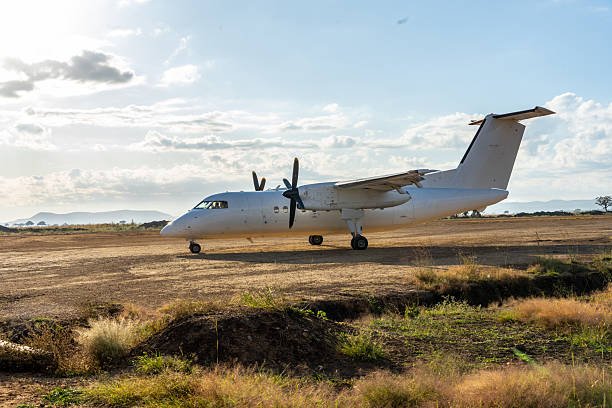
Kenya Safari Tours & Holiday Packages 2026-2027
Kenya Safari Tours & Holiday Packages is explained with current 2026-2027 planning, price, itinerary and booking information.
View package details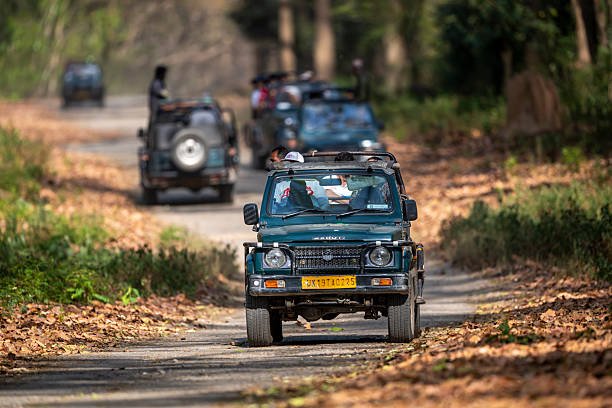
Solo African Safari Tours: Your Ultimate Guide For 2026-2027
start an incredible solo African safari adventure. This comprehensive guide covers everything you need to know for planning a safe, rewarding, and memorable trip in 2026-2027, from choosing...
View package details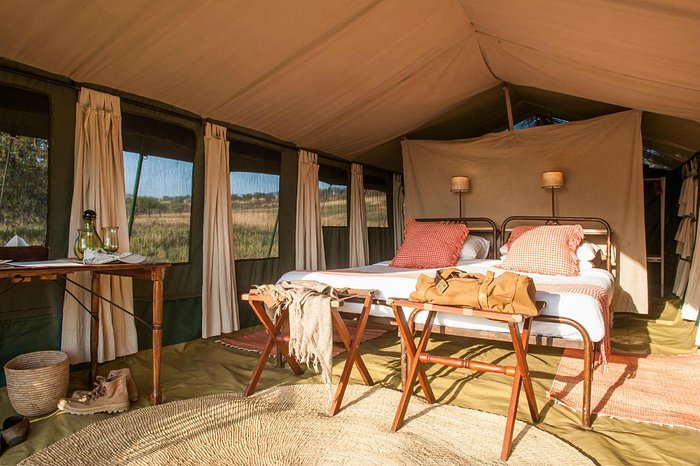
Safari From Zanzibar: Best Packages, Prices & Parks For 2026-2027
Combining a Zanzibar beach holiday with a Tanzania safari is a dream for many travelers. This guide details the best safari packages from Zanzibar, covering essential planning, park...
View package detailsIs It Better To Book A Safari Online Or Locally? 2026-2027
Is It Better to Book a Safari Online or Locally? is explained with current 2026-2027 planning, price, itinerary and booking information.
View package details
What Is Included In An African Safari Package? A Complete Guide For 2026-2027
Demystifying African safari packages. This guide details what you can expect to be included, from essential logistics like accommodation and transport to crucial elements like park fees and...
View package detailsNo related package matches those filters. Clear one or more filters to see the other topic-matched options.



