
A Tanzania Serengeti and Botswana Okavango Delta safari itinerary for 2026-2027 typically spans 10-14 days, combining the iconic wildlife of the Serengeti with the unique water-based experiences of the Okavango. This journey requires careful logistical planning due to the distances involved, often involving flights between Tanzania and Botswana. Key considerations include the best time to visit each region, whether to opt for mobile camping or lodge-based safaris, and the specific wildlife viewing opportunities each offers, such as the Great Migration in the Serengeti and diverse game in the Okavango Delta.
Understanding the Tanzania Serengeti Botswana Okavango Safari Combination
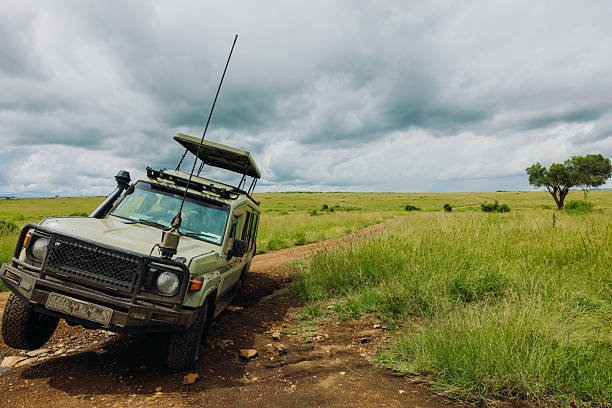
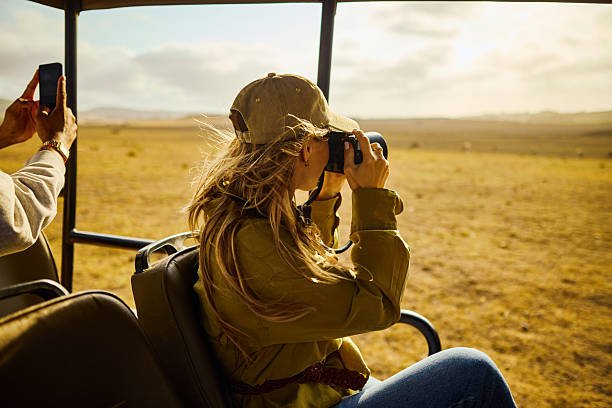
Combining the legendary Serengeti National Park in Tanzania with the unique ecosystem of the Okavango Delta in Botswana offers an unparalleled safari experience. This is not a journey for the casual traveler; it’s for those seeking the pinnacle of African wildlife viewing across two distinct, world-renowned destinations. The Serengeti is synonymous with vast plains, dramatic predator-prey interactions, and the awe-inspiring Great Migration. Botswana, particularly the Okavango Delta, provides a contrasting landscape – a lush inland delta where water shapes the wildlife behavior, offering mokoro (dugout canoe) excursions and incredible birdlife alongside its resident game.
Planning a Tanzania Serengeti Botswana Okavango safari itinerary for 2026-2027 requires understanding the significant distances and the necessary travel logistics. These are not adjacent parks; reaching one from the other involves flights, often through major hubs like Nairobi or Johannesburg. Therefore, efficient itinerary design is crucial to maximize wildlife viewing time and minimize transit. This type of trip is best suited for travelers who have a solid interest in wildlife, appreciate diverse landscapes, and are prepared for a higher level of planning and potentially a higher budget than a single-country safari.
The appeal of this combination lies in its breadth. You witness the raw, open-savanna drama of East Africa and then transition to the serene, water-centric wilderness of Southern Africa. It’s about experiencing the two most iconic safari landscapes on the continent, each offering a different perspective on the African wild. For 2026 and 2027, planning well in advance is essential, especially if you wish to secure specific lodges or mobile camp locations during peak seasons, such as the Great Migration river crossings or the prime water levels in the Delta.
Why Combine Serengeti and Okavango Delta?
The synergy between the Serengeti and the Okavango Delta is compelling. The Serengeti, in northern Tanzania, is part of the larger Serengeti-Mara ecosystem, famous for its immense herds of wildebeest, zebras, and gazelles, constantly on the move in pursuit of fresh grazing. Its open plains are ideal for spotting large predators like lions, cheetahs, and leopards in action. The sheer scale of the wildlife population here is staggering, particularly during the annual Great Migration, which typically sees millions of animals traverse the plains between July and October, culminating in dramatic river crossings of the Mara River.
Conversely, the Okavango Delta in Botswana is a UNESCO World Heritage Site and a marvel of nature – a vast river system that floods annually from Angola, creating an inland delta that supports an astonishing array of wildlife in a completely different setting. Here, game drives are complemented by water-based activities. Glide through crystal-clear channels in a traditional mokoro, guided by a local poler, offering a silent, intimate way to observe elephants, hippos, crocodiles, and a profusion of birdlife. The Okavango’s unique environment means wildlife is concentrated, particularly during the dry season when water sources elsewhere diminish, making it a prime wildlife viewing destination year-round, though the floodwaters are highest from June to September.
Combining these two destinations allows travelers to experience the best of both worlds: the vast, iconic savanna migrations of East Africa and the exclusive, water-rich wilderness of Southern Africa. This dual experience provides a comprehensive understanding of African biodiversity and safari styles. For 2026-2027 trips, understanding the seasonality of both locations is key to maximizing your chances of witnessing peak wildlife events.
Optimal Timing for Your Tanzania Serengeti Botswana Okavango Itinerary (2026-2027)
The success of your Tanzania Serengeti Botswana Okavango safari itinerary hinges significantly on timing. Each destination has its peak seasons, influenced by weather patterns and wildlife movements, and these don’t always perfectly align. For 2026 and 2027, careful consideration of these periods will ensure you witness the wildlife spectacles you dream of.
Serengeti National Park: Best Times to Visit
- June to October: This is generally considered the prime time for the Serengeti, especially if you aim to witness the Great Migration river crossings. The Mara River crossings, where wildebeest and zebras brave crocodile-infested waters, are most common from late July through September. This period also marks the dry season, meaning wildlife is concentrated around permanent water sources, making game viewing easier. Weather is generally pleasant with cooler temperatures and less rain.
- January to February: This period is known for the calving season of the wildebeest in the southern Serengeti. It’s an excellent time for viewing predator action as lion cubs and other predators are abundant and active, feeding on the vulnerable newborn wildebeest. The landscape is often greener after the short rains.
- March to May: This is the “long rains” season. While game viewing can still be excellent and fewer crowds mean lower prices, travel can be more challenging due to muddy roads. The migration is typically in the central or western corridors during this time.
Okavango Delta: Best Times to Visit
- June to September: This is the peak season for the Okavango Delta. The floodwaters from the Angolan highlands arrive, transforming the landscape and concentrating wildlife. This is the ideal time for mokoro excursions and to see large concentrations of elephants, hippos, and other animals seeking water and grazing. Game viewing is excellent across all activities.
- October to May: This period covers the hotter, wetter season. While the Delta is still beautiful and game viewing is good, the floodwaters recede. This is also the calving season for many antelope species, attracting predators. The shoulder months (April-May) can offer good value and fewer crowds before the main dry season peak.
Coordinating for Your 2026-2027 Trip
To best combine these, consider these strategies for your Tanzania Serengeti Botswana Okavango safari itinerary:
- For Migration & Delta Floods: Aim for July to September. You can catch the Serengeti Migration in the northern/western areas and the Okavango Delta at its watery best. This is peak season for both, so expect higher prices and book well in advance for 2026-2027.
- For Calving Season & Delta Activities: January to February offers the Serengeti calving season and good game viewing in the Okavango, though water levels will be lower. This can be a more budget-friendly option.
- Balanced Approach: May/June or October/November can offer a good balance. In May/June, the migration is moving north in the Serengeti, and the Delta is starting to flood. In October/November, the migration is heading south, and the Delta is still good, though water levels might be dropping.
When planning your 2026 or 2027 trip, remember that early booking is paramount for prime lodges and safari camps, especially for these sought-after periods.
Structuring Your Tanzania Serengeti Botswana Okavango Safari Itinerary
Crafting a coherent Tanzania Serengeti Botswana Okavango safari itinerary requires balancing travel time with in-depth wildlife experiences. A typical duration is 10 to 14 days, but this can be extended for a more relaxed pace or deeper exploration.
Option 1: The Classic 12-Day Itinerary (Migration Focused)
This itinerary prioritizes witnessing the Great Migration in the Serengeti while experiencing the unique Okavango Delta.
- Days 1-2: Arrival in Tanzania & Arusha/Kilimanjaro
- Arrive at Kilimanjaro International Airport (JRO).
- Transfer to Arusha for an overnight stay. This allows time to rest, acclimatize, and meet with your safari guide.
- Accommodation: Comfortable lodge in Arusha.
- Days 3-5: Serengeti National Park
- Fly from Arusha (ARK) to a Serengeti airstrip (e.g., Seronera, Kogatende, Lamai depending on migration timing).
- Game drives focusing on predator sightings and the vast plains. If timed for river crossings (July-September), focus on the northern Serengeti (Kogatende/Lamai).
- Accommodation: Safari lodge or tented camp in the Serengeti.
- Day 6: Travel Day to Botswana
- Morning game drive in the Serengeti.
- Fly from Serengeti airstrip to Kilimanjaro (JRO) or Arusha (ARK).
- Connect to an international flight (likely via Nairobi or Johannesburg) to Maun (MUB), Botswana. This is a significant travel day.
- Days 7-9: Okavango Delta, Botswana
- Fly from Maun to your chosen Okavango Delta camp (airstrip transfer).
- Activities include game drives, mokoro excursions, and walking safaris (depending on camp location and water levels).
- Accommodation: Safari lodge or luxury tented camp in the Okavango Delta.
- Day 10: More Okavango Delta
- Continue with daily activities. This day allows for a more relaxed pace or deeper exploration of a specific area.
- Day 11: Departure from Botswana
- Morning activity, followed by a flight back to Maun (MUB).
- Connect to your international flight home from Maun.
- Day 12: Arrive Home
Option 2: Extended 14-Day Itinerary (Deeper Exploration)
This option adds more time in each location, allowing for a more relaxed pace and the inclusion of other Tanzanian highlights or more diverse experiences in Botswana.
- Days 1-2: Arrival in Tanzania & Arusha
- Days 3-6: Serengeti National Park
- Fly into a Serengeti airstrip. Spend an extra day here, perhaps exploring different regions of the park (e.g., Seronera for central plains, Lobo for northern areas).
- Accommodation: Safari lodge or tented camp.
- Day 7: Ngorongoro Crater Excursion (Optional Add-on)
- Fly from Serengeti to Manyara airstrip.
- Descend into the Ngorongoro Crater for a half-day game drive. This offers a chance to see black rhinos and a high concentration of wildlife in a unique caldera setting.
- Overnight at a lodge on the crater rim or nearby.
- Day 8: Travel Day to Botswana
- Transfer to Manyara airstrip or Arusha (ARK) for your flight to Maun (MUB), Botswana (via JRO/NBO/JNB).
- Days 9-12: Okavango Delta, Botswana
- Fly from Maun to your Okavango Delta camp.
- Enjoy 4 full days of activities. This allows for exploration of different concessions or a mix of water and land-based activities.
- Accommodation: Safari lodge or luxury tented camp.
- Day 13: Departure from Botswana
- Morning activity, flight to Maun (MUB), connect to international flight.
- Day 14: Arrive Home
Key Itinerary Considerations for 2026-2027:
- Migration Timing: The exact location of the Great Migration varies annually. Confirm with your tour operator for the 2026-2027 season where the herds are expected to be during your travel dates.
- Okavango Water Levels: The Delta’s flood levels peak between June and September. If mokoro activities are a priority, ensure your trip aligns with these months.
- Flight Schedules: Inter-Africa flights can be complex. Booking through an experienced operator is vital for smooth connections.
- Pace: These itineraries involve significant travel. Consider adding extra days if you prefer a slower pace.
Logistical Notes for a Tanzania & Botswana Safari
The distance between the Serengeti and the Okavango Delta necessitates flights. Typically, this involves flying from a Serengeti airstrip (e.g., Seronera, Kogatende) back to a major Tanzanian airport like Kilimanjaro (JRO) or Arusha (ARK), then taking a regional flight, often via Nairobi (NBO) or Johannesburg (JNB), to Maun (MUB) in Botswana. From Maun, small bush planes transfer you to your specific safari camp in the Okavango Delta. This complexity is why expert planning is essential for any Tanzania Serengeti Botswana Okavango safari itinerary, especially for 2026-2027 trips, to ensure smooth transitions and maximize your time on the ground. Booking flights well in advance is crucial.
Choosing Your Accommodation Style: Lodges vs. Tented Camps
When planning your Tanzania Serengeti Botswana Okavango safari itinerary for 2026-2027, a key decision is the type of accommodation. Both the Serengeti and the Okavango Delta offer a range of options, primarily luxurious lodges and intimate tented camps.
Serengeti National Park Accommodation
- Luxury Lodges: These offer permanent structures with en-suite bathrooms, often with swimming pools, fine dining, and extensive amenities. They provide comfort and convenience, ideal for those seeking a more traditional hotel experience in the bush. Locations are fixed, so migration viewing depends on the lodge’s position.
- Tented Camps (Permanent & Semi-Permanent): These offer a more authentic safari feel. Tents are spacious, well-appointed, with comfortable beds and en-suite facilities (often with canvas walls and open-air bathrooms). They provide a closer connection to the environment. Camps can be strategically located to follow the migration or offer excellent resident game viewing.
- Mobile Tented Camps: These are set up in specific locations for limited periods to coincide with the Great Migration. They offer the most in-depth experience, moving with the herds. These are highly sought after and require early booking for 2026-2027.
Okavango Delta Accommodation
- Luxury Lodges & Tented Camps: Similar to the Serengeti, the Delta boasts exquisite lodges and tented camps. Many are built on elevated platforms to manage the seasonal floodwaters. They offer stunning views and exclusive experiences.
- Water-Based Camps: Some camps are specifically designed for water activities, located in areas accessible primarily by boat or mokoro during the flood season.
- Remote & Exclusive Camps: Botswana emphasizes low-volume, high-cost tourism, meaning camps are often small and exclusive, offering a private and intimate safari.
Factors to Consider:
- Experience: Tented camps generally offer a more intimate and “in the wild” feel than fixed lodges.
- Location: For migration viewing in the Serengeti, a mobile camp or a camp strategically placed in the north or south (depending on the season) is crucial. In the Delta, camp location dictates the primary activities (water vs. land).
- Budget: Luxury lodges and exclusive camps in Botswana tend to be at the higher end of the price spectrum.
- Amenities: Lodges typically offer more amenities like pools and spas, while camps focus on the wilderness experience.
For your 2026-2027 Tanzania Serengeti Botswana Okavango safari itinerary, discuss your priorities with your tour operator to match you with the perfect accommodation style for each location.
Wildlife Highlights: What to Expect
The wildlife viewing in the Serengeti and the Okavango Delta is world-class, yet distinct. Understanding these differences will enrich your anticipation and experience.
Serengeti National Park:
- The Great Migration: The star attraction. Millions of wildebeest and zebras, followed by predators. Witnessing the sheer scale is unforgettable.
- Big Cats: Excellent populations of lions, cheetahs, and leopards. The open plains of the Serengeti are prime cheetah territory, while leopards are often found in acacia trees or riverine areas.
- Other Mammals: Vast herds of gazelles, buffalo, elephants (especially in the western and northern corridors), giraffes, hippos, crocodiles, and a variety of smaller mammals like hyenas, wild dogs (though less common than in Botswana), jackals, and mongooses.
- Birdlife: Over 500 species, including ostriches, secretary birds, kori bustards, and various eagles and vultures.
Okavango Delta:
- Abundant Water-Dependent Species: Hippos and crocodiles are ubiquitous in the waterways. Large herds of elephants are a common sight, often interacting with the water. Buffalo also congregate in large numbers.
- Predators: Lions, leopards, and cheetahs are present, but their behavior is influenced by the Delta’s unique environment. Wild dogs are more frequently encountered here than in the Serengeti, especially in areas like the Moremi Game Reserve.
- Antelope & Other Mammals: Red lechwe, sitatunga (aquatic antelope), wildebeest, zebra, impala, kudu, and warthogs. Giraffes and baboons are also common.
- Avian Paradise: Over 400 bird species, including a spectacular array of water birds like herons, egrets, kingfishers, and raptors. Pel’s fishing owl is a sought-after sighting.
The contrast is remarkable: the Serengeti offers wide-open vistas and the thrill of the chase with migrating herds and elusive cats. The Okavango Delta provides a more intimate, water-centric safari, where game viewing often happens from a mokoro or a small boat, offering unique perspectives on species adapted to this wetland environment. Planning your Tanzania Serengeti Botswana Okavango safari itinerary for 2026-2027 means anticipating both these diverse wildlife spectacles.
Activities Beyond Game Drives
While game drives are the cornerstone of any safari, combining the Serengeti and Okavango Delta allows for a richer mix of activities, especially in Botswana.
Serengeti Activities:
- Walking Safaris: Available in some areas of the Serengeti, particularly in concessions outside the main park, offering a chance to connect with the bush on foot. These are usually guided by armed rangers and focus on smaller details, tracks, and plants.
- Hot Air Balloon Safaris: A quintessential Serengeti experience, offering a bird’s-eye view of the plains, especially magical at sunrise. This is an optional extra, typically costing several hundred dollars per person.
- Cultural Visits: While less common in the core Serengeti, some itineraries may include visits to Maasai villages on the periphery, offering insight into local culture.
Okavango Delta Activities:
- Mokoro Excursions: The signature Okavango experience. Glide silently through shallow channels and lagoons in a traditional dugout canoe, poled by an experienced local guide. This offers unparalleled opportunities for birdwatching and observing animals at eye level without disturbance.
- Boating Safaris: Larger motorboats are used in some areas of the Delta, particularly on deeper channels or lakes, allowing for exploration of larger waterways and excellent hippo and crocodile viewing.
- Walking Safaris: Highly recommended in the Delta. With expert guides, explore the islands and bush on foot, tracking animals and learning about the flora and fauna. This is a fantastic way to experience the smaller details of the ecosystem.
- Fishing: Catch-and-release fishing for tigerfish and bream can be arranged in certain areas of the Delta, offering a different kind of wilderness engagement.
When structuring your Tanzania Serengeti Botswana Okavango safari itinerary for 2026-2027, consider how these diverse activities can enhance your overall safari experience. The Okavango Delta, in particular, shines with its variety beyond the traditional 4×4 game drive.
Essential Packing for Your Multi-Country Safari
- Clothing: Neutral colors (khaki, beige, olive green) are best. Avoid bright colors and dark blue/black (can attract tsetse flies). Pack light, breathable layers. Include long-sleeved shirts and trousers for sun and insect protection.
- Footwear: Comfortable walking shoes or hiking boots for walking safaris, plus sandals or flip-flops for camp.
- Sun Protection: Wide-brimmed hat, high SPF sunscreen, sunglasses.
- Insect Repellent: High-DEET content is recommended.
- Camera Gear: Binoculars are essential. A good camera with a telephoto lens is recommended for wildlife photography. Extra batteries and memory cards.
- Health: Personal first-aid kit, any prescription medications. Consult your doctor about malaria prophylaxis and other necessary vaccinations.
- Documents: Passport, visas, yellow fever certificate, travel insurance details, flight confirmations.
- Accessories: Headlamp or flashlight, reusable water bottle, small backpack for day trips.
Note: Many camps have laundry services, so you don’t need to pack excessive clothing.
Budgeting for Your Tanzania Serengeti Botswana Okavango Safari
A Tanzania Serengeti Botswana Okavango safari itinerary is a significant investment, often considered a ‘bucket list’ trip. The cost reflects the quality of wildlife viewing, exclusive locations, expert guiding, and complex logistics. For 2026-2027, expect prices to remain at the higher end, particularly for peak season travel.
Key Cost Components:
- Accommodation: This is the largest single expense. Luxury lodges and exclusive camps in Botswana, especially, command premium rates.
- Internal Flights: Flights between Tanzania and Botswana, and bush flights within Botswana, are substantial costs.
- Park Fees: Daily park entrance fees for Serengeti and conservation fees for the Okavango Delta are significant.
- Activities: While game drives are usually included, special activities like hot air ballooning or private charters are extra.
- Guides & Vehicles: Private guiding and dedicated vehicles add to the cost but enhance the experience.
- International Flights: The cost to fly to Tanzania and from Botswana.
- Visas & Insurance: Necessary travel documents and comprehensive insurance.
- Tips & Personal Expenses: Gratuities for guides and camp staff, souvenirs, drinks, etc.
Estimated Cost Ranges for 2026-2027 (per person, excluding international flights):
- Mid-Range Comfort: Approximately $7,000 – $10,000 USD per person for a 10-12 day trip. This would typically involve comfortable lodges and tented camps, shared vehicles, and standard flight routes.
- Luxury & Exclusive: Approximately $12,000 – $20,000+ USD per person for a 10-14 day trip. This level includes high-end lodges, private concessions in Botswana, private charter flights where feasible, and top-tier guiding services.
Important Budgeting Notes for 2026-2027:
- Peak Season: Traveling during July-September for the migration and Delta floods will be at the higher end of these ranges.
- Shoulder Season: Traveling in May-June or October-November can offer slightly lower prices.
- Booking Window: Early booking (12-18 months in advance for 2026-2027) is crucial for securing the best lodges and potentially better rates, especially for popular camps.
- All-Inclusive vs. Not: Most safari packages include accommodation, meals, standard drinks, park fees, and most activities. Clarify what is included before booking.
Working with an experienced tour operator like Climb 4 Africa is invaluable for navigating these costs and creating a package that fits your budget and desired experience for your Tanzania Serengeti Botswana Okavango safari itinerary.
Get a Custom Quote for 2026-2027
Crafting a personalized Tanzania Serengeti Botswana Okavango safari itinerary requires detailed input. To provide an accurate quote for your 2026 or 2027 adventure, we need to understand your preferences:
- Desired travel dates and duration.
- Number of travelers and ages (for family or group bookings).
- Preferred accommodation style (luxury lodge, classic tented camp, mobile camp).
- Specific interests (e.g., Great Migration viewing, birding, photography, walking safaris).
- Your approximate budget range.
Contact us to discuss your dream safari. We specialize in creating smooth, unforgettable journeys combining the best of Tanzania and Botswana.
WhatsApp: +255 747 477 898
Email: climb4africa@gmail.com
Planning Your 2026-2027 Tanzania Serengeti Botswana Okavango Safari with Climb 4 Africa
Embarking on a dual-destination safari like a Tanzania Serengeti Botswana Okavango safari itinerary demands meticulous planning. At Climb 4 Africa, we leverage our extensive local knowledge and expertise to create smooth, extraordinary experiences for our clients. Our goal is to handle the complexities so you can focus on the magic of the African wilderness.
Why Choose Climb 4 Africa?
- Local Expertise: As a Tanzania-based company, we have deep insights into the Serengeti and its surrounding ecosystems, as well as strong partnerships across Botswana to ensure quality and value.
- Tailor-Made Itineraries: We don’t offer one-size-fits-all packages. We listen to your dreams, preferences, and budget to design a unique itinerary that perfectly matches your vision for 2026 or 2027.
- Logistical Mastery: We manage all the intricate details, from internal flights and transfers to securing the best accommodation and guides, ensuring a smooth and stress-free journey.
- Value for Money: While this type of safari is a significant investment, we work diligently to optimize your budget, ensuring you receive exceptional value and unforgettable experiences.
- 24/7 Support: From the moment you inquire until you return home, our team is available to provide support and assistance.
The Booking Process:
- Initial Consultation: Reach out to us with your initial ideas for your Tanzania Serengeti Botswana Okavango safari itinerary for 2026-2027. Share your preferred dates, duration, interests, and budget.
- Itinerary Design: Based on your input, we will craft a draft itinerary with suggested lodges, activities, and estimated costs. We will discuss options and refine the plan with you.
- Confirmation & Deposit: Once you approve the itinerary, we will confirm availability and request a deposit to secure bookings, especially for lodges and internal flights which often require advance payment.
- Pre-Trip Information: We provide comprehensive pre-departure information, including packing lists, health advice, and detailed travel documents.
- On Safari: Our local support ensures that your safari runs smoothly, with local guides and ground teams ready to assist.
- Post-Trip: We welcome your feedback to help us continually improve our services.
Planning a trip of this magnitude for 2026 or 2027 is a journey in itself. Let Climb 4 Africa be your expert guide. We are passionate about creating the ultimate safari adventure that combines the raw beauty of the Serengeti with the unique magic of the Okavango Delta.
Ready to start planning your extraordinary Tanzania Serengeti Botswana Okavango safari itinerary? Contact us today to begin designing your personalized African adventure.
WhatsApp: +255 747 477 898
Email: climb4africa@gmail.com
“,
“faq_schema”: [
{
“question”: “What is the best time of year for a Tanzania Serengeti and Botswana Okavango Delta safari itinerary in 2026-2027?”,
“answer”: “For the best combination, aim for July to September. This period offers the peak of the Great Migration river crossings in the Serengeti and the highest flood levels in the Okavango Delta, making it ideal for mokoro excursions and concentrated wildlife viewing. However, this is also peak season, meaning higher prices and greater demand, so booking well in advance for 2026-2027 is crucial.”
},
{
“question”: “How long should a Tanzania Serengeti Botswana Okavango safari itinerary be?”,
“answer”: “A minimum of 10 days is recommended to comfortably experience both destinations, but a 12-14 day itinerary is ideal. This allows for sufficient time in the Serengeti (3-4 days), travel between countries, and ample exploration of the Okavango Delta (4-5 days), including various activities.”
},
{
“question”: “What are the main differences between a Serengeti safari and an Okavango Delta safari?”,
“answer”: “The Serengeti offers vast open plains, dramatic predator-prey interactions, and the massive Great Migration, ideal for traditional 4×4 game drives. The Okavango Delta is a unique inland wetland, offering water-based activities like mokoro rides and boating safaris, alongside game drives, with a focus on water-dependent wildlife and abundant birdlife.”
},
{
“question”: “What is the typical cost of a Tanzania Serengeti Botswana Okavango safari itinerary for 2026-2027?”,
“answer”: “Costs vary significantly based on accommodation luxury, season, and duration. For a 10-14 day trip in 2026-2027, expect prices to range from approximately $7,000 – $10,000 USD per person for mid-range comfort, up to $12,000 – $20,000+ USD per person for luxury and exclusive experiences. This generally excludes international flights.”
},
{
“question”: “How do you travel between the Serengeti and the Okavango Delta?”,
“answer”: “Travel involves flying. You’ll typically fly from a Serengeti airstrip to a major Tanzanian airport (like Kilimanjaro or Arusha), then take a connecting flight, often via Nairobi or Johannesburg, to Maun, Botswana. From Maun, small bush planes transfer you to your specific Okavango Delta camp. This complex routing necessitates booking through an experienced safari operator.”
},
{
“question”: “What kind of accommodation is available in the Serengeti and Okavango Delta?”,
“answer”: “Both destinations offer a range of options, including luxury permanent lodges, well-appointed tented camps, and, in the Serengeti, seasonal mobile camps that follow the migration. Botswana’s Okavango Delta is known for its exclusive, low-volume luxury camps, many built on stilts to accommodate floodwaters.”
}
]
}
“`
Check Availability for Tanzania Serengeti Botswana Okavango Safari Itinerary 2026-2027
Ready to compare dates, prices, and the best option for your group? Send the package name and travel month so the team can reply with a clear quote, availability, and what is included.
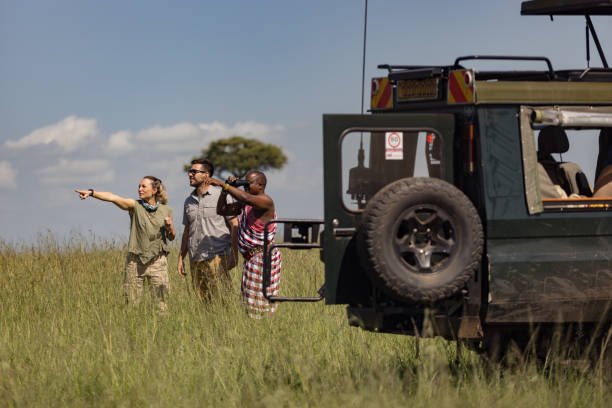
3-Day Serengeti And Ngorongoro Safari: Your Ultimate Tanzania Wildlife
start a concise yet unforgettable 3-day Serengeti and Ngorongoro safari, designed to maximize wildlife encounters in Tanzania's most celebrated parks. This compact adventure offers a taste...
View package details
Serengeti Safari And Zanzibar Beach Holiday: The Ultimate Tanzania
Combine the thrill of a Serengeti safari with the relaxation of a Zanzibar beach holiday. This guide covers everything you need to know for an unforgettable Tanzania adventure in 2026-2027...
View package details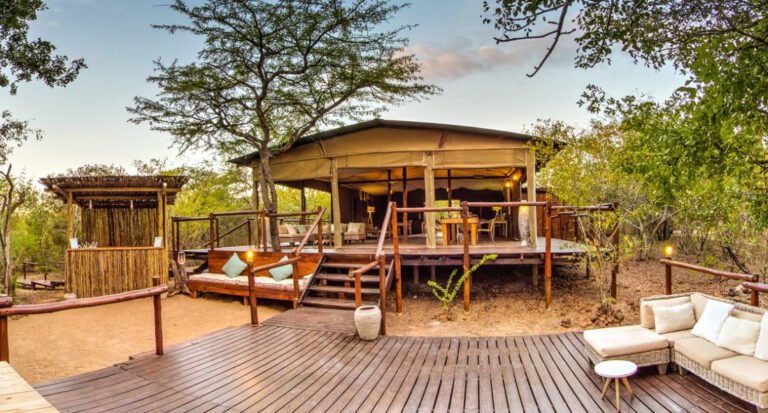
7-Day Tanzania Safari: Serengeti, Ngorongoro, And Tarangire In 2026-2027
A comprehensive guide to a 7-day Tanzania safari adventure, focusing on the iconic Serengeti National Park, the Ngorongoro Crater, and Tarangire National Park. Learn about optimal...
View package details
Serengeti Safari Tours: Prices, Packages & Best Time To Visit In 2026-2027
Discover everything you need to know for planning your Serengeti safari tour, from understanding pricing and package variations to identifying the ideal travel times in 2026-2027. This...
View package details
Zanzibar To Serengeti Safari Packages 2026-2027
Zanzibar to Serengeti Safari Packages is explained with current 2026-2027 planning, price, itinerary and booking information.
View package details
Tanzania Safari Tours & Packages /: Your Ultimate Wildlife Adventure 2026-2027
Discover the magic of Tanzania with expertly crafted safari tours and packages for 2026 and 2027. From the vast plains of the Serengeti to the depths of the Ngorongoro Crater, find your...
View package details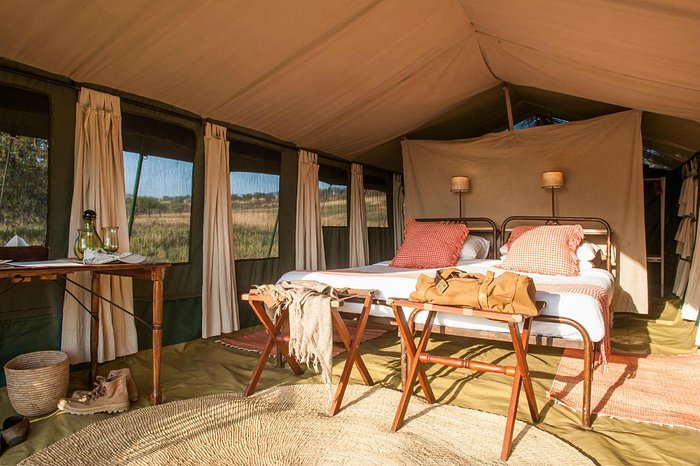
Best African Safari Tours & Vacation Packages /: Your Ultimate Tanzania
start an unforgettable African safari adventure in 2026/2027 with expertly curated tours and vacation packages in Tanzania's most iconic wildlife destinations. From the Serengeti to the...
View package details
Private Tanzania Safari Packages: Your Ultimate Guide For 2026-2027
Discover the unparalleled freedom and personalized experience of a private Tanzania safari package. This comprehensive guide for 2026-2027 explores custom itineraries, key destinations like...
View package details
Serengeti Great Migration Safari Packages: Your Guide To Witnessing The Wonder
start an unforgettable journey with our comprehensive guide to Serengeti Great Migration safari packages for 2026-2027. Understand the best times to go, optimal viewing locations, and how...
View package detailsBest Places To See Wild Animals In Tanzania: Your Ultimate Safari Guide
Planning a safari to witness incredible wildlife? Tanzania offers some of the planet's most spectacular viewing opportunities. This guide explores the top destinations for seeing wild...
View package details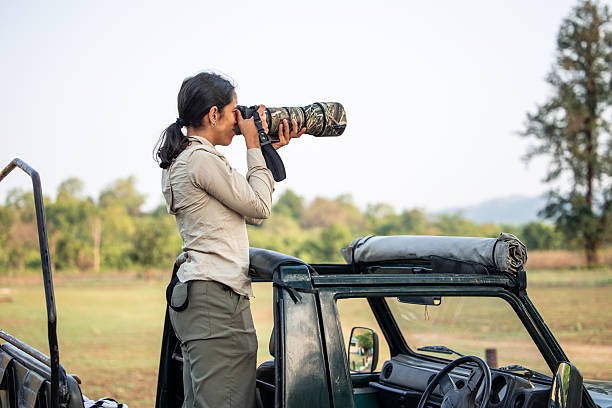
All-Inclusive African Safari Vacations Guide
start an all-inclusive African safari vacation in Tanzania, a premier destination for wildlife viewing in 2026-2027. This comprehensive guide covers everything from iconic parks like the...
View package detailsWhat Is The Best Month To Visit Serengeti? 2026-2027
What Is the Best Month to Visit Serengeti? is explained with current 2026-2027 planning, price, itinerary and booking information.
View package detailsNo related package matches those filters. Clear one or more filters to see the other topic-matched options.



