A comprehensive Tanzania, Uganda, and Zanzibar gorilla safari itinerary typically spans 14-21 days, combining mountain gorilla trekking in Uganda’s Bwindi Impenetrable National Park or Mgahinga Gorilla National Park with wildlife viewing in Tanzania’s Serengeti and Ngorongoro Crater, followed by relaxation on Zanzibar’s beaches. Planning for 2026-2027 requires booking gorilla permits well in advance, often 6-12 months ahead, as availability is limited. This itinerary structure allows for smooth travel between the diverse experiences of East Africa, with expert local support being crucial for logistics and permits.
Understanding Your Tanzania Uganda and Zanzibar Gorilla Safari
Combining Tanzania, Uganda, and Zanzibar for a single safari trip is a dream for many travelers seeking the ultimate East African adventure. It offers an unparalleled blend of iconic wildlife encounters, the profound experience of trekking to see mountain gorillas, and the idyllic escape of tropical island life. This isn’t a simple fly-and-flop holiday; it’s a multi-faceted journey that demands careful planning to maximize your time, budget, and enjoyment. For those considering a trip in 2026 or 2027, understanding the nuances of each destination and how they connect is paramount.
A typical Tanzania Uganda and Zanzibar gorilla safari itinerary leverages the proximity of these countries while acknowledging the logistical steps needed to connect them. Uganda is the primary destination for gorilla trekking, specifically within its famed national parks. Tanzania, on the other hand, is world-renowned for its classic savanna safaris, featuring the Serengeti and the Ngorongoro Crater, home to the Big Five and vast herds. Zanzibar, a semi-autonomous archipelago off Tanzania’s coast, provides a perfect counterpoint with its white-sand beaches, turquoise waters, and rich cultural history.
The sequence of this multi-country adventure is flexible, but most travelers opt to begin with either the gorillas in Uganda or the safari in Tanzania, concluding with Zanzibar for relaxation. The decision often hinges on flight availability, permit booking windows, and personal preference for the order of experiences. For instance, starting with the high-energy safari might lead into the more focused intensity of gorilla trekking, culminating in a tranquil beach escape. Alternatively, beginning with the gorillas can set a profound tone, followed by the vastness of Tanzania’s plains, and ending with pure relaxation.
Crucially, this kind of itinerary involves significant travel time between locations, necessitating internal flights or overland transfers. Efficient planning ensures these transitions are as smooth as possible, allowing you to spend more time experiencing the destinations and less time in transit. When planning for 2026-2027, it’s wise to consult with local tour operators who have in-depth knowledge of the region’s logistics, visa requirements, and the ever-changing dynamics of park fees and permit availability.
Core Components of a Tanzania Uganda and Zanzibar Gorilla Safari
To truly appreciate the scope of a Tanzania Uganda and Zanzibar gorilla safari, let’s break down the essential elements that define each part of this incredible journey. Each component offers a distinct flavor of East Africa, contributing to a rich and varied travel experience.
Mountain Gorilla Trekking in Uganda
Uganda is one of only three countries in the world where you can trek to see mountain gorillas in their natural habitat. The primary locations are Bwindi Impenetrable National Park, a UNESCO World Heritage site, and Mgahinga Gorilla National Park. Bwindi is home to the majority of Uganda’s gorilla population, with several sectors offering different trekking experiences. Mgahinga, part of the larger Virunga Massif, also offers gorilla trekking and is unique for potentially allowing you to combine it with golden monkey tracking.
The gorilla trekking experience itself is the highlight for many. It involves hiking through dense rainforests, often on challenging terrain, guided by experienced trackers and rangers. The trek duration can vary from 30 minutes to several hours, depending on the gorillas’ location on any given day. Once you find a habituated gorilla family, you are granted a precious hour in their presence. This is a strictly regulated activity to protect the gorillas, with a limited number of permits issued daily per park or sector.
Gorilla permits are the cornerstone of this experience and are highly sought after. For Uganda, the permit cost is currently USD 700 per person for foreign non-residents. These permits must be booked in advance, often months ahead, especially for peak seasons in 2026 and 2027. Availability can fluctuate, and securing them early is a critical planning step. The permit fee contributes directly to conservation efforts and supports local communities.
Beyond the permit, the trekking experience includes park entrance fees, ranger guide fees, and the services of porters, who can be hired to carry your backpack and assist you on the trail, making the trek significantly more comfortable. The accommodation near Bwindi and Mgahinga ranges from basic lodges to luxury options, typically situated just outside the park boundaries.
Classic Wildlife Safaris in Tanzania
Tanzania is synonymous with iconic wildlife safaris, offering some of the most diverse and abundant game viewing opportunities on the continent. The northern safari circuit is the most popular and includes world-famous destinations:
- Serengeti National Park: Renowned for the Great Migration, the Serengeti offers endless plains teeming with wildlife year-round. Depending on the time of year, you can witness dramatic river crossings, vast herds of wildebeest and zebras, and abundant predators like lions, cheetahs, and leopards.
- Ngorongoro Conservation Area: This area features the Ngorongoro Crater, a UNESCO World Heritage site and a natural amphitheater that hosts an incredibly dense population of wildlife. It’s one of the best places in Africa to see the Big Five (lion, leopard, elephant, rhino, and buffalo) in a single day, along with numerous other species.
- Tarangire National Park: Known for its large elephant herds and baobab trees, Tarangire is often visited on the way to or from the Serengeti, particularly during the dry season when animals congregate around the Tarangire River.
- Lake Manyara National Park: Famous for its tree-climbing lions and large troops of baboons, this park offers a compact yet rewarding safari experience, often included in shorter itineraries.
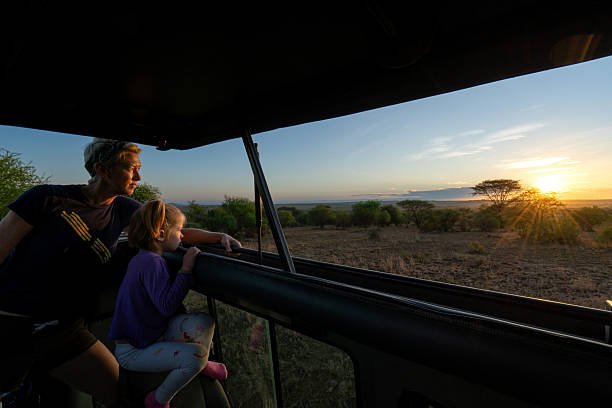
Tanzanian safaris typically involve game drives in specially equipped 4×4 safari vehicles, led by experienced guides. Accommodation options are plentiful, ranging from budget-friendly tented camps to luxurious lodges, strategically located within or on the borders of the parks for optimal game viewing. The choice of accommodation significantly impacts the overall safari experience and cost.
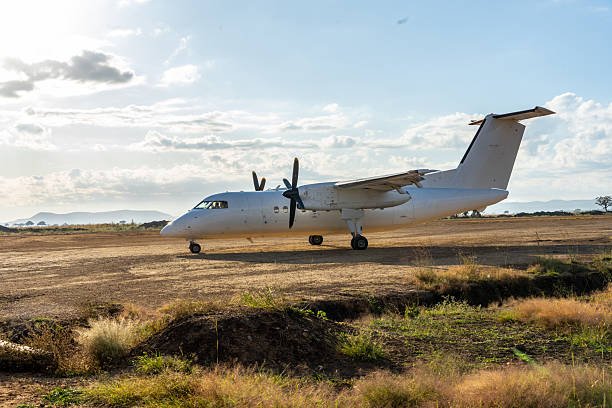
For a Tanzania Uganda and Zanzibar gorilla safari, you would typically fly into Kilimanjaro International Airport (JRO) or Arusha Airport, which serves as the gateway to the northern circuit. The safari portion can be customized to fit your interests, whether you’re focused on predator sightings, the Great Migration, or diverse birdlife.
Zanzibar: Island Relaxation and Culture
After the intensity of gorilla trekking and safari game drives, Zanzibar offers a perfect antidote of relaxation and cultural immersion. This spice island, with its historical Stone Town and pristine beaches, provides a complete change of pace.
- Stone Town: A UNESCO World Heritage site, Stone Town is a labyrinth of narrow streets, bustling bazaars, and historic buildings that tell the story of Zanzibar’s rich past, influenced by Arab, Persian, Indian, and European cultures. Exploring its alleys, visiting the House of Wonders, the Old Fort, and the former slave market offers a deep look at the island’s heritage.
- Beaches: Zanzibar is famed for its stunning coastline. Nungwi and Kendwa in the north offer vibrant atmospheres and spectacular sunsets, while Matemwe and Paje on the east coast are ideal for kite surfing and enjoying tranquil beaches with turquoise waters. The south coast offers a more laid-back feel.
- Spice Tours: As its name suggests, Zanzibar is a major producer of spices. A spice tour is a sensory experience, allowing you to see, smell, and taste exotic fruits, spices, and herbs grown on the island.
- Water Activities: Beyond lounging on the beach, Zanzibar offers excellent opportunities for snorkeling, diving (especially around Mnemba Atoll), dhow cruises, and deep-sea fishing.
Travelers typically fly into Abeid Amani Karume International Airport (ZNZ) in Zanzibar. Accommodation ranges from boutique hotels in Stone Town to beachfront resorts and private villas. The culinary scene is also a highlight, with fresh seafood and Swahili influences.
Designing Your Tanzania Uganda and Zanzibar Gorilla Safari Itinerary
Crafting an effective Tanzania Uganda and Zanzibar gorilla safari itinerary requires balancing travel time, activity preferences, and the all-important logistics of permits and flights. The duration can vary significantly, but a comprehensive trip often falls between 14 and 21 days to allow for a meaningful experience in each location without feeling rushed.
Sample Itinerary Structure (16 Days)
Here’s a potential flow, focusing on a logical progression and maximizing experiences. This is a template, and customization is key for 2026-2027 trips.
Day 1-2: Arrival in Entebbe, Uganda & Transfer to Gorilla Sector
Arrive at Entebbe International Airport (EBB). You’ll be met and transferred to your accommodation near Bwindi Impenetrable National Park or Mgahinga Gorilla National Park. This is often a long drive (8-10 hours) or a short domestic flight to a local airstrip followed by a shorter road transfer. Depending on arrival time, you might spend the first night in Kampala or Entebbe before heading out the next day.
Day 3: Gorilla Trekking Day
The main event: an early start for briefing at the park headquarters, followed by your trek into the forest to find the mountain gorillas. You’ll spend up to one hour observing them. After the trek, return to your lodge for relaxation.
Day 4: Optional Second Trek or Transfer to Lake Bunyonyi/Queen Elizabeth National Park
Option for a second gorilla trek in a different sector, or transfer to a scenic location like Lake Bunyonyi for a relaxing afternoon, or head towards Queen Elizabeth National Park for a savanna safari experience (though a full Tanzanian safari is usually more extensive).
Day 5: Transfer to Kigali, Rwanda (Optional for Flights) or Fly to Tanzania
Depending on flight logistics, you might transfer to Kigali, Rwanda (approx. 3-4 hours from southern Bwindi) for a flight to Tanzania. Alternatively, you might fly from a local Ugandan airstrip back to Entebbe for your onward flight to Tanzania. This transition is a key logistical point.
Day 6: Arrive in Arusha, Tanzania & Safari Briefing
Fly into Kilimanjaro International Airport (JRO) or Arusha Airport (ARK). You’ll be met and transferred to your hotel in Arusha, the gateway to Tanzania’s northern safari circuit. Relax and prepare for your safari.
Day 7-9: Serengeti National Park
Fly or drive to the vast Serengeti. Spend three days exploring the plains, focusing on predator sightings and potentially witnessing the Great Migration (depending on the season). Game drives are conducted in 4×4 safari vehicles.
Day 10: Ngorongoro Crater Tour
Descend into the Ngorongoro Crater for a full-day game drive. This caldera offers an unparalleled concentration of wildlife, including the chance to spot rhinos. You’ll have a picnic lunch on the crater floor.
Day 11: Tarangire National Park or Lake Manyara National Park
A shorter safari day, perhaps visiting Tarangire for its elephant herds or Lake Manyara for its unique tree-climbing lions and birdlife, before heading back towards Arusha.
Day 12: Fly to Zanzibar
Morning transfer to Arusha Airport (ARK) for a flight to Zanzibar (ZNZ). Upon arrival, you’ll be transferred to your chosen beach resort or Stone Town hotel.
Day 13-15: Zanzibar Exploration & Relaxation
Explore Stone Town, take a spice tour, relax on the beaches of Nungwi, Kendwa, or Matemwe, enjoy snorkeling or diving, and savor the island’s distinct culture and cuisine.
Day 16: Departure
Enjoy a final breakfast before transferring to Zanzibar Airport (ZNZ) for your international flight home, or your next destination.
Variations and Customization for 2026-2027
This 16-day structure is just a starting point. Here are ways to adapt it:
- Extended Safari: Add days in other Tanzanian parks like Ruaha or Selous (though these are typically accessed via different flight routes and may require a separate itinerary focus).
- Second Gorilla Trek: Many travelers opt for a second gorilla trek in a different sector of Bwindi or in Mgahinga. This is an additional permit cost but offers a varied experience.
- Golden Monkey Trekking: In Mgahinga, you can track golden monkeys, a distinct primate experience.
- Rwanda Gorilla Trekking: Some may choose to trek gorillas in Rwanda’s Volcanoes National Park instead of or in addition to Uganda. Rwanda’s permits are more expensive (USD 1500), but the trekking terrain can sometimes be considered easier.
- Cultural Immersion: Integrate visits to local communities, like the Batwa pygmy community near Bwindi, or Maasai villages in Tanzania.
- Diving Focus: Spend more time in Zanzibar, dedicating full days to diving and snorkeling excursions.
- Pacing: For a more relaxed pace, extend the trip to 21 days, adding buffer days for travel or extra exploration in favorite locations.
When planning for 2026-2027, consider the best time to visit each region. Uganda’s dry seasons (June-August and December-February) are popular for gorilla trekking, though it’s possible year-round. Tanzania’s dry season (June-October) is ideal for safaris, especially for witnessing the Great Migration river crossings. Zanzibar enjoys warm weather year-round, though April and May are the wettest months.
Logistics and Practicalities for Your Multi-Country Trip
Executing a Tanzania Uganda and Zanzibar gorilla safari involves navigating complex logistics. Expert guidance is invaluable here, particularly for first-time visitors to East Africa. Several key areas demand attention:
Visas and Entry Requirements
Each country has its own visa requirements. Depending on your nationality, you may need to apply for visas in advance or can obtain them on arrival. For instance, Uganda and Tanzania typically offer visas on arrival or allow e-visa applications. However, regulations can change, so it’s essential to check the latest requirements for your specific nationality well before your travel dates in 2026 or 2027. Some travelers might benefit from the East Africa Tourist Visa, which covers Uganda, Kenya, and Rwanda, but its applicability to a Tanzania-focused trip needs careful verification. Zanzibar, being part of Tanzania, follows Tanzanian visa rules.
Internal Flights and Transfers
Connecting Uganda, Tanzania, and Zanzibar requires careful flight planning. Common routes involve flying from Entebbe (EBB) or Kigali (KGL) to Kilimanjaro (JRO) or Arusha (ARK), and then from Arusha (ARK) to Zanzibar (ZNZ). There are also direct flights from Kilimanjaro to Zanzibar. Overland transfers are possible but significantly increase travel time. For example, driving from southern Uganda to Rwanda takes several hours, and driving from Kampala to Bwindi is a long day trip. Domestic flights within Tanzania, such as from Arusha to the Serengeti airstrips or from Arusha to Zanzibar, are often included in safari packages.
Booking these internal flights in advance is crucial, especially for specific routes and during peak travel seasons. The cost of these flights can add up, and it’s important to factor them into your overall budget. Some tour operators include these flights in their packages, simplifying the process.
Gorilla Permit Booking Strategy
As mentioned, securing gorilla permits is non-negotiable and requires advance planning. For 2026-2027 trips, aim to book at least 6-12 months ahead, particularly if you wish to travel during the popular dry seasons. Permits are issued by the Uganda Wildlife Authority (UWA) and Rwanda Development Board (RDB). Tour operators can assist immensely with this process, often holding allocations or having direct channels to secure permits. It’s vital to confirm the exact permit cost and availability directly with your chosen operator.
Important Note: Gorilla permits are non-refundable and non-transferable once booked. Ensure your travel dates are firm before committing.
Accommodation Choices
The range of accommodation is vast, from rustic budget camps to ultra-luxury lodges. Your choice will significantly influence the cost and overall feel of your Tanzania Uganda and Zanzibar gorilla safari. For example, lodges near Bwindi range from basic campsites to mid-range guesthouses and high-end lodges with stunning forest views. In Tanzania, safari lodges and tented camps vary from comfortable to opulent. Zanzibar offers everything from charming guesthouses in Stone Town to sprawling beachfront resorts.
When planning for 2026-2027, consider booking accommodations that align with your budget and desired comfort level. Mid-range options often provide a good balance of comfort, service, and value, while luxury properties offer exclusive experiences and prime locations.
Best Time to Travel
While this itinerary can be undertaken year-round, certain periods offer advantages:
- June to October (Tanzania Dry Season): Ideal for game viewing in Tanzania, with excellent chances of witnessing the Great Migration’s river crossings. Uganda’s dry season also falls within this period, making it prime time for gorilla trekking. Zanzibar is pleasant, though it can be busier.
- December to February (Tanzania’s Short Rains/Calving Season): Good for game viewing in Tanzania, especially in the southern Serengeti and Ngorongoro, as herds gather for calving. Uganda’s second dry season is also active. Zanzibar is warm and sunny.
- March to May (Tanzania’s Long Rains): This is the low season for safaris in Tanzania. The landscape is lush and green, birdlife is abundant, and fewer tourists mean lower prices. However, some roads can become challenging, and game viewing might be more dispersed. Zanzibar experiences its heaviest rains during April and May.
For 2026-2027 travel, consider that peak seasons (June-October, December-February) will be more expensive and require earlier bookings for permits and accommodation.
Cost Considerations for Your East African Adventure
A Tanzania Uganda and Zanzibar gorilla safari is a significant investment. The cost varies greatly based on the duration, accommodation level, and specific activities chosen. Here’s a breakdown of major cost components:
Key Cost Drivers
- Gorilla Permits: This is a fixed, substantial cost. Currently USD 700 per person in Uganda.
- Park Entrance Fees: Daily fees for national parks in Uganda and Tanzania can add up significantly over a multi-day trip.
- Accommodation: Lodges and hotels are a major expense, with luxury options costing several hundred dollars per person per night, while mid-range options might be USD 150-300, and budget accommodations less.
- Internal Flights: Flights between countries and domestic flights within Tanzania contribute substantially to the overall price.
- Vehicle Hire and Guide Fees: Private safari vehicles and guides in Tanzania are typically priced per vehicle per day.
- Tanzania Visa: Typically around USD 50-100 depending on nationality and type.
- Zanzibar Activities: Spice tours, snorkeling trips, etc., add to the cost.
Budgeting for 2026-2027
Given the fluctuating costs and the need for advance bookings, it’s best to get a personalized quote. However, as a general guideline for a mid-range to upper-mid-range 16-day Tanzania Uganda and Zanzibar gorilla safari in 2026 or 2027, expect costs to range from USD 5,000 to USD 9,000+ per person, excluding international flights. This can increase significantly for luxury accommodations and private charter flights.
Factors Influencing Price:
- Private vs. Group Tour: Private tours offer flexibility and exclusivity but are more expensive. Group tours are more budget-friendly.
- Accommodation Level: Luxury lodges and resorts will drive up the cost considerably.
- Seasonality: Peak seasons are more expensive than shoulder or low seasons.
- Duration: Longer trips naturally cost more.
What’s Typically Included:
- Gorilla permits
- Park entrance fees
- Accommodation as specified
- Most meals (often full board on safari, half board or full board on Zanzibar)
- Safari vehicle and guide in Tanzania
- Internal flights (e.g., Arusha-Zanzibar)
- Airport transfers
- Bottled water during game drives
What’s Typically Excluded:
- International flights
- Visa fees
- Travel insurance (mandatory)
- Tips for guides, drivers, and lodge staff
- Personal expenses (souvenirs, laundry, drinks)
- Optional activities not listed in the itinerary
When seeking quotes for 2026-2027, be very clear about your preferred accommodation style and the exact inclusions you expect. Reputable operators will provide a detailed breakdown of costs.
Choosing Your Tour Operator
Selecting the right tour operator is critical for a smooth Tanzania Uganda and Zanzibar gorilla safari. Given the complexity of multi-country travel, permit acquisition, and internal logistics, an experienced local operator is highly recommended.
Why Choose a Local Specialist?
A local operator like Climb 4 Africa, with deep roots in Tanzania and extensive experience in East Africa, offers several advantages:
- Expertise: They possess intimate knowledge of the parks, wildlife behavior, and the best times to visit specific regions.
- Logistical Prowess: They are adept at handling complex itineraries, booking internal flights, and securing limited permits (like gorilla permits).
- Local Support: You benefit from on-the-ground support throughout your trip, ensuring any issues are resolved quickly and efficiently.
- Value for Money: Local operators often have better rates with lodges and suppliers than international agencies, potentially offering better value.
- Customization: They excel at tailoring itineraries to your specific interests, budget, and pace, ensuring a truly personalized experience for your 2026-2027 adventure.
What to Look For in an Operator
- Experience: How long have they been operating in East Africa? Do they specialize in multi-country itineraries?
- Reviews and Reputation: Check independent reviews on platforms like TripAdvisor.
- Transparency: Are their itineraries detailed, and are inclusions/exclusions clearly stated? Is pricing transparent?
- Communication: How responsive and helpful are they during the planning phase?
- Commitment to Sustainability: Do they practice responsible tourism that benefits local communities and wildlife conservation?
For your Tanzania Uganda and Zanzibar gorilla safari itinerary, partnering with a team that understands the intricate details of each destination is key. This ensures that your special journey is not only spectacular but also logistically smooth and deeply rewarding.
Planning Your 2026-2027 Trip with Climb 4 Africa
When you’re ready to turn this dream into a reality for 2026 or 2027, Climb 4 Africa is exceptionally well-positioned to help. As a leading Kilimanjaro expert and Tanzania travel specialist, we extend our expertise to crafting comprehensive East African adventures that include Uganda and Zanzibar. We understand the critical importance of securing permits, coordinating complex flight schedules, and selecting the best accommodations to suit your desires and budget.
To start planning your personalized Tanzania Uganda and Zanzibar gorilla safari itinerary, we recommend reaching out to our expert team. You can contact us via WhatsApp at +255 747 477 898 or email us at climb4africa@gmail.com. Please provide as much detail as possible about your desired travel dates for 2026-2027, the approximate duration you envision, your preferred accommodation style (e.g., mid-range, luxury), and any specific interests you have (e.g., photography, birdwatching, specific wildlife sightings).
Our team will work with you to design an itinerary that balances the thrill of gorilla trekking in Uganda with the iconic wildlife spectacles of Tanzania and the serene beauty of Zanzibar, ensuring a journey that is both unforgettable and logistically smooth. We pride ourselves on practical local support and tailor-made travel experiences that truly capture the spirit of Africa.
Check Availability for Tanzania Uganda And Zanzibar Gorilla Safari Itinerary Guide
Ready to compare dates, prices, and the best option for your group? Send the package name and travel month so the team can reply with a clear quote, availability, and what is included.
Ten Day Afcon Tanzania Safari And Zanzibar Holiday: Planning Guide
Planning a ten-day trip for AFCON 2027? This guide covers the ideal itinerary, logistics for combining a Northern Circuit safari with a Zanzibar beach holiday, and how to manage your travel...
View package detailsAfcon Football Safari And Zanzibar Holiday: Expert Planning Guide
A guide to combining the AFCON 2027 football tournament with a Tanzanian safari and Zanzibar beach holiday, focusing on logistics, timing, and travel planning.
View package detailsAfcon Honeymoon Safari And Zanzibar Package: Expert Planning Guide
A detailed guide for couples planning a Tanzania trip during the 2027 AFCON tournament, focusing on logistics, safari privacy, and Zanzibar beach selection.
View package detailsSeven Day Afcon Safari And Zanzibar Package
Seven Day AFCON Safari and Zanzibar Package.
View package detailsAfcon Kilimanjaro Safari And Zanzibar Package: Expert Planning Guide
A comprehensive guide to coordinating your AFCON 2027 travel, including Kilimanjaro trekking, Northern Circuit safaris, and Zanzibar relaxation, with expert logistical advice.
View package detailsI Am Staying In Zanzibar—Can I Join A Mainland Safari Group?
A practical guide for travelers staying in Zanzibar who want to add a group safari to their itinerary, covering logistics, regional differences, and planning tips.
View package detailsCan I Book A One Day Safari From Zanzibar In Dec ?
Can I Book a One Day Safari from Zanzibar in Dec 2026?
View package details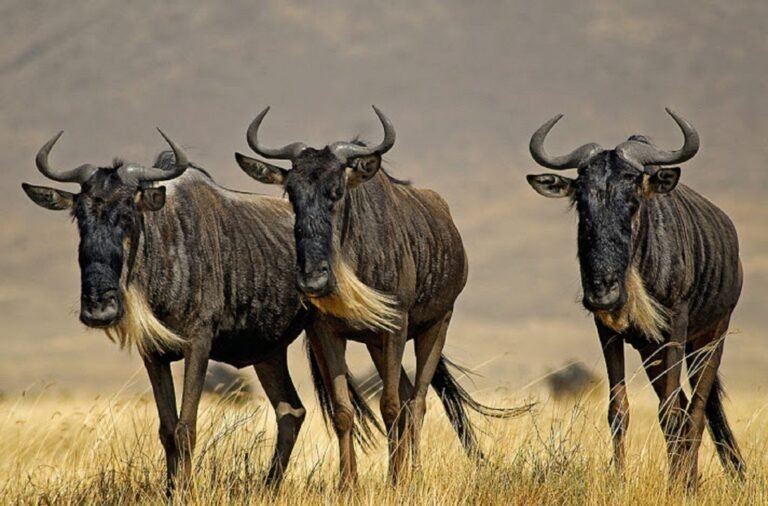
Nov 23, – 3 Day Serengeti And Ngorongoro Safari From Zanzibar
Nov 23, 2026 – 3 Day Serengeti and Ngorongoro Safari from Zanzibar.
View package details_1_John_from-rednote-web-768x1024.jpg)
Dec 13, – 2 Day Nyerere Fly-In Group Safari From Zanzibar 2026
A detailed guide to the December 13, 2026 group fly-in safari from Zanzibar to Nyerere National Park, covering the itinerary, logistics, and planning for your trip.
View package details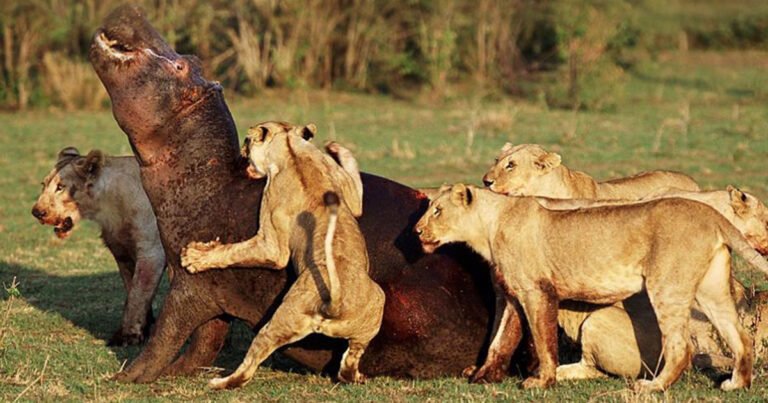
Dec 5, – 1 Day Mikumi Fly-In Group Safari From Zanzibar 2026
A practical guide to the December 5, 2026, group fly-in safari to Mikumi National Park. Learn about the itinerary, group logistics, and how to book your seat.
View package details
Nov 15, – 2 Day Mikumi Fly-In Group Safari From Zanzibar 2026
A practical guide and booking overview for the November 15, 2026, group fly-in safari to Mikumi National Park, departing from Zanzibar.
View package details
Oct 25, – 1 Day Nyerere Fly-In Group Safari From Zanzibar 2026
Secure your spot for the October 25, 2026, group fly-in safari to Nyerere National Park. A professional, time-efficient wildlife experience from Zanzibar.
View package detailsNo related package matches those filters. Clear one or more filters to see the other topic-matched options.