
For most travelers planning a Serengeti safari, Kilimanjaro International Airport (JRO) is the best airport to fly into Tanzania. It serves as the main international gateway for the northern safari circuit, providing the most convenient access to popular safari starting points and onward travel arrangements for 2026-2027 adventures.
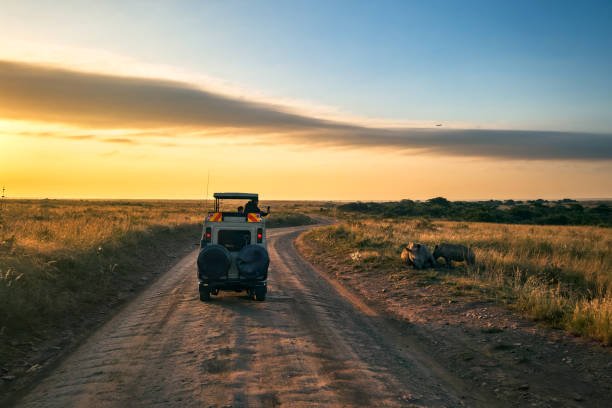

Understanding Your Tanzania Safari Airport Options
When embarking on a Tanzanian safari, particularly one focused on the world-renowned Serengeti National Park, your arrival airport significantly impacts your journey’s logistics, cost, and overall experience. While Tanzania has several international airports, not all are equally suited for a Serengeti safari. The primary consideration is proximity and directness to the northern safari circuit, which includes the Serengeti, Ngorongoro Crater, Tarangire National Park, and Lake Manyara National Park. These parks form the backbone of most classic Tanzanian safari itineraries. Your choice of airport dictates your initial transfer, whether it’s a drive to Arusha, the safari capital, or a short domestic flight to a bush airstrip closer to the wildlife action. Planning for 2026 or 2027 means understanding these options well in advance to secure the best flights and safari packages.
The decision isn’t just about where you land; it’s about how efficiently you can get to where the wildlife is. Factors like flight availability, airline connections, visa processing, and the cost of onward travel all play a role. For instance, flying into an airport far from the northern circuit would necessitate either a very long overland transfer, potentially consuming a full day or more of your precious safari time, or an additional domestic flight, increasing overall costs. Therefore, identifying the most strategic entry point is a fundamental step in crafting a successful Tanzanian safari for 2026-2027.
This guide will explore the primary airport serving the Serengeti safari circuit, discuss its advantages and disadvantages, and touch upon any less common but potentially viable alternatives. We’ll help you weigh the practicalities, costs, and convenience to ensure you make the most informed decision for your unforgettable African adventure.
Kilimanjaro International Airport (JRO): The Premier Gateway
Kilimanjaro International Airport (JRO), also known as Kilimanjaro International Airport, is the undisputed champion when it comes to accessing the northern safari circuit of Tanzania. Located strategically between the towns of Arusha and Moshi, it’s the main hub for international arrivals destined for the region’s iconic national parks. For travelers planning their Serengeti safari for 2026 or 2027, JRO offers the most direct and logical entry point.
Why JRO is the Top Choice for Serengeti Safaris
Several compelling reasons make JRO the go-to airport:
- Proximity to Safari Hubs: JRO is situated approximately 40-50 kilometers (25-30 miles) east of Arusha, the primary safari gateway town. Arusha is where most safari operators are based, where pre-safari briefings are held, and where you’ll typically spend your first night or begin your overland safari drive. The drive from JRO to Arusha takes about an hour, depending on traffic and road conditions. This is a far cry from the multi-day drives required if you were to land in Dar es Salaam, for example.
- International Flight Availability: JRO receives direct or one-stop flights from major international hubs across Europe, the Middle East, and Africa. Airlines like Qatar Airways, KLM, Ethiopian Airlines, Turkish Airlines, and Kenya Airways often fly into JRO, making it accessible from many parts of the world. While direct flights from North America or Australasia are rare, the connections through hubs like Doha, Amsterdam, or Addis Ababa are generally efficient.
- smooth Safari Logistics: Upon arrival at JRO, your pre-arranged safari operator, like Climb 4 Africa, will be there to meet you. They will assist with your luggage, facilitate a smooth transfer to your Arusha hotel, and manage all the necessary arrangements for the start of your safari, whether it’s the next morning or later that day. This personalized service is invaluable after a long international flight.
- Access to Bush Flights: For those who prefer to skip the overland drive to the Serengeti and maximize their time on safari, JRO is also the point from which you can connect to domestic flights. Small charter planes operate from JRO (or more commonly, from the smaller Arusha Airport – ARK) directly to various airstrips within the Serengeti National Park. This is a popular option for luxury safaris or for travelers on tighter schedules in 2026-2027.
- Support Services: As the main international airport for the region, JRO is well-equipped with essential services including currency exchange, ATMs, car rental agencies (though typically arranged through your tour operator), cafes, and duty-free shops. This ensures a comfortable arrival experience.
Potential Downsides of JRO
While JRO is the best option, it’s not without its minor drawbacks:
- Cost of Flights: Because it’s the primary gateway, flight prices into JRO can sometimes be higher compared to less direct airports, especially during peak safari seasons in 2026-2027.
- Visa and Immigration: Like any international airport, processing through immigration and customs can sometimes take time, particularly if multiple international flights arrive simultaneously. Planning for this, and having your visa arrangements in order (e-Visa often recommended), can expedite the process.
- Limited Domestic Carriers: While international carriers serve JRO, the domestic connections to bush airstrips are primarily handled by smaller Tanzanian airlines or charter companies, often departing from Arusha Airport (ARK). This means an additional, albeit short, transfer from JRO to ARK is sometimes necessary if your flight schedule doesn’t align perfectly.
Practical Tips for Arriving at JRO for Your Serengeti Safari
- Pre-Book Airport Transfers: Always arrange your airport transfer to your Arusha or Moshi accommodation in advance with your tour operator. This ensures a hassle-free pickup.
- Have Safari Details Ready: Keep your safari itinerary, operator contact details (like Climb 4 Africa’s WhatsApp +255 747 477 898), and accommodation booking information easily accessible.
- Currency and SIM Cards: You can exchange currency or withdraw Tanzanian Shillings (TZS) from ATMs at JRO. Consider purchasing a local SIM card if you wish to have immediate data access, though many travelers find it sufficient to rely on lodge Wi-Fi or their guide’s communication.
- Patience is Key: International travel can be tiring. Be prepared for potential delays and embrace the arrival process with a relaxed attitude.
Understanding the Alternative: Julius Nyerere International Airport (DAR)
While JRO is the undisputed primary choice for northern circuit safaris, it’s important to acknowledge Tanzania’s largest airport, Julius Nyerere International Airport (DAR) in Dar es Salaam. DAR serves as the main international gateway for the southern and coastal regions of Tanzania, but it can also be an entry point for Serengeti-bound travelers, albeit with significant logistical considerations.
When DAR Might Be Considered
DAR is typically considered for Serengeti safaris in specific scenarios:
- Flight Availability and Cost: Sometimes, flights into DAR are significantly cheaper or have more convenient schedules from your origin city than flights into JRO. If saving on airfare is a major priority for your 2026-2027 trip, you might explore DAR.
- Combined Itineraries: If your travel plans include visiting Zanzibar, the southern parks (like Selous/Nyerere National Park or Ruaha National Park), or the coast before or after your Serengeti safari, flying into DAR might make more sense logistically. From Dar es Salaam, you can then take a domestic flight to the Serengeti or to Arusha.
- Direct Flights to Zanzibar: Many international airlines fly directly to Zanzibar (ZNZ) which is close to Dar es Salaam. If your trip starts or ends in Zanzibar, flying into ZNZ and then connecting to DAR for onward travel to the Serengeti is a common route.
The Trade-offs of Flying into DAR for Serengeti
Choosing DAR over JRO for a Serengeti safari comes with considerable trade-offs:
- Significant Overland Travel Time: The distance between Dar es Salaam and Arusha (the safari hub for the Serengeti) is approximately 600 kilometers (370 miles). An overland drive can take anywhere from 8 to 12 hours, often requiring an overnight stop in Arusha or a very long travel day. This eats into your valuable safari time.
- Additional Domestic Flight Required: The most practical way to get from Dar es Salaam to the Serengeti is by taking a domestic flight from Dar es Salaam’s domestic terminal (or from Zanzibar) to one of the Serengeti’s airstrips. This flight adds significant cost to your overall trip. These flights are operated by companies like Coastal Aviation or Precision Air.
- Logistical Complexity: You’ll need to manage transfers between international and domestic terminals in Dar es Salaam, check-in for your domestic flight, and then arrange for your safari operator to meet you at the Serengeti airstrip. This adds layers of complexity compared to arriving directly at JRO.
- Higher Overall Cost: While the initial international flight might be cheaper, the cost of the domestic flight from Dar es Salaam to the Serengeti, plus potential overnight accommodation in Dar or Arusha, often makes flying into DAR more expensive overall for a Serengeti-focused trip.
When to Seriously Consider DAR
If your 2026-2027 itinerary is a multi-destination trip that naturally starts or ends in Dar es Salaam or Zanzibar, and you plan to fly into the Serengeti rather than drive, then DAR can be a viable entry point. However, if your sole focus is the Serengeti and the northern circuit, JRO remains the superior choice for efficiency and simplicity.
How to Connect from DAR to Serengeti
If you do fly into DAR:
- Book a Domestic Flight: Arrange a flight from Dar es Salaam (DAR) or Zanzibar (ZNZ) to an airstrip within the Serengeti (e.g., Seronera, Grumeti, Kogatende). Your tour operator can assist with this.
- Allow Ample Transfer Time: Ensure you have sufficient time between your international arrival and your domestic flight departure, especially if you need to change terminals.
- Coordinate with Your Operator: Inform Climb 4 Africa (or your chosen operator) of your exact flight details so they can arrange your pickup at the Serengeti airstrip.
The Role of Arusha Airport (ARK)
While not an international airport for direct arrivals from overseas, Arusha Airport (ARK) plays a crucial supporting role for Serengeti safaris and is often the actual departure point for flights into the park.
ARK’s Significance in the Safari Chain
ARK is a domestic airport located within the city of Arusha. Its primary function in the context of Serengeti safaris is:
- Departure Point for Bush Flights: Most scheduled and charter flights to the Serengeti, Ngorongoro Conservation Area, and other northern parks depart from ARK. Even if you fly into JRO, you will likely be transferred to ARK for your flight into the Serengeti, unless your safari operator arranges a special charter directly from JRO.
- Convenient for Arusha Stays: If you spend a night or two in Arusha before your safari, ARK is easily accessible from your hotel.
- Handles Smaller Aircraft: ARK is equipped to handle the smaller Cessnas and other light aircraft used for Tanzanian domestic flights.
Connecting JRO to ARK
The transfer between Kilimanjaro International Airport (JRO) and Arusha Airport (ARK) is usually managed by your safari operator. It’s a relatively short drive, taking approximately 45-60 minutes. If your international flight arrives at JRO and your onward flight to the Serengeti departs from ARK on the same day, your operator will coordinate this transfer to ensure you have enough time. For 2026-2027 travel, confirming this connection with your operator is essential.
Important Note: Some safari itineraries might be designed for an overland safari starting from Arusha. In such cases, you will be transferred from JRO to your Arusha hotel, and your safari vehicle will pick you up from there the following day. You would not necessarily need to go to ARK unless opting for a fly-in safari.
Other Potential Airports (and why they are generally not recommended for Serengeti)
While JRO and DAR are the main international gateways, other airports exist within Tanzania. However, for a Serengeti safari, they are typically not practical or cost-effective primary entry points.
Zanzibar International Airport (ZNZ)
Zanzibar is a popular destination, and many travelers combine a safari with a beach holiday. You might fly directly into Zanzibar (ZNZ).
- Combined Trips: If your trip starts or ends with a beach vacation in Zanzibar, flying into ZNZ makes perfect sense.
- Connecting to Safari: From Zanzibar, you have two main options to reach the Serengeti:
- Fly to Serengeti: Take a short domestic flight from Zanzibar (ZNZ) directly to a Serengeti airstrip. This is the most efficient option for time-pressed travelers in 2026-2027.
- Fly to Dar es Salaam (DAR), then to Serengeti: Take a flight from ZNZ to DAR, then connect to another domestic flight from DAR to the Serengeti. This adds an extra leg and potential for delays.
- Fly to Arusha (ARK), then to Serengeti: Take a flight from ZNZ to ARK, then a domestic flight from ARK to the Serengeti. This is often the most direct route if flying from Zanzibar to the northern circuit.
- Not for Direct Serengeti Entry: You cannot fly internationally directly to the Serengeti. ZNZ is a gateway to a beach destination, not the safari parks themselves.
Mwanza Airport (MWZ)
Mwanza is a major city on the shores of Lake Victoria, west of the Serengeti.
- Proximity to Western Serengeti: Mwanza is geographically closer to the western corridor of the Serengeti National Park, particularly areas like the Grumeti River.
- Limited International Flights: Mwanza primarily handles domestic flights and very limited regional international traffic. Most travelers would still need to fly into JRO or DAR and then take a domestic flight to Mwanza.
- Logistical Challenges: While feasible for accessing specific western Serengeti regions, it’s not the primary entry point and may involve more complex logistics and potentially higher costs for transfers compared to flying into JRO and then taking a domestic flight to a central Serengeti airstrip.
Entebbe International Airport (EBB), Uganda (for Chimpanzee Trekking)
Some travelers combine Tanzanian safaris with gorilla or chimpanzee trekking in neighboring Uganda. Entebbe (EBB) is Uganda’s main international airport.
- Cross-Border Travel: If your primary goal is Ugandan primates, you might fly into EBB.
- Connecting to Tanzania: From EBB, you would need to take a flight to either Kilimanjaro (JRO) or Arusha (ARK) to start your Tanzanian safari. This adds significant travel time and cost.
- Not for Serengeti Focus: This is only relevant if you are undertaking a multi-country East African adventure and not solely focused on the Serengeti.
In summary, for a dedicated Serengeti safari in 2026-2027, direct international flights into JRO remain the most sensible and efficient choice.
Planning Your 2026-2027 Serengeti Safari Travel Logistics
With the best airport identified, let’s explore the practical aspects of planning your travel for 2026 or 2027. Making informed decisions now will ensure a smoother and more enjoyable safari experience.
Booking Flights: Key Considerations
When searching for flights to Tanzania for your Serengeti adventure:
- Flexibility with Dates: If possible, be flexible with your travel dates. Traveling during the shoulder seasons (e.g., March-May, November) can sometimes offer lower airfares and fewer crowds, though it might coincide with rainy periods. Peak seasons (June-October, December-February) generally offer the best weather for wildlife viewing but come with higher flight and accommodation costs.
- Compare Airlines and Routes: Use flight comparison websites but also check airline sites directly. Major carriers serving JRO often include Qatar Airways (via Doha), KLM (via Amsterdam), Ethiopian Airlines (via Addis Ababa), Turkish Airlines (via Istanbul), and others. Factor in layover times and potential for missed connections.
- Book in Advance: For 2026-2027 travel, especially if you aim for peak season, booking your international flights at least 6-12 months in advance is highly recommended to secure the best prices and availability.
- Consider Direct vs. Connecting Flights: While direct international flights to JRO are rare from far-flung locations, one-stop flights are common. Decide if a slightly longer journey with a single, well-timed layover is preferable to multiple stops.
Visa Requirements for Tanzania
Ensure you are aware of Tanzania’s visa requirements for your nationality. Many nationalities can obtain a visa on arrival, but the recommended and often faster method is to apply for an e-Visa online before your travel date. Check the official Tanzanian immigration website for the most current information and application procedures for 2026-2027.
Health and Vaccinations
Consult your doctor or a travel clinic well in advance of your trip (ideally 4-6 weeks before) regarding recommended vaccinations and malaria precautions. Yellow Fever vaccination may be required depending on your travel route, and proof of vaccination might be checked at immigration. Malaria prophylaxis is generally recommended for most safari areas in Tanzania.
Safari Packages and Operators
Your choice of tour operator is as critical as your choice of airport. A reputable operator like Climb 4 Africa will:
- Handle Transfers: Seamlessly arrange your airport transfers from JRO to your Arusha accommodation and subsequent transport for your safari.
- Book Internal Flights: If you opt for a fly-in safari, they will book your domestic flights from Arusha (ARK) or other points to the Serengeti airstrips.
- Provide Expert Guidance: Offer tailored itineraries based on your interests, budget, and time, ensuring you experience the best of the Serengeti in 2026-2027.
- Manage Logistics: Take care of park fees, accommodation bookings within the parks, and vehicle arrangements, allowing you to focus on the wildlife.
When booking, always confirm what is included in your safari package. Key inclusions typically are accommodation, park fees, a private safari vehicle and guide, meals as specified, and transfers. Exclusions often include international flights, visa fees, travel insurance, tips, and personal expenses.
Best Time to Visit the Serengeti
The Serengeti is a year-round destination, but the “best” time often depends on what you want to see:
- Great Migration: The timing of the Great Migration’s movement across the Serengeti plains is a major draw. Generally, the herds are in the central Serengeti (Seronera) from January to March, the western Serengeti for the Grumeti River crossing around May-June, the northern Serengeti for the Mara River crossing from July to October, and back towards the southern plains for calving season in December-January. Planning your 2026-2027 safari around these movements can be spectacular.
- Dry Season (June-October): This is generally considered the peak safari season. Wildlife is concentrated around water sources, making game viewing easier. The weather is pleasant with less rain.
- Wet Season (November-May): This period sees fewer tourists and lower prices. The landscape is lush and green, and it’s excellent for birdwatching. The southern Serengeti is ideal for witnessing the calving season (January-March). Be prepared for occasional rain showers.
Discussing your interests and desired safari experience with your operator will help determine the optimal time for your 2026-2027 trip.
Making Your Final Decision: Airport Choice and Booking with Climb 4 Africa
The decision on which airport to fly into Tanzania for your Serengeti safari is a foundational step in your travel planning. For the vast majority of travelers seeking the iconic Serengeti experience, Kilimanjaro International Airport (JRO) is the most practical, efficient, and recommended entry point. It minimizes travel time, simplifies logistics, and offers direct access to the safari hub of Arusha, setting you up for an incredible adventure in 2026 or 2027.
While flying into Dar es Salaam (DAR) might seem like an option due to flight prices or combined itineraries, the added time, cost, and complexity of onward travel to the Serengeti often outweigh any initial savings. Similarly, using Zanzibar (ZNZ) as an entry point is only truly advantageous if your trip inherently includes a beach component before or after your safari.
Why Partner with Climb 4 Africa?
At Climb 4 Africa, we specialize in crafting unforgettable Tanzanian safari experiences. We understand the nuances of travel to this region and are dedicated to making your journey as smooth as possible, from the moment you land at JRO until you depart. Our expertise ensures:
- Personalized Itinerary Planning: We work with you to design a safari that matches your dreams and budget for 2026-2027, considering the best arrival airport for your specific plans.
- smooth Transfers: We arrange all your airport transfers, whether from JRO to Arusha or connecting you to domestic flights from Arusha Airport (ARK) to the Serengeti.
- Local Knowledge and Support: Our team is based in Tanzania, providing you with invaluable local insights and on-the-ground support throughout your trip.
- Competitive Pricing: We strive to offer excellent value for money, ensuring you get the most out of your safari investment.
Ready to Plan Your 2026-2027 Serengeti Safari?
Choosing the right airport is just the beginning. The real magic happens when you’re exploring the vast plains of the Serengeti. If you’re ready to start planning your dream safari, or if you have any further questions about flights, itineraries, or what to expect in 2026-2027, please don’t hesitate to reach out.
We can help you navigate all aspects of your trip, ensuring you make the most informed decisions. Whether you prefer to discuss your plans via email or WhatsApp, we’re here to assist you every step of the way. Let us help you create a Tanzanian safari adventure that exceeds your expectations.
Contact Climb 4 Africa today:
- WhatsApp: +255 747 477 898
- Email: climb4africa@gmail.com
- Website: Climb-4-Africa.com
Your extraordinary Serengeti safari awaits!
“,
“faq_schema”: [
{
“question”: “What is the main international airport for Serengeti safaris?”,
“answer”: “Kilimanjaro International Airport (JRO) is the primary international airport for accessing the Serengeti and the northern safari circuit of Tanzania. It offers the most convenient and efficient gateway.”
},
{
“question”: “How far is Kilimanjaro Airport (JRO) from Arusha?”,
“answer”: “Kilimanjaro International Airport (JRO) is located approximately 40-50 kilometers (25-30 miles) east of Arusha, the main safari hub. The transfer typically takes about one hour.”
},
{
“question”: “Can I fly directly into the Serengeti?”,
“answer”: “No, you cannot fly internationally directly into the Serengeti. International flights arrive at airports like JRO or DAR. From these airports, you can take domestic flights to airstrips within the Serengeti National Park.”
},
{
“question”: “Is it better to fly into JRO or DAR for a Serengeti safari?”,
“answer”: “For a Serengeti-focused safari, Kilimanjaro International Airport (JRO) is significantly better due to its proximity to safari starting points and Arusha. Flying into Dar es Salaam (DAR) requires a much longer overland transfer or an additional domestic flight, increasing cost and travel time.”
},
{
“question”: “What if my trip includes Zanzibar and the Serengeti in 2026-2027?”,
“answer”: “If combining Zanzibar with the Serengeti, you might fly into Zanzibar International Airport (ZNZ). From ZNZ, you can take a domestic flight directly to the Serengeti or connect via Arusha Airport (ARK) for onward travel. Some also fly from ZNZ to Dar es Salaam (DAR) and then to the Serengeti.”
},
{
“question”: “When should I book flights for a 2026-2027 Tanzania safari?”,
“answer”: “It is highly recommended to book international flights for your 2026-2027 Tanzania safari at least 6-12 months in advance, especially if traveling during peak season (June-October, December-February), to secure the best prices and availability.”
},
{
“question”: “What are the typical costs for flights into Tanzania?”,
“answer”: “Flight costs to Tanzania vary greatly depending on your departure city, time of year, and how far in advance you book. For 2026-2027, expect prices to range from $800 to $2000+ USD for round-trip international flights to JRO, excluding domestic flights.”
},
{
“question”: “Do I need a visa to enter Tanzania for a safari?”,
“answer”: “Most nationalities require a visa to enter Tanzania. While visas can often be obtained on arrival, it is recommended to apply for an e-Visa online in advance of your travel for a smoother process.”
}
]
}
“`
Check Availability for What Is The Best Airport To Fly Into Tanzania For Serengeti Safari 2026-2027
Ready to compare dates, prices, and the best option for your group? Send the package name and travel month so the team can reply with a clear quote, availability, and what is included.
3-Day Serengeti And Ngorongoro Safari: Your Ultimate Tanzania Wildlife
start a concise yet unforgettable 3-day Serengeti and Ngorongoro safari, designed to maximize wildlife encounters in Tanzania's most celebrated parks. This compact adventure offers a taste...
View package details
Serengeti Safari And Zanzibar Beach Holiday: The Ultimate Tanzania
Combine the thrill of a Serengeti safari with the relaxation of a Zanzibar beach holiday. This guide covers everything you need to know for an unforgettable Tanzania adventure in 2026-2027...
View package details
7-Day Tanzania Safari: Serengeti, Ngorongoro, And Tarangire In 2026-2027
A comprehensive guide to a 7-day Tanzania safari adventure, focusing on the iconic Serengeti National Park, the Ngorongoro Crater, and Tarangire National Park. Learn about optimal...
View package details
Serengeti Safari Tours: Prices, Packages & Best Time To Visit In 2026-2027
Discover everything you need to know for planning your Serengeti safari tour, from understanding pricing and package variations to identifying the ideal travel times in 2026-2027. This...
View package details
Zanzibar To Serengeti Safari Packages 2026-2027
Zanzibar to Serengeti Safari Packages is explained with current 2026-2027 planning, price, itinerary and booking information.
View package details
Tanzania Safari Tours & Packages /: Your Ultimate Wildlife Adventure 2026-2027
Discover the magic of Tanzania with expertly crafted safari tours and packages for 2026 and 2027. From the vast plains of the Serengeti to the depths of the Ngorongoro Crater, find your...
View package details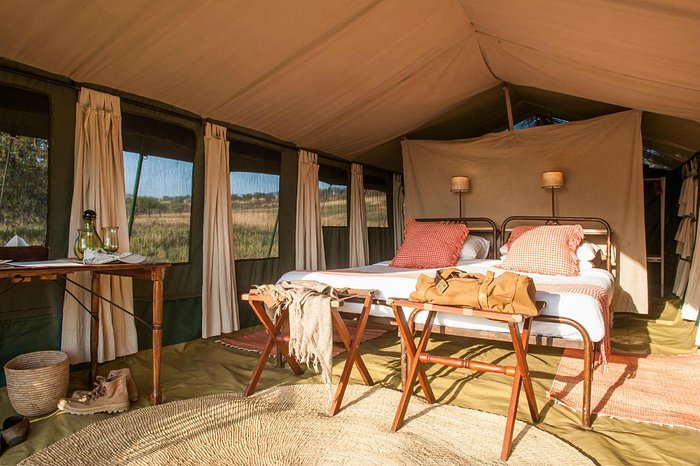
Best African Safari Tours & Vacation Packages /: Your Ultimate Tanzania
start an unforgettable African safari adventure in 2026/2027 with expertly curated tours and vacation packages in Tanzania's most iconic wildlife destinations. From the Serengeti to the...
View package details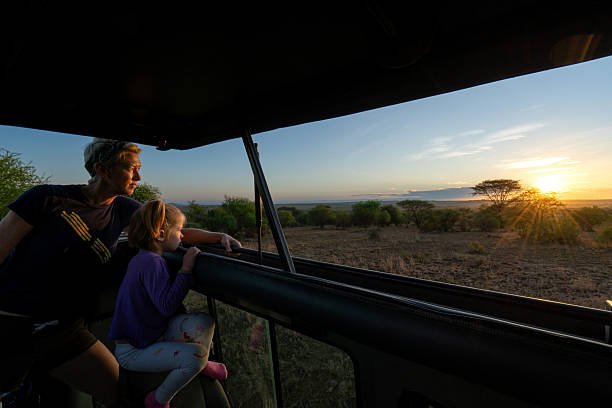
Private Tanzania Safari Packages: Your Ultimate Guide For 2026-2027
Discover the unparalleled freedom and personalized experience of a private Tanzania safari package. This comprehensive guide for 2026-2027 explores custom itineraries, key destinations like...
View package details
Serengeti Great Migration Safari Packages: Your Guide To Witnessing The Wonder
start an unforgettable journey with our comprehensive guide to Serengeti Great Migration safari packages for 2026-2027. Understand the best times to go, optimal viewing locations, and how...
View package detailsBest Places To See Wild Animals In Tanzania: Your Ultimate Safari Guide
Planning a safari to witness incredible wildlife? Tanzania offers some of the planet's most spectacular viewing opportunities. This guide explores the top destinations for seeing wild...
View package details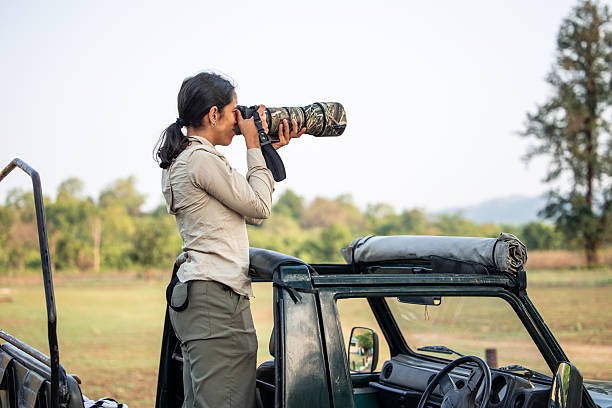
All-Inclusive African Safari Vacations Guide
start an all-inclusive African safari vacation in Tanzania, a premier destination for wildlife viewing in 2026-2027. This comprehensive guide covers everything from iconic parks like the...
View package detailsWhat Is The Best Month To Visit Serengeti? 2026-2027
What Is the Best Month to Visit Serengeti? is explained with current 2026-2027 planning, price, itinerary and booking information.
View package detailsNo related package matches those filters. Clear one or more filters to see the other topic-matched options.



