
Combining Hwange National Park in Zimbabwe with Tanzania’s Serengeti and Ngorongoro Crater offers an exceptionally diverse and rewarding safari experience, showcasing distinct ecosystems and a vast array of wildlife across Southern and East Africa. This multi-country adventure typically requires careful logistical planning, often involving flights between Zimbabwe and Tanzania, and can range from 10 to 20 days, depending on the depth of exploration desired in each location. It is best suited for travelers seeking to witness iconic African landscapes, from the elephant herds of Hwange to the Great Migration plains of the Serengeti and the unique caldera ecosystem of Ngorongoro, making it a premier choice for wildlife enthusiasts aiming for unparalleled game viewing in 2026-2027.
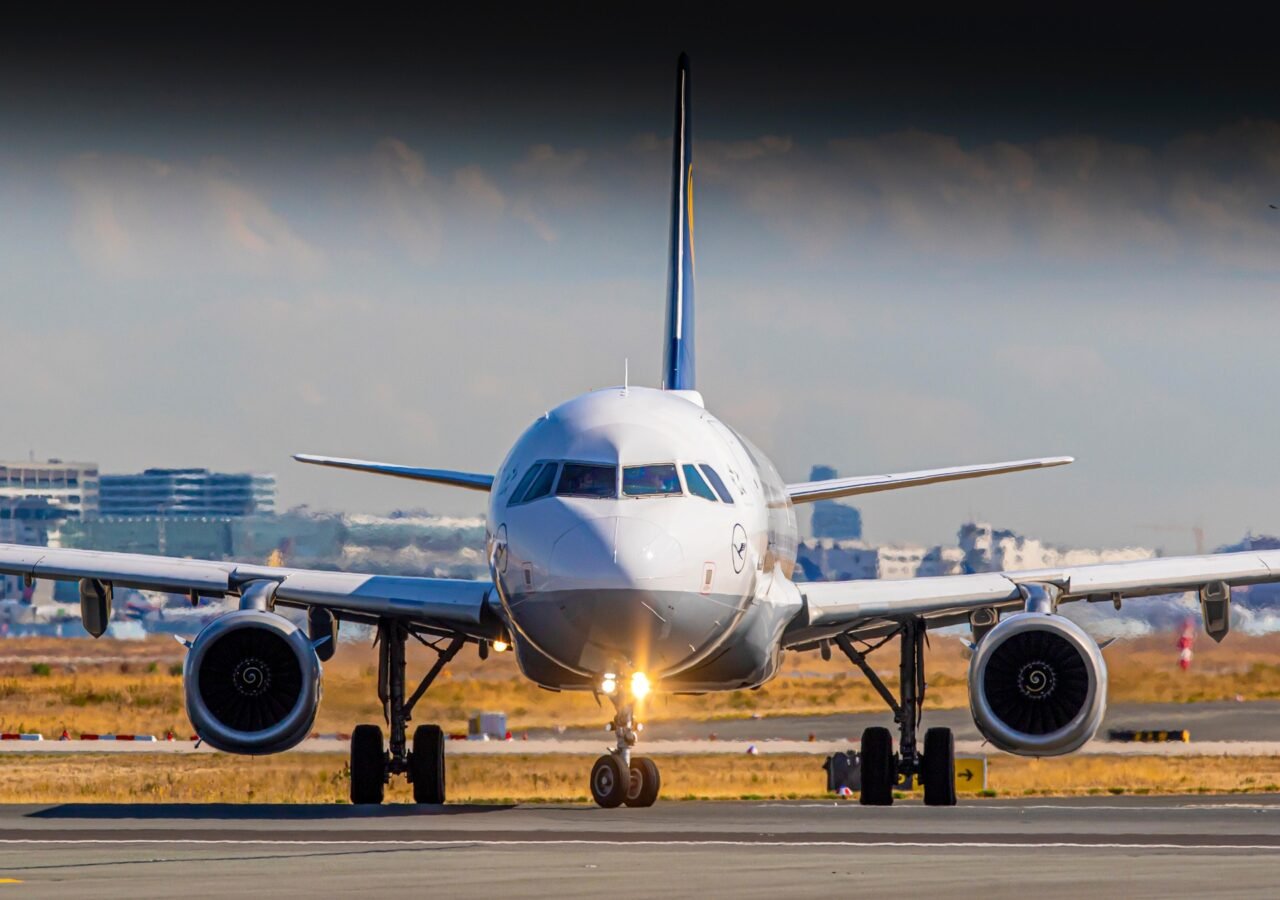
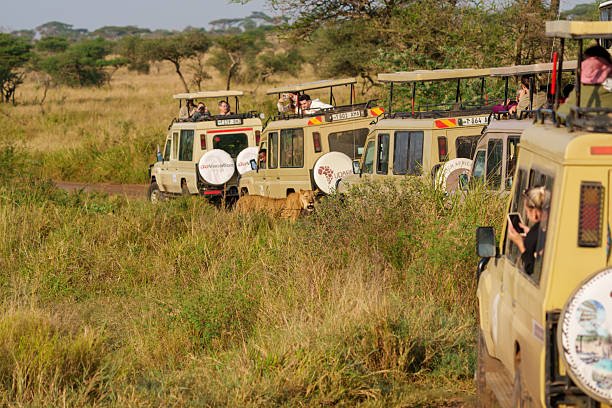
A Hwange Serengeti and Ngorongoro combined safari is not your typical itinerary; it’s an ambitious, deeply rewarding journey that bridges two of Africa’s most iconic wildlife regions. While most travelers focus on one country, this combination allows you to experience the unique charms and distinct ecosystems of both Southern and East Africa. It’s a safari for those who want to see more, experience more, and truly understand the continent’s incredible biodiversity.
This is a trip that demands thoughtful planning. You’re not just hopping between parks in the same country; you’re crossing borders, often involving significant travel days and different logistical considerations. But the payoff? Witnessing the sheer volume of elephants in Hwange, the endless plains teeming with life in the Serengeti, and the dense concentration of animals within the Ngorongoro Crater – it’s an unparalleled wildlife spectacle.
Navigating the Logistics: From Hwange to Serengeti and Ngorongoro
The primary challenge and defining characteristic of a Hwange Serengeti and Ngorongoro combined safari is the geography. Hwange National Park is in Zimbabwe, while the Serengeti and Ngorongoro Crater are in Tanzania. These are not neighboring countries accessible by a short drive. Connecting them requires air travel, which significantly impacts the itinerary structure, duration, and cost.
Connecting the Dots: Flight Routes and Travel Days
Your journey will almost certainly begin with a flight out of Zimbabwe, likely from Victoria Falls Airport (VFA) or Hwange’s nearest airstrip, to a major international hub that offers connections to Tanzania. Common routes involve flying from Victoria Falls to Johannesburg (South Africa), then connecting to Kilimanjaro International Airport (JRO) in Tanzania. Alternatively, some might fly via Nairobi (Kenya) before heading to JRO.
Key Considerations for Flights:
- Duration: Expect at least one full travel day, and potentially two, dedicated to transit between Zimbabwe and Tanzania. This isn’t a quick hop; it involves airport check-ins, layovers, and immigration procedures.
- Cost: International and regional flights will be a significant component of your overall safari budget. Booking these well in advance, especially for peak seasons in 2026 or 2027, is crucial for securing better fares and availability.
- Baggage Restrictions: Small bush planes often used for internal transfers within Tanzania (e.g., from Arusha to the Serengeti) have strict weight and size limits for luggage (typically 15-20kg, soft-sided bags only). Factor this into your packing strategy.
Choosing Your Entry and Exit Points
For a Hwange Serengeti and Ngorongoro combined safari, the most logical flow often involves starting in Zimbabwe and ending in Tanzania, or vice-versa. If you’re starting with Hwange:
- Entry: Fly into Victoria Falls (VFA) or Livingstone (LVI, Zambia, for easier access to Victoria Falls). Spend time exploring the falls and potentially Hwange National Park itself.
- Transit: Fly from VFA/LVI to Johannesburg (JNB), then to Kilimanjaro International Airport (JRO).
- Tanzania Exploration: From JRO, you’ll typically transfer to Arusha, the safari hub for Northern Tanzania. From Arusha, your Serengeti and Ngorongoro adventures begin, often via short flights to the Serengeti or overland transfers.
If you’re starting with Tanzania:
- Entry: Fly into Kilimanjaro International Airport (JRO). Begin your Serengeti and Ngorongoro safari.
- Transit: Fly from Arusha or Kilimanjaro (via JRO) to Johannesburg (JNB), then to Victoria Falls (VFA).
- Zimbabwe Exploration: Enjoy Victoria Falls and Hwange National Park.
- Exit: Depart from Victoria Falls (VFA) or Livingstone (LVI).
The choice often depends on flight availability, pricing, and your overall travel flow, particularly if this safari is part of a larger African journey in 2026 or 2027.
Hwange National Park: Zimbabwe’s Wildlife Jewel
Before even thinking about Tanzania, understanding what makes Hwange special is key to appreciating its place in a combined safari. Hwange is Zimbabwe’s largest national park, renowned for its vast elephant population, diverse birdlife, and excellent predator sightings, especially during the dry season.
The Elephant Capital
Hwange is often called the ‘Elephant Capital of Africa’. During the dry months (roughly July to October), the park’s waterholes become critical gathering points for enormous herds of elephants. Witnessing hundreds, sometimes thousands, of elephants congregating around these life-giving sources is an unforgettable sight. This concentration of elephants is a major draw for any Hwange Serengeti and Ngorongoro combined safari, offering a different scale of elephant viewing compared to Tanzania.
Predator Hotspots and Game Drives
Beyond elephants, Hwange boasts healthy populations of lions, leopards, cheetahs, and wild dogs. The park’s varied landscapes, from acacia woodlands to grasslands and teak forests, support a rich array of prey species. Game drives here are typically conducted in open 4×4 safari vehicles, offering excellent visibility. The park’s remote feel and less crowded nature compared to some Tanzanian parks provide a more intimate wildlife experience.
Best Time to Visit Hwange
The dry season (July to October) is generally considered the prime time for game viewing in Hwange, as animals congregate around waterholes. However, the green season (November to June) offers lush landscapes, excellent birdwatching, and fewer crowds, with excellent game viewing still possible, particularly around water sources.
Accommodation Options in Hwange
Accommodation ranges from rustic self-catering camps and lodges within the park to more luxurious tented camps and lodges on private concessions bordering the park. Options cater to various budgets, though the more exclusive lodges often offer a more personalized and guided safari experience.
Serengeti National Park: The Endless Plains
Transitioning to Tanzania, the Serengeti is a name synonymous with safari. Its vast, iconic plains are the stage for the Great Migration, one of the planet’s most spectacular natural events. A Hwange Serengeti and Ngorongoro combined safari places you at the heart of this wildlife wonderland.
The Great Migration: A Natural Phenomenon
The Serengeti is famous for the annual migration of over 1.5 million wildebeest, zebras, and gazelles. This movement is dictated by the rains and the availability of fresh grazing. While the exact timing can vary slightly year to year, the migration is a constant cycle:
- Calving Season (Jan-Mar): Southern Serengeti plains, where newborns arrive.
- Northward Movement (Apr-May): Wildebeest begin their journey north, often coinciding with the long rains.
- Western Corridor (Jun-Jul): Crossing the Grumeti River, a dramatic event with large crocodiles.
- Northern Serengeti (Jul-Oct): Crossing the Mara River, a truly iconic and perilous crossing.
- Southward Return (Nov-Dec): Following the rains back towards the southern plains.
Planning your Hwange Serengeti and Ngorongoro combined safari around the migration is key to witnessing this spectacle. For 2026-2027, it’s advisable to book well in advance if you wish to be in a specific region during peak migration periods.
Predator-Prey Dynamics
The sheer abundance of prey in the Serengeti makes it a paradise for predators. Lions, cheetahs, leopards, hyenas, and wild dogs are all present in significant numbers. The open plains offer excellent opportunities to spot predators in action, often alongside their prey. The Serengeti’s ecosystem is a finely tuned balance, and witnessing these interactions is a core part of the safari experience.
Serengeti’s Diverse Landscapes
While known for its plains, the Serengeti is geographically diverse. The central Seronera Valley is known for its resident wildlife year-round. The northern regions offer dramatic river crossings, while the southern plains are crucial for calving. Each area provides a slightly different safari experience.
Accommodation in the Serengeti
Accommodation options are plentiful, ranging from budget-friendly tented camps and lodges to ultra-luxury tented suites and lodges. Mobile tented camps are strategically moved to follow the migration, offering prime viewing locations. For a combined trip in 2026-2027, consider lodges that offer excellent access to the migration routes or resident wildlife areas.
Ngorongoro Conservation Area: The Caldera’s Abundance
Often visited in conjunction with the Serengeti, the Ngorongoro Crater offers a unique safari experience due to its self-contained ecosystem within a massive volcanic caldera. This makes it incredibly rewarding for spotting a high density of animals.
The Eighth Wonder of the World
The Ngorongoro Crater is a UNESCO World Heritage Site and home to an astonishingly high concentration of wildlife. Its floor, approximately 260 square kilometers, is a natural enclosure supporting an estimated 25,000 large animals. This density makes it a prime location for spotting the ‘Big Five’ (lion, leopard, elephant, rhino, buffalo) in a single day.
Rhino Sanctuary
Ngorongoro is one of the best places in Tanzania to see the critically endangered black rhino. The crater floor provides a protected habitat, and sightings, while not guaranteed, are more frequent here than in many other locations. This is a significant draw for visitors seeking to tick off all the Big Five on their Hwange Serengeti and Ngorongoro combined safari.
Unique Crater Ecosystem
The crater floor features a variety of habitats, including grasslands, swamps, forests, and a soda lake that attracts flamingos and other water birds. This diverse environment supports a wide range of animals, from lions and elephants that sometimes venture into the crater from the surrounding highlands, to hippos, hyenas, and numerous antelope species.
Crater Tour Logistics
Access to the crater floor is strictly controlled. Vehicles are typically limited to specific tracks, and visitor numbers are managed. Most crater tours involve descending into the caldera for a half-day or full-day game drive, often with a picnic lunch. Due to its popularity, booking your safari vehicle and guide in advance is essential, especially for 2026-2027 travel during peak seasons.
Accommodation Near Ngorongoro
Lodges are situated on the rim of the crater, offering spectacular views, or in the nearby Karatu highlands. Crater rim lodges provide the convenience of early access to the crater floor. Karatu offers a range of mid-range to luxury lodges, often set amidst coffee plantations or lush gardens.
Designing Your Hwange Serengeti and Ngorongoro Combined Safari Itinerary
Crafting the perfect itinerary for a Hwange Serengeti and Ngorongoro combined safari requires balancing the desire to see as much as possible with the realities of travel time and cost. Here are a few sample structures, keeping in mind that these are highly customizable.
Sample Itinerary 1: The Wildlife Enthusiast (Approx. 14-16 Days)
Day 1-3: Victoria Falls & Hwange National Park (Zimbabwe)
- Arrive at Victoria Falls (VFA). Transfer to your lodge.
- Experience the Victoria Falls. Optional activities: sunset cruise, helicopter tour.
- Full-day game drive into Hwange National Park from a lodge near the park entrance or a concession. Focus on elephant sightings and diverse wildlife.
Day 4: Travel Day to Tanzania
- Morning transfer from Hwange/Victoria Falls to VFA/LVI airport.
- Fly VFA/LVI to Johannesburg (JNB).
- Connect to Kilimanjaro International Airport (JRO), Tanzania. Overnight near Arusha.
Day 5-8: Serengeti National Park (Tanzania)
- Fly from Arusha to a Serengeti airstrip (e.g., Seronera).
- Check into your lodge/camp.
- Full days of game drives. Depending on the season, focus on migration routes or resident wildlife areas. Explore different sectors of the Serengeti.
Day 9-10: Ngorongoro Conservation Area (Tanzania)
- Morning game drive in the Serengeti.
- Fly from Serengeti airstrip back to Arusha or drive to Karatu/Ngorongoro rim lodge.
- Descend into the Ngorongoro Crater for a full-day game drive, focusing on spotting the Big Five and diverse crater wildlife.
Day 11: Departure
- Transfer from your lodge to Kilimanjaro International Airport (JRO) for your onward flight.
Sample Itinerary 2: Extended Exploration (Approx. 18-20 Days)
This itinerary allows for more in-depth exploration of each region.
Day 1-4: Victoria Falls & Hwange National Park (Zimbabwe)
- Arrive VFA. Explore falls.
- Two full days dedicated to game drives in Hwange, perhaps staying at different camps or exploring different zones. Focus on tracking predators and understanding Hwange’s unique ecology.
Day 5: Travel Day to Tanzania
- Transfer to VFA/LVI, fly to JNB, then connect to JRO. Overnight Arusha.
Day 6-10: Serengeti National Park (Tanzania)
- Fly to Serengeti. Spend more time in different regions of the Serengeti (e.g., Central Seronera, North for river crossings, South for calving). This allows for deeper immersion and better chances of witnessing specific migration events.
Day 11-13: Ngorongoro Conservation Area & Tarangire National Park (Tanzania)
- Transfer to Ngorongoro Crater rim or Karatu.
- Full day in Ngorongoro Crater.
- Add 1-2 days in nearby Tarangire National Park, famous for its baobab trees and large elephant herds, offering a different Tanzanian landscape.
Day 14-15: Arusha & Departure
- Transfer back to Arusha. Enjoy a final night or explore local markets.
- Transfer to JRO for departure.
What to Expect: Wildlife, Landscapes, and Experiences
A Hwange Serengeti and Ngorongoro combined safari promises a rich mix of experiences, each distinct and memorable.
Wildlife Diversity
You’ll encounter different species and densities of animals. Hwange’s strength lies in its massive elephant herds and the concentration of game around waterholes during the dry season. The Serengeti offers the drama of the Great Migration and exceptional predator-prey interactions across vast open spaces. Ngorongoro Crater provides a unique, compact ecosystem with an incredibly high density of animals, including the rare black rhino.
Landscape Contrasts
The landscapes are as varied as the wildlife. Hwange features acacia woodlands, teak forests, and open grasslands. The Serengeti is defined by its endless, rolling plains (the meaning of ‘Serengeti’ in the Maasai language) and acacia savannah. Ngorongoro is a dramatic, sunken caldera with a mix of grasslands, swamps, and forests.
Safari Styles
In Hwange, game drives are common, often with the possibility of walking safaris or night drives in private concessions. In Tanzania, game drives are the primary activity, often supplemented by scenic flights over the Serengeti or guided walks in areas like the Ngorongoro highlands.
Cultural Encounters
Depending on your itinerary, you might have opportunities for cultural visits. This could include interactions with the Maasai people in Tanzania or visits to local communities near Hwange. These encounters add another dimension to your safari experience.
Planning Your 2026-2027 Safari: Key Decisions
Booking a complex multi-country safari requires careful consideration, especially when planning for 2026 or 2027. Early planning is paramount.
When to Go
The best time for a Hwange Serengeti and Ngorongoro combined safari depends on your priorities:
- For the Great Migration in the Serengeti: July to October for river crossings in the north, or January to March for calving season in the south.
- For Hwange’s Elephant Herds: July to October (dry season).
- For Ngorongoro Crater: Year-round, but game viewing is exceptional due to the resident population.
- For Lower Prices and Fewer Crowds: The shoulder seasons (e.g., March-May, November) can offer good value, though wildlife viewing might be more challenging in some areas due to rains.
For 2026-2027, popular periods like July-October and December-February will book up quickly. Consider planning for the shoulder seasons if you prefer a more relaxed experience or if budget is a key factor.
Duration of Your Safari
As outlined in the sample itineraries, a minimum of 10-12 days is needed for a rushed version, but 14-20 days is recommended to truly appreciate each location without feeling overly rushed. Consider adding extra days in Hwange for walking safaris or exploring more remote areas, or in the Serengeti to track the migration more closely.
Accommodation Style and Budget
Your choice of accommodation will significantly influence the cost. Options range from:
- Budget: Basic campsites, self-catering lodges, and simpler tented camps.
- Mid-Range: Comfortable lodges and permanent tented camps with en-suite facilities.
- Luxury: High-end lodges and exclusive tented camps offering premium services, gourmet dining, and private concessions.
A Hwange Serengeti and Ngorongoro combined safari typically falls into the mid-range to luxury category due to the inter-country flights and lodge costs. Expect prices to range from approximately $500 – $1500+ per person per day, excluding international flights. This broad range accounts for accommodation, park fees, internal flights, meals, and activities.
Private vs. Group Safaris
Private Safaris: Offer maximum flexibility, customized itineraries, and dedicated vehicles and guides. This is ideal for families or groups wanting a personalized experience. It is generally more expensive per person but offers unparalleled control over your schedule.
Group Safaris (Shared Departures): These are often more budget-friendly, following set departure dates and itineraries. While less flexible, they provide opportunities to meet fellow travelers. For combined safaris, shared departures are less common due to the complex logistics, but some operators may offer them.
For a trip of this complexity, a private or tailor-made safari is often the most practical and rewarding approach for 2026-2027.
Visa and Health Requirements
Visas: You will need visas for both Zimbabwe and Tanzania. These can often be obtained online in advance or upon arrival, but it’s best to check the latest requirements for your nationality. Many nationalities can get a visa on arrival for Tanzania at JRO, and for Zimbabwe at VFA.
Health: Consult your doctor or a travel clinic well in advance regarding vaccinations (Yellow Fever is often mandatory if arriving from a country with risk, or transiting through it) and malaria prophylaxis. Hwange and the Serengeti/Ngorongoro areas are considered malaria-risk zones.
Booking Your Combined Safari
Organizing a Hwange Serengeti and Ngorongoro combined safari is best done through an experienced tour operator who specializes in multi-country African travel. They can handle the complex logistics, recommend the best lodges, and ensure a smooth transition between countries.
Why Choose Climb 4 Africa?
As a Tanzanian-based operator with extensive experience in East African safaris and a deep understanding of Kilimanjaro treks, Climb 4 Africa is perfectly positioned to help you craft this extraordinary journey. While our expertise is rooted in Tanzania, we partner with trusted operators in Zimbabwe to ensure smooth coordination for your combined safari. We understand the intricacies of inter-country travel, flight bookings, and selecting the right lodges to match your interests and budget for 2026-2027.
What to Discuss with Your Operator
When planning with Climb 4 Africa or any operator, be sure to discuss:
- Your exact travel dates for 2026 or 2027.
- Your preferred accommodation style (budget, mid-range, luxury).
- Your specific wildlife interests (e.g., Great Migration, Big Five, birding).
- Your desired pace and level of activity.
- Any specific experiences you wish to include (e.g., walking safaris, hot air ballooning).
- Your budget range.
The Booking Process
The process typically involves:
- Initial Consultation: Discussing your vision and requirements.
- Itinerary Design: Receiving a customized itinerary proposal.
- Quotation: Reviewing a detailed cost breakdown.
- Confirmation: Paying a deposit to secure lodges, internal flights, and guides.
- Pre-Trip Information: Receiving detailed packing lists, travel advice, and final itinerary.
Starting your planning for a Hwange Serengeti and Ngorongoro combined safari for 2026-2027 now is highly recommended. This allows ample time to secure the best lodges, flight options, and to tailor the itinerary precisely to your preferences. We are here to assist you every step of the way. Feel free to reach out via WhatsApp at +255 747 477 898 or email us at climb4africa@gmail.com to begin designing your ultimate African adventure.
Frequently Asked Questions about Hwange, Serengeti, and Ngorongoro Safaris
Here are some common questions travelers have when considering a combined safari of this magnitude.
Q1: Is it possible to combine Hwange, Serengeti, and Ngorongoro in one trip?
A1: Yes, it is absolutely possible and offers an incredible diversity of experiences. However, it requires careful logistical planning, primarily involving flights between Zimbabwe and Tanzania, and is best suited for travelers with at least 12-14 days available.
Q2: What is the best time of year for a Hwange Serengeti and Ngorongoro combined safari?
A2: The ‘best’ time depends on your priorities. For the Great Migration in the Serengeti, aim for July-October (river crossings) or January-March (calving). Hwange is excellent for elephants in the dry season (July-October). Ngorongoro Crater offers superb game viewing year-round. Combining these means you might experience different optimal seasons in each location, but generally, the dry season (July-October) provides excellent viewing across all three for 2026-2027.
Q3: How much does a Hwange Serengeti and Ngorongoro combined safari cost?
A3: This type of multi-country safari is generally in the mid-range to luxury category. Prices can range from approximately $500 to $1500+ per person per day, not including international flights. The cost is influenced by accommodation choices, duration, internal flights, park fees, and whether it’s a private or shared experience. Booking for 2026-2027 should factor in potential price increases.
Q4: What are the main differences between Hwange, Serengeti, and Ngorongoro?
A4: Hwange (Zimbabwe) is known for its massive elephant herds and diverse woodlands. The Serengeti (Tanzania) is famous for the Great Migration and vast savannahs. Ngorongoro Crater (Tanzania) is a unique volcanic caldera with exceptionally high wildlife densities, including black rhinos.
Q5: Do I need separate visas for Zimbabwe and Tanzania?
A5: Yes, you will typically need separate visas for Zimbabwe and Tanzania. Check the latest visa requirements for your nationality well in advance of your 2026-2027 travel dates. Many nationalities can obtain visas on arrival or apply online.
Q6: What kind of accommodation is available?
A6: All three locations offer a range of accommodation, from basic campsites and mid-range lodges to exclusive luxury tented camps and lodges. The choice significantly impacts the safari experience and cost.
Q7: Is a 10-day itinerary enough for Hwange, Serengeti, and Ngorongoro?
A7: A 10-day itinerary would be very fast-paced and involve significant travel time, likely only allowing 2-3 days in each primary location. A minimum of 14 days is recommended for a more comfortable and in-depth experience, with 16-20 days being ideal to fully appreciate the distinct offerings of each park.
Q8: How do I book internal flights between parks in Tanzania?
A8: Internal flights within Tanzania (e.g., Arusha to Serengeti, Serengeti to Arusha/Kilimanjaro) are typically booked by your tour operator as part of your safari package. These are usually on small charter or scheduled bush planes, with strict luggage limits.
Q9: Can I see the Big Five in all three parks?
A9: While all three parks offer excellent chances of seeing the Big Five, Ngorongoro Crater is often considered one of the best places for a guaranteed sighting due to the high concentration of animals and the presence of black rhinos. Hwange and Serengeti also offer excellent Big Five viewing opportunities, though sightings can be more dependent on luck and time spent on game drives.
Q10: What are the practical considerations for a combined safari in 2026-2027?
A10: Key considerations include booking well in advance (especially for peak seasons in 2026-2027), understanding flight schedules and baggage restrictions, managing different currencies, and preparing for varied climates and potential health requirements. Working with an experienced operator like Climb 4 Africa is crucial for navigating these complexities.
Check Availability for Hwange, Serengeti, And Ngorongoro Combined Safari: The Ultimate East &
Ready to compare dates, prices, and the best option for your group? Send the package name and travel month so the team can reply with a clear quote, availability, and what is included.
3-Day Serengeti And Ngorongoro Safari: Your Ultimate Tanzania Wildlife
start a concise yet unforgettable 3-day Serengeti and Ngorongoro safari, designed to maximize wildlife encounters in Tanzania's most celebrated parks. This compact adventure offers a taste...
View package details
7-Day Tanzania Safari: Serengeti, Ngorongoro, And Tarangire In 2026-2027
A comprehensive guide to a 7-day Tanzania safari adventure, focusing on the iconic Serengeti National Park, the Ngorongoro Crater, and Tarangire National Park. Learn about optimal...
View package details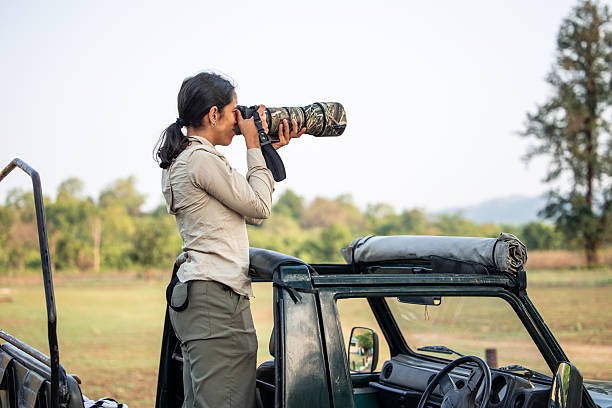
All-Inclusive African Safari Vacations Guide
start an all-inclusive African safari vacation in Tanzania, a premier destination for wildlife viewing in 2026-2027. This comprehensive guide covers everything from iconic parks like the...
View package details
Tanzania Safari Tours & Packages /: Your Ultimate Wildlife Adventure 2026-2027
Discover the magic of Tanzania with expertly crafted safari tours and packages for 2026 and 2027. From the vast plains of the Serengeti to the depths of the Ngorongoro Crater, find your...
View package details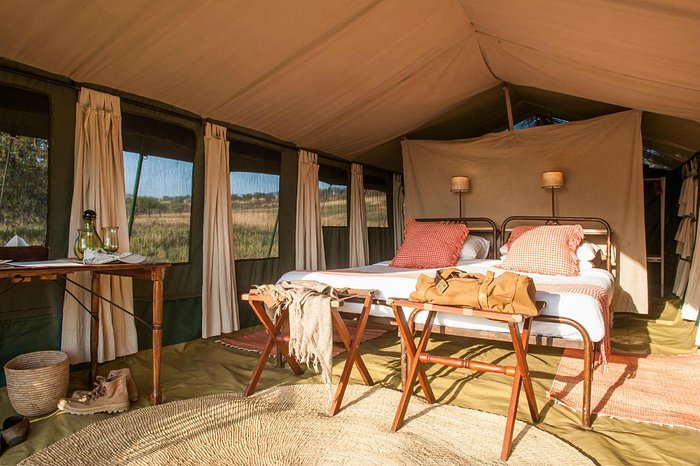
Best African Safari Tours & Vacation Packages /: Your Ultimate Tanzania
start an unforgettable African safari adventure in 2026/2027 with expertly curated tours and vacation packages in Tanzania's most iconic wildlife destinations. From the Serengeti to the...
View package details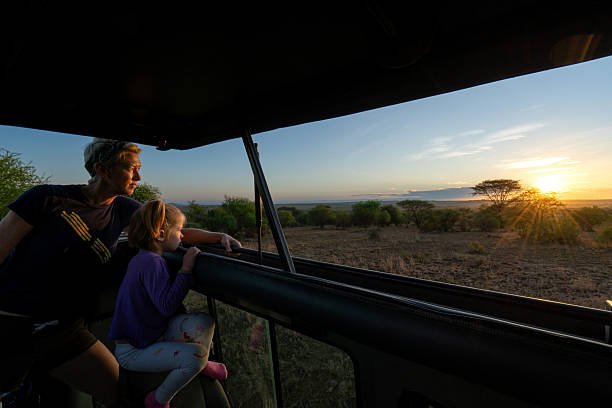
Private Tanzania Safari Packages: Your Ultimate Guide For 2026-2027
Discover the unparalleled freedom and personalized experience of a private Tanzania safari package. This comprehensive guide for 2026-2027 explores custom itineraries, key destinations like...
View package details
Serengeti Safari Tours: Prices, Packages & Best Time To Visit In 2026-2027
Discover everything you need to know for planning your Serengeti safari tour, from understanding pricing and package variations to identifying the ideal travel times in 2026-2027. This...
View package details
Serengeti Safari And Zanzibar Beach Holiday: The Ultimate Tanzania
Combine the thrill of a Serengeti safari with the relaxation of a Zanzibar beach holiday. This guide covers everything you need to know for an unforgettable Tanzania adventure in 2026-2027...
View package details
Zanzibar To Serengeti Safari Packages 2026-2027
Zanzibar to Serengeti Safari Packages is explained with current 2026-2027 planning, price, itinerary and booking information.
View package details
Serengeti Great Migration Safari Packages: Your Guide To Witnessing The Wonder
start an unforgettable journey with our comprehensive guide to Serengeti Great Migration safari packages for 2026-2027. Understand the best times to go, optimal viewing locations, and how...
View package detailsBest Places To See Wild Animals In Tanzania: Your Ultimate Safari Guide
Planning a safari to witness incredible wildlife? Tanzania offers some of the planet's most spectacular viewing opportunities. This guide explores the top destinations for seeing wild...
View package detailsWhat Is The Best Month To Visit Serengeti? 2026-2027
What Is the Best Month to Visit Serengeti? is explained with current 2026-2027 planning, price, itinerary and booking information.
View package detailsNo related package matches those filters. Clear one or more filters to see the other topic-matched options.



