Planning a safari in Tanzania before AFCON 2027, especially in 2026 or 2027, offers a spectacular opportunity to experience Africa’s iconic wildlife and landscapes during a less crowded period leading up to the tournament. The best approach involves selecting prime safari circuits like the Northern Circuit (Serengeti, Ngorongoro, Tarangire) or exploring southern parks such as Selous (Nyerere National Park) and Ruaha, considering the specific migration patterns and weather conditions for 2026-2027 to maximize wildlife viewing. Early booking for 2026-2027 is advisable to secure preferred accommodations and safari styles, particularly for those aiming to travel just before the AFCON period.
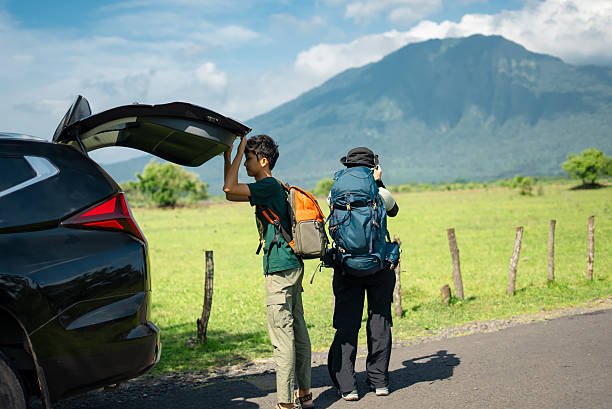

Why Consider a Safari Before AFCON 2027?
The Africa Cup of Nations (AFCON) is a major continental sporting event, and its hosting in Tanzania in 2027 will undoubtedly bring increased attention and visitor numbers to the country. For discerning travelers who wish to experience Tanzania’s unparalleled wildlife and natural beauty without the peak crowds that might coincide with the tournament itself, planning a safari in 2026 or early 2027 presents a strategic advantage. This timing allows for a more intimate and potentially more rewarding wildlife viewing experience, often at more favourable prices, before the global spotlight intensifies around AFCON.
A pre-AFCON safari is not just about avoiding crowds; it’s about immersing yourself in the raw, untamed heart of Africa when the timing is just right. Tanzania is world-renowned for its diverse ecosystems, from the endless plains of the Serengeti teeming with the Great Migration to the unique caldera of the Ngorongoro Crater, a UNESCO World Heritage Site, and the vast elephant herds of Tarangire. By visiting in 2026 or the months leading up to AFCON 2027, you can often witness these natural spectacles with a greater sense of tranquility and exclusivity. Furthermore, booking in advance for these years gives you more flexibility in choosing specific lodges, vehicles, and even personalizing your itinerary to match your interests, whether they lie in photography, birdwatching, or simply observing the majestic African wildlife in its natural habitat.
This period also offers excellent weather for safaris in many of Tanzania’s prime locations. The shoulder seasons, often falling within 2026 and early 2027, can provide a sweet spot with fewer rains, abundant wildlife, and a comfortable climate for game drives and other safari activities. It’s a chance to connect with nature on a profound level, witness iconic species like lions, elephants, leopards, rhinos, and buffalos, and create memories that last a lifetime, all while positioning yourself perfectly for the wider events of 2027.
Optimal Timing: When to Go in 2026-2027
Deciding on the best time for your safari in Tanzania, particularly with the AFCON 2027 timeframe in mind, is crucial for maximizing wildlife sightings and ensuring a comfortable journey. Tanzania experiences distinct seasons, each offering unique advantages for safari-goers. For travelers aiming to visit before AFCON 2027, the period of late 2026 through early 2027 is particularly compelling.
The Dry Seasons (June to October, and January to February):
- June to October: This is Tanzania’s main dry season and arguably the most popular time for safaris. The weather is generally clear, sunny, and cooler, with minimal rainfall. This is when the Great Migration is typically found in the western and northern Serengeti, crossing the Grumeti and Mara Rivers – a truly dramatic spectacle. Wildlife congregates around permanent water sources, making game viewing more predictable. The lush vegetation thins out, improving visibility across the plains. This period is excellent for 2026 safaris and extends into early 2027.
- January to February: This is the short dry season, often referred to as the calving season in the southern Serengeti. While it’s a drier period, short-lived rains can occur. The Serengeti plains become a nursery for wildebeest and zebra, with thousands of newborns. It’s a fantastic time for predator sightings as they capitalize on the vulnerable young. This period is ideal for those planning a safari in early 2027 before the AFCON rush.
The Green Seasons (November to December, and March to May):
- November to December: This is the short rainy season (Vuli). Rains are typically brief and localized, often occurring in the afternoons, leaving mornings clear and suitable for game drives. The landscape becomes greener, and birdlife is abundant as migratory birds arrive. It’s a less crowded and often more affordable time to travel in late 2026.
- March to May: This is the long rainy season (Masika). While rain is more consistent, it doesn’t usually pour all day. The landscape is incredibly lush and vibrant, and it’s an excellent time for birdwatching. Many predators are active, and there are fewer tourists, making it a very budget-friendly option for a 2026 safari. However, some roads in the parks can become challenging to navigate.
Recommendation for Pre-AFCON 2027 Safaris:
For a safari in 2026 or early 2027, aiming for the June to October dry season or the January-February calving season generally offers the most reliable wildlife viewing and pleasant weather. If you are looking for a more budget-friendly experience with fewer crowds and don’t mind occasional showers, the shoulder months of November or March-April in 2026 can also be excellent choices. The key is to book well in advance, especially if you’re targeting peak wildlife events like the Great Migration river crossings, which are most reliable in July-September.
Must-Visit Safari Destinations in Tanzania
Tanzania is home to some of Africa’s most iconic and diverse wildlife destinations. When planning your safari before AFCON 2027, understanding the unique offerings of each park will help tailor your experience.
Serengeti National Park
The Serengeti is the crown jewel of Tanzanian safaris. Its name, derived from the Maasai word ‘Siringet’ meaning ‘endless plains,’ perfectly describes its vast, sweeping landscapes. It is most famous for the Great Migration, an annual phenomenon where over 1.5 million wildebeest, zebras, and gazelles traverse the park in search of fresh grazing land. This spectacle is a powerful draw for visitors planning a safari in 2026 or 2027.
- Wildlife: Apart from the migration, the Serengeti boasts a high concentration of predators, including lions, leopards, cheetahs, hyenas, and wild dogs. It is also home to elephants, giraffes, buffaloes, hippos, and a rich diversity of birdlife.
- Best Time to Visit: For river crossings, July to October. For the calving season, January to February. For general game viewing, year-round, but the dry season (June-October) is often preferred.
- Experience: Offers classic open-vehicle game drives, hot air balloon safaris at sunrise, and walking safaris (in specific areas).
Ngorongoro Conservation Area
Often referred to as the ‘Eighth Wonder of the World,’ the Ngorongoro Crater is a UNESCO World Heritage Site and a caldera of a massive extinct volcano. It offers a unique, self-contained ecosystem with an astonishing density of wildlife.
- Wildlife: Home to the ‘Big Five’ (lion, leopard, elephant, rhino, buffalo) in a relatively small area. It is one of the best places in Tanzania to spot the endangered black rhinoceros. The crater floor also supports large populations of wildebeest, zebras, gazelles, hippos, and numerous bird species.
- Best Time to Visit: Year-round. The wildlife is resident, so sightings are consistent. However, the landscape is most beautiful during the green season (November-May) when it is lush.
- Experience: Primarily game drives on the crater floor. Limited human habitation within the conservation area allows for Maasai cultural visits.
Tarangire National Park
Known for its large elephant herds and iconic baobab trees, Tarangire is a vital dry-season refuge for wildlife from surrounding ecosystems.
- Wildlife: Famous for its massive elephant populations, particularly during the dry season (June-October). It also hosts diverse birdlife, large herds of wildebeest and zebra, lions, leopards, and cheetahs.
- Best Time to Visit: June to October for the best elephant sightings and dry conditions.
- Experience: Offers classic game drives. Walking safaris are also available in certain areas outside the main park boundaries, providing a more intimate connection with the bush.
Lake Manyara National Park
Though small, Lake Manyara is celebrated for its diverse habitats, including groundwater forests, acacia woodlands, and the lake itself, supporting a rich variety of wildlife.
- Wildlife: Famous for its tree-climbing lions, large troops of baboons, and an abundance of elephants. The park is also a birdwatcher’s paradise, with over 400 species recorded, attracted by the lake’s rich ecosystem.
- Best Time to Visit: Year-round, but game viewing is often best during the dry season (July-October) when animals congregate near the lake.
- Experience: Offers game drives, canoeing on the lake (seasonal), and walking safaris. It’s often visited as a day trip or a one-night stop on a Northern Circuit itinerary for 2026 or 2027 safaris.
Ruaha National Park
As Tanzania’s largest national park, Ruaha offers a wilder, more remote safari experience. It’s known for its dramatic landscapes and large populations of predators.
- Wildlife: Ruaha is renowned for having one of the highest concentrations of elephants in East Africa. It’s also a stronghold for wild dogs and cheetahs, and boasts a significant lion population. You’ll find buffalo, giraffe, various antelope species, and abundant birdlife.
- Best Time to Visit: The dry season (June to October) is ideal for game viewing as wildlife concentrates around waterholes. The green season (January to February) is also good, with lush scenery and excellent birding.
- Experience: Primarily game drives and walking safaris, offering a true sense of wilderness. Its remoteness makes it less crowded than the Northern Circuit parks.
Nyerere National Park (formerly Selous)
Nyerere National Park, formerly part of the vast Selous Game Reserve, is one of Africa’s largest game reserves and a UNESCO World Heritage Site. It offers a unique blend of safari experiences.
- Wildlife: Known for its large elephant and buffalo herds, hippos, crocodiles, and wild dogs. It’s also a sanctuary for endangered species like rhinos and cheetahs. The Rufiji River system is a highlight, supporting abundant birdlife and large populations of hippos and crocodiles.
- Best Time to Visit: The dry season (June to October) offers the best game viewing as animals gather at water sources.
- Experience: Offers a variety of activities including game drives, walking safaris, and boat safaris along the Rufiji River, providing a different perspective on wildlife and the landscape. This park is perfect for those seeking a less-visited, more adventurous safari in 2026 or 2027.
Tailored Safari Itinerary Ideas for 2026-2027
Crafting the perfect safari itinerary is key to a memorable experience. Here are a few ideas tailored for a pre-AFCON 2027 trip, considering different durations and interests. These are starting points, and can be fully customized with Climb 4 Africa.
Classic Northern Circuit Experience (7-10 Days)
This is Tanzania’s most popular safari circuit, offering a condensed yet comprehensive wildlife experience. It’s ideal for those with limited time or first-time visitors planning their safari in 2026 or early 2027.
- Day 1-2: Arusha/Tarangire National Park. Arrive in Arusha, transfer to your lodge. Day 2: Full day game drive in Tarangire, known for its large elephant herds and baobab trees.
- Day 3: Lake Manyara National Park. Morning drive to Lake Manyara, famous for its tree-climbing lions and diverse birdlife. Afternoon game drive.
- Day 4-6: Serengeti National Park. Drive into the Serengeti, with a stop at the Olduvai Gorge. Spend 2-3 days exploring different regions of the Serengeti, depending on migration patterns and wildlife interests. Options include central Serengeti (Seronera) for resident wildlife or western/northern Serengeti for migration viewing in late 2026 or mid-2027.
- Day 7: Ngorongoro Crater. Descend into the Ngorongoro Crater for a half-day game drive. In the afternoon, ascend and drive back towards Arusha.
- Day 8-10 (Optional Extension): Add an extra day in the Serengeti, a visit to the Maasai Mara (if extending into Kenya), or relax in Arusha before departure.
This itinerary is best suited for: Families, couples, and individuals seeking iconic wildlife and diverse landscapes in a relatively short period. It’s a solid choice for a 2026 safari.
Southern Circuit Adventure (7-12 Days)
For those seeking a more remote and less crowded experience, the Southern Circuit offers vast wilderness, abundant wildlife, and unique activities. This is a great option for a 2026 or 2027 safari away from the typical tourist routes.
- Day 1-2: Arusha/Nyerere National Park. Fly into Dar es Salaam and transfer to Nyerere National Park (formerly Selous). Spend two days exploring via game drives and boat safaris on the Rufiji River.
- Day 3-5: Ruaha National Park. Fly or drive to Ruaha, Tanzania’s largest park. Enjoy three days of game drives and walking safaris, focusing on the park’s large elephant and predator populations.
- Day 6-7: Fly back to Dar es Salaam/Zanzibar. Depart from Ruaha, potentially flying back to Dar es Salaam for your international flight or connecting to Zanzibar for a beach extension.
- Day 8-12 (Optional Extension): Extend time in either Nyerere or Ruaha, or add a beach holiday on Zanzibar.
This itinerary is best suited for: Adventurous travelers, photographers, and those seeking solitude and a deeper connection with wild Africa. It offers a different perspective compared to the Northern Circuit, especially for a late 2026 or early 2027 safari.
Combination Safari: Northern & Southern (12-18 Days)
For the ultimate Tanzanian safari experience, combine the classic Northern Circuit with the wilder Southern Circuit. This allows for an in-depth exploration of the country’s diverse ecosystems and wildlife viewing opportunities, ideal for a comprehensive 2026 or 2027 safari.
- Day 1-2: Arusha/Tarangire National Park. Arrive in Arusha, relax, then head to Tarangire for elephant encounters.
- Day 3: Lake Manyara National Park. Game drive in Lake Manyara.
- Day 4-7: Serengeti National Park. Explore the vast Serengeti, focusing on migration routes or predator hotspots, depending on the season in 2026/2027.
- Day 8: Ngorongoro Crater. Game drive in the Ngorongoro Crater.
- Day 9: Fly to Southern Tanzania. Fly from Arusha to either Ruaha or Nyerere National Park.
- Day 10-12: Ruaha National Park. Experience the remote wilderness of Ruaha, known for its large predators and elephant herds.
- Day 13-15: Nyerere National Park. Enjoy boat safaris and game drives in the vast Nyerere ecosystem.
- Day 16-18: Departure. Fly from Southern Tanzania back to Dar es Salaam for your international departure or onward travel.
This itinerary is best suited for: Travelers who want to see as much of Tanzania’s diverse wildlife and landscapes as possible, offering a deep look at both the popular and the less-explored regions. This is a substantial undertaking, perfect for a 2026 or 2027 trip.
Choosing Your Safari Style and Accommodation
Your safari experience is significantly shaped by the style of travel and accommodation you choose. In Tanzania, there’s a spectrum of options to suit various preferences and budgets for your 2026-2027 adventure.
Private vs. Shared Safaris
- Private Safaris: These safaris offer the ultimate flexibility and exclusivity. You have your own dedicated safari vehicle and guide, allowing you to set your own pace, decide where and when to stop, and focus on your specific interests. This is ideal for families, groups of friends, or individuals who value privacy and personalized attention. A private safari in 2026 or 2027 can be fully customized to your desires.
- Shared Safaris (Group Departures): These are typically more budget-friendly as costs are shared among travelers. You join a small group in a safari vehicle with a guide. While less flexible than private tours, they offer a great opportunity to meet like-minded travelers. Climb 4 Africa offers group departure dates for safaris, providing a structured and cost-effective way to explore Tanzania in 2026-2027. For shared departures, check out our Tanzania Safari Group Departures.
Trade-off: Private safaris offer unparalleled freedom but come at a higher cost. Shared safaris are more economical but involve less flexibility and sharing the vehicle with others.
Accommodation Options: From Budget to Luxury
Tanzania offers a wide range of lodging options, catering to every budget and comfort level for your pre-AFCON 2027 safari.
- Budget Camps/Lodges: Basic but comfortable, often featuring en-suite facilities. These are ideal for travelers prioritizing time in the parks over luxurious amenities. They provide a clean and safe place to rest after a day of game drives.
- Mid-Range Lodges/Tented Camps: These offer a step up in comfort and amenities, often with more spacious rooms, better dining options, and perhaps a swimming pool. Many mid-range tented camps provide a classic safari feel with canvas tents on permanent platforms, offering a good balance of comfort and immersion in nature.
- Luxury Lodges/Camps: For those seeking ultimate comfort and service, luxury options provide high-end amenities, gourmet dining, private plunge pools, and exceptional service. These often offer prime locations within or near national parks, with stunning views and exclusive experiences.
- Mobile Tented Camps: For those following the Great Migration, mobile camps are set up in strategic locations within the Serengeti, offering a unique opportunity to be close to the action. These are often set up seasonally and provide a more rustic yet comfortable experience.
Consideration for 2026-2027: Popular luxury lodges and tented camps get booked up far in advance, especially for peak seasons. Early booking for your 2026 or 2027 safari is essential to secure your preferred accommodation.
Walking and Night Safaris
While traditional game drives are the mainstay of Tanzanian safaris, some areas offer unique experiences that allow for a deeper connection with the environment.
- Walking Safaris: Available in specific areas outside of the main national parks (e.g., in concessions bordering Serengeti, or in areas like Tarangire and Ruaha). These guided walks offer a chance to appreciate the smaller details of the bush – the flora, insects, and tracks – and to experience the wilderness on foot. They are typically led by armed rangers and experienced guides.
- Night Safaris: Offered in some private concessions and areas outside national parks (e.g., in areas around Tarangire or the Ngorongoro Conservation Area fringe). These excursions, conducted after sunset with spotlights, can reveal nocturnal animals like genets, civets, bush babies, and sometimes predators like leopards or lions on the move.
Note: Night and walking safaris are generally not permitted within the core areas of national parks like Serengeti and Ngorongoro Crater due to regulations. Availability and specific locations for these activities should be confirmed when planning your 2026-2027 safari.
Essential Planning: Logistics for Your 2026-2027 Safari
A well-planned safari ensures a smooth and enjoyable journey. Here are the key logistical considerations for your Tanzanian adventure before AFCON 2027.
Visa and Health Requirements
- Visas: Most nationalities require a visa to enter Tanzania. This can often be obtained online through the Tanzanian immigration website or upon arrival at major airports (e.g., Kilimanjaro International Airport – JRO, Julius Nyerere International Airport – DAR). Check the latest requirements for your nationality well in advance of your 2026-2027 trip.
- Health: Consult your doctor or a travel clinic at least 4-6 weeks before your departure for advice on vaccinations and malaria prophylaxis. Yellow fever vaccination is often mandatory if arriving from or transiting through a country with a risk of yellow fever. Malaria precautions are recommended for most safari areas.
- Travel Insurance: Comprehensive travel insurance is highly recommended. It should cover medical emergencies, evacuation, trip cancellation, and lost or stolen belongings.
Packing Essentials for a Tanzanian Safari
Packing light and smart is key for safaris. Layering is important due to varying temperatures throughout the day.
- Clothing: Neutral-colored clothing (khaki, green, brown) is best to blend in with the environment and avoid startling wildlife. Avoid bright colors and dark blue/black. Pack light, breathable fabrics. Include long-sleeved shirts and trousers for sun protection and evenings.
- Footwear: Comfortable walking shoes or hiking boots (if planning walking safaris), and sandals or flip-flops for relaxing at the lodge.
- Sun Protection: High SPF sunscreen, a wide-brimmed hat, and sunglasses are essential.
- Insect Repellent: Effective repellent containing DEET is crucial, especially for evenings.
- Camera Gear: Binoculars are a must for wildlife viewing. Bring a good camera with a zoom lens, extra batteries, and memory cards. Consider a dust-proof bag for your equipment.
- First-Aid Kit: A personal kit with essentials like pain relievers, antiseptic wipes, bandages, and any personal medications.
- Other Essentials: Headlamp or flashlight, reusable water bottle, power adapter, and a small backpack for day trips.
Transportation Within Tanzania
Getting around Tanzania for a safari typically involves a combination of methods.
- Safari Vehicles: Most safaris utilize sturdy 4×4 Land Cruisers or Land Rovers, equipped with pop-up roofs for optimal game viewing and photography. These are essential for navigating park roads, which can be rough, especially during the rainy seasons.
- Light Aircraft (Bush Planes): For longer distances or to access more remote parks like Ruaha or Nyerere, bush flights are a convenient and time-saving option. They connect major hubs like Arusha and Kilimanjaro International Airport (JRO) to airstrips within the parks. This is a fantastic way to maximize your time on safari in 2026-2027.
- Internal Flights: Larger towns and cities are connected by domestic airlines, useful for reaching departure points or for combining safari with beach holidays in Zanzibar.
The Importance of Local Guides
Local guides are the backbone of any successful Tanzanian safari. They possess invaluable knowledge and skills that enhance the entire experience.
- Wildlife Expertise: Guides are trained to spot wildlife that might otherwise be missed, understand animal behavior, and interpret tracks and signs.
- Cultural Insights: They offer a window into local culture, traditions, and the Maasai way of life, enriching your understanding of the region.
- Safety: They are trained in safety protocols for wildlife encounters and navigating the wilderness.
- Logistics: They manage the day-to-day logistics, ensuring smooth transitions between activities and accommodations.
- Vehicle Maintenance: In remote areas, guides often have basic mechanical skills to keep vehicles running.
Choosing a reputable tour operator like Climb 4 Africa ensures you are paired with experienced, knowledgeable, and passionate local guides who are integral to making your safari before AFCON 2027 truly unforgettable.
Budgeting for Your Tanzania Safari Before AFCON 2027
Safari costs in Tanzania can vary significantly based on several factors. Understanding these elements is key to budgeting effectively for your trip in 2026 or 2027.
Key Cost Components:
- Park Fees: These are statutory fees charged per person per day for entry into national parks and conservation areas. They are a significant portion of the overall cost and are non-negotiable. For instance, Serengeti and Ngorongoro have some of the highest park fees in Tanzania.
- Accommodation: Lodges and tented camps range from budget-friendly to ultra-luxury, with prices varying accordingly. High-end lodges can cost upwards of $700-$1000+ per person per night, while more basic options might be $100-$250.
- Vehicle and Guide: The cost of a private safari vehicle and guide is typically calculated per day. This includes fuel, the guide’s salary, and vehicle maintenance. Shared safaris spread this cost.
- Itinerary Length and Complexity: Longer safaris or those involving multiple parks, domestic flights, or remote destinations will naturally incur higher costs.
- Time of Year: While prices are generally stable, peak seasons might see slight increases, and booking during shoulder or low seasons (like parts of 2026) can offer cost savings.
- Inclusions: What is included in your safari package? Typically, this includes accommodation, meals, park fees, vehicle and guide, and specified activities. International flights, visas, tips, personal expenses, and optional activities (like balloon safaris) are usually extra.
Estimated Budget Ranges (per person, per day, excluding international flights):
- Budget: $250 – $400 (Basic accommodation, shared vehicles, simpler itineraries).
- Mid-Range: $400 – $700 (Comfortable lodges/tented camps, private vehicles, well-rounded itineraries).
- Luxury: $700 – $1200+ (High-end lodges, exclusive services, personalized experiences).
Note: These are indicative ranges for 2026-2027 and can fluctuate. It’s always best to get a detailed quote based on your specific requirements.
A safari in Tanzania before AFCON 2027 offers excellent value, especially if planned for 2026 or early 2027, as you can leverage favorable weather and potentially avoid the increased demand closer to the tournament dates.
Booking Your Safari with Climb 4 Africa
When planning a significant trip like a safari before AFCON 2027, partnering with an experienced and reliable local operator is paramount. Climb 4 Africa specializes in crafting unforgettable Tanzanian adventures, offering personalized service and deep local knowledge.
Why Choose Climb 4 Africa for Your 2026-2027 Safari:
- Local Expertise: As a Tanzania-based company, we have firsthand knowledge of the parks, wildlife, accommodations, and the best times to visit. This ensures authentic and well-managed safari experiences.
- Customization: We excel at creating tailor-made itineraries. Whether you envision a classic Northern Circuit adventure, a remote Southern Circuit exploration, or a combination, we design trips to match your interests, budget, and travel style for 2026 or 2027.
- Quality Guides: Our guides are passionate, experienced, and highly knowledgeable about the flora, fauna, and culture of Tanzania. They are key to making your safari safe and enriching.
- Value for Money: We work to provide competitive pricing without compromising on quality. Our aim is to offer the best possible safari experience for your budget, whether you’re looking for shared departures or a private tour.
- Support: From your initial inquiry through to your departure, our team provides dedicated support. We handle all the logistics, allowing you to focus on the excitement of your upcoming safari.
Next Steps for Booking:
To start planning your safari before AFCON 2027, we recommend reaching out to us with your preferred travel dates for 2026 or 2027, the number of travelers, your approximate budget, and any specific interests you have (e.g., Great Migration, birdwatching, photography). We can then begin crafting a personalized itinerary for you.
You can contact us directly via:
- WhatsApp: +255 747 477 898
- Email: climb4africa@gmail.com
Let us help you create an unforgettable Tanzanian safari adventure in 2026 or 2027, perfectly timed before the excitement of AFCON 2027.
FAQs: Safari Before AFCON 2027
Here are some frequently asked questions to help you finalize your safari plans before AFCON 2027.
Q1: Is it better to go on safari in Tanzania in 2026 or 2027 before AFCON?
Both 2026 and early 2027 are excellent times for a safari before AFCON 2027. 2026 offers more flexibility in terms of booking availability and potentially better pricing, especially during shoulder seasons. Early 2027 allows you to experience the peak of certain wildlife events (like the calving season in Serengeti) and still be well ahead of the main AFCON-related influx. The choice depends on your specific wildlife interests and desired atmosphere.
Q2: What are the main advantages of visiting Tanzania for a safari before AFCON 2027?
The primary advantages include avoiding potential crowds and higher prices that might coincide with the tournament, enjoying a more serene wildlife experience, and securing better availability for preferred accommodations and safari vehicles. Planning for 2026 or early 2027 allows for a more relaxed and potentially cost-effective trip.
Q3: How far in advance should I book my safari for 2026 or 2027?
For popular times, especially during the dry season (June-October) or for specific accommodations, booking 6-12 months in advance is highly recommended for 2026 and 2027 safaris. For more specific dates or peak wildlife events, even earlier booking might be necessary.
Q4: Can I combine a safari with a beach holiday in Zanzibar before AFCON 2027?
Absolutely. Combining a safari with a relaxing beach holiday on Zanzibar is a very popular option. Most itineraries can easily incorporate a few days on the island after your safari. This can be arranged for your 2026 or 2027 trip.
Q5: What is the expected weather like during the safari period in 2026-2027?
The weather varies by season. The dry seasons (June-Oct, Jan-Feb) offer sunny days and cooler evenings, ideal for game viewing. The green seasons (Nov-Dec, Mar-May) are characterized by lush landscapes and occasional rainfall, which can be beautiful but may affect road conditions in some areas. It’s advisable to check the specific weather patterns for your chosen travel dates in 2026 or 2027.
Q6: How much does a typical safari cost in Tanzania for 2026-2027?
Safari costs vary widely. A mid-range 7-day safari for 2026-2027 typically ranges from $2,800 to $4,900 per person (excluding international flights), covering accommodation, park fees, vehicle, guide, and meals. Luxury options will be higher, and budget tours can be less. Getting a personalized quote is the best way to determine exact costs.
Q7: Are there any specific wildlife events I should aim for in 2026 or early 2027?
Yes, if you’re visiting the Serengeti, the Great Migration river crossings are most dramatic from July to October. The calving season, with thousands of newborn wildebeest and zebra, is in January and February in the southern Serengeti. These events are fantastic to witness on a 2026 or early 2027 safari.
Q8: What kind of visa do I need for Tanzania in 2026-2027?
Most visitors require a tourist visa. You can often apply online in advance or obtain one on arrival at major entry points. It’s essential to check the latest visa regulations for your specific nationality on the official Tanzanian immigration website before your 2026-2027 safari.
Q9: Is it safe to travel to Tanzania for a safari before AFCON 2027?
Tanzania is considered a safe destination for tourists, especially when traveling with reputable tour operators. The safari industry is well-established, and local guides are highly trained. Standard travel precautions should always be observed. Planning your trip for 2026 or early 2027 ensures you are visiting during a period focused on wildlife and nature, rather than large sporting event crowds.
Q10: What is the best way to book a safari with Climb 4 Africa for 2026-2027?
The best way is to contact us directly via WhatsApp at +255 747 477 898 or email at climb4africa@gmail.com. Provide your desired travel dates for 2026 or 2027, number of travelers, and any specific interests. We will then work with you to create a personalized itinerary and provide a detailed quote for your pre-AFCON 2027 safari adventure.
“,
“faq_schema”: [
{
“question”: “Is it better to go on safari in Tanzania in 2026 or 2027 before AFCON?”,
“answer”: “Both 2026 and early 2027 are excellent times for a safari before AFCON 2027. 2026 offers more flexibility in terms of booking availability and potentially better pricing, especially during shoulder seasons. Early 2027 allows you to experience the peak of certain wildlife events (like the calving season in Serengeti) and still be well ahead of the main AFCON-related influx. The choice depends on your specific wildlife interests and desired atmosphere.”
},
{
“question”: “What are the main advantages of visiting Tanzania for a safari before AFCON 2027?”,
“answer”: “The primary advantages include avoiding potential crowds and higher prices that might coincide with the tournament, enjoying a more serene wildlife experience, and securing better availability for preferred accommodations and safari vehicles. Planning for 2026 or early 2027 allows for a more relaxed and potentially cost-effective trip.”
},
{
“question”: “How far in advance should I book my safari for 2026 or 2027?”,
“answer”: “For popular times, especially during the dry season (June-October) or for specific accommodations, booking 6-12 months in advance is highly recommended for 2026 and 2027 safaris. For more specific dates or peak wildlife events, even earlier booking might be necessary.”
},
{
“question”: “Can I combine a safari with a beach holiday in Zanzibar before AFCON 2027?”,
“answer”: “Absolutely. Combining a safari with a relaxing beach holiday on Zanzibar is a very popular option. Most itineraries can easily incorporate a few days on the island after your safari. This can be arranged for your 2026 or
Check Availability for Safari Before Afcon In Tanzania 2026-2027
Ready to compare dates, prices, and the best option for your group? Send the package name and travel month so the team can reply with a clear quote, availability, and what is included.
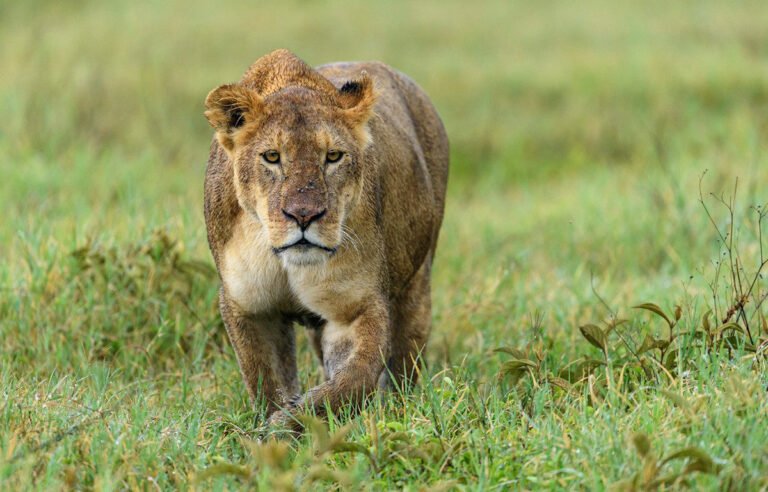
Dec 20, – 10 Day Complete Tanzania Group Joining Safari
Dec 20, 2026 – 10 Day Complete Tanzania Group Joining Safari.
View package details
Which Dec Group Safari Ends Before New Year’s Eve?
Which Dec Group Safari Ends Before New Year’s Eve?
View package details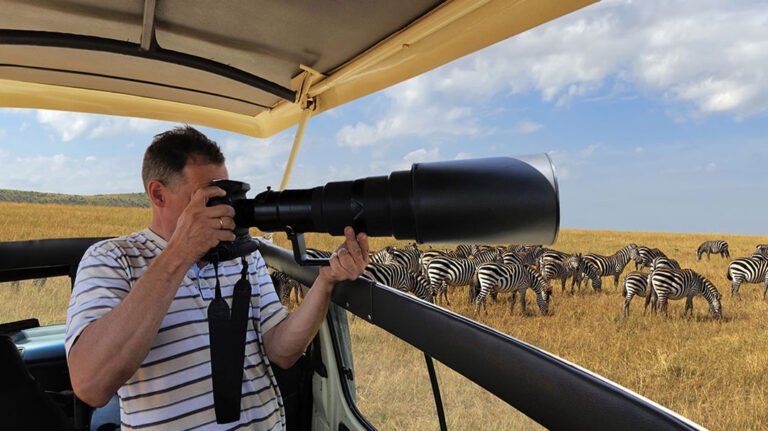
How Early Should I Book A Nov Or Dec Tanzania Group Safari?
How Early Should I Book a Nov or Dec Tanzania Group Safari?
View package details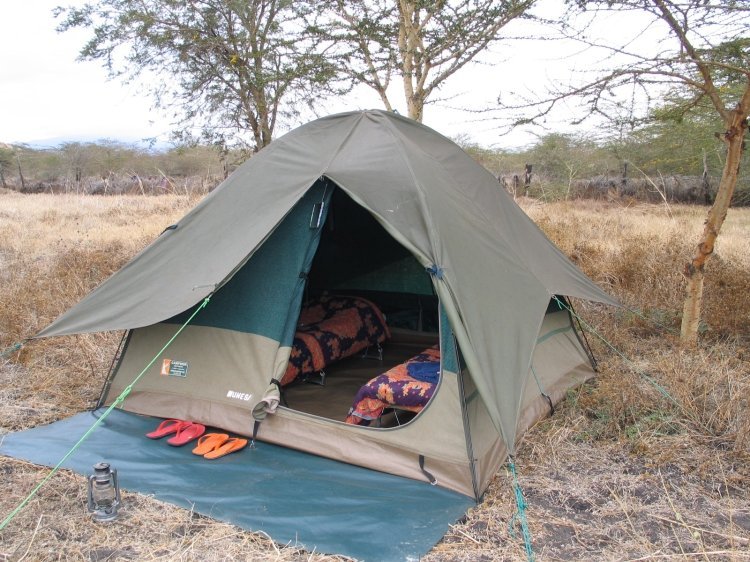
Can I Pay A Deposit To Reserve A Tanzania Group Safari?
Can I Pay a Deposit to Reserve a Tanzania Group Safari?
View package details
Dec 30, – 7 Day New Year Tanzania Group Joining Safari 2026
A complete guide to our 7-day group joining safari for the 2026/2027 New Year season, covering the Northern Circuit, wildlife expectations, and how to secure your spot.
View package details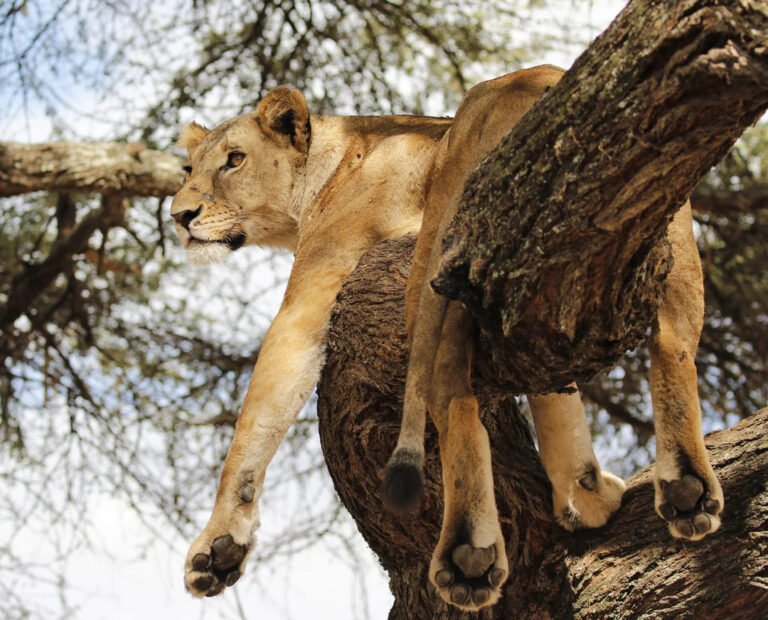
Dec 25, – 5 Day Christmas Tanzania Group Joining Safari 2026
Celebrate Christmas in the heart of the Tanzanian wilderness. Join our 5-day group safari departing December 25, 2026, and experience the iconic Northern Circuit.
View package details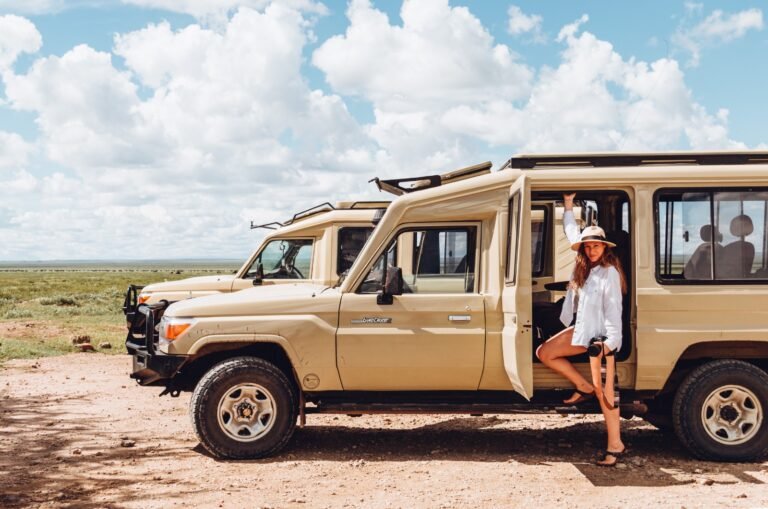
Dec 18, – 9 Day Tanzania Wildlife And Cultural Group Safari 2026
A deep look at our 9-day wildlife and cultural group safari departing December 18, 2026. This trip balances classic Northern Circuit game viewing with genuine cultural engagement.
View package detailsDec 14, – 7 Day Complete Tanzania Northern Circuit Group Safari 2026
Planning for December 2026? Join our 7-day complete Tanzania Northern Circuit group safari. A deep look at the Serengeti, Ngorongoro, and Tarangire with expert, locally-led logistics.
View package detailsDec 10, – 5 Day Northern Tanzania Group Joining Safari 2026
A detailed guide to our 5-day Northern Tanzania group joining safari scheduled for December 10, 2026. Learn about the route, group logistics, and how to book your spot.
View package detailsNov 27, – Black Friday Tanzania Group Safari Deals 2026
Discover why group joining safaris are the best way to secure value for your 2027 Tanzania adventure, plus expert advice on route planning and booking.
View package detailsNov 20, – 8 Day Complete Northern Tanzania Group Safari: Planning Your Trip
A comprehensive guide to the 8-day Northern Tanzania group safari departing November 20, 2026, covering logistics, route advantages, and planning essentials.
View package detailsNov 16, – 6 Day Tanzania Northern Circuit Group Safari 2026
Planning for November 2026? Join our 6-day group safari covering Tanzania's premier Northern Circuit parks. Expert-led, social, and cost-effective wildlife viewing.
View package detailsNo related package matches those filters. Clear one or more filters to see the other topic-matched options.