Flights from Boston to Tanzania for a Kilimanjaro climb and Serengeti safari typically involve one or two stops, with the longest travel times occurring between March and May due to the rainy season, and peak booking periods often being in December-January and June-August for 2026-2027. Direct flights are not available; you’ll connect through major international hubs like Amsterdam, Doha, Istanbul, or London before landing at Kilimanjaro International Airport (JRO) or potentially Dar es Salaam (DAR) for onward travel. The total journey from Boston can range from 18 to 30+ hours, depending on layover duration and chosen routes. Booking 4-6 months in advance is recommended for better fares and availability, especially for travel in 2026 and 2027.
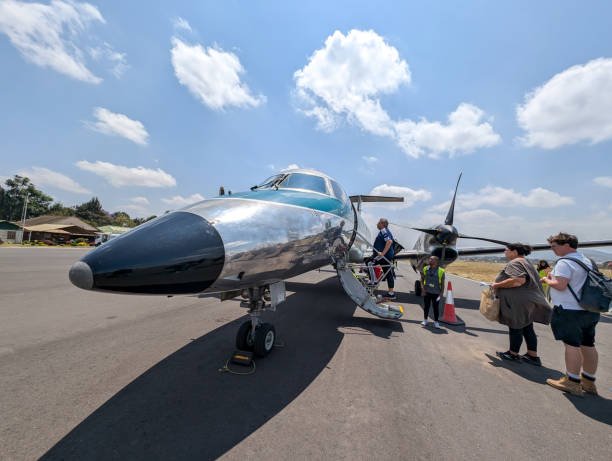

Planning Your Flights from Boston to Tanzania for Kilimanjaro and Serengeti
Embarking on an adventure that combines climbing Mount Kilimanjaro with a wildlife safari in the Serengeti is a dream for many, and for travelers starting in Boston, Massachusetts, the journey begins with understanding the flight logistics. This isn’t a trip where you can pop over for a weekend; it requires significant travel time and careful planning, especially when coordinating flight schedules with your safari and climb itineraries for 2026-2027. The primary gateway airport for both Kilimanjaro and the Northern Circuit safaris is Kilimanjaro International Airport (JRO), located between Arusha and Moshi. While there are no direct flights from Boston to JRO, the process of getting there involves connecting through major global aviation hubs.
Understanding the flight landscape is crucial. You’re looking at a multi-leg journey. The initial flight will take you from Boston Logan International Airport (BOS) to a major European or Middle Eastern gateway. Common connections include cities like Amsterdam (AMS) with KLM, Doha (DOH) with Qatar Airways, Istanbul (IST) with Turkish Airlines, or London (LHR/LGW) with British Airways or Virgin Atlantic. From these hubs, you’ll catch your connecting flight to Tanzania. This often means a long-haul flight of 8-12 hours to the connecting city, followed by another significant flight of 8-10 hours to JRO.
The total travel time from Boston to JRO, including layovers, can easily range from 18 to over 30 hours. This is a significant chunk of your vacation, so choosing layover times wisely is important. Shorter layovers (2-4 hours) are ideal to minimize disruption, but longer ones (6+ hours) might offer an opportunity to briefly explore the transit city, though this adds complexity and risk of missing connections. For travelers planning a Kilimanjaro and Serengeti safari in 2026 or 2027, starting your flight research and booking process well in advance is key to securing the best routes and prices.
Understanding the Flight Route: Boston to Kilimanjaro International Airport (JRO)
When you look at a flight map, Boston to Tanzania isn’t a straight line. The most common and practical routes from Boston Logan (BOS) to Kilimanjaro International Airport (JRO) involve at least one, and often two, layovers. These routes are designed to connect you efficiently through major international airline networks.
Common Airlines and Hubs
- KLM (via Amsterdam Schiphol – AMS): This is a very popular and often reliable option. KLM has extensive connections from North America, including Boston, to its Amsterdam hub, from where it operates direct flights to Kilimanjaro. The flight from Boston to Amsterdam is typically around 7-8 hours, and Amsterdam to JRO is about 8-9 hours.
- Qatar Airways (via Doha Hamad International – DOH): Another excellent choice, especially if you prefer to fly with a Middle Eastern carrier. Flights from Boston to Doha are longer, often around 12-13 hours, with the flight from Doha to JRO being around 6-7 hours. Qatar Airways is known for its service quality.
- Turkish Airlines (via Istanbul Airport – IST): Turkish Airlines offers a broad network that can be competitive. The Boston to Istanbul leg is substantial (9-10 hours), followed by a flight to JRO of approximately 7-8 hours.
- Ethiopian Airlines (via Addis Ababa Bole International – ADD): While sometimes a good option, it might involve an extra layover or a longer overall journey compared to the European or Qatari hubs for Boston departures. The flight to Addis Ababa is roughly 12-13 hours, with a subsequent 4-5 hour flight to JRO.
- European Carriers (via London, Frankfurt, Paris, etc.): You might also find options involving airlines like British Airways, Lufthansa, or Air France. These often require a connection in the US first (e.g., to New York or Chicago) to reach their European hubs, adding an extra step and potentially longer travel time compared to direct BOS-AMS or BOS-DOH flights.
Flight Duration and Layover Considerations
The total travel time is a critical factor. It’s not just the flying time but the time spent waiting between flights. For flights from Boston to JRO:
- Total Travel Time: Expect a minimum of 18-20 hours of total travel time (including a short layover) for the most efficient routes. More commonly, it will be in the 22-28 hour range. Very long layovers or less optimal connections can push this to 30+ hours.
- Layover Duration: Aim for layovers of 3-6 hours. This gives you enough buffer for potential delays, time to navigate the airport, and a brief rest, without making the journey excessively long. Some travelers might consider longer layovers if it significantly reduces cost or allows them to visit a new city, but this requires careful planning to ensure smooth onward travel.
When searching for flights for your 2026 or 2027 Kilimanjaro and Serengeti adventure, be sure to look at the total journey time, not just the individual flight legs. Sometimes, a slightly more expensive ticket with a shorter overall travel time can be well worth the investment for such a long-haul trip.
When to Book Your Flights for 2026-2027
The timing of your flight booking can significantly impact both the cost and the availability of preferred routes. For major international trips like a Kilimanjaro climb and Serengeti safari, booking well in advance is almost always the best strategy, especially as you look towards 2026 and 2027 travel.
Recommended Booking Window
For the best balance of price and choice, it is generally recommended to book your international flights from Boston to Tanzania 4 to 6 months prior to your departure date.
- Early Bird Advantage: Booking around the 6-month mark allows you to take advantage of early bird fares that airlines often release. You’ll have a wider selection of airlines, flight times, and seat availability. This is particularly important for peak travel seasons.
- Standard Booking: Between 3 to 5 months out is still a good window, but prices may start to creep up, and your preferred options might be limited.
- Last Minute: Booking within 1-2 months of travel is usually the most expensive option and carries a higher risk of limited availability, especially if you have specific date requirements for your climb and safari.
Peak Travel Seasons and Their Impact
Tanzania has distinct seasons, and these influence both the weather for your climb/safari and the demand for flights. Understanding these periods is crucial for planning your 2026-2027 travel and booking flights:
- Peak Season (Dry & Best for Climbing/Safari): June to October. This is also a very popular time for international tourism. Flights during these months tend to be more expensive and book up faster. Aim to book 6-8 months in advance if traveling during this window.
- Shoulder Seasons: January to February and November. These months offer good weather with fewer crowds and potentially lower flight prices. Still, booking 4-6 months out is advised.
- Low Season (Rainy Season): March to May. This period sees the heaviest rains, making road conditions challenging for safaris and climbing conditions less ideal. Flight prices may be lower, but fewer travelers choose this time.
For 2026 and 2027, if your heart is set on the prime safari months of July or August, or the popular climbing months of January/February or September/October, start looking at flights as early as 8-10 months prior to departure to secure the best deals.
Choosing Your Arrival Airport: JRO vs. DAR
While Kilimanjaro International Airport (JRO) is the most convenient gateway for climbers and safari-goers heading to the Northern Circuit (Serengeti, Ngorongoro, Kilimanjaro), it’s worth understanding the alternative, Dar es Salaam (DAR), and why JRO is usually preferred.
Kilimanjaro International Airport (JRO) – The Primary Choice
JRO is strategically located between Arusha and Moshi, the two main towns serving as bases for Kilimanjaro climbs and Northern Circuit safaris.
- Convenience: Landing at JRO means you are already in the heart of the region. Your transfer to your hotel in Arusha or Moshi will be a relatively short drive (1-2 hours), allowing you to start your pre-climb preparations or safari briefings sooner.
- Direct Flights: Major carriers like KLM and Qatar Airways often operate direct flights from their hubs to JRO, making it the most straightforward arrival point.
- Ideal for Kilimanjaro & Northern Circuit: If your primary goals are climbing Kilimanjaro and experiencing the Serengeti, Ngorongoro Crater, Tarangire, or Lake Manyara, flying into JRO is unequivocally the best choice.
Dar es Salaam (DAR) – An Alternative with Caveats
Dar es Salaam is Tanzania’s largest city and a major international gateway. While it serves many travelers, it’s generally less ideal for a Kilimanjaro and Serengeti focused trip.
- Location: DAR is located on the coast, hundreds of miles south of Arusha and Moshi.
- Inland Travel Required: If you fly into DAR, you will need to arrange:
- An additional domestic flight from DAR to Arusha Airport (ARK). These flights are frequent but add cost and complexity.
- Or a long overland journey (8-10 hours by road) from Dar es Salaam to Arusha/Moshi. This is tiring and eats into your valuable vacation time.
- When DAR Might Make Sense: DAR is a better choice if your itinerary includes significant time in Zanzibar, the southern safari parks (like Selous/Nyerere National Park or Ruaha), or coastal areas before heading north. However, for a standard Kilimanjaro and Serengeti focus, it adds unnecessary travel time and expense.
For your flights from Boston to Tanzania specifically for Kilimanjaro and a Serengeti safari in 2026 or 2027, prioritize booking flights that arrive at JRO. This will streamline your arrival and maximize your time on the ground.
Navigating Flight Prices and Budgeting
The cost of flights from Boston to Tanzania can vary significantly based on several factors. Being aware of these will help you budget effectively for your 2026-2027 adventure.
Factors Influencing Flight Costs
- Time of Year: As mentioned, peak seasons (June-October) command higher prices. Traveling during the shoulder or low seasons can offer substantial savings on airfare.
- Booking Window: Booking far in advance or very last minute can sometimes lead to higher prices. The sweet spot is typically 4-6 months out.
- Airline and Route: Different airlines have different pricing structures. Routes with fewer stops or more desirable layover times might be more expensive. Some carriers, like Qatar Airways or KLM, may consistently offer competitive fares for this route.
- Class of Service: Economy, Premium Economy, Business, and First Class fares will obviously differ dramatically. For most travelers on a Kilimanjaro and safari trip, economy class is the standard.
- Flexibility: Being flexible with your travel dates by a few days, or even a week, can sometimes uncover cheaper fares.
Estimating Flight Costs (2026-2027)
Providing exact prices is impossible as they fluctuate constantly. However, based on historical data and current trends, you can expect to budget for round-trip economy flights from Boston (BOS) to Kilimanjaro (JRO) in the range of:
- $1,200 – $2,000 USD per person during shoulder and low seasons.
- $1,600 – $2,500+ USD per person during peak seasons.
These are estimates for 2026 and 2027 and can be higher or lower depending on the specific deals available when you book. It’s crucial to compare prices across different airlines and booking platforms.
Tips for Finding Better Flight Deals
- Use Flight Comparison Websites: Sites like Google Flights, Skyscanner, Kayak, and Momondo are excellent for comparing prices across multiple airlines and dates.
- Set Price Alerts: Most comparison sites allow you to set up email alerts for specific routes and dates, notifying you when prices change.
- Consider Different Airports: While JRO is preferred, sometimes flying into Dar es Salaam (DAR) and then taking a domestic flight might be marginally cheaper, though it adds complexity. Weigh the cost savings against the extra travel time and hassle.
- Book in Advance: This cannot be stressed enough for long-haul international flights.
Remember that your flight cost is just one part of your overall trip budget. The Kilimanjaro climb, safari, accommodation, and other expenses will be separate. It’s wise to have your flight costs clearly defined before finalizing your tour package pricing for 2026-2027.
Connecting Your Flights with Your Itinerary
The most critical aspect of planning flights from Boston to Tanzania for Kilimanjaro and a Serengeti safari is ensuring they align perfectly with your tour operator’s itinerary. This is where coordination becomes paramount.
Arrival Day for Kilimanjaro
Most Kilimanjaro climbs have a designated arrival day, usually one to two days before the actual trek begins. This is for:
- Acclimatization: Arriving a day or two early allows your body to start adjusting to the local altitude (Arusha is around 4,500 ft / 1,370 m).
- Gear Check and Briefing: Your tour operator will typically schedule a mandatory pre-climb briefing and gear check. This is when you meet your guides, go over the route, discuss safety protocols, and ensure all your equipment is suitable. This usually happens the afternoon or evening before your climb starts.
- Rest: After a long flight from Boston, having a day to rest and recover is essential before embarking on a strenuous climb.
Therefore, your flight should land at JRO at least 2 days before your scheduled climb start date. For example, if your climb starts on a Tuesday, aim to arrive on the preceding Sunday.
Timing Your Safari After the Climb
After successfully descending Kilimanjaro, most travelers spend a day or two resting in Arusha or Moshi before their safari begins. This is a logical transition period.
- Post-Climb Recovery: You’ll want a day to shower, relax, and reflect on your achievement before heading out on safari.
- Safari Start: Safaris typically depart from Arusha. Your tour operator will arrange pick-up from your hotel.
If your Kilimanjaro climb finishes on a Monday, your safari might start on a Wednesday. This allows for the necessary rest and transition. Your tour operator will have specific start dates for their safaris, and you’ll need to align your flight arrival and departure dates accordingly.
Departure Flights
Your departure flight from JRO should be scheduled after your safari concludes, or after your final night in Arusha/Moshi if you’re heading directly to Zanzibar or another destination.
- Safari End: Safaris usually end back in Arusha in the afternoon. If you have an international flight departing JRO the same evening, this is extremely risky due to potential delays.
- Recommended Departure: It is highly recommended to schedule your international flight out of JRO for the day after your safari concludes. This provides a buffer for any unforeseen delays and allows for a more relaxed departure.
Example Itinerary Flow:
Let’s say you plan for 2027:
- Day 1 (Sunday): Arrive Boston (BOS) to Kilimanjaro (JRO). Transfer to Arusha/Moshi.
- Day 2 (Monday): Rest, gear check, climb briefing.
- Day 3 (Tuesday): Kilimanjaro climb begins (e.g., Machame Route, 7 days).
- Day 9 (Tuesday): Descend Kilimanjaro, transfer to Arusha/Moshi.
- Day 10 (Wednesday): Rest and recover in Arusha/Moshi.
- Day 11 (Thursday): Serengeti Safari begins (e.g., 5 days).
- Day 15 (Monday): Safari concludes, return to Arusha.
- Day 16 (Tuesday): Depart JRO back to Boston (BOS).
This is a simplified example, but it illustrates how critical it is to coordinate your flight arrival and departure dates with your tour operator’s schedule. Always confirm these dates with your chosen tour operator before booking your flights for 2026 or 2027.
Visa, Vaccinations, and Travel Documents for Tanzania
Beyond flights, several other essential travel preparations need attention for your trip to Tanzania from Boston. These are non-negotiable for a smooth entry and enjoyable experience.
Visa Requirements
US citizens (and many other nationalities) require a visa to enter Tanzania. You have a few options:
- Online E-Visa: This is the most convenient method for many travelers. You can apply for a tourist visa online through the official Tanzanian immigration website. It’s recommended to apply at least 2-4 weeks before your travel date. You will need to upload a passport photo and a scan of your passport’s bio-data page.
- Visa on Arrival: While possible at JRO, this can sometimes lead to longer queues and potential uncertainty. It’s generally advisable to secure your visa in advance.
- Embassy Application: You can also apply through the Tanzanian Embassy in Washington D.C., but this is usually the slowest method.
Key Visa Information:
- Passport Validity: Your passport must be valid for at least six months beyond your intended stay and have at least one blank page for the visa stamp.
- Visa Duration: Tourist visas are typically issued for 90 days.
- Cost: The e-visa fee is generally around $100 USD, but check the official website for the most current pricing for 2026-2027.
Recommended Vaccinations and Health Precautions
Consulting a travel doctor or clinic 4-6 weeks before your trip is essential. They can provide personalized advice based on your health history and the latest recommendations.
- Yellow Fever: A Yellow Fever vaccination certificate is often required for entry into Tanzania, especially if you are arriving from or have transited through a country with a risk of Yellow Fever transmission. Check current regulations as they can change.
- Routine Vaccinations: Ensure your routine vaccinations (like MMR, DTaP, Polio) are up to date.
- Hepatitis A & Typhoid: These are commonly recommended for travel to Tanzania.
- Malaria Prevention: Tanzania is a malaria-endemic country. Your doctor will likely prescribe anti-malarial medication. It’s crucial to take it as directed before, during, and after your trip.
- Other Considerations: Depending on your doctor’s advice, Hepatitis B, Rabies, or Typhus might be recommended.
Essential Travel Documents Checklist
Have these readily accessible for your journey from Boston to Tanzania:
- Passport: Valid for at least 6 months beyond your stay, with blank pages.
- Visa: E-visa confirmation or visa stamp in passport.
- Yellow Fever Certificate: If required.
- Flight Itinerary: Printed or digital copy.
- Travel Insurance Details: Essential for medical emergencies, trip cancellations, and lost luggage.
- Vaccination Records: Keep a copy of your vaccination certificates.
- Emergency Contact Information: Including details for your tour operator (Climb 4 Africa) and family back home.
Being prepared with all necessary documents will prevent last-minute stress and ensure a smooth start to your incredible Kilimanjaro and Serengeti adventure planned for 2026 or 2027.
Making the Most of Your Kilimanjaro Climb and Serengeti Safari
Your journey from Boston to Tanzania is an investment in an unforgettable experience. To ensure you get the most out of your Kilimanjaro climb and Serengeti safari, consider how these elements integrate with your flight planning.
Choosing the Right Kilimanjaro Route
The route you choose for Kilimanjaro impacts the duration, difficulty, scenery, and acclimatization profile. Popular routes include:
- Machame Route: Often called the “Whiskey Route” for its higher success rate due to excellent acclimatization. It’s scenic and challenging, typically taking 6-7 days. Climb 4 Africa offers guided Machame Route climbs.
- Lemosho Route: Known for its stunning scenery and remoteness, offering great acclimatization over 7-8 days.
- Marangu Route: The “Coca-Cola” route, it’s the only one with hut accommodation and is often considered less scenic and with poorer acclimatization due to its direct ascent. Typically 5-6 days.
The longer routes (6-8 days) significantly increase your success rate. Consider this when planning your overall trip duration and flight dates for 2026-2027.
Designing Your Serengeti Safari
A Serengeti safari can be tailored to your interests. Key considerations include:
- Duration: A minimum of 3 days is usually recommended to experience the Serengeti, but 4-5 days allows for deeper exploration and increased chances of witnessing the Great Migration (depending on the time of year).
- Central Serengeti: Offers abundant wildlife year-round.
- Northern Serengeti: Famous for river crossings during the migration (July-October).
- Southern Serengeti: Ideal for calving season (January-March).
When booking flights from Boston, ensure you allocate enough time for both the climb (including preparation and recovery) and a meaningful safari experience. For instance, a 7-day climb plus a 5-day safari, plus travel days, requires at least a 14-16 day trip.
Integrating Zanzibar
Many travelers combine their Kilimanjaro and Serengeti trip with a relaxing stay on the island of Zanzibar. This adds another layer to your flight planning.
- Flights from JRO/ARK to Zanzibar (ZNZ): Frequent domestic flights connect Arusha (ARK) or Kilimanjaro (JRO) to Zanzibar.
- Alternative Arrival/Departure: You could potentially fly into JRO, climb Kilimanjaro, safari, then fly from JRO to ZNZ, and depart from ZNZ back to Boston (though this might be more complex and costly than a round trip to JRO). Or, fly into DAR, visit Zanzibar, then fly north for the climb/safari, and depart from JRO.
For your 2026-2027 trip, consider if Zanzibar is part of your plan when booking your main international flights from Boston. This can influence your choice of arrival and departure airports and the overall structure of your journey.
Booking Your Tanzania Adventure with Climb 4 Africa
When you’ve decided on your travel dates and have a good understanding of the flight options from Boston to Tanzania, the next crucial step is securing your Kilimanjaro climb and Serengeti safari package. Choosing a reputable local operator is key to a successful and memorable adventure.
Why Choose a Local Operator?
Climb 4 Africa is a locally-based tour operator with extensive experience in organizing Kilimanjaro climbs and Tanzania safaris. Choosing a local partner offers several advantages:
- Local Expertise: We have intimate knowledge of the routes, wildlife patterns, local conditions, and the best guides and support staff.
- Direct Support: You benefit from direct communication and support on the ground, not through multiple international intermediaries.
- Value for Money: Local operators often provide better value, as you’re not paying for extensive international overheads.
- Community Support: We are committed to ethical tourism and supporting local communities.
What to Include When Contacting Us
When you’re ready to plan your flights from Boston to Tanzania for your Kilimanjaro and Serengeti safari, and to discuss your tour package for 2026 or 2027, please reach out to us with the following details:
- Desired Travel Dates: Specify your preferred month and year (e.g., September 2026, July 2027).
- Trip Components: Indicate if you are interested in Kilimanjaro climb (specify preferred route and duration), Serengeti safari (specify duration and key areas), and any other interests (e.g., Zanzibar, other parks).
- Number of Travelers: This helps us tailor group sizes and costs.
- Your Origin City: Boston, MA, USA.
- Any Specific Requests: Let us know if you have particular needs or preferences.
Next Steps for Booking
Once you contact us, we will work with you to craft a personalized itinerary. We can advise on the best timings for your climb and safari based on seasonal wildlife movements and weather patterns, and help you understand how your flight schedule from Boston will integrate. We pride ourselves on offering practical advice and transparent pricing.
Don’t hesitate to get in touch to start planning your dream adventure. We are here to answer all your questions and ensure your journey from Boston to Kilimanjaro and the Serengeti is smooth and unforgettable.
WhatsApp: +255 747 477 898
Email: climb4africa@gmail.com
We look forward to helping you plan your Kilimanjaro and Serengeti safari for 2026-2027!
Check Availability for Flights From Boston To Tanzania For Kilimanjaro And Serengeti Safari…
Ready to compare dates, prices, and the best option for your group? Send the package name and travel month so the team can reply with a clear quote, availability, and what is included.
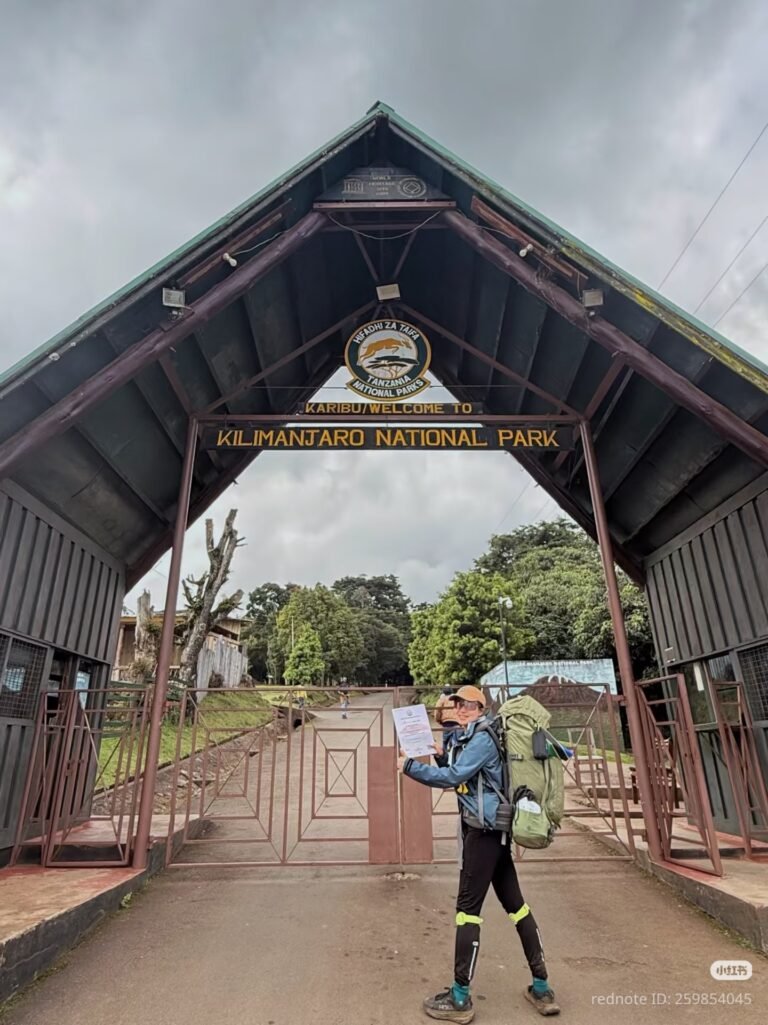
Kilimanjaro And Serengeti Safari Holiday : Your Ultimate Tanzania Adventure
Discover how to combine the challenge of climbing Kilimanjaro with the majesty of the Serengeti safari in 2027. Practical advice for planning your perfect Tanzanian journey.
View package detailsTanzania Kilimanjaro And Safari Holiday Packages 2027
An expert, long-form guide to combining Kilimanjaro treks with Tanzania safaris and Zanzibar experiences, with practical planning and booking guidance for 2027.
View package details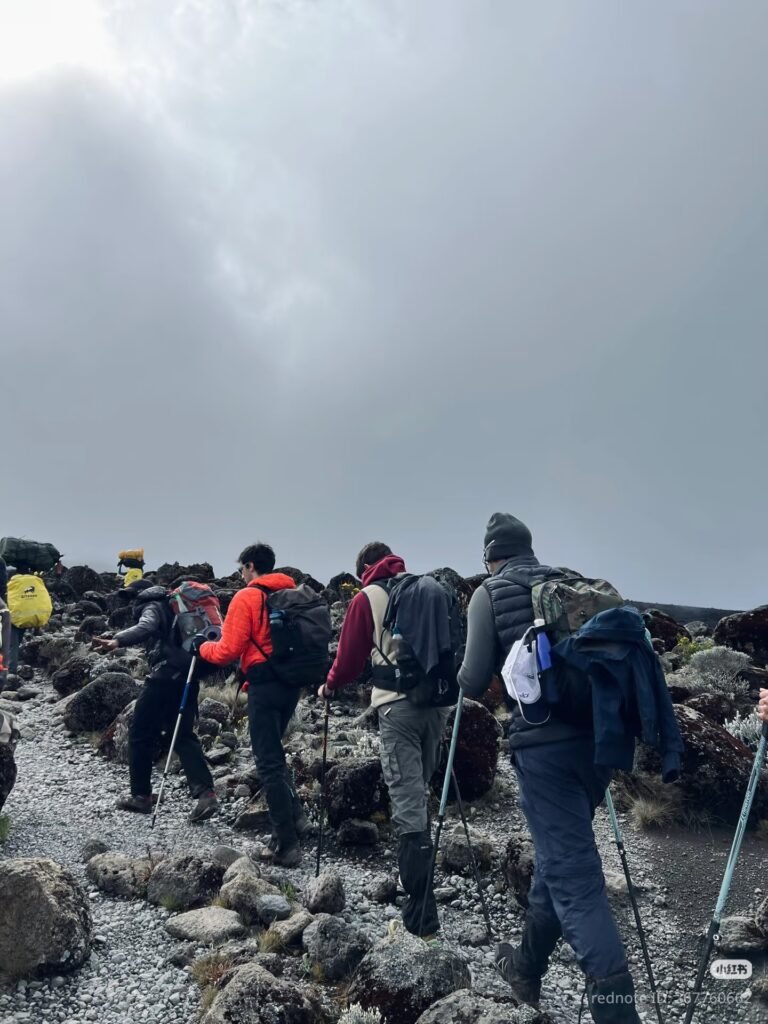
Kilimanjaro And Tanzania Safari Packages – Canadian Travel Guide 2027
- Kilimanjaro and Tanzania Safari Packages – Canadian Travel Guide is explained with current 2027 planning, price, itinerary and booking information.
View package details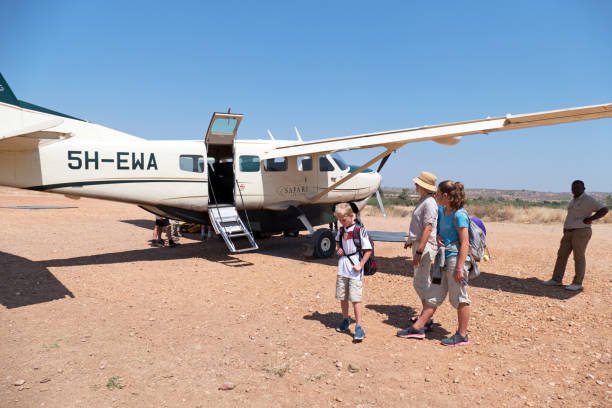
4-Day Serengeti Safari From Zanzibar With Return Flights: A Planning Guide
A deep look at planning a 4-day fly-in safari from Zanzibar to the Serengeti, covering flight logistics, itinerary structures, and the critical decisions needed for a successful 2026 or...
View package details
Fly-In Safari To Ngorongoro And Serengeti: Flights & Transfer Costs 2026-2027
Discover the logistics and cost breakdown for a fly-in safari to Ngorongoro and the Serengeti, including airstrip transfers, baggage limits, and vehicle positioning.
View package details_1_John_from-rednote-web-768x1024.jpg)
Lamai Airstrip Flights: Prices & Northern Serengeti Safari 2027
Lamai Airstrip Flights: Prices & Northern Serengeti Safari is explained with current 2027 planning, price, itinerary and booking information.
View package details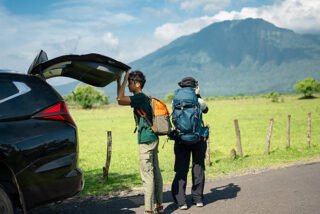
Kogatende Airstrip Flights: Ticket Prices & Northern Serengeti Safari 2027
Kogatende Airstrip Flights: Ticket Prices & Northern Serengeti Safari is explained with current 2027 planning, price, itinerary and booking information.
View package detailsFly From Arusha To Serengeti For A 3-Day Safari: Flights & Package Prices 2027
Discover the most efficient ways to fly from Arusha to the Serengeti for a concentrated 3-day safari. This guide breaks down airstrip choices, flight costs, and package structures for 2027.
View package details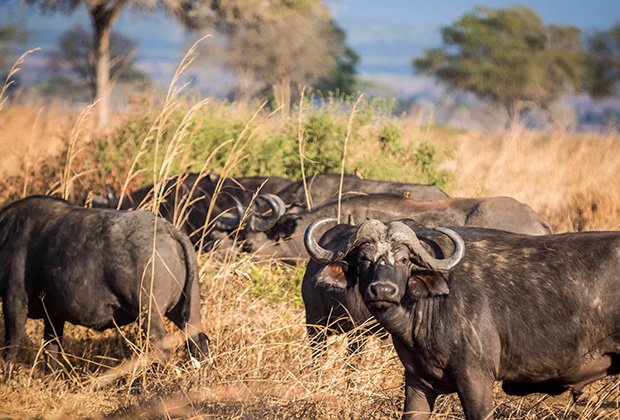
Dec 24, – 3 Day Christmas Serengeti And Ngorongoro Group Safari
Dec 24, 2026 – 3 Day Christmas Serengeti and Ngorongoro Group Safari.
View package details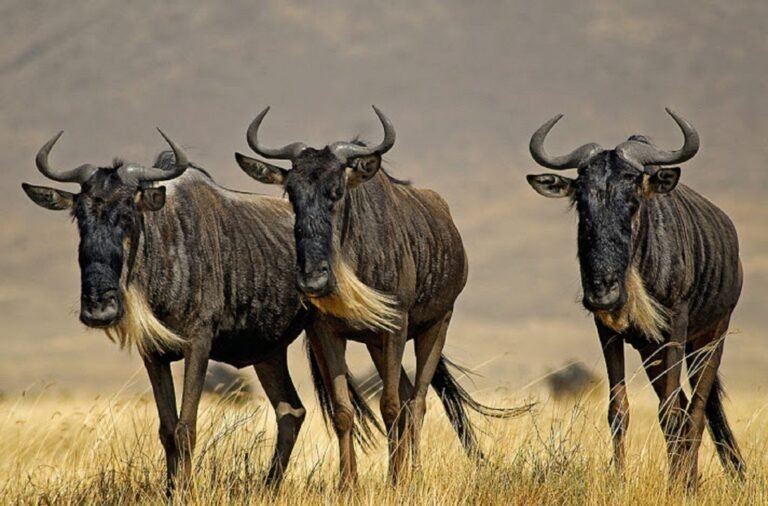
Nov 23, – 3 Day Serengeti And Ngorongoro Safari From Zanzibar
Nov 23, 2026 – 3 Day Serengeti and Ngorongoro Safari from Zanzibar.
View package details
Dec 31, : New Year’s Eve Serengeti Group Safari Planning Guide
This guide provides essential planning details for a group safari trip to the Serengeti for New Year's Eve 2026, covering logistics, seasonal highlights, and what to expect.
View package details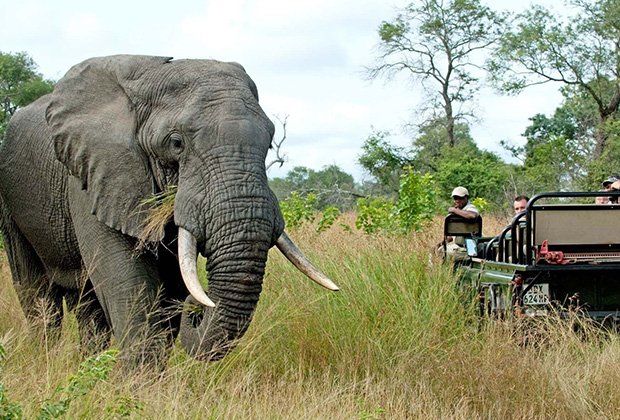
I Am On A Budget—What Is The Cheapest Serengeti Group Safari?
I Am on a Budget—What Is the Cheapest Serengeti Group Safari?
View package detailsNo related package matches those filters. Clear one or more filters to see the other topic-matched options.