For 2026-2027 travel, planning East Africa holidays typically involves positioning Tanzania and Kenya for quintessential wildlife experiences, while Rwanda and Uganda logically extend these trips for exceptional gorilla trekking. This approach leverages distinct but complementary strengths: the vast plains of the Serengeti and Maasai Mara for iconic mammal migrations and predator action in Tanzania/Kenya, contrasted with the intimate, biodiverse montane forests of Volcanoes National Park (Rwanda) and Bwindi Impenetrable Forest (Uganda) for observing mountain gorillas.

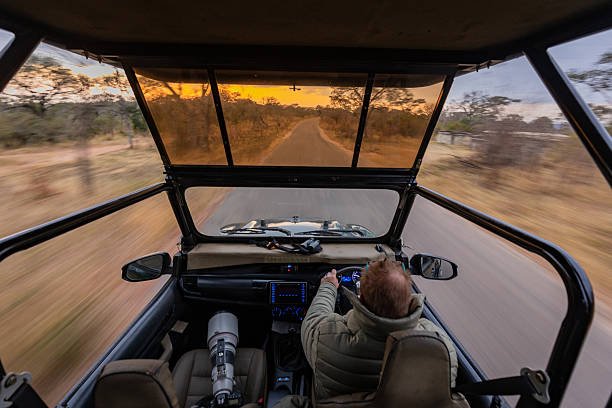
The continued positioning of Tanzania and Kenya for classic wildlife viewing alongside Rwanda and Uganda as prime destinations for gorilla trekking in 2026-2027 reflects a well-established and highly effective travel formula for East Africa. This dual-focus approach allows travelers to experience the continent’s most celebrated natural spectacles within a single, cohesive journey. Understanding the nuances of each region, from the best times to visit and typical itineraries to the logistical considerations and unique appeal, is key to crafting an unforgettable adventure. This guide aims to provide that clarity, helping you navigate the planning process with confidence.
The Evolving Landscape of East African Travel
East Africa remains a premier destination for wildlife enthusiasts and adventure seekers, a reputation built over decades. The classic safari experience in countries like Tanzania and Kenya continues to draw global attention, offering unparalleled opportunities to witness vast herds, dramatic predator-chasing action, and iconic landscapes. In parallel, the dense, verdant rainforests of Rwanda and Uganda have emerged as world-class destinations for close encounters with endangered mountain gorillas. The strategic positioning of these destinations within a single trip for 2026-2027 travel allows for a richer, more diverse African adventure than ever before. This integrated approach acknowledges that many travelers seek both the expansive plains teeming with iconic African mammals and the profound, intimate experience of trekking through mist-shrouded forests to find these majestic primates.
For 2026-2027, the planning of these combined trips is becoming more streamlined, with tour operators increasingly offering packages that seamlessly connect these geographically diverse yet thematically linked experiences. The trend is towards creating itineraries that minimize travel time and maximize wildlife viewing opportunities, whether that’s tracking lions across the Serengeti or observing a gorilla family in its natural habitat. Understanding how these elements fit together, the best times for each, and the logistical pathways is crucial for a successful and rewarding journey. This comprehensive guide will navigate you through the planning process, highlighting the unique strengths of each country and how they can be best combined.
Tanzania & Kenya: The Pillars of Classic Wildlife Safaris
Tanzania and Kenya are the undisputed titans of East African wildlife tourism, renowned for their vast national parks, abundant wildlife populations, and the sheer scale of their natural landscapes. These two countries offer the archetypal safari experience that has captivated travelers for generations. For 2026-2027, they continue to be the primary destinations for those seeking to witness the ‘Great Migration,’ observe the Big Five, and experience the raw beauty of the African savanna.
Tanzania’s Unrivaled Wildlife Spectacles
Tanzania boasts an incredible diversity of ecosystems and wildlife. The Serengeti National Park is perhaps its most famous jewel, serving as the primary stage for the Great Migration of wildebeest and zebras. This monumental movement of over two million animals across the plains is a sight that defines the wild heart of Africa. Beyond the Serengeti, the Ngorongoro Conservation Area offers a unique geological wonder—a vast caldera teeming with wildlife, including a high density of predators and a chance to see the rare black rhinoceros. The Tarangire National Park is known for its large elephant herds and baobab-dotted landscapes, particularly interesting during the dry season. For those seeking a more remote experience, the Selous Game Reserve (now Nyerere National Park) provides a wilder, less-visited southern circuit, famous for its boat safaris along the Rufiji River and large populations of wild dogs.
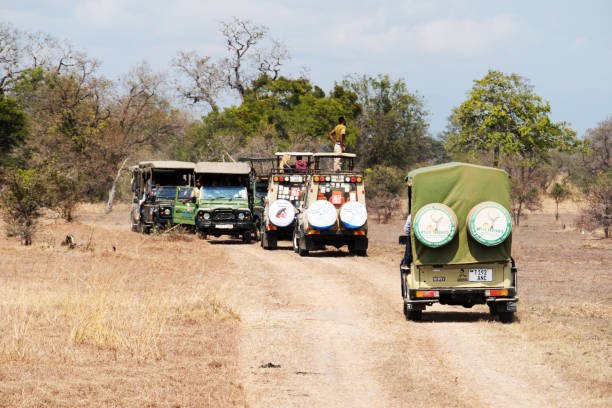
The safari experience in Tanzania is often characterized by its extensive park sizes, which allow for a sense of untouched wilderness. Game drives typically use open-top 4×4 vehicles, offering unobstructed views. Many itineraries are designed to maximize time in key areas like the Serengeti and Ngorongoro, often combining them with nearby parks like Tarangire for a well-rounded Northern Circuit experience. For 2026-2027, planning to be in the Serengeti during the migration’s river crossings (typically June-August) or calving season (January-February) can be a deciding factor for many travelers.
Kenya’s Enduring Safari Appeal
Kenya is synonymous with the classic safari, offering a rich mix of wildlife and landscapes. The Maasai Mara National Reserve is the Kenyan counterpart to the Serengeti, forming a continuous ecosystem and hosting a significant portion of the Great Migration during the dry season (roughly July to October). The Mara is particularly famous for its high concentration of predators, including lions, cheetahs, and leopards, making it a prime location for dramatic wildlife photography. The landscape is characterized by rolling grasslands dotted with acacia trees, offering classic savanna vistas.
Other significant wildlife areas in Kenya include Amboseli National Park, famous for its large elephant herds set against the stunning backdrop of Mount Kilimanjaro (visible from the Tanzanian side, but Amboseli offers iconic views with elephants in the foreground). Lake Nakuru National Park is renowned for its birdlife, including vast flocks of flamingos, and its populations of both black and white rhinos. For a different kind of safari, Samburu National Reserve in the arid north is home to unique species adapted to dry conditions, such as the Grevy’s zebra, reticulated giraffe, and Somali ostrich.
Kenya’s safari infrastructure is well-developed, offering a range of lodges and camps from luxury tented accommodations to more rustic options. Game drives are the primary activity, with many tours focusing on maximizing sightings within the Maasai Mara and other key reserves. The accessibility and diverse offerings make Kenya a consistently popular choice for 2026-2027 travel planning.
Integrating Tanzania and Kenya into One Safari
Combining Tanzania and Kenya into a single safari trip offers the ultimate East African wildlife experience, allowing travelers to witness the full scope of the Great Migration and explore diverse ecosystems. The Serengeti and Maasai Mara are contiguous, making cross-border travel relatively straightforward, though it does involve border formalities and can add travel time. Many travelers opt for a safari that focuses on one country or the other to minimize transit, but for those with more time, a combined itinerary is highly rewarding.
A common approach is to fly between key locations to save time. For instance, a traveler might start in Tanzania’s Serengeti, then fly to the Maasai Mara in Kenya. Alternatively, one might focus on different aspects: exploring the Ngorongoro Crater and Tarangire in Tanzania, then flying to Samburu or the Laikipia Plateau in Kenya for unique species. The decision to combine depends on the traveler’s interests, budget, and the duration of their trip. For 2026-2027, booking well in advance is crucial, especially if aiming for peak migration seasons.
Trade-off: Combining countries means more travel time and potentially higher costs due to flights. However, it offers unparalleled wildlife diversity and the chance to witness the Great Migration from both perspectives. A typical 10-14 day safari might focus on one country, while a 14-21 day trip could comfortably integrate highlights from both.
Optimizing Your 2026-2027 Tanzania & Kenya Safari Timing
The ‘best’ time to visit Tanzania and Kenya for wildlife viewing often hinges on the Great Migration and the dry seasons, which concentrate animals around water sources. However, each period offers unique advantages:
- January – March: Calving season in the southern Serengeti (Tanzania). A fantastic time for predator sightings as predators are drawn to the vulnerable newborns. Weather is generally warm and can include short rains.
- April – May: Long rains. This is the low season, meaning fewer crowds and potentially lower prices. Wildlife viewing can still be good, but some lodges may close, and roads can be challenging.
- June – October: Dry season. This is peak season. The Great Migration moves north through the Serengeti and into the Maasai Mara, often involving dramatic river crossings. Wildlife is concentrated, and weather is generally pleasant. This is a very popular time for 2026-2027 travel, so booking is essential.
- November – December: Short rains. Animals begin to disperse from the Mara back into the Serengeti. Weather can be unpredictable but often includes sunny spells. This shoulder season can offer good value.
Recommendation for 2026-2027: For the iconic river crossings, target July to September. For calving season and predator action, aim for February. For a balance of good weather and fewer crowds, consider June or October.
Rwanda & Uganda: The Logical Gorilla Trekking Extensions
While Tanzania and Kenya excel in showcasing vast savannas and diverse mammal populations, Rwanda and Uganda offer a profoundly different, yet equally compelling, wildlife experience: the chance to trek through dense rainforests and encounter endangered mountain gorillas in their natural habitat. These countries are home to the remaining wild mountain gorilla populations, and visiting them is a highlight for many East African journeys. For 2026-2027, planning a trip that includes gorilla trekking is more accessible than ever.
Rwanda: The Premier Gorilla Trekking Destination
Rwanda’s Volcanoes National Park is renowned for its well-habituated mountain gorilla families. The park is part of the Virunga Mountains, a chain of volcanoes that straddles Rwanda, Uganda, and the Democratic Republic of Congo. Rwanda has invested heavily in conservation and tourism, making it a highly organized and often preferred destination for gorilla trekking, especially for those seeking a more luxurious and smooth experience. The gorilla trekking permits in Rwanda are among the most expensive in East Africa, reflecting the country’s conservation efforts and high service standards.
Trekking in Volcanoes National Park involves navigating steep, muddy trails through dense bamboo forests. The duration of the trek can vary from 1 to 6 hours, depending on the gorillas’ location on a given day. Once the gorillas are found, visitors have a strictly regulated hour to observe and photograph them. Rwanda also offers trekking for golden monkeys, a delightful primate experience that can be combined with gorilla trekking.
Key aspect: Rwanda’s infrastructure and the quality of its trekking experience are exceptional. For 2026-2027, booking gorilla permits well in advance is critical, as they are limited and highly sought after.
Uganda: Diverse Gorilla Habitats and Primate Encounters
Uganda offers two main locations for mountain gorilla trekking: Bwindi Impenetrable National Park and Mgahinga Gorilla National Park. Bwindi, a UNESCO World Heritage Site, is home to the largest population of mountain gorillas, with several habituated groups spread across its four sectors. The terrain here is more rugged and dense than in Rwanda, often leading to longer and more physically demanding treks. However, the sheer number of gorillas and the biodiversity of Bwindi are remarkable.
Mgahinga Gorilla National Park, also part of the Virunga Mountains, offers a different experience. It shares a border with Volcanoes National Park in Rwanda and Virunga National Park in the DRC. While it also has habituated gorilla families, the number of available permits is lower, and gorillas may sometimes range across borders, making trekking less predictable than in Bwindi or Rwanda. However, Mgahinga is also known for its volcanic landscapes and opportunities to hike volcanoes.
Uganda’s appeal extends beyond gorillas. It is also known as the ‘Primate Capital of Africa’ due to its significant populations of chimpanzees, which can be tracked in Kibale Forest National Park. This makes Uganda an ideal destination for travelers interested in a comprehensive primate safari experience, combining gorillas, chimpanzees, and other monkey species.
Comparing Rwanda and Uganda: Which is Right for Your 2026-2027 Trip?
Choosing between Rwanda and Uganda for gorilla trekking involves several considerations:
- Cost: Rwanda’s gorilla permits are significantly more expensive ($1500 USD per person in 2024) than Uganda’s ($700 USD per person in 2024). While Uganda’s permits are cheaper, the overall trip cost can be comparable due to longer travel times and potentially more internal flights.
- Trekking Difficulty: Rwanda’s Volcanoes National Park generally offers shorter, less physically demanding treks due to more accessible terrain and more habituated gorilla groups. Uganda’s Bwindi Impenetrable National Park can be more challenging, with steeper slopes and denser vegetation, often leading to longer treks.
- Experience: Rwanda is often perceived as offering a more polished, luxurious, and straightforward gorilla trekking experience. Uganda provides a wilder, more diverse primate experience, especially when combined with chimpanzee trekking in Kibale.
- Logistics: Rwanda is geographically closer to the main safari hubs of Kenya and Tanzania, making it a more logical extension for many itineraries. Uganda is further west, which might require more significant flight arrangements or longer overland travel to connect with safaris.
- Permit Availability: Both countries require permits booked far in advance, especially for peak seasons in 2026-2027. Rwanda’s permits are fewer in number per group but are consistently available for booking. Uganda’s permits are more numerous but can be snapped up quickly for popular dates.
Decision point: For a shorter trip or if prioritizing ease and comfort, Rwanda is often the preferred choice. For those seeking a more rugged adventure, a wider range of primate encounters, and potentially lower permit costs, Uganda is an excellent option.
When to Plan Your 2026-2027 Gorilla Trek
Mountain gorillas live in montane rainforests, which experience rainfall year-round. However, there are drier periods that can make trekking more pleasant:
- Dry Seasons (June – August, December – February): These are the most popular times for gorilla trekking. Trails are less muddy, and rain is less frequent, making the treks more comfortable. These periods align with peak safari seasons in Tanzania and Kenya.
- Wet Seasons (March – May, September – November): Rainfall is higher, and trails can be very muddy and slippery, making treks more challenging. However, vegetation is lusher, and gorillas may be found at lower altitudes, potentially making them easier to spot in some areas. These seasons can offer fewer crowds and potentially lower accommodation rates outside of peak times.
For 2026-2027: If combining with a Tanzania/Kenya safari during the dry season (July-September), planning your gorilla trek during these months too makes logistical sense. However, be aware that this is peak season, and permits/lodges must be booked extremely far in advance. If you prefer fewer crowds, consider the shoulder months like June or October, or even the early wet season (March) for a potentially more in-depth, less-trafficked experience.
Crafting Your Integrated 2026-2027 East Africa Itinerary
The true magic of an East African adventure for 2026-2027 lies in combining the thrill of classic wildlife safaris with the profound experience of gorilla trekking. This requires careful planning to balance travel time, wildlife viewing opportunities, and the unique demands of each activity. Here are a few sample itinerary structures to illustrate how these elements can be woven together.
Sample Itinerary: 12 Days Tanzania & Kenya Wildlife Focus
This itinerary prioritizes classic savanna wildlife viewing, with an option to add a short gorilla trek if time and budget allow, though it’s more focused on the plains.
- Days 1-3: Arrive Kilimanjaro Airport (JRO), transfer to Arusha, Tarangire National Park. Explore Tarangire’s large elephant herds and unique baobab trees.
- Days 4-6: Serengeti National Park. Full days of game drives in the vast plains, searching for predators and the Great Migration (depending on season).
- Day 7: Ngorongoro Conservation Area. Descend into the Ngorongoro Crater for a unique wildlife viewing experience.
- Days 8-10: Maasai Mara National Reserve (Kenya). Fly or drive across the border to the Mara for its high predator density and iconic landscapes.
- Day 11: Lake Nakuru National Park (Kenya). Visit for flamingos and rhino sightings.
- Day 12: Depart Nairobi (NBO). Transfer to the airport for your onward flight.
Note: This itinerary is packed and focuses heavily on game drives. Adding a gorilla trek would require at least 3-4 additional days, likely involving flights between Kenya and Rwanda/Uganda.
Sample Itinerary: 14 Days Tanzania/Kenya Wildlife with Rwanda Gorilla Trek
This option provides a solid wildlife foundation and a well-integrated gorilla trekking experience, leveraging Rwanda’s proximity.
- Days 1-3: Arrive Kilimanjaro Airport (JRO), transfer to Arusha, Tarangire National Park. Focus on elephants and unique landscapes.
- Days 4-6: Serengeti National Park. Explore the vast Serengeti, tailoring to migration patterns if possible.
- Day 7: Ngorongoro Crater. Experience the dense wildlife population within the caldera.
- Days 8-9: Fly to Kigali, Rwanda. Transfer to Volcanoes National Park region. Settle in and prepare for the trek.
- Day 10: Gorilla Trekking in Volcanoes National Park. The main event – an unforgettable encounter with mountain gorillas. Optional golden monkey trek.
- Day 11: Fly from Kigali to Nairobi (NBO) or Maasai Mara. Depending on flight connections and focus, either start a short Kenyan safari or prepare for departure.
- Day 12-13: Maasai Mara National Reserve. Focused game drives in Kenya’s premier wildlife park.
- Day 14: Depart Nairobi (NBO).
Logistical Tip: This itinerary often involves flying between Tanzania and Rwanda (Kigali), and then from Kigali to Kenya. This maximizes time spent on activities rather than transit. For 2026-2027, coordinating these flights and permits is key.
Sample Itinerary: 16 Days Uganda Gorilla & Kenya Wildlife Combo
This itinerary focuses on a deep primate experience in Uganda, followed by classic Kenyan savanna wildlife. It’s ideal for those who prioritize both gorillas and chimpanzees.
- Days 1-2: Arrive Entebbe (EBB), Uganda. Transfer to Kibale Forest region.
- Day 3: Chimpanzee Trekking in Kibale Forest. A fantastic opportunity to see chimpanzees and other primates.
- Days 4-6: Bwindi Impenetrable National Park. Transfer to Bwindi for your mountain gorilla trek. Experience the dense rainforest and search for gorilla families.
- Day 7: Transfer to Queen Elizabeth National Park. Afternoon game drive, boat safari on Kazinga Channel.
- Day 8: Fly from Uganda (e.g., Entebbe) to Nairobi, Kenya.
- Days 9-11: Maasai Mara National Reserve. experience Kenya’s most famous wildlife park.
- Days 12-13: Lake Nakuru National Park & Lake Naivasha. Birding, rhino sightings, and possibly a boat trip.
- Day 14: Amboseli National Park. Iconic views of elephants with Mount Kilimanjaro as a backdrop.
- Day 15: Amboseli & drive back towards Nairobi. Final game drive.
- Day 16: Depart Nairobi (NBO).
Consideration: This itinerary involves more internal travel within Uganda and significant travel between Uganda and Kenya. It offers a comprehensive primate experience alongside classic Kenyan safaris, making it a very rewarding, albeit longer, trip for 2026-2027.
Customizing Your 2026-2027 Adventure with Local Expertise
The sample itineraries above are just starting points. The beauty of planning an East African trip for 2026-2027 with a local operator like Climb 4 Africa is the ability to tailor every aspect to your preferences, budget, and time constraints. We can help you:
- Balance Destinations: Decide whether to spend more time on wildlife or gorillas, or find the perfect blend.
- Pace Your Trip: Opt for a faster-paced trip covering more ground, or a slower pace with more in-depth exploration of fewer locations.
- Accommodation Style: Choose from budget-friendly lodges and camps to ultra-luxury tented suites.
- Activity Focus: Incorporate walking safaris, night drives, cultural visits (e.g., Maasai villages), or specific photographic interests.
- Transportation: Decide between overland travel in 4×4 vehicles or utilizing internal flights to save time.
Your next step: Reach out to our team to discuss your ideal 2026-2027 East African adventure. We’ll help you craft a personalized itinerary that maximizes your experience, whether it’s classic wildlife in Tanzania/Kenya or the unique thrill of gorilla trekking in Rwanda/Uganda.
Practical Planning Considerations for 2026-2027
Successful travel to East Africa for 2026-2027 requires attention to several practical details. These elements ensure a smooth journey, from pre-trip preparations to on-the-ground logistics.
Visas and Entry Requirements
Entry requirements can change, so it’s crucial to check the latest information for your nationality well in advance of your 2026-2027 trip.
- Tanzania: Most nationalities require a visa. These can often be obtained online (e-Visa) or upon arrival at major entry points like Kilimanjaro International Airport (JRO).
- Kenya: Most nationalities require a visa. An e-Visa is available and recommended.
- Rwanda: Visas are available on arrival for many nationalities, or can be obtained online in advance. Rwanda is also part of the East African Tourist Visa, which covers Kenya and Uganda if you plan to visit all three.
- Uganda: Visas are required for most nationalities and can be obtained online or on arrival. The East African Tourist Visa is also applicable here.
Tip for 2026-2027: Research the specific requirements for your passport. For example, U.S. citizens often need visas for both Tanzania and Kenya. The East African Tourist Visa can be a cost-effective and convenient option if you plan to visit multiple countries in the region.
Health and Vaccinations
Consulting a travel doctor or clinic 4-6 weeks before your trip is essential for up-to-date health advice.
- Yellow Fever: Vaccination is often mandatory for entry into Tanzania and Uganda if arriving from or transiting through a country with a risk of Yellow Fever transmission. Proof of vaccination (Yellow Fever certificate) may be required.
- Malaria: Malaria is present in most safari areas. Antimalarial medication is strongly recommended. Your doctor will advise on the best prophylaxis.
- Other Vaccinations: Routine vaccinations should be up-to-date. Hepatitis A, Typhoid, and Tetanus are commonly recommended.
- COVID-19: While requirements are easing, always check the latest entry protocols regarding testing or vaccination status.
Important: Altitude sickness can be a concern on Kilimanjaro (if that’s part of your plan) and at higher elevations in Rwanda and Uganda. Stay hydrated and ascend gradually where possible. Your tour operator can advise on altitude management for specific treks.
Packing Essentials for East Africa
Packing smart is key to comfort and enjoyment. Layering is crucial due to varying temperatures.
- Clothing: Neutral-colored clothing (khaki, beige, green, brown) is best for safaris to avoid startling wildlife. Avoid bright colors and dark blue/black (which can attract tsetse flies). Pack light, breathable fabrics. Include long sleeves and trousers for sun and insect protection. A warm fleece or jacket is essential for cool mornings and evenings, especially at higher altitudes.
- Footwear: Comfortable walking shoes or hiking boots are essential for gorilla trekking. Lighter shoes or sandals for around camps/lodges.
- Gear: A good pair of binoculars, a camera with extra batteries and memory cards, a headlamp or flashlight, a reusable water bottle, and a small backpack for day trips.
- Personal Items: Sunscreen, insect repellent (with DEET), a wide-brimmed hat, sunglasses, any personal medications, and a basic first-aid kit.
Note on luggage: Many small bush planes used for inter-camp transfers have strict weight limits (often 15-20kg per person, including hand luggage) and soft-sided bags are often preferred. Check with your operator.
Choosing Your Accommodation Style
East Africa offers a spectrum of accommodation options, catering to different budgets and preferences:
- Tented Camps: Range from basic canvas tents with shared facilities to luxurious permanent tents with en-suite bathrooms and private verandas. These offer an in-depth wilderness experience.
- Lodges: Permanent structures, often built with local materials, offering comfortable rooms, restaurants, bars, and sometimes swimming pools.
- Luxury Camps/Lodges: High-end properties with exceptional service, gourmet dining, exclusive locations, and often private plunge pools or butler services.
- Budget Guesthouses/Campsites: More basic options for travelers on a tight budget.
For 2026-2027: Consider what level of comfort and immersion you desire. Tented camps provide a fantastic balance for many, while lodges offer more conventional comfort. Booking early is crucial for prime lodges and tented camps, especially during peak seasons.
Transportation Within East Africa
Getting around East Africa typically involves a combination of methods:
- 4×4 Safari Vehicles: These are standard for game drives in national parks, equipped with pop-top roofs for excellent viewing. They are essential for navigating rough terrain.
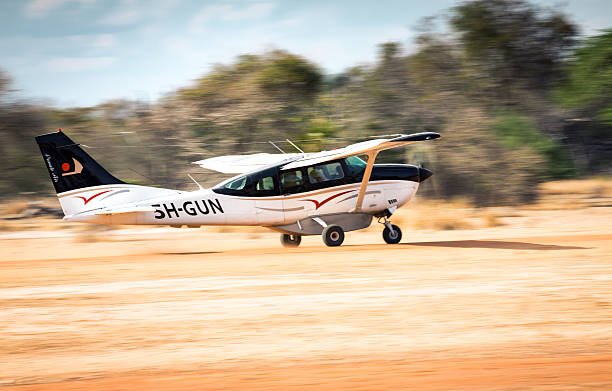
- Internal Flights: Scheduled light aircraft flights are common for transferring between major parks and countries (e.g., Serengeti to Maasai Mara, Tanzania to Rwanda). This significantly reduces travel time but adds to the cost.
- Overland Travel: For shorter distances or between adjacent parks, overland travel in safari vehicles is common. This can offer more scenic views but takes considerably longer.
Recommendation for 2026-2027: For itineraries combining Tanzania, Kenya, and Rwanda/Uganda, a mix of flights and 4×4 safaris is usually the most efficient way to maximize your time experiencing wildlife. Discuss your preferred pace and budget with your tour operator to determine the best transport mix.
Budgeting for Your 2026-2027 Safari
The cost of an East African safari varies significantly based on several factors:
- Destination Choice: Rwanda is generally more expensive for gorilla trekking permits than Uganda.
- Duration: Longer trips naturally cost more.
- Accommodation Level: Luxury lodges and tented camps are considerably more expensive than mid-range or budget options.
- Transportation: Internal flights add significantly to the overall cost compared to overland travel.
- Time of Year: Peak season (June-October, December) is more expensive than the low or shoulder seasons.
- Group Size: Private safaris are more expensive per person than joining a small group or shared tour.
Cost Components:
- Park Entrance Fees: These are charged per person per day and can be substantial, especially in popular parks like the Serengeti and Ngorongoro.
- Gorilla Permits: A fixed cost for each trek (e.g., $700 USD in Uganda, $1500 USD in Rwanda as of 2024).
- Accommodation: Varies widely.
- Vehicle & Guide Hire: For safaris.
- Meals: Often included in safari packages, but drinks may be extra.
- Internal Flights: Can range from $200-$500+ per flight.
- Visas & Vaccinations: Additional pre-trip costs.
Guidance for 2026-2027: A mid-range safari combining Tanzania and Kenya might range from $400-$700 USD per person per day, excluding international flights. Adding a gorilla trek in Rwanda could add $1500+ for the permit and extra accommodation/transport costs, potentially pushing the daily rate higher. Uganda, with its cheaper permits, might offer a slightly lower overall cost for a combined primate and safari trip. It’s best to get a personalized quote based on your specific itinerary and preferences.
Booking Your East Africa Trip for 2026-2027
The process of booking your dream East African adventure for 2026-2027 should be exciting, not overwhelming. Working with an experienced local operator is highly recommended, especially when combining diverse destinations like Tanzania, Kenya, Rwanda, and Uganda. A specialist can navigate the complexities of permits, park fees, internal flights, and accommodation bookings, ensuring you get the best value and a smooth experience.
At Climb 4 Africa, we specialize in crafting personalized East African journeys that blend iconic wildlife safaris with unforgettable primate encounters. Our local expertise means we understand the best times to visit, the most efficient travel routes, and how to secure the permits and accommodations that best suit your needs. Whether you’re aiming for the vast plains of the Serengeti, the dramatic landscapes of the Maasai Mara, or the misty forests of Volcanoes National Park, we are here to help.
To begin planning your 2026-2027 trip:
- Contact Us: Reach out via email at climb4africa@gmail.com or send us a message on WhatsApp at +255 747 477 898.
- Share Your Vision: Tell us about your interests (wildlife, gorillas, culture, photography), your preferred travel dates for 2026-2027, the duration of your trip, your budget indications, and the number of travelers.
- Receive a Custom Itinerary: We will work with you to design a tailor-made itinerary that perfectly matches your desires and provides practical, actionable advice.
Booking well in advance is highly advised for 2026-2027, especially for peak seasons and specific permits like gorilla trekking. Let us handle the details so you can focus on the incredible adventure that awaits.
Check Availability for Planning East Africa Safaris: Tanzania & Kenya Wildlife Meets Gorilla
Ready to compare dates, prices, and the best option for your group? Send the package name and travel month so the team can reply with a clear quote, availability, and what is included.
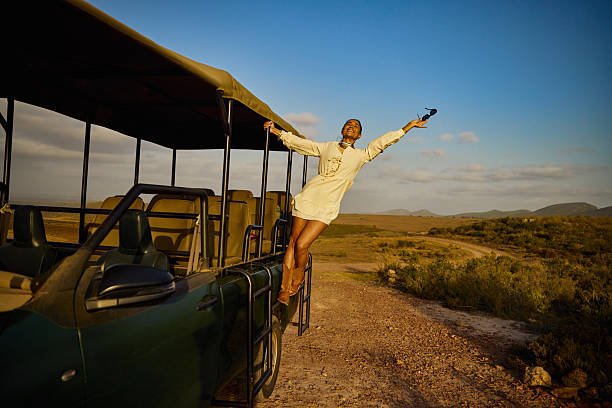
Uganda Rwanda Tanzania Kenya Four Country East Africa Safari 2026-2027
Uganda Rwanda Tanzania Kenya four country East Africa safari is explained with current 2026-2027 planning, price, itinerary and booking information.
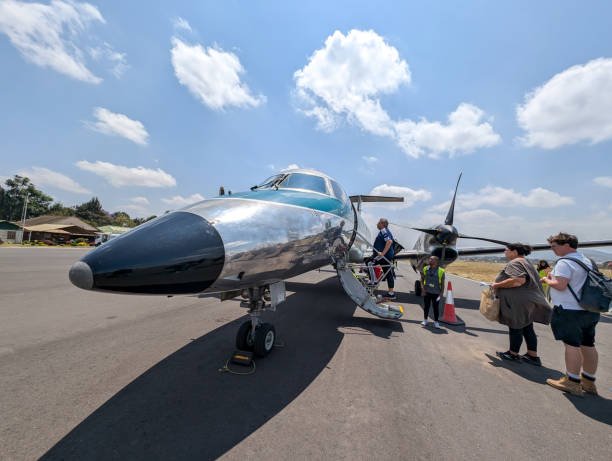
Category 7 — Uganda + Tanzania Gorilla & Wildlife Combos 2026-2027
CATEGORY 7 — UGANDA + TANZANIA GORILLA & WILDLIFE COMBOS is explained with current 2026-2027 planning, price, itinerary and booking information.
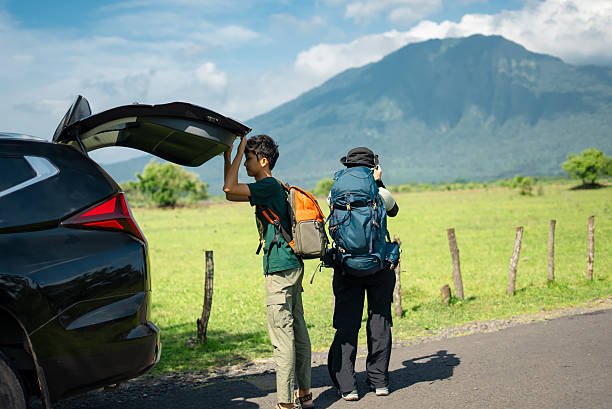
Uganda Rwanda Tanzania Combined Safari With Gorilla Trekking In 2026-2027
Combine the iconic wildlife of Tanzania with the unparalleled primate encounters in Uganda and Rwanda for an unforgettable East African adventure. This comprehensive guide covers everything…
Rwanda Tanzania Safari Cost With Gorilla Permits And Zanzibar: Planning Your
Planning a Rwanda and Tanzania safari adventure that includes the unforgettable experience of gorilla trekking, followed by a relaxing escape to Zanzibar, involves careful consideration of…
Tanzania Safari Followed By Rwanda Gorilla Trekking: The Ultimate African
Experience the pinnacle of East African wildlife and primate encounters by combining a classic Tanzania safari with the profound experience of gorilla trekking in Rwanda. This guide details…
Gorilla Trekking In Rwanda Followed By Tanzania Safari: The Ultimate African
Experience the profound encounter with mountain gorillas in Rwanda's Volcanoes National Park, then journey to Tanzania for an unparalleled wildlife safari across its famous parks. This…
12 Days Rwanda Gorillas, Tanzania Safari & Zanzibar | Climb 4 Africa 2026-2027
Discover an unparalleled 12-day adventure weaving together the misty mountains of Rwanda for gorilla encounters, the vast plains of Tanzania for iconic wildlife safaris, and the exotic…
Uganda Tanzania Luxury Safari With Gorilla Trekking And Serengeti 2026-2027
Combine the awe-inspiring mountain gorillas of Uganda with the iconic plains of the Serengeti in Tanzania for an unparalleled luxury safari experience. This comprehensive guide details…
10 Days Uganda Tanzania Safari And Gorilla Trekking 2026-2027
10 days Uganda Tanzania safari and gorilla trekking is explained with current 2026-2027 planning, price, itinerary and booking information.
Rwanda Gorilla Trekking And Tanzania Safari Combination Itinerary: Expert
Combine the awe-inspiring experience of gorilla trekking in Rwanda with the classic wildlife encounters of a Tanzania safari. This guide details how to craft the perfect itinerary for…
Best East Africa Safari Combining Gorillas And Serengeti Migration: Your
Discover the ultimate East Africa safari adventure, seamlessly blending the awe-inspiring experience of gorilla trekking in Uganda or Rwanda with the unparalleled spectacle of the Great…
Uganda Tanzania Safari Cost With Gorilla Permits And Zanzibar In 2026-2027
Planning a Uganda and Tanzania safari combined with Zanzibar in 2026-2027 involves understanding variable costs for wildlife viewing, gorilla trekking permits, and island relaxation. This…
No related package matches those filters. Clear one or more filters to see the other topic-matched options.