A two-week safari and Zanzibar itinerary from the USA typically focuses on Tanzania’s Northern Circuit for wildlife and concludes with beach relaxation on Zanzibar, offering a balanced introduction to the country’s diverse attractions. For 2026-2027, planning involves selecting key parks like the Serengeti and Ngorongoro Crater, arranging internal flights or road transfers, and booking accommodation and activities, often starting and ending with international flights from major US hubs to Kilimanjaro International Airport (JRO).
Understanding the USA to Tanzania Safari and Zanzibar Two Week Itinerary
Embarking on a two-week journey from the United States to Tanzania, combining a classic Northern Circuit safari with the idyllic beaches of Zanzibar, is a dream for many. This duration is ideal for experiencing the highlights without feeling overly rushed. The typical flow involves flying into Kilimanjaro International Airport (JRO), undertaking a safari for roughly 7-9 days, and then transferring to Zanzibar for 4-5 days of island life before flying back from JRO or directly from Zanzibar (ZNZ). Considering travel time from the US, which can be significant, this 14-day structure is efficient. The 2026-2027 travel season offers excellent opportunities, with peak wildlife viewing often aligning with the dry seasons, though this itinerary can be adapted for other times of the year.
This itinerary is designed to provide a comprehensive yet manageable introduction to Tanzania’s most famous natural and cultural attractions. It balances the thrill of wildlife encounters with the tranquility of a tropical island paradise. When planning for 2026 or 2027, it’s wise to book well in advance, especially for peak safari seasons (June-October and December-February) and popular accommodations.
Structuring Your Two-Week Tanzania Adventure
A well-structured two-week itinerary is key to maximizing your experience. The core components of a USA to Tanzania safari and Zanzibar two week itinerary generally include:
- Arrival and Kilimanjaro Region Acclimatization: Often a brief overnight near Arusha or Moshi to prepare for the safari.
- Northern Circuit Safari: Covering iconic parks like Tarangire, Lake Manyara, Serengeti National Park, and the Ngorongoro Conservation Area.
- Transfer to Zanzibar: Typically via a short domestic flight from Arusha or the Serengeti airstrip.
- Zanzibar Exploration: Focusing on Stone Town’s history and the island’s pristine beaches.
- Departure: From Zanzibar or back to Kilimanjaro for international flights.
The exact order and duration within each component can be customized based on your interests. For instance, some travelers might prefer more time in the Serengeti, while others might want to add a day trip from Zanzibar.
Day 1-2: Arrival in Tanzania & Kilimanjaro Region
Your journey begins with international flights from the USA to Kilimanjaro International Airport (JRO). Given the long travel times, it’s highly recommended to arrive at least one day before your safari officially begins. This allows for rest, acclimatization to the time difference and altitude, and a buffer for any potential flight delays. Many travelers opt for an overnight stay in Arusha or Moshi, towns that serve as gateways to the Northern Circuit. These locations offer comfortable lodges and hotels, and a chance to get a first taste of Tanzanian culture. Some tours might include an airport transfer and overnight stay as part of the package.
For 2026-2027, consider booking accommodations that offer good amenities and are conveniently located for your onward journey. This initial period is crucial for ensuring you start your safari refreshed and ready.
Day 3-9: Northern Circuit Wildlife Safari
This is the heart of your Tanzanian wildlife experience. The Northern Circuit is renowned for its high density of wildlife and varied landscapes. A typical 7-day safari within this two-week framework would cover the following key destinations:
Day 3: Tarangire National Park
Often the first stop after Arusha, Tarangire is famous for its large elephant herds and iconic baobab trees. The park’s landscape is dramatic, with the Tarangire River acting as a vital water source, attracting wildlife particularly during the dry season. Game drives here offer excellent opportunities to see lions, leopards, cheetahs, zebras, wildebeest, and a variety of birdlife. Its relatively less crowded atmosphere compared to the Serengeti can make for a more intimate wildlife viewing experience.
Day 4: Lake Manyara National Park & Ngorongoro Conservation Area
Lake Manyara offers a different ecosystem, known for its diverse birdlife, tree-climbing lions (though not always easily spotted), and a beautiful soda lake. After a morning game drive, you’ll typically ascend towards the Ngorongoro Conservation Area. Some itineraries include a stop at Mto wa Mbu, a vibrant local village, for a cultural immersion. The drive itself offers scenic views as you gain altitude.
Your accommodation for the night will likely be on the crater rim or within the conservation area, offering stunning views and proximity to the Ngorongoro Crater for the next day’s exploration. The 2026-2027 season may see increased visitor numbers, making early booking essential for prime rim lodges.
Day 5: Ngorongoro Crater
The Ngorongoro Crater is a UNESCO World Heritage Site and a true natural wonder. This ancient caldera boasts an incredible concentration of wildlife, including the Big Five (lion, leopard, elephant, rhino, and buffalo), often visible in a single day. The sheer density of animals within this self-contained ecosystem is astonishing. You’ll spend most of the day on a game drive within the crater floor. Due to conservation efforts, visitor numbers and time spent on the crater floor are regulated, adding to the exclusivity of the experience.
After your crater descent and game drive, you’ll usually ascend and head towards the Serengeti National Park, either driving through the conservation area or taking a flight from a nearby airstrip. Road transfers allow for further scenic stops, while flights save considerable travel time.
Day 6-8: Serengeti National Park
The Serengeti is arguably the most famous wildlife sanctuary in the world, renowned for its vast plains and the Great Migration. Depending on the time of year you travel in 2026 or 2027, you’ll position yourself to witness different stages of the migration, whether it’s the calving season in the south (January-March), the movement towards the western corridor (May-June), or the dramatic river crossings in the north (July-October). Even outside of migration periods, the Serengeti offers exceptional year-round game viewing with resident wildlife populations.
A 3-day stay allows for exploration of different regions within the Serengeti, such as the central Seronera area, known for its big cats, or the northern regions for potential river crossings. Activities can include morning and afternoon game drives, and some lodges offer optional hot air balloon safaris for a unique perspective.
Day 9: Serengeti to Zanzibar Transfer
On the final day of your safari portion, you’ll typically have a morning game drive before transferring to a local airstrip within the Serengeti. From here, you’ll take a scheduled light aircraft flight to Zanzibar. This flight is a scenic journey in itself, offering aerial views of the landscapes you’ve explored. Upon arrival at Zanzibar’s Abeid Amani Karume International Airport (ZNZ), you’ll be met and transferred to your hotel in Stone Town or directly to a beach resort, depending on your preference and the tour’s arrangement.
Day 10-13: Zanzibar – Spice Island Paradise
Zanzibar offers a stark yet beautiful contrast to the dusty plains of the mainland safari. Known as the ‘Spice Island,’ it boasts a rich history, vibrant culture, and stunning tropical beaches.
Stone Town Exploration
Spend at least one full day exploring the UNESCO World Heritage site of Stone Town. This ancient city is a labyrinth of narrow alleyways, bustling bazaars, intricately carved wooden doors, and historic buildings reflecting Arab, Persian, Indian, and European influences. Key sights include the House of Wonders, the Old Fort, the former Slave Market, and the vibrant Darajani Market. A guided walking tour is highly recommended to understand its complex history and vibrant present. Consider visiting during the cooler parts of the day.
Spice Tour
A visit to a local spice farm is a quintessential Zanzibar experience. You’ll learn about the cultivation and uses of various spices, fruits, and medicinal plants that have historically made Zanzibar famous. It’s an aromatic and educational outing, often including a delicious local lunch made with fresh ingredients.
Beach Relaxation and Activities
The remaining days are dedicated to enjoying Zanzibar’s world-class beaches. The northern tip of the island, particularly areas like Nungwi and Kendwa, offers powdery white sands, clear turquoise waters, and spectacular sunsets. The east coast, with areas like Paje and Jambiani, is known for its kite-surfing opportunities and tidal flats. Your chosen resort will dictate the available activities, which can range from snorkeling and diving in the coral reefs, swimming with dolphins (responsibly, of course), to simply relaxing by the ocean.
For 2026-2027 travel, booking beachfront accommodation that suits your preferred pace—whether it’s lively or secluded—is key. Consider the tides if you plan on extensive swimming, as some beaches experience significant tidal changes.
Optional Excursions from Zanzibar
Depending on your interests, you might consider additional day trips:
- Prison Island (Changuu Island): Famous for its giant Aldabra tortoises and snorkeling opportunities.
- Mnemba Atoll: A premier spot for diving and snorkeling, teeming with marine life.
- Jozani Forest: Home to the rare Red Colobus monkeys and a unique mangrove ecosystem.
Day 14: Departure
Enjoy a final breakfast on the island before your transfer to Zanzibar Airport (ZNZ) for your flight back to the USA, or to Kilimanjaro International Airport (JRO) if your international flight departs from there. Many travelers opt to fly from ZNZ to a hub like Doha, Dubai, or Amsterdam before continuing their journey home. Ensure your flight connections are well-planned, especially considering potential time zone changes and the long haul back.
Logistics and Planning for Your 2026-2027 Trip
Planning a USA to Tanzania safari and Zanzibar two week itinerary involves several key logistical considerations:
Visas and Vaccinations
US citizens will need a visa for Tanzania. This can often be obtained online in advance or upon arrival at the airport, though pre-application is recommended for smoother entry. Consult your doctor or a travel clinic well in advance of your trip (typically 4-6 weeks) regarding recommended vaccinations and malaria prophylaxis. Yellow Fever vaccination may be required if arriving from or transiting through certain countries.
Travel Insurance
Comprehensive travel insurance is essential. It should cover medical emergencies, trip cancellations, and importantly, medical evacuation, which can be crucial in remote safari locations. Ensure your policy is valid for the specific activities you’ll be undertaking, including safari drives and water sports in Zanzibar.
Best Time to Travel (2026-2027)
The 2026-2027 dry seasons are generally considered the best for wildlife viewing in the Northern Circuit:
- June to October: Cooler temperatures, less humidity, and wildlife congregates around permanent water sources. This is also prime time for the Great Migration river crossings in the Serengeti.
- December to February: Warmer, drier conditions. This period often coincides with the calving season of the Great Migration in the southern Serengeti.
The shoulder seasons (March-May and November) can offer lower prices and fewer crowds but may bring rain, which can make roads challenging and disperse wildlife.
Choosing Your Safari Style
Safari styles vary:
- Budget/Camping Safaris: More basic accommodations, often in public campsites.
- Mid-Range Safaris: Comfortable lodges and tented camps with private facilities. This is a popular choice for a good balance of comfort and experience.
- Luxury Safaris: High-end lodges and exclusive tented camps with premium services and amenities.
- Private vs. Group Safaris: Private safaris offer maximum flexibility and customization, while group safaris are more budget-friendly.
For a USA to Tanzania safari and Zanzibar two week itinerary, a mid-range to luxury private safari often provides the most comfortable and personalized experience, especially when time is limited to two weeks.
Accommodation Types
Expect a range of accommodations:
- Lodges: Permanent structures with private rooms, often with amenities like swimming pools and restaurants.
- Tented Camps: Canvas structures that offer a more ‘in the wild’ feel while still providing comfort and private bathrooms.
- Beach Resorts: Ranging from boutique hotels to larger resorts in Zanzibar, offering various levels of service and amenities.
Internal Transportation
Travel within Tanzania for this itinerary typically involves:
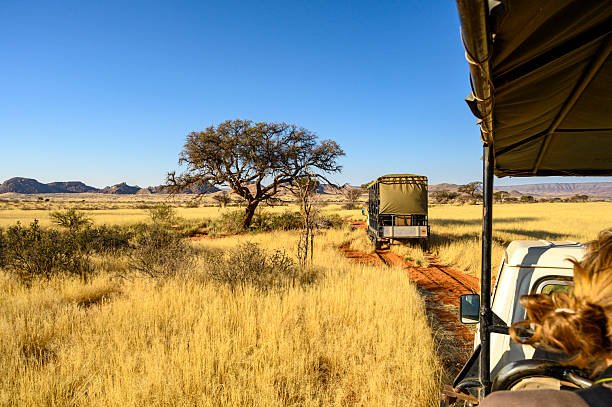
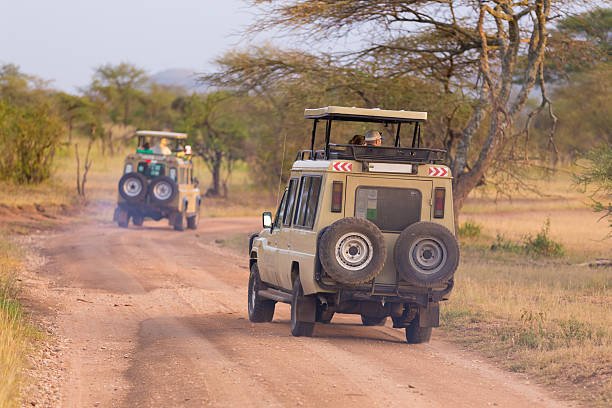
- 4×4 Safari Vehicles: Specially equipped open-top or pop-top 4x4s are standard for game drives, ensuring good visibility and comfort on rough terrain.
- Light Aircraft Flights: Connecting safari locations (e.g., Serengeti to Zanzibar) significantly cuts down travel time. These are usually small planes with luggage restrictions.
- Road Transfers: Between airports, hotels, and park entrances, often in comfortable minibusses or 4x4s.
Making the Most of Your Safari Experience
To truly enhance your safari, consider these tips:
- Pack Appropriately: Lightweight, neutral-colored clothing is best. Bring layers for cooler mornings and evenings, a wide-brimmed hat, sunglasses, high SPF sunscreen, insect repellent, and comfortable walking shoes. Binoculars are a must.
- Respect Wildlife: Maintain a safe distance, never feed animals, and always follow your guide’s instructions.
- Embrace the Early Mornings: Dawn is often the most active time for wildlife.
- Stay Hydrated: Drink plenty of water, especially during game drives.
- Engage with Your Guide: Local guides are a wealth of knowledge about wildlife behavior, local culture, and the ecosystems.
Zanzibar Specifics for Your 2026-2027 Trip
When planning the Zanzibar portion of your USA to Tanzania safari and Zanzibar two week itinerary:
- Choosing Your Beach Location:
- Nungwi/Kendwa (North): Known for calm, clear waters, beautiful sunsets, and vibrant atmosphere. Ideal for swimming year-round.
- Paje/Jambiani (East): Famous for kite-surfing due to consistent winds. Experience dramatic tidal changes, revealing sandbanks and local life.
- Matemwe (Northeast): Quieter, closer to Mnemba Atoll for excellent diving and snorkeling.
- Kizimkazi (South): Historically known for dolphin tours, though responsible tourism practices are paramount.
- Water Activities: Zanzibar offers superb snorkeling, diving, and opportunities for dhow sunset cruises. Ensure any tours you book adhere to ethical wildlife interaction guidelines.
- Cultural Sensitivity: Zanzibar is a predominantly Muslim island. Dress modestly when visiting Stone Town or rural villages (covering shoulders and knees). Beachwear is generally acceptable at resorts.
Sample USA to Tanzania Safari and Zanzibar Two Week Itinerary Outline (2026-2027)
This is a flexible framework. Specific lodge/camp choices and exact timings will be refined based on your preferences and the season for 2026-2027.
Week 1: Safari Adventure
- Day 1: Arrive at Kilimanjaro International Airport (JRO), transfer to Arusha/Moshi for overnight.
- Day 2: Briefing, relax or explore local town.
- Day 3: Drive to Tarangire National Park for game drives. Overnight near Tarangire.
- Day 4: Morning game drive in Tarangire, then drive to Ngorongoro Conservation Area, possibly visiting Mto wa Mbu. Overnight on the crater rim or nearby.
- Day 5: Descend into Ngorongoro Crater for a full-day game drive. Ascend and drive towards the Serengeti. Overnight in Southern/Central Serengeti.
- Day 6: Full day game drives in Serengeti National Park (e.g., Seronera area).
- Day 7: Morning game drive in Serengeti, optional hot air balloon safari. Continue exploring Serengeti.
Week 2: Island Paradise
- Day 8: Final morning game drive in Serengeti, transfer to airstrip for flight to Zanzibar (ZNZ). Arrive ZNZ, transfer to Stone Town hotel.
- Day 9: Explore Stone Town – guided tour, markets, historic sites.
- Day 10: Morning Spice Tour. Afternoon transfer to beach resort (e.g., Nungwi, Paje).
- Day 11: Beach relaxation, swimming, optional water sports.
- Day 12: Full day at leisure on the beach or optional excursion (e.g., Mnemba Atoll snorkeling).
- Day 13: Enjoy final island morning. Optional last-minute souvenir shopping or relaxation.
- Day 14: Transfer to Zanzibar Airport (ZNZ) for departure.
Costs and Booking Considerations for 2026-2027
The cost of a USA to Tanzania safari and Zanzibar two week itinerary can vary significantly based on accommodation level, group size, time of year, and inclusions. For 2026-2027, expect prices to reflect current market conditions, with potential adjustments for inflation and service costs.
General Cost Factors:
- Accommodation: Luxury lodges and camps are the most significant cost driver.
- Vehicle and Guide: Private safari vehicles and experienced guides add to the daily rate.
- Park Fees: These are substantial and levied per person per day for each park/conservation area.
- Internal Flights: The Serengeti to Zanzibar flight is a notable expense.
- Activities: Optional activities like hot air balloon safaris or diving courses increase the total cost.
- Time of Year: Peak seasons (June-Oct, Dec-Feb) are generally more expensive.
Budget Guidance (Estimates per person, for a 14-day trip, excluding international flights from the US):
- Mid-Range: $4,500 – $7,000 USD. This typically includes comfortable lodges/camps, a private 4×4 vehicle, experienced guide, park fees, internal flights, and standard meals.
- Luxury: $7,000 – $12,000+ USD. This level features high-end lodges, exclusive camps, premium services, potentially more inclusive activities, and often more flexibility.
Booking for 2026-2027:
It is highly recommended to book your USA to Tanzania safari and Zanzibar two week itinerary at least 6-12 months in advance, especially if you are planning for peak travel periods in 2026 or 2027. Early booking secures your preferred accommodation and guarantees availability for internal flights. Confirm what is included in your package (e.g., meals, park fees, activities, transfers, guide services) and what is not (e.g., international flights, visa fees, tips, personal expenses, travel insurance).
When you are ready to plan your unforgettable USA to Tanzania safari and Zanzibar two week itinerary for 2026-2027, consider reaching out to local experts. Climb 4 Africa specializes in tailor-made Tanzanian adventures, offering personalized itineraries that balance iconic wildlife experiences with relaxing island escapes. They can provide detailed quotes based on your specific preferences, manage all the logistical complexities, and ensure you have a smooth and enriching journey. To discuss your dream trip, contact them via WhatsApp +255 747 477 898 or email climb4africa@gmail.com. They can help craft an itinerary that perfectly suits your budget and interests, from the vast plains of the Serengeti to the turquoise waters of Zanzibar.
Check Availability for Usa To Tanzania Safari And Zanzibar Two Week Itinerary 2026-2027
Ready to compare dates, prices, and the best option for your group? Send the package name and travel month so the team can reply with a clear quote, availability, and what is included.
Ten Day Afcon Tanzania Safari And Zanzibar Holiday: Planning Guide
Planning a ten-day trip for AFCON 2027? This guide covers the ideal itinerary, logistics for combining a Northern Circuit safari with a Zanzibar beach holiday, and how to manage your travel...
View package detailsAfcon Football Safari And Zanzibar Holiday: Expert Planning Guide
A guide to combining the AFCON 2027 football tournament with a Tanzanian safari and Zanzibar beach holiday, focusing on logistics, timing, and travel planning.
View package detailsAfcon Honeymoon Safari And Zanzibar Package: Expert Planning Guide
A detailed guide for couples planning a Tanzania trip during the 2027 AFCON tournament, focusing on logistics, safari privacy, and Zanzibar beach selection.
View package detailsSeven Day Afcon Safari And Zanzibar Package
Seven Day AFCON Safari and Zanzibar Package.
View package detailsAfcon Kilimanjaro Safari And Zanzibar Package: Expert Planning Guide
A comprehensive guide to coordinating your AFCON 2027 travel, including Kilimanjaro trekking, Northern Circuit safaris, and Zanzibar relaxation, with expert logistical advice.
View package detailsI Am Staying In Zanzibar—Can I Join A Mainland Safari Group?
A practical guide for travelers staying in Zanzibar who want to add a group safari to their itinerary, covering logistics, regional differences, and planning tips.
View package detailsCan I Book A One Day Safari From Zanzibar In Dec ?
Can I Book a One Day Safari from Zanzibar in Dec 2026?
View package details
Nov 23, – 3 Day Serengeti And Ngorongoro Safari From Zanzibar
Nov 23, 2026 – 3 Day Serengeti and Ngorongoro Safari from Zanzibar.
View package details_1_John_from-rednote-web-768x1024.jpg)
Dec 13, – 2 Day Nyerere Fly-In Group Safari From Zanzibar 2026
A detailed guide to the December 13, 2026 group fly-in safari from Zanzibar to Nyerere National Park, covering the itinerary, logistics, and planning for your trip.
View package details
Dec 5, – 1 Day Mikumi Fly-In Group Safari From Zanzibar 2026
A practical guide to the December 5, 2026, group fly-in safari to Mikumi National Park. Learn about the itinerary, group logistics, and how to book your seat.
View package details
Nov 15, – 2 Day Mikumi Fly-In Group Safari From Zanzibar 2026
A practical guide and booking overview for the November 15, 2026, group fly-in safari to Mikumi National Park, departing from Zanzibar.
View package details
Oct 25, – 1 Day Nyerere Fly-In Group Safari From Zanzibar 2026
Secure your spot for the October 25, 2026, group fly-in safari to Nyerere National Park. A professional, time-efficient wildlife experience from Zanzibar.
View package detailsNo related package matches those filters. Clear one or more filters to see the other topic-matched options.