A combined Uganda gorilla trekking and Tanzania Serengeti safari itinerary for 2026-2027 typically spans 12 to 18 days, blending the dense Bwindi Impenetrable Forest for gorilla encounters with the vast plains of the Serengeti for classic game drives. This journey requires careful planning to coordinate flights between Uganda and Tanzania, secure gorilla permits well in advance, and select the right safari lodges and vehicles for an optimal experience, with costs varying significantly based on accommodation style and safari duration.
Crafting Your Ultimate Uganda Gorilla Trekking and Tanzania Serengeti Safari Itinerary
Combining the misty mountains of Uganda, home to the magnificent mountain gorillas, with the sun-drenched plains of Tanzania’s Serengeti, a world-renowned wildlife haven, offers a truly unparalleled East African adventure. This is not a trip to be undertaken lightly; it requires meticulous planning, especially when aiming for specific dates in 2026 or 2027. As experts in Tanzanian travel and Kilimanjaro climbs, we understand the intricate logistics involved in creating a cohesive and deeply rewarding Uganda gorilla trekking and Tanzania Serengeti safari itinerary. This guide aims to provide you with the essential knowledge to build your perfect journey, from understanding permit requirements and optimal travel seasons to choosing the right routes and accommodations.
Many travelers dream of seeing gorillas in their natural habitat and experiencing the Great Migration or the Big Five on safari. Doing both in one trip is logistically challenging but incredibly rewarding. The key lies in smooth transitions, efficient use of time, and understanding the unique demands of each destination. This is where expert local knowledge becomes invaluable. We’ll walk you through the considerations, helping you visualize your adventure and make informed decisions for your 2026-2027 travels.
Why Combine Uganda Gorilla Trekking with a Serengeti Safari?
The allure of combining these two iconic experiences is powerful. Uganda offers an intimate encounter with endangered mountain gorillas in lush, ancient rainforests, a profoundly moving and humbling experience. Tanzania’s Serengeti, on the other hand, provides a classic safari spectacle – vast landscapes teeming with a density of wildlife rarely seen elsewhere. Together, they offer a comprehensive East African wildlife experience that contrasts dense jungle exploration with expansive savannah exploration.
Consider the unique draws:
- Gorilla Trekking in Uganda: The primary draw is tracking habituated gorilla families in Bwindi Impenetrable National Park or Mgahinga Gorilla National Park. This involves a trek through dense forest, guided by trackers and rangers, culminating in a precious hour spent observing these gentle giants. It’s a physically demanding but emotionally charged activity.
- Serengeti Safari: Famous for the Great Migration (though it happens year-round in different locations), the Serengeti offers endless opportunities to witness lions, elephants, leopards, cheetahs, rhinos, and a myriad of other species in their natural environment. The sheer scale of the park and its wildlife populations is astonishing.
The contrast between these environments is what makes the combination so compelling. It’s a journey from the cool, misty highlands of Uganda to the hot, open plains of Tanzania, showcasing the incredible biodiversity of East Africa. For your 2026 or 2027 trip, planning for this duality is essential.
Key Components of a Uganda Gorilla Trekking and Tanzania Serengeti Safari Itinerary
Successfully integrating these two distinct experiences requires understanding several critical elements. The sequence, duration, and specific locations within each country play a significant role in the overall feasibility and enjoyment of your trip. When planning your Uganda gorilla trekking and Tanzania Serengeti safari itinerary for 2026-2027, keep these core components in mind:
1. Duration: How Long Do You Need?
To experience both destinations without feeling rushed, a minimum of 10-12 days is generally recommended. However, for a more comfortable and comprehensive journey, 14-18 days is ideal. This allows for travel time between countries, sufficient time for gorilla trekking, and a good exploration of different regions within the Serengeti.
- Minimum (10-12 Days): This would typically involve 2-3 days in Uganda for gorilla trekking (including travel to/from the park) and 5-7 days on a Serengeti safari, with 1-2 days for international travel and transit between countries. This is a fast-paced itinerary.
- Recommended (14-18 Days): This allows for 3-4 full days dedicated to gorilla trekking activities and exploration around Bwindi or Mgahinga, 7-10 days exploring different circuits of the Serengeti (e.g., Central, Northern, Southern), and ample time for flights and transfers. This offers a more relaxed pace and deeper immersion.
When booking for 2026 or 2027, consider that popular times might require longer stays to secure desired permits and accommodations. Longer itineraries also provide flexibility should any unforeseen travel delays occur.
2. Logistics: Connecting Uganda and Tanzania
This is arguably the most complex aspect of a combined Uganda gorilla trekking and Tanzania Serengeti safari itinerary. There are no direct road routes between the prime gorilla trekking areas in Uganda and the Serengeti in Tanzania that are practical for tourists. Therefore, flights are essential.
- International Flights: You’ll likely fly into Entebbe International Airport (EBB) in Uganda and depart from Kilimanjaro International Airport (JRO) in Tanzania, or vice-versa.
- Internal Flights: The most common way to connect the two countries is via a flight from Entebbe (EBB) to Kilimanjaro (JRO) or Arusha Airport (ARK) in Tanzania. These flights usually connect through Nairobi, Kenya, or Addis Ababa, Ethiopia, and can take a significant portion of a day.
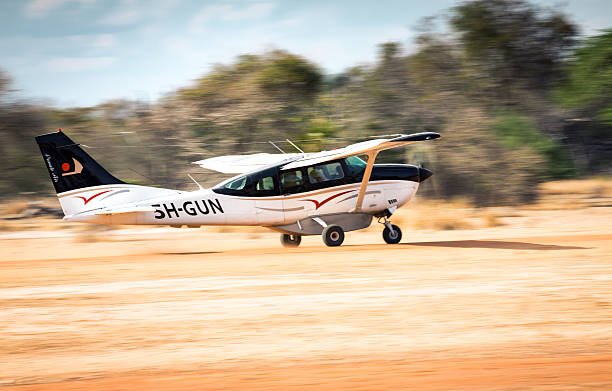
- Safari Flights: Within Tanzania, you will likely take light aircraft flights between different airstrips in the Serengeti and from Arusha to these airstrips, saving considerable driving time.
Booking these flights well in advance is crucial, especially for 2026-2027 travel, as schedules can be limited. Climb 4 Africa can assist in coordinating these complex flight arrangements as part of your tailor-made itinerary.
3. Gorilla Permits: The Essential Requirement
Gorilla permits are the ‘golden ticket’ to trekking mountain gorillas. They are issued by the Uganda Wildlife Authority (UWA) and are strictly limited in number to protect the gorillas and their habitat. For Bwindi Impenetrable National Park and Mgahinga Gorilla National Park, a permit allows one hour of observation with a habituated gorilla family.
- Availability: Permits are in high demand and sell out months, sometimes over a year, in advance, especially for peak seasons in 2026 and 2027. You must book your gorilla permits as early as possible.
- Cost: The cost of a gorilla permit can change, but it is a significant portion of the Uganda portion of your trip. Check current UWA rates for the most up-to-date pricing.
- Booking: Permits can only be obtained through registered tour operators. Climb 4 Africa can secure these permits on your behalf once you have confirmed your dates and chosen your accommodation.
Without a permit, you cannot trek. This is a non-negotiable aspect of planning your Uganda gorilla trekking and Tanzania Serengeti safari itinerary.
4. Safari Regions and Timing in Tanzania
The Serengeti is vast, and wildlife movements, particularly the Great Migration, dictate the best areas to visit at different times of the year. For a truly exceptional Serengeti experience as part of your 2026-2027 itinerary, consider:
- Central Serengeti (Seronera Valley): Excellent year-round for resident wildlife, particularly big cats. Ideal for those seeking reliable sightings.
- Northern Serengeti (Mara River region): Famous for river crossings of the Great Migration (July-October). Requires more travel time to reach.
- Southern Serengeti (Ndutu/Naabi Hill area): Best for calving season of the Great Migration (December-March), with vast herds and predator action.
- Western Corridor: Witness migration river crossings (May-June).
Your safari duration will determine how many of these regions you can realistically explore. A 7-10 day safari allows for visiting 2-3 different areas for a more diverse experience.
5. Accommodation Styles
Both Uganda and Tanzania offer a range of accommodation, from basic campsites to ultra-luxury lodges. Your choice will significantly impact the cost and overall feel of your Uganda gorilla trekking and Tanzania Serengeti safari itinerary.
- Uganda: Lodges near Bwindi range from comfortable mid-range options to more exclusive, high-end lodges offering stunning forest views.
- Tanzania: Safari lodges and tented camps in the Serengeti vary greatly in luxury, location, and price. Tented camps often provide a more in-depth experience, while permanent lodges offer more amenities.
For 2026-2027 bookings, popular lodges, especially those with prime locations or unique features, should be booked well in advance.
Sample Itinerary Structures for Uganda Gorilla Trekking and Tanzania Serengeti Safari
To illustrate how these components come together, here are a few sample itinerary structures. These are flexible and can be customized by Climb 4 Africa to perfectly match your interests, budget, and desired pace for your 2026-2027 adventure.
Itinerary Option 1: The Classic Combination (14 Days)
This itinerary offers a balanced experience, focusing on the highlights of both destinations.
- Day 1: Arrival in Entebbe, Uganda. Transfer to your hotel.
- Day 2: Fly to Bwindi Impenetrable National Park. Transfer to lodge.
- Day 3: Gorilla Trekking Day. Early start for your guided trek.
- Day 4: Golden Monkey Trekking (Optional) or Relaxation.
- Day 5: Fly from Entebbe to Kilimanjaro (JRO) / Arusha (ARK), Tanzania. Transfer to Arusha.
- Day 6: Fly to Serengeti National Park. Game drive en route to lodge.
- Day 7-9: Serengeti Safari. Explore different regions based on season/preference.
- Day 10: Fly from Serengeti to Zanzibar (or back to Arusha). If flying to Zanzibar, relax on the beach.
- Day 11-13: Zanzibar (Optional Extension). Explore Stone Town, spice tours, beaches.
- Day 14: Departure. From Zanzibar or Kilimanjaro.
Note: This itinerary assumes a desire for a brief Zanzibar experience. If focusing solely on Uganda and Serengeti, days 10-13 could be spent on a more in-depth Serengeti exploration or visiting other Tanzanian parks like Ngorongoro Crater.
Itinerary Option 2: The Wildlife Enthusiast (18 Days)
This extended itinerary allows for a deeper look at both Uganda’s primate diversity and Tanzania’s vast savannas.
- Day 1: Arrival in Entebbe, Uganda.
- Day 2: Transfer to Kibale Forest National Park. Chimpanzee trekking.
- Day 3: Transfer to Queen Elizabeth National Park. Game drives, boat trip.
- Day 4: Transfer to Bwindi Impenetrable National Park.
- Day 5-6: Gorilla Trekking in Bwindi. (Allows for a second trek or exploring different sectors).
- Day 7: Fly from Bwindi area (Kihihi/Kisoro) to Entebbe. Overnight.
- Day 8: Fly from Entebbe to Kilimanjaro (JRO) / Arusha (ARK), Tanzania.
- Day 9: Drive to Ngorongoro Conservation Area. Descend into the Crater for a full day game drive.
- Day 10: Transfer to Serengeti National Park. Game drive en route.
- Day 11-15: Extensive Serengeti Safari. Explore 2-3 different regions (e.g., Central, North, South) based on migration patterns for 2026-2027.
- Day 16: Fly from Serengeti to Arusha.
- Day 17: Day trip or relaxation in Arusha.
- Day 18: Departure from Kilimanjaro (JRO).
Note: This itinerary includes chimpanzee trekking in Kibale and a full day in the Ngorongoro Crater, offering a broader primate and big game experience.
Itinerary Option 3: The Focused Explorer (12 Days)
For those with limited time, this itinerary prioritizes the core experiences efficiently.
- Day 1: Arrival in Entebbe, Uganda.
- Day 2: Fly to Bwindi Impenetrable National Park. Settle into lodge.
- Day 3: Gorilla Trekking Day.
- Day 4: Fly from Bwindi area to Entebbe. Connect to flight to Kilimanjaro (JRO) / Arusha (ARK).
- Day 5: Fly to Serengeti National Park. Game drive en route.
- Day 6-10: Serengeti Safari. Focus on one or two key regions for optimal wildlife viewing in 2026-2027.
- Day 11: Fly from Serengeti to Arusha.
- Day 12: Departure from Kilimanjaro (JRO).
Note: This is a fast-paced itinerary but ensures you experience both gorillas and the Serengeti. It relies heavily on internal flights to maximize time on the ground.
Detailed Breakdown: Uganda Gorilla Trekking
Uganda is often considered the premier destination for mountain gorilla trekking due to the quality of the experience, the habituated gorilla families, and the professionalism of the park rangers. Planning your gorilla trekking segment for your Uganda gorilla trekking and Tanzania Serengeti safari itinerary requires attention to specific details.
Bwindi Impenetrable National Park vs. Mgahinga Gorilla National Park
Both parks host mountain gorillas, but they offer slightly different experiences:
- Bwindi Impenetrable National Park: This is the larger and more popular park, home to the majority of Uganda’s gorillas, with around 19 habituated groups available for trekking. It’s divided into four sectors: Buhoma, Ruhija, Rushaga, and Nkuringo. Each sector offers unique trekking experiences and varying degrees of difficulty. Buhoma is the most accessible from the northern entrance.
- Mgahinga Gorilla National Park: This park is part of the Virunga Massif, shared with Rwanda and the Democratic Republic of Congo. It has fewer habituated gorilla groups (currently one main group, the Nyakagezi family), and gorilla permits are scarcer. Mgahinga also offers the chance to trek golden monkeys and climb volcanoes (Virunga Volcanoes).
For most travelers combining with a Serengeti safari, Bwindi is the standard choice due to more permit availability and a higher chance of successful sightings with diverse gorilla families. However, if you are interested in volcano hiking or golden monkeys, Mgahinga might be considered.
The Gorilla Trekking Experience
The trek itself typically starts early in the morning after a briefing at the park headquarters. You’ll be assigned to a specific gorilla family based on their current location and your trekking group. The trek can last anywhere from 2 to 8 hours, involving hiking through dense jungle terrain, often on steep and muddy paths. Porters can be hired to help carry your backpack and assist you on difficult sections, which we highly recommend for comfort and support.
- Group Size: Trekking groups are small, usually a maximum of 8 people per gorilla family.
- Time with Gorillas: Once you locate a gorilla family, you have exactly one hour to observe them, take photos, and soak in the incredible atmosphere.
- Physical Fitness: While you don’t need to be an elite athlete, a reasonable level of fitness is required. The terrain can be challenging, involving steep ascents and descents. If mobility is an issue, inform your tour operator in advance; some families are easier to reach.
The encounter is profound. Watching gorillas interact, groom, and play in their natural environment is an unforgettable moment that will stay with you long after your Uganda gorilla trekking and Tanzania Serengeti safari itinerary is complete.
Permit Costs and Booking for 2026-2027
As mentioned, the gorilla permit cost is a significant factor. As of recent information, permits are generally priced around $700 USD per person for foreign non-residents. It’s crucial to verify the exact cost with UWA for 2026 and 2027, as prices can be subject to change. Booking through a reputable operator like Climb 4 Africa is essential, as they handle the permit acquisition process, ensuring you get permits for your chosen dates. We recommend booking at least 6-9 months in advance for popular dates, and potentially 12 months or more for peak seasons in 2026 and 2027.
What to Pack for Gorilla Trekking
Appropriate gear is vital for a comfortable trek:
- Sturdy hiking boots: Waterproof and well-worn in.
- Long trousers and long-sleeved shirts: To protect against scratches and insects.
- Rain jacket: Essential, as the rainforest can be unpredictable.
- Insect repellent: Especially for mosquitoes.
- Sunscreen and hat: For breaks.
- Camera and extra batteries/memory cards.
- Binoculars: For spotting birds and other forest dwellers.
- Water bottle: Hydration is key.
- Snacks: For energy during the trek.
- Small backpack: To carry your essentials.
Your tour operator will provide a detailed packing list tailored to your specific itinerary.
Detailed Breakdown: Tanzania Serengeti Safari
The Serengeti National Park is the crown jewel of Tanzania’s safari circuit. Its name, derived from the Maasai word ‘Siringet,’ meaning ‘endless plains,’ perfectly captures its essence. A safari here is a quintessential African experience, and integrating it into your Uganda gorilla trekking and Tanzania Serengeti safari itinerary requires understanding its vastness and wildlife dynamics.
The Great Migration
The Great Migration is one of nature’s most spectacular events, with over 1.5 million wildebeest, zebras, and gazelles migrating in a circular pattern across the Serengeti-Mara ecosystem in search of fresh grazing. While the calving season in the south (Dec-Mar) and the river crossings in the north (Jul-Oct) are iconic, the migration is a year-round phenomenon, with herds constantly on the move.
- January-March: Calving season in the southern Serengeti (Ndutu area). Huge herds, abundant predator activity.
- April-May: The herds begin their northward journey, often spread out. This is the ‘green season’ with fewer tourists.
- June-July: The migration gathers in the west and north, preparing for river crossings.
- July-October: The dramatic river crossings of the Mara River in the Northern Serengeti. This is a prime time for photographers and wildlife enthusiasts.
- November: The herds move south, often following the rains.
For 2026-2027, consider which phase of the migration you wish to witness, as this will heavily influence which part of the Serengeti to focus on and when to travel.
Serengeti National Park Regions
To maximize your safari experience, it’s beneficial to explore different regions:
- Central Serengeti (Seronera Valley): Known for its resident wildlife populations, especially big cats like lions, leopards, and cheetahs. The Seronera River provides a permanent water source, attracting animals year-round. It’s often the most visited part of the park.
- Northern Serengeti: Famous for the Mara River and the dramatic wildebeest river crossings. The landscape here is more rugged and hilly. This area is excellent from July to October.
- Southern Serengeti (Ndutu and Kusini areas): Ideal during the calving season (Dec-Mar). Vast open plains dotted with acacia trees, teeming with millions of animals.
- Western Corridor: Home to the Grumeti River, which also experiences migration river crossings, typically between May and July.
A good Uganda gorilla trekking and Tanzania Serengeti safari itinerary will incorporate at least two different regions to offer diverse scenery and wildlife viewing opportunities.
Safari Activities and Vehicles
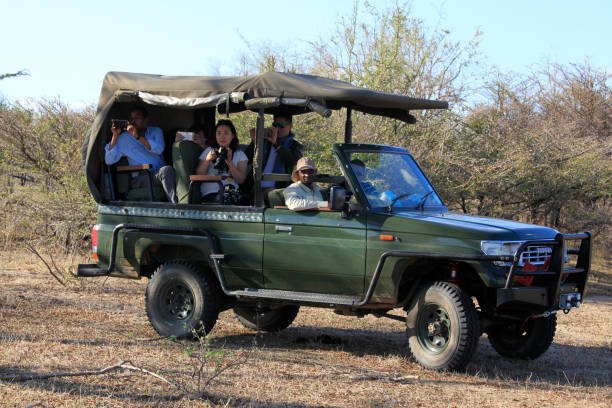
The classic safari experience in the Serengeti involves game drives in custom-built 4×4 safari vehicles. These vehicles are designed for optimal viewing and comfort, with pop-up roofs or open sides, and often feature charging ports and refrigerators.
- Game Drives: Typically conducted in the early morning and late afternoon when animals are most active.
- Walking Safaris: Available in certain areas bordering the Serengeti (e.g., in conservancies or near border villages) but generally not inside the main park itself due to safety concerns with large predators.
- Hot Air Balloon Safaris: An unforgettable way to see the Serengeti from above, especially at sunrise. This is an optional add-on and a popular choice for special occasions.
When booking for 2026-2027, discuss the type of vehicle you prefer (private vs. shared, open vs. closed sides) and any optional activities you’re interested in.
Accommodation in the Serengeti
The Serengeti offers a spectrum of accommodations:
- Luxury Lodges: Permanent structures with en-suite bathrooms, fine dining, and exceptional service. Offer stunning views and a high level of comfort.
- Tented Camps: From classic canvas tents with basic amenities to luxurious ‘glamping’ experiences with en-suite bathrooms and private decks. These offer a more intimate connection with the wilderness.
- Mobile Camps: Strategically located to follow the Great Migration, these camps move seasonally, offering prime viewing locations.
Choosing accommodation in the Serengeti is critical for your safari experience. Consider proximity to wildlife hotspots and the overall ambiance you desire for your Uganda gorilla trekking and Tanzania Serengeti safari itinerary.
Planning Your 2026-2027 Uganda Gorilla Trekking and Tanzania Serengeti Safari
Successful planning for a trip of this magnitude, especially for future dates like 2026 and 2027, involves several strategic steps. It’s about more than just booking; it’s about creating a smooth, safe, and unforgettable journey.
Best Time to Travel
The best time to travel for a combined Uganda gorilla trekking and Tanzania Serengeti safari itinerary depends on your priorities:
- Dry Seasons (June-October, January-February): Generally considered the best for both destinations. Uganda’s Bwindi is less muddy and trails are easier to navigate. The Serengeti offers excellent game viewing with animals congregating around water sources, and the migration river crossings are often happening in the north (July-October). This is peak season, so expect higher prices and book well in advance for 2026-2027.
- Wet Seasons (November-December, March-May): These are the ‘green seasons.’ Uganda is lush and beautiful, though trails can be muddy and treks more challenging. The Serengeti is greener, birdlife is abundant, and the southern plains are ideal for the calving season (Dec-Mar). Fewer tourists and potentially lower prices.
For a Uganda gorilla trekking and Tanzania Serengeti safari itinerary aiming for both gorillas and migration river crossings, July to October is often the sweet spot, though it’s also the busiest and most expensive time.
Visa and Health Requirements
Ensure you are up-to-date on visa and health regulations for both Uganda and Tanzania. For many nationalities, visas can be obtained online in advance or upon arrival at the airport. Consult your doctor well in advance regarding recommended vaccinations (e.g., Yellow Fever is often mandatory) and malaria prophylaxis. Your travel dates in 2026-2027 should allow ample time for these preparations.
Travel Insurance
Comprehensive travel insurance is non-negotiable. It should cover:
- Medical emergencies and evacuation (including from remote areas).
- Trip cancellation and interruption.
- Loss or theft of personal belongings.
- Safari-specific activities (ensure gorilla trekking and game drives are covered).
Budget Considerations for 2026-2027
A combined Uganda gorilla trekking and Tanzania Serengeti safari itinerary is a significant investment. Key cost drivers include:
- Gorilla Permits: A fixed, high cost per person.
- Park Entrance Fees: Daily fees for both parks are substantial.
- Accommodation: Ranges from mid-range to luxury, with a significant impact on the total cost.
- Internal Flights: Essential for connecting destinations and parks efficiently.
- Safari Vehicle and Guide: Daily rates for private vehicles and guides.
- International Flights: Variable based on origin and booking time.
Roughly, a 14-day trip can range from $5,000 to $15,000+ per person, depending heavily on accommodation choices and the level of luxury. For 2026-2027, expect potential price increases due to inflation and demand. Detailed quotes are best obtained from tour operators.
Booking Your Trip with Climb 4 Africa
Navigating the complexities of a Uganda gorilla trekking and Tanzania Serengeti safari itinerary is where our expertise at Climb 4 Africa truly shines. We specialize in crafting bespoke African adventures, ensuring that every detail is managed meticulously.
- Tailor-Made Itineraries: We don’t offer one-size-fits-all packages. We listen to your interests, budget, and pace, then build an itinerary that is uniquely yours for 2026 or 2027.
- Permit Acquisition: We handle the often-challenging process of securing gorilla permits and park entries.
- Logistics Management: From internal flights to airport transfers and safari vehicles, we coordinate all the moving parts.
- Local Knowledge: Our deep understanding of Uganda and Tanzania allows us to recommend the best lodges, guides, and timing for your trip.
- Support: We provide pre-trip guidance and are available for support during your travels.
To start planning your dream Uganda gorilla trekking and Tanzania Serengeti safari itinerary for 2026-2027, reach out to our team. We can provide a personalized quote and begin crafting an unforgettable journey. You can contact us via WhatsApp at +255 747 477 898 or email us at climb4africa@gmail.com.
Frequently Asked Questions about Combined Safaris
Here are some common questions travelers have when considering a combined Uganda gorilla trekking and Tanzania Serengeti safari itinerary:
Can I do Gorilla Trekking in Uganda and a Safari in Kenya instead of Tanzania?
Yes, it’s possible. Connecting Uganda to Kenya (e.g., Masai Mara) is often logistically simpler, with more frequent flights from Entebbe to Nairobi. However, the Serengeti offers a different scale and wildlife experience compared to the Masai Mara, and many travelers specifically seek out the Serengeti for its iconic status and migration dynamics.
Is it safe to travel to Uganda and Tanzania?
Both Uganda and Tanzania are popular tourist destinations with established safety protocols for travelers. Reputable tour operators like Climb 4 Africa prioritize your safety by using experienced guides, reliable vehicles, and well-vetted accommodations. As with any travel, it’s wise to stay informed about local conditions and follow the advice of your guides.
What is the difference in gorilla trekking between Uganda and Rwanda?
The primary difference is the cost of permits and the terrain. Rwanda’s gorilla permits are significantly more expensive than Uganda’s. Uganda’s Bwindi is a dense rainforest with more challenging terrain, while Rwanda’s Volcanoes National Park is generally considered to have easier treks due to more open forest and bamboo zones. Both offer incredible gorilla experiences. For a combined Uganda gorilla trekking and Tanzania Serengeti safari itinerary, Uganda often presents a better value for the gorilla portion.
How much should I budget for a 2026-2027 Uganda Gorilla Trekking and Tanzania Serengeti Safari?
As a rough estimate for a mid-range to luxury 14-day trip, expect to budget between $7,000 and $12,000+ per person, excluding international flights. This includes gorilla permits, park fees, mid-range to high-end accommodation, internal flights, and ground transportation. Luxury options can easily exceed $15,000 per person. Booking for 2026-2027 should factor in potential annual price adjustments.
Can I see the Great Migration in both Uganda and Tanzania?
No, the Great Migration occurs in Tanzania’s Serengeti-Mara ecosystem. Uganda is known for its mountain gorillas and chimpanzees. While Uganda has excellent wildlife, it does not host the Great Wildebeest Migration.
Planning a Uganda gorilla trekking and Tanzania Serengeti safari itinerary is an investment in an experience that will resonate for a lifetime. By understanding the components, timing, and logistics, you can create a journey that perfectly balances the thrill of gorilla encounters with the majesty of African wildlife. We invite you to partner with Climb 4 Africa to bring your 2026-2027 adventure to life.
Check Availability for Uganda Gorilla Trekking And Tanzania Serengeti Safari Itinerary 2026-2027
Ready to compare dates, prices, and the best option for your group? Send the package name and travel month so the team can reply with a clear quote, availability, and what is included.
Kilimanjaro And Serengeti Safari Holiday : Your Ultimate Tanzania Adventure
Discover how to combine the challenge of climbing Kilimanjaro with the majesty of the Serengeti safari in 2027. Practical advice for planning your perfect Tanzanian journey.
View package details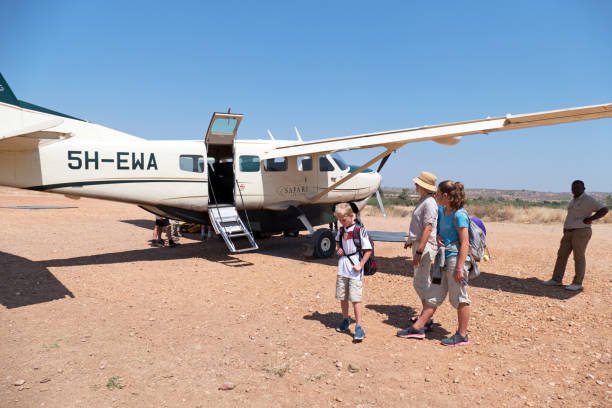
1-Day Serengeti Safari From Zanzibar By Flight: Cost & Itinerary 2026-2027
Is a 1-day Serengeti safari from Zanzibar feasible? Get the expert breakdown on the flight logistics, cost factors, and how to manage your expectations for this intense, one-day wildlife...
View package details
Dec 24, – 3 Day Christmas Serengeti And Ngorongoro Group Safari
Dec 24, 2026 – 3 Day Christmas Serengeti and Ngorongoro Group Safari.
View package details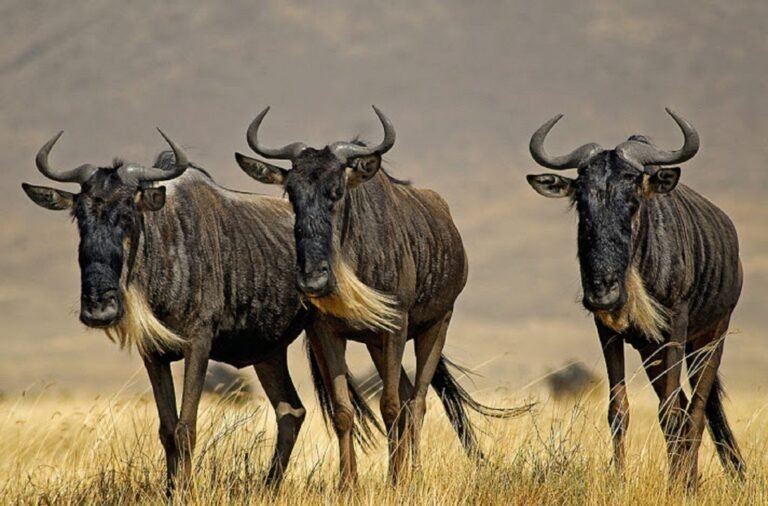
Nov 23, – 3 Day Serengeti And Ngorongoro Safari From Zanzibar
Nov 23, 2026 – 3 Day Serengeti and Ngorongoro Safari from Zanzibar.
View package details
Dec 31, : New Year’s Eve Serengeti Group Safari Planning Guide
This guide provides essential planning details for a group safari trip to the Serengeti for New Year's Eve 2026, covering logistics, seasonal highlights, and what to expect.
View package details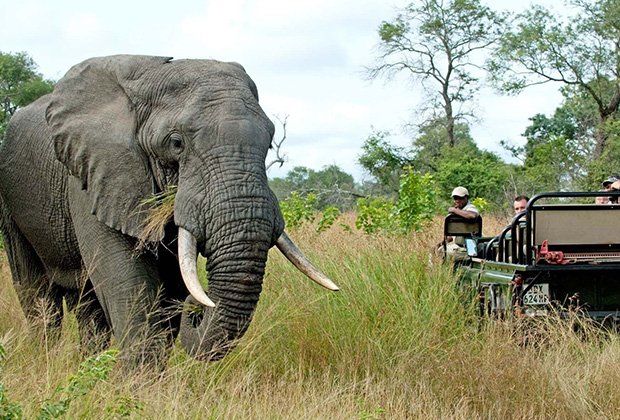
I Am On A Budget—What Is The Cheapest Serengeti Group Safari?
I Am on a Budget—What Is the Cheapest Serengeti Group Safari?
View package details
Dec 29, – 6 Day Ndutu, Serengeti And Ngorongoro Group Safari 2026
A detailed guide to our 6-day group safari departure on December 29, 2026, focusing on the Ndutu plains, the Serengeti, and the Ngorongoro Crater.
View package details8 Day Serengeti And Ngorongoro Group Safari – December 16, 2026
Planning your December 2026 Tanzanian adventure? Our 8-day group safari offers a deep, unhurried exploration of the Serengeti and Ngorongoro Crater.
View package details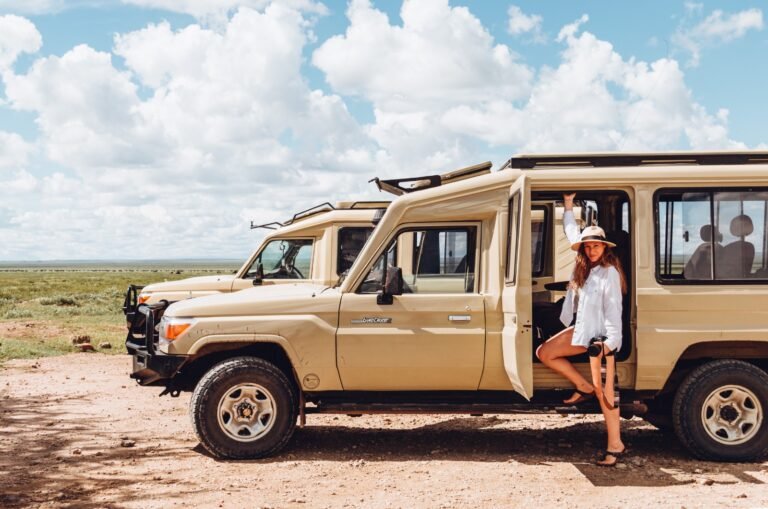
Dec 14, – 7 Day Complete Tanzania Northern Circuit Group Safari 2026
Planning for December 2026? Join our 7-day complete Tanzania Northern Circuit group safari. A deep look at the Serengeti, Ngorongoro, and Tarangire with expert, locally-led logistics.
View package detailsDec 12, – 6 Day Serengeti, Ngorongoro, Tarangire And Manyara Group Safari 2026
Dec 12, 2026 – 6 Day Serengeti, Ngorongoro, Tarangire and Manyara Group Safari.
View package detailsDec 8, – 4 Day Tarangire, Serengeti And Ngorongoro Group Safari 2026
A detailed guide to our December 8, 2026 group joining safari, covering the itinerary, logistics, and what to expect during this 4-day wildlife adventure in Tanzania.
View package detailsNov 28, – 3 Day Fly-In Serengeti Group Safari From Zanzibar 2026
A detailed look at the 3-day fly-in Serengeti group safari departing November 28, 2026, including logistics, itinerary highlights, and travel tips for your Tanzania adventure.
View package detailsNo related package matches those filters. Clear one or more filters to see the other topic-matched options.