
The best way to combine Rwanda gorillas and a Serengeti safari involves flying between the two destinations, typically from Kigali, Rwanda, to Kilimanjaro International Airport (JRO) or directly to the Serengeti airstrips, often with a brief stopover in Nairobi, Kenya. This approach minimizes travel time, allowing for deeper immersion in each distinct ecosystem: the misty Virunga Mountains for gorillas and the vast plains for the Great Migration. For 2026-2027 travel, consider a 10-14 day itinerary, starting with 2-3 days for gorillas in Rwanda and then 5-7 days exploring the Serengeti and potentially Ngorongoro Crater in Tanzania.
Introduction: The Ultimate East African Double Feature
East Africa is a continent of unparalleled wildlife spectacles, and few experiences capture its essence quite like combining the intimate encounter with mountain gorillas in Rwanda with the vast, sweeping plains of the Serengeti in Tanzania. This isn’t just a safari; it’s a journey that connects you with two of nature’s most profound wonders. Rwanda offers the unique opportunity to trek through ancient rainforests and come face-to-face with gentle giants, while the Serengeti presents a more traditional safari experience, famous for its immense herds and predator-prey drama. For travelers looking to maximize their African adventure, understanding the best way to weave these two distinct yet complementary experiences into a single, cohesive trip is crucial. This guide is designed to help you navigate the planning, logistics, and highlights of combining Rwanda’s gorilla sanctuaries with Tanzania’s iconic wildlife reserves, ensuring your 2026-2027 adventure is as smooth and rewarding as possible.
Why Combine Rwanda Gorillas and Serengeti Safari?
The allure of combining Rwanda’s mountain gorillas with a Serengeti safari lies in the incredible diversity and contrast they offer. Each destination provides a fundamentally different, yet equally awe-inspiring, wildlife encounter:
Gorilla Trekking in Rwanda: Intimacy and Conservation
Gorilla trekking in Rwanda’s Volcanoes National Park is an experience of deep connection. You’ll hike through dense bamboo forests and alongside volcanic slopes to find habituated gorilla families. The time spent observing these intelligent, social primates in their natural habitat is profoundly moving. Rwanda is renowned for its conservation efforts and well-managed gorilla tourism, ensuring a high-quality, ethical experience. It’s about a focused, impactful encounter, often lasting an hour once you reach the gorillas.
Serengeti Safari in Tanzania: Grand Scale and Abundance
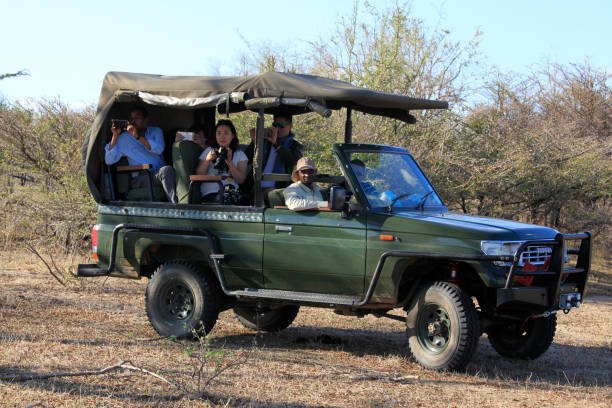
The Serengeti, on the other hand, is synonymous with the Great Migration, a impressive spectacle of millions of wildebeest, zebras, and gazelles traversing the plains. It offers classic safari activities: game drives across endless savannas, witnessing lions, leopards, elephants, and cheetahs in action. The scale is immense, the wildlife abundant, and the landscapes vast and varied. This is about open-space exploration and the thrill of spotting a wide array of iconic African wildlife.
The synergy is powerful: You move from the quiet intensity of the rainforest to the dynamic drama of the savanna. This combination provides a comprehensive snapshot of East Africa’s wildlife richness, appealing to travelers seeking both profound primate encounters and the thrill of traditional game viewing. For 2026-2027 trips, planning this blend ensures you witness different facets of African biodiversity.
Key Planning Fundamentals for Your Combined Trip
Successfully combining these two premier destinations requires careful consideration of several key elements. Getting these right from the outset will pave the way for a smooth and memorable adventure.
Visa and Entry Requirements
Navigating visa requirements is a critical first step. Both Rwanda and Tanzania have their own immigration policies. Travelers can typically obtain e-visas or visas on arrival for most nationalities, but it’s essential to check the latest regulations for your specific passport well in advance of your 2026-2027 travel dates. Some travelers opt for the East Africa Tourist Visa, which covers Rwanda, Uganda, and Kenya, but you’ll need to check if it’s still applicable and cost-effective for your itinerary, especially if you are not visiting Kenya extensively. Tanzania also has specific visa requirements that may differ from Rwanda’s.
Health and Vaccinations
Consulting a travel doctor or a travel clinic 4-6 weeks before your trip is non-negotiable. Recommended vaccinations often include Yellow Fever (required for entry into some countries if arriving from an endemic zone, and sometimes mandatory for Tanzania if you’ve been in Rwanda), Hepatitis A, Typhoid, and Tetanus. Malaria prophylaxis is also highly recommended for both Rwanda and Tanzania, especially for the Serengeti. Discuss the best options for your health profile. It’s also wise to pack a personal first-aid kit with insect repellent (DEET-based), antiseptic wipes, pain relievers, and any personal medications.
Travel Insurance
Comprehensive travel insurance is paramount. Ensure it covers:
- Medical emergencies and evacuation: Essential given the remote locations.
- Trip cancellation and interruption: Due to unforeseen circumstances.
- Lost or delayed baggage: Important for remote travel.
- Activities: Specifically confirm that gorilla trekking and safari activities are covered.
Review your policy details carefully to ensure it meets the requirements for your 2026-2027 adventure.
Currency and Payments
Rwanda uses the Rwandan Franc (RWF), and Tanzania uses the Tanzanian Shilling (TZS). However, US Dollars (USD) are widely accepted and often preferred for tourist services, especially for park fees, permits, and accommodation in tourist areas. Ensure you have crisp, recent US dollar bills (issued after 2009 is usually best) for these transactions. Credit cards are accepted at high-end lodges and hotels, but cash is king for smaller purchases, tips, and in more remote areas. ATMs are available in major towns but can be unreliable.
Communication
While lodges and camps often have Wi-Fi, connectivity can be spotty, especially in national parks. Consider purchasing local SIM cards upon arrival in Kigali and Kilimanjaro/Arusha for more reliable data and calls. This can be significantly cheaper than international roaming. For urgent matters, your tour operator will have reliable communication channels.
Optimizing Your Itinerary: Route Options and Flow
The order in which you visit Rwanda and Tanzania can impact your experience, travel time, and cost. There are two primary logical flows for combining Rwanda gorillas and Serengeti safari.
Option 1: Rwanda First, Then Tanzania (Kigali to Serengeti/Arusha)
This is often the most popular route. It begins with the more focused and potentially strenuous gorilla trekking experience in Rwanda, followed by the expansive safari in Tanzania.
Example Itinerary Flow (12 Days)
- Days 1-2: Arrive in Kigali, Rwanda. Explore the city, visit the Genocide Memorial.
- Days 3-5: Transfer to Volcanoes National Park. Two days of gorilla trekking (one permit per day). Optional: Golden Monkey trek, Dian Fossey hike.
- Day 6: Fly from Kigali (KGL) to Kilimanjaro International Airport (JRO), Tanzania (often via Nairobi). Transfer to Arusha.
- Day 7: Arusha. Safari briefing, relax, or optional day trip.
- Days 8-10: Serengeti National Park. Game drives, explore different regions based on migration (if applicable).
- Day 11: Ngorongoro Crater tour. Descend into the crater for incredible wildlife viewing. Overnight near the crater rim or Karatu.
- Day 12: Transfer to Arusha or Kilimanjaro Airport (JRO) for departure.
Pros:
- Starts with the unique, high-intensity experience, then moves to the broader safari.
- Allows for a sense of accomplishment after gorilla trekking before the more relaxed safari pace.
- Flights from Kigali to Tanzania are relatively frequent.
Cons:
- Can feel like a rapid transition from montane forest to savanna.
- The flight day can be long.
Option 2: Tanzania First, Then Rwanda (Arusha/Serengeti to Kigali)
This route begins with the classic safari and concludes with the intimate gorilla encounter.
Example Itinerary Flow (12 Days)
- Days 1-2: Arrive at Kilimanjaro International Airport (JRO), Tanzania. Transfer to Arusha.
- Days 3-5: Serengeti National Park. Game drives.
- Day 6: Ngorongoro Crater tour. Overnight near the crater rim or Karatu.
- Day 7: Transfer to Arusha. Fly from Kilimanjaro (JRO) to Kigali, Rwanda (often via Nairobi).
- Day 8: Kigali. Explore the city, Genocide Memorial.
- Days 9-11: Transfer to Volcanoes National Park. Two days of gorilla trekking. Optional: Golden Monkey trek.
- Day 12: Transfer back to Kigali for departure.
Pros:
- Allows for a more relaxed start with the traditional safari.
- The gorilla trek serves as a grand finale, a deeply moving experience to end the trip.
Cons:
- The flight from Tanzania to Rwanda can sometimes be more complex or have fewer direct options.
- You might need to factor in an extra night in Kigali or Arusha depending on flight schedules.
Internal Flights vs. Overland Travel
Flying is overwhelmingly the best method for combining Rwanda and Tanzania. The distances are vast, and overland travel between Kigali and Arusha/Serengeti would take multiple days, consuming valuable safari and trekking time and involving complex border crossings. Flight routes typically involve a connection in Nairobi, Kenya (NBO), or sometimes Addis Ababa, Ethiopia (ADD), depending on the airline. Direct flights are rare. The flight from Kigali International Airport (KGL) to Kilimanjaro International Airport (JRO) or vice-versa is the most efficient way to link these countries. Some specialized itineraries might include flying directly into a Serengeti airstrip from Nairobi, but this usually requires a separate flight booking from the KGL-JRO leg.
Gorilla Trekking in Rwanda: Volcanoes National Park Deep Dive
Volcanoes National Park, located in the Virunga Mountains, is Rwanda’s premier destination for mountain gorilla trekking. It’s part of a larger transboundary conservation area that stretches into Uganda and the Democratic Republic of Congo.
The Gorilla Permit
A gorilla permit is your ticket to see the gorillas and is the single most expensive component of your Rwanda trip. As of late 2023 and for planning into 2026-2027, the cost is $1,500 USD per person per trek. Permits are limited and sell out months, sometimes a year, in advance, especially during peak seasons. Booking your permit through a reputable tour operator like Climb 4 Africa is essential.
Habituation and Trekking Groups
In Volcanoes National Park, several gorilla families have been habituated to human presence. You will be assigned to one of these groups on the morning of your trek. The number of trekkers per group is limited to 8 people, ensuring minimal disturbance to the gorillas. The trek itself can range from 30 minutes to several hours, depending on the gorillas’ location that day. The terrain can be steep and challenging, involving hiking through dense vegetation, often with the help of porters.
What to Expect on Trek Day
- Early Start: You’ll typically start your day with a briefing at the park headquarters (Kinigi) around 7:00 AM.
- Permit Check: Your permit will be checked.
- Group Assignment: You’ll be assigned to a gorilla family and allocated a guide.
- Transfer to Trailhead: You’ll be driven to the start of the trail.
- The Hike: Guides will lead you through the forest, using their expertise to track the gorillas. Porters are available for hire (around $10-15 USD) to carry your backpack and assist you on steep sections.
- Gorilla Encounter: Once found, you have one hour to observe and photograph the gorillas. Maintain a respectful distance.
- Return Trek: Hike back to the trailhead.
- Post-Trek: Often, there’s a small celebration or debriefing, and you’ll return to your lodge.
Other Activities in Volcanoes National Park
To enhance your Rwanda experience, consider adding:
- Golden Monkey Trekking: A less expensive permit ($100 USD) for tracking habituated troops of endangered golden monkeys.
- Dian Fossey Hike: Visit the former research center of the renowned primatologist and her tomb.
- Volcano Hikes: For the adventurous, guided hikes up Mount Bisoke or Mount Karisimbi offer stunning views.
Accommodation in Volcanoes National Park
Lodges range from rustic and comfortable to ultra-luxury. Options include:
- Luxury: Bisate Lodge, Sabyinyo Silverback Lodge, Singita Kwitonda Lodge.
- Mid-Range: Mountain Gorilla View Lodge, Virunga Lodge (often considered high-end mid-range).
- Budget/Comfortable: Le Bambou Gorilla Lodge, Kinigi Guest House.
Your choice will depend on your budget and desired comfort level for your 2026-2027 trip.
Serengeti Safari in Tanzania: The Wild Heart of Africa
The Serengeti is vast, covering over 14,750 square kilometers of rolling grasslands, acacia woodlands, and rocky kopjes. It’s a UNESCO World Heritage Site and one of the planet’s most renowned wildlife sanctuaries.
The Great Migration
The Serengeti is most famous for the Great Migration, an annual movement of over 1.5 million wildebeest, 200,000 zebras, and 400,000 gazelles. The timing and location of the migration vary throughout the year, influencing where the best wildlife viewing will be. For 2026-2027, understanding these movements is key to tailoring your safari itinerary. Generally:
- December-March: Southern Serengeti (Ndutu area) – calving season, large herds, predators.
- April-May: Central/Western Serengeti – herds begin moving north, rains, greener landscapes.
- June-July: Western Corridor/Grumeti River – river crossings, intense predator action.
- August-October: Northern Serengeti/Mara River – large herds, dramatic river crossings.
- November: Eastern/Central Serengeti – herds begin returning south.
Your safari operator will advise on the best areas to visit based on the expected migration patterns for your specific 2026-2027 travel dates.
Wildlife Beyond the Migration
Even outside the peak migration months, the Serengeti boasts incredible resident wildlife. It’s home to one of the highest concentrations of predators in Africa, including:
- Lions
- Leopards
- Cheetahs
- Hyenas
- Wild dogs
You’ll also find large herds of elephants, buffalo, giraffes, hippos, crocodiles, and countless bird species.
Serengeti Regions
The Serengeti is often divided into zones, each offering a unique experience:
- Central Serengeti (Seronera): Year-round game viewing, good for big cats, especially outside migration peak.
- Northern Serengeti (Kogatende/Lamai): Famous for Mara River crossings (July-October).
- Southern Serengeti (Ndutu): Best for calving season (Dec-March).
- Western Corridor (Grumeti): Known for Grumeti River crossings (May-July).
A safari of 5-7 days in the Serengeti allows you to explore at least two different regions, increasing your chances of diverse sightings.
Ngorongoro Crater: An Essential Addition
Often combined with a Serengeti safari, the Ngorongoro Crater is a UNESCO World Heritage Site and a natural caldera. It offers phenomenal wildlife viewing in a compact area, with a high density of animals, including the Big Five (lion, leopard, elephant, rhino, buffalo). The landscape within the crater is stunning, and it’s a great place to spot black rhinos, which are rare elsewhere.
Accommodation in the Serengeti and Ngorongoro
Options range from basic tented camps to luxurious lodges:
- Luxury: Four Seasons Safari Lodge Serengeti, Singita Sasakwa Lodge, &Beyond Ngorongoro Crater Lodge.
- Mid-Range: Serengeti Serena Safari Lodge, Ngorongoro Serena Safari Lodge, Lemala Ewanjan Tented Camp.
- Budget/Comfortable: Many mobile tented camps that follow the migration, or more basic public campsites.
Staying inside the park or on the crater rim offers maximum game viewing time, while lodges outside the park boundaries (e.g., Karatu for Ngorongoro) can be more budget-friendly.
Logistics: smooth Travel Between Rwanda and Tanzania
Connecting Rwanda and Tanzania is primarily managed through flights. Understanding the process is key to a smooth transition for your 2026-2027 trip.
Flights: Kigali to Kilimanjaro or Serengeti
The most common route involves flying from Kigali International Airport (KGL) to Kilimanjaro International Airport (JRO) in Tanzania. Airlines like RwandAir, Ethiopian Airlines, or Kenya Airways often operate this route, usually with a stopover in Nairobi (NBO) or Addis Ababa (ADD). The total travel time, including layovers, can be anywhere from 4 to 10 hours.
Booking Flights:
- Operator Assistance: Your tour operator can book these flights for you, often at negotiated rates. This is highly recommended as they understand the connections and timings.
- Self-Booking: If booking independently, use flight comparison websites, but always double-check baggage allowances and transfer times. Ensure you have sufficient layover time, especially if you need to re-check luggage or change terminals.
Flying into Serengeti Airstrips:
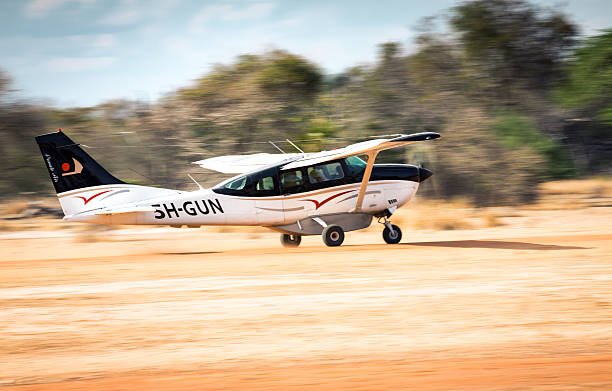
Alternatively, after flying from Kigali to Nairobi, you could book a separate domestic flight from Wilson Airport (WIL) in Nairobi to one of the many airstrips within the Serengeti (e.g., Seronera, Kogatende). This bypasses the need to go to JRO and Arusha but adds complexity and cost. This option is generally reserved for those who want to maximize time in specific Serengeti regions and minimize overland travel within Tanzania.
Airport Transfers
Upon arrival at JRO (or your chosen Serengeti airstrip), you will be met by your Tanzanian safari guide. Your tour operator will arrange these transfers, ensuring a smooth handover from your Rwandan experience to your Tanzanian adventure. Similarly, if you start in Tanzania and fly to Rwanda, your Kigali-based contact will be waiting.
Border Formalities
When flying between Rwanda and Tanzania, you will clear immigration and customs in each country. Ensure you have your passport, visa (if required), and any necessary health documentation (like your Yellow Fever certificate) readily accessible.
Luggage Allowance
This is a crucial point, especially if using light aircraft for internal Tanzanian flights (e.g., from Nairobi to Serengeti airstrips). Most small bush planes have strict soft-sided luggage limits, typically 15-20 kg (33-44 lbs) per person, including hand luggage. Hard suitcases are generally not permitted. Rwanda’s international flights have more standard allowances, but it’s wise to pack light and efficiently for the entire trip. Your tour operator will provide detailed guidance on luggage restrictions.
Timing Your Trip: When to Combine Gorillas and the Serengeti
The best time to combine Rwanda gorillas and Serengeti safari depends on your priorities, particularly if the Great Migration is a key focus.
Gorilla Trekking Seasonality
Gorilla trekking in Rwanda is possible year-round. However, the dry seasons (June to August and December to February) are generally considered the best. During these months, the trails are less muddy and slippery, making the trek easier. However, these are also peak tourist seasons, meaning permits and accommodation book up far in advance for 2026-2027. The wet seasons (March-May and September-November) offer lush scenery and potentially fewer crowds, but trails can be challenging, and rain is frequent.
Serengeti Migration Timing
As mentioned, the Great Migration dictates the best viewing locations in the Serengeti throughout the year. For a combined trip, consider:
- June-October: Excellent for seeing the migration in the northern Serengeti, including dramatic Mara River crossings. This period also aligns well with Rwanda’s dry season. This is a very popular, and often more expensive, time for both destinations for 2026-2027.
- December-March: Ideal for the southern Serengeti’s calving season, with vast herds and abundant predators. This also works well with Rwanda’s dry season.
Ideal Combined Timing for 2026-2027
For a balanced experience that maximizes your chances of seeing both gorillas and the migration in ideal conditions, the periods of June to August and December to February are often recommended. However, these are peak times, so booking 9-12 months in advance is crucial. If you prefer fewer crowds and don’t mind potentially more challenging trekking conditions or less predictable migration movements, the shoulder seasons (March-May, September-November) can also be rewarding and potentially more budget-friendly.
Avoiding Overlaps and Travel Time
Factor in at least 1 full day for travel between Rwanda and Tanzania. This means a 10-day trip would realistically be 7-8 days of actual activity. A more comfortable 12-14 day itinerary allows for 2-3 days in Rwanda (including travel to Volcanoes NP) and 5-7 days in Tanzania (including travel between parks and Ngorongoro), plus arrival and departure days.
Accommodation Styles: From Forest Lodges to Safari Camps
Your choice of accommodation will significantly influence your experience and budget. Both Rwanda and Tanzania offer a spectrum of options.
Rwanda Accommodation Near Volcanoes National Park
Lodges here are often designed to blend with the mountain environment, offering comfort and stunning views. They range from:
- Luxury: Think opulent suites with private plunge pools, fine dining, and impeccable service (e.g., Bisate Lodge). These offer an unparalleled in-depth experience.
- Mid-Range: Comfortable rooms, good food, and excellent locations, often with beautiful garden settings (e.g., Mountain Gorilla View Lodge).
- Budget: Simpler guesthouses and lodges providing basic amenities and a clean place to rest.
The proximity to the park gate is a key factor in lodge choice; most high-end lodges are located within a short drive of the Kinigi park headquarters.
Tanzania Accommodation: Serengeti and Ngorongoro
Tanzanian safari accommodation is diverse, from mobile tented camps that follow the migration to permanent lodges and luxury tented camps.
- Luxury Tented Camps/Lodges: These offer spacious canvas tents or permanent structures with en-suite bathrooms, four-poster beds, and often private decks. They provide an authentic safari feel with high levels of comfort and service (e.g., &Beyond Kichwa Tembo Tented Camp).
- Permanent Lodges: Traditional brick-and-mortar lodges offering amenities like swimming pools, restaurants, and bars, often with panoramic views.
- Mobile Tented Camps: These camps move seasonally to position guests closest to the Great Migration. They offer a more rustic yet comfortable experience, with basic but clean facilities.
- Budget Camps/Guesthouses: Available primarily in towns like Arusha or Karatu, or as public campsites within the parks (requiring camping gear).
For the Serengeti, staying inside the park offers the best game viewing opportunities, especially if you can position yourself near the migration. For Ngorongoro, lodges on the crater rim offer incredible views and immediate access, while those in nearby Karatu offer more variety and potentially better value.
Choosing Between Tented Camps and Lodges
Tented camps offer a more intimate connection with the wilderness, often with sounds of the bush audible at night. Lodges generally provide more amenities and a more solid structure, which some may find reassuring.
Private vs. Shared Accommodation
Most lodges and camps offer private rooms or suites. However, the safari vehicle itself is usually private for your group, offering maximum flexibility. Shared vehicles are sometimes an option for budget travelers, but this can limit your ability to spend time at sightings.
Budgeting for Your Combined Rwanda Gorilla and Serengeti Safari
This is a premium East African travel combination, and the costs reflect the unique experiences and logistical complexities. Expect this to be a significant investment for 2026-2027.
Key Cost Drivers
- Gorilla Permits: The most significant single expense in Rwanda at $1,500 USD per person.
- Park Entrance Fees: Tanzania’s park fees are substantial (e.g., Serengeti is ~$70-80 USD per person per day, Ngorongoro Crater fee is ~$300 USD per vehicle plus $70-80 per person).
- Accommodation: High-quality lodges and tented camps in both countries are expensive, especially in prime locations and during peak seasons.
- Internal Flights: The flight between Kigali and Kilimanjaro/Arusha can cost several hundred dollars per person.
- Vehicle and Guide: Private safari vehicles with experienced guides are standard and contribute significantly to the cost.
- Duration: Longer trips naturally cost more.
Estimated Cost Ranges for 2026-2027
A 10-14 day combined trip, including mid-range to luxury accommodation, internal flights, park fees, permits, and a private vehicle/guide, typically falls into these broad ranges per person (excluding international flights to/from Africa):
- Mid-Range: $6,000 – $9,000 USD per person. This would involve comfortable lodges, perhaps some slightly less prime locations, and careful itinerary planning.
- Luxury: $9,000 – $15,000+ USD per person. This includes top-tier lodges, prime locations, excellent guiding, and smooth logistics.
Note: These are estimates. Prices fluctuate based on the specific lodges chosen, time of year, and any special offers. Group departures or shared tours can sometimes reduce costs, but private experiences are more common for this type of itinerary.
What is Typically Included
A comprehensive package from a reputable operator like Climb 4 Africa usually includes:
- Accommodation as per itinerary.
- All meals while on safari/trekking (excluding drinks).
- Gorilla permit (Rwanda).
- Park entrance fees.
- Crater service fee (Ngorongoro).
- All ground transportation in a 4×4 safari vehicle with a professional driver-guide.
- Airport transfers.
- Bottled water during game drives.
- Government taxes and levies.
What is Typically Excluded
- International flights.
- Visa fees.
- Travel insurance.
- Gorilla trekking permits (if not explicitly stated as included in a package).
- Tips for guides, drivers, porters, and lodge staff.
- Personal expenses (souvenirs, laundry, drinks).
- Optional activities not listed in the itinerary.
Packing Essentials for Both Experiences
Packing efficiently is key, especially with luggage restrictions on internal flights. Focus on versatile, lightweight items.
Clothing for Gorilla Trekking
- Lightweight, waterproof and windproof jacket: Essential for unpredictable mountain weather.
- Sturdy, broken-in hiking boots: Waterproof is highly recommended.
- Long-sleeved shirts and trousers: To protect against insect bites and scratches from vegetation. Neutral colors are best.
- Comfortable trekking socks: Several pairs.
- Gloves: For gripping branches on steep ascents.
- Hat: For sun protection.
- Layers: Fleece or warm sweater for cooler mornings and evenings.
Clothing for Safari
- Lightweight, breathable clothing: Neutral colors (khaki, beige, olive green) are ideal for safaris to avoid startling wildlife. Avoid bright colors or dark blue/black which can attract tsetse flies.
- T-shirts and long-sleeved shirts.
- Comfortable trousers or shorts.
- A warm fleece or jacket: Evenings and early mornings on the savanna can be cool.
- Comfortable walking shoes or trainers.
- Sandals or flip-flops for relaxing at the lodge.
- Swimsuit: For lodges with pools.
Other Essentials
- Binoculars: Crucial for spotting wildlife at a distance.
- Camera with extra batteries and memory cards: You’ll take a lot of photos! A zoom lens is highly recommended.
- Sunscreen, sunglasses, and lip balm with SPF.
- Insect repellent (with DEET).
- Personal first-aid kit.
- Hand sanitizer.
- Reusable water bottle.
- Small backpack for day trips.
- Headlamp or small flashlight.
- Passport, visas, and copies of important documents.
- Cash (USD) for tips and small purchases.
Booking Your Dream Trip with Climb 4 Africa
Combining the awe-inspiring experience of Rwanda’s mountain gorillas with the vast plains of the Serengeti is a journey that requires meticulous planning. At Climb 4 Africa, we specialize in crafting these unique, multi-destination East African adventures. We understand the intricate logistics, the best timings for 2026-2027 travel, and how to create an itinerary that maximizes your wildlife encounters while ensuring comfort and smooth transitions between countries.
Why Choose Climb 4 Africa?
- Expert Local Knowledge: We are a Tanzania-based company with deep roots and extensive experience in East African travel.
- Tailor-Made Itineraries: We don’t offer one-size-fits-all tours. We work with you to design a trip that perfectly matches your interests, budget, and travel style for your 2026-2027 adventure.
- smooth Logistics: We handle all the complex arrangements, from internal flights and park permits to vehicle bookings and accommodation, ensuring a stress-free experience.
- Quality Guiding: Our experienced, professional guides are passionate about wildlife and dedicated to providing you with an unforgettable safari.
- Commitment to Conservation: We support sustainable tourism practices that benefit local communities and wildlife conservation efforts.
Ready to Plan Your 2026-2027 Adventure?
To start planning the best way to combine Rwanda gorillas and a Serengeti safari, or to discuss any other tailor-made African travel experience, please reach out to our expert team. We can help you navigate the options, confirm availability, and provide a personalized quote.
Contact us today:
- WhatsApp: +255 747 477 898
- Email: climb4africa@gmail.com
Let us help you craft the African journey of a lifetime, blending the majesty of mountain gorillas with the wild heart of the Serengeti.
“,
“faq_schema”: [
{
“question”: “What is the best time of year to combine Rwanda gorillas and Serengeti safari?”,
“answer”: “The best time often aligns with the dry seasons in both countries: June to August and December to February. These months offer easier trekking conditions in Rwanda and good wildlife viewing in the Serengeti, though they are peak seasons. For migration river crossings, July to October in the Northern Serengeti is ideal. Consider shoulder seasons (March-May, September-November) for fewer crowds and potentially lower costs, but be prepared for more variable weather.”
},
{
“question”: “How much does it cost to combine Rwanda gorillas and a Serengeti safari?”,
“answer”: “A combined trip is a significant investment. For a 10-14 day itinerary covering mid-range to luxury options, expect costs to range from $6,000 to $15,000+ USD per person, excluding international flights. The main cost drivers are the Rwanda gorilla permit ($1,500 USD), Tanzanian park fees, high-quality accommodation, internal flights, and private safari vehicles/guides.”
},
{
“question”: “What is the most efficient way to travel between Rwanda and Tanzania?”,
“answer”: “Flying is the most efficient method. The standard route is to fly from Kigali (KGL) to Kilimanjaro International Airport (JRO) in Tanzania, often with a layover in Nairobi, Kenya. This journey typically takes 4-10 hours including transit. Overland travel is not recommended due to the vast distances and time involved.”
},
{
“question”: “How many days are needed for a combined Rwanda gorilla and Serengeti safari?”,
“answer”: “A minimum of 10 days is recommended to get a taste of both experiences, but 12-14 days is ideal for a more in-depth exploration. This allows for 2-3 days in Rwanda for gorilla trekking and 5-7 days in Tanzania for Serengeti and Ngorongoro Crater safaris, plus travel days.”
},
{
“question”: “What are the main differences between gorilla trekking in Rwanda and a Serengeti safari?”,
“answer”: “Gorilla trekking in Rwanda’s Volcanoes National Park is an intimate, guided hike through dense forest to spend a limited time (one hour) with a habituated gorilla family. The Serengeti offers a traditional safari experience with game drives across vast plains, viewing a wide array of animals in their natural habitat, often from a vehicle.”
},
{
“question”: “Do I need a visa for both Rwanda and Tanzania?”,
“answer”: “Yes, you will need to meet the visa requirements for both Rwanda and Tanzania. Many nationalities can obtain e-visas or visas on arrival. It’s crucial to check the latest regulations for your specific passport well in advance of your 2026-2027 trip.”
},
{
“question”: “What is the luggage allowance for flights between Rwanda and Tanzania?”,
“answer”: “International flights to Rwanda have standard allowances. However, if you book separate domestic flights within Tanzania (e.g., from Nairobi to the Serengeti), these often have strict soft-sided luggage limits, typically 15-20 kg (33-44 lbs) per person. It’s best to pack light and use duffel bags.”
}
]
}
“`
Check Availability for Best Way To Combine Rwanda Gorillas And Serengeti Safari 2026-2027
Ready to compare dates, prices, and the best option for your group? Send the package name and travel month so the team can reply with a clear quote, availability, and what is included.

Serengeti Safari Tours: Prices, Packages & Best Time To Visit In 2026-2027
Discover everything you need to know for planning your Serengeti safari tour, from understanding pricing and package variations to identifying the ideal travel times in 2026-2027. This...
View package details
3-Day Serengeti And Ngorongoro Safari: Your Ultimate Tanzania Wildlife
start a concise yet unforgettable 3-day Serengeti and Ngorongoro safari, designed to maximize wildlife encounters in Tanzania's most celebrated parks. This compact adventure offers a taste...
View package details
Serengeti Safari And Zanzibar Beach Holiday: The Ultimate Tanzania
Combine the thrill of a Serengeti safari with the relaxation of a Zanzibar beach holiday. This guide covers everything you need to know for an unforgettable Tanzania adventure in 2026-2027...
View package details
Zanzibar To Serengeti Safari Packages 2026-2027
Zanzibar to Serengeti Safari Packages is explained with current 2026-2027 planning, price, itinerary and booking information.
View package details
Serengeti Great Migration Safari Packages: Your Guide To Witnessing The Wonder
start an unforgettable journey with our comprehensive guide to Serengeti Great Migration safari packages for 2026-2027. Understand the best times to go, optimal viewing locations, and how...
View package details
7-Day Tanzania Safari: Serengeti, Ngorongoro, And Tarangire In 2026-2027
A comprehensive guide to a 7-day Tanzania safari adventure, focusing on the iconic Serengeti National Park, the Ngorongoro Crater, and Tarangire National Park. Learn about optimal...
View package details
All-Inclusive African Safari Vacations Guide
start an all-inclusive African safari vacation in Tanzania, a premier destination for wildlife viewing in 2026-2027. This comprehensive guide covers everything from iconic parks like the...
View package details
Tanzania Safari Tours & Packages /: Your Ultimate Wildlife Adventure 2026-2027
Discover the magic of Tanzania with expertly crafted safari tours and packages for 2026 and 2027. From the vast plains of the Serengeti to the depths of the Ngorongoro Crater, find your...
View package details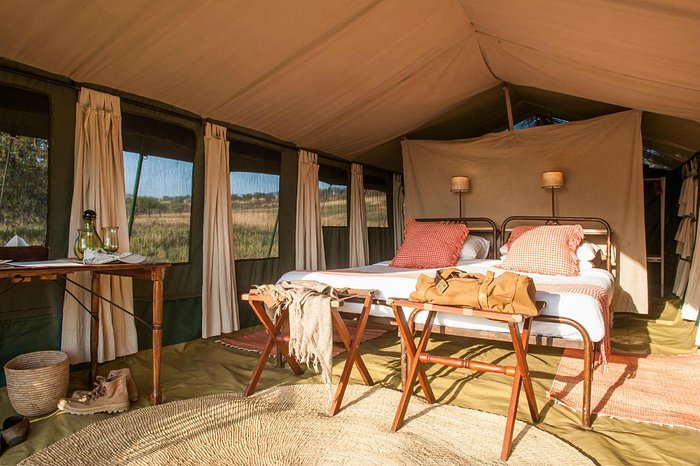
Best African Safari Tours & Vacation Packages /: Your Ultimate Tanzania
start an unforgettable African safari adventure in 2026/2027 with expertly curated tours and vacation packages in Tanzania's most iconic wildlife destinations. From the Serengeti to the...
View package details
Private Tanzania Safari Packages: Your Ultimate Guide For 2026-2027
Discover the unparalleled freedom and personalized experience of a private Tanzania safari package. This comprehensive guide for 2026-2027 explores custom itineraries, key destinations like...
View package detailsBest Places To See Wild Animals In Tanzania: Your Ultimate Safari Guide
Planning a safari to witness incredible wildlife? Tanzania offers some of the planet's most spectacular viewing opportunities. This guide explores the top destinations for seeing wild...
View package detailsWhat Is The Best Month To Visit Serengeti? 2026-2027
What Is the Best Month to Visit Serengeti? is explained with current 2026-2027 planning, price, itinerary and booking information.
View package detailsNo related package matches those filters. Clear one or more filters to see the other topic-matched options.



