If you are alone in Arusha this week and looking to join a safari, your best approach is to connect with local tour operators offering scheduled group departures. Many companies have flexible schedules designed to accommodate last-minute bookings, with daily departures often available for popular Northern Circuit parks like the Serengeti, Ngorongoro Crater, and Tarangire. Look for 2-day, 3-day, or longer itineraries starting from Arusha that explicitly state they run as group tours with open seats for the upcoming days in 2026 and 2027. The key is to find an operator who can confirm availability for departures within your current week.


Finding a Safari Group Departing From Arusha This Week
Arriving in Arusha with an unexpected window for adventure means you need a quick, reliable way to get into a safari vehicle. For solo travelers, this usually translates to joining a pre-arranged group safari. These tours are structured with set itineraries and departure dates, allowing multiple travelers to share the costs and the experience. The main advantage for you, arriving this week, is that many operators maintain a schedule of departures that run even with just one or two people booked, ready to welcome others to fill the remaining spots. This is particularly true for the popular Northern Circuit routes, which are the backbone of Tanzania’s safari offerings.
The challenge, when you’re already in Arusha, is sifting through options quickly. You’ll want to prioritize operators who are transparent about their departure schedules and have a robust system for confirming immediate availability. Think of it as stepping into a planned journey rather than starting one from scratch. This often means choosing from standard itineraries rather than fully custom ones, which is a trade-off for speed and accessibility when you’re on a tight timeline.
When evaluating your options for a safari departing this week from Arusha, consider the following practical points:
- Departure Frequency: Look for operators who run safaris daily or multiple times per week to the main parks.
- Group Size: Understand the typical maximum group size. Smaller groups (4-6 people) often offer a more intimate experience, while larger groups can sometimes mean lower per-person costs, though this isn’t always the case.
- Inclusions: Clarify what is covered – park fees, accommodation, meals, guide, vehicle, and any specific activities.
- Accommodation Style: Are you looking for budget-friendly camping, comfortable mid-range lodges, or luxury tented camps? Your choice will significantly impact the overall cost and experience.
- Itinerary Focus: Decide which parks are most important to you. Serengeti and Ngorongoro are iconic, but Tarangire offers incredible elephant sightings, especially during drier periods.
The most effective way to secure a spot on a safari departing this week is to contact operators directly. Phone calls or WhatsApp messages are often faster than email for immediate confirmation. Be ready to share your exact arrival date in Arusha and how many days you wish to spend on safari. For planning ahead for 2026 and 2027, having this on-the-ground experience will be invaluable.
Understanding Group Safaris for Solo Travelers
Joining a group safari when you’re traveling solo is a common and smart choice in Tanzania. It dramatically reduces the cost compared to a private tour. Instead of bearing the full expense of a vehicle, guide, and park fees, these costs are divided among the participants. This makes the dream of exploring places like the Serengeti accessible even on short notice.
The dynamic of a group safari is different from a private one. While you have less flexibility to dictate the exact route or spend hours at a particular sighting if others in the group wish to move on, you gain the camaraderie of sharing the experience with fellow travelers. This can lead to shared excitement, interesting conversations, and even new friendships. For someone arriving alone in Arusha this week, this social aspect can be a welcome bonus.
When you’re looking to join a group safari departing immediately, consider these aspects:
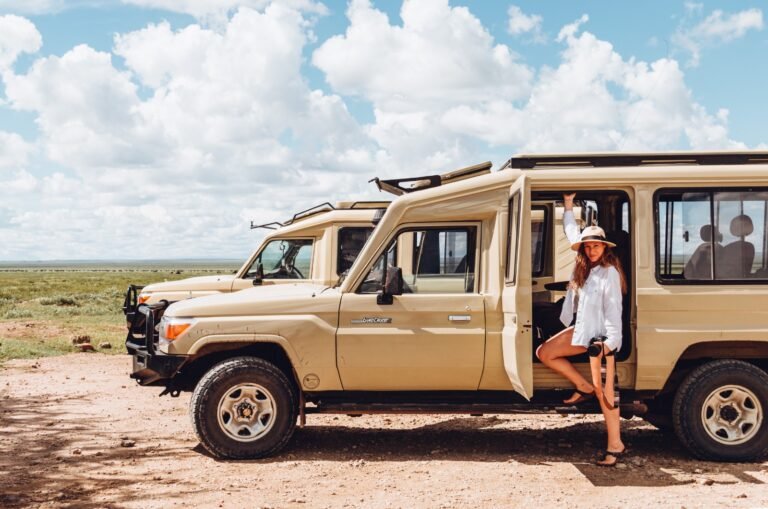
- Shared Vehicle: You’ll be in a safari vehicle (typically a 4×4 Land Cruiser or Land Rover) with other travelers. Most vehicles are designed to seat a maximum of 6-7 passengers comfortably, with each person guaranteed a window seat.
- Shared Costs: Park entrance fees, vehicle hire, and guide salaries are pooled. This is the primary driver of cost savings for solo travelers.
- Set Itinerary: Group tours follow a predetermined route and schedule. While guides are skilled at finding wildlife, spontaneous detours or extended stops are usually not possible unless the entire group agrees.
- Accommodation Mix: Group safaris can range from camping safaris (using public or private campsites) to lodge safaris (staying in mid-range or luxury lodges/tented camps). The type of accommodation significantly impacts the price and the overall feel of the safari.
For your situation, arriving in Arusha this week, the focus should be on finding operators who clearly advertise their group departures and have a system for confirming last-minute availability. Many operators will have a calendar of upcoming departures for 2026 and 2027, and it’s these scheduled tours that you’ll aim to join. The more established operators often have a steady flow of bookings, increasing the likelihood of a group already being formed or close to forming for a departure within your timeframe.
Popular Safari Itineraries for Last-Minute Arusha Departures
When you’re in Arusha and need to join a safari quickly, the most common and logistically feasible itineraries are those focusing on the Northern Circuit. These parks are relatively close to Arusha, making them easy to access for short or medium-duration safaris. Here are the typical routes you’ll find available for group departures starting this week:
Short Safaris (2-3 Days)
These are ideal for travelers with limited time or those looking for a taste of the Tanzanian wilderness. They typically focus on one or two parks easily accessible from Arusha.
- Day 1: Arusha to Tarangire National Park. You’ll drive from Arusha to Tarangire, known for its large elephant herds and iconic baobab trees. Enjoy a full day of game drives. Overnight stay near the park or in Karatu.
- Day 2: Tarangire/Ngorongoro Crater to Arusha. Depending on the itinerary, you might have a morning game drive in Tarangire or head towards the Ngorongoro Conservation Area for a descent into the crater. The Ngorongoro Crater offers an incredibly dense concentration of wildlife, including the Big Five. You’ll likely have lunch on the crater floor before ascending and beginning the drive back to Arusha in the afternoon.
Considerations for a 2-3 day safari: This is a whirlwind introduction. You’ll see incredible wildlife, but it will be fast-paced. It’s a great option if you only have a few days free this week.
Standard Safaris (4-5 Days)
These itineraries offer a more comprehensive experience, usually covering three key parks and providing more time for game drives and immersion.
- Day 1: Arusha to Tarangire National Park. Drive from Arusha to Tarangire for game drives. Overnight in Karatu or a lodge/camp near Tarangire.
- Day 2: Tarangire to Serengeti National Park. After an early breakfast, drive to the Serengeti, perhaps via the Ngorongoro Conservation Area with a brief stop at a Maasai village or Olduvai Gorge (optional). Begin your game drive as you enter the vast plains of the Serengeti. Overnight in a lodge or tented camp within the Serengeti.
- Day 3: Full Day Serengeti National Park. Spend the entire day exploring the Serengeti, renowned for its massive wildlife populations and the Great Migration (depending on the season). Your guide will track animals across different regions of the park. Overnight in the Serengeti.
- Day 4: Serengeti to Ngorongoro Crater. Enjoy a final morning game drive in the Serengeti before driving towards the Ngorongoro Conservation Area. Descend into the Ngorongoro Crater for an afternoon game drive. Overnight in Karatu or at a lodge on the crater rim.
- Day 5: Karatu to Arusha. Depending on your flight schedule, you might have a leisurely breakfast, visit a local market, or proceed directly back to Arusha, arriving by early afternoon.
Considerations for a 4-5 day safari: This is often considered the ‘classic’ Tanzania safari. It balances seeing multiple iconic parks with a reasonable pace. It’s a popular choice for group departures and likely to have openings for this week or in the near future for 2026-2027.
Extended Safaris (6+ Days)
For travelers who have more time and want to explore deeper into Tanzania’s wildlife wonders, longer itineraries are available. These might include additional parks like Lake Manyara National Park or even extend into the less-visited southern parks, though for a last-minute booking this week, focusing on the Northern Circuit is most practical.
- Example 6-Day: Arusha – Tarangire – Serengeti (2 nights) – Ngorongoro Crater – Lake Manyara – Arusha. This adds Lake Manyara, famous for its tree-climbing lions and diverse birdlife.
Considerations for longer safaris: These offer a more relaxed pace and deeper exploration but require more commitment and potentially higher costs. If you are planning for 2026 or 2027 and have ample time, these are excellent options.
When searching for a safari departing this week, prioritize operators who clearly list these itineraries and their scheduled departure dates. A 4-5 day Northern Circuit safari is often the sweet spot for balancing time, cost, and wildlife viewing opportunities for a solo traveler needing to depart imminently.
Choosing Your Accommodation Style: Camping vs. Lodges
Your choice of accommodation is a critical factor that influences both the safari experience and the cost. For solo travelers joining a group safari from Arusha this week, you’ll typically have two main options:
Budget Camping Safaris
This is the most economical way to experience the Tanzanian wilderness, especially when traveling solo. You’ll be staying in public campsites or, sometimes, designated private campsites within or near the national parks. Tents are usually provided, along with basic amenities like camp beds and mattresses. Shared ablution facilities are standard. Meals are prepared by a dedicated safari chef who travels with the group, offering surprisingly delicious and hearty meals cooked over a campfire.
- Pros: Significantly lower cost, closer connection to nature, authentic safari feel, often smaller group sizes.
- Cons: Basic facilities, less privacy, can be noisy with other campers, requires comfort with sleeping in a tent.
For someone arriving in Arusha this week needing a quick safari, camping is an excellent way to keep costs down and get into the parks immediately. It’s a fantastic way to meet other travelers too.
Mid-Range to Luxury Lodge/Tented Camp Safaris
These safaris involve staying in established lodges or permanent tented camps. These accommodations offer private rooms or en-suite tents, comfortable beds, private bathrooms, and often amenities like swimming pools, restaurants, and bars. The level of luxury can vary from comfortable mid-range lodges to high-end exclusive tented camps.
- Pros: Greater comfort, privacy, enhanced amenities, more relaxed atmosphere, often in prime locations with excellent views.
- Cons: Higher cost, can feel more removed from the wilderness compared to camping.
If your budget allows and you prioritize comfort, choosing a lodge safari is a great option. Many operators offer different tiers of lodges, allowing you to tailor the experience. For planning in 2026 or 2027, you might have more time to explore specific lodge options.
When contacting operators about joining a safari this week, be clear about your preferred accommodation style. Most operators will have both camping and lodge options for their standard group itineraries. The price difference can be substantial, so it’s important to get a clear quote for each.
What’s Typically Included in a Group Safari from Arusha?
To avoid surprises and ensure you’re comparing quotes accurately, it’s crucial to understand what’s generally included in a group safari package. While specifics can vary between operators, standard inclusions for a safari departing Arusha include:
- Park Entrance Fees: This is often the largest single cost component of a safari. For popular parks like Serengeti and Ngorongoro, these fees can be significant, especially for multi-day trips. Ensure the quote explicitly states these are included.
- Accommodation: This refers to your overnight stays, whether in tents at campsites or in lodges/tented camps.
- Meals: Typically, all meals (breakfast, lunch, and dinner) are provided during your safari, starting from lunch on day 1 and ending with lunch on your final day. Drinks are usually excluded, except for bottled water provided in the vehicle.
- Safari Vehicle and Guide: A 4×4 safari vehicle (Land Cruiser or Land Rover) equipped with a pop-up roof for game viewing, and an experienced, English-speaking safari guide.
- Game Drives: Unlimited game drives within the national parks and reserves as per the itinerary.
- Crater Service Fee (Ngorongoro): A specific fee for vehicle access and time spent on the crater floor in Ngorongoro.
- Airport Transfers: Some operators include transfers from Kilimanjaro International Airport (JRO) to your Arusha accommodation, or from your Arusha hotel to the safari starting point. Clarify this when booking.
What’s Usually Excluded:
- International Flights: Your flights to and from Tanzania.
- Visa Fees: If required for your nationality.
- Travel Insurance: Highly recommended for any trip.
- Tips for Guide and Staff: Gratuities are customary and appreciated.
- Personal Expenses: Such as souvenirs, alcoholic beverages, soft drinks, laundry, and optional activities (e.g., hot air balloon safari).
- Pre- and Post-Safari Accommodation: Unless specified, your nights in Arusha before and after the safari are not included.
When you’re in Arusha this week and need to book quickly, ask for a clear breakdown of inclusions and exclusions. This is vital for accurate budgeting and managing expectations. For those planning for 2026 or 2027, you can take more time to compare operator inclusions thoroughly.
Booking a Safari This Week: Practical Steps and Considerations
You’re in Arusha, you’ve decided you want to go on safari, and you need to make it happen within the next few days. Here’s a step-by-step guide tailored to your situation:
Step 1: Identify Potential Operators
Since you’re already in Arusha, the best approach is to:
- Walk into Local Offices: Arusha has numerous safari operators. Visiting their offices allows for face-to-face interaction, which can be reassuring and efficient for last-minute bookings.
- Use WhatsApp/Phone: Most reputable operators have a strong presence on WhatsApp and are responsive to calls. This is often the fastest way to get immediate availability and quotes. Look for companies known for their reliability and good reviews.
- Check Online (Briefly): If you have internet access, quickly search for “Arusha group safaris last minute” or “shared safaris departing Arusha this week.” Focus on operators who clearly list departure dates and itineraries.
For immediate needs, operators like Climb 4 Africa are well-positioned to assist with swift bookings. They understand the need for quick confirmations for travelers already on the ground.
Step 2: Inquire About Immediate Departures
When you contact an operator, be direct:
- State clearly: “I am alone in Arusha this week and want to join a group safari departing on [Your desired start date, e.g., tomorrow, day after tomorrow].”
- Specify your desired safari length (e.g., 3 days, 5 days) and accommodation preference (camping or lodge).
- Ask for available itineraries and the exact price for a solo traveler joining a group.
Step 3: Review Quotes and Inclusions
Once you receive quotes, compare them carefully. Pay attention to:
- What’s included: Park fees, accommodation, meals, guide, vehicle.
- Group size: What is the maximum number of people in the vehicle?
- Departure guarantee: Is the departure guaranteed with a minimum number of people, or is it dependent on reaching a threshold? For last-minute bookings, guaranteed departures are essential.
- Accommodation details: Type of camp/lodge, location.
Step 4: Make the Booking and Payment
Once you’ve chosen an operator:
- Payment: Most operators require a deposit (e.g., 30-50%) to confirm a booking, with the balance due upon arrival or shortly before the safari starts. For last-minute bookings, they might require full payment upfront. Confirm their payment methods (cash, bank transfer, mobile money, sometimes credit card with a surcharge).
- Documentation: You’ll likely need to provide your passport details for park entries.
- Confirmation: Get a written confirmation of your booking, including itinerary, inclusions, and payment details.
Step 5: Prepare for Your Safari
After booking:
- Pack appropriately: Light clothing, warm layers for early mornings/evenings, comfortable walking shoes, hat, sunglasses, sunscreen, insect repellent, camera, binoculars, and any personal medications.
- Get cash: For tips and any personal expenses. USD is widely accepted for tips, while Tanzanian Shillings are useful for local markets.
- Brief your guide: On the first day, discuss any specific interests or concerns with your guide.
For those planning their safaris for 2026 and 2027, you have the luxury of time to research operators more thoroughly, read reviews, and potentially negotiate more customized itineraries. However, the core booking process remains similar.
Navigating Potential Pitfalls and Misunderstandings
While booking a safari last minute from Arusha is exciting, it’s wise to be aware of potential issues. Being prepared can help you avoid common pitfalls:
- Unreliable Operators: Not all tour operators in Arusha are equally reputable. Stick to established companies with clear communication channels and positive online feedback. If a quote seems too good to be true, it often is.
- Hidden Costs: Always clarify what is and isn’t included. Unexpected charges for park fees or meals can quickly inflate your budget.
- Vehicle Quality: Ensure the operator uses well-maintained 4×4 safari vehicles suitable for the terrain. A breakdown in the middle of a park can be a major inconvenience.
- Guide Experience: An experienced guide is crucial for spotting wildlife and enhancing your understanding of the ecosystem. Ask about the qualifications and experience of their guides.
- Group Dynamics: While most travelers are friendly, be prepared for potential personality clashes or differing paces within a group. Patience and a positive attitude go a long way.
- Weather: Tanzania’s weather can be unpredictable. While the dry season (June-October) is popular, rain can occur, especially during the shoulder seasons. Pack accordingly.
- Wildlife Sightings: While the Northern Circuit offers high chances of seeing the Big Five, wildlife sightings are never guaranteed. Enjoy the experience for what it is – a chance to see animals in their natural habitat.
By asking detailed questions and choosing an operator known for transparency and quality service, you can significantly mitigate these risks. For any safari planned for 2026 or 2027, the same diligence applies, but you have more time to verify claims and check references.
The Role of Arusha as a Safari Hub
Arusha is the undisputed gateway to Tanzania’s northern safari circuit, and its role is critical for travelers like yourself who find themselves there with an immediate desire to explore. Situated strategically between Mount Kilimanjaro and the entrance to the Serengeti ecosystem, Arusha is where most safari journeys begin and end.
The city offers a bustling hub of activity, with numerous tour operators, safari equipment rental shops, and hotels catering to travelers. This concentration of services means that even for last-minute needs, you have a good chance of finding an available safari slot. The competition among operators also means that many strive to offer competitive pricing and flexible booking options.
When you’re in Arusha this week, you’ll notice the sheer number of safari vehicles and guides preparing for departures. This daily rhythm of activity underscores the city’s importance. For solo travelers, this means:
- Abundant Options: A wide variety of itineraries, durations, and accommodation styles are usually available.
- Last-Minute Availability: Operators are accustomed to taking bookings for departures within days, sometimes even the next day, especially during peak and shoulder seasons.
- Competitive Pricing: The presence of many operators encourages competitive pricing, which can be beneficial when you need to book quickly.
- Local Support: Being on the ground allows you to visit offices, ask questions directly, and get a feel for the operator’s professionalism.
For those planning trips for 2026 or 2027, understanding Arusha’s role as a safari hub helps in planning your arrival and departure logistics. It’s the place to arrange your transfers, meet your guides, and prepare for your adventure into the wild.
Why Choose a Local Operator When Booking Last Minute?
When you’re in Arusha this week and need to book a safari quickly, choosing a local operator like Climb 4 Africa offers distinct advantages:
- Direct Communication: You can speak directly with the people who manage the safaris, leading to faster responses and clearer information. This is invaluable for last-minute arrangements.
- Local Knowledge: Local operators have in-depth knowledge of the parks, the best times to visit, the current wildlife movements, and the local conditions. This translates into better-planned itineraries and more informed guides.
- Cost-Effectiveness: By cutting out intermediaries, local operators often provide more competitive pricing, especially for group tours. They understand the local cost structures for park fees, vehicle maintenance, and staff.
- Flexibility: Local operators can sometimes be more flexible with last-minute changes or specific requests compared to larger international agencies.
- Support on the Ground: If any issues arise during your safari, having a local operator with an office in Arusha means immediate support and problem-solving capabilities.
For travelers arriving this week, engaging directly with a trusted local operator ensures that your safari plans are handled efficiently and professionally. They are best equipped to confirm immediate availability for group departures and make the necessary arrangements with minimal delay. This is also true for future bookings in 2026 and 2027; building a relationship with a reliable local operator can lead to smoother planning and a more authentic experience.
Planning for 2026-2027: Booking in Advance
While your immediate need is to find a safari departing this week, it’s worth noting the benefits of booking further in advance for future trips in 2026 and 2027. Booking ahead allows for:
- Wider Availability: You can secure spots on specific departure dates, especially during peak seasons (July-October, December-February) or for popular routes.
- Choice of Accommodation: You have more time to research and book specific lodges or tented camps that suit your preferences and budget.
- Customization: Longer planning horizons allow for more personalized itineraries, incorporating specific interests or off-the-beaten-path locations.
- Potentially Better Pricing: While not always the case, booking early can sometimes lock in prices before potential seasonal increases.
- Peace of Mind: Having your safari arrangements finalized well in advance reduces pre-trip stress.
If you are planning a trip for 2026 or 2027, consider reaching out to operators like Climb 4 Africa well in advance. You can discuss your ideal itinerary, group size preferences, and budget to craft the perfect safari experience. Even if you are booking last minute this week, making a note of the operator’s contact details for future planning is a wise move.
Making the Most of Your Solo Safari Adventure
Embarking on a solo safari is an incredibly rewarding experience. It offers a unique opportunity for self-reflection, connection with nature, and independence. Here are a few tips to maximize your enjoyment, especially when joining a group:
- Be Open and Friendly: Introduce yourself to other group members. Sharing the experience often leads to richer interactions and memorable moments.
- Engage with Your Guide: Your guide is a wealth of knowledge. Ask questions about the animals, the flora, the local culture, and conservation efforts. They can significantly enhance your understanding and appreciation of the environment.
- Embrace the Unexpected: Wildlife viewing is unpredictable. Sometimes the most memorable moments are the unplanned ones. Be patient and enjoy the journey.
- Journal or Take Photos: Document your experiences. A journal can help you process the incredible sights and sounds, while photos serve as lasting memories.
- Respect Group Etiquette: Be mindful of others in the group. Keep noise levels down during game drives, especially when animals are near, and be considerate of everyone’s desire for viewing opportunities.
- Stay Hydrated and Protected: Drink plenty of water and use sunscreen and insect repellent diligently.
A safari is more than just seeing animals; it’s about experiencing the wild heart of Africa. Whether you’re joining a group this week or planning for 2026-2027, approaching it with an open mind and a sense of adventure will ensure a fulfilling trip.
Contact Climb 4 Africa for Immediate Safari Options
If you are in Arusha this week and need to join a safari group with minimal delay, contacting a responsive and experienced local operator is your most direct path to adventure. Climb 4 Africa specializes in organizing Tanzania safaris and understands the needs of travelers looking for immediate departures. They can help you find available spots on group tours to the Serengeti, Ngorongoro Crater, Tarangire, and other Northern Circuit parks.
To get started, you can reach out via:
- WhatsApp: +255 747 477 898 – This is often the fastest way to get immediate responses for last-minute bookings.
- Email: climb4africa@gmail.com – For more detailed inquiries or future planning for 2026-2027.
When you contact them, be sure to mention that you are a solo traveler in Arusha this week looking to join an existing group safari. Providing your preferred safari duration and accommodation style will help them quickly identify the best available options for you. They are equipped to handle urgent requests and can guide you through the booking process efficiently, ensuring you don’t miss out on experiencing Tanzania’s incredible wildlife.
“,
“faq_schema”: [
{
“question”: “How can I find a safari group departing from Arusha this week if I’m traveling alone?”,
“answer”: “The most effective way is to contact local tour operators in Arusha directly via WhatsApp or phone. Inquire about their scheduled group departures for the upcoming days. Look for operators who confirm departures with a minimum number of participants or guarantee departures regardless of group size for last-minute bookings. They can quickly match you with an existing tour that has open spots.”
},
{
“question”: “What are the most common safari itineraries available for last-minute bookings from Arusha?”,
“answer”: “Typically, 2-3 day safaris to Tarangire and Ngorongoro Crater, or 4-5 day Northern Circuit tours covering Tarangire, Serengeti, and Ngorongoro are most common. These are well-established routes with frequent group departures, making them ideal for immediate booking.”
},
{
“question”: “Is it significantly cheaper to join a group safari as a solo traveler?”,
“answer”: “Yes, joining a group safari is considerably cheaper for solo travelers than booking a private tour. The costs for the safari vehicle, guide, and park fees are shared among the group members, significantly reducing the per-person price.”
},
{
“question”: “What should I expect to be included in a typical group safari package?”,
“answer”: “Standard inclusions usually cover park entrance fees, accommodation (camping or lodge), all meals during the safari, a 4×4 safari vehicle with a pop-up roof, an experienced English-speaking guide, and game drives. Always confirm specifics with the operator.”
},
{
“question”: “What is the difference between a camping safari and a lodge safari?”,
“answer”: “Camping safaris involve staying in tents at designated campsites, offering a more rustic and budget-friendly experience with shared facilities. Lodge safaris utilize comfortable mid-range to luxury lodges or permanent tented camps with private rooms, en-suite bathrooms, and more amenities, at a higher cost.”
},
{
“question”: “How far in advance should I book a safari for 2026 or 2027?”,
“answer”: “For popular times like the Great Migration viewing or peak seasons (July-October, December-February), booking 6-12 months in advance is recommended to secure your preferred dates and accommodation. For less busy periods, 3-6 months might suffice.”
},
{
“question”: “What are the best ways to contact Climb 4 Africa for urgent safari bookings?”,
“answer”: “For immediate assistance, the best methods are WhatsApp (+255 747 477 898) or a phone call. For less urgent inquiries or future planning for 2026-2027, email (climb4africa@gmail.com) is also an option.”
}
]
}
“`
Check Availability for I Am Alone In Arusha This Week, What Safari Can I Join? 2026-2027
Ready to compare dates, prices, and the best option for your group? Send the package name and travel month so the team can reply with a clear quote, availability, and what is included.
Oct 25, – 1 Day Tarangire Group Joining Safari From Arusha 2026
Planning a trip for October 25, 2026? Join our group safari to Tarangire National Park for a day of wildlife viewing, departing from Arusha.
View package detailsWhich Group Safari Is Available From Arusha In Nov ?
A detailed guide on navigating group safari availability in Arusha for November 2026, covering seasonality, itinerary choices, and the logistical realities of joining a shared tour.
View package details
Afcon Arusha Safari And Football Packages
AFCON 2027 Arusha Safari and Football Packages.
View package details
What Is The Cheapest Tanzania Group Safari In Nov ?
Finding the most affordable way to experience the Northern Circuit in November 2026 requires understanding seasonal pricing, group dynamics, and route efficiency. Here is how to plan your...
View package detailsI Land At Kilimanjaro Airport—Can I Join A Safari The Next Day? ( Planning
A practical guide to the logistics of starting your Tanzania safari immediately after landing at Kilimanjaro International Airport, including arrival times, visa tips, and itinerary...
View package detailsI Am Staying In Zanzibar—Can I Join A Mainland Safari Group?
A practical guide for travelers staying in Zanzibar who want to add a group safari to their itinerary, covering logistics, regional differences, and planning tips.
View package detailsI Have Five Days In Tanzania—What Is The Best Group Safari Route?
I Have Five Days in Tanzania—What Is the Best Group Safari Route?
View package detailsWe Are Two Travellers—Can We Join A Serengeti Safari In Dec ?
A guide for two travellers looking to join a Serengeti group safari in December 2026, covering logistics, cost-efficiency, and what to expect during the short rains.
View package detailsWhere Can I Join An Affordable Serengeti Safari In Dec ? A Practical Planning
A practical guide for budget-conscious travelers looking to join a Serengeti safari in December 2026, focusing on group-joining logistics and cost-effective planning.
View package detailsWhat Is The Best Budget Group Safari From Dar Es Salaam? ( Guide)
Planning an affordable wildlife adventure starting from Dar es Salaam? This guide breaks down the best budget group safari options, logistics, and how to choose the right itinerary.
View package detailsCan I Join A Safari Group Directly From Kilimanjaro Airport? Logistical Guide
A practical guide to coordinating your arrival at Kilimanjaro International Airport (JRO) with a scheduled group safari, including logistical requirements and booking tips.
View package detailsNo related package matches those filters. Clear one or more filters to see the other topic-matched options.