
Organizing a safari from Zanzibar is a popular and highly rewarding way to experience Tanzania’s incredible wildlife, combining beach relaxation with world-class game drives. Most safaris departing from Zanzibar involve a short flight or ferry to the mainland, typically to Arusha or Kilimanjaro International Airport (JRO), followed by road or sometimes domestic flight transfers to national parks like the Serengeti, Ngorongoro Crater, Tarangire, and Lake Manyara. Typical durations range from 3 days to over a week, with costs varying significantly based on accommodation style, park fees, and included activities. Planning for 2026 or 2027 involves booking well in advance, especially for peak seasons.

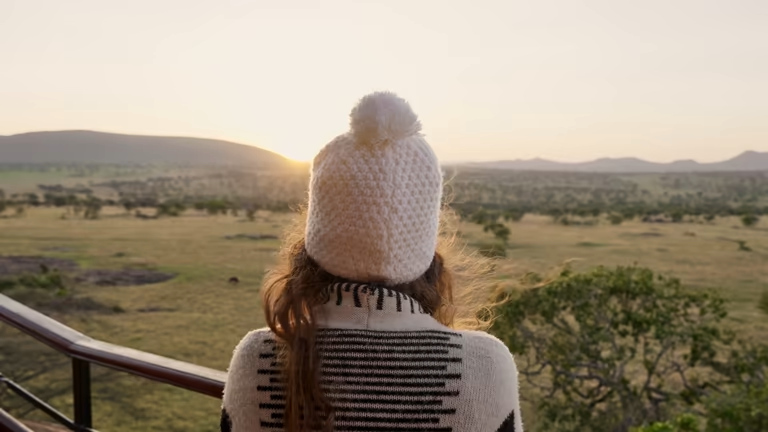
Understanding Safari From Zanzibar: Why This Combination Works
The appeal of a safari from Zanzibar is undeniable. For many travelers, Tanzania represents the pinnacle of African safari experiences, boasting iconic landscapes and an astonishing abundance of wildlife. Zanzibar, on the other hand, offers a tropical paradise, a blend of Swahili, Arab, Persian, and European influences, with pristine beaches, spice plantations, and rich history. Combining these two distinct yet complementary destinations creates a holistic African adventure that caters to diverse interests. You can easily transition from the relaxed pace of island life to the exhilarating action of the savannah, all within a single trip. This guide is designed to help you navigate the specifics of planning a safari that originates from Zanzibar, ensuring you make informed decisions for your 2026-2027 travel plans.
The logistics are smoother than you might think. While Zanzibar is an island, its proximity to the Tanzanian mainland and its established tourism infrastructure make onward travel to safari destinations straightforward. Most tour operators, including Climb 4 Africa, specialize in smooth transitions, handling all the transfers, accommodation, and park arrangements so you can focus on the experience. Whether you’re seeking the Great Migration in the Serengeti, the dense wildlife of the Ngorongoro Crater, or the baobab-studded plains of Tarangire, a safari from Zanzibar puts these wonders within reach.
This article will explore the practicalities: how to get from Zanzibar to the safari starting points, the best national parks to visit, recommended itinerary structures, considerations for different travel styles and budgets, and essential tips for maximizing your safari experience in 2026 and 2027. We aim to provide a comprehensive overview so you can confidently plan your dream safari from this idyllic island.
Getting From Zanzibar to Your Safari Starting Point
The journey from Zanzibar to the mainland safari circuit is a critical first step in planning your safari from Zanzibar. Most travelers will need to reach the northern safari circuit hubs, primarily Arusha or Kilimanjaro International Airport (JRO), which serves as the main gateway. There are two primary methods to achieve this: flying or taking a ferry followed by a road transfer.
Flying from Zanzibar to Arusha or Kilimanjaro (JRO)
This is by far the quickest and most convenient option, especially if time is a consideration. Several domestic airlines operate daily flights between Zanzibar International Airport (ZNZ) and Arusha Airport (ARK), or Kilimanjaro International Airport (JRO). Flights are typically short, lasting around 45 minutes to an hour.
- Pros: Saves significant travel time, offers scenic aerial views, minimizes fatigue, and gets you to your safari starting point faster. This is ideal if you have a shorter safari duration or want to maximize your time in the parks.
- Cons: Generally more expensive than the ferry and road transfer option. Luggage restrictions on smaller aircraft can also be a factor, though most safari operators manage this well.
When booking flights, consider whether arriving in Arusha (ARK) or Kilimanjaro (JRO) is more suitable for your chosen safari operator and itinerary. Arusha Airport is closer to Arusha town, a common base for safari operations, while JRO is a larger international airport. Many operators will arrange for your pick-up directly from either airport.
Ferry to Mainland Dar es Salaam, then onward to Arusha/JRO
This is a more budget-friendly option and involves a two-stage journey. First, you take a ferry from Zanzibar’s main port to Dar es Salaam, Tanzania’s largest city. The ferry journey takes approximately 1.5 to 2 hours.
- Pros: More economical than flying. Offers a different perspective of the Tanzanian coastline.
- Cons: Significantly more time-consuming. After arriving in Dar es Salaam, you will need to travel to Arusha or JRO. This typically involves either a domestic flight from Dar es Salaam (DAR) to Arusha (ARK) or JRO, or a long (6-8 hour) bus or private road transfer to Arusha. This entire process can easily consume a full day, meaning you might lose a day of your safari or need to add an extra night to your trip to account for the travel. The ferry can also be rough during certain sea conditions, and punctuality can sometimes be an issue.
Given the desire to maximize time on safari, especially when planning for popular periods in 2026 or 2027, flying is often the recommended choice for those undertaking a safari from Zanzibar. However, for budget-conscious travelers or those with more flexible schedules, the ferry route can be viable if planned carefully.
Logistics and Transfers
Regardless of how you arrive on the mainland, your safari operator will typically arrange your transfer from the airport (ARK or JRO) or ferry terminal to your hotel in Arusha, or directly to the start of your safari. This is a crucial part of the service provided by reputable tour companies, ensuring a smooth transition from your island experience to the wilderness.
For example, if you fly into Arusha Airport (ARK) for a safari commencing the next day, your transfer will take you to your chosen lodge or hotel in Arusha town. If your safari starts immediately upon arrival at JRO, you might be met and driven directly towards your first park destination, depending on the itinerary. Understanding these connections is key to a stress-free safari from Zanzibar.
Choosing Your Tanzania Safari Destinations
Tanzania is home to some of the most renowned wildlife sanctuaries in the world, and when planning a safari from Zanzibar, you’ll want to select parks that offer the best wildlife viewing and landscape diversity within your timeframe. The northern safari circuit is the most accessible and popular route from Zanzibar, featuring a concentration of world-class parks.
Serengeti National Park
The Serengeti is perhaps Tanzania’s most famous park, synonymous with vast plains, dramatic predator-prey interactions, and the Great Migration. This is a must-visit for any serious wildlife enthusiast.
- Highlights: The Great Migration (river crossings are most dramatic around July-October, while calving season is typically January-March), incredible predator sightings (lions, cheetahs, leopards, hyenas), vast open landscapes.
- Best suited for: Those seeking quintessential African safari landscapes and abundant wildlife. It requires a minimum of 2-3 days to truly appreciate, but longer stays are highly recommended.
- Considerations: It’s a large park, so understanding the migration patterns and choosing your accommodation location accordingly is vital for maximizing sightings. Flying into the Serengeti (e.g., Seronera Airstrip) is common and efficient from Arusha or Zanzibar, saving considerable driving time.
Ngorongoro Conservation Area (Ngorongoro Crater)
A UNESCO World Heritage Site, the Ngorongoro Crater is a collapsed volcano caldera teeming with an exceptionally high density of wildlife. It’s often described as a natural amphitheater for wildlife viewing.
- Highlights: The chance to see the ‘Big Five’ (lion, leopard, elephant, rhino, buffalo) in a single day, a unique ecosystem with a permanent resident population of animals, stunning crater views.
- Best suited for: Travelers with limited time who want guaranteed, close-up wildlife encounters. A single day’s game drive on the crater floor is often sufficient, though staying overnight on the crater rim offers more atmospheric experiences.
- Considerations: It is a conservation area, not strictly a national park, meaning different rules apply. Access to the crater floor is limited to a certain number of vehicles per day, and visitor numbers can be high, especially during peak seasons in 2026 and 2027.
Tarangire National Park
Known for its large elephant herds and iconic baobab trees, Tarangire is a fantastic park, especially during the dry season when animals congregate around the Tarangire River.
- Highlights: Huge elephant herds, diverse birdlife, striking baobab trees, good chances of seeing predators.
- Best suited for: Excellent as a first or last stop on a northern circuit safari, offering a different landscape to the Serengeti. It can be visited on a day trip from Arusha or as part of a multi-day safari.
- Considerations: Wildlife can be more spread out during the wet season.
Lake Manyara National Park
This relatively small park is famous for its tree-climbing lions, large troops of baboons, and diverse birdlife. It also features a beautiful alkaline lake.
- Highlights: Tree-climbing lions (though not guaranteed), large baboon troops, flamingoes on the lake (seasonal), diverse habitats from groundwater forest to acacia woodlands.
- Best suited for: A shorter safari experience, often combined with Tarangire or Ngorongoro. It’s easily accessible from Arusha and can be explored in a half-day to full-day excursion.
- Considerations: Wildlife can be elusive, and the park can feel crowded due to its size and popularity.
For a safari from Zanzibar, a typical itinerary might combine 2-3 of these parks to offer a well-rounded experience. The Serengeti and Ngorongoro Crater are often considered the ‘must-sees’, with Tarangire or Lake Manyara adding variety.
Popular Safari Itineraries From Zanzibar
When planning a safari from Zanzibar, itinerary length is a key factor. While short trips are possible, a longer duration generally allows for a more in-depth experience and a better chance of encountering diverse wildlife and landscapes. Here are some popular itinerary structures, keeping in mind that these can be customized.
3-Day Safari (Focus on Ngorongoro & Tarangire/Manyara)
This is the shortest common safari duration and is ideal for those with limited time on the mainland after their Zanzibar stay. It usually involves flying from Zanzibar to Arusha or JRO, then immediately heading out.
- Day 1: Arrive Arusha/JRO, drive to Tarangire National Park for afternoon game drives. Overnight near Tarangire or Karatu.
- Day 2: Morning game drive in Tarangire or drive to Ngorongoro Conservation Area. Descend into the Ngorongoro Crater for a half-day game drive. Overnight on the crater rim or in Karatu.
- Day 3: Optional morning activity (e.g., visit Lake Manyara, cultural tour) or drive back to Arusha/JRO for your onward flight or transfer.
Pros: Covers highlights, time-efficient. Cons: Can feel rushed, limited time in each location, doesn’t include the Serengeti.
4-Day Safari (Ngorongoro, Manyara & Tarangire)
This offers a bit more breathing room and allows for a more thorough exploration of the parks closer to Arusha.
- Day 1: Fly from Zanzibar to Arusha/JRO. Transfer to Lake Manyara National Park for afternoon game drives. Overnight in Karatu.
- Day 2: Full day in Tarangire National Park, focusing on elephant herds and diverse wildlife. Overnight near Tarangire or Karatu.
- Day 3: Descend into the Ngorongoro Crater for a full day of game viewing. Overnight on the crater rim.
- Day 4: Morning cultural visit or a final short game drive in the wider conservation area. Transfer back to Arusha/JRO for departure.
Pros: Good variety of parks, more relaxed pace than a 3-day trip. Cons: Still no Serengeti.
5-Day Safari (Serengeti & Ngorongoro)
This is a very popular option, as it includes the iconic Serengeti. It typically involves flying into the Serengeti to save time.
- Day 1: Fly from Zanzibar to Arusha/JRO. Meet your guide and drive towards the Ngorongoro Conservation Area. Overnight in Karatu or on the crater rim.
- Day 2: Full day game drive inside the Ngorongoro Crater. Overnight on the crater rim.
- Day 3: Drive from Ngorongoro to the Serengeti National Park, with game drives en route. Arrive in the central Serengeti (Seronera area) and enjoy an afternoon game drive. Overnight in a Serengeti lodge/camp.
- Day 4: Full day exploring the Serengeti, potentially following the Great Migration or focusing on predator sightings. Overnight in the Serengeti.
- Day 5: Morning game drive in the Serengeti. Fly from a Serengeti airstrip back to Arusha/JRO for your onward journey.
Pros: Includes the Serengeti and Ngorongoro, good balance of time. Cons: Requires flying into the Serengeti to be efficient.
7-Day Safari (Serengeti, Ngorongoro, Tarangire & Lake Manyara)
This is a comprehensive northern circuit safari that offers a deep look at Tanzania’s wildlife. It’s ideal for those who want to experience the best of what the region has to offer.
- Day 1: Fly from Zanzibar to Arusha/JRO. Transfer to Tarangire National Park for game drives. Overnight near Tarangire.
- Day 2: Morning game drives in Tarangire. Drive to the Ngorongoro Conservation Area. Overnight in Karatu.
- Day 3: Descend into the Ngorongoro Crater for a full day of exploration. Overnight on the crater rim.
- Day 4: Drive to the Serengeti National Park, with game drives en route. Arrive in the central Serengeti. Overnight in a lodge/camp.
- Day 5: Full day in the Serengeti, focusing on the central plains and predator sightings. Overnight in the Serengeti.
- Day 6: Optional morning game drive in the Serengeti. Fly from a Serengeti airstrip back to Arusha/JRO. If time permits, visit Lake Manyara on the way back to Arusha or spend the night in Arusha.
- Day 7: Transfer to Arusha/JRO for departure.
Pros: The most complete northern circuit experience, ample time in each park, allows for flexibility based on wildlife movements. Cons: Requires more time and budget.
These are just examples. Custom itineraries are common, allowing you to tailor the duration and park focus to your specific interests and budget for your 2026-2027 safari from Zanzibar. For instance, if you’re passionate about birdwatching, more time might be allocated to Manyara or Tarangire. If tracking specific predators is your goal, longer stays in the Serengeti would be advisable.
Safari Styles and Accommodation Options
Your safari experience from Zanzibar will be heavily influenced by the style of travel and the accommodation you choose. Tanzania offers a range of options, from budget-friendly to ultra-luxury, each providing a different perspective on the wilderness.
Accommodation Tiers
When planning your safari from Zanzibar for 2026 or 2027, consider these accommodation categories:
- Budget/Camping Safaris: These involve staying in public campsites within or near national parks. Tents are typically provided, and meals are prepared by a safari cook. This is the most economical way to experience a safari and can be very social. Expect shared bathroom facilities.
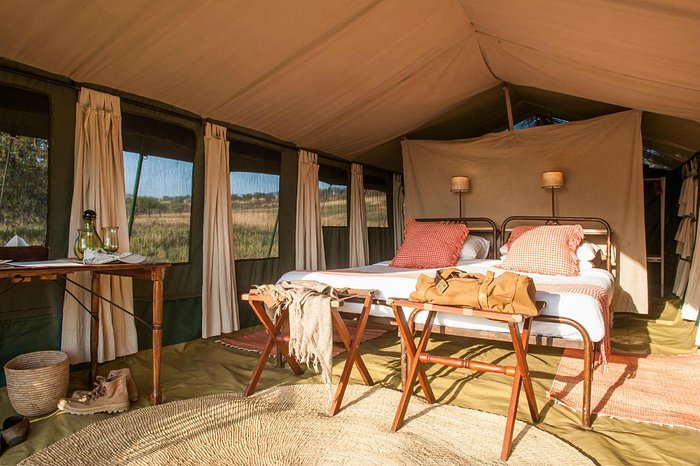
- Mid-Range Lodges & Tented Camps: This is a popular choice, offering comfortable en-suite rooms or spacious canvas tents with proper beds and private bathrooms. Lodges often have amenities like restaurants, bars, and swimming pools. Tented camps can range from comfortable to semi-luxury, often situated in prime wildlife areas.
- Luxury Lodges & Exclusive Tented Camps: For those seeking ultimate comfort and service, these properties offer high-end amenities, gourmet dining, personalized service, and often prime locations with exclusive wildlife viewing opportunities. Some may offer private plunge pools or butler service.
- Mobile Camps: These are semi-permanent or temporary camps that move with the Great Migration in the Serengeti. They offer a unique opportunity to stay in the heart of the action, providing an intimate wildlife experience.
Safari Vehicle Options
The vehicle you travel in is your ‘office’ for safari. Most reputable operators use custom-built 4×4 safari vehicles (Land Cruisers or Land Rovers) designed for comfort and optimal game viewing.
- Shared Safaris: You’ll share a vehicle with other travelers. This is the most cost-effective way to do a safari from Zanzibar. Operators often have fixed group departure dates for these. This is a good option for solo travelers or couples looking to save money.
- Private Safaris: You have exclusive use of the vehicle and guide. This offers maximum flexibility in terms of pace, game drive duration, and specific interests. It’s ideal for families, groups of friends, or couples seeking a more personalized experience. Private safaris are more expensive but provide unparalleled control over your safari.
Safari Styles
Beyond accommodation and vehicle choice, consider the overall style:
- Road Safaris: The most common type, where you travel between parks and lodges by safari vehicle. This allows you to experience the changing landscapes.
- Fly-in Safaris: For those with limited time or a preference for comfort, flying between key locations (e.g., Zanzibar to Serengeti, Serengeti to Arusha) can significantly reduce travel time and offer spectacular aerial views. This is a more premium option.
When choosing, think about your priorities. If budget is the main concern, camping and shared vehicles are the way to go. If comfort and exclusivity are paramount, luxury lodges and private vehicles are the best fit. For a balance, mid-range lodges with private vehicles often strike a good compromise for a safari from Zanzibar.
Planning Your Safari From Zanzibar for 2026-2027
Effective planning is crucial for a successful safari from Zanzibar, especially when looking ahead to 2026 and 2027. Booking in advance is highly recommended to secure your preferred accommodation and guides, particularly during peak seasons.
Best Time to Travel
Tanzania offers excellent safari opportunities year-round, but the ‘best’ time depends on what you want to see and experience.
- Dry Season (June to October): This is the peak safari season. Skies are clear, and wildlife is concentrated around water sources, making sightings easier. It’s also the time for the dramatic river crossings of the Great Migration in the northern Serengeti (July-October). Expect higher prices and more crowds. This is a highly sought-after period for 2026 and 2027 safaris.
- Green Season (November to May): This period offers lush landscapes, fewer tourists, and often lower prices. The calving season of the Great Migration occurs in the southern Serengeti (January-March), offering a different but equally fascinating spectacle. Birdwatching is also exceptional during this time. The short rains (November-December) can bring intermittent showers, while the long rains (March-May) can make some roads impassable, though safaris continue.
Booking Window
For popular times, especially during 2026 and 2027, it’s advisable to book your safari from Zanzibar at least 6-12 months in advance. This is particularly true for:
- High season travel (June-October, December-February)
- Specific lodges or tented camps
- Fixed group departure dates
- Special occasions or family travel
For more flexible travel dates or budget options, you might be able to book closer to your travel date, but early booking is always recommended for peace of mind and better availability.
Cost Considerations
The cost of a safari from Zanzibar varies widely. Key factors influencing price include:
- Duration: Longer safaris naturally cost more.
- Accommodation: Budget camping is the cheapest, followed by mid-range lodges/camps, and then luxury options.
- Park Fees: These are fixed per park, per person, per day, and are a significant component of the total cost.
- Transportation: Private vehicles are more expensive than shared ones. Flying into parks adds to the cost but saves time.
- Number of people: Costs are often quoted per person, and sharing a vehicle/lodge can reduce the per-person rate.
- Time of year: Peak season is more expensive.
A rough estimate for a mid-range 5-day safari from Zanzibar (including Serengeti and Ngorongoro) could range from $1,800 to $3,500+ per person, excluding international flights and Zanzibar accommodation. Luxury options could easily double this. Budget camping safaris might start from $1,200-$1,800 per person for a similar duration.
Visa and Health Requirements
- Visa: Most nationalities require a visa for Tanzania. This can often be obtained online in advance or upon arrival at the airport. Check the latest requirements for your nationality.
- Health: Consult your doctor or a travel clinic regarding vaccinations (e.g., Yellow Fever, Hepatitis A) and malaria prophylaxis. It’s advisable to start these discussions well before your 2026-2027 travel dates.
Planning ahead for these details will ensure your safari from Zanzibar is smooth and enjoyable.
What to Pack for Your Safari and Zanzibar Trip
Packing strategically is key to comfort and enjoyment for both your safari and island experiences. Layers are essential, as temperatures can vary significantly between day and night, and between the coast and the highlands.
Safari Essentials
- Clothing: Lightweight, neutral-colored clothing is best. Avoid bright colors that can scare wildlife or dark colors that attract tsetse flies.
- Tops: T-shirts, long-sleeved shirts (for sun protection and cooler evenings).
- Bottoms: Comfortable trousers or convertible pants, shorts (for warmer days).
- Outerwear: A fleece jacket or warm sweater for chilly mornings and evenings, especially in the Ngorongoro Crater area. A lightweight waterproof jacket or poncho is also advisable.
- Footwear: Comfortable walking shoes or hiking boots (if planning any walking safaris), trainers, and comfortable sandals or flip-flops for relaxing at lodges.
- Headwear: A wide-brimmed hat for sun protection is essential. A beanie or warm hat for cold mornings/evenings.
- Eyewear: Sunglasses.
- Sun Protection: High SPF sunscreen, lip balm with SPF.
- Insect Repellent: With DEET or picaridin.
- Camera: With extra batteries, memory cards, and a zoom lens if possible. Binoculars are highly recommended for spotting distant wildlife.
- First-Aid Kit: Include personal medications, pain relievers, antiseptic wipes, bandages, and any specific items recommended by your doctor.
- Headlamp or Torch: Useful for navigating around camps/lodges at night.
- Reusable Water Bottle: To stay hydrated and reduce plastic waste.
- Power Adapter/Bank: For charging electronics.
Zanzibar Essentials (Complementary to Safari Gear)
While many safari items are suitable for Zanzibar, consider these additions for island life:
- Swimwear: Essential for the beaches and hotel pools.
- Lightweight, breathable clothing: Sundresses, light shirts, linen trousers.
- Modest clothing: When visiting Stone Town or local villages, it’s respectful to cover shoulders and knees. A light scarf or sarong can be very useful.
- Water shoes or sandals: For exploring rocky shores or water activities.
- Snorkel gear: If you plan to snorkel independently (though often provided on tours).
Important Note on Luggage: When flying domestically within Tanzania, especially on smaller aircraft to places like the Serengeti, there are often strict weight limits (usually around 15kg/33lbs) for soft duffel bags. Hard suitcases are generally not permitted. Your tour operator will advise on specific requirements, but packing light and smart is crucial for a smooth safari from Zanzibar.
Booking Your Safari From Zanzibar with Climb 4 Africa
Choosing the right tour operator is paramount for a successful and memorable safari from Zanzibar. Climb 4 Africa specializes in creating smooth, authentic Tanzanian travel experiences, with a deep understanding of how to combine the magic of Zanzibar with the thrill of a safari. We pride ourselves on practical, local support and tailor-made itineraries that cater to your specific interests and budget for your 2026-2027 adventure.
Why Choose Climb 4 Africa?
- Local Expertise: As a Tanzanian-based company, we have unparalleled knowledge of the national parks, wildlife, culture, and logistics. This allows us to craft authentic experiences and navigate any challenges that may arise.
- Customization: We understand that every traveler is unique. Whether you’re looking for a budget-friendly camping safari, a mid-range lodge experience, or a luxury fly-in adventure, we can design a safari from Zanzibar that perfectly fits your desires and budget for 2026 or 2027.
- Experienced Guides: Our guides are passionate, knowledgeable, and professional, with extensive experience in wildlife tracking and identification. They are key to making your safari unforgettable.
- smooth Transitions: We manage all the logistics, from your arrival on the mainland from Zanzibar to your transfers, accommodation, and park activities, ensuring a stress-free journey.
- Value for Money: We offer competitive pricing without compromising on quality or experience. Our aim is to provide the best possible safari adventure for your investment.
How to Get Started
Planning your safari from Zanzibar is straightforward. The first step is to get in touch with us to discuss your ideas. Even if you only have a general concept, we can help you refine it into a concrete itinerary.
What to provide when you contact us:
- Your desired travel dates (or general timeframe for 2026-2027).
- The number of travelers.
- Your preferred safari duration (e.g., 3 days, 5 days, 7 days).
- Your approximate budget per person.
- Any specific parks or wildlife you are particularly interested in seeing.
- Your preferred style of accommodation (budget, mid-range, luxury).
- Your starting point (Zanzibar) and preferred method of travel to the mainland (flight or ferry).
We are here to answer all your questions and guide you through the planning process. Whether you’re dreaming of witnessing the Great Migration or exploring the Ngorongoro Crater, let us help you create the perfect safari from Zanzibar. We can arrange everything from your initial transfers from Zanzibar to your final departure from the mainland.
Contact Climb 4 Africa today:
- WhatsApp: +255 747 477 898
- Email: climb4africa@gmail.com
We look forward to helping you plan an extraordinary safari adventure that perfectly complements your Zanzibar experience.
Frequently Asked Questions About Safari From Zanzibar
Can I do a short safari (e.g., 2-3 days) from Zanzibar?
Yes, it’s possible to do a 2-3 day safari from Zanzibar, typically focusing on parks like Tarangire and Ngorongoro Crater. However, these shorter trips can feel rushed, and you would likely need to fly from Zanzibar to Arusha or Kilimanjaro International Airport (JRO) to maximize your time on safari.
What is the best way to travel from Zanzibar to the safari starting point?
The quickest and most convenient way is to fly from Zanzibar (ZNZ) to Arusha Airport (ARK) or Kilimanjaro International Airport (JRO). While more expensive than the ferry to Dar es Salaam and onward travel, flying saves significant time, allowing you to maximize your safari experience.
When is the best time for a safari from Zanzibar?
The dry season (June to October) is generally considered the best for wildlife viewing, with concentrated animals and the Great Migration river crossings. However, safaris are excellent year-round. The green season (November to May) offers lush landscapes, fewer crowds, and potentially lower prices, with the calving season of the migration in the southern Serengeti during January-March.
How far in advance should I book my safari from Zanzibar for 2026-2027?
For peak seasons (June-October, December-February) and popular lodges, booking 9-12 months in advance is highly recommended for 2026-2027 to secure availability. For off-peak seasons or more flexible options, 3-6 months might suffice, but early booking is always best.
What is the typical cost of a safari from Zanzibar?
Costs vary greatly depending on duration, accommodation style, and inclusions. A mid-range 5-day safari typically ranges from $1,800 to $3,500+ per person. Budget camping safaris can start from around $1,200-$1,800 per person for a similar duration. Luxury options will be significantly higher.
Do I need to pack differently for Zanzibar and the safari?
While much safari clothing is suitable for Zanzibar, you’ll want to add swimwear and lighter, more casual attire for the island. Remember that modest clothing is advisable when visiting towns or villages on Zanzibar. Always pack layers for varying temperatures on safari.
Conclusion: Your Unforgettable Tanzania Adventure Awaits
Combining the exotic charm of Zanzibar with a thrilling Tanzanian safari offers an unparalleled travel experience. From the moment you leave the spice-scented air of the island, you start a journey into some of the world’s most spectacular wildlife habitats. Whether you dream of witnessing the Great Migration thundering across the Serengeti plains, observing elephants in Tarangire’s ancient baobab forests, or marveling at the dense wildlife within the Ngorongoro Crater, a safari from Zanzibar makes it all possible.
Planning for 2026 and 2027 means embracing the opportunity to secure your ideal adventure. By understanding the logistics of travel from Zanzibar, choosing the right national parks, and selecting an itinerary that matches your interests and pace, you set the stage for incredible memories. Remember that early booking is key, especially for peak seasons, to ensure you get the best accommodation and availability.
Climb 4 Africa is dedicated to crafting personalized safari experiences that perfectly complement your Zanzibar holiday. Our local expertise and commitment to quality ensure a smooth transition and an unforgettable journey into the heart of Tanzania’s wilderness. We handle the complexities so you can focus on the magic of the wildlife encounters.
Don’t hesitate to reach out to us with your safari dreams. We are ready to help you design the perfect safari from Zanzibar, tailored to your preferences and budget, for an adventure you’ll cherish for a lifetime.
Check Availability for Safari From Zanzibar: Your Complete Tanzania Wildlife & Island Adventure…
Ready to compare dates, prices, and the best option for your group? Send the package name and travel month so the team can reply with a clear quote, availability, and what is included.
Safari From Zanzibar: Best Packages, Prices & Parks For 2026-2027
Combining a Zanzibar beach holiday with a Tanzania safari is a dream for many travelers. This guide details the best safari packages from Zanzibar, covering essential planning, park...
View package details
Serengeti Safari And Zanzibar Beach Holiday: The Ultimate Tanzania
Combine the thrill of a Serengeti safari with the relaxation of a Zanzibar beach holiday. This guide covers everything you need to know for an unforgettable Tanzania adventure in 2026-2027...
View package details
Tanzania Safari And Zanzibar All-Inclusive Packages Guide
Combine the thrill of a Tanzanian wildlife safari with the serene beauty of Zanzibar on an all-inclusive package. This comprehensive guide covers everything you need to know for planning...
View package details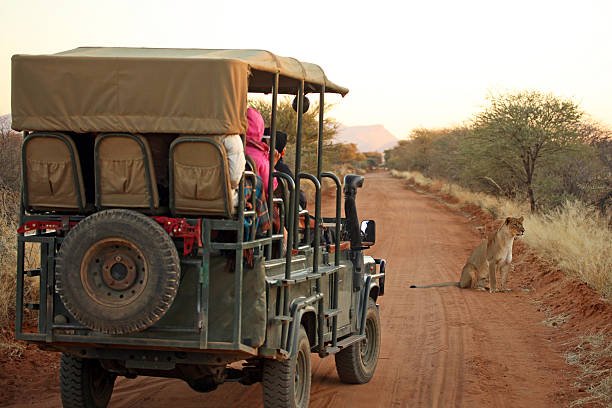
Zanzibar To Mikumi Safari: Flights, Prices And Itinerary Guide
Transition from the spice-scented beaches of Zanzibar to the wildlife-rich plains of Mikumi National Park. This guide details flight logistics, cost considerations, and sample itineraries...
View package details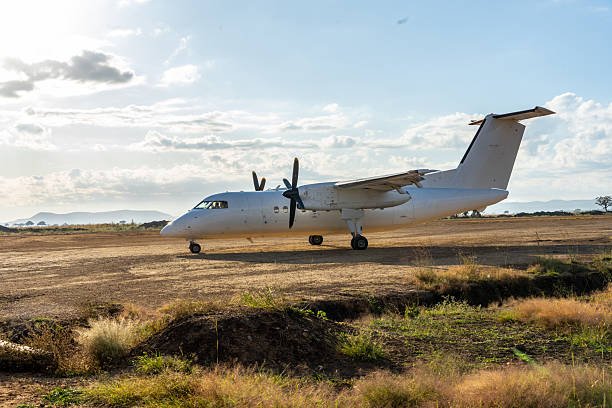
Zanzibar To Nyerere Safari Packages 2026-2027
Zanzibar to Nyerere Safari Packages is explained with current 2026-2027 planning, price, itinerary and booking information.
View package details
Zanzibar To Serengeti Safari Packages 2026-2027
Zanzibar to Serengeti Safari Packages is explained with current 2026-2027 planning, price, itinerary and booking information.
View package details3-Day Safari From Zanzibar 2026-2027
3-Day Safari From Zanzibar is explained with current 2026-2027 planning, price, itinerary and booking information.
View package details
2-Day Safari From Zanzibar: Your Quick Wildlife Escape In 2026-2027
Looking for a short, impactful wildlife adventure without a long trip? A 2-day safari from Zanzibar is your perfect solution. This guide covers the best options, what to expect, and how to...
View package detailsTanzania Safari And Zanzibar Packages /: Your Complete Guide 2026-2027
Explore the best Tanzania safari and Zanzibar packages for 2026-2027. This comprehensive guide covers itinerary options, wildlife highlights, beach relaxation, and booking considerations to...
View package details
10-Day Tanzania Safari And Zanzibar Beach Holiday: Your Ultimate Itinerary
Combine the thrill of a Tanzania safari with the relaxation of Zanzibar for an unforgettable 10-day adventure. This itinerary balances iconic wildlife viewing with stunning tropical...
View package detailsBest Family-Friendly Resorts In Tanzania For Unforgettable Adventures
Planning a family adventure in Tanzania? This guide highlights the best family-friendly resorts offering incredible wildlife viewing, cultural experiences, and comfortable stays for all...
View package detailsWildlife And Nature Titles: Your Ultimate Guide To Tanzanias Best Experiences
This comprehensive guide explores the most sought-after wildlife and nature titles in Tanzania, from iconic safari destinations and Kilimanjaro treks to the tropical allure of Zanzibar...
View package detailsNo related package matches those filters. Clear one or more filters to see the other topic-matched options.



