
The best months for seeing large numbers of elephants in Tarangire National Park are generally July through October, which marks the peak of the dry season. During this period, the Tarangire River becomes a vital water source, attracting hundreds, and sometimes thousands, of elephants. However, elephants are present year-round, and other wildlife viewing can be exceptional in different months, so the ‘best’ time also depends on your broader safari priorities for 2026-2027.
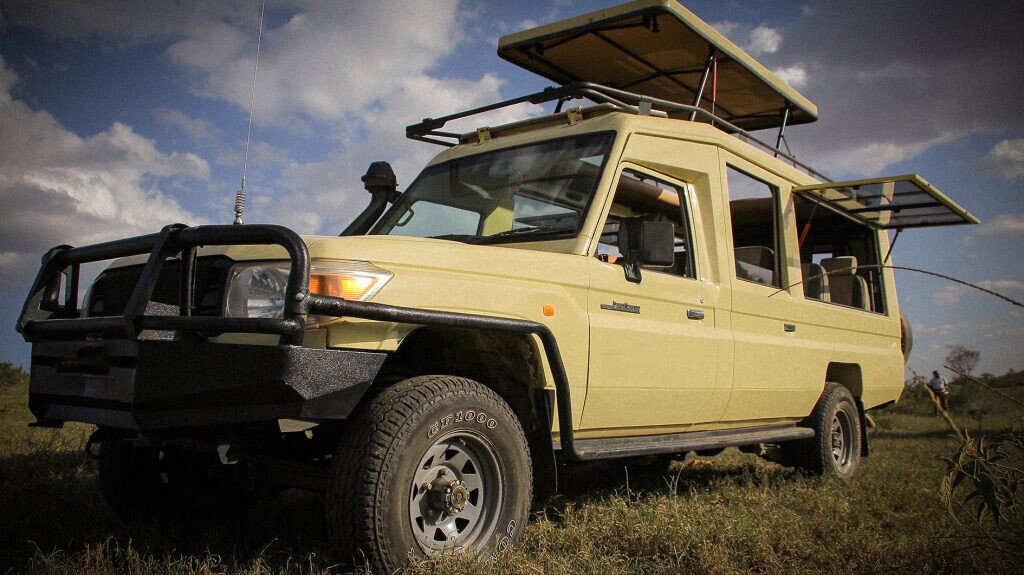

Tarangire’s Elephant Spectacle: Understanding the Seasons
Tarangire National Park, often called the ‘Land of Giants’ due to its immense elephant population and iconic baobab trees, offers a unique safari experience. Unlike parks in the northern Serengeti circuit that can empty out during the dry season, Tarangire’s permanent river ensures wildlife, especially elephants, remains concentrated here for much of the year. However, the sheer density and visibility of these magnificent creatures are influenced by the seasonal rains and the availability of water and grazing. Understanding these patterns is key to planning the ultimate Tarangire elephant safari for 2026 or 2027.
When we talk about the ‘best month’ for elephants in Tarangire, we’re usually considering two primary factors: the sheer number of elephants visible and the ease of spotting them. The dry season, from roughly June to October, sees elephants congregating along the Tarangire River and its tributaries. This concentration makes for truly spectacular viewing, with herds of all sizes, including many calves, frequently encountered. Outside of this peak period, elephants disperse further into the park and surrounding areas as water becomes more plentiful. While they are still present, the dramatic, almost overwhelming, herds of the dry season are less common.
But it’s not just about numbers. The dry season also means less vegetation cover and fewer waterholes for other animals, making them more reliant on the river, thus easier to spot. This can also mean more intense predator-prey interactions, adding another layer of excitement to your safari. Conversely, the wet season, from November to May, brings lush greenery, dispersed wildlife, and different photographic opportunities. Migratory birds return, and the landscape is at its most vibrant. So, while July to October is statistically the ‘best’ for elephant herds, a safari in the green season might suit those looking for a different kind of beauty and perhaps fewer crowds.
The Dry Season Advantage: July to October
This period is consistently cited as the prime time for elephant viewing in Tarangire, and for good reason. As the rains cease and the landscape begins to dry out, the Tarangire River and its permanent waterholes become the focal point for wildlife. Elephants, with their high water needs, are drawn here in massive numbers.
July: The Beginning of the Great Gathering
By July, the dry season is well underway. The grass starts to turn golden, and the bush thins out. Elephants begin to consolidate their presence around the Tarangire River. While the herds might not yet be at their absolute peak numbers seen in August or September, they are significant and steadily growing. This is an excellent month to visit if you prefer slightly fewer vehicles and lodges, as the peak crowds typically arrive a little later. The weather is pleasant, with sunny days and cool evenings, making for comfortable game drives. For photographers, the light is often beautiful, with clear skies providing excellent visibility.
August: Peak Elephant Herd Season
August is often considered the absolute zenith for elephant viewing in Tarangire. The concentration of elephants along the Tarangire River can be astounding. You might witness herds numbering in the hundreds, sometimes even exceeding a thousand individuals, coming to drink, socialize, and play. The dry conditions mean that game viewing is generally excellent across the park, with many other species also drawn to the limited water sources. This is a popular month for safaris, so booking well in advance for 2026 or 2027 is highly recommended to secure your preferred accommodation and safari vehicle. The landscape is starkly beautiful, and the wildlife viewing is unparalleled.
September: Continued Abundance and Dramatic Landscapes
September remains a fantastic month for seeing elephants in Tarangire. The herds are still very much present along the river, and the dry conditions persist. The landscape takes on a dramatic, almost arid beauty. While the peak numbers of August might slightly decrease as some animals begin to look for food beyond the immediate riverbanks, the viewing remains superb. September often offers a good balance: excellent wildlife sightings without the absolute peak of August crowds. The temperatures are warm during the day, and the evenings are cool. This month is ideal for those seeking intense wildlife encounters in a visually striking environment.
October: The Last of the Dry Season Spectacle
As October progresses, the dry season begins to wane, and there’s anticipation for the first rains. However, the Tarangire River remains a crucial lifeline, and significant elephant herds continue to be a major attraction. While the vegetation might start showing the first hints of green towards the end of the month, the dry conditions of early October still ensure great visibility. It’s a month where you can still experience the concentrated elephant viewing of the dry season, often with fewer visitors than in August and September. The wildlife viewing remains strong, and the opportunity to see large elephant families is still very high.
Planning Your Dry Season Safari (July-October 2026/2027)
If your primary goal is to witness the iconic large elephant herds of Tarangire, this dry season window is your best bet. However, remember that this is also peak safari season across Tanzania. Booking your 2026 or 2027 safari at least 6-12 months in advance is crucial to ensure availability, especially for popular lodges and private vehicles. Expect sunny days and cooler nights. While elephant viewing is the highlight, other animals like zebras, wildebeest, giraffes, and various antelopes are also abundant. Predators are often easier to spot due to the sparser vegetation.
The Shoulder Seasons: Transitioning Wildlife Viewing
The periods just before and after the peak dry season offer unique advantages, often combining good wildlife viewing with fewer crowds and potentially more favorable pricing.
June: The Onset of the Dry Season
June marks the transition from the wet season to the dry season. The landscape is still relatively green, and the wildlife is beginning to concentrate as water sources start to diminish. You’ll start seeing more elephants gathering, particularly around the Tarangire River, though perhaps not in the overwhelming numbers of August. This is a wonderful month for a safari because you get the benefits of the drying landscape, making wildlife more visible, without the peak season crowds or prices. The weather is generally pleasant, with mild temperatures and less humidity than the preceding months. It’s a great time for photographers seeking dramatic light and a less crowded experience.
November: The First Rains and Dispersing Wildlife
November is when the short rains typically begin. This usually means brief, intense showers, often in the afternoons, which revive the landscape. As water becomes more available across the park, wildlife, including elephants, begins to disperse from the riverbanks into the wider park. While you won’t see the massive congregations of the dry season, elephants are still present, and their viewing can be more spread out. The advantage of November is the lush, green scenery, the return of migratory birds, and significantly fewer tourists. This can be a more affordable and intimate safari experience, provided you’re prepared for occasional rain showers.
The Green Season: November to May
The green season, also known as the wet season, transforms Tarangire into a verdant paradise. While it’s not the ‘best’ time for concentrated elephant herds, it offers a different, often overlooked, safari experience with its own unique charms.
December to February: Lush Landscapes and Calf Season
During these months, Tarangire is at its most beautiful, with green grass and flowering trees. The rains are usually moderate, often occurring as afternoon showers. Elephants are present, and this period can coincide with calving season for many elephant herds, offering delightful opportunities to see playful young calves. Wildlife is more dispersed due to the abundance of water and grazing, so you might need to cover more ground on game drives to find animals. However, the lush environment is a paradise for birdwatchers, with resident and migratory species at their most active. The fewer crowds can make for a more personal safari. For 2026-2027 planning, consider these months if you value scenery and a more tranquil experience over sheer elephant herd numbers.
March to May: The Peak of the Wet Season
These months represent the height of the wet season. The landscape is exceptionally green and lush. However, heavy rains can sometimes make roads within the park challenging to navigate, potentially limiting game drive routes or requiring specialized 4×4 vehicles. Elephant viewing becomes more challenging as they spread out widely, and the dense vegetation can obscure sightings. This is generally considered the low season for tourism in Tarangire, meaning fewer visitors and lower prices. It’s a time for dedicated wildlife enthusiasts who appreciate the beauty of the African bush after the rains and are prepared for potential travel disruptions. Many lodges may also close or operate with reduced services during this period.
Green Season Considerations (November-May 2026/2027)
While not ideal for peak elephant herd sightings, the green season offers a different kind of magic. The landscape is stunning, birdlife is exceptional, and you’ll encounter fewer tourists. It’s also often a more budget-friendly time to travel. However, be prepared for potential rain, which can affect road conditions and game drive accessibility. Confirm with your tour operator about road conditions and vehicle suitability if you plan to travel during these months for your 2026-2027 safari.
Beyond Elephants: What Else to See in Tarangire by Month
While the question is about elephants, a safari is rarely about just one animal. Tarangire offers a rich mix of wildlife year-round. Understanding how the months affect other sightings can help you make a well-rounded decision for your 2026-2027 trip.
Dry Season (July-October)
This is prime time for seeing large mammals congregating. Besides elephants, expect to see vast herds of wildebeest and zebras, as well as giraffes, buffalo, impala, and other antelopes drawn to the river. Predators like lions, leopards, and cheetahs are also more visible as they hunt the concentrated prey. Birdlife, though less spectacular than in the wet season, is still good, especially around the river.
Green Season (November-May)
The green season is a birder’s paradise. Migratory birds from Europe and North Africa join the resident species, creating incredible ornithological opportunities. The lush vegetation means that some grazers might be spread out, but you can still find them. Predators are often more challenging to spot in the dense bush, but the landscape is incredibly photogenic. The Tarangire River remains a magnet for wildlife, so even in the wet season, you’ll find animals here. You might also see different species that prefer the greener conditions.
Comparing Months for Your Tarangire Elephant Safari 2026-2027
To help you decide, let’s break down the pros and cons of each season specifically for elephant viewing and the overall safari experience.
| Month | Elephant Herds | Other Wildlife | Landscape | Crowds | Pros | Cons |
|---|---|---|---|---|---|---|
| July | Good, increasing numbers | Good, animals concentrating | Drying, golden hues | Moderate | Pleasant weather, fewer peak crowds, start of dry season spectacle | Herds not at absolute peak |
| August | Excellent, peak numbers | Excellent, high concentration | Dry, stark beauty | High | Unmatched elephant viewing, superb overall game viewing | Peak crowds, higher prices, book far in advance |
| September | Excellent, high numbers | Excellent, high concentration | Dry, dramatic | High | Superb elephant and general wildlife viewing, slightly fewer crowds than August | Still peak season, book ahead |
| October | Excellent, still high numbers | Good, still concentrated | Dry with early green hints | Moderate to High | Great elephant sightings, fewer crowds than Aug/Sep, beautiful light | Transition month, end of dry season |
| November | Moderate, dispersing | Good, spreading out | Lush, green, reviving | Low to Moderate | Beautiful scenery, excellent birding, fewer crowds, potentially better prices | Occasional rain, wildlife more dispersed |
| December-February | Moderate, dispersed | Good, dispersed, calving season | Very lush, vibrant | Moderate | Stunning green landscapes, potential for seeing young calves, birding is excellent | More challenging general game viewing, occasional rain |
| March-May | Low, widely dispersed | Moderate, dispersed | Very lush, peak wet season | Low | Very few tourists, lowest prices, vibrant green scenery, superb birding | Most challenging elephant viewing, potential road issues due to heavy rain, many lodges may be closed or limited. |
Planning Your 2026-2027 Tarangire Elephant Safari: Practical Advice
Choosing the right month is just the first step. Several other factors will influence your experience and need careful consideration when planning your 2026 or 2027 safari.
Accommodation Options
Tarangire offers a range of accommodation, from luxury tented camps to more rustic lodges. During the peak dry season (August-September), demand is highest, and lodges closest to the river or offering prime locations fill up quickly. Booking early is essential. In the green season, you might find more availability and potentially better rates, but some camps may close or have limited operations.
Safari Vehicle and Guide
A good safari guide and a well-equipped 4×4 vehicle are crucial for any Tarangire safari, regardless of the month. A knowledgeable guide can track animals, interpret their behavior, and find the best viewing spots. During the wet season, a robust 4×4 is vital for navigating potentially muddy tracks. Consider a private vehicle for maximum flexibility in game drives, allowing you to spend as much time as you wish with elephant herds or other sightings.
Itinerary Considerations
Tarangire is often part of a larger Northern Circuit safari, which might include the Serengeti, Ngorongoro Crater, and Lake Manyara. If elephants are your absolute priority, dedicating at least 2-3 full days to Tarangire during the dry season is highly recommended. If you’re combining it with other parks, consider how the different seasons affect those locations too. For instance, the Serengeti’s Great Migration has its own seasonal movements that might align better with specific months.
Budget and Timing
The peak dry season (August-September) is generally the most expensive time to visit Tarangire due to high demand. The shoulder months (June, July, October, November) can offer a good balance of excellent wildlife viewing and more moderate pricing. The green season (December-May) is typically the most budget-friendly, especially March to May, but comes with the trade-offs of dispersed wildlife and potential rain.
2026-2027 Planning Window
For safaris planned for 2026 or 2027, especially for the popular dry season months, it’s advisable to start your planning and booking process at least 9-12 months in advance. This ensures you get the best choice of lodges, safari vehicles, and guides. For custom itineraries, contacting a local operator like Climb 4 Africa early gives you the best chance to tailor the trip precisely to your preferences and budget.
Expert Local Insight for Your Tarangire Safari
As a local Tanzanian tour operator, Climb 4 Africa has extensive firsthand knowledge of Tarangire’s wildlife patterns. We understand the subtle shifts in animal behavior and the best times to witness specific phenomena. For instance, we know that while August and September offer the highest elephant numbers, the ‘shoulder’ months can provide equally rewarding experiences with fewer vehicles, allowing for a more intimate connection with nature. When you plan your 2026 or 2027 safari with us, we can help you navigate these nuances to create the perfect itinerary, whether your focus is solely on elephants or a broader wildlife experience.
Making Your Booking Decision for 2026-2027
Deciding on the best month for elephants in Tarangire involves balancing your priorities. If overwhelming numbers of elephants are paramount, then July through October is your target window for 2026 or 2027. Be prepared for peak season conditions and book well in advance.
If you seek a more tranquil experience, appreciate lush green landscapes, exceptional birdlife, and potentially better value, consider the shoulder months of June or November, or even the green season from December to May, understanding that elephant viewing will be more dispersed.
No matter when you choose to visit, Tarangire National Park promises an unforgettable safari. The key is to align your visit with the natural rhythms of the park and your personal travel preferences.
Ready to plan your ultimate Tarangire elephant safari for 2026 or 2027? Let Climb 4 Africa craft a personalized itinerary for you. We specialize in creating authentic Tanzanian travel experiences with practical local support. Contact us to discuss your ideal safari, and we’ll help you choose the perfect month and create a memorable adventure. You can reach us via WhatsApp at +255 747 477 898 or email us at climb4africa@gmail.com.
Check Availability for Which Month Is Best For Elephants In Tarangire? Your Expert Safari Guide
Ready to compare dates, prices, and the best option for your group? Send the package name and travel month so the team can reply with a clear quote, availability, and what is included.
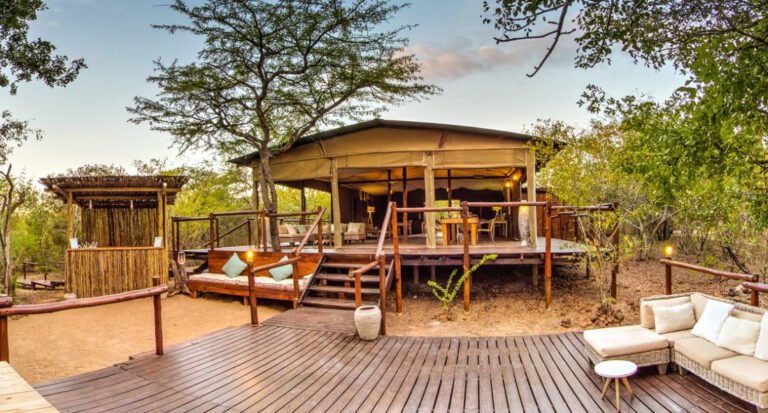
7-Day Tanzania Safari: Serengeti, Ngorongoro, And Tarangire In 2026-2027
A comprehensive guide to a 7-day Tanzania safari adventure, focusing on the iconic Serengeti National Park, the Ngorongoro Crater, and Tarangire National Park. Learn about optimal...
View package details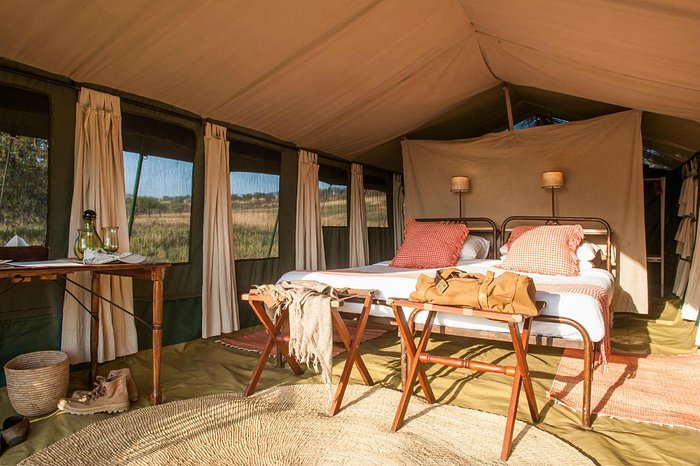
What Is The Best Month To Visit Serengeti? 2026-2027
What Is the Best Month to Visit Serengeti? is explained with current 2026-2027 planning, price, itinerary and booking information.
View package details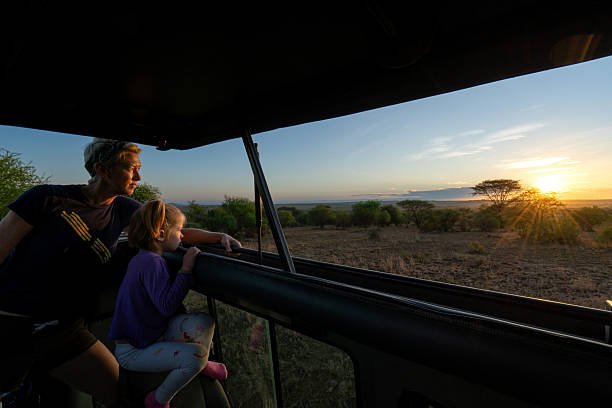
Which African Country Is Best For Safari? 2026-2027
Which African Country Is Best for Safari? is explained with current 2026-2027 planning, price, itinerary and booking information.
View package details
How Far In Advance Should You Book An African Safari? 2026-2027
How Far in Advance Should You Book an African Safari? is explained with current 2026-2027 planning, price, itinerary and booking information.
View package details
Kenya Safari Tours & Holiday Packages 2026-2027
Kenya Safari Tours & Holiday Packages is explained with current 2026-2027 planning, price, itinerary and booking information.
View package details
Solo African Safari Tours: Your Ultimate Guide For 2026-2027
start an incredible solo African safari adventure. This comprehensive guide covers everything you need to know for planning a safe, rewarding, and memorable trip in 2026-2027, from choosing...
View package detailsSafari From Zanzibar: Best Packages, Prices & Parks For 2026-2027
Combining a Zanzibar beach holiday with a Tanzania safari is a dream for many travelers. This guide details the best safari packages from Zanzibar, covering essential planning, park...
View package detailsIs It Better To Book A Safari Online Or Locally? 2026-2027
Is It Better to Book a Safari Online or Locally? is explained with current 2026-2027 planning, price, itinerary and booking information.
View package details
What Is Included In An African Safari Package? A Complete Guide For 2026-2027
Demystifying African safari packages. This guide details what you can expect to be included, from essential logistics like accommodation and transport to crucial elements like park fees and...
View package detailsAffordable African Safari Packages: Your Guide To Budget-Friendly Tanzania
Discover how to plan and book affordable African safari packages for 2026-2027. This guide provides practical advice on choosing budget-friendly Tanzania tours, understanding costs, and...
View package details
Best Wildlife Safaris In Africa: Your Ultimate Guide For 2026-2027
start the ultimate African wildlife safari. This comprehensive guide covers the best destinations, essential planning tips, and what to expect for your 2026-2027 adventure.
View package details
Serengeti Safari Tours: Prices, Packages & Best Time To Visit In 2026-2027
Discover everything you need to know for planning your Serengeti safari tour, from understanding pricing and package variations to identifying the ideal travel times in 2026-2027. This...
View package detailsNo related package matches those filters. Clear one or more filters to see the other topic-matched options.



