
For the most in-depth wildlife experience and to maximize game viewing opportunities, sleeping inside Serengeti National Park is generally preferred, especially during the Great Migration or if early morning/late evening game drives are a priority. However, sleeping outside the park offers significant cost savings, a wider range of accommodation styles, and easier access to amenities, making it a practical choice for budget-conscious travelers or those combining their safari with other Tanzanian destinations.
Understanding the Core Decision: Inside vs. Outside Serengeti
The question of whether to sleep inside or outside Serengeti National Park is perhaps one of the most fundamental choices you’ll make when planning a Tanzanian safari. It’s not a simple ‘one size fits all’ answer, and the best choice hinges entirely on your personal travel style, priorities, budget, and what you hope to achieve from your safari experience. Both options offer unique advantages and distinct trade-offs, and understanding these is key to crafting a memorable adventure for 2026 or 2027.
When we talk about sleeping ‘inside’ Serengeti, we’re referring to lodges, tented camps, or campsites located within the official boundaries of the national park. This offers unparalleled proximity to wildlife and allows for game drives at dawn and dusk, often when animal activity is at its peak. Conversely, sleeping ‘outside’ the park typically means staying in towns or villages just beyond the park gates, such as Seronera (though technically inside, it’s a hub often associated with more accessible accommodation), Karatu, or Arusha (though Arusha is much further away and usually the start/end point for longer itineraries). Accommodation outside the park gates can range from budget guesthouses to mid-range hotels and more luxurious lodges.
The Serengeti is vast, and its different regions offer varying experiences. For instance, the central Seronera area is known for resident wildlife year-round, while the northern Serengeti is crucial for river crossings during the Great Migration, and the southern plains are calving grounds. Your choice of accommodation location within or outside the park will directly influence which of these spectacular sights you can access most easily and at what times of day. This decision will shape your daily itinerary, the amount of time you spend in transit, and ultimately, the quality and quantity of wildlife encounters you experience during your 2026-2027 safari.
The Allure of Sleeping Inside Serengeti National Park
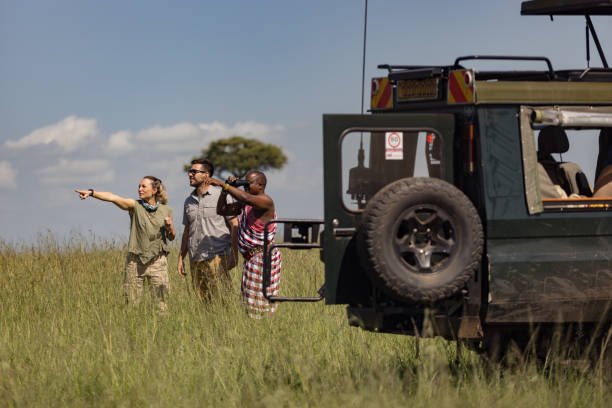
Opting to stay within the confines of Serengeti National Park is often seen as the quintessential safari experience. It offers a level of immersion that is difficult to replicate from outside. The primary draw is, of course, the wildlife. When you’re inside the park, the animals are your neighbours. You wake up to the sounds of the African bush, and your game drives can begin moments after stepping out of your accommodation. This proximity translates directly into more time spent observing animals and less time driving to reach them.
Unrivaled Wildlife Access and Proximity
The most significant benefit of sleeping inside Serengeti is the ability to conduct game drives at the most rewarding times. Animals are most active during the cooler hours of dawn and dusk. Staying inside the park means you can start a game drive just as the sun rises, catching predators on the move after a night’s hunt, or witnessing herbivores beginning their day. Similarly, you can continue your drive until late into the evening, observing nocturnal or crepuscular animals. If you stay outside, you often have to wait for the park gates to open in the morning and leave before they close in the evening, significantly limiting your viewing windows and potentially missing crucial wildlife behaviours.
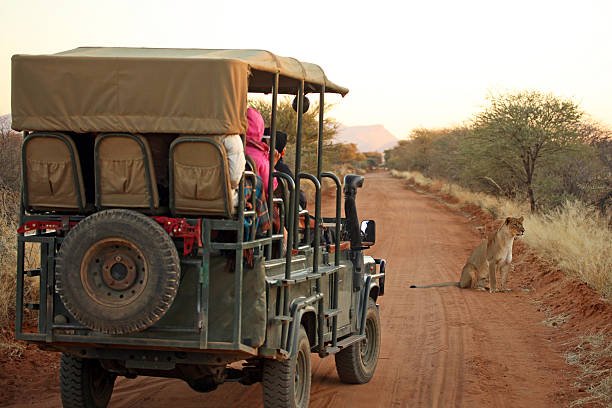
Imagine waking up to the distant roar of a lion or the trumpeting of an elephant right outside your tent. This is the reality for many who choose to sleep inside Serengeti. The absence of travel time to and from the park gates means that every minute of daylight can be dedicated to exploring the plains, searching for the Big Five, and witnessing the countless other species that call Serengeti home. For those planning a 2026 or 2027 safari with a primary focus on maximizing wildlife sightings, this proximity is invaluable.
Maximizing Game Drive Time and Flexibility
With accommodation located inside the park, your safari vehicle is your chariot, and the park is your backyard. This translates into more flexible and extended game drives. You aren’t constrained by the park’s opening and closing times to the same extent. If you’re tracking a leopard or following a herd of wildebeest, you can spend more time observing without worrying about the clock or the distance back to your lodge outside the park. This flexibility is particularly important during the Great Migration, where herds can be spread across vast distances, and sightings are often time-sensitive.
For example, if you’re in the northern Serengeti hoping to witness a river crossing in 2026 or 2027, staying at a camp nearby means you can be at the riverbanks well before the crowds, ready to observe the drama unfold. If you were staying outside, you might spend an hour or more driving to reach the best viewing spots, potentially missing the peak action. This enhanced flexibility allows for spontaneous detours, lingering longer at sightings, and a generally more relaxed and rewarding safari rhythm.
Experiencing the Serengeti at Night and Dawn
The Serengeti transforms after dark. While full night game drives are restricted within national parks for safety reasons (unless specifically arranged with certain high-end lodges that have special permits), staying inside allows for the magical experience of hearing the nocturnal symphony of the bush from your tent or lodge. You might hear hyenas calling, lions roaring in the distance, or the rustling of unseen creatures in the grass. This auditory immersion is a profound part of the safari experience that is diminished when you are miles away outside the park.
Dawn is equally appealing. The first light painting the savannah, the mist rising from the plains, and the awakening of wildlife create a serene yet thrilling atmosphere. Being able to step out for an early morning game drive as the world wakes up is a privilege afforded by staying within the park’s boundaries. These quiet, atmospheric moments are often cited by seasoned travelers as highlights of their Serengeti adventures.
Types of Accommodation Inside Serengeti
Accommodation options inside Serengeti National Park cater to a range of preferences and budgets, though they are generally more expensive than those outside. They fall into a few main categories:
- Luxury Tented Camps: These offer a classic safari feel with canvas walls but come equipped with comfortable beds, en-suite bathrooms, and often gourmet dining. They provide an intimate connection with nature without sacrificing comfort.
- Permanent Lodges: These are more substantial structures, offering amenities similar to hotels, often with swimming pools and fine dining restaurants. They provide a solid, comfortable base.
- Mobile Tented Camps: These camps move seasonally to follow the Great Migration. Staying in a mobile camp offers unparalleled access to specific areas of the park at optimal times, such as the Grumeti River for river crossings or the Ndutu area for calving season. This is a fantastic option for those keen to witness the migration in 2026 or 2027.
- Campsites: For the truly adventurous and budget-conscious, public and special campsites are available within the park. These are basic, often with shared ablution facilities, and require a more rugged approach but offer the most authentic bush experience.
Considerations and Drawbacks of Staying Inside
While the benefits are compelling, staying inside Serengeti comes with its own set of considerations:
- Cost: Accommodation inside the park is significantly more expensive. This is due to higher operational costs, park fees levied on lodges and camps, and the exclusive nature of the locations. Expect prices to be considerably higher than comparable options outside the park.
- Limited Amenities: Generally, lodges and camps inside the park are focused on the safari experience. You might find fewer amenities like Wi-Fi, swimming pools, or extensive entertainment options compared to hotels in towns outside the park. The emphasis is on the wilderness.
- Accessibility: While you are inside the park, reaching different regions of Serengeti can still involve long drives. The park is enormous, and moving from the central Serengeti to the northern Serengeti, for instance, can take a full day of driving. Your choice of lodge dictates your immediate surroundings.
- Park Fees: Daily park entry fees are substantial and are usually factored into the accommodation package. For longer stays, these fees add up quickly.
The Practical Advantages of Sleeping Outside Serengeti
Staying outside Serengeti National Park’s boundaries presents a compelling case, particularly for travelers who prioritize value, variety, and logistical ease. While you might sacrifice some immediate proximity to wildlife, the benefits in terms of cost and flexibility for other aspects of your trip can be substantial, making it a wise choice for many planning their 2026 or 2027 Tanzanian adventure.
Significant Cost Savings
This is arguably the biggest driver for choosing accommodation outside Serengeti. Lodges and hotels located in gateway towns like Karatu, or even further afield in Arusha, are typically much more affordable than those within the park. This is due to lower operating costs, no direct park concession fees for the accommodation itself (though park entry fees still apply for game drives), and a greater volume of supply.
For travelers on a tighter budget, or those who want to extend their safari duration, spend more on activities, or include other Tanzanian experiences like Kilimanjaro climbs or Zanzibar holidays, staying outside Serengeti can free up significant funds. You might be able to afford an extra day on safari, a more luxurious vehicle, or a higher-end guide by making cost-effective accommodation choices outside the park. This financial flexibility is a major advantage when planning for 2026-2027 travel.
Wider Range of Accommodation Options
Towns like Karatu, which is situated between Lake Manyara and the Ngorongoro Conservation Area, offer a broader spectrum of accommodation. You’ll find everything from simple guesthouses and budget-friendly hotels to mid-range lodges and some more upscale options. This variety means you can find lodging that precisely matches your comfort level and budget, something that can be more limited once inside the park, where options tend to skew towards the mid-to-high end.
Furthermore, accommodations outside the park may offer amenities that are less common inside, such as reliable internet access, swimming pools, more extensive dining menus, and even spa services. For travelers who want to balance their wild safari experience with some creature comforts or connectivity, staying outside can be a better fit.
Easier Logistics and Access to Other Attractions
Staying in towns like Karatu or Arusha can simplify logistics, especially if your itinerary includes multiple destinations. Karatu, for instance, is strategically located for visiting the Ngorongoro Crater, Lake Manyara National Park, and Tarangire National Park. If your safari plan involves visiting several of these parks in succession, basing yourself in Karatu can reduce overall driving time and simplify transfers between locations.
For those arriving in Tanzania via Kilimanjaro International Airport (JRO), staying in Arusha on your first or last night is often the most convenient option. Arusha offers a wide array of hotels and lodges, and it serves as a central hub for organizing safaris, purchasing supplies, and acclimatizing before or after your trek or safari. This logistical advantage can be a significant factor for many travelers in 2026-2027.
Combining Safari with Other Destinations
If your Tanzanian itinerary includes combining a Serengeti safari with other popular destinations like a Mount Kilimanjaro climb, a visit to Zanzibar, or exploring the cultural attractions around Arusha, staying outside the park can be more practical. For example, after a safari, you might wish to head straight to Arusha to prepare for a Kilimanjaro ascent. Staying in Arusha or a nearby town after your Serengeti trip eliminates an extra long transfer day back from the park gates.
Similarly, if you are flying out of Arusha or Kilimanjaro International Airport after your safari, staying outside Serengeti means you can drive directly towards the airport without needing to exit the park and then travel a considerable distance. This efficiency is crucial for managing travel times and ensuring you don’t miss flights, especially when planning complex trips for 2026 or 2027.
Considerations and Drawbacks of Staying Outside
Despite the practical benefits, there are downsides to consider when choosing accommodation outside Serengeti:
- Less Immersion: The most significant drawback is the loss of immediate immersion. You’ll spend time driving to and from the park gates each day, reducing your time on actual game drives. This can mean missing the prime dawn and dusk viewing hours.
- Commuting Time: Depending on the location of your accommodation outside the park, you could spend 1-3 hours or more driving each way to reach the park gates, and then additional time to reach prime wildlife viewing areas within the park. This adds up and can make for long safari days.
- Less “Wilderness” Feel: Staying in a town or a lodge on the outskirts means you won’t have the same intimate experience of the African bush at night. The sounds of the wild will be replaced by the sounds of civilization.
- Park Entry and Exit: Each day you enter and exit the park, you’ll need to navigate the gate procedures, which can sometimes involve queues, especially during peak season.
Key Factors to Guide Your Decision for 2026-2027
To make the best choice between sleeping inside or outside Serengeti, consider these critical factors. Your priorities for a 2026 or 2027 safari will dictate which option aligns best with your expectations.
Your Safari Priorities: Wildlife Focus vs. Budget vs. Comfort
Wildlife Focus: If your absolute top priority is to see as much wildlife as possible, especially during the peak dawn and dusk hours, and to be fully immersed in the Serengeti’s ecosystem, then staying inside the park is almost certainly the better choice. The extra time spent observing animals and the feeling of being truly in the wild are unparalleled.
Budget: If budget is a primary concern, or if you want to allocate more of your funds towards other aspects of your trip (like extending the safari duration, upgrading your vehicle, or adding other destinations), then staying outside the park offers significant savings. This allows for a longer or more comprehensive trip for your 2026-2027 travel plans.
Comfort and Amenities: For travelers who value certain creature comforts, reliable Wi-Fi, a wider choice of dining options, or facilities like swimming pools, accommodation outside the park might offer more variety and convenience. While luxury lodges inside the park exist, they come at a premium, and many mid-range options outside the park can offer a higher level of amenities.
The Great Migration: Timing and Location
The Great Migration is a year-round phenomenon, but its location and spectacular events like river crossings or calving season vary significantly by month. Your decision on where to sleep inside or outside Serengeti should heavily depend on when you plan to visit and where the migration will be.
- December – March (Southern Plains/Ndutu Area): This is calving season. Wildebeest and zebras are concentrated on the short-grass plains of the southern Serengeti and Ngorongoro Conservation Area (Ndutu). Staying at a mobile camp inside this region or a lodge in Karatu (with a longer drive to Ndutu) are options. Staying inside offers superior access to the herds.
- April – May (Transition/Long Rains): The herds begin moving north. This is the ‘low season’ with fewer tourists and lower prices, but rain can make travel challenging. Lodges inside the central or western corridors are good.
- June – July (Western Corridor/Grumeti River): The migration moves towards the western corridor, often encountering the Grumeti River. River crossings can occur here, though they are typically smaller than the Mara River crossings. Staying in a lodge or mobile camp in the western Serengeti is ideal for witnessing this.
- August – October (Northern Serengeti/Mara River): This is peak season for witnessing the dramatic river crossings of the Mara River in the northern Serengeti. For this specific experience, staying in a lodge or mobile camp inside the northern Serengeti is crucial. It’s also the most expensive time, and booking well in advance for 2026 or 2027 is essential. Staying outside would mean very long daily drives to the Mara River, often missing the action.
- November (Transition back South): Herds move south again, often following the rains.
If your visit is timed for a specific migration event, especially river crossings in the north, sleeping inside Serengeti is highly recommended, often requiring a mobile camp to be closest to the action. For general wildlife viewing outside of peak migration events, staying outside might still be feasible, though less in-depth.
Duration of Your Stay
Short Stays (1-2 nights): If you have very limited time, every hour counts. Staying inside Serengeti minimizes travel time and maximizes your actual game viewing, making it more efficient for brief visits.
Longer Stays (3+ nights): If you have several days, you might find staying outside the park more manageable. The daily commutes become less impactful over a longer period, and you can still experience substantial game drives. Longer stays also allow for combining Serengeti with other nearby parks like Ngorongoro or Lake Manyara, where staying in a central location like Karatu can be very practical.
Your Itinerary and Other Destinations
As mentioned, if your safari is part of a larger Tanzanian trip that includes the Ngorongoro Crater, Lake Manyara, Tarangire, or a Kilimanjaro climb, staying in a strategically located town like Karatu or Arusha can streamline your logistics. For example, if you’re doing a 3-day Ngorongoro/Lake Manyara trip followed by Serengeti:
- Option 1 (Inside Serengeti): Stay in Karatu for Ngorongoro/Manyara, then drive to Serengeti and stay inside for 2 nights. This means longer driving days between locations but maximizes Serengeti time.
- Option 2 (Outside Serengeti): Stay in Karatu for Ngorongoro/Manyara, then drive to a lodge outside Serengeti for 2 nights. This saves money but means daily commutes into the park.
For those planning complex itineraries for 2026-2027, it’s worth mapping out the driving distances and times carefully. Climb 4 Africa can help tailor these logistics.
Budget Considerations: Park Fees and Accommodation Costs
It’s crucial to understand the cost structure. Staying inside Serengeti means paying daily park entry fees per person, per vehicle, and conservation fees for the accommodation itself. These are substantial and are typically bundled into the lodge’s rate.
- Inside Serengeti: Accommodation rates are higher, and these include the necessary park fees for your stay. For a 2-night stay, expect to pay several hundred dollars per person in park fees alone, on top of accommodation.
- Outside Serengeti: Accommodation rates are lower. However, you will still pay the daily Serengeti National Park entry fees (per person and per vehicle) for each day you conduct game drives within the park. The cost saving comes from the accommodation itself and potentially fewer concession fees if staying outside.
For a 2026-2027 safari, a family or group traveling together will see the park fees add up significantly. A careful comparison of total costs, including accommodation and all applicable park fees, is essential.
Practical Planning for Your Serengeti Accommodation
Once you’ve weighed the pros and cons, planning the specifics of your accommodation choice is the next step. This involves understanding booking windows, the role of tour operators, and what to confirm.
Booking in Advance, Especially for Peak Seasons (2026-2027)
Serengeti is a world-renowned destination, and popular lodges and tented camps, especially those in prime locations for the Great Migration or within the park, get booked up months, sometimes even a year, in advance. This is particularly true for peak seasons (July-October) and for specific mobile camps that follow the migration.
For 2026 and 2027 travel, if you have specific dates or a particular lodge in mind, it’s advisable to start your planning and booking process as early as possible. This is especially critical if you want to sleep inside Serengeti, as the number of available beds is limited compared to the demand.
The Role of Tour Operators and Local Experts
Navigating the options for Serengeti accommodation can be complex. Tour operators like Climb 4 Africa play a vital role in simplifying this process. They have established relationships with various lodges and camps, both inside and outside the park, and can provide expert advice based on your specific itinerary, budget, and interests for 2026-2027.
A good tour operator will:
- Understand the nuances of different park areas and their accessibility.
- Advise on the best camps or lodges based on the time of year and migration patterns.
- Negotiate rates and handle all bookings, ensuring you secure your preferred accommodation.
- Incorporate accommodation choices seamlessly into your overall safari itinerary, including transfers and park fees.
- Provide practical advice on what to pack and expect.
Working with a local expert ensures you get the most out of your safari budget and experience, avoiding common pitfalls and maximizing your chances of incredible wildlife sightings.
What to Confirm with Your Accommodation Provider
Regardless of whether you choose to sleep inside or outside Serengeti, there are key details to confirm before finalizing your booking:
- Inclusions: What is included in the rate? Does it cover meals (full board, half board?), drinks (alcoholic/non-alcoholic?), park fees, laundry, activities (e.g., walking safaris, night drives if permitted)? For accommodation inside the park, ensure park fees are clearly stated.
- Transfers: How will you get to your accommodation? Are transfers from the nearest airstrip or park gate included? If staying outside, confirm transfer times and costs to the park gates.
- Meal Times: If you plan to go on early morning or late evening game drives, confirm that meal times can be flexible to accommodate your schedule.
- Location Specifics: If staying inside, confirm the exact region of Serengeti your lodge is in (e.g., Central, North, West) and how this aligns with the migration. If staying outside, confirm the driving time to the nearest park gate and the main wildlife areas.
- Power and Connectivity: Understand the availability of electricity (e.g., generator hours, solar power) and internet access, especially if these are important to you.
- Child Policies: If traveling with children, check age restrictions for certain camps or activities.
Making the Final Decision: Your Ideal Serengeti Experience
The choice between sleeping inside or outside Serengeti is deeply personal. It’s about aligning your safari dreams with practical realities. For 2026 or 2027, consider this:
Summary of Key Differences
Sleeping Inside Serengeti:
- Pros: Maximum wildlife immersion, early/late game drives, reduced travel time within the park, unique bush experience.
- Cons: Significantly higher cost, potentially fewer amenities, limited to park locations.
- Best For: Wildlife enthusiasts, photographers, those on shorter trips, travelers prioritizing immersion over budget.
Sleeping Outside Serengeti:
- Pros: Significant cost savings, wider accommodation choice, easier integration with other destinations, potential for more amenities.
- Cons: Less immersion, daily commutes to/from park gates, missed dawn/dusk viewing opportunities, more time in transit.
- Best For: Budget-conscious travelers, longer stays, those combining multiple destinations, travelers seeking more varied amenities.
Ultimately, both options can lead to an unforgettable safari. A well-planned trip staying outside the park can still offer incredible wildlife sightings, while a stay inside provides an unparalleled connection to the wild. The key is to define what ‘unforgettable’ means to you.
If maximizing your chances of seeing the Big Five, witnessing the Great Migration’s dramatic moments, and feeling truly enveloped by the Serengeti’s magic are paramount for your 2026-2027 adventure, then prioritizing accommodation inside Serengeti is likely the path to take. However, if you’re seeking a comprehensive Tanzanian experience that balances incredible wildlife viewing with affordability, diverse comforts, and smooth travel between destinations, then carefully selected accommodation outside the park can be an equally rewarding choice.
For personalized advice tailored to your specific travel dates in 2026 or 2027, your budget, and your safari dreams, don’t hesitate to reach out. We can help you navigate the complexities of Serengeti accommodation and craft an itinerary that perfectly suits your vision. Whether you dream of sleeping under the stars just steps from a lion’s roar or finding the perfect balance of adventure and comfort, planning is the first step to making it a reality.
Ready to plan your Serengeti safari? Discuss your ideal trip with our local experts. We can help you decide whether sleeping inside or outside Serengeti National Park is best for your 2026-2027 adventure and craft a tailor-made itinerary. Contact us via WhatsApp +255 747 477 898 or email us at climb4africa@gmail.com to start planning.
“,
“faq_schema”: [
{
“question”: “What is the main advantage of sleeping inside Serengeti National Park?”,
“answer”: “The main advantage of sleeping inside Serengeti National Park is unparalleled proximity to wildlife, allowing for early morning and late evening game drives that maximize viewing opportunities and immersion in the natural environment.”
},
{
“question”: “What are the biggest drawbacks of staying outside Serengeti?”,
“answer”: “The biggest drawbacks of staying outside Serengeti National Park include reduced immersion in the wilderness, significant daily commuting time to and from the park gates, and potentially missing the most active wildlife viewing periods at dawn and dusk.”
},
{
“question”: “Is accommodation inside Serengeti significantly more expensive?”,
“answer”: “Yes, accommodation inside Serengeti National Park is generally significantly more expensive than comparable options outside the park, due to higher operational costs, park concession fees, and the exclusive locations.”
},
{
“question”: “When is it best to sleep inside Serengeti for the Great Migration?”,
“answer”: “It’s best to sleep inside Serengeti when focusing on specific Great Migration events like river crossings in the north (Aug-Oct) or calving season in the south (Dec-Mar), as proximity to these specific areas is crucial for optimal viewing.”
},
{
“question”: “Can I still have a great safari experience if I sleep outside Serengeti?”,
“answer”: “Yes, you can still have a great safari experience if you sleep outside Serengeti. While you’ll spend more time driving, strategic planning and full-day game drives can still lead to excellent wildlife sightings, especially if budget is a primary consideration.”
},
{
“question”: “What are the typical costs involved when staying outside Serengeti?”,
“answer”: “When staying outside Serengeti, you’ll pay for your accommodation and then incur daily Serengeti National Park entry fees per person and per vehicle for each day you conduct game drives within the park.”
},
{
“question”: “How far in advance should I book accommodation inside Serengeti for 2026-2027?”,
“answer”: “For 2026-2027 travel, especially during peak seasons (July-October) or for popular mobile camps following the migration, it is highly recommended to book accommodation inside Serengeti at least 6-12 months in advance due to high demand.”
}
]
}
“`
Check Availability for Is It Better To Sleep Inside Serengeti Or Outside The Park? 2026-2027
Ready to compare dates, prices, and the best option for your group? Send the package name and travel month so the team can reply with a clear quote, availability, and what is included.

Serengeti Safari Tours: Prices, Packages & Best Time To Visit In 2026-2027
Discover everything you need to know for planning your Serengeti safari tour, from understanding pricing and package variations to identifying the ideal travel times in 2026-2027. This...
View package details3-Day Serengeti And Ngorongoro Safari: Your Ultimate Tanzania Wildlife
start a concise yet unforgettable 3-day Serengeti and Ngorongoro safari, designed to maximize wildlife encounters in Tanzania's most celebrated parks. This compact adventure offers a taste...
View package details
Serengeti Safari And Zanzibar Beach Holiday: The Ultimate Tanzania
Combine the thrill of a Serengeti safari with the relaxation of a Zanzibar beach holiday. This guide covers everything you need to know for an unforgettable Tanzania adventure in 2026-2027...
View package details
Zanzibar To Serengeti Safari Packages 2026-2027
Zanzibar to Serengeti Safari Packages is explained with current 2026-2027 planning, price, itinerary and booking information.
View package details
What Is The Best Month To Visit Serengeti? 2026-2027
What Is the Best Month to Visit Serengeti? is explained with current 2026-2027 planning, price, itinerary and booking information.
View package details
Serengeti Great Migration Safari Packages: Your Guide To Witnessing The Wonder
start an unforgettable journey with our comprehensive guide to Serengeti Great Migration safari packages for 2026-2027. Understand the best times to go, optimal viewing locations, and how...
View package details
7-Day Tanzania Safari: Serengeti, Ngorongoro, And Tarangire In 2026-2027
A comprehensive guide to a 7-day Tanzania safari adventure, focusing on the iconic Serengeti National Park, the Ngorongoro Crater, and Tarangire National Park. Learn about optimal...
View package details
When Is The Great Migration In Tanzania And Kenya? Your Guide 2026-2027
The Great Migration's timing is dynamic, following the rains. Generally, it's in Kenya's Masai Mara from July to October, and in Tanzania's Serengeti from December to March. Planning around...
View package details
All-Inclusive African Safari Vacations Guide
start an all-inclusive African safari vacation in Tanzania, a premier destination for wildlife viewing in 2026-2027. This comprehensive guide covers everything from iconic parks like the...
View package details
Tanzania Safari Tours & Packages /: Your Ultimate Wildlife Adventure 2026-2027
Discover the magic of Tanzania with expertly crafted safari tours and packages for 2026 and 2027. From the vast plains of the Serengeti to the depths of the Ngorongoro Crater, find your...
View package detailsBest African Safari Tours & Vacation Packages /: Your Ultimate Tanzania
start an unforgettable African safari adventure in 2026/2027 with expertly curated tours and vacation packages in Tanzania's most iconic wildlife destinations. From the Serengeti to the...
View package detailsPrivate Tanzania Safari Packages: Your Ultimate Guide For 2026-2027
Discover the unparalleled freedom and personalized experience of a private Tanzania safari package. This comprehensive guide for 2026-2027 explores custom itineraries, key destinations like...
View package detailsNo related package matches those filters. Clear one or more filters to see the other topic-matched options.



