To avoid wasting time driving in and out of the Serengeti, you should sleep in lodges or tented camps located *inside* the park’s main wildlife viewing areas, specifically within or very close to the central Serengeti (Seronera area), the Western Corridor (Grumeti River), or the Northern/Mara River region, depending on the time of year and your safari goals. This strategic placement minimizes travel time between your accommodation and prime wildlife sightings, allowing for more game drives and a richer experience for your 2026-2027 safari.
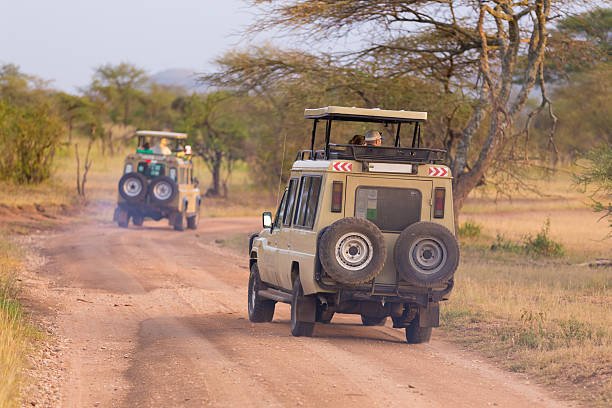
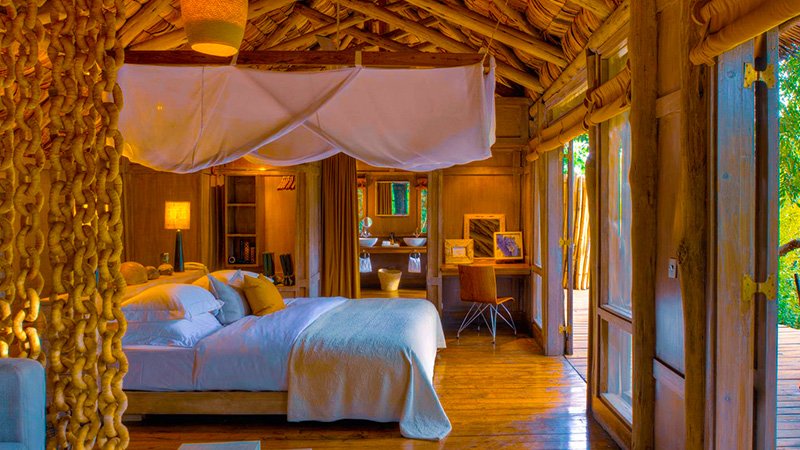
Planning a Tanzania safari, especially one centered around the iconic Serengeti National Park, often comes down to maximizing wildlife viewing opportunities. The vastness of the Serengeti is its greatest asset, but it can also be a challenge if your accommodation is poorly chosen. The question of where to sleep to avoid driving in and out of Serengeti is paramount for any traveler aiming for efficiency and immersion.
This is not just about convenience; it’s about optimizing your limited safari time. Constantly returning to a lodge outside the park boundaries or in a distant section means losing precious daylight hours that could be spent observing lions, elephants, or the Great Migration. The goal is to position yourself strategically, right in the heart of the action, so that when you wake up, you’re already where the animals are.
For your 2026 or 2027 safari, understanding the Serengeti’s geography and its wildlife movements is key to making the best lodging decision. We’ll explore the different regions, the types of accommodation available, and how to choose the perfect spot to ensure your Serengeti experience is as smooth and wildlife-rich as possible.
Understanding Serengeti’s Geography for Optimal Lodging
The Serengeti is an immense ecosystem, stretching over 14,750 square kilometers. It’s not a single destination but a collection of diverse landscapes, each offering unique safari experiences. To avoid the dreaded back-and-forth driving, you need to understand these distinct areas and how they relate to wildlife concentrations and your itinerary.
The Central Serengeti (Seronera Valley)
Often referred to as the ‘heart’ of the Serengeti, the Seronera Valley is renowned for its year-round resident wildlife. Its permanent water source, the Seronera River, attracts a high density of animals, including big cats like lions, leopards, and cheetahs, as well as elephants, giraffes, and buffaloes. This makes it an excellent choice for travelers who want consistent wildlife sightings regardless of the season.
Why choose lodging in Central Serengeti?
- Year-round game viewing: Animals are always present due to the permanent water.
- High predator concentrations: Especially known for lions and leopards.
- Accessibility: It’s a common arrival point for those flying in from other destinations or driving from Arusha.
- Variety of accommodation: From luxury lodges to mid-range tented camps.
If your primary goal is to see a wide variety of animals consistently, staying in or very near Seronera is an excellent strategy. Lodges here allow you to step out for morning and afternoon game drives with minimal travel time to promising wildlife spots within the valley and surrounding areas.
The Western Corridor (Grumeti River)
This region is particularly famous for the Grumeti River and its dramatic river crossings during the Great Migration. From roughly May to July, huge herds of wildebeest and zebras gather here, and the river becomes a hunting ground for crocodiles. It’s a spectacle of nature at its most raw and powerful.
Why choose lodging in the Western Corridor?
- Great Migration river crossings: If visiting between May and July, this is the place to be.
- Fewer crowds: Generally less visited than the central region, offering a more exclusive feel.
- Lush scenery: The riverine forests offer a different landscape compared to the open plains.
Staying in the Western Corridor during the migration season means you are perfectly positioned to witness these incredible events. The lodges and camps here are often situated to offer easy access to the riverbanks where the crossings are most likely to occur.
The Northern Serengeti (Mara River / Kogatende)
The Northern Serengeti, particularly the Kogatende area, is the stage for the most dramatic river crossings of the Great Migration across the Mara River. This typically occurs from July to October, when the vast herds move north seeking greener pastures and eventually cross into the Maasai Mara National Reserve in Kenya.
Why choose lodging in the Northern Serengeti?
- Mara River crossings: The ultimate highlight for many safari-goers, typically July-October.
- Abundant wildlife: Even outside migration season, this area has resident wildlife, including big cats.
- Stunning landscapes: Offers vast open plains and dramatic riverine environments.
Lodging in the Northern Serengeti during the migration season is crucial for witnessing the river crossings. These accommodations are strategically placed to allow quick access to the Mara River, minimizing travel time to the best viewing points and maximizing your chances of seeing the wildebeest and zebra brave the treacherous waters.
The Southern Serengeti (Ndutu Area)
The Southern Serengeti, often overlapping with the Ngorongoro Conservation Area (NCA) and known as the Ndutu area, is where the wildebeest and zebras congregate for the calving season, typically from December to March. This is a time of abundance, with thousands of newborns appearing on the plains, attracting predators.
Why choose lodging in the Southern Serengeti (Ndutu)?
- Calving season: Witness the birth of thousands of wildebeest and zebra, a magnet for predators.
- Lush green plains: The landscape is transformed into a vibrant green carpet.
- Excellent for photographers: Abundant wildlife and dramatic predator-prey interactions.
Staying in Ndutu during the calving season means you are right in the middle of this wildlife spectacle. Lodges and camps here provide direct access to the plains where the herds gather, allowing for immediate immersion into the vibrant life and death cycles of the Serengeti.
Types of Accommodation and Their Impact on Driving Time
The type of accommodation you choose can also influence how much driving you do, not just its location. Camps and lodges are designed with different guest experiences in mind, and their proximity to park gates or internal roads plays a role.
Tented Camps: Mobile vs. Permanent
Tented camps offer a more intimate safari experience, often placing guests closer to nature. However, their impact on driving time depends on whether they are mobile or permanent.
- Permanent Tented Camps: These are fixed camps, often with more amenities, located in prime wildlife areas. Staying in a permanent tented camp in Seronera, for example, means you are right where the action is, similar to a lodge.
- Mobile Tented Camps: These camps move seasonally to follow the Great Migration. If you book a mobile camp in the Northern Serengeti during the migration season, you will be perfectly positioned to witness the river crossings. The key here is choosing a camp that is set up in the most strategic location for the current wildlife movements. The advantage of a mobile camp is that it’s *always* in the best spot for that time of year, directly addressing the need to avoid driving in and out of Serengeti by bringing the lodging to the wildlife.
Lodges: Fixed Locations, Prime Sites
Safari lodges are typically more permanent structures, offering a range of comfort levels from rustic to ultra-luxury. When selecting a lodge to minimize driving, look for those that are:
- Inside park boundaries: Lodges situated within the national park are generally better positioned than those just outside.
- Centrally located within a region: A lodge in the heart of Seronera, for instance, offers more immediate access to game drives than one on the park’s periphery.
The trade-off with permanent lodges is that they don’t move with the migration. So, while a lodge in Seronera is excellent year-round, if your heart is set on witnessing the Mara River crossings in 2026 or 2027, you’ll need to choose lodging in the Northern Serengeti during that specific period.
The ‘Fly-In’ Safari Advantage
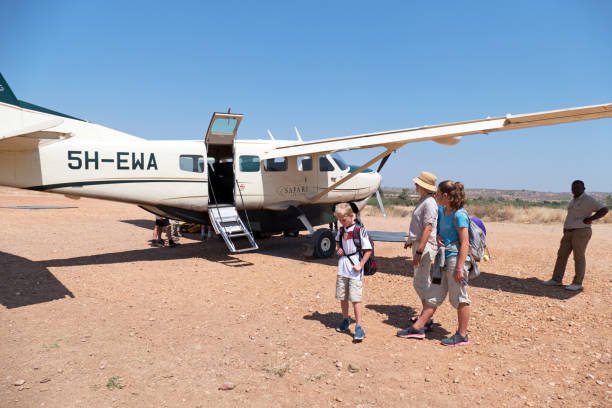
For ultimate time-saving, consider a fly-in safari. Small aircraft can land at various airstrips scattered throughout the Serengeti. This drastically cuts down on travel time from Kilimanjaro International Airport (JRO) or Arusha Airport.
- Landing close to your lodge: Many lodges have dedicated airstrips or are a short drive from the nearest one.
- Skipping long road transfers: Driving from Arusha to the Serengeti can take 6-8 hours. Flying takes about 1-1.5 hours.
- Maximizing game drive time: You can often start your first game drive on the same day you arrive.
When booking a fly-in safari, your tour operator will arrange the internal flights. This often involves flying into a central airstrip like Seronera, from where you’ll be met by your guide and transferred to your lodge, often with a short game drive en route. This is arguably the most effective way to avoid unnecessary driving and get straight into the wildlife experience.
Strategic Lodging Choices by Time of Year
The Serengeti is a dynamic ecosystem, and the best place to stay depends heavily on the time of year you plan to visit. Aligning your accommodation choice with the Great Migration and calving seasons is crucial for minimizing driving and maximizing sightings.
December to March: Southern Serengeti (Ndutu Area)
This is the calving season. The vast herds of wildebeest and zebras are in the southern plains, grazing on the rich grass. Predators are abundant as they take advantage of the vulnerable newborns.
- Best lodging location: Ndutu area (within the NCA or southern Serengeti).
- Why: Places you directly among the herds and predators. Avoids long drives from central or northern areas.
- Consider: Mobile camps often reposition here for this season, offering prime locations. Permanent camps in Ndutu are also excellent.
Choosing to sleep in the Ndutu area during these months means your game drives will start immediately, exploring the plains teeming with life. Driving from Seronera to Ndutu can take several hours, so staying put is essential.
April to May: Transition Period
The herds begin their northward trek. This can be a quieter time for tourism, and wildlife can be more dispersed. The rains might still be active.
- Best lodging location: Central Serengeti (Seronera) is often a good base, as it offers year-round resident wildlife. Alternatively, consider lodges in the Western Corridor as the herds begin to move that way.
- Why: Seronera provides reliable sightings. Staying west allows you to be in position as the migration approaches the Grumeti River.
During this transitional period, staying in the central region offers the best balance if you’re unsure of the migration’s exact location. You’ll still have excellent game viewing opportunities with resident animals.
May to July: Western Corridor (Grumeti River)
The wildebeest and zebra herds arrive in the Western Corridor, preparing to cross the Grumeti River. This is a prime time for witnessing dramatic river crossings.
- Best lodging location: Western Corridor, along the Grumeti River.
- Why: Puts you within minutes of the river crossings. Lodges and mobile camps are specifically set up here.
- Avoid: Staying in Central Serengeti would mean a significant drive (2-3 hours one way) to reach the Western Corridor for game drives.
For a 2026 or 2027 safari focused on the Grumeti River crossings, booking accommodation in this specific region is non-negotiable to avoid excessive driving.
July to October: Northern Serengeti (Mara River)
This is the peak season for the iconic Mara River crossings. The herds are in the northernmost part of the Serengeti, heading towards or crossing into Kenya.
- Best lodging location: Northern Serengeti (Kogatende, Lamai Wedge areas).
- Why: Places you directly on the banks of the Mara River, the site of the most famous crossings.
- Crucial: Staying here avoids the 4-5 hour drive from Seronera to the Mara River.
If witnessing the wildebeest crossing the Mara River is your dream, ensuring your accommodation is in the Northern Serengeti from July through October is paramount. Mobile camps are particularly popular here, moving to the best vantage points along the river.
November: Transition South
The herds begin their journey back south, often following the rains.
- Best lodging location: Central Serengeti (Seronera) remains a good option for consistent game viewing. Some mobile camps might start repositioning towards the south.
- Why: Seronera provides reliable wildlife sightings during this variable month.
Choosing Seronera during this transition period offers a safe bet for excellent game viewing without the stress of chasing a dispersed migration.
Choosing Lodging to Minimize Driving: Key Considerations
Beyond the geographical regions and time of year, several other factors influence your choice of accommodation and its impact on your safari experience.
Proximity to Airstrips
If you are flying into the Serengeti, the proximity of your lodge or camp to the nearest airstrip is a significant time-saver. Some lodges have their own private airstrips or are just a 5-10 minute drive from a public one. Others might be a 30-60 minute drive, which still beats the hours spent on road transfers from Arusha.
Actionable tip: When discussing your itinerary, ask your tour operator about the closest airstrip to your chosen accommodation and the transfer time. This is especially important for short, multi-day safaris where every minute counts.
Park Gates and Internal Roads
While most internal lodges are located within the park, some budget options might be just outside a park gate. Staying outside the gate means you’ll have to drive through it every morning and evening, adding a few minutes to your journey and potentially encountering delays.
Recommendation: For the ultimate time-saving, always aim for accommodation *inside* the national park boundaries. This ensures your game drives start the moment you leave your lodge or camp.
Type of Game Drive
Your choice of lodging might also align with the type of game drive you prefer:
- Full-day game drives: If you plan to pack a lunch and spend the entire day out exploring, the exact location of your lodge becomes less critical, as you’ll be covering significant ground anyway. However, starting from a central point still offers advantages.
- Morning and afternoon drives: This is the most common approach. Here, proximity to wildlife viewing areas is paramount. Staying in Seronera, for example, allows you to be on game drives within minutes of sunrise and return just before sunset, maximizing daylight hours.
For those who want to maximize wildlife sightings without the driving fatigue, choosing lodging that allows for immediate access to game drives is the best strategy.
Budget Considerations
Lodging location often correlates with price. Camps and lodges situated in prime, central locations within the Serengeti, especially those offering exclusive access or situated directly on migration routes, tend to be more expensive. Mobile camps following the migration can also command premium prices due to their logistical complexity and prime positioning.
- Luxury: High-end lodges and exclusive tented camps in the heart of prime wildlife areas.
- Mid-range: Comfortable lodges and tented camps, often in good but perhaps slightly less exclusive locations.
- Budget: Basic tented camps or lodges located further from prime areas or just outside park gates.
While budget constraints are real, remember that the cost of a safari includes more than just accommodation. The value of spending more time observing wildlife versus driving is significant. For your 2026-2027 safari, consider if the extra cost for a strategically located lodge or camp is justified by the increased wildlife viewing time.
Recommended Lodging Areas for Minimal Driving
Based on the principles above, here are the most recommended areas to sleep in the Serengeti to avoid unnecessary driving, categorized by their strategic advantage:
For Year-Round Wildlife & Big Cat Action: Central Serengeti (Seronera)
If your safari dates are flexible or you prioritize consistent sightings of diverse wildlife, especially predators, then staying in the Seronera area is your best bet. Lodges and camps here are embedded within a region that boasts high animal densities throughout the year.
- Pros: Excellent and consistent game viewing, especially for big cats; good infrastructure; accessible by air and road.
- Cons: Can be busier due to its popularity; not the prime spot for migration river crossings.
Examples of lodges/camps in or near Seronera: Many options exist, from luxury names like Four Seasons Safari Lodge Serengeti, Singita Sabora Tented Camp, and &Beyond Grumeti Serengeti River Lodge (though this is technically Western Corridor, it’s accessible from Seronera), to mid-range options like Serengeti Serena Safari Lodge and various tented camps. When booking for 2026-2027, confirm the exact location relative to Seronera River.
For Migration River Crossings (July-Oct): Northern Serengeti (Kogatende/Lamai)
This is the absolute must-stay location if your safari is timed for the Mara River crossings. Lodging here means you are on the front lines of this natural spectacle.
- Pros: Unparalleled access to Mara River crossings; potentially fewer vehicles at specific crossing points compared to other areas.
- Cons: Seasonally dependent; can be remote and require flights; lodging options might be more limited and seasonal.
Examples: Lemala Kuria Hills, Serengeti Migration Camp, Sayari Camp, and various mobile tented camps that reposition annually.
For Migration River Crossings (May-July): Western Corridor (Grumeti)
If your visit falls between May and July and you want to witness the Grumeti River crossings, this region is ideal.
- Pros: Witness the Grumeti River crossings; generally fewer tourists than Central or North.
- Cons: Seasonally dependent; wildlife density outside of migration can be lower than Seronera.
Examples: &Beyond Grumeti Serengeti River Lodge, Singita Faru Faru Lodge, and several other lodges and camps positioned along the Grumeti River.
For Calving Season (Dec-Mar): Southern Serengeti / Ndutu
To experience the abundance of the calving season, staying in the Ndutu area is key.
- Pros: Incredible wildlife viewing, especially predators and newborns; vast, open landscapes.
- Cons: Seasonally dependent; can be dusty during dry periods; can be busy with other safari vehicles.
Examples: Angata Ndutu Tented Camp, Lake Masek Tented Camp, and numerous other mobile camps that set up specifically for this period.
Planning Your 2026-2027 Serengeti Safari: Booking Advice
Making an informed decision about where to sleep in the Serengeti is a critical part of safari planning. It directly impacts your efficiency, enjoyment, and the overall success of your wildlife encounters.
Work with Experienced Tour Operators
This is where expert guidance becomes invaluable. A reputable tour operator like Climb 4 Africa can:
- Understand your priorities: Are you focused on the Great Migration, big cats, birdlife, or a general overview?
- Advise on seasonality: They know precisely where the wildlife will be during your planned travel dates in 2026 or 2027.
- Recommend lodges/camps: Based on your budget, interests, and the need to minimize driving.
- Handle logistics: Including internal flights, transfers, and ensuring your accommodation is in the optimal location.
When you contact Climb 4 Africa, be specific about your goal: ‘I want to avoid wasting time driving in and out of Serengeti, where should I sleep?’ Provide your preferred travel dates, budget, and any must-see wildlife. This will allow them to craft an itinerary that places you strategically.
Booking Window for 2026-2027
Prime lodges and camps, especially those in strategic locations for migration viewing, get booked up well in advance, particularly for peak seasons. For 2026 and 2027 safaris, especially if you’re targeting specific migration events or popular lodges, consider booking:
- 12-18 months in advance: For peak season travel (July-October, December-March) and highly sought-after accommodations.
- 6-12 months in advance: For shoulder seasons or more flexible travel dates.
Early booking is essential to secure your preferred lodging in the best possible location to avoid excessive driving.
Understanding Itinerary Flexibility
While you want to avoid driving in and out, sometimes a multi-location safari is necessary to cover different aspects of the Serengeti or combine it with other parks. A well-designed itinerary might involve moving between two locations within the Serengeti (e.g., Central and North) to witness different phenomena. The key is that these moves are planned transitions, not daily commutes.
For example, a 7-day Serengeti safari could be structured as:
- Days 1-3: Central Serengeti (Seronera)
- Days 4-6: Northern Serengeti (Kogatende) – if during migration season.
- Day 7: Departure.
This involves one internal transfer (often a scenic flight or game drive transfer) rather than daily drives back and forth.
What to Confirm Before Booking
Before you finalize your booking, confirm these points with your tour operator:
- Exact location of the lodge/camp: Is it truly inside the prime wildlife viewing areas for the season?
- Transfer times: If flying in, what is the transfer time from the airstrip to the lodge?
- Inclusions: What meals, game drives, park fees, and park transfers are included?
- Proximity to wildlife: Ask for details about how close the lodge is to typical animal habitats or migration routes for your travel time.
By asking these questions, you ensure that your chosen accommodation actively contributes to minimizing driving time and maximizing your Serengeti experience for your 2026-2027 adventure.
Conclusion: Strategic Sleep for Maximum Serengeti Wildlife
The question of where to sleep to avoid driving in and out of Serengeti boils down to strategic planning based on the time of year and your safari objectives. By prioritizing lodging located within the park’s core wildlife areas—whether it’s the year-round abundance of Seronera, the dramatic river crossings in the North or West, or the calving spectacle in the South—you dramatically enhance your safari efficiency.
Choosing accommodation that is either permanently situated in a prime wildlife hub or is a mobile camp that strategically follows the migration ensures that you are always at the doorstep of incredible wildlife encounters. Fly-in safaris further reduce travel time, allowing you to begin your adventure almost immediately upon arrival.
For your upcoming 2026 or 2027 safari, remember that the best investment you can make is in the location of your accommodation. It directly translates to more hours spent on game drives, observing the wonders of the Serengeti, and less time spent on the road.
Ready to plan your perfectly positioned Serengeti safari? Let the experts at Climb 4 Africa guide you. We specialize in crafting smooth, wildlife-focused itineraries that maximize your time in the bush. Contact us today to discuss your ideal 2026-2027 safari. You can reach us via WhatsApp at +255 747 477 898 or email us at climb4africa@gmail.com. Let us help you find the perfect place to sleep in the Serengeti, so you can focus on the extraordinary wildlife right outside your door.
Check Availability for Where To Sleep To Avoid Driving In And Out Of Serengeti 2026-2027
Ready to compare dates, prices, and the best option for your group? Send the package name and travel month so the team can reply with a clear quote, availability, and what is included.
Arusha To Serengeti Flight Time, Prices & Baggage Allowance Guide 2026-2027
A practical guide to flying from Arusha to the Serengeti, covering flight durations, luggage restrictions, and booking considerations for your upcoming Tanzania safari.
View package details
Afcon Private Serengeti Safari With Lodges
AFCON 2027 Private Serengeti Safari with Lodges.
View package detailsAfcon Luxury Serengeti Safari Packages
AFCON 2027 Luxury Serengeti Safari Packages.
View package details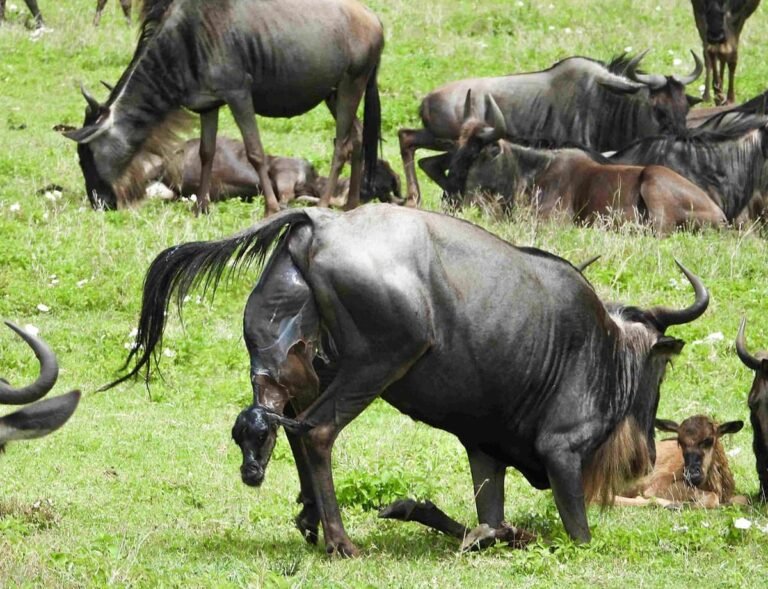
Serengeti Great Migration Safari During AFCON 2027
Mwongozo wa kina kwa safari ya Serengeti Great Migration wakati wa AFCON 2027, ukilenga kuelewa maeneo, kipindi cha mwendo wa mnyama, na mapendekezo ya mipango ya kiutendaji.
View package details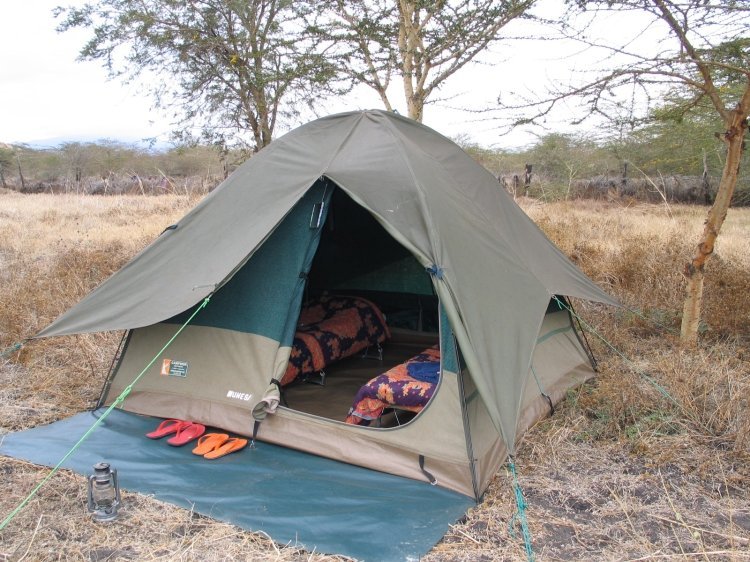
Four Day Serengeti na Ngorongoro Safari During AFCON 2027
Mwongozo wa safari ya siku 4 kwenye Serengeti na Ngorongoro wakati AFCON 2027; jinsi ya kupanga, nini cha kujali, na jinsi ya kuandaa,”
View package detailsThree Day Serengeti Safari During AFCON 2027
Mwongozo wa kiutendaji kwa safari ya siku tatu ya Serengeti wakati AFCON 2027, ukijumuisha mwelekeo wa maeneo, ratiba ya siku, na ushauri wa ubashiri wa kupanga pamoja na jinsi ya...
View package details
Afcon Mount Kilimanjaro And Serengeti Package
AFCON 2027 Mount Kilimanjaro and Serengeti Package.
View package details
Dec 24, – 3 Day Christmas Serengeti And Ngorongoro Group Safari
Dec 24, 2026 – 3 Day Christmas Serengeti and Ngorongoro Group Safari.
View package details
Nov 23, – 3 Day Serengeti And Ngorongoro Safari From Zanzibar
Nov 23, 2026 – 3 Day Serengeti and Ngorongoro Safari from Zanzibar.
View package details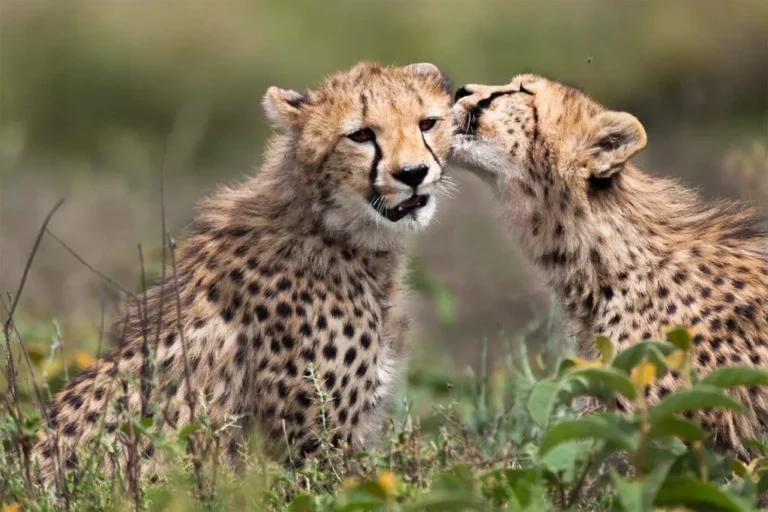
Dec 31, : New Year’s Eve Serengeti Group Safari Planning Guide
This guide provides essential planning details for a group safari trip to the Serengeti for New Year's Eve 2026, covering logistics, seasonal highlights, and what to expect.
View package details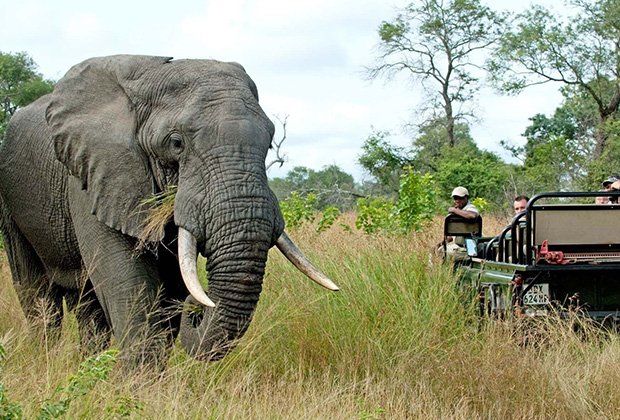
I Am On A Budget—What Is The Cheapest Serengeti Group Safari?
I Am on a Budget—What Is the Cheapest Serengeti Group Safari?
View package details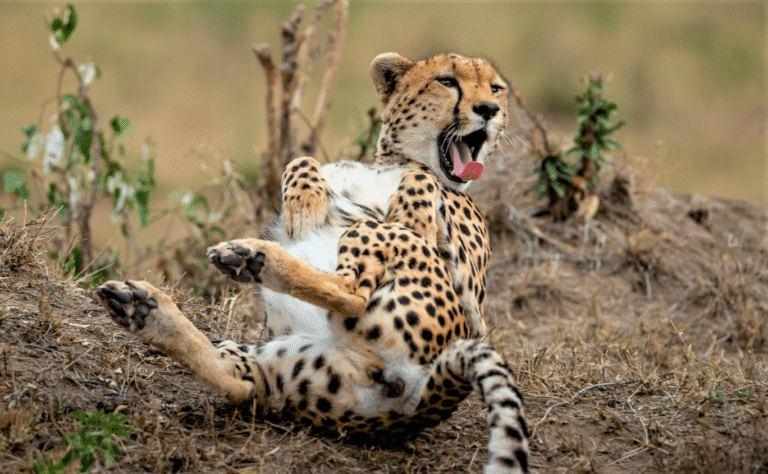
Dec 29, – 6 Day Ndutu, Serengeti And Ngorongoro Group Safari 2026
A detailed guide to our 6-day group safari departure on December 29, 2026, focusing on the Ndutu plains, the Serengeti, and the Ngorongoro Crater.
View package detailsNo related package matches those filters. Clear one or more filters to see the other topic-matched options.