For visiting the Serengeti in August, the Northern Serengeti is generally considered the best camp location due to the Great Migration’s presence, particularly the dramatic river crossings of the Mara River. However, Central Serengeti offers excellent resident wildlife viewing year-round, and Southern Serengeti can be good for calving season in early months but less ideal in August. Your choice hinges on whether you prioritize witnessing river crossings, general game viewing, or specific animal sightings.
Understanding Serengeti’s Ecosystem and August’s Dynamics
The Serengeti National Park is a vast and dynamic ecosystem, covering over 14,750 square kilometers. Its sheer size means that wildlife, especially the millions of wildebeest and zebras that make up the Great Migration, are constantly on the move, following the rains and fresh grazing. Understanding these movements is crucial when deciding on the best camp location for your August safari, especially in 2026 or 2027.
August falls within the dry season in the Serengeti. This period is characterized by lower rainfall, meaning water sources become scarcer, concentrating wildlife around permanent waterholes and rivers. For many visitors, the primary draw to the Serengeti is witnessing the Great Migration. In August, this epic natural phenomenon is typically concentrated in the northern reaches of the park, where the wildebeest and zebra herds face one of their most significant challenges: crossing the Mara River.
However, the Serengeti is not just about the Migration. It boasts a high density of resident wildlife, including lions, leopards, cheetahs, elephants, giraffes, and numerous other species, making any area within the park potentially rewarding. The decision of where to base yourself in August depends heavily on your priorities: are you set on seeing river crossings, do you prefer the highest chances of seeing the ‘Big Five’ in a single location, or are you looking for a more diverse, less migration-focused experience?
Climb 4 Africa specializes in crafting bespoke Tanzanian safari experiences. For a trip in 2026 or 2027, understanding these seasonal nuances is key to maximizing your wildlife encounters. We help travelers navigate these choices, ensuring your chosen camp location aligns perfectly with your safari dreams.
Northern Serengeti: The Epicenter of August’s River Crossings
If witnessing the Great Migration’s dramatic river crossings is at the top of your safari bucket list, then basing yourself in the Northern Serengeti in August is almost certainly your best bet. This region is defined by the Mara River, a formidable barrier that the wildebeest and zebra herds must navigate as they move between the Serengeti and the Masai Mara Reserve in Kenya.
Why the North in August?
By August, the bulk of the Great Migration herds have typically moved north, seeking fresh pastures and water. The Mara River becomes a focal point. Herds gather along its banks, building up courage before making the perilous journey across. This creates incredible opportunities for game viewing, as predators like lions and crocodiles lie in wait, and the sheer spectacle of thousands of animals attempting to cross is impressive.
The northern Serengeti offers a more rugged and wild landscape compared to other regions. It’s characterized by rolling hills, acacia woodlands, and the winding Mara River itself. The concentration of wildlife here during the dry season is phenomenal, not just from the migrating herds but also from the resident populations of predators that follow them.
Key Wildlife Sightings in the North
River Crossings: This is the main event. While impossible to guarantee a crossing on any specific day or time, August offers some of the highest probabilities for witnessing these epic scenes. You’ll see wildebeest, zebras, and sometimes even predators attempting to cross.
Predators: The concentration of prey naturally draws predators. Lions are abundant in the north, often found patrolling the riverbanks or resting in the shade of acacia trees. Cheetahs can be spotted on the open plains, and leopards are more elusive but present in the riverine habitats.
Elephants and Giraffes: You’ll find healthy populations of elephants, particularly in areas with more vegetation, and giraffes browsing on acacia leaves.
Birds: The riverine environment supports a rich birdlife, making it a treat for ornithologists as well.
Choosing Your Camp in the North
Accommodation in the Northern Serengeti ranges from luxury tented camps to more rustic mobile camps that move with the migration. Camps located closest to the Mara River or its tributaries offer the best access to potential crossing points. Some popular areas within the Northern Serengeti include:
- Kogatende: This is often the prime area for river crossings in August. Camps here are strategically positioned to access the Mara River.
- Lamai Wedge/Triangle: Areas further north, close to the Kenyan border, also attract large herds and offer excellent viewing.
When planning for 2026 or 2027, it’s essential to book camps in the North well in advance, as this is a highly sought-after region during August. The logistics of reaching these remote camps often involve light aircraft flights from major airstrips like Seronera or Kilimanjaro International Airport (JRO).
Trade-offs of the Northern Serengeti
Cost: Camps in the Northern Serengeti, especially those offering prime access to river crossings, can be among the most expensive in the Serengeti due to their exclusivity and logistical challenges.
Crowds: While not as crowded as some other migration hotspots, popular crossing points can attract multiple safari vehicles, especially if a major crossing is occurring. Early mornings and late afternoons usually offer the best viewing with fewer vehicles.
Limited Resident Wildlife Focus: While predator sightings are excellent, if your primary interest isn’t the river crossings, you might find the focus heavily skewed towards the migration spectacle, with less emphasis on diverse resident game drives in other habitats.
Accessibility: Reaching these camps typically requires a flight, adding to the overall cost and itinerary complexity. Road transfers from Seronera can be very long and arduous.
Central Serengeti: Year-Round Wildlife Haven
The Central Serengeti, often referred to as the Seronera Valley, is the park’s most famous and accessible region. It’s renowned for its high concentration of resident wildlife, particularly big cats, and offers fantastic game viewing throughout the year, including in August.
Why Central Serengeti in August?
While the Great Migration’s main event in August is in the north, a portion of the herds may still be passing through or lingering in the central areas, particularly the southern parts of the central plains. More importantly, the Seronera Valley is home to a significant population of resident predators that do not migrate. These include lions, leopards, and cheetahs, who thrive in the area due to the presence of permanent water sources and abundant prey.
August in Central Serengeti is part of the dry season. This means wildlife is often concentrated around the Seronera River and other waterholes. The landscape is characterized by open plains dotted with acacia trees and kopjes (rocky outcrops), which provide excellent vantage points for predators.
Key Wildlife Sightings in Central Serengeti
Big Cats: This is the undisputed stronghold for lions, leopards, and cheetahs. The Seronera Valley is famous for its large lion prides and its resident leopards, which are often seen lounging in trees or hunting. Cheetahs are frequently spotted on the open plains.
Resident Wildlife: Beyond the big cats, you’ll see elephants, giraffes, buffalo, hippos, and a variety of antelope species year-round.
Birdlife: The area is also rich in bird species, especially near water sources.
Migration Fragments: While the main herds are in the north, you might encounter smaller groups of migrating wildebeest and zebras, or herds that have dispersed from the main body.
Choosing Your Camp in Central Serengeti
Central Serengeti offers the widest range of accommodation options, from luxurious lodges and tented camps to more budget-friendly options. Camps are often situated along the Seronera River or on kopjes, providing excellent access to game drives.
- Seronera Valley: Camps located directly within the valley offer immediate access to prime game viewing areas.
- Near Seronera Airstrip: These camps offer convenience for arrival and departure and good access to the surrounding areas.
For 2026 and 2027 safaris, Central Serengeti is a reliable choice if you want excellent game viewing regardless of the migration’s precise location. It’s also a common starting point for many safaris, as it’s easily accessible by road or flight from Arusha.
Trade-offs of Central Serengeti
Migration River Crossings: You are unlikely to witness the dramatic Mara River crossings in Central Serengeti in August. If this is your primary goal, the North is a better choice.
Crowds: Being the most accessible and popular region, Central Serengeti can get crowded with safari vehicles, especially around popular sightings or waterholes. This is particularly true during peak season.
Less “Wild” Feel: Compared to the remote North, Central Serengeti can feel more developed and less wild due to its accessibility and higher visitor numbers.
Predictable Game Viewing: While excellent, the game viewing can sometimes feel more predictable due to the concentration of animals in specific areas.
Southern Serengeti: Calving Season Past, Quieter in August
The Southern Serengeti is famously known as the calving grounds for the Great Migration, typically from January to March. In August, this region is generally much quieter and less of a focus for migration-related tourism.
Why Southern Serengeti in August?
By August, the majority of the wildebeest and zebra herds have moved on from the southern plains, following the rains northward. While there are always resident wildlife populations in the south, including lions and other predators that may have stayed to prey on lingering herds or resident animals, it’s not the prime time for large-scale migration viewing.
The landscape of the Southern Serengeti, particularly the Ndutu area (which straddles the border with the Ngorongoro Conservation Area), is characterized by vast, open grasslands and acacia woodlands. It’s beautiful and offers excellent game viewing, but in August, the sheer density of animals associated with the migration is significantly reduced here.
Key Wildlife Sightings in Southern Serengeti (August)
Resident Predators: Lions are a major draw, with many prides inhabiting the southern plains and woodlands. Leopards and cheetahs are also present, though perhaps less concentrated than in Central Serengeti.
Elephants and Giraffes: These are common sightings, especially in areas with more trees.
Antelopes: Various antelope species, including Thomson’s gazelles and Grant’s gazelles, are abundant.
Birdlife: The grasslands and woodlands support a good variety of bird species.
Sporadic Migration Activity: You might encounter smaller groups of wildebeest or zebras that have lagged behind or are moving through, but it won’t be the overwhelming spectacle seen in the North.
Choosing Your Camp in Southern Serengeti
Accommodation in the South includes lodges and tented camps. Many of these are located in or near the Ndutu area, which is technically part of the Ngorongoro Conservation Area but is often included in Serengeti itineraries.
- Ndutu Area: This is the primary hub for accommodation in the South.
For 2026 or 2027 safaris, if you are specifically looking for the calving season, August is not the time. However, if you prefer a quieter safari experience with excellent predator viewing and fewer crowds than Central or North, the South could still be an option, though less commonly recommended for August.
Trade-offs of Southern Serengeti in August
Migration Absence: The main reason to visit the South is the calving season. In August, this is long gone, meaning the primary attraction for many is absent.
Fewer Animals Overall: Compared to the North and Central regions during August, the overall density of plains game (wildebeest, zebra) will be lower.
Less Dramatic Scenery: While beautiful, the vast open plains might not appeal to everyone as much as the varied landscapes of the North or the kopjes of the Central region.
Accessibility: Similar to other regions, access is typically via flight to Ndutu airstrip or a long drive from Arusha/Seronera.
Comparing the Regions for Your August Safari
To make an informed decision for your 2026 or 2027 Serengeti adventure, let’s break down the key factors for each region in August:
| Feature | Northern Serengeti | Central Serengeti (Seronera) | Southern Serengeti (Ndutu) |
|---|---|---|---|
| Great Migration Focus | Prime river crossings; highest probability of witnessing migration drama. | Passing herds, but not the main focus; excellent resident wildlife. | Migration has moved on; very few wildebeest/zebras. |
| Predator Sightings | Excellent, especially lions and crocodiles near the river; cheetahs on plains. | Exceptional for lions, leopards, and cheetahs year-round. | Very good, particularly lions; cheetahs and leopards present. |
| Resident Wildlife Density | Good, but migration dominates sightings. | Very High; excellent for big cats and diverse plains game. | Good, but less concentrated than Central. |
| Landscape | Rugged, hilly, riverine, acacia woodlands. | Open plains, acacia woodlands, granite kopjes. | Vast open grasslands, scattered acacia trees. |
| Best For | Witnessing river crossings; dramatic migration action. | General game viewing, big cat encounters, reliable sightings. | Quieter safari, excellent predator action (lions), birding. |
| August Suitability | Excellent | Very Good | Fair (less migration focus). |
| Accommodation Options | Luxury tented camps, mobile camps. | Lodges, tented camps (wide range). | Lodges, tented camps. |
| Accessibility | Requires flight to Kogatende/Lamai; long road transfer. | Easily accessible by flight or road from Arusha; Seronera airstrip. | Requires flight to Ndutu airstrip or long road transfer. |
| Potential Downsides | Higher cost, potential crowds at crossings, less diverse resident game focus. | Potential crowds, less “wild” feel, no river crossings. | Lack of major migration spectacle, fewer animals overall. |
Planning Your August 2026-2027 Serengeti Safari
Choosing the right camp location is just one part of planning a successful Serengeti safari. Here are some additional considerations for your August 2026 or 2027 trip:
Safari Style and Budget
Your budget will significantly influence your choice of camp and region. Camps in the Northern Serengeti, especially those offering prime river crossing access, tend to be at the higher end of the price spectrum for August. Central Serengeti offers a broader range of options, from budget-friendly to ultra-luxury. Mobile camps, which follow the migration, can also be a good option but require careful planning.
Consider whether you prefer a lodge, a permanent tented camp, or a mobile camp. Each offers a different experience:
- Lodges: Offer more permanent structures, often with amenities like swimming pools and fine dining.
- Permanent Tented Camps: Provide a luxurious “glamping” experience with comfortable beds, en-suite bathrooms, and excellent service, often in fixed, prime locations.
- Mobile Tented Camps: These camps move seasonally to be in the best wildlife areas. They offer a more intimate, closer-to-nature experience but can be less luxurious.
Duration of Stay
If you have a shorter safari (e.g., 3-4 days), focusing on one region is advisable to minimize travel time. If you have a longer trip (e.g., 7-10 days or more), you might consider splitting your time between two regions, perhaps the North for the migration and Central for big cats, although this requires careful logistical planning and can increase costs due to internal flights.
Travelers’ Interests
Photography: For dramatic photography, the river crossings in the North are unparalleled. For close-up big cat photography, Central Serengeti is superb. The vast landscapes of the South can also be stunning.
Families: Central Serengeti is often a good choice for families due to its accessibility and consistent wildlife viewing. Some camps in the North also cater to families, but the focus on river crossings might be less engaging for younger children.
Birdwatchers: All regions offer good birding, but the riverine areas of the North and the woodlands of Central and South are particularly rewarding.
Booking in Advance
August is peak safari season in Tanzania. This means popular camps, especially in the Northern Serengeti, book up months, sometimes even a year, in advance for 2026 and 2027. It’s crucial to start your planning and booking process as early as possible to secure your preferred accommodation and location.
Logistics and Transport
Getting to your chosen camp location involves several steps:
- International Flights: Fly into Kilimanjaro International Airport (JRO) or potentially Nairobi (NBO) in Kenya, then take a connecting flight.
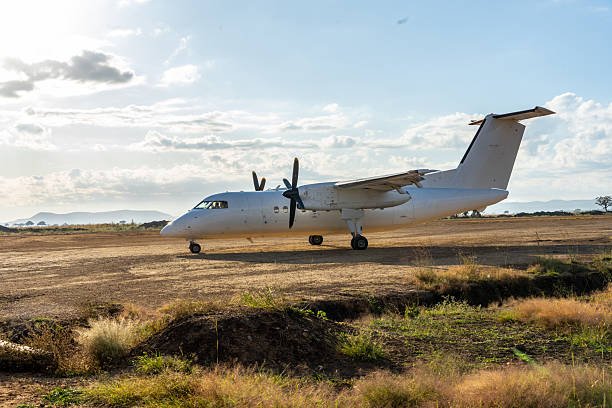
- Domestic Flights: Most safaris to remote Serengeti regions involve light aircraft flights from Arusha Airport (ARK) or Kilimanjaro to local airstrips like Seronera (central), Kogatende (north), or Ndutu (south). These flights are typically operated by companies like Coastal Aviation or Auric Air.
- Road Transfers: While possible to drive between regions, it’s time-consuming and often bumpy. Road transfers from Arusha to Central Serengeti are common, but for the North, flying is highly recommended.
The cost of internal flights is a significant part of the safari budget and should be factored in. Climb 4 Africa can assist with all these logistical arrangements, ensuring a smooth transition between locations.
Making Your Final Decision: Which Location is Best for YOU?
As a practical travel specialist, I advise aligning your location choice with your primary safari goals for August:
- For the ultimate wildlife spectacle and the iconic Great Migration river crossings: Northern Serengeti is your undeniable choice. Be prepared for higher costs and the need to book very far in advance for 2026 or 2027.
- For consistent, high-quality game viewing, especially big cats, and a wide range of accommodation options: Central Serengeti offers reliability and diversity. It’s a great all-rounder if river crossings aren’t your sole focus.
- For a quieter safari experience with excellent predator viewing, but without the main migration herds: The Southern Serengeti can be an option, though it’s generally less recommended for August unless you specifically seek fewer crowds and are less concerned about the migration itself.
Consider your budget, interests, and what you most want to experience. For many, the allure of the Mara River crossings makes the Northern Serengeti the dream destination for an August safari.
What to Confirm Before Booking
Before you commit to a booking for your 2026 or 2027 trip, ensure you clarify:
- Exact Camp Location: Ask precisely where the camp is situated within the chosen region and its proximity to key wildlife areas or river crossing points.
- Inclusions and Exclusions: Understand what your safari package covers (meals, drinks, park fees, activities, transfers).
- Transfer Details: Confirm how you will reach the camp and what transfers are included.
- Park Fees: Ensure all necessary Serengeti National Park and concession fees are accounted for.
- Cancellation Policy: Especially important for peak season bookings.
Climb 4 Africa has extensive local knowledge and can guide you through every step of this decision-making process. We understand the Serengeti’s seasonal shifts and can recommend camps and itineraries that best suit your interests and budget for August 2026 and 2027.
Frequently Asked Questions about Serengeti in August
Q1: Is August a good time to see the Great Migration in the Serengeti?
Yes, August is an excellent time to see the Great Migration, particularly in the Northern Serengeti. This is when the herds are typically crossing the Mara River, offering spectacular viewing opportunities. While parts of the migration may be in other areas, the North is the prime location for witnessing the dramatic river crossings.
Q2: Which part of the Serengeti has the most wildlife in August?
In August, the Northern Serengeti usually has the highest concentration of migrating wildebeest and zebras due to the Mara River crossings. However, the Central Serengeti (Seronera Valley) consistently offers very high densities of resident wildlife, including big cats, throughout the year, making it a close second for overall wildlife viewing.
Q3: Are there crowds in the Serengeti in August?
August is peak season, so yes, there can be crowds, especially at popular river crossing points in the Northern Serengeti and around major sightings in Central Serengeti. However, the Serengeti is vast, and experienced guides can often find quieter spots. Staying in more remote camps or exploring less-visited areas can mitigate this. Booking well in advance for 2026 or 2027 is crucial.
Q4: What is the weather like in the Serengeti in August?
August is part of the dry season. Expect pleasant temperatures, typically ranging from cool mornings and evenings (around 15-18°C or 59-64°F) to warm, sunny days (around 25-28°C or 77-82°F). Rainfall is minimal, making it ideal for game drives. The air can be dry and dusty.
Q5: Is it better to stay in the North or Central Serengeti in August?
It depends on your priorities. If witnessing the Great Migration river crossings is your absolute priority, the Northern Serengeti is the best choice. If you prefer consistent, diverse game viewing, especially for big cats, and a wider range of accommodation and accessibility, the Central Serengeti is an excellent alternative. Both offer fantastic safari experiences in August.
Planning Tip for 2026-2027: Given the popularity of August safaris, especially for migration viewing, we strongly advise booking your Serengeti safari at least 9-12 months in advance for 2026 and 2027 to secure the best camps and availability. Contacting us early is key to crafting your ideal trip.
When planning your unforgettable 2026 or 2027 Serengeti safari, the choice of camp location in August is paramount to experiencing the wildlife spectacle you envision. Whether you dream of the dramatic Mara River crossings in the North, the abundant big cats of the Central region, or a quieter, predator-focused experience, there’s a perfect spot waiting for you. Understanding the dynamics of the Serengeti in August and aligning your choice with your safari goals will ensure a truly memorable adventure. For personalized advice and to tailor your trip to perfection, reach out to the experts at Climb 4 Africa. We are here to help you plan every detail, from selecting the ideal camp to arranging all logistics for your Tanzanian journey.
Ready to plan your August Serengeti safari for 2026 or 2027? Get in touch with Climb 4 Africa today to discuss your preferences and secure the best locations and camps. You can reach us via WhatsApp at +255 747 477 898 or by emailing climb4africa@gmail.com. Let us help you create an extraordinary African adventure.
“,
“faq_schema”: [
{
“question”: “Is August a good time to see the Great Migration in the Serengeti?”,
“answer”: “Yes, August is an excellent time to see the Great Migration, particularly in the Northern Serengeti. This is when the herds are typically crossing the Mara River, offering spectacular viewing opportunities. While parts of the migration may be in other areas, the North is the prime location for witnessing the dramatic river crossings.”
},
{
“question”: “Which part of the Serengeti has the most wildlife in August?”,
“answer”: “In August, the Northern Serengeti usually has the highest concentration of migrating wildebeest and zebras due to the Mara River crossings. However, the Central Serengeti (Seronera Valley) consistently offers very high densities of resident wildlife, including big cats, throughout the year, making it a close second for overall wildlife viewing.”
},
{
“question”: “Are there crowds in the Serengeti in August?”,
“answer”: “August is peak season, so yes, there can be crowds, especially at popular river crossing points in the Northern Serengeti and around major sightings in Central Serengeti. However, the Serengeti is vast, and experienced guides can often find quieter spots. Staying in more remote camps or exploring less-visited areas can mitigate this. Booking well in advance for 2026 or 2027 is crucial.”
},
{
“question”: “What is the weather like in the Serengeti in August?”,
“answer”: “August is part of the dry season. Expect pleasant temperatures, typically ranging from cool mornings and evenings (around 15-18°C or 59-64°F) to warm, sunny days (around 25-28°C or 77-82°F). Rainfall is minimal, making it ideal for game drives. The air can be dry and dusty.”
},
{
“question”: “Is it better to stay in the North or Central Serengeti in August?”,
“answer”: “It depends on your priorities. If witnessing the Great Migration river crossings is your absolute priority, the Northern Serengeti is the best choice. If you prefer consistent, diverse game viewing, especially for big cats, and a wider range of accommodation and accessibility, the Central Serengeti is an excellent alternative. Both offer fantastic safari experiences in August.”
}
]
}
“`
Check Availability for I Am Visiting Serengeti In August, Which Camp Location Is Best? 2026-2027
Ready to compare dates, prices, and the best option for your group? Send the package name and travel month so the team can reply with a clear quote, availability, and what is included.
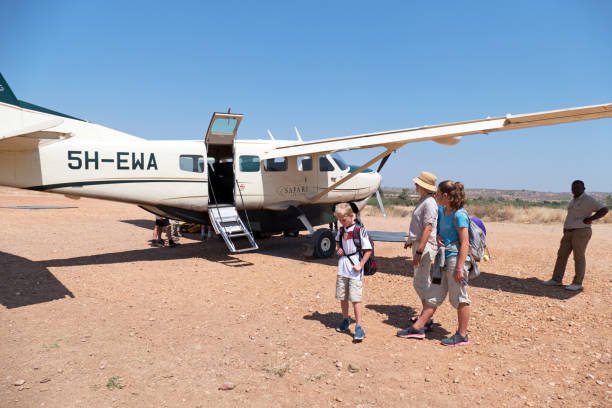
Which Serengeti Airstrip Is Best For Your Safari? Costs & Locations 2026-2027
Selecting the correct airstrip in the Serengeti is the difference between a smooth arrival and a four-hour bumpy transfer. Learn how to choose based on your itinerary.
View package details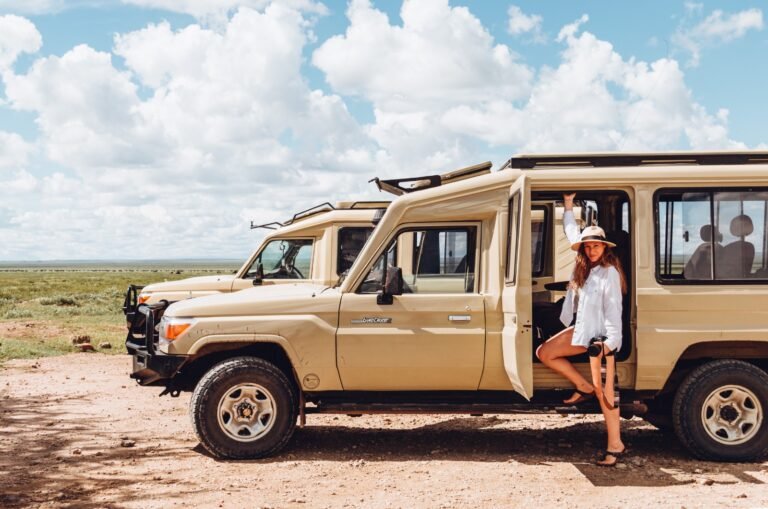
Oct 27, – 3 Day Serengeti And Ngorongoro Group Safari 2026
Planning for a short, high-impact wildlife adventure? Our October 27, 2026, group safari offers a direct route through the Serengeti and Ngorongoro Crater, perfect for travelers with...
View package details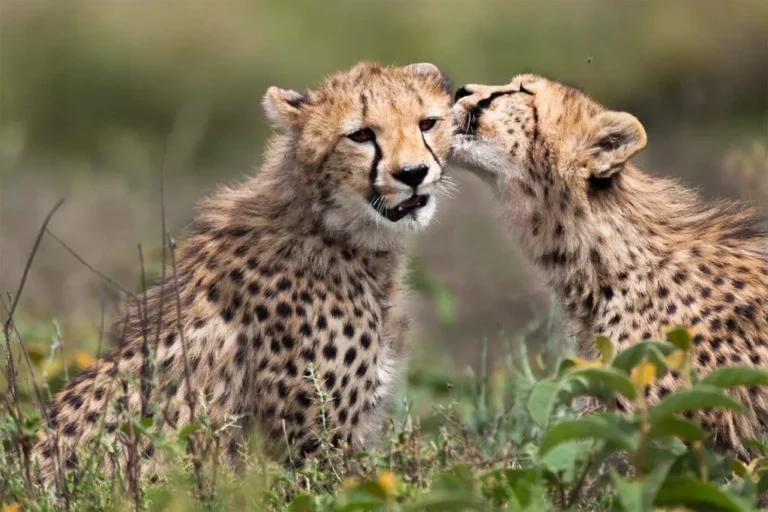
Oct 31, – 6 Day Serengeti, Ngorongoro, Tarangire And Manyara Group Safari 2026
A detailed look at the 6-day Northern Circuit group safari departing October 31, 2026, covering Tarangire, Manyara, Serengeti, and Ngorongoro Crater.
View package detailsOct 29, – 4 Day Tarangire, Serengeti And Ngorongoro Group Safari 2026
Plan your October 2026 Tanzania adventure. This 4-day group safari covers Tarangire, Serengeti, and Ngorongoro Crater with reliable local support.
View package details_1_John_from-rednote-web-768x1024.jpg)
Serengeti To Zanzibar Vs Arusha To Which Is Better After Safari? 2027
Choosing the right transfer to Zanzibar after a safari—Serengeti to Zanzibar or Arusha to Zanzibar—depends entirely on your safari route, time constraints, and budget. This guide breaks...
View package details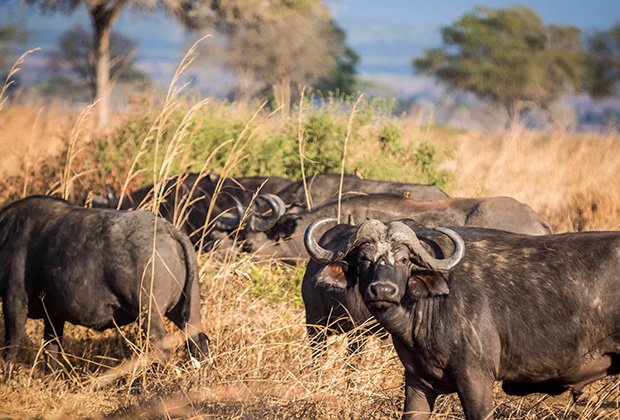
Dec 24, – 3 Day Christmas Serengeti And Ngorongoro Group Safari
Dec 24, 2026 – 3 Day Christmas Serengeti and Ngorongoro Group Safari.
View package details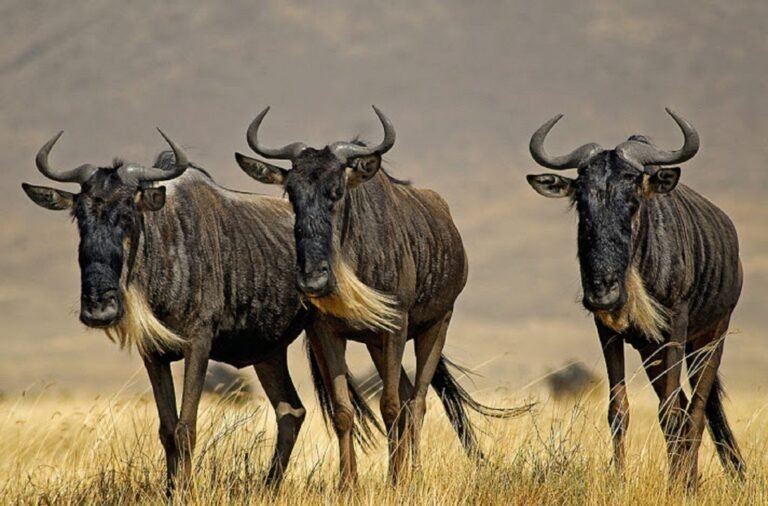
Nov 23, – 3 Day Serengeti And Ngorongoro Safari From Zanzibar
Nov 23, 2026 – 3 Day Serengeti and Ngorongoro Safari from Zanzibar.
View package detailsDec 31, : New Year’s Eve Serengeti Group Safari Planning Guide
This guide provides essential planning details for a group safari trip to the Serengeti for New Year's Eve 2026, covering logistics, seasonal highlights, and what to expect.
View package details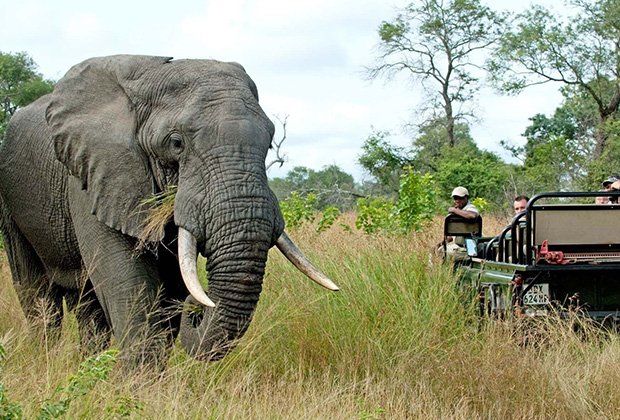
I Am On A Budget—What Is The Cheapest Serengeti Group Safari?
I Am on a Budget—What Is the Cheapest Serengeti Group Safari?
View package details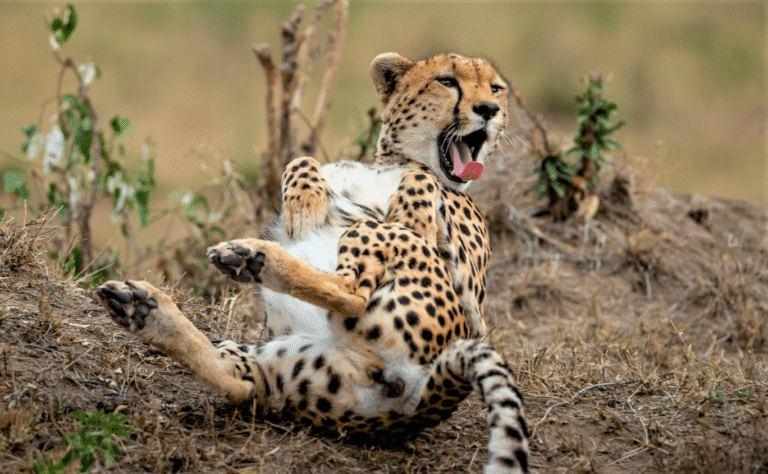
Dec 29, – 6 Day Ndutu, Serengeti And Ngorongoro Group Safari 2026
A detailed guide to our 6-day group safari departure on December 29, 2026, focusing on the Ndutu plains, the Serengeti, and the Ngorongoro Crater.
View package details8 Day Serengeti And Ngorongoro Group Safari – December 16, 2026
Planning your December 2026 Tanzanian adventure? Our 8-day group safari offers a deep, unhurried exploration of the Serengeti and Ngorongoro Crater.
View package detailsDec 12, – 6 Day Serengeti, Ngorongoro, Tarangire And Manyara Group Safari 2026
Dec 12, 2026 – 6 Day Serengeti, Ngorongoro, Tarangire and Manyara Group Safari.
View package detailsNo related package matches those filters. Clear one or more filters to see the other topic-matched options.