
For dedicated wildlife photography in the Serengeti, most photographers aim for a minimum of 5 to 7 nights to allow sufficient time for tracking animals, waiting for optimal light, and covering different ecosystems within the park. While a 3-4 night safari can offer a good introduction, it often feels rushed for serious photography, potentially missing key sightings or the chance to capture behavior at dawn and dusk. Extending to 7-10 nights significantly increases your opportunities for capturing unique moments and diverse species, especially if aiming for specific photographic goals like the Great Migration or elusive predators during 2026-2027 travel.
Understanding Your Serengeti Photography Goals
Before diving into specific night recommendations, it’s crucial to define what you want to achieve photographically in the Serengeti. The vastness of the park and the dynamic nature of wildlife mean that no two safaris are identical, and your photographic ambitions will significantly shape the ideal duration. Are you hoping to capture the dramatic river crossings of the Great Migration, the intense stare of a lioness on the hunt, the intricate details of a lilac-breasted roller, or the sweeping golden landscapes at sunrise and sunset?
Your photography goals can be broadly categorized:
- General Wildlife Enthusiast: You want to see and photograph the iconic Serengeti animals – lions, elephants, giraffes, zebras, wildebeest – and capture memorable moments. A shorter stay might suffice, but longer offers more chances.
- Dedicated Predator Photographer: You are particularly interested in lions, leopards, cheetahs, and hyenas. This requires patience, tracking skills from your guide, and often early morning or late evening excursions, which benefit from more time.
- Avian Photographer: The Serengeti boasts hundreds of bird species. Capturing a diverse range requires dedicated time, often in specific habitats, and a longer stay maximizes your chances of finding and photographing these often smaller, more elusive subjects.
- Great Migration Chaser: If your trip is timed for the Great Migration (roughly May to October, depending on location), the number of nights becomes critical for positioning yourself correctly for river crossings or large herds on the plains. This can require moving between different regions, demanding more days.
- Landscape and Wildlife Photographer: You aim to blend the stunning Serengeti vistas with its inhabitants. This requires time to wait for the right light and animal placement, often at dawn and dusk.
Your answer to “how many nights do I need to photograph wildlife in Serengeti” will change based on these goals. For instance, a trip focused solely on capturing the migration river crossings might need fewer total nights but highly specific timing and location. Conversely, a broader wildlife photography quest will benefit from more time to explore diverse habitats and wait for spontaneous action.
The Core Question: How Many Nights for Serengeti Wildlife Photography?
Let’s get straight to the heart of it. While a quick safari is possible, for truly impactful wildlife photography in the Serengeti, more time is almost always better. The Serengeti is immense, and wildlife sightings are never guaranteed. Optimal photographic opportunities often occur during the ‘golden hours’ – early morning and late afternoon – when the light is soft and dramatic. Rushing these periods severely limits your potential.
Here’s a breakdown of common safari durations and what they offer for photographers:
The 3-4 Night “Taster” Safari: Is It Enough for Photos?
Pros:
- Fits shorter holiday schedules.
- More budget-friendly than longer safaris.
- Provides a good introduction to the Serengeti’s wildlife and landscapes.
Cons for Photography:
- Limited time for dawn/dusk photography: You might miss crucial light.
- Reduced chance of seeing specific behaviours: Predation, courtship, or social interactions often require patient observation over longer periods.
- Less flexibility: If sightings are poor on a given day, there’s little time to relocate or try again.
- Potential for rushed feel: Constantly moving to new areas or packing up limits spontaneous photo opportunities.
- Geographic limitation: You’ll likely focus on a single region (e.g., Seronera) to maximize game drive time, missing the diversity of other Serengeti areas.
Verdict for Photographers: A 3-4 night safari is a minimum for experiencing the Serengeti, but it’s not ideal for serious wildlife photography. You’ll get some great shots, but you’ll likely leave wishing you had more time to wait for that perfect moment or explore further. It’s best suited for those who want a general safari experience with photography as a secondary focus.
The 5-7 Night “Sweet Spot” for Photographers
This duration is often considered the most practical and rewarding for photographers aiming to balance comprehensive wildlife viewing with dedicated photographic time.
Pros:
- Sufficient time for golden hours: Allows for early morning and late afternoon/evening drives, maximizing photographic light.
- Increased chances for diverse sightings: More time means more opportunities to encounter a variety of animals and behaviours.
- Flexibility to explore different regions: You can cover a couple of key areas within the Serengeti (e.g., Seronera for big cats, and perhaps the Ndutu area or northern Serengeti depending on the season) without feeling excessively rushed.
- Patience is possible: You can afford to wait for animals to become more active, for the light to improve, or for a predator to engage in a hunt.
- Better for capturing behaviour: Longer observation periods are essential for documenting animal interactions and natural behaviours.
Cons:
- Requires a more significant time commitment than shorter trips.
- Higher cost, though often representing better value per day for photographic output.
Verdict for Photographers: A 5-7 night Serengeti photography safari offers a fantastic balance. It provides ample time to experience the environment, track animals effectively, and capture high-quality images without feeling constantly on the move. This duration is excellent for most photographers, whether they are focused on general wildlife, predators, or landscapes, and is a solid recommendation for 2026-2027 trips.
The 8-10+ Night “Deep Dive” for Serious Photographers
For those for whom photography is the primary driver of their safari, longer stays are highly beneficial.
Pros:
- Maximum photographic opportunities: You can dedicate entire days to tracking specific animals, waiting for hours for the perfect shot, and exploring remote areas.
- Opportunity to cover multiple Serengeti ecosystems: Allows for in-depth exploration of the central plains, western corridor, northern Serengeti, and potentially even the far south, depending on the season and migration patterns.
- High chance of capturing rare or elusive species: Longer stays increase the odds of encountering leopards, wild dogs, or other less common animals.
- Flexibility for weather changes: If a day is overcast or rainy, you have more time to wait for better conditions or focus on different subjects.
- Deep immersion: You can truly get into the rhythm of the park, understand animal movements, and anticipate photographic moments.
Cons:
- Significant time commitment.
- Highest cost, though potentially offering the best photographic return on investment for dedicated photographers.
- Requires careful planning to avoid monotony, though the Serengeti’s vastness and wildlife activity usually prevent this.
Verdict for Photographers: An 8-10+ night photography safari is the ultimate way to experience the Serengeti for serious enthusiasts. It allows for patience, in-depth exploration, and the highest probability of capturing truly exceptional and diverse wildlife images. This is the ideal choice for those planning a dedicated photography expedition in 2026 or 2027.
Factors Influencing Your Ideal Serengeti Photography Stay
Beyond the general recommendations, several specific factors will influence how many nights you truly need to photograph wildlife in the Serengeti. Understanding these will help you tailor your trip for maximum photographic success.
Time of Year: The Great Migration & Seasonal Opportunities
The Serengeti is famous for the Great Migration, a year-round phenomenon of over 1.5 million wildebeest and zebras. However, their location dictates the best areas to be and what photographic opportunities are available. Your chosen travel dates for 2026-2027 are paramount.
- December – March (Calving Season): The herds are typically in the southern Serengeti and Ngorongoro Conservation Area. This is prime time for predator action as predators take advantage of vulnerable newborns. Photography focus: newborn animals, predator-prey interactions, vast herds on the open plains. A 5-7 night stay is good for this, focusing on the southern plains and perhaps extending towards Moru Kopjes.
- April – May (Long Rains & Migration Moves North): The herds begin their journey northwards, often through the central Serengeti and the western corridor. Roads can be challenging. Photography focus: moving herds, dramatic skies, lush green landscapes. A 5-7 night stay is still effective, potentially splitting time between central and western Serengeti.
- June – October (Dry Season & River Crossings): The herds are generally in the northern Serengeti, moving towards the Mara River. This is the iconic period for dramatic river crossings. Photography focus: river crossings (highly unpredictable and requiring patience), large herds, predators along the river. A minimum of 7 nights is strongly recommended here, ideally 8-10+, to increase your chances of witnessing a crossing and exploring the northern region. You’ll need time to wait by the river.
- November (Short Rains & Migration Returns South): The herds start their return journey south, often passing through the central Serengeti. Photography focus: migrating herds, diverse landscapes as the dry season ends. A 5-7 night stay is suitable for capturing this transition.
Knowing the migration’s likely location for your 2026-2027 trip is key. If you’re targeting river crossings, you need more nights than if you’re aiming for general plains game or calving season action.
Specific Wildlife Interests: Predators, Birds, or General Mammals
Your photographic subject matter will influence the duration. Predators, for instance, are often most active at dawn and dusk and can be elusive. Capturing them requires patience and often tracking, which takes time.
- Predator Photography: Lions, leopards, and cheetahs. Leopards are solitary and notoriously difficult to find; a 7-10 night safari increases your odds significantly. Lions and cheetahs are often seen on the open plains, but observing hunting behaviour or social interactions requires extended stakeouts.
- Bird Photography: The Serengeti has over 500 bird species. To photograph a good variety, especially rarer ones, you need time to explore different habitats (woodlands, grasslands, riverine areas) and wait for birds to become active. A 7-night safari is a good start, but 10+ nights would be ideal for serious birders.
- General Mammal Photography: If your goal is to photograph the iconic ‘big five’ and other common mammals, a 5-7 night safari is generally sufficient to encounter a good range.
Photography Style: Action Shots vs. Portraiture vs. Landscapes
Your artistic approach also plays a role. Some photographers specialize in fast-paced action, while others prefer the calm beauty of animal portraits or sweeping landscapes.
- Action Photography: Capturing a hunt, a chase, or a dramatic interaction requires being in the right place at the right time and having the patience to wait for the event to unfold. This benefits from longer stays (7-10+ nights) to maximize your chances.
- Portraiture: Getting a compelling close-up of an animal’s face or a striking pose often involves waiting for the animal to be in good light, relaxed, and in a pleasing setting. This can take time, so longer durations are helpful.
- Landscape Photography with Wildlife: Blending the vast Serengeti plains with its inhabitants requires understanding light and composition. You might spend time waiting for a herd to move into a specific part of the frame during the golden hours, which is best achieved with a more relaxed, longer itinerary (5-7+ nights).
Pace and Flexibility: Rushing vs. Savoring the Experience
Do you prefer to see as much as possible, or do you want to linger and truly soak in the atmosphere? For photography, a slower pace is generally more rewarding.
- Fast Pace: If you want to tick off many locations or cover large distances quickly, a shorter safari might suffice, but you’ll likely sacrifice photographic quality and depth.
- Slow Pace: For photographers, a slower pace allows for deeper immersion. You can spend hours observing a pride of lions, waiting for a leopard to descend a tree, or simply enjoying the sunrise over the savanna. This necessitates more nights.
Budgetary Considerations for Longer Stays
Naturally, the longer you stay in the Serengeti, the more it will cost. Accommodation, park fees (which are typically per person per 24-hour period), vehicle hire, and guide costs all add up. However, it’s worth considering the value. A 7-night safari might cost more overall than a 4-night trip, but the photographic opportunities and memories gained can be disproportionately greater.
For 2026-2027 trips, consider that safari costs are influenced by season, accommodation type, and the exclusivity of your safari (private vs. shared). A longer, private safari will be a significant investment, but for dedicated photographers, it’s often where the best results are found. It’s a trade-off between budget and photographic return.
Itinerary Planning: Making Every Night Count for Photography
Once you’ve decided on a duration, intelligent itinerary planning is key to maximizing your photography opportunities. The Serengeti is vast, and how you structure your days and nights makes a significant difference.
Strategic Location: Choosing Camps and Lodges for Access
The location of your accommodation is paramount for photographers. Staying inside or very close to prime wildlife areas means less time spent driving to sightings and more time for photography.
- Central Serengeti (Seronera): Excellent year-round for big cats due to permanent water sources. Good for general game viewing and predator photography. Lodges and tented camps are plentiful.
- Northern Serengeti (Kogatende/Lamai): Best for Great Migration river crossings (June-October). Remote, offering a more exclusive feel. Requires more travel time to reach but is essential for crossing photography.
- Southern Serengeti (Ndutu/Seronera border): Prime calving grounds for the migration (December-March). Vast open plains, great for herds and predators.
- Western Corridor (Grumeti): Famous for large crocodiles and migration river crossings (May-July). Offers a different landscape with riverine forests.
For a 5-7 night trip, you might split your time between two areas, e.g., 3 nights in Seronera and 3 nights in the north during the migration season. For 8-10+ nights, you could comfortably explore three or even four different regions, significantly broadening your photographic subjects and landscapes.
Daily Safari Schedule: Maximizing Golden Hours
Photographic success in the Serengeti hinges on being out during the best light. This means embracing the early morning and late afternoon.
- Early Morning (Sunrise): Wake up before dawn. A typical schedule involves a packed breakfast to take on your game drive, heading out as the sun rises. This is often the most active time for predators. You’ll want to be out for at least 3-4 hours.
- Midday: This is often the hottest part of the day, and many animals seek shade. It’s a good time for rest, lunch, and perhaps reviewing your photos. Some photography is still possible, focusing on birds or animals resting.
- Late Afternoon/Evening (Sunset): Head out again after lunch. This period, leading up to and just after sunset, is another peak for animal activity and offers spectacular light. Most lodges require you to be back by a certain time (often around 6:30-7:00 PM), but private vehicles with special permits can sometimes extend this.
With a 5-7 night stay, you can comfortably adopt this rhythm every day. With 8-10+ nights, you can afford to spend a full day in a particularly promising area, perhaps focusing on a specific pride or a promising river crossing point.
Incorporating Different Regions of the Serengeti
The Serengeti is vast, covering over 14,750 square kilometers. To get a comprehensive photographic portfolio, exploring different regions is beneficial. A 5-night safari might realistically allow you to experience two distinct areas (e.g., central and northern, or central and southern). A 7-night safari allows for a more relaxed exploration of two areas or a brief visit to three. For 10+ nights, you can explore three or four regions, capturing the diverse landscapes and wildlife concentrations.
Balancing Driving Time with Photography Time
Long drives to reach a sighting or between camps can eat into valuable photography time. A good itinerary minimizes transit days and maximizes game drive hours. For photographers, it’s often better to spend more nights in fewer locations, allowing for deeper exploration of that area, rather than moving every day.
For example, instead of 3 nights in Area A and 3 nights in Area B, consider 3 nights in Area A, then a scenic drive (with game viewing en route) to Area B for 3 nights. This breaks up the travel and turns transit into an opportunity.
Comparing Safari Durations for Serengeti Wildlife Photography
To make an informed decision about how many nights you need to photograph wildlife in the Serengeti, let’s compare the common durations specifically through a photographer’s lens.
Short Stay (3-4 Nights): Pros, Cons, and Photo Potential
Who it suits: Travellers with limited time, those on a tighter budget, or those who are combining the Serengeti with other Tanzanian highlights (like Kilimanjaro or Zanzibar) and want a taste of the park.
Photo Potential: You will see wildlife and get decent photos. However, you will likely be focused on one region (e.g., Seronera), and your opportunities to capture specific behaviours, elusive animals, or the best light will be constrained. You’ll get good general shots, but perhaps not the portfolio-defining images.
Recommendation: Best for general travel photography where wildlife is a component, not the sole focus. For serious photographers, this duration is often frustratingly short, leading to a feeling of “if only I had one more day.”
Medium Stay (5-7 Nights): The Balanced Photography Approach
Who it suits: Most wildlife photographers, those who want a solid photographic experience without an extremely long commitment, and travellers who want to see a good variety of landscapes and animals.
Photo Potential: This is where the magic starts to happen. You can dedicate mornings and evenings to photography, explore two key regions of the Serengeti (e.g., central and northern during migration season), and have enough time to wait for animals to become active or for the light to improve. You’re likely to capture a good range of species, behaviours, and landscapes. This duration is often the sweet spot for photographers planning a 2026 or 2027 trip.
Recommendation: Highly recommended for photographers. It offers a strong balance between time, cost, and photographic return. You’ll likely leave feeling satisfied with your photographic output.
Long Stay (8-10+ Nights): Unrivalled Photographic Depth
Who it suits: Dedicated wildlife photographers, photo-tour groups, or those who want to explore the Serengeti in-depth, focusing on specific photographic objectives like the migration crossings or predator behaviour.
Photo Potential: This duration offers the highest potential for truly exceptional photographic results. You can spend multiple days in prime locations, track specific animals patiently, explore remote areas, and have the flexibility to adapt to wildlife movements and weather conditions. You can potentially visit three or four different regions, capturing the Serengeti’s full diversity. This is the ideal for a 2026-2027 photographic expedition.
Recommendation: If your primary goal is to create a stunning wildlife photography portfolio from the Serengeti and budget/time allow, opt for 8-10 nights or more. It provides the patience and opportunity needed for the most rewarding photographic experiences.
A Note on Photography Equipment
While this guide focuses on duration, remember that your equipment also plays a vital role. For wildlife photography in the Serengeti, a telephoto lens (e.g., 300mm, 400mm, or even a 600mm) is almost essential for capturing details and distant subjects. A good tripod or monopod can be invaluable, and a sturdy camera bag is a must. Many photographers also bring a wider lens for landscapes and a macro lens for smaller subjects. Ensure your camera bodies are capable of good low-light performance for those crucial dawn and dusk shots.
Logistics and Booking Your Serengeti Photography Safari (2026-2027)
Planning a successful photography safari involves more than just deciding on the number of nights. The logistics, timing, and expertise of your tour operator are critical. For trips planned for 2026 or 2027, early booking is advisable.
When to Book Your 2026-2027 Serengeti Photography Trip
For peak seasons, especially if you’re targeting the Great Migration river crossings (June-October) or the calving season (December-March), booking 9-12 months in advance is highly recommended for 2026-2027. This secures the best camps and lodges, particularly those in prime locations, and ensures availability for your preferred dates and vehicle. Even for the shoulder seasons, booking 6-8 months ahead is wise to get the best options.
Choosing the Right Safari Vehicle and Guide
This is arguably the most critical decision for a photography safari.
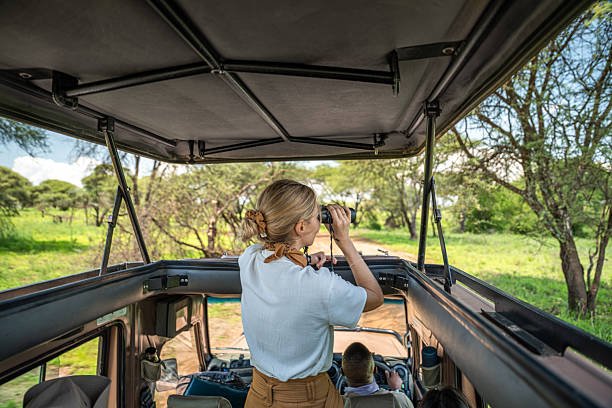
- Vehicle: A pop-top 4×4 Land Cruiser or Land Rover is standard. For photography, a pop-top is essential for unobstructed 360-degree views. Some safari vehicles can be customized for photographers, offering beanbag mounts for lenses or lower seating positions. A private vehicle is highly recommended for photographers. It means you dictate the pace, spend as long as you need at a sighting, and don’t have to compromise with other guests. You can also request specific times for dawn/dusk drives.
- Guide: A great safari guide is a photographer’s best asset. Look for a guide who is experienced in the Serengeti, knowledgeable about animal behaviour, and understands photographic needs. They can track animals, predict behaviour, position the vehicle for the best light, and know the best spots for different species. Working with a company like Climb 4 Africa, which partners with experienced local guides, is crucial.
When enquiring for your 2026-2027 trip, specifically mention your photography goals. This will help your operator select the most suitable vehicle and guide.
Accommodation Options: Impact on Photography
Your choice of accommodation affects your photography in several ways:
- Location: As mentioned, staying inside or very near prime wildlife areas is paramount. Mobile tented camps that follow the migration can offer incredible proximity but are seasonal. Permanent lodges offer comfort and amenities but might be further from the action.
- Type: Luxury lodges offer comfort and services. Tented camps (both luxury and mid-range) can offer a more intimate connection with nature. For photographers, the ability to be picked up quickly for early morning drives or have dinner served in camp after sunset is a bonus.
- Exclusivity: Private conservancies bordering national parks can offer more flexibility (e.g., night drives, walking safaris) that are excellent for photography, though they often come at a higher price point.
Discuss your photographic priorities with your tour operator to find accommodation that maximizes your time in productive wildlife areas.
Customizing Your Photography Itinerary with Local Experts
Crafting the perfect Serengeti photography safari, especially for 2026-2027, is best done in collaboration with local experts who understand the park’s nuances.
At Climb 4 Africa, we specialize in creating tailor-made safari experiences. When you contact us, be sure to discuss:
- Your desired number of nights in the Serengeti.
- Your specific photographic interests (predators, birds, migration, landscapes, etc.).
- The time of year you plan to travel.
- Your preferred pace and any particular photographic challenges you wish to overcome.
We can then advise on the optimal duration, the best regions to visit during your chosen month, suitable camps and lodges, and assign guides with a keen eye for photographic opportunities. A well-planned itinerary, built with local knowledge, will ensure you make the most of every moment and every night spent photographing wildlife in the Serengeti. Don’t hesitate to reach out via WhatsApp at +255 747 477 898 or email us at climb4africa@gmail.com to start planning your unforgettable 2026-2027 Serengeti photography adventure.
“,
“faq_schema”: [
{
“question”: “What is the minimum number of nights recommended for Serengeti wildlife photography?”,
“answer”: “For serious wildlife photography in the Serengeti, a minimum of 5 to 7 nights is recommended. This duration allows sufficient time to capture wildlife during the prime golden hours (dawn and dusk), explore different areas, and patiently wait for photographic opportunities, significantly improving your chances of capturing compelling images compared to a shorter 3-4 night stay.”
},
{
“question”: “How many nights are ideal for capturing the Great Migration river crossings in Serengeti?”,
“answer”: “To maximize your chances of photographing the dramatic Great Migration river crossings in the northern Serengeti (typically June-October), a minimum of 7 nights is recommended, with 8-10+ nights being ideal. This extended period allows for positioning yourself correctly by the river, waiting for crossings to occur, and capturing the action from various angles and at different times of day.”
},
{
“question”: “Can I photograph diverse wildlife with a 4-night Serengeti safari?”,
“answer”: “A 4-night Serengeti safari will allow you to see a good range of common wildlife and capture some memorable photos, especially if focused on a single region like Seronera. However, it will feel rushed for dedicated photography, limiting opportunities for dawn/dusk shoots, observing behaviours, or finding elusive species. It’s more of an introductory experience than an in-depth photography expedition.”
},
{
“question”: “Does the time of year affect how many nights I need for Serengeti photography?”,
“answer”: “Yes, the time of year significantly impacts how many nights you need. If you’re targeting predator activity during the calving season (Dec-Mar) in the south, 5-7 nights might suffice. However, for river crossings in the north (Jun-Oct), where patience is key, 7-10+ nights are strongly advised to increase your chances of witnessing and photographing these events.”
},
{
“question”: “What are the benefits of a 7-night photography safari in Serengeti?”,
“answer”: “A 7-night safari offers a great balance for photographers. It allows for exploring two different regions of the Serengeti, dedicating ample time to dawn and dusk photography sessions, patiently observing animal behaviour, and increasing the likelihood of capturing diverse species and compelling moments without feeling rushed. It’s often considered the ‘sweet spot’ for a rewarding photographic experience in 2026-2027.”
},
{
“question”: “How does a private vehicle and guide enhance Serengeti photography?”,
“answer”: “A private vehicle and experienced guide are crucial for photographers. A private vehicle allows you to dictate the pace, spend as long as needed at sightings, and position the vehicle for the best light and angles. An experienced guide understands animal behaviour, can track elusive animals, and knows the best locations and times for photographic opportunities, significantly enhancing your chances of capturing unique shots.”
}
]
}
“`
Check Availability for I Want To Photograph Wildlife In Serengeti, How Many Nights Do I Need?
Ready to compare dates, prices, and the best option for your group? Send the package name and travel month so the team can reply with a clear quote, availability, and what is included.
3-Day Serengeti And Ngorongoro Safari: Your Ultimate Tanzania Wildlife
start a concise yet unforgettable 3-day Serengeti and Ngorongoro safari, designed to maximize wildlife encounters in Tanzania's most celebrated parks. This compact adventure offers a taste...
View package details
Serengeti Safari Tours: Prices, Packages & Best Time To Visit In 2026-2027
Discover everything you need to know for planning your Serengeti safari tour, from understanding pricing and package variations to identifying the ideal travel times in 2026-2027. This...
View package details
Serengeti Safari And Zanzibar Beach Holiday: The Ultimate Tanzania
Combine the thrill of a Serengeti safari with the relaxation of a Zanzibar beach holiday. This guide covers everything you need to know for an unforgettable Tanzania adventure in 2026-2027...
View package details
Zanzibar To Serengeti Safari Packages 2026-2027
Zanzibar to Serengeti Safari Packages is explained with current 2026-2027 planning, price, itinerary and booking information.
View package details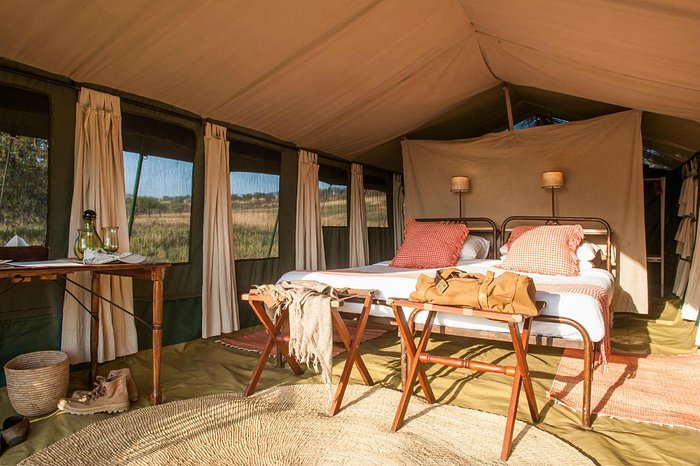
What Is The Best Month To Visit Serengeti? 2026-2027
What Is the Best Month to Visit Serengeti? is explained with current 2026-2027 planning, price, itinerary and booking information.
View package detailsTanzania Safari Tours & Packages /: Your Ultimate Wildlife Adventure 2026-2027
Discover the magic of Tanzania with expertly crafted safari tours and packages for 2026 and 2027. From the vast plains of the Serengeti to the depths of the Ngorongoro Crater, find your...
View package details
Serengeti Great Migration Safari Packages: Your Guide To Witnessing The Wonder
start an unforgettable journey with our comprehensive guide to Serengeti Great Migration safari packages for 2026-2027. Understand the best times to go, optimal viewing locations, and how...
View package details
7-Day Tanzania Safari: Serengeti, Ngorongoro, And Tarangire In 2026-2027
A comprehensive guide to a 7-day Tanzania safari adventure, focusing on the iconic Serengeti National Park, the Ngorongoro Crater, and Tarangire National Park. Learn about optimal...
View package details
When Is The Great Migration In Tanzania And Kenya? Your Guide 2026-2027
The Great Migration's timing is dynamic, following the rains. Generally, it's in Kenya's Masai Mara from July to October, and in Tanzania's Serengeti from December to March. Planning around...
View package details
All-Inclusive African Safari Vacations Guide
start an all-inclusive African safari vacation in Tanzania, a premier destination for wildlife viewing in 2026-2027. This comprehensive guide covers everything from iconic parks like the...
View package detailsBest African Safari Tours & Vacation Packages /: Your Ultimate Tanzania
start an unforgettable African safari adventure in 2026/2027 with expertly curated tours and vacation packages in Tanzania's most iconic wildlife destinations. From the Serengeti to the...
View package detailsPrivate Tanzania Safari Packages: Your Ultimate Guide For 2026-2027
Discover the unparalleled freedom and personalized experience of a private Tanzania safari package. This comprehensive guide for 2026-2027 explores custom itineraries, key destinations like...
View package detailsNo related package matches those filters. Clear one or more filters to see the other topic-matched options.



