For seeing lots of lions in Serengeti, your best choice is the Seronera Valley and the surrounding central Serengeti region. This area offers consistently high lion densities year-round due to its permanent water sources and abundant prey, making it the most reliable location for lion sightings on a Serengeti safari.

Planning Your Serengeti Lion Safari: Key Considerations for 2026-2027
When you set out with the specific goal of seeing lots of lions in Serengeti, you’re tapping into one of the planet’s most iconic wildlife experiences. Serengeti National Park is vast, covering over 14,750 square kilometers, and its wildlife populations, especially lions, are not evenly distributed. Understanding where these magnificent predators congregate is crucial for a successful and rewarding safari, particularly as you plan for trips in 2026 and 2027. This isn’t just about luck; it’s about strategic placement within the park, timing, and knowing the natural behavior of lions and their prey.
The allure of Serengeti lies in its sheer abundance of wildlife, and lions are a major draw. They are social animals, often found in prides, which means a single sighting can reward you with multiple individuals. However, their preferred habitats, the availability of food, and seasonal movements all play a role in where you’re most likely to encounter them. This guide will break down the Serengeti into its key ecological zones and explain why certain areas stand out for lion viewing.
As a local Tanzanian tour operator, Climb 4 Africa has guided countless travelers through Serengeti, honing our understanding of wildlife patterns. We know that while lions can be seen throughout the park, concentrating your efforts in the right sector dramatically increases your chances. This means focusing on areas with permanent water sources, which attract prey year-round, and consequently, the predators that hunt them. For your 2026-2027 safari planning, this foundational knowledge will be invaluable.
We’ll explore the ecological reasons behind lion distribution, discuss the best times to visit specific areas for lion viewing, and highlight what makes each recommended region special. Whether you’re dreaming of witnessing a hunt, observing a pride lounging under an acacia tree, or simply seeing multiple lions in a single game drive, this information is designed to help you pinpoint the exact areas in Serengeti that will fulfill your lion-viewing aspirations. Let’s begin by understanding the core reasons why some parts of Serengeti are lion paradises.
The Ecological Drivers of Lion Abundance in Serengeti
To truly understand where to see lots of lions in Serengeti, you need to grasp the fundamental ecological principles that govern their distribution. Lions are apex predators, and their presence and density are directly linked to the availability of their primary food sources: herbivores. In Serengeti, this translates to understanding the movements and concentrations of wildebeest, zebras, buffalo, and various antelope species.
Prey Availability: The Foundation of Lion Populations
Lions require substantial amounts of food to sustain themselves and their prides. A single lion may consume up to 4 kilograms of meat per day, and a pride requires far more. Therefore, areas that consistently support large populations of prey animals will naturally attract and sustain larger lion populations. This is the most significant factor determining where you’ll find lions.
In Serengeti, the iconic Great Migration is a prime example of this principle in action. Millions of wildebeest and zebras move across the plains in search of fresh grazing. While the migration itself is seasonal and covers vast distances, there are areas within the park that act as permanent homes for resident prey populations, and these are key for lion sightings outside of the migration spectacle.
Water Sources: The Lifeline for Both Prey and Predators
Water is a critical resource, especially during the dry seasons. Areas with permanent water sources – rivers, springs, and waterholes – become magnets for herbivores. These herbivores, in turn, become concentrated targets for lions. Regions with reliable, year-round water are therefore prime lion habitat.
The Seronera River in the central Serengeti is a prime example. Its perennial flow supports lush vegetation, attracting a diverse and dense population of herbivores. This consistent water supply is a major reason why the central Serengeti, and specifically the Seronera Valley, is renowned for its high lion numbers throughout the year.
Habitat Suitability: Savanna, Woodlands, and Open Plains
Lions are adaptable but generally prefer a mosaic of habitats. They thrive in open grasslands, which allow for stalking and ambushing prey, but also need areas with cover, such as woodlands, thickets, and kopjes (rocky outcrops), for resting, seeking shade, and denning.
- Open Plains: Ideal for hunting, especially during cooler parts of the day or night.
- Woodlands and Bushland: Provide shade, cover for stalking, and denning sites for lion cubs.
- Kopjes: Offer elevated vantage points for lions and protection from the elements, often used as resting spots.
The central Serengeti offers a mix of these habitats, providing excellent conditions for lions to hunt, rest, and raise their young. This environmental diversity contributes significantly to the sustained high population of lions in this region.
Competition and Territoriality
While lions are the dominant predators, they also compete with other carnivores like hyenas and leopards. However, the sheer size and power of lion prides often allow them to displace competitors from kills. Lions are also territorial, and the density of prides in an area is influenced by territorial boundaries and the availability of resources within those territories.
Understanding these ecological drivers helps explain why certain areas, particularly those with abundant water and prey, become hotspots for lion activity. For your 2026-2027 safari, focusing on these ecologically rich zones is your most effective strategy.
The Unrivaled Lion Hub: Seronera Valley and Central Serengeti
When the question is “I want to see lots of lions in Serengeti, which area should I choose?”, the answer consistently points to the Seronera Valley and the broader central Serengeti region. This area is often referred to as the heart of Serengeti for wildlife viewing, and for good reason. It’s a place where lion sightings are not just probable, but practically guaranteed on most safaris.
Why Seronera Valley is a Lion Magnet
The Seronera Valley, named after the Seronera River, is a critical ecosystem within the central Serengeti. Its key advantages for lion viewing are:
- Permanent Water Source: The Seronera River provides water year-round, which means a consistent presence of prey animals. Wildebeest, zebras, gazelles, buffalo, and even elephants are drawn to this life-giving resource, creating a natural buffet for lions.
- Diverse Habitat: The valley features a mix of open grasslands, acacia woodlands, and riverine forests. This varied landscape offers lions excellent hunting grounds, ample shade for resting during the heat of the day, and protected areas for raising cubs.
- High Prey Density: Due to the reliable water and diverse habitats, the area supports a high biomass of prey animals throughout the year, irrespective of the Great Migration’s exact location. This resident prey population is the bedrock of the large and stable lion population here.
- Kopjes and Rocky Outcrops: Numerous granite kopjes dot the landscape, providing lions with elevated vantage points, shelter, and ideal resting spots. These rocky formations are often used by prides to survey their territory or simply to escape the midday sun.
The density of lions in Seronera is exceptionally high compared to other parts of the park. You can often see prides resting under trees, moving across the plains, or even engaging in hunting activities. It’s common for game drives in this area to encounter multiple prides in a single day.
The Wider Central Serengeti Advantage
The central Serengeti encompasses more than just the Seronera Valley. Areas like:
- Moru Kopjes: Famous for its lion prides and cheetah sightings, this area also offers excellent rhino viewing opportunities.
- Retina Hippo Pool Area: While known for hippos, the surrounding grasslands and woodlands attract a variety of herbivores and their predators, including lions.
- Grumeti River area (southern part of central): Though the main Grumeti River is further west, its tributaries and associated woodlands in the central region support lion populations.
The roads in the central Serengeti are well-maintained, facilitating efficient game drives. Your accommodation options here range from luxury lodges to mobile tented camps, placing you right in the heart of the action for your 2026-2027 safari.
Best Time for Lions in Central Serengeti
While the central Serengeti offers excellent lion viewing year-round, certain periods can be even more rewarding:
- Dry Season (June to October): As water sources diminish elsewhere, animals concentrate around the Seronera River. This makes prey more predictable and lions more active in their hunting efforts. Visibility is also generally better on the open plains.
- Shoulder Seasons (April-May and November-December): These periods can offer good sightings with fewer crowds than the peak dry season, though vegetation might be denser.
Even during the wet season (January to March), when the migration herds are often in the southern Serengeti, the central region maintains a robust resident population of prey and lions, ensuring that your quest to see lots of lions in Serengeti can be fulfilled at any time of year by focusing here.
Planning Tip for 2026-2027: Booking Central Serengeti
Accommodation in the central Serengeti, especially around Seronera, is in high demand. For travel in 2026 and 2027, particularly during peak seasons, it’s advisable to book your safari and lodging at least 9-12 months in advance. This ensures you secure your preferred camps or lodges in the prime lion-viewing areas.
Exploring Other Promising Areas for Lion Sightings
While the central Serengeti, particularly Seronera Valley, is the undisputed champion for seeing lots of lions year-round, other regions of the park offer excellent lion viewing opportunities, especially during specific seasons. Understanding these areas can help you craft a more comprehensive Serengeti safari itinerary, perhaps combining different zones for varied experiences.
The Southern Plains (Ndutu Area) and the Great Migration
The southern Serengeti, including the Ndutu Conservation Area (which straddles the Serengeti and the Ngorongoro Conservation Area), is famous for being the calving grounds of the Great Migration. Between approximately December and March, millions of wildebeest and zebras congregate here to give birth.
- Lion Abundance During Calving Season: This period sees an explosion of new life, with thousands of calves born daily. This creates an unparalleled feeding frenzy for predators. Lion prides in the southern Serengeti become incredibly active, often seen hunting the vulnerable young wildebeest and zebras. Sightings of lion cubs are also common during this time.
- Predator-Prey Dynamics: The sheer density of prey attracts numerous lion prides, making it one of the best places in the world to witness predator-prey interactions. You might see lions stalking, taking down prey, or feasting on a kill.
- Habitat: The southern plains are characterized by vast, open grasslands, dotted with acacia trees. This open environment is ideal for spotting lions and observing their hunting strategies.
Trade-off: While excellent for lions and newborns during this period, the southern plains can be very dry and dusty from January onwards. Also, outside of the calving season (April to November), the lion density may be lower compared to the central Serengeti, as many herds move north.
Who it suits: Travelers visiting between December and March who want to witness the peak of the Great Migration and its associated predator action, including lions.
The Western Corridor (Grumeti River)
The Western Corridor is defined by the Grumeti River and its dense riverine forests. This region offers a different landscape and a unique lion viewing experience, particularly during the migration season.
- Migration River Crossings: From roughly May to July, the Grumeti River becomes a major obstacle for the migrating wildebeest and zebras. This is a prime location to witness dramatic river crossings, which attract lions to the riverbanks, hoping to ambush prey.
- Resident Lion Population: The Grumeti River’s permanent water and lush vegetation support a healthy resident population of prey animals, and consequently, lions, year-round. The dense woodlands provide cover for stalking.
- Unique Lion Behavior: Lions in this region are known to occasionally hunt crocodiles and are skilled at navigating the riverine environment.
Trade-off: The Western Corridor can be more challenging for game viewing outside of the migration crossing season due to the denser vegetation. The infrastructure (lodges and roads) is also less developed compared to the central Serengeti.
Who it suits: Travelers interested in witnessing the dramatic river crossings of the Great Migration and exploring a less-visited part of the Serengeti, with good chances of seeing lions, especially between May and July.
The Northern Serengeti (Kogatende Area)
The northern Serengeti, particularly the Kogatende area, is another critical zone for witnessing the Great Migration, specifically the river crossings of the Mara River.
- Mara River Crossings: From approximately July to October, the migrating herds gather along the Mara River, attempting to cross into Kenya’s Maasai Mara National Reserve. These crossings are spectacular and attract lions to the riverbanks, creating intense predator activity.
- Vast Open Plains: The landscape here is characterized by vast, rolling plains that are excellent for spotting wildlife, including lions, from a distance.
- Seasonal Lion Activity: While there is a resident lion population, their activity and visibility can be significantly boosted during the migration season when large numbers of prey are present.
Trade-off: Lion sightings can be more dependent on the exact location and timing of the migration herds compared to the central Serengeti. Outside of the migration season, the density of lions might be lower.
Who it suits: Travelers specifically aiming to witness the dramatic Mara River crossings of the Great Migration, with the added bonus of potentially seeing many lions during this period.
Comparing Lion Viewing Areas: Central vs. Other Regions
- Central Serengeti (Seronera): Best for year-round lion sightings, high density, diverse habitats, reliable water. Ideal if lions are your absolute top priority.
- Southern Plains (Ndutu): Best for lions during the calving season (Dec-Mar), massive herds, intense predator action. Seasonal.
- Western Corridor (Grumeti): Good for lions during migration crossings (May-Jul), unique riverine environment. Less predictable outside this time.
- Northern Serengeti (Kogatende): Excellent for lions during Mara River crossings (Jul-Oct), vast plains. Highly seasonal for peak lion activity.
Maximizing Your Lion Sightings: Tips for a Successful Safari
Knowing where to go is only half the battle. To truly maximize your chances of seeing lots of lions in Serengeti, you need to employ smart safari strategies. These tips are based on years of experience guiding travelers and understanding the nuances of wildlife viewing.
Choose the Right Time of Year (Strategically)
While the central Serengeti is great year-round, your overall safari experience, including lion viewing, can be enhanced by considering the season:
- Dry Season (June-October): Generally considered the best time for wildlife viewing across Serengeti. Animals are concentrated around water sources, making them easier to spot. Lions are also more visible on the open plains. This is a great time to focus on the central Serengeti for lions.
- Wet Season (November-May): This period has two distinct phases. The short rains (Nov-Dec) often bring lush green landscapes. The long rains (Jan-May) can make some areas muddy and challenging for vehicles, but it’s the calving season in the south (Jan-Mar) offering incredible predator action. During the wet season, you might need to adjust your focus based on the migration’s location.
For 2026 and 2027, consider booking during the dry season for the most reliable lion sightings in the central areas, or plan for the calving season in the south if you want to see lions actively hunting young prey.
Work with Experienced Guides
Your safari guide is your most valuable asset. A good guide:
- Knows the Territory: They understand the local lion prides, their territories, and their usual hangouts.
- Reads the Signs: They can interpret animal behavior, track prints, and listen for alarm calls that indicate the presence of predators.
- Communicates with Other Guides: Radio communication between guides is common, sharing sightings to help guests find animals.
- Patience and Persistence: They know when to wait and where to look, even if initial searches are unsuccessful.
Climb 4 Africa works with highly experienced local guides who are passionate about wildlife and dedicated to providing unforgettable safari experiences. Their expertise is crucial for finding lions and understanding their behavior.
Early Morning and Late Afternoon Drives
Lions, like most predators, are most active during the cooler parts of the day:
- Dawn: The hours just after sunrise are prime hunting times. Lions might be returning from a night’s hunt or preparing for the day. The soft morning light also offers beautiful photographic opportunities.
- Dusk: As the sun begins to set, lions often become active again. This is another excellent period for spotting them on the move or starting their nocturnal activities.
Most safari operators offer morning and afternoon game drives. Consider booking a full-day drive or combining morning and afternoon drives with a midday break to maximize your time in the field.
Be Patient and Flexible
Wildlife viewing, especially for predators, requires patience. Lions might be deep in the bush, resting, or simply not in the mood to be active when you arrive. Don’t get discouraged if your first attempt doesn’t yield immediate results.
Flexibility is also key. If your guide receives a tip about a lion sighting in a different area, be open to changing your route. Sometimes, the best sightings happen when you least expect them.
Choose Your Accommodation Wisely
Your choice of lodge or camp can impact your lion viewing experience:
- Location: Staying in or near the Seronera Valley or other prime lion habitats significantly reduces travel time to sightings. Camps located within the park boundaries often offer better wildlife viewing opportunities compared to those just outside.
- Mobile Camps: For travelers following the Great Migration, mobile tented camps that move with the herds can offer access to areas with high predator activity, though their availability and location change seasonally.
For your 2026-2027 safari, discuss accommodation options with your tour operator to ensure your lodge is strategically located for your lion-viewing goals.
Understand Lion Behavior
Knowing what to look for can enhance your experience:
- Resting Lions: Lions spend a significant portion of their day resting, often in shaded areas or on kopjes. They might appear lazy, but they are conserving energy.
- Hunting Behavior: Observe their stalking postures, the way they coordinate as a pride, and their patience.
- Social Interactions: Witnessing interactions within a pride – grooming, playing cubs, or territorial disputes – is fascinating.
By combining strategic planning, expert guidance, and a patient approach, you’ll greatly increase your chances of seeing lots of lions in Serengeti.
Planning Your Serengeti Lion Safari: Practicalities for 2026-2027
Embarking on a Serengeti safari with the specific aim of seeing lots of lions requires careful planning. Beyond choosing the right area, several practical aspects need consideration, especially as you look ahead to 2026 and 2027 travel. Making informed decisions now will ensure a smoother and more rewarding experience.
Safari Itinerary Design
A typical Serengeti safari itinerary can range from 3 days to a week or more. For a dedicated lion-viewing experience, focusing on the central Serengeti for at least 3-4 days is highly recommended. If you wish to experience different ecosystems and seasonal highlights, consider longer itineraries:
- 5-Day Itinerary: Spend 3 days in the central Serengeti (Seronera) and 2 days in either the southern plains (for calving season) or the western/northern corridor (for migration crossings), depending on the time of year.
- 7-Day+ Itinerary: Allows for in-depth exploration of the central region, plus time for other Serengeti areas or combining Serengeti with other Tanzanian highlights like the Ngorongoro Crater or Tarangire National Park.
When planning for 2026-2027, discuss your interests with your tour operator. They can help tailor an itinerary that maximizes your lion encounters while also offering a well-rounded Tanzanian safari experience.
Choosing a Safari Operator
Selecting the right safari operator is paramount. Look for companies with:
- Local Expertise: Tanzanian-based operators like Climb 4 Africa have unparalleled knowledge of the parks, wildlife, and logistics.
- Experienced Guides: As mentioned, guides are key. Ensure the operator employs qualified, knowledgeable, and passionate guides.
- Reputation: Check reviews on platforms like TripAdvisor to gauge customer satisfaction. (e.g., TripAdvisor reviews).
- Customization: The ability to tailor your safari to your specific interests, such as focusing on lions, is essential.
Climb 4 Africa specializes in creating bespoke Tanzanian safari experiences. We can help you design an itinerary focused on maximizing lion sightings in Serengeti for your 2026 or 2027 trip. Contact us to discuss your plans!
Accommodation Types and Booking
Serengeti offers a range of accommodation:
- Luxury Lodges: Permanent structures offering high comfort, fine dining, and excellent amenities. Often located in prime areas like Seronera.
- Tented Camps: Offer a more in-depth experience, often with canvas tents on permanent platforms. Can range from mid-range to luxury.
- Mobile Tented Camps: These camps move seasonally to follow the Great Migration, offering unique access to wildlife hotspots.
Booking Window for 2026-2027: For popular camps and lodges in the central Serengeti, especially for peak season travel (June-October, December-February), booking 9-12 months in advance is strongly advised. For less popular times or less sought-after camps, 6 months might suffice, but early booking secures the best options.
Safari Vehicle Choice
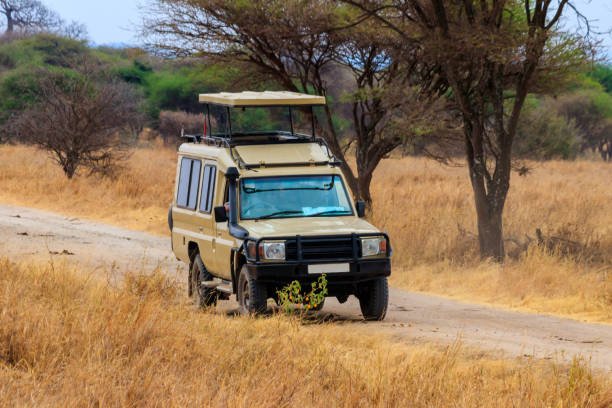
Most safaris use custom-built 4×4 safari vehicles (Land Cruisers or Land Rovers). Key features to look for:
- Pop-up Roof: Essential for game viewing and photography, allowing unobstructed views and easy photography.
- Comfortable Seating: For long drives, comfortable seating is important.
- Window Seats: Ensure every passenger has a window seat.
- Experienced Driver-Guide: The quality of your guide is more critical than the vehicle model itself.
When booking, confirm the type of vehicle and ensure it’s equipped for optimal wildlife viewing. Private safaris offer more flexibility with vehicle choice and game drive timing.
Budget Considerations for 2026-2027
A Serengeti safari is a significant investment. Costs typically include:
- Park Fees: Daily entrance fees for Serengeti National Park are substantial and are set by the Tanzania National Parks Authority (TANAPA). These are subject to change, so always check for the latest rates for 2026-2027.
- Accommodation: This is often the largest cost component, varying significantly between luxury lodges, mid-range camps, and budget options.
- Vehicle and Guide Hire: Daily rates for a private safari vehicle and guide.
- Meals and Drinks: Included in most lodge/camp rates, but be aware of what’s covered (e.g., alcoholic beverages often extra).
- Transfers: Flights or road transfers to and from the park.
Budgeting for 2026-2027: While exact prices fluctuate, expect a mid-range private safari in Serengeti to cost roughly $400 – $700+ per person per day, excluding international flights. Luxury options can be significantly higher. Shared group safaris (see Climb 4 Africa’s group tours) are a more budget-friendly option.
Estimated Daily Safari Costs (Per Person, Excluding Flights)
These are indicative ranges for 2026-2027, subject to change based on operator, accommodation level, and specific inclusions:
- Budget/Mid-Range Group Safari: $250 – $450 per day
- Mid-Range Private Safari: $400 – $700 per day
- Luxury Private Safari: $700 – $1200+ per day
Note: These estimates often include park fees, accommodation, meals, and vehicle/guide hire. Always confirm exact inclusions with your chosen operator.
Travel Insurance and Visas
Ensure you have comprehensive travel insurance that covers medical emergencies, trip cancellations, and lost luggage. For Tanzania, you will likely need a visa, which can often be obtained online in advance or on arrival at the airport. Check the latest visa requirements for your nationality well before your 2026-2027 travel dates.
By addressing these practicalities, you lay the groundwork for a fantastic lion-focused safari in Serengeti.
Beyond Lions: What Else to Expect in the Serengeti
While your primary goal is to see lots of lions in Serengeti, the park offers an unparalleled diversity of wildlife and landscapes. Focusing solely on lions means you might miss out on the broader spectacle that makes Serengeti a world-renowned safari destination. A well-rounded itinerary ensures you experience the full magic of this incredible ecosystem.
The Great Migration Spectacle
If your visit coincides with the Great Migration (timing varies annually but generally follows a pattern), you will witness one of nature’s most awe-inspiring events. Millions of wildebeest, zebras, and gazelles move in a vast, thundering herd across the plains. Depending on the time of year, you could witness:
- Calving Season (Dec-Mar): Southern Serengeti/Ndutu. A time of new life and intense predator activity.
- Wildebeest Movement North (Apr-May): Central/Western Serengeti. Following the rains.
- River Crossings (May-Jul in Grumeti, Jul-Oct in Mara): Western and Northern Serengeti. Dramatic and often dangerous events for the animals.
Even if your main focus is lions, the presence of the migration herds provides a constant backdrop of prey, benefiting the lion populations you’ll be observing.
Other Big Cats
Serengeti is a prime location for spotting other big cats:
- Leopards: Elusive and solitary, leopards are often found in areas with dense tree cover, particularly along riverine forests in the central and western Serengeti. They are masters of camouflage.
- Cheetahs: The fastest land animals, cheetahs prefer open grasslands where they can spot and chase down prey. The central and southern plains are good areas for cheetah sightings.
While lions might be your priority, encountering a leopard draped over a tree branch or a cheetah streaking across the savanna adds immensely to the safari experience.
Diverse Herbivores
Beyond the migrating herds, Serengeti is home to a vast array of herbivores that form the lion’s diet and are a joy to observe:
- Buffalo: Large, powerful herds can be seen throughout the park.
- Giraffes: Maasai giraffes are a common sight, browsing on acacia trees.
- Elephants: While not as numerous as in some other parks, elephants can be found, particularly in the northern and western sectors.
- Various Antelopes: Including gazelles (Thomson’s and Grant’s), impalas, topi, hartebeest, waterbucks, and the rare gerenuk.
The sheer variety of grazing and browsing animals is a testament to Serengeti’s ecological richness.
Birdlife
Serengeti is a birdwatcher’s paradise, with over 500 species recorded. From large ground birds like ostriches and secretary birds to colorful smaller species and raptors, the avian life is spectacular. Keep an eye out for:
- Ostrich: The world’s largest bird, common on the plains.
- Secretary Bird: A striking terrestrial bird of prey.
- Raptors: Various eagles, buzzards, and falcons.
- Waterfowl: Around water sources like the Seronera River.
Unique Landscapes
The Serengeti’s landscapes are as varied as its wildlife. From the endless rolling grasslands of the southern plains to the acacia-dotted savannas of the center, the rocky kopjes, and the dense riverine forests, the scenery itself is a major part of the safari experience. Each region offers a distinct visual panorama.
By embracing the entirety of what Serengeti offers, your lion-focused safari will be enriched by the incredible biodiversity and stunning natural beauty of this iconic park. For planning your 2026-2027 adventure, remember that a balanced itinerary often leads to the most memorable journeys.
Ready to See Lions in Serengeti? Let Climb 4 Africa Help
You’ve explored the ecological reasons, identified the prime locations, and considered the practicalities of planning a safari focused on seeing lots of lions in Serengeti. The central Serengeti, particularly the Seronera Valley, stands out as the most reliable area for consistent, year-round lion encounters. However, understanding the seasonal strengths of other regions like the southern plains during calving season or the northern/western corridors during migration river crossings allows for even more strategic planning for your 2026 or 2027 adventure.
At Climb 4 Africa, we are passionate about crafting authentic and unforgettable Tanzanian safari experiences. Our local expertise means we know Serengeti intimately – the best times to visit, the most effective areas for wildlife viewing, and the most comfortable and well-located accommodations. We understand that for many, seeing lions in their natural habitat is a dream, and we are dedicated to helping you fulfill that dream.
Whether you envision a private safari tailored precisely to your lion-viewing interests, a comfortable group tour to share the adventure, or a combination of Serengeti with other Tanzanian wonders like Kilimanjaro or Zanzibar, we are here to guide you every step of the way. Our team can help you:
- Design an itinerary that maximizes your chances of seeing lions in the most suitable areas for your travel dates in 2026-2027.
- Select the best accommodation options based on your budget and preferences.
- Provide experienced, knowledgeable local guides who are experts at tracking and finding wildlife.
- Handle all the logistics, from park fees and transfers to ensuring you have a comfortable and safe journey.
Don’t let the complexities of planning overshadow the excitement of your upcoming safari. Let us take care of the details so you can focus on the incredible wildlife encounters that await you.
Ready to plan your 2026-2027 Serengeti lion safari? Get in touch with us today to discuss your dream trip. You can reach us via:
- WhatsApp: +255 747 477 898
- Email: climb4africa@gmail.com
We look forward to helping you create a truly memorable safari experience in the heart of Africa.
Check Availability for Where To See Lots Of Lions In Serengeti: Your Best Area Choice 2026-2027
Ready to compare dates, prices, and the best option for your group? Send the package name and travel month so the team can reply with a clear quote, availability, and what is included.
Which Tanzania Group Safari Includes Serengeti And Ngorongoro?
Which Tanzania Group Safari Includes Serengeti and Ngorongoro?
View package detailsDec 27, – 4 Day Serengeti Migration Group Safari: Plan Your Trip
A deep look at planning your 4-day Serengeti migration group safari departing December 27, 2026, including itinerary logistics, group benefits, and seasonal expectations.
View package details3 Day Serengeti And Ngorongoro Group Safari: Planning For December 4,
A detailed guide on planning a 3-day group safari to the Serengeti and Ngorongoro Crater for December 4, 2026, covering route expectations, group logistics, and essential planning steps.
View package detailsWe Are Two Travellers—Can We Join A Serengeti Safari In Dec ?
A guide for two travellers looking to join a Serengeti group safari in December 2026, covering logistics, cost-efficiency, and what to expect during the short rains.
View package detailsWhere Can I Join An Affordable Serengeti Safari In Dec ? A Practical Planning
A practical guide for budget-conscious travelers looking to join a Serengeti safari in December 2026, focusing on group-joining logistics and cost-effective planning.
View package detailsWhich Tanzania Group Safari Includes All Northern Circuit Parks? A Planning
Planning a Northern Circuit safari often leads to the question of 'how many parks can I fit in?' We explore the reality of group joining itineraries that aim to cover Tarangire, Lake...
View package detailsHow Much Is A 3 Day Serengeti Group Safari In Nov ? Cost Breakdown
Get a clear breakdown of the factors influencing the cost of a 3-day Serengeti group safari in November 2026, including park fees, vehicle logistics, and group dynamics.
View package detailsCan A Solo Traveller Join A Serengeti Safari In Dec ?
Planning a solo safari in December 2026? Discover the logistics of joining group departures, why December is a prime time for the migration, and how to manage costs effectively.
View package details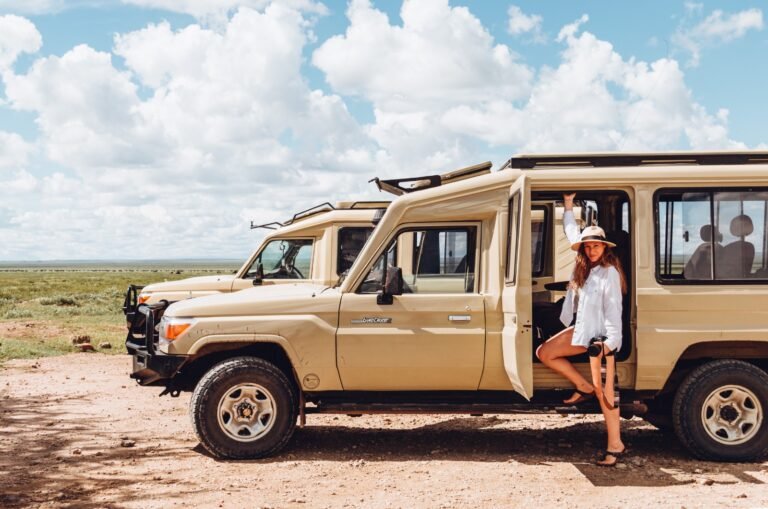
Afcon Private Serengeti Safari With Lodges
AFCON 2027 Private Serengeti Safari with Lodges.
View package detailsAfcon Luxury Serengeti Safari Packages
AFCON 2027 Luxury Serengeti Safari Packages.
View package details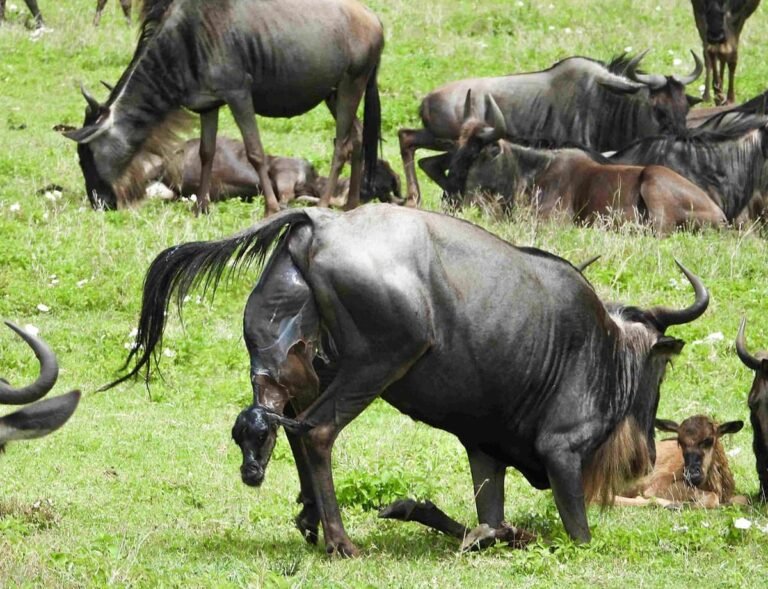
Serengeti Great Migration Safari During AFCON 2027
Mwongozo wa kina kwa safari ya Serengeti Great Migration wakati wa AFCON 2027, ukilenga kuelewa maeneo, kipindi cha mwendo wa mnyama, na mapendekezo ya mipango ya kiutendaji.
View package details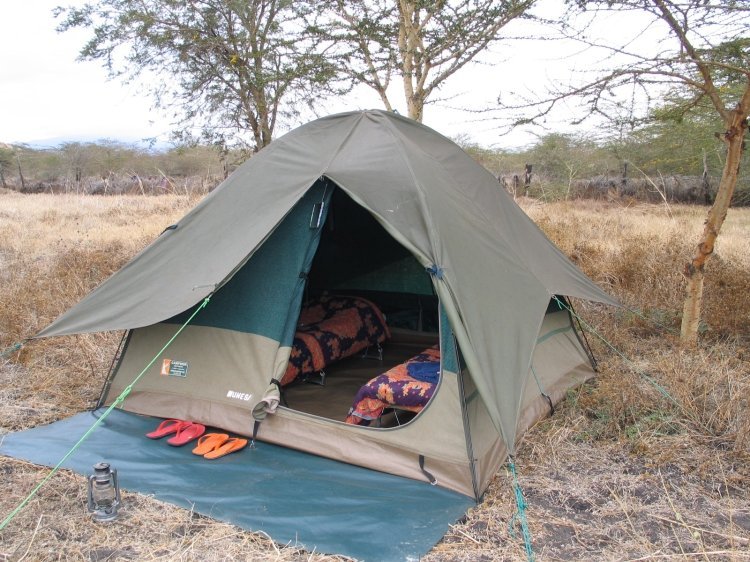
Four Day Serengeti na Ngorongoro Safari During AFCON 2027
Mwongozo wa safari ya siku 4 kwenye Serengeti na Ngorongoro wakati AFCON 2027; jinsi ya kupanga, nini cha kujali, na jinsi ya kuandaa,”
View package detailsNo related package matches those filters. Clear one or more filters to see the other topic-matched options.