For a safari from Zanzibar that expertly combines thrilling game drives with unique river safari experiences, the prime destinations on mainland Tanzania are the Serengeti National Park for its iconic plains and vast wildlife, the Ngorongoro Conservation Area for its dense Big Five population within a caldera, and Nyerere National Park (formerly Selous Game Reserve), which offers exceptional boat safaris on the Rufiji River alongside traditional game drives.
While Zanzibar itself is a tropical paradise, its true magic for wildlife enthusiasts lies in its proximity to the unparalleled safari destinations of mainland Tanzania. Many travelers choose to split their time between the island’s beaches and the country’s world-renowned national parks, creating a truly diverse African adventure. When planning a safari from Zanzibar that specifically includes both classic game drives and the distinct experience of a river safari, you’re looking at a combination that is best achieved by focusing on specific parks that offer these varied ecosystems.
Introduction: Bridging Island Paradise with Wild Mainland Adventures
Zanzibar, with its spice-scented air, historic Stone Town, and turquoise waters, offers a perfect counterpoint to the rugged, wild heart of mainland Tanzania. For travelers seeking an itinerary that marries the relaxation of an island getaway with the thrill of wildlife viewing, a safari excursion is essential. The question of where to go for a safari from Zanzibar that specifically includes both game drives and river safaris leads us to explore the diverse ecosystems of Tanzania’s national parks and game reserves. While many parks excel at one or the other, certain areas offer a compelling blend, and combining different regions within a single safari trip is often the most effective way to experience both facets of Tanzania’s incredible biodiversity. This guide focuses on providing practical advice for selecting and planning such a safari, ensuring you make informed decisions for your 2026 or 2027 adventure.
The Northern Circuit: Serengeti & Ngorongoro – Classic Game Drives with Unique Riverine Pockets
The Northern Circuit, comprising parks like the Serengeti, Ngorongoro, Tarangire, and Lake Manyara, is Tanzania’s most famous safari circuit, renowned for its sheer density of wildlife and dramatic landscapes. While predominantly celebrated for its vast plains and exceptional game drives, pockets within these areas, and adjacent ones, can offer riverine experiences.
Serengeti National Park: The Endless Plains and Their Waterways
The Serengeti is arguably the world’s most famous safari destination, a name synonymous with African wildlife. Its vastness is home to an astonishing array of animals, including the Big Five (lion, leopard, elephant, rhino, buffalo), cheetahs, giraffes, zebras, and countless other species. The park’s ecosystem is most famous for the Great Migration, a spectacular annual event where millions of wildebeest and zebras traverse the plains in search of fresh grazing.
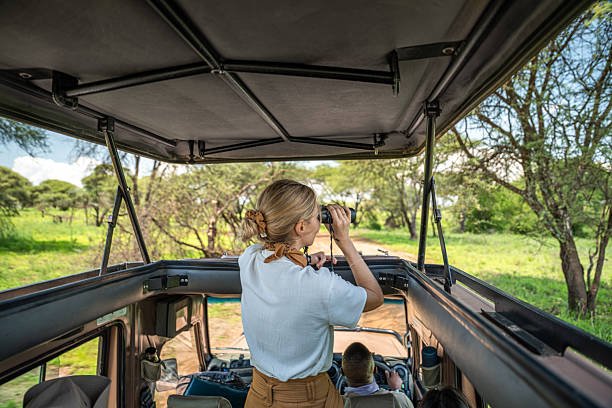
Game Drives: This is where the Serengeti truly shines. Open-sided 4×4 safari vehicles, guided by expert local guides, are the standard. You’ll spend days traversing the different regions of the park – the central Seronera Valley, the northern Lamai Wedge, the western corridor, and the southern plains. Each area offers unique viewing opportunities depending on the season. The sheer scale of the Serengeti means that game drives here are about exploration, anticipation, and patience, often leading to unforgettable encounters.
River Safari Elements: While not a dedicated river safari destination in the same vein as the Rufiji in Nyerere, the Serengeti does have significant rivers, most notably the Grumeti River in the western corridor and the Mara River in the north. During the Great Migration, these rivers become critical crossing points for wildebeest and zebras. Witnessing these crossings from the riverbanks, often with crocodiles and hippos in attendance, is a quintessential riverine wildlife experience. These crossings are most dramatic between May and July (Grumeti) and July to October (Mara). Even outside of migration season, these rivers are vital habitats for hippos, crocodiles, and abundant birdlife, and can be viewed from the banks during game drives. Some lodges situated along these rivers might offer limited opportunities for guided walks near the riverbanks, providing a different perspective than a vehicle.
Trade-offs: The Serengeti is vast, and to experience its full spectrum, including the river crossings, you often need to spend several days and potentially move between camps in different regions. The remoteness means internal flights are common, adding to the cost but saving significant travel time. While riverine wildlife is present, the primary focus remains on land-based game viewing.
Ngorongoro Conservation Area: The Caldera’s Unique Ecosystem
The Ngorongoro Crater, a UNESCO World Heritage Site, is a geological marvel and a wildlife sanctuary. It’s essentially a giant caldera, an ancient volcano that collapsed, creating a self-contained ecosystem teeming with animals. The dense animal population here is legendary, making it one of the best places in Africa to see the Big Five in a single day, including the rare black rhino.
Game Drives: Safaris within the Ngorongoro Crater are conducted via 4×4 vehicles on the crater floor. Due to conservation efforts, vehicles are restricted in number and time spent on the floor, and driving off-road is prohibited. This can sometimes lead to congestion around sightings, but the sheer concentration of animals often makes up for it. The landscape within the crater is diverse, featuring grasslands, swamps, soda lakes, and acacia forests, all supporting a rich variety of wildlife.
River Safari Elements: The Ngorongoro Crater has several permanent water sources, including Lake Magadi (a soda lake) and the Ngoitokitok Springs, which are home to large populations of hippos. While you won’t be on a boat safari *within* the crater itself (vehicle-based safaris are the only option), observing the large hippo pods in these areas from your vehicle offers a glimpse into a riverine environment. The birdlife around these water bodies is also prolific. Beyond the crater, the wider Ngorongoro Conservation Area (NCA) includes the Ndutu region, which is often considered part of the Serengeti ecosystem and is a prime location for the calving season of the Great Migration (December to March). The rivers and seasonal streams in Ndutu are also crucial during this period and can be viewed from vehicles.
Trade-offs: The main limitation for a dedicated river safari experience in Ngorongoro is the restriction to vehicle-based game drives only. Boat trips are not permitted. The crater floor is a relatively small area, and while wildlife is abundant, some travelers find it less wild and more ‘zoo-like’ compared to the vastness of the Serengeti. However, for guaranteed Big Five sightings and a condensed, spectacular wildlife experience, it is unmatched.
Other Northern Circuit Parks with Water Features:
- Tarangire National Park: Famous for its massive elephant herds and iconic baobab trees. During the dry season (June to October), Tarangire River is a vital water source, attracting large numbers of animals. You can observe hippos in the river and along its banks, and the park’s swamps are also teeming with wildlife. While boat safaris aren’t standard, the riverbanks offer excellent viewing opportunities from a vehicle.
- Lake Manyara National Park: Known for its tree-climbing lions and large elephant herds. The park’s ecosystem includes a shallow alkaline lake that attracts thousands of flamingos, pelicans, and other waterbirds. The lake shore and surrounding groundwater forests offer excellent birdwatching and wildlife viewing, including hippos wallowing in the shallows.
Overall for Northern Circuit: The Serengeti and Ngorongoro are exceptional for game drives. While they offer opportunities to see riverine wildlife like hippos and crocodiles from the banks, they are not the primary destinations for a dedicated *boat-based* river safari experience. If your priority is a mix, and you’re willing to combine parks, the Northern Circuit can provide a strong foundation for game drives with supplemental riverine viewing.
Nyerere National Park (Selous): The Ultimate River Safari Experience
For a safari from Zanzibar that truly excels in offering a dedicated river safari experience alongside traditional game drives, Nyerere National Park (formerly the Selous Game Reserve) is the standout choice. Located in southern Tanzania, it’s one of Africa’s largest game reserves and a UNESCO World Heritage Site, offering a different kind of safari adventure compared to the Northern Circuit.
The Rufiji River: The Heart of Nyerere’s Safari
The mighty Rufiji River system, with its network of channels, lakes, and swamps, is the lifeblood of Nyerere National Park. This vast river delta is a haven for wildlife, particularly those that thrive in or around water.
River Safaris: This is Nyerere’s signature experience. Boat safaris on the Rufiji River are a must-do. You’ll board a motorboat (or sometimes a dugout canoe for a more intimate experience) and cruise along the river. These safaris offer an unparalleled perspective on wildlife: immense pods of hippos basking in the water, large crocodiles basking on the banks, elephants coming down to drink and bathe, and a staggering variety of birdlife – kingfishers, fish eagles, herons, storks, and many more. The tranquil pace of a boat safari allows for quiet observation and excellent photographic opportunities. You can often get remarkably close to hippos and crocodiles without disturbing them, a different thrill than the land-based encounters.
Game Drives: While the river is the star, Nyerere also offers excellent traditional game drives in 4×4 vehicles. The park’s landscape is diverse, ranging from Miombo woodlands and acacia forests to open grasslands and the riverine forests along the Rufiji. These drives focus on spotting lions (which are often found in prides in this park), leopards, cheetahs, wild dogs (known as painted wolves, Nyerere is one of the best places to see them), elephants, giraffes, buffaloes, and various antelopes. The park is less crowded than the Northern Circuit, offering a more exclusive and wilder feel. You can explore different sectors of the park, including the more remote areas.
Walking Safaris: Nyerere is one of the few national parks in Tanzania where walking safaris are permitted, offering an even more intimate connection with the bush. Accompanied by an armed ranger, you can learn about tracking animals, identify plants, and experience the sounds and smells of the wilderness up close. This is a fantastic complement to both game drives and boat safaris.
Trade-offs: The primary trade-off for choosing Nyerere for its river safari strength is that it is geographically separate from the Serengeti and Ngorongoro. To combine Nyerere with the Northern Circuit, you would typically need to take a flight, adding time and cost. While Nyerere has excellent wildlife, it does not have the same density or the wildebeest migration spectacle as the Serengeti. However, for a truly in-depth river experience combined with fantastic game drives and walking safaris, it is unparalleled.
Crafting Your Itinerary: Combining Game Drives and River Safaris
The ideal safari from Zanzibar that includes both robust game drives and a dedicated river safari experience often involves combining two distinct regions of Tanzania. This approach leverages the strengths of different parks to create a well-rounded wildlife adventure.
Option 1: The Southern Circuit Star (Nyerere) + A Touch of the North
This is the most direct way to satisfy your request for both game drives and a river safari.
- Days 1-3: Nyerere National Park (Selous). Focus on boat safaris on the Rufiji River, game drives, and perhaps a walking safari. This establishes your river safari component.
- Days 4-6/7: Fly to the Northern Circuit (e.g., Serengeti or Ngorongoro). After experiencing the riverine magic of Nyerere, take a domestic flight from a local airstrip (like Selous/Kiba Airstrip) to the Serengeti or Arusha (gateway to Ngorongoro). Spend your remaining days on intensive game drives in the Serengeti or exploring the Ngorongoro Crater.
Pros: Guarantees an excellent, dedicated river safari experience. Offers diverse landscapes and wildlife viewing styles. The Serengeti provides the iconic migration and vast plains, while Ngorongoro offers dense Big Five viewing.
Cons: Involves internal flights, which increase the overall cost and travel time. Requires more logistical coordination. You’ll need at least 6-7 days to do this justice, ideally more.
Option 2: Northern Circuit Focus with Riverine Highlights
If you prefer to stay within the more accessible Northern Circuit, you can still get a good taste of riverine environments, though it won’t be a dedicated boat safari in the same way as Nyerere.
- Days 1-3: Serengeti National Park. Focus on extensive game drives, aiming to visit areas near the Grumeti or Mara rivers during migration season for potential river crossing viewing.
- Day 4: Ngorongoro Crater. Game drive on the crater floor, observing hippo pools.
- Days 5-6: Tarangire National Park. Spend time exploring Tarangire River and its swamps, observing hippos and other wildlife from the banks.
Pros: Logistically simpler as it stays within one circuit, often requiring only road transfers or short flights between parks. Can be done in a shorter timeframe (e.g., 5-6 days). Offers a classic Tanzanian safari experience.
Cons: Lacks a dedicated boat-based river safari. Riverine experiences are limited to viewing from the banks or observing hippos in lakes/pools. The dramatic river crossings in the Serengeti are seasonal and not guaranteed.
Recommendation for your specific request: For a safari from Zanzibar that truly emphasizes *both* game drives and a river safari, Option 1, combining Nyerere with a Northern Circuit park, is the superior choice. It ensures you get the distinct river safari experience that Nyerere offers, alongside the world-class game drives of the Serengeti or Ngorongoro. This combination provides the most comprehensive answer to your query.
Logistics of a Zanzibar Safari: Travel, Accommodation, and Timing
Planning a safari from Zanzibar requires careful consideration of how you’ll get there, where you’ll stay, and the best time of year to travel for the experiences you desire.
Getting from Zanzibar to the Safari Destinations
The most common and efficient ways to travel from Zanzibar to mainland safari destinations are:
- Scheduled Flights: This is the quickest and most convenient method. Numerous daily flights operate from Zanzibar International Airport (ZNZ) to major safari hubs and airstrips.
- To Northern Circuit: Flights typically go to Kilimanjaro International Airport (JRO), the main gateway for the Northern Circuit. From JRO, you’ll start your safari with road transfers. Alternatively, you can take a flight directly to airstrips within national parks like Seronera (Serengeti) or Manyara Airstrip, saving significant road travel time.
- To Southern Circuit (Nyerere): Flights go from Zanzibar to Julius Nyerere International Airport (DAR) in Dar es Salaam. From DAR, you would then take another flight to an airstrip within Nyerere National Park (e.g., Selous airstrip). Some operators might arrange charter flights directly from Zanzibar, which is more expensive but can be very convenient.
- Ferry + Road Transfer: You can take a ferry from Zanzibar to Dar es Salaam. This is a more budget-friendly option but is significantly more time-consuming and less comfortable than flying. From Dar es Salaam, you would then begin a long road transfer to Nyerere National Park (approximately 5-6 hours) or potentially drive north towards the Arusha region (a very long journey, not recommended for reaching the Northern Circuit directly from Dar after a ferry).
For a safari from Zanzibar that includes both Nyerere and the Northern Circuit, flying is almost essential. The distances are vast, and road travel would consume too much of your precious safari time.
Accommodation Options
Safari accommodation ranges from budget-friendly tented camps to ultra-luxury lodges. The choice significantly impacts your experience and cost.
- Tented Camps: These offer a classic safari feel, ranging from basic canvas tents to luxurious canvas suites with en-suite bathrooms and private verandas. They are often strategically located for excellent wildlife viewing.
- Lodges: Permanent structures, often built with natural materials, offering comfortable rooms, dining areas, and lounges. They can range from rustic to opulent.
- Mobile Camps: In places like the Serengeti, mobile camps follow the Great Migration, offering a dynamic safari experience.
When planning a safari that includes river safaris, look for lodges or camps situated directly on or very near the Rufiji River in Nyerere National Park. For the Northern Circuit, lodges and camps are spread across different regions to maximize wildlife viewing opportunities.
Best Time to Travel (2026-2027)
The ‘best’ time depends on what you want to see:
- For River Safaris (Nyerere): The dry season (June to October) is generally best. The Rufiji River levels are lower, concentrating wildlife along its banks and making boat safaris highly productive. The vegetation is also less dense, improving game viewing on land.
- For Game Drives (Serengeti/Ngorongoro):
- Great Migration: The timing of the migration is crucial for seeing river crossings (July-October in the Mara River) or the calving season (December-March in Ndutu/Southern Serengeti). Outside of these specific events, wildlife is present year-round in both parks, with the dry season (June-October) generally offering the easiest game viewing as animals congregate around water sources.
- Ngorongoro: Wildlife is resident year-round, making it a consistent viewing destination.
- Combining Destinations: If you aim for both Nyerere’s river safari and the Serengeti’s migration river crossings, targeting July to October is ideal. This period offers good conditions in Nyerere and the peak of the migration in the northern Serengeti.
- Shoulder Seasons (April-May, November): These can offer lower prices and fewer crowds, but include rainy periods that can make some areas inaccessible and dilute wildlife viewing.
For 2026 and 2027 safaris, it’s advisable to book well in advance, especially for peak seasons like July-September and December-February.
Planning Your 2026-2027 Safari from Zanzibar
A well-planned safari from Zanzibar that includes both game drives and river safaris requires attention to detail. Here’s a breakdown of key planning steps for your 2026 or 2027 trip.
Defining Your Priorities and Budget
Before diving into specific itineraries, clarify what’s most important:
- Emphasis: Is the river safari the absolute priority, or is it an equal split with game drives? This will guide your choice between prioritizing Nyerere or a more balanced Northern Circuit approach.
- Wildlife Focus: Are you hoping to witness the Great Migration, see specific animals like wild dogs, or simply experience a diverse range of species?
- Comfort Level: Are you looking for rustic bush camps, comfortable mid-range lodges, or luxurious accommodations?
- Budget: Safaris are a significant investment. Internal flights, park fees, accommodation, and guiding all contribute. A combined safari like the one you’re envisioning will generally be at the mid to higher end of the safari budget spectrum. For 2026-2027, expect prices to reflect current trends in tourism and operational costs.
Choosing Your Itinerary Structure
As discussed, the most effective way to get both a dedicated river safari and excellent game drives is often a split itinerary:
Sample Itinerary Outline (10 Days / 9 Nights)
- Days 1-4: Nyerere National Park (Southern Circuit). Arrive by flight from Zanzibar. Focus on boat safaris on the Rufiji River, 4×4 game drives, and potentially a walking safari. Accommodation in a lodge or tented camp near the Rufiji.
- Day 5: Travel Day. Morning activity in Nyerere, then fly from a local airstrip to Kilimanjaro International Airport (JRO) or directly to a Serengeti airstrip. Transfer to your Northern Circuit accommodation.
- Days 6-9: Serengeti National Park (Northern Circuit). Full days of game drives exploring different regions of the Serengeti, with a focus on areas that offer riverine wildlife viewing opportunities if the season is right. Accommodation in a lodge or mobile camp.
- Day 10: Departure. Morning game drive in Serengeti, fly to Kilimanjaro (JRO) for your international departure or back to Zanzibar.
This structure provides approximately 4 days dedicated to the river safari experience and 5 days focused on classic game drives, offering a rich and varied safari.
Booking Window and Availability for 2026-2027
Tanzania’s safari season is popular year-round, but specific periods book up exceptionally fast:
- Peak Season (June-October, December-February): For these months, especially if you wish to see the Great Migration river crossings (July-October) or experience the dry season’s best game viewing, you should aim to book at least 9-12 months in advance. This is particularly true for 2026 and 2027, as demand continues to grow.
- Shoulder/Low Season (March-May, November): These periods offer more flexibility and potentially better rates, but some lodges may have reduced services or be closed during the heaviest rains (April-May).
Securing your preferred accommodation and internal flight seats for 2026-2027 is critical if you want specific lodges or camps, or if you’re traveling during peak migration times.
What to Pack for Your Combined Safari
Packing for a Tanzanian safari requires practical considerations for both the bush and island climates:
- Clothing: Neutral-colored, lightweight clothing (khaki, olive green, beige) is best. Avoid bright colors that can startle animals. Include long-sleeved shirts and trousers for sun and insect protection, especially in the evenings. A fleece or warm jacket is essential for cool early mornings and evenings, even in warmer months.
- Footwear: Comfortable closed-toe walking shoes or hiking boots are necessary for walking safaris and exploring camps. Sandals or flip-flops are suitable for relaxing at lodges.
- Sun Protection: A wide-brimmed hat, sunglasses, and high SPF sunscreen are vital.
- Insect Repellent: Especially important for evenings and areas near water.
- Camera Gear: Binoculars are a must for spotting distant wildlife. A good camera with a zoom lens will enhance your photographic experience. Extra batteries and memory cards are essential.
- Personal Items: Small backpack for day trips, reusable water bottle, basic first-aid kit, any personal medications.
What to Expect During Your Safari: Game Drives vs. River Safaris
Understanding the distinct nature of game drives and river safaris will help set your expectations and maximize your enjoyment.
Game Drives: The Quintessential Safari Experience
The Experience: Game drives are conducted in specially adapted 4×4 safari vehicles, typically with pop-up roofs or open sides for unobstructed viewing and photography. Your experienced guide is key, using their knowledge of animal behavior, tracks, and habitats to find wildlife. Drives can last from a few hours to a full day, often with a packed lunch enjoyed in a scenic spot.
What You’ll See: You’ll encounter a vast array of terrestrial animals, from large herds of elephants and buffalos to elusive predators like lions, leopards, and cheetahs. You’ll witness their daily routines – hunting, grazing, playing, and interacting. The thrill comes from the chase, the unexpected sightings, and the sheer abundance of life.
Pace: Game drives can be slow and patient as you wait for an animal to reveal itself, or dynamic as you follow a promising track. There’s a sense of adventure and discovery as you traverse different landscapes.
River Safaris: A Different Perspective on Wildlife
The Experience: River safaris are typically conducted on boats, ranging from small motorboats to larger vessels. In Nyerere, the Rufiji River system provides the stage. You’ll glide along the water, offering a unique vantage point that is often quieter and more intimate than a vehicle-based safari.
What You’ll See: The focus shifts to aquatic and semi-aquatic life. Expect to see enormous pods of hippos, often with their young, wallowing in the water. Crocodiles are frequently seen basking on the riverbanks. Elephants often come down to the river to drink, bathe, and cool off, and you might witness them crossing shallow sections. Birdlife is spectacular, with species like African Fish Eagles, kingfishers, herons, and various waterbirds being common. The vegetation along riverbanks is also lush, attracting other animals to feed.
Pace: River safaris are generally more relaxed and tranquil. The gentle movement of the boat and the sounds of the water and wildlife create a serene atmosphere. It’s an excellent opportunity for photography without the jolting of a vehicle.
Key Differences and Synergies
- Perspective: Game drives offer a ground-level view, while river safaris provide a water-level perspective.
- Wildlife Focus: Game drives are for terrestrial animals, river safaris excel with water-dependent species and birds.
- Sensory Experience: Game drives are about the dust, the sounds of the bush, and the thrill of tracking. River safaris are about the gentle lapping of water, the calls of birds, and the sense of peaceful immersion.
- Synergy: Combining both allows you to see a much wider spectrum of Tanzania’s wildlife and ecosystems. For example, you might see lions hunting on a game drive and then see hippos and crocodiles on a boat safari, providing a complete picture of the predator-prey dynamics and habitat diversity.
When planning your safari from Zanzibar, ensuring your itinerary includes dedicated time for both activities will provide the most fulfilling wildlife experience.
Booking Your Safari from Zanzibar: Key Considerations
Booking a safari is a significant undertaking, and it’s wise to approach it with clear information and trusted partners. For a safari from Zanzibar that includes both game drives and river safaris, here’s what to consider:
Choosing a Reputable Tour Operator
Working with an experienced tour operator is crucial. They handle all the complex logistics, from flights and transfers to accommodation and park permits. Look for operators with:
- Local Expertise: Companies based in Tanzania or with deep operational knowledge of the country understand the nuances of the parks, the best times to visit, and reliable local guides.
- Specialization: Operators who specialize in Tanzanian safaris are more likely to have itineraries that perfectly match your requirements, such as combining Nyerere’s river safaris with Northern Circuit game drives.
- Transparency: Clear communication about what’s included and excluded in your safari package is essential.
- Reviews and Reputation: Check independent review sites and ask for references if possible.
For a tailored safari experience from Zanzibar that includes both game drives and river safaris, consider contacting Climb 4 Africa. As a local expert in Tanzanian travel, they can help craft an itinerary that perfectly balances your interests, whether you prioritize the unique river safaris of Nyerere or wish to explore the classic game viewing of the Serengeti and Ngorongoro.
Understanding Inclusions and Exclusions
A typical safari package from Zanzibar will usually include:
- Airport/hotel transfers in Zanzibar and on the mainland.
- Internal flights (if applicable and part of the package).
- Accommodation at safari lodges/camps.
- All meals while on safari (often full board).
- Park entrance fees.
- Game drives in a 4×4 vehicle with a professional guide.
- Boat safari fees (where applicable, like in Nyerere).
- Drinking water during game drives.
Common Exclusions:
- International flights to and from Tanzania.
- Visa fees.
- Travel insurance (essential!).
- Gratuities for guides and camp staff.
- Beverages (alcoholic and some soft drinks) unless specified.
- Optional activities not listed in the itinerary.
- Personal expenses.
Always confirm these details with your tour operator before booking.
Confirming Details for 2026-2027 Travel
When planning for 2026 and 2027, pay close attention to:
- Park Fee Changes: National park fees can change annually. Ensure your quote reflects the latest fees for 2026-2027.
- Accommodation Availability: Popular lodges and camps, especially those in prime locations for wildlife viewing or with unique offerings like river access, book up months, even years, in advance for peak seasons.
- Flight Schedules: Internal flight schedules can be subject to change. Your operator should manage these bookings efficiently.
- Visa Requirements: Check the latest visa regulations for Tanzania for your nationality well in advance of your travel dates.
Making the Booking Decision
Once you have a clear itinerary, understand the inclusions, and are comfortable with the operator, it’s time to confirm. A reputable operator will provide a detailed quote and booking terms and conditions. For a smooth and expertly managed safari that combines the best of game drives and river safaris from Zanzibar for your 2026 or 2027 adventure, reaching out to a specialist is the best next step. Discuss your specific desires for game drives and river safaris, your preferred travel dates, and your budget expectations. This detailed consultation will allow them to propose the most suitable itinerary and provide an accurate quotation.
To discuss your ideal safari from Zanzibar, including game drives and river safaris for 2026-2027, please feel free to contact Climb 4 Africa. You can reach them via WhatsApp at +255 747 477 898 or by emailing climb4africa@gmail.com. They are well-equipped to help you plan a memorable and tailor-made Tanzanian safari experience.
Check Availability for Zanzibar Safari: Game Drives & River Safaris – Where To Go From The Island
Ready to compare dates, prices, and the best option for your group? Send the package name and travel month so the team can reply with a clear quote, availability, and what is included.
Afcon Football Safari And Zanzibar Holiday: Expert Planning Guide
A guide to combining the AFCON 2027 football tournament with a Tanzanian safari and Zanzibar beach holiday, focusing on logistics, timing, and travel planning.
View package detailsAfcon Honeymoon Safari And Zanzibar Package: Expert Planning Guide
A detailed guide for couples planning a Tanzania trip during the 2027 AFCON tournament, focusing on logistics, safari privacy, and Zanzibar beach selection.
View package detailsTen Day Afcon Tanzania Safari And Zanzibar Holiday: Planning Guide
Planning a ten-day trip for AFCON 2027? This guide covers the ideal itinerary, logistics for combining a Northern Circuit safari with a Zanzibar beach holiday, and how to manage your travel...
View package detailsSeven Day Afcon Safari And Zanzibar Package
Seven Day AFCON Safari and Zanzibar Package.
View package detailsAfcon Kilimanjaro Safari And Zanzibar Package: Expert Planning Guide
A comprehensive guide to coordinating your AFCON 2027 travel, including Kilimanjaro trekking, Northern Circuit safaris, and Zanzibar relaxation, with expert logistical advice.
View package detailsI Am Staying In Zanzibar—Can I Join A Mainland Safari Group?
A practical guide for travelers staying in Zanzibar who want to add a group safari to their itinerary, covering logistics, regional differences, and planning tips.
View package detailsCan I Book A One Day Safari From Zanzibar In Dec ?
Can I Book a One Day Safari from Zanzibar in Dec 2026?
View package details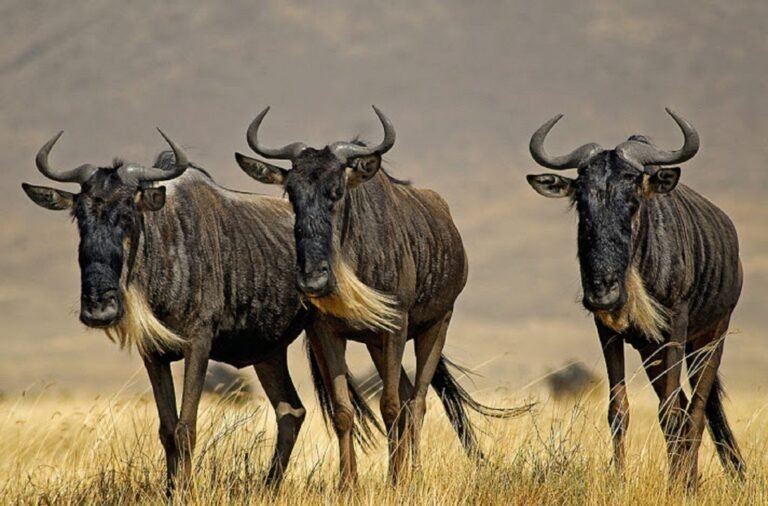
Nov 23, – 3 Day Serengeti And Ngorongoro Safari From Zanzibar
Nov 23, 2026 – 3 Day Serengeti and Ngorongoro Safari from Zanzibar.
View package details_1_John_from-rednote-web-768x1024.jpg)
Dec 13, – 2 Day Nyerere Fly-In Group Safari From Zanzibar 2026
A detailed guide to the December 13, 2026 group fly-in safari from Zanzibar to Nyerere National Park, covering the itinerary, logistics, and planning for your trip.
View package details
Dec 5, – 1 Day Mikumi Fly-In Group Safari From Zanzibar 2026
A practical guide to the December 5, 2026, group fly-in safari to Mikumi National Park. Learn about the itinerary, group logistics, and how to book your seat.
View package details
Nov 15, – 2 Day Mikumi Fly-In Group Safari From Zanzibar 2026
A practical guide and booking overview for the November 15, 2026, group fly-in safari to Mikumi National Park, departing from Zanzibar.
View package details
Oct 25, – 1 Day Nyerere Fly-In Group Safari From Zanzibar 2026
Secure your spot for the October 25, 2026, group fly-in safari to Nyerere National Park. A professional, time-efficient wildlife experience from Zanzibar.
View package detailsNo related package matches those filters. Clear one or more filters to see the other topic-matched options.