For families travelling with a 6-year-old to the Serengeti, avoiding excessively long, unstructured drives is generally a wise consideration. Opting for shorter, more frequent game drives, incorporating frequent stops, and choosing accommodations closer to wildlife hotspots can significantly enhance the experience for young children, making the safari more enjoyable and less tiring. This doesn’t mean you have to miss out on wildlife; it’s about adapting the safari pace and structure to suit younger travelers, ensuring comfort and engagement throughout your 2026 or 2027 adventure.

Understanding the Serengeti Drive for Young Children
The Serengeti National Park is vast, and its wildlife is spread across this immense landscape. Traditional safari itineraries often involve long drives to cover different regions, search for specific animals, or reach distant migration herds. For adults, this can be an exciting part of the adventure, a chance to soak in the changing scenery and anticipate the next wildlife sighting. However, for a 6-year-old, these extended periods in a vehicle can become monotonous, uncomfortable, or even overwhelming. The key to a successful Serengeti safari with a young child isn’t necessarily to avoid drives altogether, but to manage their length and structure them to maintain engagement and comfort.
Consider the realities for a 6-year-old: their attention spans are shorter, their bladders need more frequent emptying, and their need for physical activity is higher than that of an adult. A six-hour continuous drive, even with incredible sightings, can lead to restlessness, boredom, and a negative association with the safari experience. This is why focusing on the ‘how’ and ‘when’ of drives, rather than a blanket avoidance, is crucial for planning your 2026-2027 family safari.
The Appeal of the Serengeti: What to Expect
The Serengeti is synonymous with iconic African wildlife. From the Great Migration, where millions of wildebeest and zebras traverse the plains, to resident populations of lions, elephants, leopards, cheetahs, giraffes, and countless other species, the opportunities for viewing are unparalleled. The sheer scale of the park means that wildlife viewing often involves covering ground. Drives can range from a couple of hours in a concentrated area to full-day excursions covering significant distances, especially when following the migration or seeking out elusive predators.
For many, the thrill lies in the unpredictable nature of a safari drive. You might spend hours searching for a particular animal, only to be rewarded with an incredible sighting. Or, you might stumble upon a pride of lions feasting or a cheetah on the hunt just minutes from your lodge. This element of surprise is what makes safaris so interesting, but it also means that drive times can fluctuate significantly based on animal movements and guide expertise.
What Constitutes a ‘Long’ Serengeti Drive for a Child?
A ‘long’ drive is subjective, but for a 6-year-old, anything exceeding 2-3 hours without significant breaks or changes in scenery can start to feel lengthy. This includes the time spent driving to and from game viewing areas, not just the time actively searching for animals. Factors that contribute to a drive feeling ‘long’ include:
- Duration: The sheer amount of time spent in the vehicle.
- Pace: Slow, bumpy rides over rough terrain can be tiring.
- Lack of Stimulation: If there are no wildlife sightings for extended periods, a child’s interest will wane quickly.
- Physical Discomfort: Being confined to a seat, especially in warm weather, can be challenging.
- Lack of Breaks: Not having opportunities to stretch legs, have a snack, or use facilities.
It’s important to distinguish between a planned, engaging drive and an endurance test. A 3-hour drive that yields multiple exciting sightings and includes a picnic stop is very different from a 3-hour drive spent bumping along empty tracks. For your 2026 or 2027 trip, planning with these considerations in mind is paramount.
Strategies for Enjoyable Serengeti Drives with a 6-Year-Old
Instead of avoiding drives, the focus should be on making them work for your family. This involves careful planning, communication with your tour operator, and setting realistic expectations. The goal is to create a positive, memorable experience for your child, not a chore.
Shorter, More Frequent Game Drives
This is perhaps the most effective strategy. Instead of one long, all-day game drive, break it down into multiple shorter excursions. For example:
- Morning Drive: A 2-3 hour drive after breakfast, returning to the lodge for lunch and downtime.
- Late Afternoon Drive: Another 2-3 hour drive before sunset.
This structure allows for plenty of wildlife viewing while ensuring that your child has breaks to rest, play, and eat in a more relaxed environment. It also aligns with peak wildlife activity times – early mornings and late afternoons.
Choosing the Right Accommodation Location
The location of your lodge or camp can significantly impact drive times. Staying in central areas like Seronera often means good year-round wildlife viewing, but you might still have to drive to reach specific hotspots. If you’re visiting during a particular migration phase, consider accommodations closer to the expected migration routes. This minimizes travel time to the action. For example, if the migration is in the Western Corridor in 2026, choosing a camp in that area would be ideal.
Considerations for accommodation choice with children:
- Proximity to wildlife: Camps situated within prime viewing areas mean shorter drives to see animals.
- Family-friendly facilities: Lodges with pools, play areas, or dedicated family rooms can provide essential downtime.
- All-inclusive options: Can simplify meal times and ensure snacks are readily available.
Incorporating Breaks and Picnics
Every safari drive should include opportunities for breaks. This could be a dedicated picnic lunch at a scenic spot, a stop at a designated rest area, or simply pulling over to let your child stretch their legs and have a snack. Many tour operators can arrange for delightful picnic lunches to be served in the bush, offering a unique experience for children.
Tips for breaks:
- Pack ample snacks and drinks: Even if a picnic is provided, having familiar favorites can be a lifesaver.
- Bring a small blanket or mat: For impromptu picnics on the ground.
- Identify rest stops: Your guide will know of safe places to stop.
Engaging Your Child During Drives
To combat boredom, make the drives interactive. Equip your child with binoculars, a simple wildlife checklist, or a sketchbook. Your guide can be an invaluable resource, pointing out animals and explaining their behaviour in a child-friendly way. Turn it into a game: ‘Who can spot the first giraffe?’ or ‘Let’s count the zebras!’
Activities to keep kids engaged:
- Binoculars: A must-have for little explorers.
- Wildlife spotting games: ‘I Spy’ with animals, colours, or shapes.
- Sketchpads and crayons: To draw what they see.
- Age-appropriate guidebooks: Simple animal identification books.
- Storytelling: Encourage them to make up stories about the animals.
The Role of the Safari Vehicle and Guide
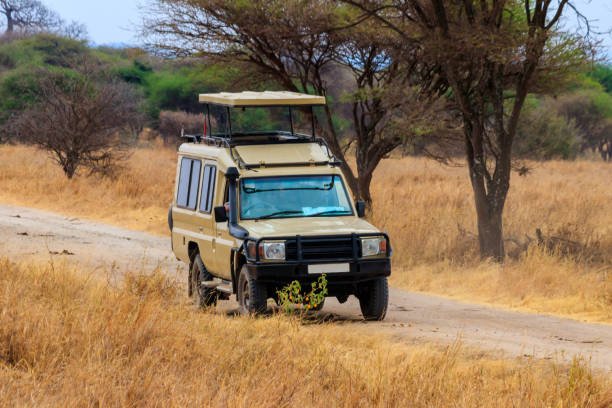
The type of safari vehicle used and the skill of your guide are critical. A pop-top 4×4 vehicle offers better visibility and ventilation than a standard SUV. Guides who are experienced with children can tailor the drive, point out interesting details, and manage the pace effectively. They understand the need for flexibility, knowing when to stop for a photo, when to be quiet for a sighting, and when a child might need a break.
What to look for in a vehicle and guide:
- Pop-top roof: Essential for game viewing and photography.
- Comfortable seating: Enough space for everyone.
- Experienced child-friendly guide: Crucial for managing the safari experience.
- Flexibility: A guide willing to adapt the itinerary.
Alternatives to Long, Traditional Drives
While the Serengeti is renowned for its driving safaris, other experiences can complement or offer alternatives, especially for younger travelers. These might be integrated into a broader Tanzania safari itinerary for 2026 or 2027.
Walking Safaris (with restrictions)
While full-blown walking safaris in the Serengeti itself are typically restricted to adults and often in specific concessions, some areas might offer guided bush walks in buffer zones or conservancies. These are usually very short and focus on smaller details like insects, tracks, and plants, rather than big game. Always check age restrictions; 6-year-olds are unlikely to participate in standard walking safaris.
Cultural Visits and Local Interactions
Integrating visits to local Maasai villages or community projects can break up the safari experience. These interactions offer a different kind of learning and engagement for children, providing a cultural dimension to the trip. Ensure these are respectful and genuinely beneficial to the community.
Bush Breakfasts and Sundowners
These special activities can be highlights for children. A bush breakfast served at sunrise or a sundowner with snacks in the late afternoon, often in a scenic location away from the vehicle, provides a change of pace and a memorable experience. These are usually shorter, more focused events.
Hot Air Balloon Safaris (with age considerations)
While a spectacular experience, hot air balloon safaris often have minimum age requirements (typically 6 or 7 years old, but this varies by operator and can be dependent on the child’s maturity). If your child meets the age and is comfortable with heights and early mornings, this offers a unique aerial perspective of the Serengeti, often followed by a champagne breakfast in the bush. It’s a one-off, longer activity that replaces a morning drive.
Short Excursions from Central Areas
If staying in a central Serengeti lodge, focus on exploring the immediate surroundings. Seronera Valley is known for its resident predators and offers excellent viewing opportunities within a relatively compact area. This allows for shorter, productive drives.
Planning Your Serengeti Safari with a 6-Year-Old in 2026-2027
Successful family safaris, especially with younger children, hinge on meticulous planning. Engage with your tour operator early to discuss your specific needs and concerns. For 2026 or 2027 travel, booking in advance is essential, particularly if you have specific accommodation or vehicle preferences.
Choosing the Right Tour Operator
When selecting a tour operator for your Serengeti adventure with a 6-year-old, look for companies with demonstrable experience in family safaris. They should:
- Offer customizable itineraries: Can they tailor drives to your child’s needs?
- Provide child-friendly guides: Do they have guides experienced with younger travelers?
- Have a suitable fleet of vehicles: Do they use pop-top 4x4s?
- Offer family-specific accommodations: Do they know lodges with family rooms or activities?
- Be responsive to queries: Do they answer your questions clearly and promptly?
Climb 4 Africa specializes in creating bespoke Tanzania safari experiences, including those designed for families. We understand the nuances of traveling with children and can help craft an itinerary that balances wildlife viewing with comfort and engagement. Feel free to reach out to us with your specific requirements for your 2026 or 2027 trip.
Packing Essentials for Young Safari-Goers
Proper packing can make a significant difference to a child’s comfort and enjoyment. Beyond standard safari attire, consider these items:
- Comfortable clothing: Light, breathable fabrics in neutral colours. Layers are essential for temperature changes.
- Sun protection: Wide-brimmed hats, high SPF sunscreen, sunglasses.
- Insect repellent: Child-safe options.
- Medications: Any personal prescriptions, plus a basic first-aid kit.
- Entertainment: Books, drawing supplies, small travel games.
- Snacks: Familiar and energy-boosting options.
- Reusable water bottles: To stay hydrated.
- Binoculars: Kid-sized ones are ideal.
- Comfort item: A favourite stuffed animal or blanket for bedtime.
Health and Safety Considerations
Consult your doctor or a travel clinic well in advance of your 2026-2027 trip regarding vaccinations and malaria prophylaxis for children. Ensure your tour operator has robust safety protocols, including first-aid trained guides and communication equipment. Always follow your guide’s instructions regarding wildlife safety and vehicle etiquette.
Key health and safety points:
- Medical advice: Seek professional guidance on health precautions.
- First-aid: Ensure your guide is equipped and trained.
- Wildlife proximity: Never approach animals; maintain a safe distance.
- Vehicle rules: Keep hands and heads inside the vehicle at all times when moving.
Setting Expectations with Your Child
Talk to your 6-year-old about what they can expect. Show them pictures and videos of animals. Explain that safaris involve a lot of waiting and driving, but also incredible moments of discovery. Frame it as an adventure and a chance to see amazing creatures in their natural home. Managing their expectations will help prevent disappointment and foster a positive attitude.
The Trade-offs: When Might Longer Drives Be Necessary?
While the advice leans towards shorter drives, there are scenarios where longer excursions might be unavoidable or even beneficial, provided they are managed correctly.
Following the Great Migration
If your 2026 or 2027 safari coincides with the Great Migration, especially river crossings (which typically happen around July-October in the Western Corridor or Grumeti, and November-December in the North/Mara River), you might need to undertake longer drives to reach the spectacle. These events are often unpredictable and can require significant travel time to position yourself correctly. In such cases, the reward of witnessing thousands of animals crossing a river might justify a longer day, but this should be planned with ample breaks and child-friendly pacing.
Reaching Specific Wildlife Hotspots
Certain areas of the Serengeti are renowned for specific wildlife. For instance, the Gol Kopjes are famous for cheetahs and lions. Reaching these might involve a longer drive from your lodge. Again, the key is how this drive is structured. A longer drive broken into segments, with stops for meals and stretching, is manageable. A continuous, arduous journey is not.
The Benefit of a Full-Day Drive (with caveats)
A full-day drive, often including a picnic lunch, can sometimes allow you to cover more ground and explore diverse habitats, increasing the chances of varied sightings. If your child is particularly interested in wildlife and can handle longer periods of engagement, this might be an option. However, this requires careful planning:
- Ensure frequent stops: At least every 1-2 hours for stretching.
- Pack plenty of entertainment: Books, games, drawing materials.
- Have a comfortable vehicle: With good suspension and ample space.
- Communicate with your guide: Let them know if your child is getting restless.
Ultimately, the decision to undertake a longer drive with a 6-year-old depends on their individual temperament, the specific itinerary, and the flexibility of your tour operator. It’s a trade-off between potentially seeing more or reaching further afield versus ensuring your child’s comfort and enjoyment.
When to Travel: Best Times for Family Safaris in the Serengeti
The Serengeti is a year-round destination, but certain times offer advantages for families with young children, especially concerning drive times and overall experience.
- Dry Season (June to October): Wildlife congregates around water sources, making sightings more predictable and often closer. This means potentially shorter drives to find animals. However, it’s also peak season, so booking well in advance for 2026 or 2027 is crucial. Temperatures are pleasant, but mornings can be cool.
- Green Season (November to May): This period sees fewer crowds, lower prices, and spectacular scenery with lush vegetation. However, wildlife can be more dispersed, potentially requiring longer drives to locate them. The calving season (December to March) in the southern Serengeti is a highlight, with abundant predator action. This time can be very hot and humid, and rain can affect road conditions, making drives bumpy and potentially longer.
For families with young children, the dry season might offer a slight edge due to wildlife concentration, potentially reducing the need for exhaustive searches. However, the Green Season’s fewer crowds can also be a significant benefit, allowing for a more relaxed pace.
Making the Booking Decision for Your 2026-2027 Safari
Deciding on the right safari for your family involves weighing various factors. When considering a Serengeti safari with a 6-year-old, the primary concern revolves around managing the driving experience. The consensus is that while avoiding all long drives is impractical, structuring them intelligently is key.
Key considerations for your booking decision:
- Child’s temperament: Is your child generally patient and adaptable, or do they get restless easily?
- Itinerary flexibility: Can the tour operator customize drives?
- Accommodation location: Does it minimize travel time to key wildlife areas?
- Vehicle choice: Is it comfortable and suitable for game viewing?
- Guide experience: Are they skilled at engaging children?
The most successful family safaris are those where the pace is adjusted to suit the youngest members. This means prioritizing shorter, more frequent drives, incorporating plenty of breaks, and ensuring that every moment in the vehicle is as engaging as possible. It’s about quality over quantity when it comes to time spent on the road.
Why Partner with Climb 4 Africa for Your Family Safari?
At Climb 4 Africa, we pride ourselves on crafting tailor-made African travel experiences that cater to the unique needs of every traveler, including families with young children. We understand that a Serengeti safari with a 6-year-old requires a different approach than one for adults only. Our expert team can help you:
- Design a child-centric itinerary: We’ll plan shorter game drives, identify family-friendly lodges, and suggest activities that keep young ones entertained and comfortable.
- Select the right safari vehicle: We use well-maintained 4×4 safari vehicles with pop-up roofs, ensuring excellent visibility and comfort.
- Assign experienced, child-friendly guides: Our guides are not only knowledgeable about wildlife but also adept at engaging children and managing the safari pace accordingly.
- Provide practical advice: From packing lists to health precautions, we offer comprehensive guidance to ensure your trip runs smoothly.
We believe that a Serengeti safari can be an unforgettable adventure for the entire family, even with young children. By focusing on comfort, engagement, and flexibility, we can help you avoid the potential pitfalls of long, tiring drives and create lasting memories. For your 2026 or 2027 family safari, let us help you plan an experience that is both thrilling and perfectly suited to your 6-year-old.
To start planning your bespoke Serengeti safari or to discuss your family’s specific needs, please do not hesitate to contact us. We are here to help you craft the perfect African adventure. You can reach us via WhatsApp at +255 747 477 898 or send an email to climb4africa@gmail.com. Let’s make your 2026-2027 family safari dreams a reality.
Check Availability for Travelling With A 6-Year-Old: Should You Avoid Long Serengeti Drives?
Ready to compare dates, prices, and the best option for your group? Send the package name and travel month so the team can reply with a clear quote, availability, and what is included.
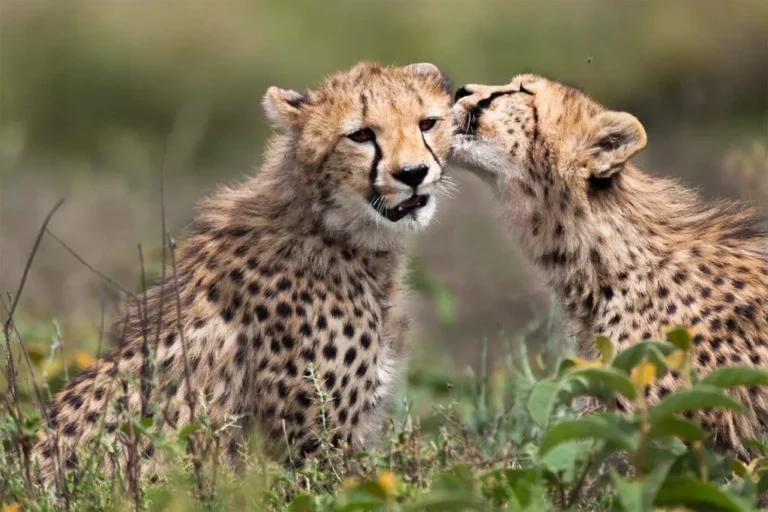
Dec 31, : New Year’s Eve Serengeti Group Safari Planning Guide
This guide provides essential planning details for a group safari trip to the Serengeti for New Year's Eve 2026, covering logistics, seasonal highlights, and what to expect.
View package details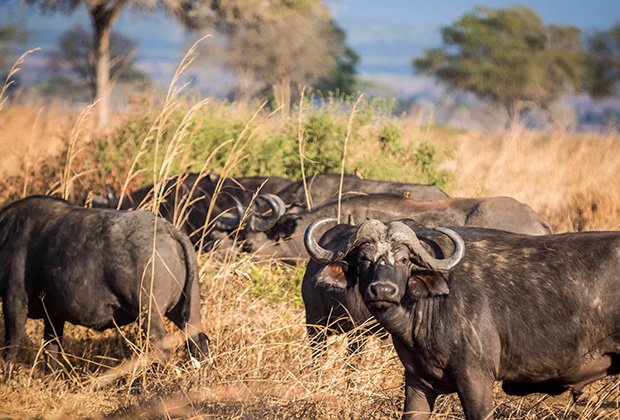
Dec 24, – 3 Day Christmas Serengeti And Ngorongoro Group Safari
Dec 24, 2026 – 3 Day Christmas Serengeti and Ngorongoro Group Safari.
View package details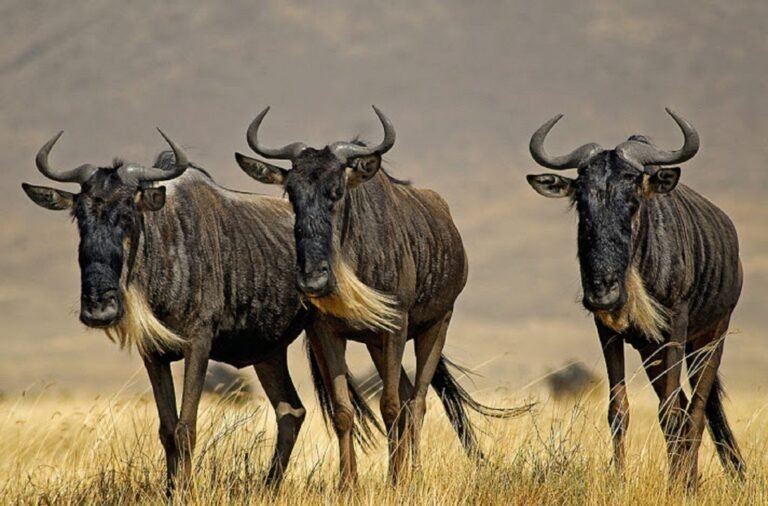
Nov 23, – 3 Day Serengeti And Ngorongoro Safari From Zanzibar
Nov 23, 2026 – 3 Day Serengeti and Ngorongoro Safari from Zanzibar.
View package details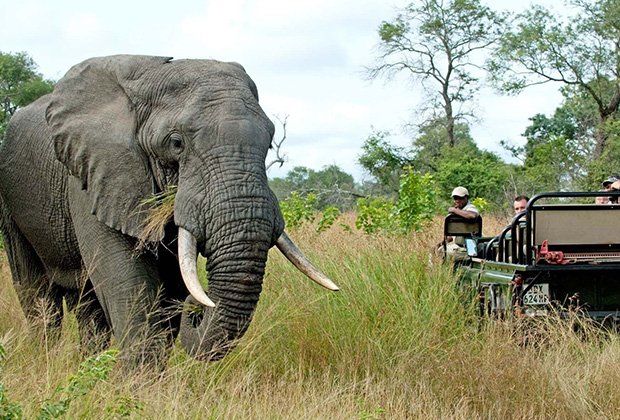
I Am On A Budget—What Is The Cheapest Serengeti Group Safari?
I Am on a Budget—What Is the Cheapest Serengeti Group Safari?
View package details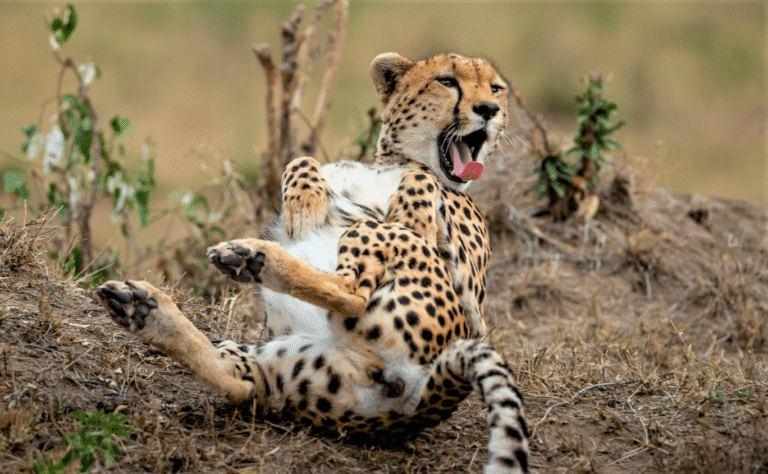
Dec 29, – 6 Day Ndutu, Serengeti And Ngorongoro Group Safari 2026
A detailed guide to our 6-day group safari departure on December 29, 2026, focusing on the Ndutu plains, the Serengeti, and the Ngorongoro Crater.
View package details8 Day Serengeti And Ngorongoro Group Safari – December 16, 2026
Planning your December 2026 Tanzanian adventure? Our 8-day group safari offers a deep, unhurried exploration of the Serengeti and Ngorongoro Crater.
View package detailsDec 12, – 6 Day Serengeti, Ngorongoro, Tarangire And Manyara Group Safari 2026
Dec 12, 2026 – 6 Day Serengeti, Ngorongoro, Tarangire and Manyara Group Safari.
View package detailsDec 8, – 4 Day Tarangire, Serengeti And Ngorongoro Group Safari 2026
A detailed guide to our December 8, 2026 group joining safari, covering the itinerary, logistics, and what to expect during this 4-day wildlife adventure in Tanzania.
View package detailsNov 28, – 3 Day Fly-In Serengeti Group Safari From Zanzibar 2026
A detailed look at the 3-day fly-in Serengeti group safari departing November 28, 2026, including logistics, itinerary highlights, and travel tips for your Tanzania adventure.
View package details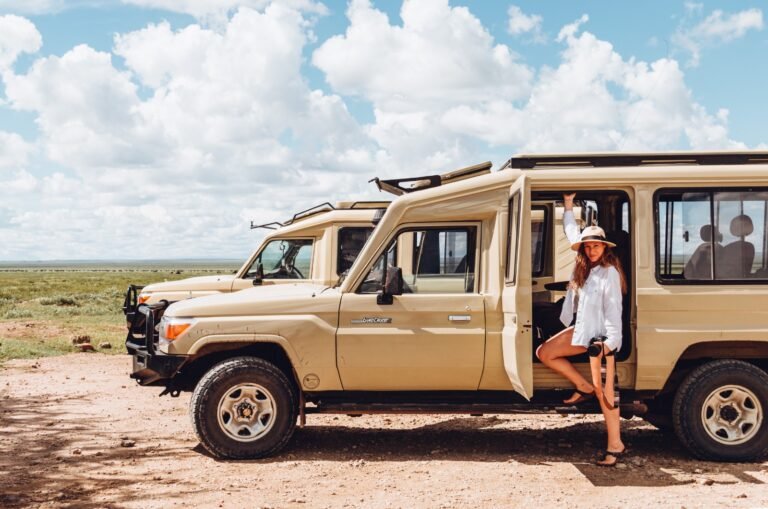
Nov 6, – 3 Day Serengeti And Ngorongoro Budget Group Safari 2026
A detailed look at our November 6, 2026 group departure for a 3-day Serengeti and Ngorongoro safari, including planning tips and route logistics.
View package detailsOct 27, – 3 Day Serengeti And Ngorongoro Group Safari 2026
Planning for a short, high-impact wildlife adventure? Our October 27, 2026, group safari offers a direct route through the Serengeti and Ngorongoro Crater, perfect for travelers with...
View package detailsNov 18, – 7 Day Serengeti And Ngorongoro Group Joining Safari 2026
A detailed guide to the 7-day group joining safari departing November 18, 2026, covering Serengeti, Ngorongoro, and the logistical advantages of shared travel.
View package detailsNo related package matches those filters. Clear one or more filters to see the other topic-matched options.