
Solo traveller searches for Tanzania typically focus on Kilimanjaro climbs, wildlife safaris, and Zanzibar holidays, seeking safe, well-organized, and potentially group-oriented experiences to maximize value and social interaction, with popular planning windows opening for 2026 and 2027 adventures.

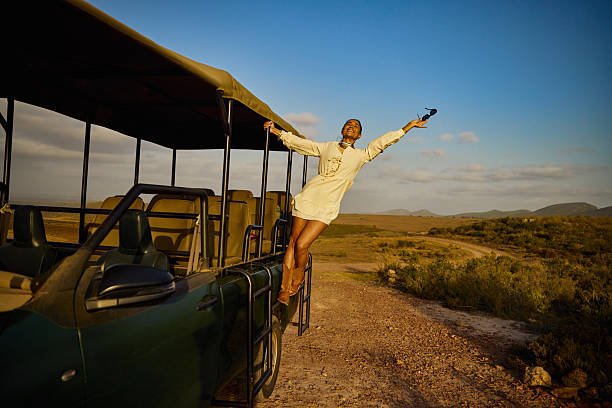
Understanding the Solo Traveller’s Journey in Tanzania
The allure of Tanzania for the solo traveller is undeniable. It offers a potent blend of iconic landscapes, incredible wildlife, and rich cultural experiences that can be deeply rewarding when undertaken alone. However, ‘solo traveller searches’ also highlight a need for specific considerations: safety, logistical simplicity, opportunities for connection with others, and value for money. Unlike group tours where camaraderie is built-in, solo travellers often seek out operators who foster a welcoming environment, provide clear communication, and manage logistics with a high degree of professionalism. Whether you’re drawn to the challenge of scaling Mount Kilimanjaro, the thrill of a Serengeti safari, or the serene beaches of Zanzibar, understanding the nuances of solo travel in this East African jewel is key to a successful and memorable 2026 or 2027 expedition.
For many, the decision to travel solo stems from a desire for flexibility, personal growth, or simply finding travel companions with matching interests. Tanzania, with its established tourism infrastructure and variety of activities, caters well to these needs. The key is to identify tours and operators that understand and cater to the solo traveller’s perspective. This means looking beyond just the itinerary and considering the operator’s ethos, their approach to group dynamics, and their commitment to safety and support. The extensive solo traveller searches you might be conducting are valid; they are the first step in ensuring your Tanzanian adventure is everything you hope for.
This guide is designed to cut through the noise of countless online searches and provide a practical, locally-informed perspective. We’ll break down the most popular solo traveller searches, from climbing Africa’s highest peak to tracking the Great Migration, and offer insights that go beyond standard travel advice. We’ll cover what to look for in an operator, how to budget for your trip in 2026-2027, and what to expect on the ground, all from the viewpoint of an operator deeply embedded in Tanzania’s tourism landscape.
Kilimanjaro for the Solo Adventurer: Routes, Groups, and Safety
The most prominent search query for many solo travellers heading to Tanzania is undoubtedly Mount Kilimanjaro. It’s an iconic challenge, a bucket-list item, and for solo travellers, it presents a unique opportunity to push personal boundaries in a supportive environment. When you search for ‘Kilimanjaro solo’, you’re likely looking for assurance that the climb is safe, achievable, and potentially offers a sense of camaraderie even if you arrive alone.
Choosing the Right Kilimanjaro Route for Solo Trekkers
Kilimanjaro offers several routes, each with its own character, difficulty, and scenery. For solo travellers, the choice often balances acclimatization profile, scenery, and the likelihood of joining a group. While you can technically climb any route solo, most operators will place solo trekkers onto established group departures for safety, cost-sharing, and social reasons. This is a critical point for solo traveller searches: you are rarely climbing truly alone, but rather as part of a larger expedition team.
- Machame Route: Often cited as the most scenic route, Machame is popular and has a good success rate. It’s a ‘climb high, sleep low’ route, which aids acclimatization. For solo travellers, it’s excellent because it has frequent departures, increasing the chance of joining a group. The 6-day or 7-day options are common. A 7-day Machame trek offers better acclimatization, which is crucial for solo trekkers who might not have the same baseline fitness as a pre-formed group.
- Lemosho Route: Known for its stunning scenery and high success rates, Lemosho is a longer route (typically 7-8 days). It starts in a more remote area, offering a more pristine wilderness experience. Solo travellers often appreciate Lemosho for its beauty and good acclimatization profile. It’s also a popular route, meaning group availability is high for 2026-2027 bookings.
- Marangu Route: The ‘Coca-Cola’ route, Marangu is the oldest and only route with dormitory-style accommodation (‘huts’). It’s often perceived as easier due to its gradual ascent and fewer camping nights, but its acclimatization profile is not as good as other routes, leading to lower success rates. For solo travellers, it can be more social due to the hut system, but the lower success rate might be a deterrent. It’s usually a 5-day or 6-day climb.
- Rongai Route: This route approaches from the north, making it a good option during the rainy seasons. It’s generally less crowded than Machame or Lemosho. For solo travellers looking for a quieter experience, Rongai can be appealing. It typically takes 6-7 days.
When conducting solo traveller searches for Kilimanjaro, prioritize routes with better acclimatization profiles (like Machame or Lemosho) and longer durations (7-8 days) if your budget and time allow. These factors significantly increase your chances of reaching Uhuru Peak safely and successfully, which is paramount for any solo trekker.
Safety and Support for Solo Kilimanjaro Trekkers
Safety is paramount for solo travellers. Reputable operators will ensure you are never truly alone. This means:
- Experienced Guides: Your guide is your lifeline. They are trained in high-altitude physiology, first aid, and rescue techniques. A good guide monitors your health constantly, adjusts the pace, and makes critical decisions regarding your well-being.
- Support Crew: A Kilimanjaro expedition isn’t just a guide; it’s a team including assistant guides, cooks, and porters. This extensive crew ensures your safety, comfort, and logistical needs are met from start to finish.
- Emergency Procedures: Reputable operators have clear emergency protocols, including communication systems (satellite phones/radios), evacuation plans, and relationships with local medical facilities.
- Group Dynamics: Even as a solo traveller, you’ll be part of a group. Operators who understand solo traveller searches often foster a supportive group atmosphere, encouraging team spirit and mutual encouragement.
When comparing operators for your 2026 or 2027 Kilimanjaro climb, ask about their guide-to-client ratios, their safety equipment, and their emergency response plans. Don’t hesitate to inquire about the typical group size and how they integrate solo travellers.
Group Departures vs. Private Treks for Solo Travellers
Most solo travellers opt to join a group departure. This is usually the most economical option. Operators offer scheduled dates for popular routes, and solo travellers are placed into these existing groups. This is where the ‘solo traveller searches’ often lead to the best value and social experience. You’ll share the expedition with others, making friends and sharing the incredible journey. For 2026 and 2027, booking onto a group departure is often the most practical approach.
A private trek is an option if you prefer complete solitude or have specific dates not covered by group departures. However, this is significantly more expensive for a solo traveller as you bear the full cost of the crew and logistics. While it guarantees privacy, it can also mean less social interaction, which is often a draw for solo travellers. For most solo traveller searches, joining a group departure offers the ideal balance of cost, safety, and social engagement.
Key takeaway for solo Kilimanjaro travellers: Look for operators with a strong safety record, excellent acclimatization-focused routes (like 7-day Machame or Lemosho), and a history of integrating solo travellers into positive group dynamics. Early booking for 2026-2027 is advisable, especially for popular group departure dates.
Tanzania Safari Solo Search: Wildlife, Parks, and Operator Choice
Following Kilimanjaro, the next major focus for solo traveller searches in Tanzania is the classic safari experience. The vast plains of the Serengeti, the unique ecosystem of the Ngorongoro Crater, and the diverse wildlife of Tarangire and Lake Manyara are legendary. For the solo traveller, a safari offers incredible wildlife viewing, stunning landscapes, and often, a more relaxed pace than a strenuous trek. The primary concerns in solo traveller searches for safaris revolve around safety, wildlife viewing opportunities, accommodation, and the cost-effectiveness of joining a shared safari.
The Best Parks for Solo Safari Goers
Tanzania boasts some of the most renowned wildlife destinations in the world. For solo travellers, the choice of parks can influence the experience:
- Serengeti National Park: The undisputed star. Famous for the Great Migration, abundant predators, and endless plains. It’s a must-visit, and most safari itineraries include it. For solo travellers, joining a group safari here is ideal for sharing the experience and the vehicle costs.
- Ngorongoro Conservation Area: Home to the Ngorongoro Crater, a UNESCO World Heritage Site teeming with wildlife. Its dense animal population means excellent viewing opportunities, and its compact size makes it efficient for a day’s game drive. A visit here is almost always part of a Northern Circuit safari.
- Tarangire National Park: Known for its large elephant herds and iconic baobab trees. It’s particularly impressive during the dry season (June-October) when animals congregate around the Tarangire River.
- Lake Manyara National Park: Famous for its tree-climbing lions, large baboon troops, and diverse birdlife. It’s a smaller park, often visited as part of a multi-day safari, and offers a good introduction to Tanzanian wildlife.
When conducting solo traveller searches for safaris, consider itineraries that cover the Northern Circuit (Serengeti, Ngorongoro, Tarangire, Manyara) as these offer the most comprehensive wildlife experience and are standard for group departures.
Shared Safaris: The Solo Traveller’s Best Friend
The most common and practical way for solo travellers to experience a Tanzanian safari is by joining a shared safari. This model is designed precisely for individuals or small groups who want to explore the parks without the expense of a private vehicle and guide. Operators organize scheduled departures on set dates, and solo travellers are grouped together.
Why shared safaris are ideal for solo traveller searches:
- Cost-Effectiveness: The main advantage. Vehicle hire, park fees, guide costs, and accommodation are split among the travellers, making it significantly more affordable than a private safari. This is a major consideration for budget-conscious solo travellers planning for 2026-2027.
- Social Interaction: You’ll be travelling with other like-minded individuals. Shared game drives, meals, and evenings around the campfire provide ample opportunities to connect, share stories, and make new friends.
- Logistics Handled: The operator manages all the driving, navigation, park entries, and accommodation bookings. Your role is simply to enjoy the wildlife.
- Experienced Guides: You still get a professional, knowledgeable guide who can spot wildlife, explain animal behaviour, and ensure a safe and enriching experience.
When searching for shared safaris, look for operators who clearly state their departure dates and confirm that solo travellers are welcome and actively grouped. Operators like Climb 4 Africa often have dedicated pages for group departures, making it easier for solo travellers to find suitable trips for 2026 or 2027.
Accommodation Options on Safari
Safari accommodation varies greatly, and this is a key factor in solo traveller searches:
- Tented Camps: These range from basic canvas tents to luxurious lodges with en-suite bathrooms. Mid-range to luxury tented camps offer a fantastic ‘in the bush’ experience. For solo travellers, you’ll typically get your own tent or room.
- Lodges: More permanent structures, often with amenities like swimming pools and restaurants. They offer comfort and convenience. Again, solo travellers are usually allocated their own room.
- Budget Camps/Public Campsites: For budget-conscious travellers, camping on public campsites is an option. This is often part of very low-cost safaris, and while it can be very social, comfort levels are lower.
Most reputable operators for solo travellers will offer mid-range to comfortable lodge or tented camp accommodation. Ensure your booking clarifies whether you’ll have a private tent/room, as this is usually standard for solo bookings even on shared safaris.
What to Look for in a Safari Operator
For solo traveller searches focusing on safaris, consider these points when choosing an operator:
- Reputation and Reviews: Check platforms like TripAdvisor for reviews specifically mentioning solo travel experiences.
- Clear Itineraries and Inclusions: Understand exactly what is covered (park fees, accommodation, meals, game drives, vehicle, guide).
- Vehicle Type: Ensure the safari vehicle is a pop-top 4×4 Land Cruiser or Land Rover, designed for optimal game viewing.
- Group Size: Operators often cap shared safari groups at a maximum of 6-7 travellers, ensuring everyone has a window seat and a good experience.
- Communication: A responsive operator who answers your questions clearly is a good sign.
When planning for 2026-2027, early booking is also recommended for popular safari departures, especially if you have specific dates in mind. This ensures availability and allows you to secure your spot on a well-regarded shared safari.
Zanzibar and Beyond: Solo Escapes and Island Vibes
After the adventure of Kilimanjaro or the thrill of a safari, many solo travellers look to unwind on the exotic island of Zanzibar. Its reputation for stunning beaches, rich history, vibrant culture, and turquoise waters makes it an ideal destination for relaxation and exploration. Solo traveller searches for Zanzibar often focus on finding safe, comfortable accommodation, easy ways to explore the island, and opportunities to meet other travellers or enjoy peaceful solitude.
Why Zanzibar Appeals to Solo Travellers
Zanzibar offers a diverse range of experiences that cater to different solo traveller preferences:
- Beaches: From the bustling shores of Nungwi and Kendwa in the north to the tranquil sands of Paje and Jambiani in the southeast, Zanzibar has a beach for every mood. Many resorts and guesthouses are well-equipped to welcome solo guests.
- Stone Town: A UNESCO World Heritage Site, Stone Town is a maze of narrow alleys, historical buildings, bustling markets, and vibrant culture. It’s fascinating to explore independently, and guided walking tours are readily available.
- Water Activities: Snorkelling, diving, dhow cruises, and kite surfing are popular. Many tour operators offer day trips and excursions that are easy for solo travellers to join, providing a social element.
- Spice Tours: A unique Zanzibar experience, visiting spice farms to learn about local agriculture and taste exotic fruits. These are typically group tours, making them easy for solo travellers to join.
- Relaxation: The island’s laid-back atmosphere is perfect for solo travellers looking to de-stress, read a book on the beach, or enjoy delicious local cuisine.
Finding the Right Accommodation for Solo Travellers
Accommodation choices in Zanzibar are plentiful and can significantly shape your solo experience:
- Boutique Hotels & Guesthouses: Especially in Stone Town, these offer character and often a more intimate setting. Many are small and family-run, providing a welcoming atmosphere for solo guests.
- Beach Resorts: Ranging from budget-friendly bungalows to luxury resorts, these are ideal for beach lovers. Look for resorts that offer social activities or communal dining areas if you wish to connect with others.
- Hostels: For the most budget-conscious and social solo traveller, hostels are abundant, particularly in areas like Paje and Nungwi. They are excellent for meeting fellow travellers.
- Private Villas/Apartments: While often booked by groups, some can be suitable for longer solo stays if privacy and self-catering are priorities.
When making solo traveller searches for Zanzibar accommodation, consider your priorities: social buzz, quiet relaxation, budget, or cultural immersion. Reading recent reviews from solo travellers can offer valuable insights.
Exploring Zanzibar Independently and Safely
Zanzibar is generally safe for solo travellers, but standard precautions apply. Walking around Stone Town during the day is fine, but it’s advisable to use a taxi or tuk-tuk after dark. For getting around the island, local dala-dalas (minibuses) are very cheap but can be crowded and slow. Taxis and hired scooters are more convenient but pricier. Many solo travellers opt for organized day trips for activities like spice tours, Jozani Forest visits, or snorkelling excursions to Prison Island, as these are easy to book upon arrival and provide a guided, safe experience.
Beyond Zanzibar: Coastal Mainland and Other Destinations
While Zanzibar is the most popular island escape, solo travellers might also consider:
- Dar es Salaam: Tanzania’s bustling commercial capital. It offers museums, markets, and a vibrant city life. It’s a transit point for many but can be explored for a day or two.
- Mafia Island: Less developed than Zanzibar, Mafia is a haven for diving and snorkelling, particularly famous for whale shark encounters (typically October-March). It offers a more rustic and exclusive experience.
- Kilwa Kisiwani and Songo Mnara: UNESCO World Heritage sites with ancient ruins, offering a glimpse into Tanzania’s historical trade routes. These are more off-the-beaten-path destinations, often requiring more independent planning or a specific tour.
For solo traveller searches looking for relaxation and beach time, Zanzibar remains the top choice due to its accessibility and well-developed tourism infrastructure. However, for those seeking more remote or specific nature experiences, destinations like Mafia Island can be rewarding, though they might require more careful planning for 2026-2027.
Planning Your Solo Trip: Timing, Budget, and Booking Essentials for 2026-2027
Successful solo travel to Tanzania hinges on meticulous planning, especially when looking ahead to 2026 and 2027. Solo traveller searches often evolve from initial inspiration to detailed logistical queries. Key aspects include choosing the right time to travel, understanding the budget, and knowing how and when to book.
Best Time to Visit Tanzania for Solo Travellers
Tanzania has two main seasons: the dry season and the wet season. For most activities, the dry season is preferred.
- Dry Season (June to October): This is the peak tourist season. Skies are generally clear, temperatures are pleasant, and wildlife viewing is excellent, especially for safaris as animals congregate around water sources. It’s also a prime time for Kilimanjaro climbs. However, it’s also the most expensive and crowded period. Solo travellers planning for 2026-2027 should book well in advance for this period.
- Short Rains (November): A brief period of rain, usually not disruptive.
- Long Rains (March to May): This is the low season. Expect significant rainfall, which can make some roads impassable and affect wildlife viewing. Kilimanjaro climbs are generally not recommended during April and May. However, it’s the cheapest time to travel, and you’ll encounter fewer tourists. Solo travellers on a tight budget might consider this period, but with a caveat regarding weather.
- Green Season (January to February): This period often sees good weather, particularly for safaris, with lush landscapes and calving season in the Serengeti. It can be a good shoulder season for solo travellers looking for a balance of decent weather and fewer crowds than the peak dry season.
For Kilimanjaro, the best months are typically January-March and June-October. For safaris, anytime is good, but the dry season (June-October) and the green season (January-February) are often highlighted for the Great Migration. Zanzibar enjoys good weather year-round, though it’s best to avoid the peak rainy months of April and May.
Budgeting for Your Solo Tanzanian Adventure (2026-2027)
Budgeting is crucial for solo traveller searches. Costs can vary significantly based on your chosen activities, accommodation style, and travel dates. Here’s a general breakdown:
- Kilimanjaro Climb: This is a significant expense. Prices for a 7-day Machame or Lemosho climb typically range from $1,800 to $3,500+ per person for reputable operators. This usually includes park fees, crew, food, tents, and transport to/from the mountain. Solo travellers joining groups benefit from shared operational costs compared to a private trek. Booking for 2026-2027 should aim for operators including all mandatory fees.
- Tanzania Safari: A 5-day Northern Circuit safari (Serengeti, Ngorongoro, etc.) on a shared basis can range from $1,200 to $2,500+ per person. This covers accommodation (mid-range lodges/tented camps), park fees, guide, vehicle, and meals. Private safaris for solo travellers can easily double this cost.
- Zanzibar: Costs here are more flexible. Mid-range accommodation might be $50-$150 per night. Activities like spice tours or snorkelling trips typically cost $20-$50 each. Budget travellers can find guesthouses for $30-$50 per night.
- International Flights: This is a separate, significant cost. Prices fluctuate, so start searching early for 2026-2027 flights to Kilimanjaro International Airport (JRO) or Zanzibar (ZNZ).
- Visas, Vaccinations, Travel Insurance: Factor in costs for these essential pre-trip expenses. A Tanzanian visa is typically around $50-$100. Comprehensive travel insurance is non-negotiable for solo travellers.
- Tips and Personal Expenses: Budget for tips for your guides, drivers, and crew, as well as souvenirs and personal spending.
Important Note on Pricing: Prices for 2026-2027 may see some fluctuation due to global economic factors and park fee adjustments. Always request a detailed quote that specifies all inclusions and exclusions.
Booking Your Solo Adventure: When and How
The general rule for solo traveller searches and booking is: book early, especially for peak seasons and Kilimanjaro.
- Kilimanjaro: Aim to book at least 6-12 months in advance for popular group departure dates in 2026 and 2027. This secures your spot and allows operators to plan logistics effectively.
- Safaris: 3-6 months in advance is usually sufficient for shared safaris, but booking earlier ensures you get on your preferred departure date.
- Zanzibar: Accommodation can often be booked closer to the date, but for popular resorts or during peak times, booking 2-3 months ahead is wise.
How to Book:
- Directly with Operators: This is often the most transparent and cost-effective method. Look for operators with a strong online presence, clear contact information, and positive reviews. Climbing 4 Africa, for instance, works directly with clients to tailor experiences and answer all solo traveller search queries.
- Through Travel Agents: Some travellers prefer the convenience of a travel agent, but ensure they specialize in East Africa and are booking with reputable local operators.
When you contact an operator for a quote for 2026 or 2027, be clear that you are a solo traveller. Ask about group sizes, how solo travellers are integrated, and if there are any single supplements (though this is rare on shared Kilimanjaro climbs and safaris). Always ensure you receive a comprehensive itinerary and payment terms before committing.
Making Connections: Practical Tips for Solo Travellers in Tanzania
Solo traveller searches often include a desire to connect with others and experience the local culture authentically. While Tanzania is generally welcoming, a few practical tips can enhance your experience and ensure smooth sailing.
Embracing Group Dynamics
As mentioned, joining group departures for Kilimanjaro and safaris is the most common and recommended approach for solo travellers. This provides an instant social circle. Be open, friendly, and participate in conversations. Sharing meals, the challenges of a trek, or the excitement of spotting a rare animal are natural bonding experiences. Your guides and crew are also excellent sources of information and can offer insights into local life and culture.
Safety First: Essential Precautions
Tanzania is relatively safe for tourists, but like anywhere, it’s wise to be aware:
- Stay Aware of Your Surroundings: Especially in busy markets or cities like Arusha and Dar es Salaam.
- Secure Your Valuables: Use hotel safes and keep important documents secure.
- Respect Local Customs: Dress modestly, particularly when visiting villages or religious sites. Learn a few Swahili phrases like ‘Jambo’ (Hello) and ‘Asante’ (Thank you).
- Trust Your Instincts: If a situation feels uncomfortable, remove yourself from it.
- Inform Someone of Your Plans: Let a trusted friend or family member back home know your itinerary and check in regularly. For Kilimanjaro and remote safaris, your operator will be your primary contact.
Cultural Immersion and Local Interaction
Tanzanians are known for their hospitality. Engage with locals respectfully:
- Visit Local Markets: A great way to see daily life and find souvenirs.
- Learn Basic Swahili: Even a few words go a long way in showing respect and fostering connection.
- Be Open to Conversations: Locals are often curious and friendly.
- Support Local Communities: Consider visiting community projects or buying local crafts directly from artisans.
Connectivity and Communication
Wi-Fi is available in most hotels and lodges, though it can be slow or intermittent in more remote areas. Purchasing a local SIM card (e.g., Vodacom, Tigo) upon arrival at the airport or in major towns is highly recommended for affordable data and calls. This is invaluable for solo travellers wanting to stay in touch or access information on the go during their 2026-2027 adventures.
Health and Well-being
Consult your doctor about necessary vaccinations (e.g., Yellow Fever, Hepatitis A, Typhoid) and malaria prophylaxis well in advance of your 2026-2027 trip. For Kilimanjaro, proper acclimatization is the most critical health factor. Stay hydrated, eat well, and listen to your body and your guide.
Why Climb 4 Africa for Solo Travellers? Our Approach
At Climb 4 Africa, we understand the unique needs and considerations of solo travellers. Our mission is to provide safe, well-organized, and incredibly rewarding adventures in Tanzania, whether you’re conquering Kilimanjaro, embarking on a safari, or relaxing in Zanzibar. We’ve built our operations around supporting individual travellers and fostering a positive group experience.
Our Commitment to Solo Travellers
- Expert Local Knowledge: As a locally-based company, we have an intimate understanding of Tanzania’s parks, mountains, and culture. This translates into authentic experiences and smooth logistics.
- Safety as a Priority: We adhere to the highest safety standards for Kilimanjaro climbs and safaris. Our guides are extensively trained, our equipment is top-notch, and our emergency protocols are robust. We ensure solo travellers feel secure every step of the way.
- Fostering Group Camaraderie: We actively encourage a friendly and supportive atmosphere on our group departures. While you might start as a solo traveller, you’ll often find yourself part of a cohesive and encouraging team by the end of your journey.
- Transparent Pricing: Our quotes are detailed and all-inclusive, clearly outlining what you can expect for your investment in 2026-2027. We aim to provide excellent value without compromising on quality or safety.
- Personalized Support: We are here to answer all your solo traveller search questions, from itinerary planning to packing lists. Our team is dedicated to ensuring your trip is tailored to your needs.
Tailored Itineraries and Group Departures
We offer a range of Kilimanjaro treks, safaris, and Zanzibar packages. For solo travellers, we recommend joining our scheduled group departures. These are ideal for meeting fellow adventurers and sharing costs. We ensure that solo travellers are well-integrated into these groups, creating a welcoming environment. If you have specific dates or require a private experience, we can also arrange tailor-made itineraries, though these will be priced accordingly for a solo traveller.
Ready to Plan Your 2026-2027 Adventure?
Your solo journey to Tanzania begins with a conversation. Whether your solo traveller searches have led you to dream of Kilimanjaro’s summit, the vast plains of the Serengeti, or the idyllic beaches of Zanzibar, we are here to help you make it a reality. We are committed to providing an exceptional experience for every traveller, especially those venturing solo.
Contact us today to discuss your plans for 2026 or 2027. We can provide detailed quotes, answer your specific questions about solo travel, and help you craft an unforgettable Tanzanian adventure.
WhatsApp: +255 747 477 898
Email: climb4africa@gmail.com
Let Climb 4 Africa be your trusted partner for your solo Tanzanian exploration.
Check Availability for Solo Traveller Searches Guide
Ready to compare dates, prices, and the best option for your group? Send the package name and travel month so the team can reply with a clear quote, availability, and what is included.



