
To avoid expensive private safari prices when travelling solo in Tanzania, the most effective strategy is to join small, scheduled group departures. These tours significantly reduce the per-person cost by spreading vehicle and guide expenses across multiple travelers. Alternatively, consider traveling during the shoulder seasons (e.g., March-May, November) when demand is lower and prices may be more flexible, or look for tour operators who specialize in combining solo travelers into shared itineraries. For 2026 and 2027 adventures, actively seeking out these shared experiences rather than defaulting to private arrangements is key to managing your budget.
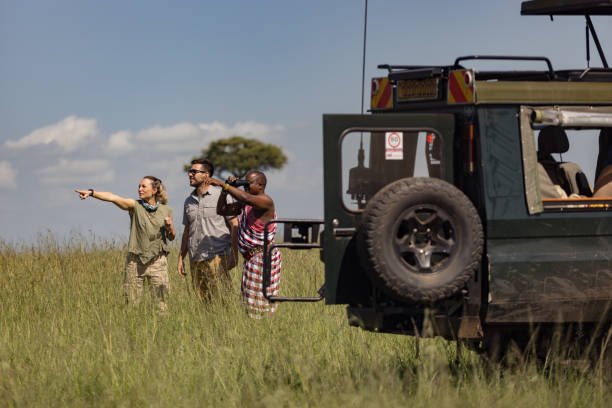
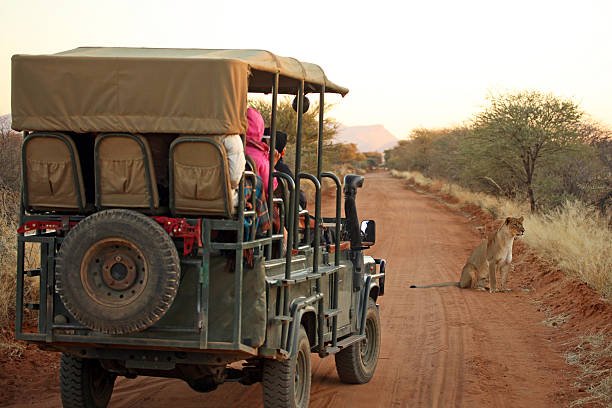
Understanding Tanzania Safari Pricing for Solo Travelers
When you’re planning a solo trip to Tanzania, the allure of the Serengeti, Ngorongoro Crater, and the vast plains is undeniable. However, the reality of safari pricing can quickly become a point of concern, especially for individuals. The fundamental reason why private safaris are expensive for a solo traveler is the fixed cost structure inherent in safari operations. A safari vehicle, typically a sturdy 4×4 Land Cruiser or Land Rover, is designed to carry a maximum of six to seven passengers comfortably, along with a dedicated driver-guide. The cost of hiring this vehicle, the guide’s salary, park entrance fees (which are often per vehicle and per person), fuel, and accommodation are all factored into the daily rate. When this total cost is divided among a group of four or six people, it becomes manageable. For a solo traveler, however, you would be expected to cover the entire vehicle and guide cost yourself, plus your individual park fees and accommodation, leading to a price that can feel prohibitive.
This is the core challenge for solo safari-goers: the economies of scale simply don’t apply when you’re the only one in the vehicle. Many operators quote prices on a per-person basis, but these rates are almost always based on a minimum of two people sharing a vehicle and a room. If you book as a solo traveler and want a private experience, you’re essentially paying a “single supplement” for the vehicle and often for accommodation, which can double or even triple the per-person rate compared to sharing. This can make a typical 5-day safari, which might cost $2,000-$3,000 per person when shared by two, potentially climb to $4,000-$6,000 or more for a single person wanting a private setup.
Understanding this pricing logic is the first step to finding solutions. The goal isn’t to find a ‘cheap’ safari that compromises on quality or safety, but to find the most cost-effective way to experience Tanzania’s incredible wildlife. For solo travelers aiming to avoid these high private safari prices, the key lies in finding ways to share costs without sacrificing the experience’s essence. This involves strategic planning, flexible timing, and choosing the right travel partners and tour operators.
The Power of Group Safaris: Your Budget’s Best Friend
The most direct and impactful way to slash safari costs for solo travelers is to join a scheduled group safari. Many reputable tour operators, including Climb 4 Africa, offer pre-set departure dates for group tours. These are not just random collections of people; they are specifically designed itineraries where individuals can book a spot and join a small group. This is where the cost savings become significant. Instead of bearing the entire cost of a vehicle and guide, you share it with, say, four to six other travelers. This immediately brings the per-person price down to a fraction of what a private safari would cost.
How Group Safaris Work for Solo Travelers:
- Shared Vehicle Costs: The primary saving comes from splitting the rental cost of the safari vehicle, fuel, and the driver-guide’s fees among all participants.
- Accommodation Sharing: While you’ll typically have your own room in lodges or tented camps (unless you opt for a budget camping safari where you might share a tent), the cost of accommodation is often based on double occupancy. The tour operator handles this, and it’s usually included in the package price.
- Set Itineraries: Group tours follow a fixed itinerary, visiting popular national parks and attractions. This predictability also helps operators streamline logistics and offer more competitive pricing.
- Defined Departure Dates: Operators set specific departure dates for these group trips. Your task is to find a date that aligns with your travel plans and then book your spot.
The benefits of group safaris extend beyond just cost. You’ll likely meet fellow travelers from around the world, creating a dynamic and social experience. Sharing sightings, discussing wildlife, and enjoying meals together can enrich the journey. For a solo traveler, this can be a great way to combat potential feelings of isolation and enhance the overall adventure.
Finding Group Safaris:
When searching for group safaris, look for operators that explicitly advertise “scheduled departures,” “group tours,” or “small group safaris.” Websites like Climb 4 Africa’s group safari page often list upcoming dates for popular routes like the Northern Circuit (Serengeti, Ngorongoro, Tarangire, Lake Manyara). These pages are invaluable for solo travelers planning for 2026 and 2027 as they provide a clear overview of available shared options and their costs.
What to Expect in a Group:
Group sizes typically range from 4 to 7 people, ensuring that everyone gets a good view from the vehicle and that the group remains manageable for the guide. The pace is generally set by the group’s interests, but the itinerary is fixed. You’ll have your own seat and window, and while spontaneous stops for specific sightings are common, major deviations are unlikely. It’s crucial to read the itinerary carefully to ensure it covers the areas you wish to visit. For instance, a 5-day Northern Circuit group safari might cover Tarangire, Ngorongoro Crater, and the central Serengeti.
Considerations for Group Travel:
- Pace: Group tours move at a steady pace. If you prefer a very slow, contemplative safari or want to spend an entire day focused on a single pride of lions, a group tour might feel rushed.
- Flexibility: While guides are attentive to wildlife, group dynamics mean you won’t have the absolute freedom to dictate every stop or turn like you would on a private safari.
- Interests: Ensure the group’s general interests align with yours. Most group safaris focus on classic game drives, but if you have niche interests (e.g., birding, specific photography needs), a private tour might be better, though more expensive.
Despite these considerations, for the solo traveler prioritizing budget, joining a group safari is the single most effective strategy to avoid the exorbitant costs associated with private tours. It’s about finding shared experiences that make the magic of Tanzania accessible.
Choosing the Right Time to Travel: Seasonality and Savings
Timing your solo safari can significantly impact the price you pay. Tanzania experiences distinct seasons, and traveling during the “shoulder seasons” or even the “low season” can lead to considerable savings, even on group tours. While the peak season (typically June to October, coinciding with the dry season and the Great Migration’s river crossings) offers the most reliable wildlife viewing and best weather, it also commands the highest prices due to demand.
Peak Season (June – October):
- Pros: Excellent wildlife viewing, dry weather, easier game drives. The Great Migration is often in the northern Serengeti during July-September, with river crossings being a major draw.
- Cons: Highest prices for flights and safaris, more crowds in popular areas like the Serengeti and Ngorongoro Crater.
Shoulder Seasons (March – May, November):
- Pros: Lower prices for safaris and accommodation. Fewer crowds. The landscapes are often lush and beautiful, especially after the rains. March-May sees the calving season in the southern Serengeti, attracting predators.
- Cons: Weather can be unpredictable. March-May is typically the long rainy season, which can make some roads difficult to navigate and may disperse wildlife slightly. November can have short rains.
Low Season (January – February):
- Pros: Often the cheapest prices. The southern Serengeti is prime for calving season, offering fantastic predator action.
- Cons: Can experience short rains, though these often come in afternoon bursts and don’t typically disrupt game drives for long.
For a solo traveler looking to minimize costs for trips in 2026 or 2027, targeting the shoulder seasons is a smart move. For example, a safari booked for November 2026 or April 2027 might offer the same itinerary and quality of experience as a peak season trip, but at a noticeably lower price point. Tour operators often adjust their group tour pricing based on seasonality, so you can find significant discounts.
Strategic Booking for Shoulder Seasons:
When looking at group departure dates for 2026-2027, pay close attention to the months outside the prime June-October window. If your travel dates are flexible, prioritizing these periods can lead to savings of 10-25% on your safari package. This saving can be substantial, allowing you to perhaps extend your trip, upgrade your accommodation slightly, or simply keep more money in your pocket.
Consider the Trade-offs:
It’s important to weigh the potential savings against the weather and wildlife viewing. The rains, particularly the long rains from March to May, can sometimes make travel challenging, especially in more remote areas or if roads become impassable. However, many operators are adept at navigating these conditions, and the photographic opportunities in a green landscape can be stunning. The calving season in the southern Serengeti during January and February is a spectacular wildlife event, offering prime viewing of predator-prey interactions, making it a worthwhile consideration even with a chance of rain.
Ultimately, choosing the right time involves balancing your budget, your tolerance for varied weather, and your specific wildlife interests. For the budget-conscious solo traveler, the shoulder seasons present a compelling opportunity to experience Tanzania’s wonders without the premium price tag of the peak season.
Comparing Safari Operators: Finding Value for Solo Adventurers
Not all tour operators are created equal, especially when it comes to catering to solo travelers and offering value. When you’re comparing options for your solo safari in Tanzania, it’s crucial to look beyond just the price tag and consider the operator’s reputation, inclusions, and their approach to group tours. For trips planned for 2026 or 2027, starting your research early will give you the best selection and pricing.
What to Look For in an Operator for Solo Travelers:
- Group Tour Specialization: Does the operator have a dedicated section on their website for scheduled group departures? Do they regularly post dates and itineraries for these? Operators who actively promote group tours are more likely to have established, well-run departures that you can join.
- Reputation and Reviews: Check independent review sites like TripAdvisor. Look for reviews from solo travelers specifically, if possible, or general reviews that praise the operator’s organization, guides, and value for money. For example, reviews for companies like Climb 4 Africa on platforms such as TripAdvisor can offer insights into their service quality.
- Clear Inclusions and Exclusions: A transparent operator will clearly list what is included in their safari package. For group tours, this typically includes park fees, accommodation, meals on safari, a safari vehicle, a driver-guide, and sometimes bottled water. Knowing what’s excluded (e.g., tips, drinks, international flights, visa fees) helps you accurately budget.
- Vehicle Quality and Guide Expertise: Even on a group tour, the quality of the vehicle and the driver-guide significantly impacts the experience. Look for operators who use well-maintained 4×4 Land Cruisers or Land Rovers and who employ experienced, knowledgeable guides. This is often reflected in their pricing – extremely cheap options might cut corners here.
- Communication and Support: How responsive is the operator to your inquiries? For solo travelers, clear and prompt communication is vital. A local operator like Climb 4 Africa, based in Tanzania, can offer valuable on-the-ground insights and support, which is a significant advantage. Their WhatsApp contact (+255 747 477 898) makes for easy communication.
Comparing Group Tour Pricing:
When comparing group tour prices, remember that a lower price doesn’t always mean better value. Always compare what’s included. A slightly more expensive group tour that includes all park fees and meals might be cheaper overall than a lower-priced one where you have to pay for many extras separately.
Example Comparison Points:
| Feature | Operator A (Lower Price) | Operator B (Mid-Range Price) | Operator C (Higher Price) |
|---|---|---|---|
| Park Fees Included | No (Additional Cost) | Yes | Yes |
| Accommodation Type | Budget Tented Camps | Mid-Range Lodges/Tented Camps | Comfortable Lodges/Tented Camps |
| Vehicle Type | Older 4×4 / Minibus (less common for safaris) | Well-maintained 4×4 Land Cruiser | Premium 4×4 Land Cruiser/Rover |
| Guide Experience | Standard | Experienced & Knowledgeable | Highly Experienced, Specialist |
| Group Size | Up to 7 | Up to 6 | Up to 4 |
For a solo traveler aiming to avoid expensive private safari prices while ensuring a quality experience, Operator B often represents the sweet spot. They balance cost with essential inclusions and reliable service. Operator A might seem cheapest initially, but hidden costs and lower-quality equipment can detract from the safari. Operator C offers premium service but at a price point that might approach that of a shared private tour.
When planning for 2026-2027, take the time to get quotes from several reputable operators who offer group tours. Ask specific questions about what is included, the type of vehicle, and the experience level of their guides. A good operator will be transparent and helpful, guiding you towards the best value for your solo adventure.
Optimizing Your Itinerary for Cost-Effectiveness
Beyond choosing group tours and the right time to travel, carefully planning your safari itinerary can further help you avoid expensive private safari prices. The duration of your safari and the specific parks you visit have a direct impact on the overall cost. For solo travelers, maximizing value means focusing on the most iconic experiences without unnecessarily extending the trip or visiting parks with higher daily fees if they don’t align with your interests.
Duration of Safari:
Safari pricing is typically quoted on a per-day basis. While you might dream of a 10-day expedition, a 5-day or 7-day Northern Circuit safari often provides an excellent introduction to Tanzania’s wildlife highlights and can be significantly more affordable. A 5-day Northern Circuit group safari typically includes visits to Tarangire National Park (known for elephants and baobabs), the Ngorongoro Crater (a UNESCO World Heritage Site with incredible biodiversity), and a couple of days in the central Serengeti (famous for the Great Migration and big cats).
Key Parks and Their Cost Implications:
- Serengeti National Park: This is the crown jewel and has a daily park fee (e.g., $70-$80 per person per 24 hours) plus a vehicle fee (e.g., $40-$50 per vehicle per 24 hours). These fees are substantial and contribute significantly to the overall safari cost. Group tours bundle these in, but longer stays mean higher overall costs.
- Ngorongoro Conservation Area: The Ngorongoro Crater has a daily fee (e.g., $70 per person per 24 hours) plus a vehicle fee (e.g., $300 per vehicle per day, which is quite high). Entry into the crater floor itself also incurs a separate fee per person per entry. This makes a day trip into the crater quite expensive but is usually included in standard itineraries due to its unique status.
- Tarangire National Park: Fees are typically lower than Serengeti and Ngorongoro (e.g., $50 per person per 24 hours, $40-$50 per vehicle per 24 hours). It’s excellent for elephants and baobab trees, making it a worthwhile inclusion, especially in the dry season.
- Lake Manyara National Park: Known for its tree-climbing lions and birdlife, it has similar fees to Tarangire. It’s often visited as a shorter stop or as part of a multi-day itinerary.
Cost-Saving Itinerary Strategies for Solo Travelers:
- Focus on the Northern Circuit: For a first-time solo safari, the Northern Circuit offers the most iconic wildlife viewing and is well-serviced by group tours. Trying to combine this with more remote parks like Ruaha or Selous (now Nyerere National Park) often requires internal flights, which add significant expense and are less commonly offered on budget group tours.
- Select a 5-7 Day Itinerary: This duration provides a good balance of experiencing key parks without excessive cost. For instance, a typical 5-day itinerary might be: Day 1 – Tarangire, Day 2 – Ngorongoro Crater, Day 3 & 4 – Central Serengeti, Day 5 – Drive back to Arusha. This covers the essentials efficiently.
- Consider Camping Safaris: For the most budget-conscious solo traveler, opting for a “budget camping safari” (as opposed to mid-range lodges) can dramatically reduce costs. These tours use basic campsites within or near the parks, with shared ablutions, and involve pitching tents. While more rustic, they offer an incredible connection to nature and are significantly cheaper. Many operators, including Climb 4 Africa, offer these budget group options.
- Avoid Park Hopping Unnecessarily: Each park entry has a fee. While variety is good, adding too many smaller parks might increase costs without a proportional increase in wildlife sightings compared to spending more time in the Serengeti or Ngorongoro.
Planning for 2026-2027:
When you browse group safari itineraries for 2026-2027, look for those that are specifically designed for efficient wildlife viewing within the main parks. A well-structured 5-day Northern Circuit safari is a prime example of an itinerary optimized for solo travelers aiming to avoid high private safari prices. It delivers the “big five” potential, the vastness of the Serengeti, and the unique Ngorongoro Crater experience, all within a manageable timeframe and budget.
Balancing Experience and Cost:
It’s a trade-off. If you have specific interests, like seeing the Great Migration river crossings in July-September, you’ll need to allocate more days in the northern Serengeti, which will increase costs. However, for general wildlife viewing, a 5-day trip is often sufficient. Researching the parks included in a group tour itinerary and understanding their unique offerings will help you make an informed decision about whether it meets your expectations without overspending.
Key Factors Influencing Safari Costs Beyond Private vs. Group
While the decision between a private and a group safari is the biggest determinant of cost for solo travelers, several other factors can influence the overall price of your Tanzanian adventure. Understanding these elements will help you make more informed choices and ensure you’re getting the best value for your money, whether planning for 2026 or 2027.
1. Accommodation Level:
- Budget Camping: The most affordable option. Basic campsites with shared facilities. Offers a raw, in-depth experience.
- Mid-Range Lodges/Tented Camps: Comfortable, often en-suite facilities, good food, and amenities. The most popular choice for group tours.
- Luxury Lodges/Tented Camps: High-end amenities, gourmet dining, often private plunge pools, exceptional service. This level significantly increases the per-person cost.
For solo travelers looking to avoid expensive private safari prices, sticking to mid-range or budget camping options is essential. Even on a group tour, choosing luxury accommodation will push the price up considerably.
2. Vehicle Type and Condition:
While most reputable operators use robust 4×4 Land Cruisers or Land Rovers, the age and maintenance of the vehicle can sometimes vary. A newer, better-maintained vehicle might come with a slightly higher price tag but offers more comfort and reliability. On group tours, operators generally use standard, well-equipped vehicles, but it’s worth inquiring if you have specific concerns.
3. Inclusions and Exclusions:
As mentioned earlier, a truly inclusive package simplifies budgeting. Be aware of what’s extra:
- Park Entrance Fees: These are often the largest single expense and can be $70-$80 per person per day in places like the Serengeti. Always confirm if these are included.
- Meals: While meals on safari are usually included, drinks (alcoholic and non-alcoholic) often are not.
- Tips: Tipping guides and camp staff is customary and expected. Factor this into your budget.
- Activities: Hot air balloon safaris over the Serengeti, for example, are a spectacular but costly add-on (typically $500-$600 per person).
4. Operator’s Margin and Overhead:
Different operators have different business models. Local Tanzanian operators often have lower overheads than international companies and can sometimes offer more competitive pricing for similar quality. They also possess invaluable local knowledge. Climb 4 Africa, being a local operator, can often provide better value.
5. Group Size:
Even within group tours, the number of people sharing the vehicle affects the per-person cost. A tour with a maximum of 4 people will likely be more expensive than one with a maximum of 7, as the fixed vehicle cost is spread over fewer people.
6. Time of Booking:
While not as critical as seasonality, booking well in advance, especially for popular 2026-2027 group departures, can sometimes secure better pricing or ensure you get a spot on your preferred tour. Last-minute deals are rare for safaris, particularly for solo travelers trying to join groups.
7. Single Supplements (if NOT joining a group):
This cannot be stressed enough: if you decide against a group tour and want a private safari, the single supplement is what inflates the price dramatically. For accommodation, this might be an extra $50-$200 per night. For the vehicle and guide, it can mean paying the full vehicle rate plus your personal fees, effectively doubling or tripling the per-person cost. This is the primary reason solo travelers must prioritize group tours to avoid expensive private safari prices.
Example Cost Breakdown (Per Person, 5-Day Northern Circuit Group Safari, Mid-Range):
| Category | Estimated Cost Range (USD) |
|---|---|
| Park Fees (Serengeti, Ngorongoro, Tarangire) | 350 – 450 |
| Vehicle & Guide Hire (Shared) | 400 – 600 |
| Accommodation (Mid-Range Lodges/Camps) | 500 – 800 |
| Meals on Safari | Included in Accommodation/Operator Fee |
| Operator’s Margin/Logistics | 200 – 400 |
| Total Estimated Per Person | $1450 – $2250 |
This table illustrates that even on a group tour, a 5-day safari represents a significant investment. However, compare this to a private 5-day safari for one person, which could easily range from $3,500 to $6,000+, and the value of group travel becomes clear. For 2026-2027 planning, understanding these components helps you appreciate the pricing and choose the option that best fits your budget and expectations.
Essential Planning for Your 2026-2027 Solo Safari
Embarking on a solo safari in Tanzania is an incredible undertaking, and meticulous planning is your best tool for ensuring a memorable and affordable experience. By focusing on the strategies discussed – prioritizing group tours, being flexible with travel dates, comparing operators carefully, and optimizing your itinerary – you can successfully avoid the high costs of private safaris. Here’s a consolidated checklist and some final advice for planning your 2026 or 2027 adventure.
Your Solo Safari Planning Checklist for 2026-2027
- Define Your Budget: Be realistic about what you can spend. This will guide your choices on accommodation level, safari duration, and operator selection.
- Research Group Tour Options: Identify tour operators who specialize in scheduled group departures. Look for operators with a strong online presence and good reviews.
- Check Departure Dates: For 2026-2027, check when group tours are scheduled. Be flexible if possible to take advantage of shoulder seasons.
- Compare Itineraries: Ensure the group safari itinerary covers the parks and experiences you desire. A standard 5-7 day Northern Circuit is a good starting point.
- Understand Inclusions: Get detailed quotes and confirm exactly what is included (park fees, meals, accommodation, guide, vehicle, water).
- Read Reviews: Look for reviews from solo travelers or those who highlight value for money.
- Communicate with Operators: Ask questions! A responsive and knowledgeable operator is a good sign. For local expertise and support, consider contacting operators like Climb 4 Africa via email at climb4africa@gmail.com or WhatsApp at +255 747 477 898.
- Factor in Additional Costs: Budget for international flights, visa fees, travel insurance, vaccinations, tips, personal expenses, and any optional activities.
- Book Travel Insurance: Essential for any international trip, especially one involving wildlife and remote areas.
- Prepare for the Journey: Research packing lists, visa requirements, and health recommendations.
Making the Most of Your Solo Experience:
While the goal is to save money, don’t underestimate the unique joys of solo travel. You have the freedom to absorb the surroundings at your own pace, engage deeply with your guide, and connect with fellow travelers on a more personal level. Group safaris, while sharing costs, still allow for personal reflection and moments of awe.
For your 2026-2027 safari, remember that booking a group tour is the most practical and cost-effective way to experience Tanzania’s wonders as a solo traveler. It’s not about settling for less, but about smart travel choices that make an extraordinary adventure accessible. By choosing a reputable operator and understanding the pricing dynamics, you can ensure your solo safari is both unforgettable and within reach.
When you’re ready to plan your specific group safari dates for 2026 or 2027, reaching out to experienced local operators like Climb 4 Africa can make a significant difference. They can help you navigate the options, secure a spot on a suitable group departure, and ensure all the logistical details are handled smoothly, allowing you to focus on the excitement of your upcoming Tanzanian adventure. Don’t hesitate to get in touch to discuss your needs and get a personalized quote for a group safari that fits your solo travel goals.
“,
“faq_schema”: [
{
“question”: “What is the main way solo travelers can avoid expensive private safari prices in Tanzania?”,
“answer”: “The primary method is to join scheduled group safaris. These tours divide the cost of the safari vehicle, guide, and associated expenses among multiple travelers, significantly reducing the per-person price compared to hiring a private vehicle as a solo individual.”
},
{
“question”: “Are group safaris safe for solo travelers?”,
“answer”: “Yes, group safaris are generally very safe. Reputable tour operators manage all logistics, and you’ll be traveling with a group, often accompanied by an experienced driver-guide. It can also be a great way to meet like-minded people.”
},
{
“question”: “When is the best time to travel to Tanzania for a solo safari to save money?”,
“answer”: “Traveling during the shoulder seasons (March-May, November) or the low season (January-February) typically offers lower prices for safaris and accommodation due to reduced demand. These periods can also provide unique wildlife viewing opportunities, like the calving season.”
},
{
“question”: “How long should a solo safari be to balance cost and experience?”,
“answer”: “For a first-time solo traveler focusing on the Northern Circuit, a 5-day to 7-day safari is often ideal. This duration allows you to visit key parks like Tarangire, Ngorongoro Crater, and the Serengeti without excessive cost, providing a comprehensive introduction to Tanzania’s wildlife.”
},
{
“question”: “What are the main additional costs I should budget for on a solo safari?”,
“answer”: “Besides the safari package itself, budget for international flights, visa fees, travel insurance, vaccinations, tips for guides and staff, personal expenses (souvenirs, extra drinks), and any optional activities like hot air ballooning.”
},
{
“question”: “Can I join a group safari in 2026 or 2027?”,
“answer”: “Yes, many tour operators offer group safaris throughout the year. Planning for 2026-2027, it’s advisable to check operator websites for scheduled departure dates or inquire directly about upcoming group tours. Booking in advance is recommended, especially for popular periods.”
},
{
“question”: “What’s the difference between budget camping safaris and lodge safaris for solo travelers?”,
“answer”: “Budget camping safaris use basic campsites with shared facilities, offering a more rustic and significantly cheaper experience. Lodge safaris use mid-range to luxury lodges or tented camps with private facilities, which are more comfortable but more expensive. Both can be done as group tours to save money.”
}
]
}
“`
Check Availability for I Am Travelling By Myself In Tanzania, How Can I Avoid Expensive Private
Ready to compare dates, prices, and the best option for your group? Send the package name and travel month so the team can reply with a clear quote, availability, and what is included.
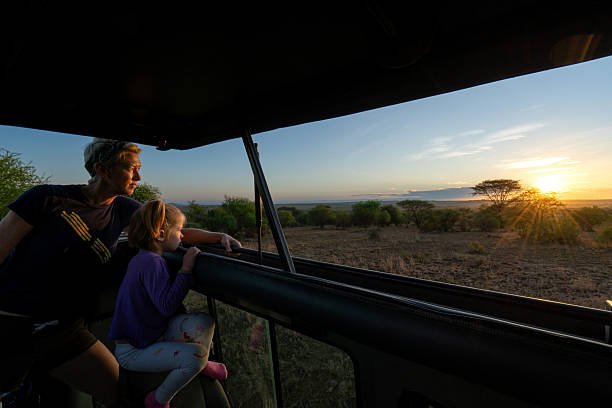
Private Tanzania Safari Packages: Your Ultimate Guide For 2026-2027
Discover the unparalleled freedom and personalized experience of a private Tanzania safari package. This comprehensive guide for 2026-2027 explores custom itineraries, key destinations like...
View package details
Are African Safari Prices Per Person Or Vehicle? Understanding Tanzania Costs
African safari costs can be confusing. This guide clarifies whether prices are quoted per person or per vehicle, detailing factors that influence your 2026-2027 safari budget in Tanzania.
View package details
5-Day Tanzania Safari Packages And Prices: Your Ultimate Guide 2026-2027
Discover everything you need to know about 5-day Tanzania safari packages, including common routes, what's included, and price considerations for your 2026-2027 adventure. Plan your...
View package details
South Africa Safari Tours & Vacation Packages | Climb 4 2026-2027
Discover the ultimate South Africa safari experience with tailored tour and vacation packages for 2026-2027. From iconic Kruger National Park to exclusive private reserves, find detailed...
View package details
Safari From Zanzibar: Best Packages, Prices & Parks For 2026-2027
Combining a Zanzibar beach holiday with a Tanzania safari is a dream for many travelers. This guide details the best safari packages from Zanzibar, covering essential planning, park...
View package detailsAffordable African Safari Packages: Your Guide To Budget-Friendly Tanzania
Discover how to plan and book affordable African safari packages for 2026-2027. This guide provides practical advice on choosing budget-friendly Tanzania tours, understanding costs, and...
View package details
Serengeti Safari Tours: Prices, Packages & Best Time To Visit In 2026-2027
Discover everything you need to know for planning your Serengeti safari tour, from understanding pricing and package variations to identifying the ideal travel times in 2026-2027. This...
View package details
Kenya And Tanzania Combined Safari Packages: Ultimate Guide 2026-2027
Discover the unparalleled adventure of combining Kenya and Tanzania for a comprehensive East African safari. This guide details everything you need to know for planning your 2026-2027...
View package details3-Day Serengeti And Ngorongoro Safari: Your Ultimate Tanzania Wildlife
start a concise yet unforgettable 3-day Serengeti and Ngorongoro safari, designed to maximize wildlife encounters in Tanzania's most celebrated parks. This compact adventure offers a taste...
View package details
Serengeti Safari And Zanzibar Beach Holiday: The Ultimate Tanzania
Combine the thrill of a Serengeti safari with the relaxation of a Zanzibar beach holiday. This guide covers everything you need to know for an unforgettable Tanzania adventure in 2026-2027...
View package details
Tanzania Safari And Zanzibar All-Inclusive Packages Guide
Combine the thrill of a Tanzanian wildlife safari with the serene beauty of Zanzibar on an all-inclusive package. This comprehensive guide covers everything you need to know for planning...
View package detailsZanzibar To Mikumi Safari: Flights, Prices And Itinerary Guide
Transition from the spice-scented beaches of Zanzibar to the wildlife-rich plains of Mikumi National Park. This guide details flight logistics, cost considerations, and sample itineraries...
View package detailsNo related package matches those filters. Clear one or more filters to see the other topic-matched options.



