Yes, you should absolutely budget extra for tips, drinks, and laundry on your safari, as these are typically not included in standard tour package prices. For a typical 7-day Tanzanian safari in 2026 or 2027, plan for approximately $200-$350 USD per person for guide and staff tips, $10-$30 USD per day for drinks and snacks (depending on consumption), and $10-$25 USD per load for laundry, though this can vary based on lodge services and your personal habits.
Understanding Safari Costs Beyond the Package
When you book a safari package with operators like Climb 4 Africa, the core elements of your adventure are usually covered: accommodation, most meals, park entrance fees, vehicle and driver-guide services, and often internal transfers. However, the magic of a safari also involves personal comforts and expressing appreciation for the dedicated team that makes your trip memorable. This is where budgeting for extras like tips, drinks, and laundry becomes crucial for a smooth and enjoyable experience in Tanzania during 2026 and 2027.
Many travelers, especially first-timers, wonder about these additional expenses. It’s not about hidden fees; it’s about understanding the local customs and the operational realities of remote safari travel. These elements allow for flexibility and ensure you can fully relax, knowing your immediate needs are met without having to constantly check your wallet or inquire about what’s included.
This guide aims to demystify these common safari expenses, providing practical advice and realistic estimates to help you plan your budget effectively for your 2026-2027 adventure. We’ll cover tipping etiquette, how to manage your drink expenses, and the practicalities of laundry services in safari lodges and camps.
Safari Tipping: A Key Part of the Experience
Tipping on safari is a significant aspect of showing appreciation for the hard work and dedication of the people who ensure your safety, comfort, and enjoyment. This includes your safari driver-guide, lodge staff, cooks, and porters (if on a Kilimanjaro trek combined with safari, though this guide focuses on safari aspects). Understanding who to tip and how much can feel complex, but generally, a tiered approach works best.
For a typical 7-day safari in Tanzania in 2026 or 2027, the tipping budget is a substantial portion of these ‘extra’ costs. It’s important to note that these amounts are guidelines, and the final decision on tipping is always discretionary, based on the quality of service received.
Who to Tip on Safari?
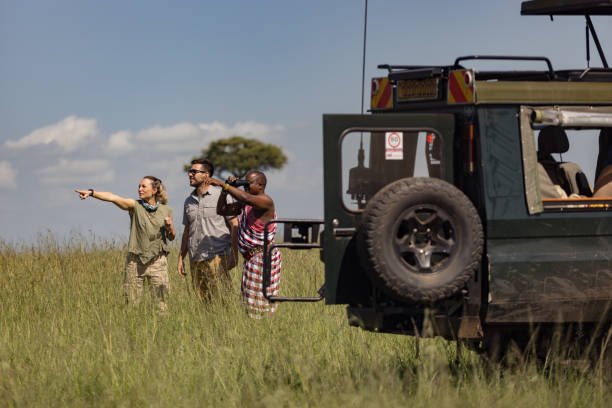
- Safari Driver-Guide: This is your primary point of contact throughout the safari. They are knowledgeable, responsible for your safety, and often go above and beyond to help you spot wildlife and navigate the parks. They are typically the highest-paid service staff and receive the largest tip.
- Lodge/Camp Staff: This includes housekeepers who keep your room tidy, waiters who serve your meals, and general camp staff who maintain the grounds and assist with luggage. Many lodges pool tips for their staff, while others expect individual tips. Clarify this with your lodge or tour operator upon arrival.
- Cooks & Porters (if applicable): If your safari includes camping or a fly-camping experience, you will likely have a cook preparing your meals and porters carrying your gear. They also deserve recognition for their hard work.
Tipping Guidelines for 2026-2027 Safaris
While specific amounts can fluctuate slightly with inflation and economic conditions, here are some widely accepted tipping guidelines for Tanzanian safaris in the 2026-2027 period. These are per person, per day, or per service, and are typically paid in USD, as it’s a widely accepted currency for tourism.
Important Note on Tipping: Always carry small denominations of USD ($1, $5, $10 bills) for tipping. Ensure bills are clean and crisp. It is best to tip at the end of your safari, or at the end of each major service period (e.g., end of safari for guide, end of stay for lodge staff).
Driver-Guide Tips
For a dedicated safari driver-guide who accompanies you for the duration of your trip (e.g., 7 days), a common range is $20 – $40 USD per person, per day. For a 7-day safari, this would amount to $140 – $280 USD per person. Some operators might suggest a slightly lower range, perhaps $15-$30, while others might aim higher. It’s always good to clarify the recommended range with your tour operator, such as Climb 4 Africa, before you depart.
Lodge Staff Tips
For general lodge or camp staff (housekeepers, waiters, general assistants), a pooled tip is often appropriate. A common guideline is $10 – $20 USD per person, per day. This amount is usually collected by a lodge manager and distributed amongst the staff. If you wish to tip individuals directly for exceptional service, that is also perfectly acceptable.
Cooks and Porters (Camping Safaris)
If your safari involves camping or fly-camping, you’ll typically have a cook and porters. For cooks, a tip of $15 – $25 USD per person, per day is customary. For porters, who carry your gear, $10 – $20 USD per person, per day is a good benchmark. These roles are physically demanding and crucial for the success of a camping safari.
Example Tipping Calculation for a 7-Day Safari (Per Person):
| Role | Daily Tip Range (USD) | Total for 7 Days (USD) |
|---|---|---|
| Driver-Guide | $20 – $40 | $140 – $280 |
| Lodge Staff (Pooled) | $10 – $20 | $70 – $140 |
| Total Estimated Tip Budget | $30 – $60 | $210 – $420 |
This table provides a broad estimate. For a 7-day safari in 2026 or 2027, aiming for the middle ground, a budget of around $250 – $350 USD per person for tips is a sensible starting point. Remember, these are guidelines, and exceptional service warrants more; satisfactory service may warrant slightly less. Always check with your tour operator, like Climb 4 Africa, for their specific recommendations, as they are best placed to advise on local norms and expectations for their tours.
Tipping Etiquette and Best Practices
When to Tip: It’s generally best to tip at the end of your safari. This allows you to tip based on the overall experience. You can give cash directly to your driver-guide and lodge manager (for distribution) or in envelopes provided by the lodge. Some travelers prefer to tip at the end of each major segment of their trip, for instance, after the safari portion before heading to Zanzibar, or after a Kilimanjaro climb before the safari begins.
Currency: US Dollars are the preferred currency for tipping. Ensure you have clean, crisp bills, preferably in denominations of $1, $5, $10, and $20. Avoid coins, as they can be difficult to exchange.
Group vs. Individual Tipping: For larger groups, it’s common to pool tips for the driver-guide and lodge staff. However, if you have received outstanding personal service from a specific staff member, a small individual tip is a nice gesture.
Operator Recommendations: Always consult with your tour operator. For instance, Climb 4 Africa can provide specific advice tailored to their safari itineraries and the lodges they partner with. They understand the nuances and can guide you to ensure your appreciation is conveyed appropriately.
Budgeting for Drinks and Personal Consumption
Safari packages often include all meals (breakfast, lunch, and dinner), but drinks are frequently an extra cost, especially in lodges and tented camps. This is a significant area where costs can add up if not planned for.
What’s Typically Included?
Most safari packages will include water, especially bottled water provided in your safari vehicle and sometimes in your room. However, any other beverages – soft drinks, juices, beer, wine, spirits, or even specialty coffees – are usually at your own expense.
The reasoning behind this is simple: variety and personal preference. Lodges and camps offer a wide selection of drinks, and charging separately allows guests to choose exactly what they want, when they want it.
Typical Drink Costs (2026-2027 Estimates)
Prices can vary significantly between different lodges and camps, from basic tented camps to luxury lodges. Here are some general estimates for 2026-2027:
- Bottled Water: While often included, if you need extra, expect to pay around $2 – $5 USD per bottle.
- Soft Drinks (soda, juice): Typically range from $3 – $6 USD.
- Local Beer: Expect to pay $4 – $7 USD.
- Imported Beer/Wine (glass): Can range from $6 – $12 USD.
- Spirits (single measure): Usually $5 – $10 USD.
- Cocktails: Can be anywhere from $8 – $15 USD.
Daily Drink Budget: For a moderate drinker who enjoys a couple of drinks per day, plus water and occasional soft drinks, a budget of $15 – $30 USD per person, per day is a reasonable estimate. If you are someone who enjoys a glass of wine with dinner and a couple of beers or cocktails in the evening, your daily spend could easily reach $30 – $50 USD or more.
Tip for Saving: Some lodges offer all-inclusive drink packages, which might be cost-effective if you plan to consume a significant amount of beverages. Alternatively, some travelers opt to purchase a few larger bottles of water or soft drinks at a supermarket in Arusha or Moshi before their safari begins, though these may not always be permitted or practical to store and keep cool in lodges.
Special Considerations for Drinks
- Lodge vs. Camp: Luxury lodges tend to have higher drink prices than more basic tented camps.
- Location: Drinks are more expensive in remote locations as they involve significant transport costs.
- Imported vs. Local: Imported brands will always be more expensive than local Tanzanian or East African brands.
- Happy Hours: Some lodges offer ‘happy hour’ specials on certain drinks, which can be a good way to save if you time it right.
For a 10-day safari in 2026 or 2027, a conservative budget for drinks would be around $150 – $300 USD per person. If you enjoy your drinks, this could easily double. It’s wise to check the specific lodge’s drink menu or ask your tour operator for typical price ranges.
Laundry Services on Safari
Packing light is essential for safaris, especially if you’re flying between locations or using smaller safari vehicles. This means you might need to use laundry services during your trip. Most mid-range to luxury lodges and tented camps offer laundry services, though it comes at a cost.
What to Expect from Lodge Laundry
Laundry services on safari are generally efficient but can be more expensive than what you’d pay at home. They typically handle washing, drying, and sometimes ironing. The turnaround time can vary, often taking 24-48 hours, so plan accordingly.
Cost of Laundry: Prices are usually quoted per item or per load. A common pricing structure is:
- Per Item: You might pay $1 – $5 USD per item (e.g., per shirt, per pair of trousers, per towel).
- Per Load: Some lodges offer a ‘laundry bag’ service, where you can fill a provided bag for a set fee, typically ranging from $10 – $25 USD per bag. This can be more economical if you have a lot of items.
For a typical 7-10 day safari in 2026-2027, if you need to do one or two loads of laundry, budget approximately $20 – $50 USD per person. If you’re on a longer trip or prefer to wash more frequently, this cost will increase.
Alternative to Lodge Laundry: Some camps may have a self-service laundry area with washing machines, though this is less common. Alternatively, if you are traveling between different locations, you might be able to find local laundromats in larger towns like Arusha or Moshi, which will be significantly cheaper but may not be practical due to time constraints.
Packing Tips to Minimize Laundry Needs
To reduce the need for laundry, consider packing quick-drying fabrics and items that can be worn multiple times:
- Moisture-wicking fabrics: Especially for t-shirts and base layers.
- Lightweight trousers/shorts: Many can be rinsed out and air-dried overnight.
- Versatile clothing: Neutral colours that can be mixed and matched.
- Travel clothesline and a small amount of travel detergent: For quick rinses in your room.
While these packing strategies can help, dedicated laundry services remain a practical option for longer safaris or unexpected spills and dirt, especially when traveling in 2026 or 2027.
Other Potential Extra Costs to Consider
Beyond tips, drinks, and laundry, there are a few other common expenses to factor into your safari budget:
- Souvenirs: Tanzania offers beautiful local crafts, artwork, and souvenirs. The cost here is entirely dependent on your shopping habits.
- Wi-Fi and Communication: While some lodges offer free Wi-Fi, others charge for it, or the connection may be slow and unreliable. If you need to stay connected, factor in potential costs. International roaming charges can also be very high, so consider a local SIM card if needed.
- Gratuities for Local Guides (Day Trips): If you book any day trips (e.g., to local villages, waterfalls, or markets) outside of your main safari itinerary, it’s customary to tip local guides for these excursions.
- Travel Insurance: While not an ‘on-safari’ expense, it’s a crucial pre-trip cost that should be budgeted for.
- Visa Fees: Depending on your nationality, you may need to budget for a Tanzanian visa.
- Optional Activities: Some safaris may offer optional activities like hot air balloon rides (Serengeti) or guided bush walks, which come with significant additional costs.
For a comprehensive safari budget in 2026-2027, it’s wise to add a buffer of $100 – $300 USD per person for these miscellaneous items, depending on your preferences.
Planning Your Safari Budget: A Practical Approach
To ensure you have a clear picture of your total safari costs, it’s best to break down your budget systematically. When you receive a quote from a tour operator like Climb 4 Africa, carefully review what is included and what is explicitly excluded.
Key Questions to Ask Your Tour Operator:
- What is the standard tipping guideline for your safaris?
- Are drinks included in the package, or what is the typical daily budget for drinks?
- Do the lodges you use offer laundry services, and what are the approximate costs?
- Are there any mandatory park fees or government levies not included in the quote?
- What is the policy on bottled water provision?
By having these conversations early, ideally when planning your 2026 or 2027 safari, you can avoid surprises. Climb 4 Africa prides itself on transparent communication and providing clients with all the necessary information to plan their trip effectively.
Recommended Extra Budget Summary (Per Person for a 7-Day Safari):
| Category | Estimated Range (USD) | Notes |
|---|---|---|
| Tips (Guide & Staff) | $210 – $420 | Based on $30-$60/day |
| Drinks & Snacks | $105 – $210 | Based on $15-$30/day |
| Laundry (1-2 loads) | $20 – $50 | Varies by lodge |
| Miscellaneous (Souvenirs, Wi-Fi, etc.) | $100 – $300 | Discretionary |
| Total Estimated Extras | $435 – $980 | For a 7-day safari |
This table highlights that budgeting an additional $500 – $1000 USD per person on top of your main safari package for these extras is a prudent approach for a typical 7-day trip in 2026-2027. For longer trips, adjust proportionally. For more budget-conscious travelers, reducing drink consumption and minimizing laundry needs can significantly lower these extra costs.
Making Your Booking with Confidence
Understanding the budget for tips, drinks, and laundry is key to a stress-free safari. By planning these additional expenses, you can focus on the incredible wildlife, stunning landscapes, and rich culture that Tanzania offers. Climb 4 Africa is dedicated to helping you create an unforgettable adventure tailored to your needs and budget.
When you’re ready to plan your 2026 or 2027 Tanzanian safari, or if you have any further questions about budgeting or inclusions, please don’t hesitate to reach out. Our team is here to provide clear, honest advice and to help you craft the perfect itinerary. You can contact us via WhatsApp at +255 747 477 898 or email us at climb4africa@gmail.com. Let us help you budget accurately and prepare for an incredible journey!
Pre-Safari Budget Checklist:
- Tipping: Confirm recommended daily rates for guides and staff with your operator. Carry sufficient USD cash in small denominations.
- Drinks: Estimate daily consumption and factor in lodge prices. Consider if any packages are available.
- Laundry: Check lodge services and costs. Pack quick-drying clothes to minimize needs.
- Souvenirs/Extras: Allocate a discretionary amount.
- Insurance & Visas: Ensure these are covered in your overall travel budget.
By considering these elements, your safari planning for 2026-2027 will be more thorough, ensuring you arrive prepared and ready to fully experience the magic of Tanzania.
Check Availability for Should I Budget Extra For Tips, Drinks, And Laundry On Safari? 2026-2027
Ready to compare dates, prices, and the best option for your group? Send the package name and travel month so the team can reply with a clear quote, availability, and what is included.
I Am On A Budget—What Is The Cheapest Serengeti Group Safari?
I Am on a Budget—What Is the Cheapest Serengeti Group Safari?
View package details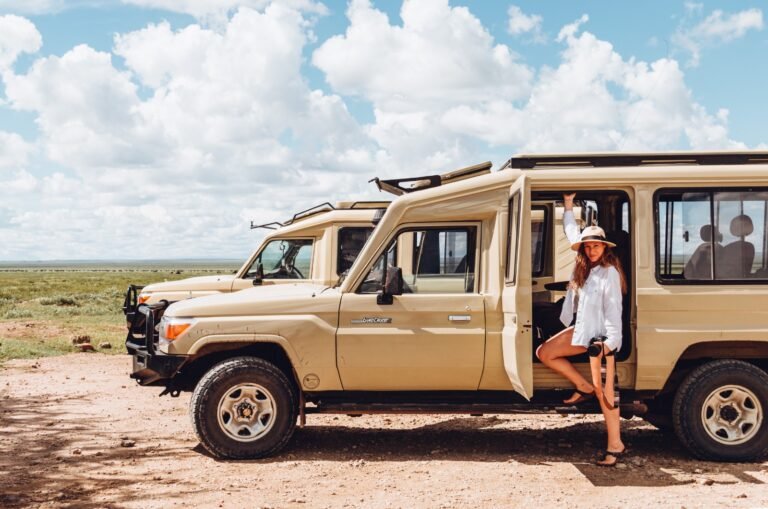
Nov 6, – 3 Day Serengeti And Ngorongoro Budget Group Safari 2026
A detailed look at our November 6, 2026 group departure for a 3-day Serengeti and Ngorongoro safari, including planning tips and route logistics.
View package details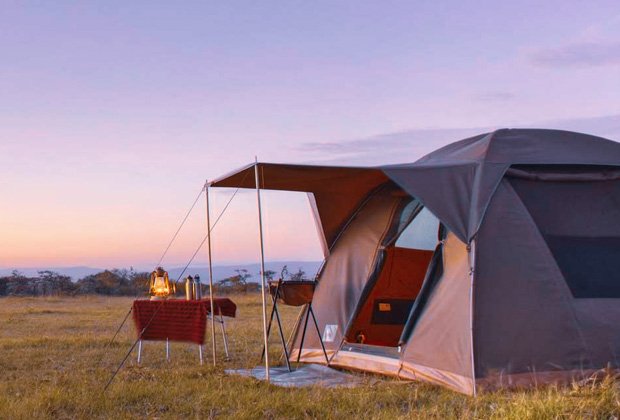
Nov 12, – 5 Day Tanzania Budget Camping Group Joining Safari 2026
A detailed guide to the November 12, 2026, 5-day budget camping group joining safari in Tanzania, covering route logistics, group dynamics, and planning essentials.
View package details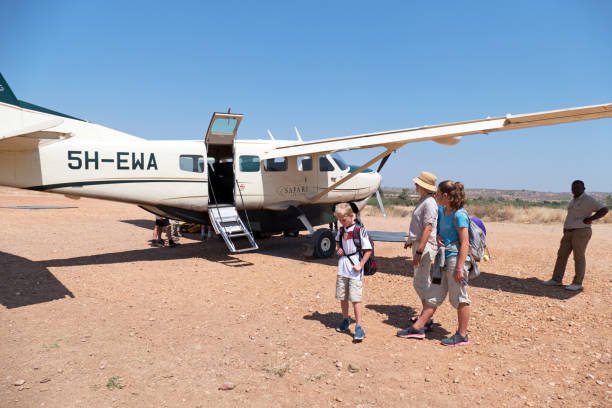
Budget Fly-In Safari From Zanzibar: Best Packages & Prices 2026-2027
Discover how to plan a budget-friendly fly-in safari from Zanzibar to Tanzania's top parks without sacrificing the quality of your wildlife experience.
View package details
How Early Should I Book A Nov Or Dec Tanzania Group Safari?
How Early Should I Book a Nov or Dec Tanzania Group Safari?
View package detailsFly From Arusha To Serengeti For A 2-Day Safari: Understanding Flight Costs
Discover how to budget and plan a fast-paced 2-day safari to the Serengeti, starting from Arusha. We break down flight costs, transfer options, and what to expect from a short, focused trip.
View package details_1_John_from-rednote-web-768x1024.jpg)
Serengeti To Zanzibar Vs Arusha To Which Is Better After Safari? 2027
Choosing the right transfer to Zanzibar after a safari—Serengeti to Zanzibar or Arusha to Zanzibar—depends entirely on your safari route, time constraints, and budget. This guide breaks...
View package details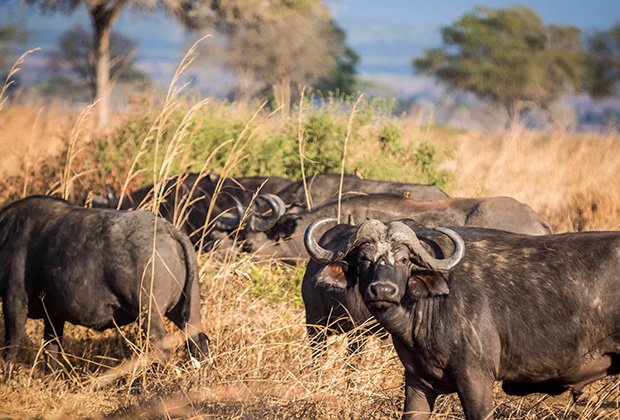
Dec 24, – 3 Day Christmas Serengeti And Ngorongoro Group Safari
Dec 24, 2026 – 3 Day Christmas Serengeti and Ngorongoro Group Safari.
View package details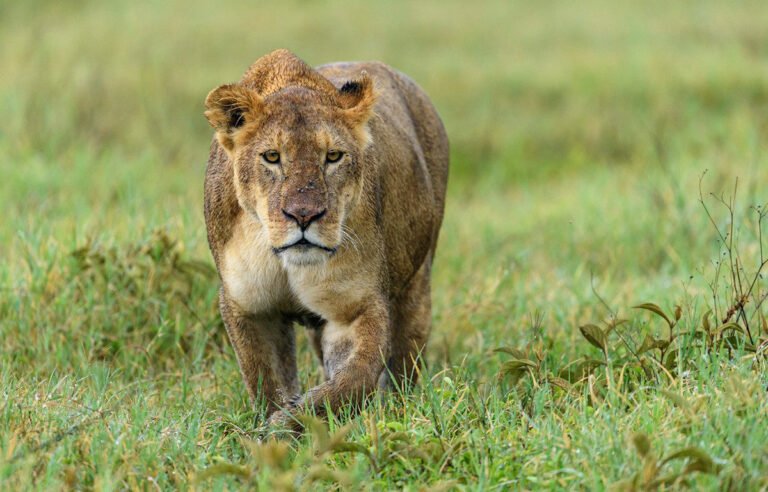
Dec 20, – 10 Day Complete Tanzania Group Joining Safari
Dec 20, 2026 – 10 Day Complete Tanzania Group Joining Safari.
View package details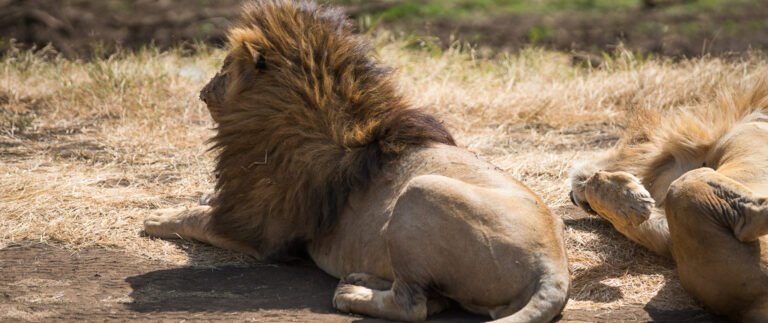
Which Dec Group Safari Ends Before New Year’s Eve?
Which Dec Group Safari Ends Before New Year’s Eve?
View package details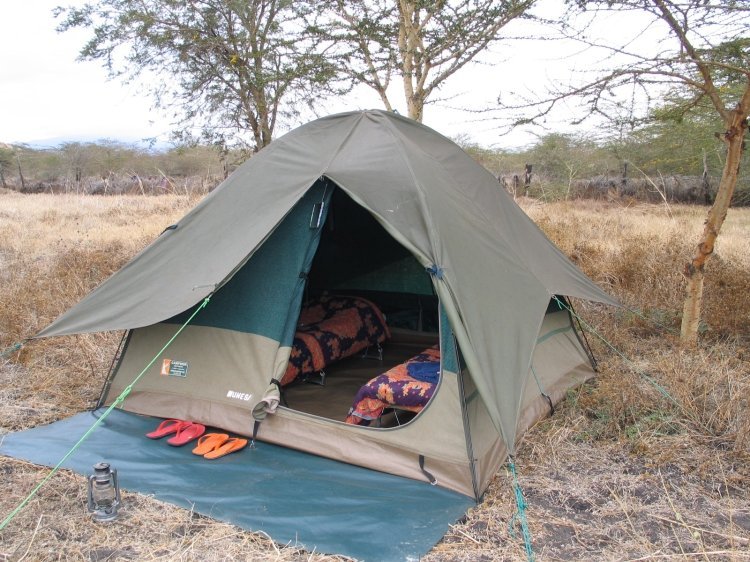
Can I Pay A Deposit To Reserve A Tanzania Group Safari?
Can I Pay a Deposit to Reserve a Tanzania Group Safari?
View package details
Nov 23, – 3 Day Serengeti And Ngorongoro Safari From Zanzibar
Nov 23, 2026 – 3 Day Serengeti and Ngorongoro Safari from Zanzibar.
View package detailsNo related package matches those filters. Clear one or more filters to see the other topic-matched options.