Generally, you do not need to pay separately for most drinks during a standard Tanzanian safari package, especially those consumed at lodges and camps during your game drives and meals. Bottled water is almost always complimentary, particularly for use in your vehicle. However, alcoholic beverages, specialty coffees, sodas, and sometimes even bottled juices are often considered extras and will incur additional charges. The specifics depend heavily on the tour operator, the type of accommodation, and whether you’ve opted for an all-inclusive package. Always confirm your inclusions before booking your 2026-2027 safari.

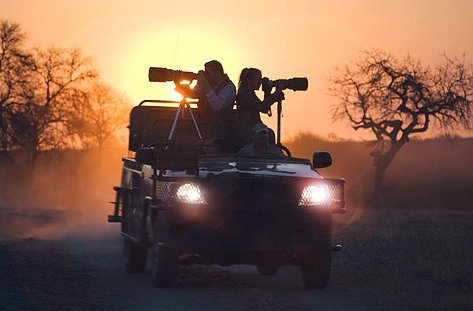
Understanding Safari Drink Inclusions: What to Expect
One of the most frequent questions travelers ask when planning their Tanzanian safari, especially for trips in 2026 or 2027, revolves around the cost of drinks. It’s a practical concern that directly impacts your budget and overall experience. The truth is, there isn’t a single, universal answer, as policies vary significantly between tour operators, lodges, and the type of safari package you select. However, understanding the general patterns and asking the right questions upfront can save you from unexpected expenses and ensure you’re well-prepared.
At its core, the question of whether you need to pay separately for drinks during safari hinges on two main factors: what is considered a ‘basic necessity’ versus a ‘luxury’ item, and the level of service and inclusion offered by your tour provider. For most travelers embarking on a typical Tanzanian wildlife safari, the primary concern is staying hydrated, and this is almost universally covered.
The Foundation: Complimentary Water
The single most important drink on any safari is water. Dehydration can be a serious issue in the African heat, especially during long game drives or strenuous activities. Recognizing this, virtually all reputable safari operators and lodges provide complimentary bottled water. This typically includes:
- In the Safari Vehicle: Your safari vehicle will be stocked with bottled water. This is non-negotiable and is provided free of charge for your use throughout game drives. Operators understand that you’ll be consuming a significant amount of water, and it’s factored into the tour cost. Expect large bottles or a cooler filled with smaller ones.
- At Lodges and Camps: Most safari lodges and tented camps will offer complimentary bottled water in your room or tent. This is for your personal consumption during your stay.
- During Meals: Water served with breakfast, lunch, and dinner at your accommodation is also typically included. This might be tap water that is filtered and safe to drink, or bottled water, depending on the establishment’s policy.
For many travelers, this complimentary water is sufficient. It covers the essential need for hydration throughout their safari. However, as soon as you move beyond basic hydration, the landscape of inclusions can change rapidly.
The Grey Areas: Sodas, Juices, and Hot Beverages
This is where things start to get a bit more nuanced. What about soft drinks, fruit juices, or that essential morning cup of coffee or tea? The answer here is often ‘it depends’.
- Sodas and Bottled Juices: These are frequently considered extras. While some high-end lodges or all-inclusive packages might include a selection of soft drinks, it’s more common for them to be charged separately. You’ll usually find a price list in your room or at the bar.
- Hot Beverages: Tea and coffee served during breakfast or at designated times in the lodge’s common areas are usually complimentary. However, if you request a specialty coffee (like a cappuccino or latte) from the bar, or if you want tea or coffee brought to your room outside of standard meal times, there might be a charge.
The Clear Extras: Alcoholic Beverages and Imported Drinks
There is very little ambiguity when it comes to alcoholic beverages. Unless you have specifically booked an ultra-luxury or fully all-inclusive package (which are less common for standard Tanzanian safaris and often come at a premium), all alcoholic drinks will be an additional cost. This includes:
- Beers (local and imported)
- Wines (house wine, premium wines)
- Spirits and Liqueurs
- Cocktails
Similarly, any imported juices, specialty non-alcoholic beverages, or premium bottled waters (like sparkling water) that are not standard local offerings are almost certainly going to be charged extra.
The ‘All-Inclusive’ Misconception
The term ‘all-inclusive’ can be misleading in the context of safaris. Unlike beach resorts where it often means all food and drink, on a safari, ‘all-inclusive’ might mean your park fees, accommodation, meals, and standard house drinks are covered. It is crucial to get a detailed list of exactly what is included in any ‘all-inclusive’ package. For a 2026-2027 safari, this detail is vital for budgeting.
When reviewing your safari itinerary and quote, look for explicit mentions of ‘drinks’. If it’s vague, or if it only mentions ‘water’, assume that other beverages will be extra.
Factors Influencing Drink Costs on Your Safari
Several key elements determine whether you’ll be paying extra for your beverages during your Tanzanian safari. Understanding these can help you anticipate costs and make informed choices when booking your 2026-2027 adventure.
1. Tour Operator Policies
This is perhaps the most significant factor. Different tour operators have different philosophies regarding what they include in their safari packages. Some aim for a more comprehensive offering, while others stick to the essentials to keep base prices lower.
- Budget Operators: Often, budget-focused companies will include only bottled water. Everything else—sodas, juices, and certainly alcohol—will be a separate purchase. This allows them to offer lower upfront tour prices, but travelers need to be prepared for daily expenses on drinks.
- Mid-Range Operators: Many mid-range operators will include bottled water and possibly tea/coffee with meals. Sodas and alcoholic beverages will typically be extra. Some might offer a limited selection of local beers or house wines at an additional cost.
- Luxury & Premium Operators: Higher-end operators are more likely to include a wider range of beverages. This could extend to a selection of soft drinks, local beers, and house wines. Some of the most exclusive lodges and camps might even offer a full premium bar, but this is rare and usually reflected in a much higher overall tour price.
When you receive a quote from a tour operator like Climb 4 Africa for your 2026-2027 safari, scrutinize the ‘inclusions’ list. If it’s not crystal clear about drinks beyond water, ask for clarification. A good operator will readily provide this information.
2. Accommodation Type and Level
The type of accommodation you stay in during your safari plays a crucial role in drink pricing.
- Tented Camps: These can range from very basic to ultra-luxury. Basic camps will likely only offer complimentary water. More comfortable or luxury tented camps often include a broader selection of drinks, especially local beers and wines, as part of their nightly rate.
- Safari Lodges: Similar to tented camps, lodges vary widely. Standard lodges will likely charge for anything beyond water and basic tea/coffee. Higher-end lodges, particularly those part of international chains or exclusive boutique properties, may have more inclusive drink policies, sometimes even including a selection of premium spirits.
- Public Campsites: If you’re on a budget safari that involves camping at public campsites (which is less common for private safaris but sometimes part of overland tours), you’ll almost certainly be responsible for purchasing all your own drinks, including water, from local shops before or during the trip.
3. Safari Package Type
The structure of your safari package itself dictates inclusions.
- Standard Safari Package: This typically includes accommodation, meals, park entry fees, game drives, and a guide. Drinks beyond bottled water are usually extra.
- All-Inclusive Safari Package: As mentioned, this term needs careful definition. It might cover all meals, park fees, activities, and a selection of standard alcoholic and non-alcoholic drinks. Always verify the specifics. For a 2026-2027 trip, ensure this is clearly itemized.
- Custom-Tailored Safaris: If you’re designing a bespoke itinerary, you have more control. You can request that specific drinks be included, which will affect the overall price. This is where working with a knowledgeable operator like Climb 4 Africa can be beneficial; they can help you craft a package that matches your expectations and budget for drinks.
4. Location of Purchase
Where you buy your drinks can also affect the price.
- In-Flight/Airport: Drinks purchased at airports or on international flights before you even reach Tanzania will be at standard international prices.
- Within National Parks/Reserves: Prices for drinks (and other goods) are significantly higher inside national parks and game reserves. This is due to the logistics of transporting supplies to these remote locations. If you have the opportunity to stock up on soft drinks or extra water in a town like Arusha or Moshi before heading into the parks, it can be more economical.
- At Lodges/Camps: This is where you’ll likely encounter the highest prices for extras. Lodges and camps are remote, and their bars and restaurants are the primary (and often only) source for additional beverages. Expect to pay premium prices for sodas, beers, wines, and spirits here.
5. Local vs. Imported Drinks
There’s often a price difference between locally produced beverages and imported ones.
- Local Beers (e.g., Serengeti, Kilimanjaro): These are generally the most affordable alcoholic options available.
- Imported Beers & Ciders: Expect to pay more for brands not produced in Tanzania.
- Local Wines: Some Tanzanian wineries are emerging, but imported wines are more common and will be priced accordingly. House wines are usually the most cost-effective choice.
- Imported Spirits: Brands from Europe or North America will carry a higher price tag than local options.
For a 2026-2027 safari, it’s wise to budget for a mix. If you plan to enjoy a sundowner or two, factor in the cost of local beers or house wines as the most budget-friendly choices.
6. Specific Drink Choices
Your personal preferences will obviously dictate your spending. A traveler who only drinks water will have zero extra drink costs. Someone who enjoys a cocktail or two each evening, along with sodas during the day, will accumulate significant charges.
- Water: Free.
- Soft Drinks/Sodas: Typically $3 – $7 USD per can/bottle.
- Local Beers: Typically $4 – $8 USD per bottle.
- House Wines (glass/carafe): Typically $5 – $10 USD per glass, $20 – $40 USD per carafe.
- Imported Wines/Premium Spirits: Can range from $10 USD per glass to $100+ USD per bottle for very high-end options.
These are approximate ranges for 2026-2027 and can vary based on the specific lodge and location. It’s always best to check the menu or price list at your accommodation.
Practical Tips for Managing Drink Costs on Safari
Managing your drink expenses on safari requires a bit of planning and awareness. Here are some practical tips to help you stay within your budget while ensuring you stay hydrated and enjoy your trip in 2026-2027.
1. Clarify Inclusions BEFORE Booking
This cannot be stressed enough. Before you commit to any safari package, get a detailed written confirmation of what drinks are included. Don’t rely on verbal assurances. Ask specifically:
- Is bottled water included in the vehicle and at the lodge?
- Are soft drinks and juices included? If so, which ones?
- Are alcoholic beverages included? If so, which types (local beer, house wine, specific spirits)?
A transparent operator like Climb 4 Africa will provide a clear breakdown. If a quote is vague, it’s a red flag. For a 2026-2027 safari, this clarity is paramount for financial planning.
2. Budget for Extras
Even if your package includes water and perhaps tea/coffee, it’s wise to budget a small amount daily for drinks you might want to purchase. Consider how often you might fancy a soda during a game drive or a sundowner beer in the evening. A reasonable daily budget for extras could range from $10 to $30 USD per person, depending on your consumption habits. If you plan on enjoying alcoholic drinks regularly, this figure could easily double or triple.
3. Purchase Drinks in Town When Possible
If your itinerary allows, and if you have the opportunity to stop in a town like Arusha or Moshi before heading into the parks, consider buying a few extra bottles of your preferred soft drinks or water. Supermarkets in these towns offer much better prices than lodges or camps within the parks. However, be mindful of luggage space and any restrictions your tour operator might have on bringing outside beverages into accommodations.
4. Embrace Local Options
When purchasing drinks at lodges or camps, opt for local brands. Local beers and standard soft drinks are considerably cheaper than imported varieties. If you enjoy wine, stick to the house wine offered by the lodge, which is usually the most economical choice.
5. Stay Hydrated with Water
Make the most of the complimentary bottled water. Staying well-hydrated with water is essential for your health and comfort on safari, and it costs nothing extra. This will reduce your need to purchase other beverages purely for thirst.
6. Consider Package Deals (Rare)
While not common, some lodges might offer drink packages. It’s worth inquiring at the lodge reception if they have any deals on beer, wine, or soft drink bundles. This is rare, but could potentially save money if you plan to consume a fair amount.
7. Understand Payment Methods
Most lodges and camps accept major credit cards (Visa, MasterCard) for extras. However, it’s always a good idea to carry some US Dollars (USD) in smaller denominations. Many establishments prefer cash for smaller purchases or if their card machine is temporarily out of order. Ensure your USD bills are recent (issued after 2009) and in good condition.
8. Check Your Bill Carefully
Before checking out of a lodge or camp, always review your bill to ensure all extra charges for drinks (or anything else) are accurate. Mistakes can happen, and it’s easier to rectify them before you depart.
By following these tips, you can effectively manage your drink expenses and ensure that unexpected costs don’t detract from your incredible 2026-2027 Tanzanian safari experience.
What’s Typically Included in a Climb 4 Africa Safari Package?
At Climb 4 Africa, we aim to provide clarity and value in our safari packages. Understanding what’s included in your safari price is crucial for planning your 2026-2027 adventure. We strive to make our inclusions as transparent as possible, so you know exactly what to expect.
Our Standard Safari Inclusions:
When you book a standard safari package with Climb 4 Africa, the following are typically included:
- Accommodation: As specified in your itinerary (lodges, tented camps).
- Meals: All meals (breakfast, lunch, dinner) as per your itinerary. This usually starts with lunch on your first day and ends with breakfast on your last day.
- Park Entrance Fees: All national park and conservation area fees for the duration of your safari.
- Game Drives: All game drives in a 4×4 safari vehicle with a pop-up roof for excellent game viewing.
- Professional Guide: A qualified and experienced English-speaking safari guide.
- Vehicle & Fuel: The safari vehicle, fuel, and driver/guide’s expenses.
- Bottled Water: Complimentary bottled water is provided in the safari vehicle for game drives. This is essential for staying hydrated.
- Airport Transfers: As specified in your booking.
- Crater Service Fees: If applicable (e.g., Ngorongoro Crater).
What is Typically NOT Included (and requires separate payment):
To manage expectations and allow flexibility, certain items are generally not included in our standard safari prices. These are costs you should be prepared for:
- Drinks Beyond Water: Alcoholic beverages, soft drinks, sodas, and juices are considered extras and will be charged separately by the lodges and camps. While we provide ample water for game drives, any additional beverages consumed at your accommodation will be at your own expense.
- Gratuities: Tips for your safari guide and lodge staff are customary but not included. We can provide guidance on recommended tipping amounts.
- Visas: Visa fees for Tanzania are not included.
- Travel Insurance: Comprehensive travel and medical insurance are mandatory and must be arranged by the traveler.
- Personal Expenses: Items like souvenirs, laundry, telephone calls, and any personal medical expenses.
- Optional Activities: Activities not explicitly mentioned in the itinerary, such as hot air balloon safaris, guided walking safaris (where permitted), or cultural village visits, will incur additional costs.
- Vaccinations & Medications: Any personal health-related costs.
Tailoring Your Safari Package for 2026-2027
We understand that every traveler has different needs and preferences. If you are planning a safari for 2026 or 2027 and wish to have more beverages included, we can certainly explore options for you. This might involve:
- Selecting higher-tier lodges: Some luxury lodges have more inclusive drink policies.
- Upgrading to a specific package: We can discuss if a more comprehensive ‘all-inclusive’ style package can be arranged, though this is less common for standard Tanzanian safaris and often comes at a significant premium.
- Adding a drinks allowance: In some cases, we might be able to pre-purchase a certain number of drinks or a credit for you, which would be added to your total safari cost.
The best approach is always to have an open conversation with us about your expectations regarding drinks. We can then advise on the most suitable lodges and package options that align with your budget and preferences. Contact us via WhatsApp +255 747 477 898 or Email climb4africa@gmail.com to discuss your specific requirements for your 2026-2027 safari.
Our goal is to ensure you have a fantastic and hassle-free safari experience, and clear communication about inclusions is a key part of that.
Comparing Drink Policies: Operator A vs. Operator B (Hypothetical)
To further illustrate the differences, let’s consider a hypothetical comparison between two safari operators, focusing on their drink policies. This can help you understand the nuances when comparing quotes for your 2026-2027 safari.
Hypothetical Operator A (Focus: Value & Essentials)
Inclusions:
- Bottled water in the vehicle and at lodges.
- All meals.
- Park fees, accommodation, guide, and vehicle.
Exclusions (Pay Separately):
- All alcoholic beverages (beer, wine, spirits).
- All soft drinks and sodas.
- Packaged fruit juices.
- Specialty coffees/teas from the bar.
Typical Cost for Extras (per day, per person): $15 – $40 USD (depending on consumption of sodas/local beers).
Best For: Travelers who primarily drink water, are not big drinkers, or are on a very strict budget and prefer to manage drink expenses separately, perhaps by purchasing in town.
Hypothetical Operator B (Focus: Enhanced Inclusions)
Inclusions:
- Bottled water in the vehicle and at lodges.
- All meals.
- Park fees, accommodation, guide, and vehicle.
- A selection of local beers and house wines at lodges during evening hours.
- Complimentary tea and coffee at meal times.
Exclusions (Pay Separately):
- All imported alcoholic beverages.
- Premium spirits and liqueurs.
- All soft drinks and sodas.
- Packaged fruit juices.
- Specialty coffees/teas from the bar.
Typical Cost for Extras (per day, per person): $10 – $25 USD (primarily for sodas or if choosing premium drinks).
Best For: Travelers who enjoy a sundowner or two (local beer/house wine) and want the convenience of these being included, but are happy to pay for sodas or imported drinks if they choose.
Key Takeaway for Your 2026-2027 Safari: Always compare the ‘Inclusions’ and ‘Exclusions’ lists side-by-side. A slightly higher upfront cost from one operator might actually be cheaper overall if it includes beverages you would have otherwise paid extra for. Conversely, a lower initial price might hide significant potential costs for drinks.
Climb 4 Africa aims to be transparent. We typically fall closer to Operator A’s model for standard packages, focusing on providing excellent value for the core safari experience and clearly outlining that beverages beyond water are extras. This allows you maximum flexibility and control over your spending. However, we are always happy to discuss tailoring packages to include more, especially for clients planning their 2026-2027 trips who have specific preferences.
Budgeting for Drinks: A Sample Scenario (2026-2027)
Let’s put some numbers to it. Imagine a 7-day Tanzania safari for two people in 2026. They are staying in mid-range lodges and camps. Here’s a potential breakdown of drink costs, assuming their safari package includes only complimentary water and basic tea/coffee with meals.
Assumptions:
- Duration: 7 days / 6 nights.
- Travelers: 2 adults.
- Accommodation: Mid-range lodges/camps.
- Included: Bottled water in vehicle/room, tea/coffee at breakfast.
- Not Included: All other beverages.
| Item | Estimated Cost Per Unit | Daily Consumption (per person) | Total Daily Cost (2 people) | Total Cost (7 days) |
| Soft Drinks/Sodas (e.g., Coke, Fanta) | $4 USD | 1 per day | $8 USD | $56 USD |
| Local Beer (e.g., Serengeti) | $6 USD | 2 per day (evening) | $24 USD | $168 USD |
| House Wine (glass) | $7 USD | 1 per day (evening) | $14 USD | $98 USD |
| Bottled Water (extra, if needed) | $3 USD | 1 per day (if not enough free) | $6 USD | $42 USD |
| Imported Water/Juice (occasional) | $5 USD | 1 every 2 days | $5 USD | $17.50 USD (approx.) |
Scenario 1: Moderate Drinkers
Each person has 1 soda per day and 2 local beers in the evening.
- Daily cost per person: ($4 x 1) + ($6 x 2) = $16 USD
- Total daily cost for 2 people: $16 x 2 = $32 USD
- Total for 7 days: $32 x 7 = $224 USD
Scenario 2: Enthusiastic Drinkers
Each person has 1 soda, 1 glass of house wine, and 2 local beers per day.
- Daily cost per person: ($4 x 1) + ($7 x 1) + ($6 x 2) = $23 USD
- Total daily cost for 2 people: $23 x 2 = $46 USD
- Total for 7 days: $46 x 7 = $322 USD
Scenario 3: Minimalists (Mostly Water)
Each person has 1 soda every other day and 1 local beer every other evening.
- Daily cost per person: ($4 / 2) + ($6 / 2) = $5 USD
- Total daily cost for 2 people: $5 x 2 = $10 USD
- Total for 7 days: $10 x 7 = $70 USD
Important Considerations for 2026-2027 Budgeting:
- These are estimates. Actual prices can vary by lodge and season.
- This doesn’t include premium drinks, cocktails, or imported wines, which would significantly increase the cost.
- If you plan to purchase drinks in towns, the cost might be lower, but you need to factor in transport and storage.
- Always have a buffer in your budget for unexpected expenses.
This exercise highlights that while complimentary water is standard, the cost of other drinks can add up. It reinforces the importance of clarifying inclusions and budgeting accordingly for your 2026-2027 safari.
Planning Your 2026-2027 Safari: Key Questions to Ask
As you move forward with planning your dream safari for 2026 or 2027, asking the right questions is your best tool for avoiding surprises, especially concerning drink costs. Here’s a checklist of essential queries:
About Drink Inclusions:
- “What types of drinks are included in the safari package price?”
- “Is bottled water provided throughout the safari, including in the vehicle and at lodges/camps?”
- “Are soft drinks, sodas, and juices included? If so, which specific brands or types?”
- “Are alcoholic beverages included? If yes, please specify which types (e.g., local beers, house wines, standard spirits) and where they can be consumed.”
- “Are there any limits on the quantity or frequency of included drinks?”
About Additional Drink Costs:
- “What is the typical price range for a can of soda or a bottle of local beer at the lodges/camps we will be staying at?”
- “Are there price differences between local and imported beverages?”
- “If I want to buy extra drinks, what is the payment procedure? (Cash, credit card, added to room bill?)”
- “Are there opportunities to purchase drinks in towns at a lower cost before entering the parks?”
About Accommodation Policies:
- “Does the lodge/camp have a specific policy on outside beverages being brought onto the property?”
- “Are there any special drink packages or promotions available at the accommodations?”
About Your Specific Safari:
- “Can you provide a detailed itinerary that explicitly lists all included and excluded items, especially regarding beverages?”
- “For a 2026-2027 booking, are there any seasonal variations in drink pricing or availability?”
By systematically asking these questions, you empower yourself to make informed decisions. It helps you compare offers accurately and ensures that your budget for your 2026-2027 safari is realistic. Remember, a reputable tour operator like Climb 4 Africa welcomes these questions and is committed to providing clear, honest answers.
Ready to Plan Your 2026-2027 Safari?
Understanding safari drink inclusions is just one piece of the puzzle. Planning a successful trip involves many details, from choosing the right itinerary to selecting the best accommodations. Climb 4 Africa is here to guide you every step of the way.
Whether you have specific questions about drink policies, need help crafting a custom itinerary, or want to explore options for your 2026-2027 adventure, our team of experts is ready to assist. We pride ourselves on transparency and ensuring our clients have all the information they need for a memorable journey.
Contact us today to start planning:
- WhatsApp: +255 747 477 898
- Email: climb4africa@gmail.com
Let us help you create an unforgettable Tanzanian safari experience, ensuring all your expectations – including those related to drinks – are met.
Check Availability for Do I Need To Pay Separately For Drinks During Safari? Your Complete Guide
Ready to compare dates, prices, and the best option for your group? Send the package name and travel month so the team can reply with a clear quote, availability, and what is included.
Dec 24, – 3 Day Christmas Serengeti And Ngorongoro Group Safari
Dec 24, 2026 – 3 Day Christmas Serengeti and Ngorongoro Group Safari.
View package details
Dec 20, – 10 Day Complete Tanzania Group Joining Safari
Dec 20, 2026 – 10 Day Complete Tanzania Group Joining Safari.
View package details
Which Dec Group Safari Ends Before New Year’s Eve?
Which Dec Group Safari Ends Before New Year’s Eve?
View package details
How Early Should I Book A Nov Or Dec Tanzania Group Safari?
How Early Should I Book a Nov or Dec Tanzania Group Safari?
View package details
Can I Pay A Deposit To Reserve A Tanzania Group Safari?
Can I Pay a Deposit to Reserve a Tanzania Group Safari?
View package details
Nov 23, – 3 Day Serengeti And Ngorongoro Safari From Zanzibar
Nov 23, 2026 – 3 Day Serengeti and Ngorongoro Safari from Zanzibar.
View package details
Dec 26, – 6 Day Christmas And New Year Northern Circuit Safari
Dec 26, 2026 – 6 Day Christmas and New Year Northern Circuit Safari.
View package details
Dec 31, : New Year’s Eve Serengeti Group Safari Planning Guide
This guide provides essential planning details for a group safari trip to the Serengeti for New Year's Eve 2026, covering logistics, seasonal highlights, and what to expect.
View package details
Dec 22, – 3 Day Nyerere Group Joining Safari
Dec 22, 2026 – 3 Day Nyerere Group Joining Safari.
View package details
Can I Join A Safari That Has Already Confirmed Travellers?
Can I Join a Safari That Has Already Confirmed Travellers?
View package details
I Am On A Budget—What Is The Cheapest Serengeti Group Safari?
I Am on a Budget—What Is the Cheapest Serengeti Group Safari?
View package details_1_John_from-rednote-web-768x1024.jpg)
Dec 13, – 2 Day Nyerere Fly-In Group Safari From Zanzibar 2026
A detailed guide to the December 13, 2026 group fly-in safari from Zanzibar to Nyerere National Park, covering the itinerary, logistics, and planning for your trip.
View package detailsNo related package matches those filters. Clear one or more filters to see the other topic-matched options.