For a typical 7-10 day Tanzania safari in 2026-2027, plan for spending money ranging from $50 to $150 per person per day. This covers optional tips for guides and staff, drinks, souvenirs, laundry, and any unplanned activities. The exact amount depends heavily on your safari style, accommodation choices, and personal spending habits, with higher-end lodges and more souvenir shopping naturally increasing your daily needs.

Understanding Your Safari Budget: What’s Included and What’s Not
When you book a safari in Tanzania, especially with a reputable operator like Climb 4 Africa, a significant portion of your trip’s costs are covered. Typically, this includes your accommodation (lodges or tented camps), park entrance fees for the national parks you visit, game drives in a 4×4 safari vehicle with a professional guide, meals (breakfast, lunch, and dinner), and transfers. However, the question of how much spending money to take on safari in Tanzania for 2026-2027 trips is about the expenses that fall outside these core inclusions. These are the costs that allow for personal comfort, memorable keepsakes, and gratuities for the dedicated people who make your safari exceptional.
It’s crucial to differentiate between the main safari package cost and your personal spending money. Your package price is a significant investment covering the operational backbone of your adventure. Spending money, on the other hand, is for the discretionary items and services that enhance your experience. For 2026 and 2027, this distinction remains vital for accurate financial planning. Overlooking these ‘extras’ can lead to unexpected stress or limitations during your trip. Think of it as your personal ‘fun fund’ and ‘thank you’ fund for the safari experience.
Key Inclusions in Most Tanzania Safari Packages:
- Accommodation in selected lodges or tented camps.
- All meals (breakfast, lunch, dinner) as specified in your itinerary.
- Park entrance fees for national parks and conservation areas.
- Game drives in a 4×4 safari vehicle with a qualified English-speaking driver-guide.
- Unlimited mileage in the safari vehicle during game drives.
- Bottled water during game drives.
- Airport transfers on arrival and departure.
- Government taxes and levies applicable at the time of booking.
Common Expenses NOT Typically Included (and thus covered by spending money):
- International flights to and from Tanzania.
- Visa fees.
- Travel insurance.
- Tips and gratuities for guides, drivers, lodge staff, etc.
- Beverages (alcoholic and sometimes non-alcoholic, depending on the lodge).
- Optional activities like hot air balloon safaris, cultural village visits, or guided bush walks (if not explicitly stated).
- Personal expenses such as laundry, souvenirs, and communication costs.
- Meals and drinks not specified in the itinerary (e.g., lunches or dinners in transit towns if not part of the package).
Understanding this separation from the outset is the first step in accurately determining how much spending money you need for a Tanzania safari. For 2026-2027 trips, this basic principle remains unchanged, though specific costs for items like souvenirs or optional activities might see minor adjustments due to inflation or currency fluctuations. It’s always wise to budget slightly more than you think you’ll need, just in case.
Estimating Daily Spending Money Needs for Tanzania Safaris
To get a practical handle on how much spending money to take on safari in Tanzania, it’s helpful to think in terms of a daily budget. While your overall safari package is a fixed cost, your personal spending is variable. For a standard mid-range safari in 2026-2027, a good baseline for daily spending money is between $75 and $125 per person. This range allows for flexibility without being overly extravagant or excessively frugal. For those opting for more luxurious accommodations or planning significant souvenir purchases, this figure could easily climb to $150-$200+ per day.
Let’s break down where this daily amount typically goes:
- Tips: This is often the largest single component of your daily spending. We’ll detail tipping in a dedicated section, but expect to allocate a significant portion here.
- Beverages: While water is usually provided in the vehicle, soft drinks, beers, wines, and spirits at lodges or camps are almost always extra. Costs can vary greatly by lodge, but a beer might be $4-$7, a soft drink $3-$5, and a bottle of wine $25-$50+.
- Souvenirs: This is entirely personal. Some travelers buy nothing; others purchase several items. Prices for carvings, artwork, fabrics, and jewelry can range from a few dollars to hundreds.
- Snacks/Extra Drinks: If you have a long drive between locations or feel peckish between meals, you might buy snacks.
- Laundry: Many lodges offer laundry services, which can be priced per item or per load. This can add up if you have many items washed.
- Communication: Wi-Fi might be available at lodges (sometimes for a fee), and purchasing a local SIM card with data is an option for consistent connectivity, but this is an upfront cost rather than a daily one.
- Optional Activities: If you decide on a spontaneous hot air balloon ride or a guided nature walk not included in your package, this will be a substantial daily expenditure.
For a 10-day safari, this daily range translates to approximately $750 – $1250 per person. Remember, this is a guideline. A budget-conscious traveler might spend closer to $50-$75 per day if they drink sparingly and limit souvenir purchases, while a luxury traveler could easily spend $200-$300+ per day on high-end drinks, premium souvenirs, and exclusive activities.
The key is to have enough flexibility. If you are on a tightly controlled budget, you might aim for the lower end of the $50-$100 per day range, carefully tracking your expenses. For most travelers seeking a comfortable and enjoyable experience in 2026-2027, aiming for the $75-$150 per person per day mark provides a good balance of coverage and peace of mind.
Consider your travel style: Are you a lodge person who enjoys evening drinks, or do you prefer to conserve energy after game drives? Do you love bargaining for art, or are you content with the memories? Your answers will help refine your personal daily spending target for your Tanzania safari.
Tipping Your Tanzania Safari Crew: A Crucial Component
Tipping is a significant and expected part of the safari experience in Tanzania, and it’s usually the largest single category of your spending money. Safari guides and support staff work incredibly hard to ensure your safety, comfort, and enjoyment. Their income is supplemented by tips, and it’s customary to tip generously. For 2026-2027 safaris, the tipping guidelines remain largely consistent, though you might see slight increases in recommended amounts due to inflation. It’s best to tip at the end of your safari, usually on the last day, so you can base it on the entire experience.
Who to Tip:
- Safari Driver-Guide: This is your primary contact and the most important person. They are your expert on wildlife, culture, and safety.
- Camp/Lodge Staff: This includes cooks, waiters, housekeeping, and porters at tented camps or lodges. Often, there’s a general tip pool to be shared among the camp staff.
- Assistant Guides: If your safari includes activities like walking safaris with additional guides, they should also be tipped.
Recommended Tipping Amounts (per day, per group/couple):
These are general guidelines, and amounts can be adjusted based on service quality and group size. It’s common to tip in US Dollars, as it’s widely accepted and understood.
Safari Driver-Guide: $20 – $30 per day per group.
Camp/Lodge Staff (shared pool): $10 – $15 per day per group.
Assistant Guide (for specific activities): $10 – $20 per day per group.
Example Calculation for a 10-Day Safari:
- Driver-Guide: $25/day x 10 days = $250
- Camp Staff: $12/day x 10 days = $120
- Total Tipping Estimate: $370 per group.
If you are traveling solo, you might tip on a per-person basis, but many guides appreciate a larger amount from a solo traveler. It’s also common for groups to pool money for the main guide. Discuss this with your group beforehand.
Important Considerations for Tipping:
- Cash is King: Ensure you have enough US Dollar bills (small denominations are useful for daily tips, larger ones for the end-of-safari tip) to cover your planned tipping. ATMs can be unreliable, and credit card tipping is not standard.
- Service Quality: While these are recommendations, adjust your tip based on the service provided. Exceptional service warrants more; less satisfactory service may warrant less.
- Group Discussion: If traveling with others, agree on a tipping strategy before the safari begins to avoid awkwardness.
- Climb 4 Africa’s Guidance: Your safari operator will often provide specific tipping advice tailored to their services and typical rates in Tanzania for 2026-2027. Always ask for their recommendations.
Understanding the tipping structure helps significantly in answering how much spending money you should take on safari in Tanzania. It’s a substantial portion of your discretionary budget, so plan for it accordingly.
Souvenirs and Gifts: Bringing Home a Piece of Tanzania
Tanzania is rich in culture and artistry, offering a tempting array of souvenirs. From vibrant textiles and intricate wood carvings to unique jewelry and Maasai crafts, there are plenty of opportunities to bring home a tangible memory of your safari. The amount you’ll spend on souvenirs for your 2026-2027 trip is entirely personal, but it’s wise to budget a reasonable amount if you enjoy shopping.
Common Souvenir Items and Price Ranges:
- Maasai Crafts: Beaded jewelry (necklaces, bracelets), leatherwork, and small decorative items. Prices can range from $5 for simple bracelets to $50+ for elaborate pieces.
- Wood Carvings: Small animal figures, masks, bowls, and decorative panels made from local woods like ebony or mahogany. Expect to pay $10-$20 for small items, $50-$100+ for larger or more detailed pieces.
- Tanzanite: This precious blue gemstone is found only in Tanzania. Prices vary enormously based on quality, size, and cut. A small, lower-quality stone might start at $100, while high-quality stones can cost thousands. Consider buying from reputable dealers.
- Kangas and Kitenge Fabrics: Colorful, patterned fabrics used for clothing or as wraps. A kanga might cost $5-$15, while a larger piece of kitenge fabric could be $10-$25.
- Artwork: Paintings, often depicting wildlife or local scenes, can range from $20 for small pieces to $200+ for larger, more professional works.
- Spices: Zanzibar is famous for its spices. Small, packaged spice sets can be purchased for $10-$30.
Tips for Souvenir Shopping:
- Bargaining: Haggling is common and expected in local markets and smaller shops. Start by offering about 50-60% of the initial asking price and meet somewhere in the middle. Be polite and respectful.
- Fixed Prices: Larger, reputable shops and lodge gift stores often have fixed prices.
- Quality vs. Price: Be mindful that very cheap items might be of lower quality or mass-produced. Sometimes paying a bit more for something well-made is worthwhile.
- Where to Buy: You’ll find souvenir shops in towns like Arusha and Moshi, at airport departure lounges, and in gift shops at lodges and camps. Some local markets offer authentic crafts, but be aware of potential tourist traps.
- Customs Regulations: Be aware of any restrictions on bringing certain items (e.g., ivory, certain hardwoods) back to your home country.
Budgeting for Souvenirs:
If you plan to buy a few small items and perhaps one or two more significant pieces, budgeting $100 – $300 per person for souvenirs is a reasonable starting point for a 2026-2027 safari. If you’re interested in purchasing tanzanite or high-value art, you’ll need to allocate significantly more. Conversely, if you’re not a shopper, you might spend very little.
Remember to factor in shipping costs if you plan to purchase large items that you can’t carry with you. Always keep receipts for significant purchases.
Beverages and Extra Meals on Safari
While your safari package typically includes breakfast, lunch, and dinner, the availability and cost of drinks can vary greatly, impacting your spending money needs for 2026-2027. Understanding these nuances is key to accurate budgeting.
What’s Usually Included:
- Bottled Water: Most safari vehicles are equipped with bottled water for use during game drives. This is usually complimentary and unlimited during your drives.
- Meals: Breakfast, lunch, and dinner are provided at your accommodation. The style of meals can range from buffet-style to à la carte, depending on the lodge or camp.
What’s Typically Extra (and requires spending money):
- Soft Drinks: Sodas, juices, and other non-alcoholic beverages consumed at lodges or camps are usually charged separately. Expect to pay between $3 – $7 per drink.
- Alcoholic Beverages: Beer, wine, and spirits are almost always an additional cost. Prices vary significantly:
- A local beer might cost $4 – $7.
- A glass of wine could range from $6 – $12.
- A bottle of wine can be anywhere from $25 – $60+, depending on the origin and quality.
- Spirits and cocktails will also be priced individually.
- Extra Meals: If you arrive at a lodge late and miss the main meal service, or depart early and miss breakfast, you might be charged for an extra meal if it’s not a standard inclusion. This is rare but possible.
- Mini-bar: If your lodge room has a mini-bar, all items consumed from it will be charged to your bill.
Budgeting for Drinks:
This is where personal preference plays a huge role. If you enjoy a couple of beers or glasses of wine each evening, or a few soft drinks during the day, this cost can add up quickly. For a 10-day safari, if you plan to have 2-3 drinks per day, you could easily spend $15 – $30 per person per day on beverages alone.
Example:
- 2 beers per day at $5 each = $10/day
- 1 soft drink per day at $4 = $4/day
- Total daily drink cost = $14 per person.
- For a 10-day safari: $14 x 10 days = $140 per person.
If you are a non-drinker or prefer to stick to the provided water, your costs here will be minimal. Some higher-end lodges might include a selection of house drinks or even all-inclusive options, but this is less common for standard safari packages in Tanzania and would be clearly stated in your itinerary.
Recommendation:
If you enjoy sundowner drinks or a glass of wine with dinner, budget at least $20 per person per day for beverages. If you plan to indulge more, increase this to $30-$40. For those who abstain or are very conservative, $5-$10 per day might suffice.
Park Fees and Optional Activities: Clarifying Costs
National park and conservation area entrance fees are almost always included in your main safari package price. These fees are substantial and are a significant part of the overall cost of a Tanzanian safari, reflecting the vital conservation efforts they support. However, there are specific activities that are not standard inclusions and will require additional spending money.
Included Fees:
- Entrance fees for national parks like the Serengeti, Ngorongoro Crater, Tarangire, Lake Manyara, etc.
- Conservation fees for areas like the Ngorongoro Conservation Area.
Optional Activities Requiring Extra Spending Money:
These activities offer unique perspectives and experiences but come with a significant price tag. It’s crucial to decide in advance if you wish to partake, as they can substantially increase your spending money requirements for 2026-2027.
- Hot Air Balloon Safari: Typically offered in the Serengeti or near the Maasai Mara (though primarily a Kenyan experience, it can be done on the Tanzanian side). This is a magical sunrise experience offering a bird’s-eye view of the plains and wildlife. Budget approximately $500 – $600 per person. This often includes a champagne breakfast upon landing.
- Guided Bush Walks: In certain areas (like near Lake Manyara or in some conservancies), guided walking safaris allow for a more intimate connection with the environment. These are usually shorter and focus on smaller flora and fauna, tracks, and the landscape. Prices can range from $50 – $100 per person.
- Cultural Village Tours: Visiting a Maasai village or a local community offers insight into traditional life. These tours usually have a set fee, often around $20 – $50 per person, sometimes including a small donation to the community.
- Night Game Drives: In certain private conservancies bordering national parks, night game drives are permitted, offering a chance to see nocturnal animals. These can cost around $60 – $150 per person, depending on the conservancy.
- Canoe Safaris: On lakes like Lake Manyara or in areas like the Rufiji River (if your itinerary extends further south), canoe safaris offer a different perspective. Costs are typically around $50 – $100 per person.
Important Note:
Not all optional activities are available from all lodges or in all parks. Your itinerary and the specific locations you visit will determine what’s on offer. Always confirm with your tour operator, Climb 4 Africa, if these activities are possible and what the current costs are for your 2026-2027 travel dates.
Budgeting for Optional Activities:
If a hot air balloon safari is on your wish list, that single activity will consume a large portion of your spending money for that particular day. If you plan to do one or two smaller optional activities, budget an additional $100 – $250 per person on top of your daily spending. If the balloon safari is a must-do, ensure your overall spending money for the trip accounts for that $500-$600 expense.
Laundry Services and Miscellaneous Expenses
Beyond the main categories, several smaller expenses can add up during your Tanzania safari and are covered by your spending money. These are the ‘little things’ that contribute to overall comfort and preparedness.
Laundry Services:
Most safari lodges and tented camps offer laundry services, which are a godsend on longer trips. However, they are almost always an additional charge. The pricing structure can vary:
- Per Item: This is the most common method. You’ll be given a price list for each item (e.g., shirt $3-$5, socks $1-$2, trousers $4-$7).
- Per Bag/Load: Some places might offer a flat rate for a laundry bag or a wash load.
If you plan to use laundry services multiple times during your safari, it’s wise to budget accordingly. For a 10-day trip, if you wash a moderate amount of clothing twice, you could spend anywhere from $50 – $150 per person on laundry alone, depending on how much you pack and the lodge’s rates.
Communication Costs:
- Wi-Fi: While some lodges offer complimentary Wi-Fi in common areas, it’s not always reliable or fast. Some lodges charge for Wi-Fi access, particularly in rooms. Budget $5-$15 per day if you anticipate needing consistent internet access at lodges.
- SIM Cards: For reliable and affordable communication and data, purchasing a local Tanzanian SIM card (e.g., Vodacom or Tigo) upon arrival at the airport or in Arusha/Moshi is a good option. A SIM card itself is cheap ($1-$2), but you’ll need to purchase airtime/data bundles. A substantial data bundle for a 10-day trip might cost $20-$50.
Miscellaneous Incidentals:
- Snacks: While meals are provided, you might want to purchase extra snacks from lodge shops for long drives or personal preference. Budget $10-$20 if this is something you might do.
- Tips for Lodge Staff (beyond the main tip): While a general tip is collected for camp staff, you might wish to give a small extra token of appreciation to a particularly helpful waiter or housekeeper.
- Medical Supplies/Toiletries: While you should pack your own, if you run out of essential toiletries or need basic medication, you’ll need spending money to purchase replacements in towns.
- Bank Fees: If you use ATMs, be aware of potential foreign transaction fees from your bank and local ATM fees.
Budgeting for these smaller items:
For a standard 10-day safari in 2026-2027, allocating an additional $50 – $150 per person for laundry and miscellaneous incidentals is a prudent approach. This covers a couple of laundry services and a small buffer for unexpected needs or small purchases.
Currency and Payment Methods in Tanzania
Understanding the currency and how to pay for things is essential when determining how much spending money to take on safari in Tanzania. Tanzania uses the Tanzanian Shilling (TZS), but US Dollars are widely accepted for tourist-related expenses, especially for tips and larger purchases.
Currency:
- Tanzanian Shilling (TZS): This is the local currency. You’ll need Shillings for smaller purchases in local markets, for smaller tips to informal service providers, and for many local restaurants or shops not catering primarily to tourists. Exchange rates fluctuate, but as of recent times, roughly 2,500 TZS to 1 USD.
- US Dollars (USD): Widely accepted and preferred for tips, souvenirs, and payments at lodges and for safari packages. It’s best to use crisp, newer bills (preferably 2006 or later) for larger denominations like $20, $50, and $100. Smaller US bills ($1, $5, $10) are useful for small tips and change where accepted.
Payment Methods:
- Cash: This is king, especially for tips and smaller purchases. Carry a mix of USD and TZS.
- ATMs: ATMs are available in major towns like Arusha, Moshi, and Dar es Salaam. They dispense Tanzanian Shillings. However, they can be unreliable, often run out of cash, or may not accept foreign cards. It’s advisable not to rely solely on ATMs. Ensure your bank card is enabled for international use and inform your bank of your travel dates.
- Credit Cards: Major lodges and hotels in tourist hubs may accept credit cards (Visa and MasterCard are most common). However, expect potential surcharges (often 3-5%) and ensure your card is accepted before relying on it. Credit cards are generally not accepted for tips or in smaller local establishments.
- Mobile Money: Services like M-Pesa are prevalent in Tanzania for local transactions but are generally not used by tourists for safari expenses.
Recommendation for Spending Money:
For your safari spending money in 2026-2027, it’s best to carry a good amount of US Dollars in cash. This will cover your tips, most souvenirs, and any extra drinks or services at lodges. Bring smaller USD bills for tipping individual staff members if needed, and larger bills for your main end-of-safari tip for your guide and camp staff. You can exchange some money for Tanzanian Shillings at the airport or in Arusha for any smaller local purchases you might make.
Exchange Rates: Always check the current exchange rate before your trip. While official rates are published, informal rates might differ slightly in local markets.
Planning Your 2026-2027 Tanzania Safari Spending Money
Crafting a realistic budget for your spending money is crucial for a stress-free Tanzania safari. For 2026-2027 trips, planning ahead ensures you can enjoy the experience without constantly worrying about finances. Let’s consolidate the information into a practical planning guide.
Step 1: Assess Your Safari Length and Style
- Duration: A 7-day safari will require less spending money than a 14-day safari. Multiply your estimated daily spending by the number of days.
- Accommodation Level: Luxury lodges often have higher prices for drinks and services than mid-range camps.
- Included Activities: Check if any optional activities (like balloon safaris) are already part of your package.
Step 2: Estimate Key Expenses
- Tipping: Calculate based on the recommended amounts for your guide and camp staff for the duration of your safari. (e.g., $35/day x 10 days = $350)
- Beverages: Decide your daily drink consumption. (e.g., $20/day x 10 days = $200)
- Souvenirs: Set a personal budget based on your shopping interests. (e.g., $200 total)
- Optional Activities: Add costs for any specific activities you’ve decided on. (e.g., $550 for balloon safari)
- Laundry/Incidentals: Add a buffer for these. (e.g., $100)
Step 3: Calculate Your Total Spending Money Target
Sum up the estimates from Step 2. This will give you a personalized target for your spending money.
Example Calculation for a 10-Day Mid-Range Safari (per person):
- Tipping (Guide & Camp Staff): $35/day x 10 days = $350
- Beverages: $20/day x 10 days = $200
- Souvenirs: $200 (personal budget)
- Optional Activity (e.g., Balloon Safari): $550
- Laundry & Incidentals: $100
- Buffer (10-15%): $160
- Total Estimated Spending Money: $1560 per person
This example shows that for a 10-day trip with one major optional activity, you could need upwards of $1500 per person in spending money. If you omit the balloon safari and are conservative with drinks and souvenirs, you might bring this down to $500-$700 per person.
Key Takeaway: For most travelers on a standard 7-10 day Tanzania safari in 2026-2027, budgeting between $750 to $1500 per person for spending money is a sensible range, covering tips, drinks, souvenirs, and potentially one major optional activity. Adjust this based on your personal preferences and planned indulgences.
Factors That Influence How Much Spending Money You’ll Need
Several variables directly impact how much spending money you should take on safari in Tanzania. Recognizing these factors will help you tailor your budget precisely for your 2026-2027 adventure.
- Duration of Safari: The most obvious factor. Longer trips naturally require more spending money for daily expenses like tips and drinks.
- Accommodation Style:
- Budget Camps/Tented Camps: Generally have lower prices for drinks and fewer ‘extras’ to tempt you.
- Mid-Range Lodges/Camps: Offer a balance, with standard pricing for beverages and services.
- Luxury Lodges/Tented Camps: Often have higher prices for drinks, premium amenities, and exclusive services, potentially increasing daily spending.
- Included Meals and Drinks: While most safaris include meals, check if any drinks are included. If your package is all-inclusive for beverages, your daily spending on drinks will be minimal.
- Personal Consumption Habits:
- Alcoholic Beverages: Do you enjoy a sundowner cocktail or a glass of wine with dinner every night?
- Soft Drinks: Are you someone who likes to have a soda with lunch and dinner?
- Snacks: Do you prefer to have snacks readily available?
- Souvenir Shopping Intent: Are you looking for small trinkets, high-quality art, or perhaps a gemstone like tanzanite? Your desire to shop will significantly affect your budget.
- Optional Activities: As highlighted, activities like hot air ballooning are substantial expenses. Decide early if these are priorities.
- Laundry Needs: Longer safaris or those involving dusty conditions might necessitate more frequent laundry services.
- Connectivity Needs: If you need to stay connected for work or to share extensively on social media, factor in potential costs for Wi-Fi or a local SIM.
- Travel Companions: If you’re traveling with a partner or family, you can often share costs for certain items (like tips for the guide if pooled) but individual expenses for drinks, souvenirs, and personal laundry will still apply.
- Inflation and Exchange Rates (for 2026-2027): While tour operators try to keep prices stable, minor increases due to inflation or currency fluctuations are possible between now and your travel dates. It’s wise to build in a small buffer.
By considering these factors, you can move beyond general advice and create a spending money estimate that is truly tailored to your specific Tanzania safari plans for 2026-2027.
Best Ways to Carry Your Spending Money
Once you’ve determined how much spending money to take on safari in Tanzania, the next practical consideration is how to carry it safely and conveniently. For 2026-2027 trips, a combination of methods is usually best.
- US Dollars (Cash): This is paramount. Carry a mix of denominations. Larger bills ($20, $50, $100) for your main tips and any larger purchases, and smaller bills ($1, $5, $10) for smaller tips, change, or when buying items where exact change is difficult. Ensure bills are new and crisp, without tears or excessive wear, as older or damaged notes may not be accepted.
- Tanzanian Shillings (Cash): Obtain some Shillings from an ATM in Arusha or Moshi for small purchases at local markets, tips for informal service providers (e.g., porters at bus stations), or if you eat at local eateries.
- Credit Cards: Carry at least one major credit card (Visa or MasterCard) as a backup. Use it only at reputable lodges or for emergencies. Be aware of potential foreign transaction fees and surcharges.
- Debit Card: Keep your debit card for ATM withdrawals of Tanzanian Shillings in towns. Do not rely on ATMs in remote areas.
Safety Tips:
- Distribute Your Cash: Don’t keep all your cash in one place. Divide it between your hotel safe (when not on safari), a money belt worn under your clothes, and perhaps a small amount in your daypack.
- Secure Your Valuables: When at lodges or camps, use the in-room safe for your passport, excess cash, and credit cards.
- Be Discreet: Avoid flashing large amounts of cash when making purchases or tipping.
- Inform Your Bank: Notify your bank and credit card companies of your travel dates and destinations to prevent your cards from being blocked due to suspected fraud.
For the duration of your actual safari, when you are out in the bush and lodges, carrying cash in USD for tips, drinks, and souvenirs is the most practical method. You won’t typically need large amounts of cash daily, as most lodge bills are settled at the end of your stay.
When to Budget More: Luxury Safaris and Extended Stays
While the general guidelines for spending money on a Tanzania safari are helpful, certain circumstances warrant a higher budget. If your 2026-2027 plans fall into these categories, be prepared to allocate more funds.
- Luxury Safari Experience: If you’ve chosen high-end lodges and tented camps, expect premium pricing for beverages, gourmet dining, and any additional services. The atmosphere of luxury often encourages more spending on drinks and perhaps higher-end souvenirs available at these lodges.
- Extended Stays: Safaris longer than 10-14 days will naturally accumulate more daily expenses. For a 3-week trip, ensure your budget scales proportionally.
- Multiple Optional Activities: If you’re keen to experience a hot air balloon safari, a guided bush walk, and a cultural visit, the costs will add up quickly. Prioritize and budget for each.
- Significant Souvenir Shopping: If you’re an avid collector of art, carvings, or plan to purchase high-value items like tanzanite or fine jewelry, your souvenir budget needs to be substantial.
- Solo Travel: While tipping can sometimes be pooled, solo travelers might feel inclined to tip more generously or may not have companions to share costs like extra drinks if they choose to indulge.
- Specific Destinations: Some more exclusive conservancies or private reserves might have higher conservation fees or offer more specialized (and expensive) activities.
For travelers opting for a truly luxurious safari experience or planning a lengthy expedition in 2026-2027, it would not be unusual to budget $200 – $300+ per person per day for spending money, especially if including major optional activities and enjoying premium beverages.
Pro-Tip: Always have a small emergency fund or a credit card as a backup for unforeseen circumstances or spontaneous splurges.
Booking Your Tanzania Safari with Climb 4 Africa
Determining how much spending money to take on safari in Tanzania is just one piece of the puzzle. The most important step is booking a reliable safari package that forms the solid foundation of your adventure. At Climb 4 Africa, we specialize in crafting unforgettable Tanzania safari experiences, from the vast plains of the Serengeti to the unique ecosystem of the Ngorongoro Crater.
When you book with us for your 2026 or 2027 safari, we provide clear inclusions and exclusions, helping you budget more accurately for your spending money. Our experienced team can offer personalized advice on tipping customs, recommended spending levels based on your itinerary, and can even assist with pre-booking certain optional activities if desired.
Why Choose Climb 4 Africa for Your 2026-2027 Safari:
- Expert Local Knowledge: We live and breathe Tanzania. Our insights into local costs, tipping, and the best places to buy souvenirs are invaluable.
- Transparent Pricing: We clearly outline what is included in your safari package, so you know exactly what your spending money needs to cover.
- Tailor-Made Itineraries: Whether you’re seeking a budget-conscious adventure or a luxury escape, we design trips to match your preferences and budget.
- Practical Support: We offer guidance on everything from visa requirements to packing lists, ensuring you arrive prepared.
Ready to plan your dream Tanzania safari for 2026 or 2027?
Don’t let budget uncertainty overshadow your excitement. Contact Climb 4 Africa today to discuss your ideal safari itinerary. We can help you understand the full cost of your trip, including realistic estimates for your spending money. Let us help you craft an experience that is both incredible and financially comfortable.
Get in touch:
- WhatsApp: +255 747 477 898
- Email: climb4africa@gmail.com
- Website: climb-4-africa.com
We look forward to helping you plan an unforgettable African adventure!
“,
“faq_schema”: [
{
“question”: “What is the average daily spending money needed for a Tanzania safari in 2026-2027?”,
“answer”: “For a typical 7-10 day Tanzania safari in 2026-2027, plan for spending money ranging from $50 to $150 per person per day. This covers optional tips, drinks, souvenirs, and incidentals. Higher-end safaris or extensive shopping will increase this figure.”
},
{
“question”: “Are tips included in the safari package price in Tanzania?”,
“answer”: “No, tips for your safari driver-guide and camp/lodge staff are generally not included in the safari package price. This is a significant part of your spending money and is typically paid in cash (USD) at the end of the safari.”
},
{
“question”: “How much should I budget for tipping my safari guide in Tanzania?”,
“answer”: “For your primary
Check Availability for How Much Spending Money Should I Take On Safari In Tanzania? 2026-2027
Ready to compare dates, prices, and the best option for your group? Send the package name and travel month so the team can reply with a clear quote, availability, and what is included.
How Early Should I Book A Nov Or Dec Tanzania Group Safari?
How Early Should I Book a Nov or Dec Tanzania Group Safari?
View package details
Dec 20, – 10 Day Complete Tanzania Group Joining Safari
Dec 20, 2026 – 10 Day Complete Tanzania Group Joining Safari.
View package details
Can I Pay A Deposit To Reserve A Tanzania Group Safari?
Can I Pay a Deposit to Reserve a Tanzania Group Safari?
View package details
Dec 30, – 7 Day New Year Tanzania Group Joining Safari 2026
A complete guide to our 7-day group joining safari for the 2026/2027 New Year season, covering the Northern Circuit, wildlife expectations, and how to secure your spot.
View package details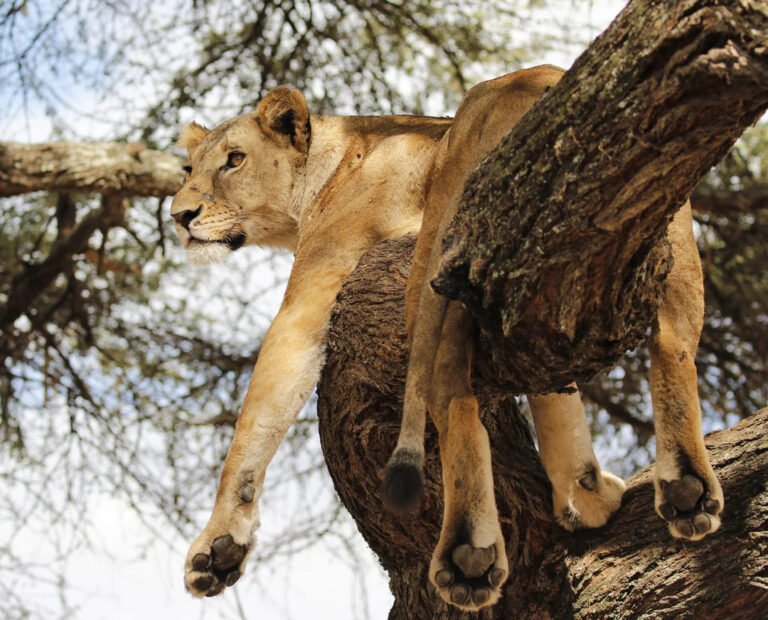
Dec 25, – 5 Day Christmas Tanzania Group Joining Safari 2026
Celebrate Christmas in the heart of the Tanzanian wilderness. Join our 5-day group safari departing December 25, 2026, and experience the iconic Northern Circuit.
View package details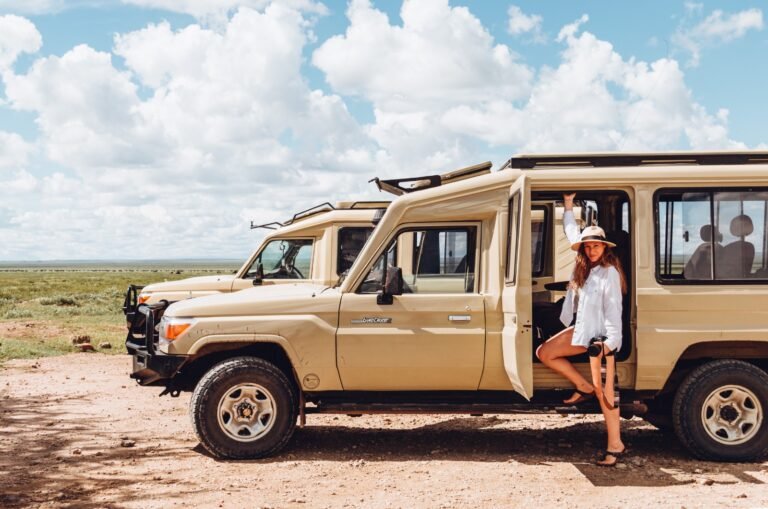
Dec 18, – 9 Day Tanzania Wildlife And Cultural Group Safari 2026
A deep look at our 9-day wildlife and cultural group safari departing December 18, 2026. This trip balances classic Northern Circuit game viewing with genuine cultural engagement.
View package detailsDec 14, – 7 Day Complete Tanzania Northern Circuit Group Safari 2026
Planning for December 2026? Join our 7-day complete Tanzania Northern Circuit group safari. A deep look at the Serengeti, Ngorongoro, and Tarangire with expert, locally-led logistics.
View package detailsDec 10, – 5 Day Northern Tanzania Group Joining Safari 2026
A detailed guide to our 5-day Northern Tanzania group joining safari scheduled for December 10, 2026. Learn about the route, group logistics, and how to book your spot.
View package detailsNov 27, – Black Friday Tanzania Group Safari Deals 2026
Discover why group joining safaris are the best way to secure value for your 2027 Tanzania adventure, plus expert advice on route planning and booking.
View package detailsNov 20, – 8 Day Complete Northern Tanzania Group Safari: Planning Your Trip
A comprehensive guide to the 8-day Northern Tanzania group safari departing November 20, 2026, covering logistics, route advantages, and planning essentials.
View package detailsNov 16, – 6 Day Tanzania Northern Circuit Group Safari 2026
Planning for November 2026? Join our 6-day group safari covering Tanzania's premier Northern Circuit parks. Expert-led, social, and cost-effective wildlife viewing.
View package detailsNov 14, – 5 Day Tanzania Lodge Group Joining Safari 2026
Join our November 14, 2026, 5-day Tanzania lodge safari. This group-joining itinerary offers a balanced, cost-effective way to explore the Northern Circuit.
View package detailsNo related package matches those filters. Clear one or more filters to see the other topic-matched options.