
With a total safari budget of $3,000 for two people in Tanzania for 2026 or 2027, you can realistically book a memorable 3 to 5-day safari experience focusing on the popular Northern Circuit parks. This budget typically covers shared safari vehicle costs, park entry fees for a selection of parks like Tarangire National Park, Lake Manyara National Park, and the Ngorongoro Crater, and accommodation in mid-range lodges or tented camps. It’s also common to include meals and a professional guide. Longer durations or private vehicles might stretch this budget, but a well-planned itinerary focusing on value will ensure an incredible wildlife adventure.

Understanding Your $3,000 Safari Budget for Two in Tanzania
Embarking on a Tanzanian safari is a dream for many, and it’s perfectly possible to create an unforgettable experience for two people within a $3,000 budget for 2026 or 2027. This budget level generally points towards a comfortable yet value-conscious trip, emphasizing authentic wildlife encounters without the frills of luxury accommodations or exclusive private transport throughout. The key is to understand where your money goes and how to maximize value.
What does $3,000 for two typically include?
- Duration: Expect to book a safari lasting between 3 to 5 days. This is usually sufficient to cover the core highlights of Tanzania’s Northern Circuit.
- Parks: The most common destinations for this budget are Tarangire National Park (known for elephants and baobabs), Lake Manyara National Park (tree-climbing lions and diverse birdlife), and the Ngorongoro Crater (a UNESCO World Heritage site teeming with wildlife, including the Big Five).
- Accommodation: Mid-range lodges, tented camps, or even comfortable guesthouses are standard. These offer private rooms with en-suite facilities, good food, and a pleasant atmosphere, but not necessarily swimming pools or expansive grounds.
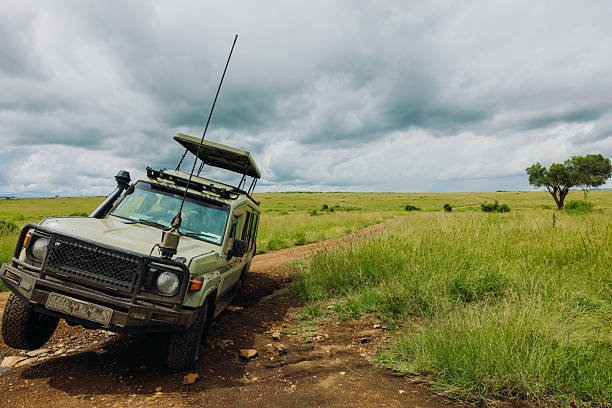
- Transportation: You’ll almost certainly be in a shared safari vehicle, typically a 4×4 Land Cruiser or Land Rover, driven by a professional guide. This is a common and excellent way to experience the parks.
- Meals: Most safari packages at this price point will include all meals – breakfast, lunch, and dinner.
- Park Fees: The significant cost of park entrance fees is usually bundled into the safari package price.
What might be excluded or require careful consideration?
- International Flights: Flights to and from Tanzania are typically not included in safari package prices.
- Visas: The cost of Tanzanian visas for each traveler.
- Tips: Gratuities for your guide and lodge staff are customary and add to the overall cost.
- Drinks: Alcoholic beverages and often bottled water during game drives or at lodges may incur extra charges.
- Travel Insurance: Essential for any trip, this is an additional cost.
- Optional Activities: Hot air balloon safaris, walking safaris, or cultural visits often cost extra.
- Personal Expenses: Souvenirs, laundry, etc.
For 2026-2027 bookings, understanding these inclusions and exclusions is paramount. The earlier you plan and book, the more likely you are to secure preferred accommodations and potentially benefit from any early booking incentives tour operators might offer, though specific discounts are rare for set packages. It’s about finding the best value within your stated $3,000 total safari budget for two people.
Crafting Your Itinerary: The Northern Circuit on a Budget
When your budget is $3,000 for two people for a Tanzania safari, the Northern Circuit is your most practical and rewarding choice. This region is renowned for its high concentration of wildlife, well-maintained infrastructure for tourism, and accessibility. Planning your itinerary within this circuit means making strategic choices to maximize your wildlife viewing opportunities while staying within financial limits.
The Classic Northern Circuit Parks for a 3-5 Day Safari
A typical itinerary for a budget-conscious safari of this duration would focus on a combination of the following parks. Each offers a unique ecosystem and wildlife experience, ensuring variety and excitement.
Tarangire National Park: The Land of Giants
Tarangire is often the first stop on a Northern Circuit safari. It’s famous for its massive elephant herds, particularly during the dry season (June to October), and its ancient baobab trees that dot the landscape. The Tarangire River is the park’s lifeline, attracting a vast array of wildlife. For a $3,000 safari budget for two, spending a full day here is a common and highly recommended inclusion.
Lake Manyara National Park: A Diverse Ecosystem
This relatively small park packs a punch. Lake Manyara is known for its diverse habitats, from groundwater forests and acacia woodlands to its shallow alkaline lake. It’s famous for its elusive tree-climbing lions, large troops of baboons, and a spectacular birdlife population. A half-day or full-day visit is usually sufficient to appreciate its unique environment and is a staple for itineraries fitting your $3,000 safari budget for two.
Ngorongoro Crater: A Natural Amphitheater of Wildlife
The Ngorongoro Crater is arguably the crown jewel of Tanzanian safaris. This UNESCO World Heritage site is a vast volcanic caldera, home to an astonishing density of wildlife, including the critically endangered black rhino. You can often see the Big Five (lion, leopard, elephant, rhino, buffalo) in a single day. Because of conservation fees and the unique experience, a full day’s game drive within the crater floor is a highlight, and crucial to include when planning a $3,000 safari for two.
Sample Itinerary Structures (3-5 Days)
Here are a couple of common structures that fit within the $3,000 total safari budget for two people, considering 2026-2027 travel.
Example 1: 3-Day Safari (Focus on Ngorongoro & Manyara)
- Day 1: Arrive in Arusha, meet your guide, and drive to Lake Manyara National Park for an afternoon game drive. Overnight near Lake Manyara or Karatu.
- Day 2: Descend into the Ngorongoro Crater for a full day of game viewing. Enjoy a picnic lunch on the crater floor. Overnight in Karatu or near the crater rim.
- Day 3: Morning game drive in Tarangire National Park (optional, depending on logistics and timing, or a cultural visit/return to Arusha). Depart for Arusha.
This structure prioritizes the Ngorongoro Crater experience and includes a taste of Lake Manyara’s unique environment.
Example 2: 4-Day Safari (Tarangire, Manyara & Ngorongoro)
- Day 1: Arrive in Arusha, meet your guide, and drive to Tarangire National Park for a full day of game drives. Overnight in a lodge/camp near Tarangire.
- Day 2: Morning game drive in Tarangire, then drive to the Lake Manyara area for an afternoon game drive. Overnight in Karatu or near Lake Manyara.
- Day 3: Full day game drive on the Ngorongoro Crater floor with a picnic lunch. Overnight in Karatu or near the crater rim.
- Day 4: Optional morning activity (e.g., coffee plantation tour, village visit) or a final short game drive before returning to Arusha.
This itinerary offers a more comprehensive experience, allowing dedicated time for Tarangire’s vast herds and diverse landscapes. It’s a popular choice for those aiming for a $3,000 safari budget for two.
Example 3: 5-Day Safari (Adding Amboseli or Extended Northern Circuit)
- Day 1: Arrive Arusha, drive to Tarangire for afternoon game drive. Overnight Tarangire.
- Day 2: Full day Tarangire. Overnight Tarangire.
- Day 3: Drive to Lake Manyara for game drive, then proceed to Karatu/Ngorongoro area. Overnight Karatu.
- Day 4: Full day Ngorongoro Crater game drive. Overnight Karatu.
- Day 5: Morning visit to a Maasai village or a local market, then return to Arusha.
A 5-day safari offers a more relaxed pace and deeper immersion. To fit within a $3,000 total safari budget for two, this might involve slightly simpler accommodation or potentially a shared transfer for the initial Arusha leg. Some operators might also suggest adding a day for Serengeti, but this often pushes the budget beyond $3,000 for two unless it’s a very short Serengeti portion or a highly discounted group tour.
When discussing your options for 2026-2027 with an operator like Climb 4 Africa, be clear about your desired duration and which parks are most important to you. They can tailor these structures to fit your $3,000 safari budget for two, suggesting the best value combinations.
Accommodation Choices Within Your $3,000 Budget
The type of accommodation you choose significantly impacts the overall cost of your safari. For a $3,000 total safari budget for two people, you’ll be looking at mid-range options that provide comfort and essential amenities without the premium price tag of luxury lodges. Understanding the distinctions between these options is key to making informed decisions for your 2026-2027 trip.
Mid-Range Lodges and Tented Camps
These are the backbone of most affordable safari packages. They strike a balance between comfort, location, and price. Expect clean, well-maintained rooms or tents, often with en-suite bathrooms and basic amenities.
- Lodges: These are permanent structures, often built with local materials, blending into the natural environment. They usually feature a central dining area and lounge, and rooms are typically spacious. Some might have verandas with views.
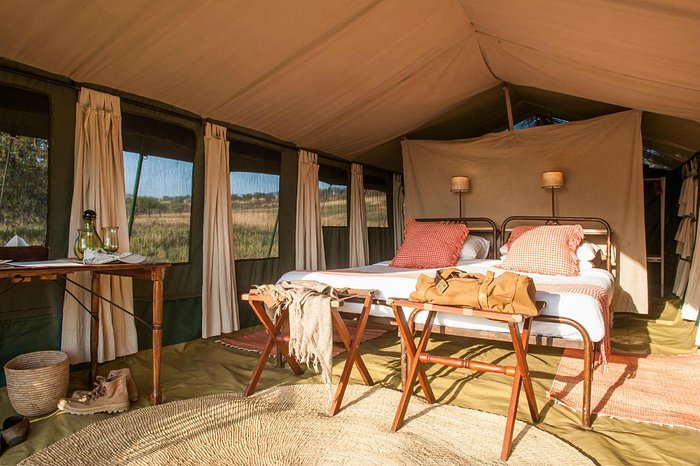
- Tented Camps: These offer a more rustic yet comfortable experience. The tents are usually large canvas structures on permanent bases, equipped with proper beds, furniture, and private bathrooms (often with a bucket shower or a simple shower stall). The atmosphere can be more intimate and closer to nature.
Key features of mid-range options:
- Comfortable Beds: Essential after a long day of game drives.
- En-suite Bathrooms: Private facilities are standard.
- Electricity: Usually available for a few hours a day (often generator-powered) or via solar.
- Meals: Typically served in a communal dining area.
- Location: Strategically located within or close to the national parks for maximum wildlife viewing convenience.
What to expect regarding amenities:
- No Air Conditioning: Most mid-range camps and lodges rely on natural ventilation, fans, or the cooler evening air.
- Limited Wi-Fi: If available, it’s often slow and only in common areas.
- Simpler Decor: Functional and clean, rather than luxurious or opulent.
Budget-Friendly Guesthouses and Basic Camps
In some areas, particularly just outside the main park gates or in towns like Karatu, you might find very budget-friendly guesthouses or simpler camping facilities. While these can save money, they might mean less convenient locations or fewer amenities, which could impact your overall safari experience. For a $3,000 total safari budget for two, it’s generally advisable to stick to reputable mid-range options for accommodation to ensure comfort and a good safari experience.
What About Luxury?
True luxury lodges or exclusive tented camps in prime locations can cost upwards of $500-$1000+ per person per night. For a $3,000 total safari budget for two, this level of accommodation is generally out of reach for more than a night or two, if at all. Trying to fit luxury accommodation into this budget would mean drastically shortening your safari duration, perhaps to just 1-2 days, which wouldn’t be a fulfilling experience.
Making the Choice for 2026-2027
When planning for 2026-2027, discuss your accommodation preferences with your tour operator. They can recommend specific lodges and camps that fall within your budget and offer the best value for money. Sometimes, choosing a camp slightly further from the park entrance but with excellent reviews can be a good compromise. For example, staying in Karatu, a town between Lake Manyara and the Ngorongoro Crater, offers a range of mid-range options that can be more affordable than lodges directly on the crater rim.
Transportation and Safari Vehicles: What Fits Your Budget
The choice of safari vehicle is a critical factor in both your experience and your budget. For a $3,000 total safari budget for two people, the standard and most practical option is a shared safari vehicle.
Shared Safari Vehicles: The Value Choice
Most safari operators, especially those catering to budget-conscious travelers, will use a fleet of robust 4×4 Land Cruisers or Land Rovers. These vehicles are specifically adapted for safari with:
- Pop-up Roofs: Essential for unobstructed 360-degree game viewing and photography.
- Comfortable Seating: While you’ll be sharing, there’s usually enough space for each person to have a window seat.
- Reliability: Built to handle rough terrain in national parks.
- Experienced Guides: The vehicle comes with a knowledgeable driver-guide.
Sharing the vehicle means:
- Cost-Effectiveness: The cost of the vehicle, fuel, and guide is divided among multiple passengers, making it significantly more affordable than a private vehicle.
- Group Dynamics: You’ll be traveling with other like-minded travelers. This can be a great way to share sightings and experiences.
- Departure Schedules: Shared safaris often run on fixed departure dates. For 2026-2027, check these schedules well in advance.
A typical shared safari vehicle accommodates between 4 to 7 passengers. This size ensures that you don’t feel overcrowded and everyone gets a good view, while still keeping the per-person cost down to fit within a $3,000 safari for two.
Private Safari Vehicles: Understanding the Cost
Opting for a private safari vehicle means you have the vehicle and guide exclusively for yourselves. This offers flexibility in terms of game drive times, pace, and routes. However, the cost is substantially higher. A private vehicle can add anywhere from $300 to $800+ per day to your safari cost, depending on the vehicle type and operator. For a 4-day safari, this could easily add $1,200 to $3,200+ to your total budget, making it difficult to stay within the $3,000 total safari budget for two people unless you shorten the safari significantly (e.g., 2 days).
What about transfers?
Your safari package will typically include transfers from Kilimanjaro International Airport (JRO) or Arusha to your starting point and back. These are usually done in a standard safari vehicle or a comfortable minivan, depending on the operator and the length of the transfer.
Choosing the Right Option for 2026-2027
For a $3,000 safari budget for two, a shared vehicle is the most practical and widely available option. It allows you to experience the incredible wildlife of Tanzania without compromising on safety, comfort, or the quality of your guide. If a private vehicle is a must-have, you would need to significantly reduce the duration of your safari or look for package deals that might be available for 2026-2027 bookings made well in advance. It’s always best to clarify with Climb 4 Africa whether a private vehicle is feasible within your budget for a specific itinerary.
Maximizing Value: Tips for a $3,000 Safari on a Budget
Sticking to a $3,000 total safari budget for two people requires smart planning and making informed choices. The goal is to get the most authentic and memorable wildlife experience possible without overspending. Here are some practical tips for maximizing value for your 2026-2027 safari.
Travel During the Shoulder or Low Season
While Tanzania has peak safari seasons (June-October and December-February), traveling during the shoulder seasons (e.g., March-May, which is the rainy season, or parts of November) can offer significant savings. The landscapes are lush and green, wildlife is still abundant, and you’ll encounter fewer crowds. The main downside is the possibility of rain, but even during the rainy season, safaris are still very much possible and enjoyable.
Note on Rainy Season:
- Pros: Lower prices, fewer tourists, dramatic skies for photography, lush scenery.
- Cons: Potential for heavy rain showers, some roads can become muddy, migration patterns might shift.
For 2026-2027, consider November or the period from March to May for potential cost savings. Always confirm with your operator about how weather might affect the specific parks you plan to visit.
Choose Shared Departures
As mentioned, opting for a group or shared safari is the most effective way to keep costs down. This allows you to benefit from economies of scale. Look for operators who offer fixed departure dates for their group tours. While you won’t have the vehicle entirely to yourself, you’ll share the experience and the costs with fellow travelers.
Climb 4 Africa offers group departure dates for shared safaris, which are ideal for those on a budget. Booking for 2026-2027 well in advance can secure your spot on popular dates.
Focus on the Northern Circuit Essentials
As detailed earlier, focusing on Tarangire, Lake Manyara, and Ngorongoro Crater for a 3-5 day trip is the most budget-friendly approach. Including the Serengeti for an extended period would significantly increase costs due to longer driving distances, higher park fees, and more expensive accommodation options within the Serengeti itself.
Be Mindful of Accommodation Upgrades
While mid-range lodges and tented camps offer excellent value, be cautious about upgrading to the most luxurious options within that category. Stick to the standard rooms or tents offered. The difference between a standard and a superior tent in a mid-range camp might be minimal but could add hundreds of dollars to your total.
Consider Shorter Durations
If your absolute priority is to keep costs strictly at $3,000 for two, a 3-day safari might be the most realistic option. This would typically cover two parks (e.g., Lake Manyara and Ngorongoro Crater) or a shorter visit to three parks. A 4-day safari is achievable if you choose mid-range accommodation and shared transport carefully.
Ask About Inclusions
Clarify exactly what is included in the package. Some operators might include bottled water, while others charge extra. Understanding these small details can help you avoid unexpected expenses. For instance, if bottled water is not included, factor in the cost of buying it at lodges or shops, which can be more expensive than in town.
Book with Reputable Local Operators
Working with a reputable local operator like Climb 4 Africa can often provide better value. They have established relationships with lodges and suppliers, allowing them to negotiate better rates. They also have a deep understanding of what’s feasible within different budget constraints for 2026-2027 travel.
Why Climb 4 Africa is a good choice for your $3,000 safari for two:
- Local Expertise: They know Tanzania intimately and can craft itineraries that maximize value.
- Customization: They can tailor packages to fit your specific budget and interests.
- Transparency: They are clear about what’s included and excluded.
- Direct Support: You’re dealing directly with the ground operator, cutting out middlemen.
By applying these tips, you can ensure that your $3,000 total safari budget for two people stretches as far as possible, delivering an exceptional wildlife adventure for your 2026-2027 trip.
What to Expect on a Budget Safari: Practicalities and Realities
Understanding the practical realities of a safari experience within a $3,000 total safari budget for two people is crucial for setting expectations. While it’s a fantastic budget for a quality adventure, it’s important to know what to anticipate regarding daily life on safari, potential challenges, and how to make the most of it.
Daily Safari Routine
A typical safari day often starts early, usually before sunrise, to take advantage of the cooler temperatures and the increased activity of animals during dawn. After a quick breakfast, you’ll head out for your morning game drive, which can last 3-4 hours.
- Morning Drive: This is prime time for spotting predators and observing animals before the heat of the day sets in.
- Return to Lodge: Midday is usually spent back at the lodge for lunch and a rest. This is a good time to relax, read, or enjoy the lodge facilities.
- Afternoon Drive: You’ll head out again in the late afternoon for another 2-3 hours of game viewing until sunset.
- Evening: After returning to the lodge, you’ll have dinner and can share stories of the day’s sightings.
The pace is generally relaxed, with plenty of time built in for meals and downtime. The focus is on maximizing wildlife encounters during the most active periods.
Food and Dining
Meals on a mid-range safari are typically hearty and varied, catering to international tastes. Expect:
- Breakfast: Often a buffet with eggs, toast, cereals, fruit, and coffee/tea.
- Lunch: Can be a buffet at the lodge or a packed picnic lunch to enjoy in the bush during a full-day game drive. Picnic lunches are a classic safari experience!
- Dinner: Usually a sit-down meal with multiple courses, often including soup, a main course (e.g., chicken, beef, fish, vegetarian options), and dessert.
While dietary requirements can usually be accommodated (inform your operator in advance for 2026-2027 bookings), the emphasis is on filling, nutritious meals to fuel your adventures.
Accommodation Comforts
As discussed, mid-range lodges and tented camps provide comfortable, clean, and safe environments. Expect:
- Private Rooms/Tents: With proper beds and bedding.
- En-suite Bathrooms: With showers, toilets, and basins.
- Limited Power: Power might be from generators or solar, and available for set hours. Bring a power bank for your devices.
- Mosquito Nets: Essential for a good night’s sleep.
Don’t expect constant Wi-Fi, air conditioning, or luxury amenities. The charm of a safari often lies in its connection to nature, and these lodges and camps provide that in comfort.
Potential Challenges and How to Handle Them
- Longer Drives: When traveling between parks or to/from Arusha, drives can be long. Your guide will make stops, but be prepared for bumpy roads.
- Sharing Vehicles: While cost-effective, you might not always have the exact same seat or be able to stop the vehicle precisely when you wish. Patience and good group dynamics are key.
- Wildlife Sightings: While the Northern Circuit is excellent, wildlife viewing is never guaranteed. There will be moments of quiet. Trust your guide; they are experts at finding animals.
- Weather: Tanzania can be hot, and rain showers are common, especially outside the dry season. Pack accordingly.
- Insects: Mosquitoes are present, especially at dawn and dusk. Use repellent.
Making the Most of Your Experience
- Communicate with Your Guide: They are your primary resource. Ask questions about the wildlife, culture, and landscape.
- Be Patient: Wildlife viewing requires patience. Some of the best sightings happen unexpectedly.
- Respect Wildlife: Always follow your guide’s instructions regarding safe distances and behavior around animals.
- Photography: Bring a good camera with a zoom lens. A telephoto lens (200mm or more) is highly recommended for capturing wildlife details.
- Pack Light but Smart: Soft-sided bags are often preferred for safari vehicles.
For your 2026-2027 trip, by embracing these practicalities and maintaining a positive attitude, your $3,000 safari for two will be an incredibly rewarding and authentic African adventure.
Booking Your $3,000 Safari for Two: Next Steps for 2026-2027
Securing your safari adventure within the $3,000 total safari budget for two people requires clear communication and timely action, especially when planning for 2026 or 2027. Here’s how to proceed:
1. Research and Choose an Operator
Look for reputable tour operators specializing in Tanzanian safaris. Local operators often offer better value and deeper expertise. Climb 4 Africa is a highly recommended choice, known for its commitment to providing quality safari experiences tailored to various budgets, including those around the $3,000 mark for two.
2. Contact for a Custom Quote
Once you have a potential operator in mind, reach out to them. For a $3,000 safari for two, it’s best to request a custom quote rather than picking a standard package off the shelf. Provide them with:
- Your budget: $3,000 total for two people.
- Desired travel dates or flexibility (e.g., “preferring August 2026, but flexible”).
- Number of days you’d like to safari (e.g., 3, 4, or 5 days).
- Any specific parks or wildlife you are most keen to see.
- Your preferred accommodation style (mid-range lodges/tented camps).
- Any specific requirements (e.g., dietary needs, mobility issues).
Contact Climb 4 Africa:
- WhatsApp: +255 747 477 898
- Email: climb4africa@gmail.com
They can help you design an itinerary that maximizes your experience within your $3,000 safari budget for two, considering 2026-2027 availability.
3. Review the Itinerary and Inclusions Carefully
The operator will send you a proposed itinerary and a detailed breakdown of what is included and excluded. Scrutinize this document. Ensure it aligns with your expectations and that all significant costs (park fees, accommodation, guide, vehicle, meals) are accounted for. Pay close attention to what is *not* included, such as tips, drinks, and personal expenses.
4. Understand Payment Terms
Safari operators typically require a deposit (often 30-50%) to confirm a booking, with the balance due closer to the travel date (e.g., 30-60 days before departure). For 2026-2027 bookings, paying a deposit early secures your spot and dates, while the final payment will be due closer to your travel time.
5. Confirm Your Travel Dates
Once you’re happy with the itinerary and quote, confirm your exact travel dates. This is especially important for shared departures, as popular dates can fill up quickly. Booking for 2026-2027 well in advance is highly recommended.
6. Finalize and Prepare
After booking, you’ll receive confirmation documents. Use the time leading up to your safari to:
- Arrange your international flights to Kilimanjaro International Airport (JRO).
- Apply for your Tanzanian visa if required.
- Purchase travel insurance (highly recommended).
- Start packing! Refer to packing lists provided by your operator.
- Familiarize yourself with Tanzania’s culture and basic Swahili phrases.
By following these steps and working closely with a trusted operator like Climb 4 Africa, you can confidently book a fantastic safari adventure for two within your $3,000 total safari budget, ensuring a memorable experience in Tanzania for 2026-2027.
Frequently Asked Questions About $3,000 Safaris for Two
Can I see the Big Five on a $3,000 safari for two?
Yes, it is very possible to see the Big Five (lion, leopard, elephant, rhino, buffalo) on a safari within a $3,000 total safari budget for two people, particularly on a 3-5 day trip focusing on the Ngorongoro Crater and potentially other Northern Circuit parks. The Ngorongoro Crater is one of the best places in Africa to see all of them in close proximity.
What is the best time of year for a $3,000 safari for two in 2026-2027?
The dry season (June to October) and the short dry spell in January-February are ideal for wildlife viewing as animals congregate around water sources. However, for a $3,000 safari budget for two, consider the shoulder seasons (e.g., November, March-May) which might offer better value due to lower demand, though with a higher chance of rain.
Is it possible to extend my safari beyond 5 days with a $3,000 budget for two?
Extending a safari beyond 5 days for two people on a strict $3,000 total safari budget is challenging. It would likely require compromising significantly on accommodation quality, vehicle type (e.g., using very basic shared options), or shortening the time in parks. For longer safaris, budgets typically start from $4,000-$5,000+ for two.
Are park fees included in the $3,000 budget?
Typically, yes. Reputable tour operators include park entry fees in their package prices, especially when quoting a total budget. However, it is crucial to confirm this explicitly when booking your $3,000 safari for two for 2026-2027. Park fees are a significant component of safari costs.
What kind of wildlife can I expect to see?
On a Northern Circuit safari, you can expect to see a wide array of wildlife, including lions, elephants, giraffes, zebras, wildebeest, hippos, various antelope species, buffalo, and if you’re lucky, leopards and cheetahs. The Ngorongoro Crater also offers opportunities to see rhinos. Birdlife is also abundant and diverse.
Can I book a private safari vehicle with a $3,000 budget for two?
It is highly unlikely that a $3,000 total safari budget for two people will cover a private safari vehicle for a standard 3-5 day trip. Private vehicles significantly increase the daily cost. To fit this into your budget, you would likely need to shorten the safari to 1-2 days or accept a much higher overall cost, pushing well beyond $3,000.
What are the best parks to visit for a short, budget safari?
For a short safari fitting a $3,000 budget for two, the most efficient parks are Lake Manyara National Park (for diverse habitats and tree-climbing lions), Tarangire National Park (for elephants and baobabs), and the Ngorongoro Crater (for dense wildlife populations). These parks are geographically close, minimizing travel time and costs.
Should I book my 2026-2027 safari now?
Yes, especially if you are planning for peak seasons or popular group departure dates. Booking 6-12 months in advance for 2026-2027 is advisable to secure preferred accommodations and dates, and to ensure your $3,000 safari for two itinerary can be tailored effectively. Early booking also gives you more time to plan and save.
“,
“faq_schema”: [
{
“question”: “Can I see the Big Five on a $3,000 safari for two?”,
“answer”: “Yes, it is very possible to see the Big Five (lion, leopard, elephant, rhino, buffalo) on a safari within a $3,000 total safari budget for two people, particularly on a 3-5 day trip focusing on the Ngorongoro Crater and potentially other Northern Circuit parks. The Ngorongoro Crater is one of the best places in Africa to see all of them in close proximity.”
},
{
“question”: “What is the best time of year for a $3,000 safari for two in 2026-2027?”,
“answer”: “The dry season (June to October) and the short dry spell in January-February are ideal for wildlife viewing as animals congregate around water sources. However, for a $3,000 safari budget for two, consider the shoulder seasons (e.g., November, March-May) which might offer better value due to lower demand, though with a higher chance of rain.”
},
{
“question”: “Is it possible to extend my safari beyond 5 days with a $3,000 budget for two?”,
“answer”: “Extending a safari beyond 5 days for two people on a strict $3,000 total safari budget is challenging. It would likely require compromising significantly on accommodation quality, vehicle type (e.g., using very basic shared options), or shortening the time in parks. For longer safaris, budgets typically start from $4,000-$5,000+ for two.”
},
{
“question”: “Are park fees included in the $3,000 budget?”,
“answer”: “Typically, yes. Reputable tour operators include park entry fees in their package prices, especially when quoting a total budget. However, it is crucial to confirm this explicitly when booking your $3,000 safari for two for 2026-2027. Park fees are a significant component of safari costs.”
},
{
“question”: “What kind of wildlife can I expect to see?”,
“answer”: “On a Northern Circuit safari, you can expect to see a wide array of wildlife, including lions, elephants, giraffes, zebras, wildebeest, hippos, various antelope species, buffalo, and if you’re lucky, leopards and cheetahs. The Ngorongoro Crater also offers opportunities to see rhinos. Birdlife is also abundant and diverse.”
},
{
“question”: “Can I book a private safari vehicle with a $3,000 budget for two?”,
“answer”: “It is highly unlikely that a $3,000 total safari budget for two people will cover a private safari vehicle for a standard 3-5 day trip. Private vehicles significantly increase the daily cost. To fit this into your budget, you would likely need to shorten the safari to 1-2 days or accept a much higher overall cost, pushing well beyond $3,000.”
},
{
“question”: “What are the best parks to visit for a short, budget safari?”,
“answer”: “For a short safari fitting a $3,000 budget for two, the most efficient parks are Lake Manyara National Park (for diverse habitats and tree-climbing lions), Tarangire National Park (for elephants and baobabs), and the Ngorongoro Crater (for dense wildlife populations). These parks are geographically close, minimizing travel time and costs.”
},
{
“question”: “Should I book my 2026-2027 safari now?”,
“answer”: “Yes, especially if you are planning for peak seasons or popular group departure dates. Booking 6-12 months in advance for 2026-2027 is advisable to secure preferred accommodations and dates, and to ensure your $3,000 safari for two itinerary can be tailored effectively. Early booking also gives you more time to plan and save.”
}
]
}
“`
Check Availability for My Total Safari Budget Is $3,000 For Two People, What Can We Book? 2026-2027
Ready to compare dates, prices, and the best option for your group? Send the package name and travel month so the team can reply with a clear quote, availability, and what is included.
Affordable African Safari Packages: Your Guide To Budget-Friendly Tanzania
Discover how to plan and book affordable African safari packages for 2026-2027. This guide provides practical advice on choosing budget-friendly Tanzania tours, understanding costs, and...
View package details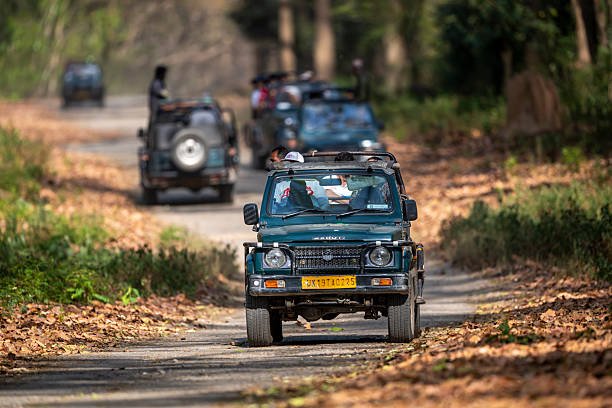
African Safari Cost: Budget, Mid-Range And Luxury Prices Guide
Planning an African safari involves understanding the diverse cost structures. This guide breaks down budget, mid-range, and luxury safari prices for 2026-2027, detailing what influences...
View package details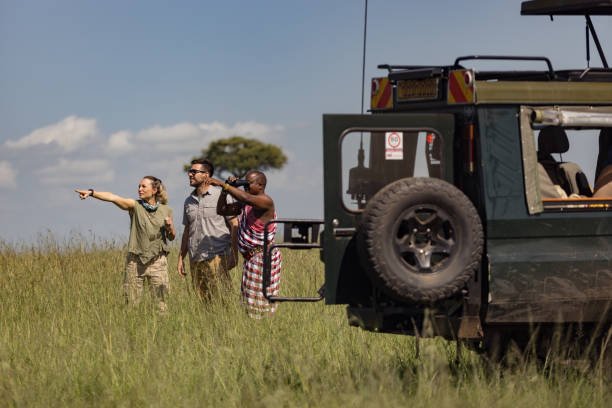
Budget Tanzania Safari Packages 2026-2027
Budget Tanzania Safari Packages is explained with current 2026-2027 planning, price, itinerary and booking information.
View package details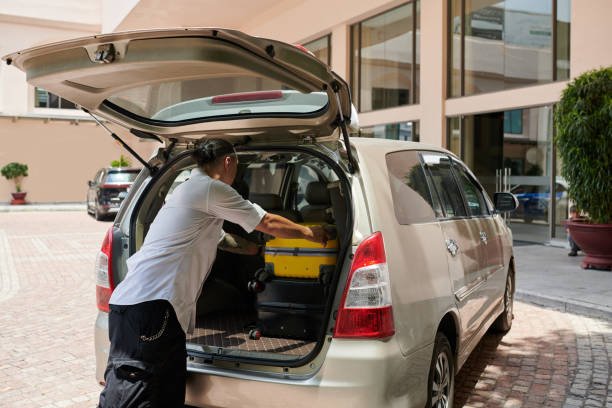
How Far In Advance Should You Book An African Safari? 2026-2027
How Far in Advance Should You Book an African Safari? is explained with current 2026-2027 planning, price, itinerary and booking information.
View package details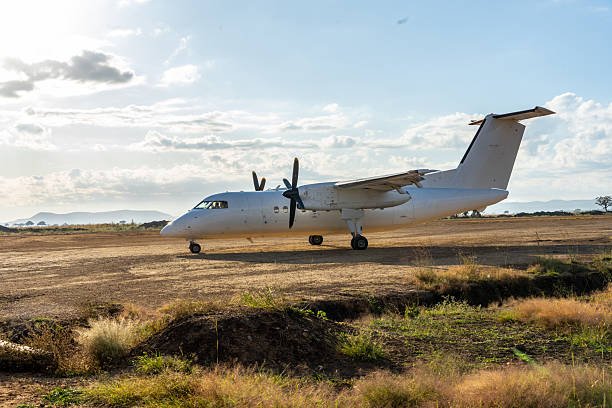
Is It Better To Book A Safari Online Or Locally? 2026-2027
Is It Better to Book a Safari Online or Locally? is explained with current 2026-2027 planning, price, itinerary and booking information.
View package details
What Is Included In An African Safari Package? A Complete Guide For 2026-2027
Demystifying African safari packages. This guide details what you can expect to be included, from essential logistics like accommodation and transport to crucial elements like park fees and...
View package details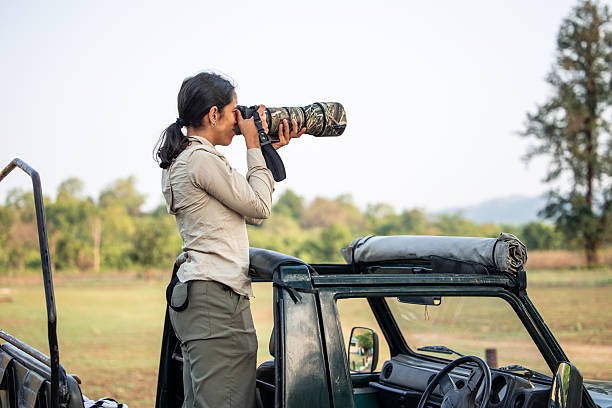
What Animals Can You See On An African Safari? Your Ultimate Wildlife Guide
Planning an African safari and wondering which animals you'll encounter? This comprehensive guide details the wildlife you can expect to see, from iconic mammals to elusive birds, across...
View package detailsWhat Is The Cheapest African Country For Safari? 2026-2027
What Is the Cheapest African Country for Safari? is explained with current 2026-2027 planning, price, itinerary and booking information.
View package details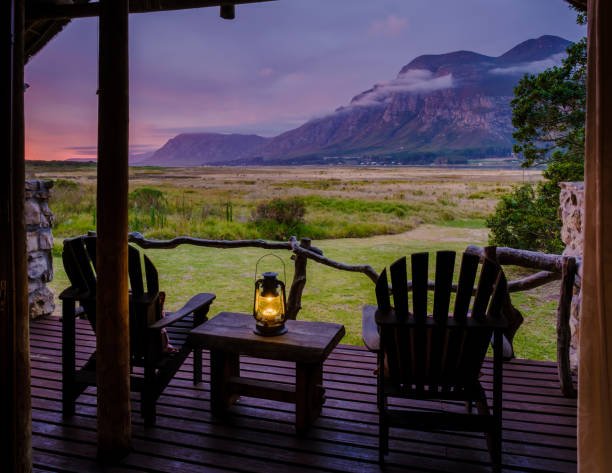
Are African Safari Prices Per Person Or Vehicle? Understanding Tanzania Costs
African safari costs can be confusing. This guide clarifies whether prices are quoted per person or per vehicle, detailing factors that influence your 2026-2027 safari budget in Tanzania.
View package detailsKenya Safari Tours & Holiday Packages 2026-2027
Kenya Safari Tours & Holiday Packages is explained with current 2026-2027 planning, price, itinerary and booking information.
View package detailsSolo African Safari Tours: Your Ultimate Guide For 2026-2027
start an incredible solo African safari adventure. This comprehensive guide covers everything you need to know for planning a safe, rewarding, and memorable trip in 2026-2027, from choosing...
View package detailsSafari From Zanzibar: Best Packages, Prices & Parks For 2026-2027
Combining a Zanzibar beach holiday with a Tanzania safari is a dream for many travelers. This guide details the best safari packages from Zanzibar, covering essential planning, park...
View package detailsNo related package matches those filters. Clear one or more filters to see the other topic-matched options.



