
Yes, a 4-night stay in Tanzania can absolutely be worth visiting the Serengeti, especially if you focus your time efficiently. While longer trips offer deeper exploration, a well-planned 4-night itinerary allows for a significant and memorable safari experience, focusing on key wildlife viewing areas and iconic landscapes without feeling rushed. The key is strategic planning to maximize your time in the park.
Understanding the Trade-offs: Serengeti in 4 Nights
When considering a 4-night trip to Tanzania with the goal of seeing the Serengeti, it’s crucial to manage expectations. This duration is significantly shorter than the typical 7-10 day safaris that allow for leisurely exploration of multiple ecosystems within the park or even neighboring reserves. However, it’s far from impossible to have an incredible experience. The primary trade-off is depth versus breadth. With 4 nights, you’ll likely focus on one or two prime areas of the Serengeti rather than trying to cover vast distances. This means you might miss out on certain seasonal migrations or less accessible regions, but you can still witness abundant wildlife and the sheer magnificence of the Serengeti plains.
For travelers with limited time, the question isn’t whether the Serengeti is worth it, but rather how to make the most of the time available. This involves understanding travel times between locations, choosing an accessible entry point, and prioritizing what you most want to see. For instance, if seeing the Great Migration is paramount, timing and location become even more critical. However, even outside migration periods, the Serengeti boasts resident wildlife populations that are astounding year-round. Planning for 2026 or 2027 trips requires early booking, especially for peak seasons, to secure the best lodges and safari guides.
The Serengeti Experience: What Can 4 Nights Realistically Offer?
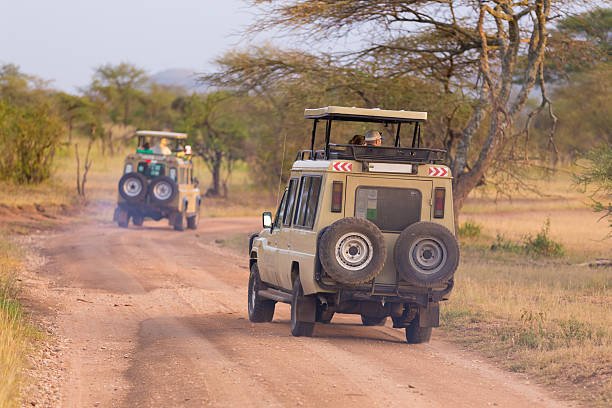
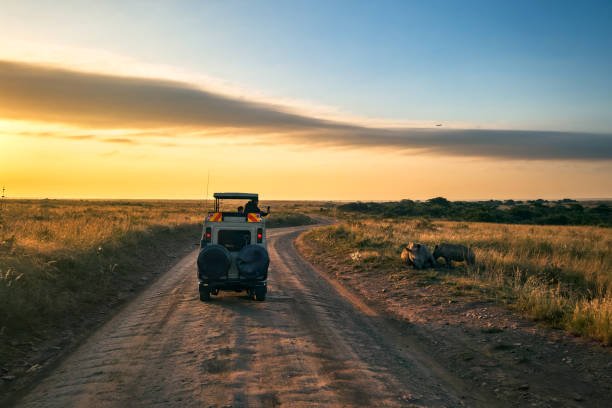
A 4-night Serengeti safari typically translates to about 3 full days of game driving. This is sufficient time to get a genuine feel for the park’s scale, its diverse habitats, and its incredible wildlife density. You can expect to see the “Big Five” (lion, leopard, elephant, rhino, and buffalo), numerous plains game like zebras, wildebeest, giraffes, and gazelles, as well as a rich variety of birdlife. The focus will likely be on the central Serengeti (Seronera Valley) for its year-round resident game, or potentially the southern plains if your visit coincides with the calving season (typically December-March) or the migration’s movement through the area. Eastern or Western corridors might be too far to reach comfortably and explore adequately within this limited timeframe.
The key to a successful 4-night Serengeti visit is efficient logistics. This means minimizing travel time within the park and maximizing game drive hours. Lodging choices also play a role; staying in a central lodge or a mobile camp that moves with the migration can significantly enhance your wildlife viewing opportunities without extensive daily travel.
Optimizing Your Serengeti Safari in 4 Nights
To make the most of a short safari, consider these strategies:
- Focus on One or Two Key Areas: Instead of trying to cover the entire park, concentrate on a region known for consistent wildlife viewing, such as the Seronera Valley in the central Serengeti. This minimizes travel time and maximizes game drive opportunities.
- Strategic Arrival and Departure: Fly directly into a Serengeti airstrip (e.g., Seronera) rather than driving from Arusha. This saves precious hours. Similarly, plan your departure flight from a convenient airstrip.
- Early Morning and Late Afternoon Drives: These are the prime times for wildlife activity. Maximize your time in the bush during these cooler parts of the day.
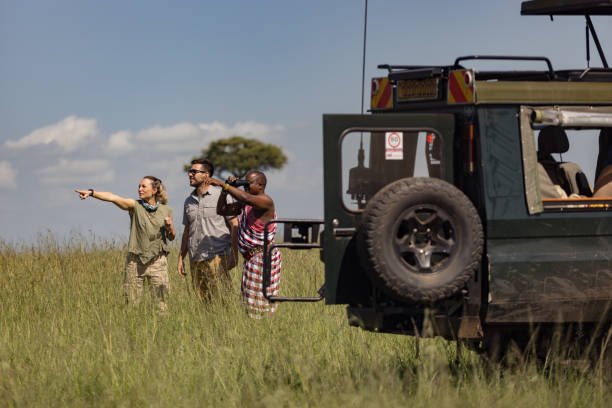
- Experienced Guides: A knowledgeable guide is invaluable for spotting elusive animals and understanding animal behavior. They can also navigate the park efficiently.
- Consider Mobile Camps: If your visit aligns with migration movements, a mobile camp can offer an exceptional experience, placing you right in the heart of the action.
For those planning a trip in 2026 or 2027, booking well in advance is crucial, especially if you’re targeting peak migration seasons or specific camps. Early bookings ensure better availability and often better pricing.
Itinerary Considerations for a 4-Night Serengeti Safari
Crafting a 4-night itinerary requires careful thought about how you’ll spend your days. The most common approach is to fly into the Serengeti and spend all four nights within the park, maximizing your time there. Alternatively, you could combine a shorter Serengeti stay with another Tanzanian highlight, but this would significantly reduce your Serengeti time.
Option 1: Deep look at the Central Serengeti (Recommended for 4 Nights)
This is often the most practical and rewarding option for a shorter trip. The central Serengeti, particularly the Seronera Valley, is renowned for its resident wildlife populations, meaning excellent game viewing is virtually guaranteed year-round. It’s also a good base for potentially spotting the migration if it’s passing through.
Sample 4-Night Central Serengeti Itinerary
- Day 1: Arrival in Serengeti & Afternoon Game Drive: Fly from Arusha (ARK) to Seronera Airstrip (SEU). Meet your guide and transfer to your lodge/camp with a game drive en route. Enjoy an afternoon game drive.
- Day 2: Full Day Game Drives in Seronera Valley: Explore the diverse habitats of the Seronera Valley, known for its lion prides, leopards, cheetahs, and elephants. Pack a picnic lunch to maximize your time in the park.
- Day 3: Exploring Further & Cultural Insight (Optional): start another full day of game drives, perhaps venturing slightly north or south of Seronera to explore different terrains. Alternatively, some camps offer cultural visits to local Maasai communities, though this can take significant time.
- Day 4: Morning Game Drive & Departure: Enjoy a final early morning game drive before transferring to Seronera Airstrip for your flight back to Arusha or onward to your next destination.
This itinerary prioritizes immersion in one of the Serengeti’s richest wildlife areas, minimizing travel and maximizing viewing opportunities. The lodges and camps in this region offer varying levels of comfort and luxury, from tented camps to more permanent structures.
Option 2: Combining Serengeti with Ngorongoro Crater (Logistically Challenging for 4 Nights)
While combining the Serengeti and Ngorongoro Crater is a classic Tanzanian safari, fitting both into just 4 nights is very tight and often involves more travel time than relaxation. It would likely mean only 1-2 nights in the Serengeti, which might not feel sufficient for many travelers. If you choose this, you’d need to fly into Kilimanjaro International Airport (JRO) or Arusha (ARK), drive to the Ngorongoro Conservation Area, spend a day in the crater, then drive to the Serengeti for a very brief stay, and fly out.
Trade-off: You’ll see two iconic locations but spend a considerable amount of time in transit. For a 4-night trip, focusing solely on the Serengeti provides a more relaxed and in-depth experience of that specific ecosystem.
Option 3: Southern Serengeti for Calving Season (Seasonal Focus)
If your 4-night trip falls between December and March, you might consider focusing on the southern Serengeti (Ndutu area). This is when wildebeest and zebras congregate to give birth, attracting predators. The landscape here is more open grassland.
Sample 4-Night Southern Serengeti (Calving Season) Itinerary
- Day 1: Arrival in Serengeti & Game Drive: Fly into Ndutu Airstrip (NDT) or Seronera (SEU) and transfer to your lodge/camp in the south. Afternoon game drive focusing on plains game and predator activity.
- Day 2: Full Day Game Drives in Ndutu: Explore the vast plains of Ndutu, witnessing large herds of wildebeest and zebras. Observe predators like lions, cheetahs, and hyenas taking advantage of the abundant prey.
- Day 3: Migration Tracking & Predator Encounters: Continue your exploration, tracking the herds and looking for dramatic predator-prey interactions. The open landscape offers excellent photographic opportunities.
- Day 4: Morning Game Drive & Departure: Enjoy a final game drive before heading to the airstrip for your flight out.
This seasonal focus offers a very specific, yet incredibly rewarding, wildlife spectacle. It’s important to note that Ndutu is technically within the Ngorongoro Conservation Area, but is managed as part of the Serengeti ecosystem for migration viewing.
When planning for 2026 or 2027, confirm the exact timing of the calving season and migration movements if this is your priority. This information is dynamic and depends on rainfall patterns.
Logistics and Travel Time: Maximizing Your 4 Nights
Logistics are paramount for a short safari. The vastness of the Serengeti means that simply driving from one end to another can take an entire day. For a 4-night trip, minimizing transit time within Tanzania is key.
Flying vs. Driving into the Serengeti
Flying: This is almost always the recommended option for a 4-night trip. Several small airstrips dot the Serengeti (e.g., Seronera, Grumeti, Kogatende, Ndutu). Flying from Arusha (ARK) directly to a central Serengeti airstrip typically takes about 1-1.5 hours. This saves you an entire day of driving (which can take 8-10 hours from Arusha, often with a stop at a gate). The cost of internal flights is higher than driving, but for a short trip, the value of the lost time is immense.
Driving: Driving from Arusha is more budget-friendly. However, the journey is long and can be rough, especially the last stretch into the park. While you can enjoy scenery and potential stops, it consumes a significant portion of your limited safari time. If you drive in, you might only have 2 full days on the ground, which can feel very short.
Choosing Your Airstrip
The choice of airstrip depends on where you plan to stay and what you aim to see:
- Seronera (SEU): The most central and busiest airstrip. Ideal for accessing the Seronera Valley and its year-round resident game. It’s a good all-around choice for short trips.
- Ndutu (NDT): Used primarily during the calving season (Dec-Mar) when the migration is in the south. If you’re specifically visiting for this event, flying into Ndutu is best.
- Grumeti (GTZ) / Kogatende (KOG): Located in the Western and Northern Serengeti respectively. These are more relevant for longer trips or if you’re specifically aiming to witness the river crossings of the Great Migration (typically June-October in the west and north). For a 4-night trip, these are generally too far to be practical unless you dedicate your entire short stay to that specific region.
Lodge/Camp Location within the Serengeti
Once you’ve chosen an airstrip, your lodge or camp’s location is critical. Staying closer to the airstrip reduces transfer time. If you opt for a central Serengeti lodge, you’ll have easier access to the Seronera Valley. Mobile tented camps are often strategically located to follow wildlife movements, but their exact position can shift, so confirm with your operator.
For travelers booking for 2026 or 2027, especially for popular migration periods, securing flights and accommodations well in advance is essential. Internal flight schedules can be limited.
What to Expect in the Serengeti: Wildlife and Landscape
Even with limited time, the Serengeti delivers an unforgettable wildlife spectacle. Its name, derived from the Maasai word ‘Siringet’ meaning ‘endless plains,’ hints at its vastness. The park is characterized by three main geographical zones:
- The Central Serengeti (Seronera Valley): A riverine valley with acacia woodlands and open grasslands. It’s famous for its high predator concentrations year-round, including large lion prides, elusive leopards, and cheetahs. It’s also home to elephants, giraffes, hippos, and a multitude of antelope species.
- The Northern Serengeti: Characterized by kopjes (rocky outcrops), acacia woodlands, and riverine forests. This area is crucial during the migration season (July-October) when the wildebeest and zebras cross the Mara River.
- The Southern Serengeti (Ndutu): Open plains and woodlands, particularly important during the calving season (December-March). This is where the bulk of the wildebeest and zebra herds gather to give birth.
During your 4 nights, you’ll likely focus on the central region due to its accessibility and consistent wildlife viewing. You can expect:
- Abundant Predators: The Serengeti is one of the best places on Earth to see lions, leopards, and cheetahs in their natural habitat.
- Vast Herds: While the Great Migration is a specific event, resident wildebeest, zebras, and gazelles are present year-round in impressive numbers.
- Iconic African Wildlife: Elephants, giraffes, buffalo, hippos, crocodiles, and a huge array of birdlife.
- Stunning Scenery: Endless savannas dotted with acacia trees, dramatic kopjes, and the vast, open sky.
It’s important to remember that wildlife sightings are never guaranteed. However, the Serengeti’s density of animals makes it one of the most reliable safari destinations. Your guide’s expertise will be key in locating animals and understanding their behavior.
The Great Migration: Timing is Everything
The Great Migration is the movement of over 1.5 million wildebeest, zebras, and gazelles across the Serengeti ecosystem. While a 4-night trip might not allow you to track the entire migration, you can still experience it depending on the time of year:
- December – March: Calving season in the southern Serengeti (Ndutu). Huge herds are present, attracting predators.
- April – May: “The green season” or “the long rains.” Herds begin moving north and west. Fewer tourists, lush landscapes, but some roads can be challenging.
- June – July: The migration moves towards the Western Corridor, often crossing the Grumeti River.
- July – October: The most iconic period, with the wildebeest and zebras crossing the Mara River in the northern Serengeti. This is a dramatic spectacle.
- November: The herds begin their return south, often pushed by the “short rains.”
For a 4-night safari, focusing on a region where the migration is concentrated during your visit is ideal. If your trip is in July-October, and you absolutely want to see river crossings, you might consider flying into Kogatende or Grumeti, but be aware this limits your exploration to that northern/western region for the entire duration.
Accommodation Options in the Serengeti
The Serengeti offers a range of accommodation styles, from budget-friendly tented camps to ultra-luxury lodges. For a 4-night trip, choosing a comfortable and well-located base is crucial.
- Tented Camps (Mid-Range to Luxury): These offer a more intimate safari experience. They can be permanent camps with solid structures and en-suite bathrooms, or mobile camps that move with the migration. Mobile camps provide an unparalleled sense of immersion.
- Lodges (Mid-Range to Luxury): More permanent structures, often with more amenities like swimming pools, restaurants, and bars. They offer comfort and convenience.
- Luxury Camps/Lodges: These provide high-end furnishings, gourmet dining, private plunge pools, and exceptional service.
When choosing, consider:
- Location: Is it central? Close to good game viewing areas? Accessible from your chosen airstrip?
- Style: Do you prefer the rustic charm of a tent or the amenities of a lodge?
- Budget: Prices vary significantly. A 4-night stay in a luxury camp can be a substantial investment.
For 2026 and 2027 bookings, popular high-end camps and lodges in prime locations get booked up to a year in advance, especially for peak season. It’s wise to inquire about availability as early as possible.
Is Serengeti Worth the Cost for a Short Trip?
A safari in the Serengeti is undoubtedly an investment. For a 4-night trip, the cost is primarily driven by:
- Internal Flights: Round trip from Arusha to a Serengeti airstrip significantly adds to the cost but saves invaluable time.
- Park Fees: Serengeti National Park fees are charged per person per 24-hour period and are a substantial part of the daily safari cost.
- Accommodation: Lodges and camps in the Serengeti range from $300 to over $1500+ per person per night, often on an all-inclusive basis (meals, drinks, laundry).
- Safari Vehicle & Guide: Private vehicle hire and a dedicated guide add to the daily rate.
While a 4-night trip is less expensive than a 7 or 10-night safari, it still represents a significant expenditure. The question of whether it’s “worth it” is subjective but, for many, the answer is a resounding yes. The unique wildlife, the sheer scale of the ecosystem, and the unparalleled safari experience make the Serengeti a bucket-list destination. For those with limited time, a focused 4-night trip can provide a powerful and unforgettable introduction to this iconic park.
Cost Considerations for 2026-2027: Expect prices to continue their upward trend. Booking early can sometimes secure better rates, especially for 2026. For 2027, early planning is also advisable due to increasing demand.
What’s typically included in a 4-night Serengeti package:
- Accommodation in Serengeti lodges/camps
- All meals (breakfast, lunch, dinner)
- Park entrance fees
- Game drives in a 4×4 safari vehicle with a professional driver/guide
- Water during game drives
- Serengeti airstrip transfers
What’s typically NOT included:
- International flights
- Visa fees
- Travel insurance
- Gratuities for guides and camp staff
- Alcoholic beverages and soft drinks (sometimes excluded)
- Optional activities (e.g., hot air balloon safari)
A hot air balloon safari over the Serengeti is a phenomenal experience but adds a significant cost (often $500-600 per person). It’s a worthwhile splurge if your budget allows, offering a unique perspective, but it does take up a morning.
Making the Decision: Is 4 Nights Enough for You?
Ultimately, the decision hinges on your priorities and how you define “worth it.” If you are:
- Time-constrained but seeking an iconic safari: A 4-night Serengeti trip is an excellent choice. You’ll get a concentrated dose of incredible wildlife and landscapes.
- Budget-conscious and want to see more of Tanzania: You might consider a shorter Serengeti visit combined with another location, or opt for a less expensive park if your time is extremely limited.
- Looking for a deep, slow exploration: You might find 4 nights too short and would benefit from a longer itinerary (7-10 days) to explore different regions and experience the park at a more relaxed pace.
For many, a 4-night Serengeti safari is a fantastic introduction and leaves them wanting more. It’s a significant experience packed into a short timeframe. If your primary goal is to witness the Serengeti’s wildlife, even a few days can be incredibly rewarding. Planning for 2026 or 2027 means looking at the best times to visit based on migration patterns and your personal preferences.
Key Decision Points:
- When to Go: Align your visit with migration movements if possible, or focus on central Serengeti for year-round viewing.
- How to Get There: Flying into the Serengeti is highly recommended for short trips.
- Where to Stay: Choose a location that minimizes travel time and maximizes wildlife viewing potential.
- What to Pack: Essential safari gear, layers, and sun protection.
Considering a 4-night trip to the Serengeti for 2026 or 2027? This is a fantastic opportunity to experience one of Africa’s premier wildlife destinations. While shorter than ideal, it’s absolutely achievable and incredibly rewarding with the right planning. At Climb 4 Africa, we specialize in crafting tailored Tanzanian itineraries, even for shorter durations, ensuring you maximize every moment. We can help you select the best lodges, arrange efficient internal flights, and provide experienced guides to make your Serengeti adventure unforgettable. Contact us to discuss your specific travel dates and interests, and let us help you plan your perfect short Serengeti safari.
You can reach us via WhatsApp at +255 747 477 898 or email us at climb4africa@gmail.com to start planning your 2026-2027 Tanzanian adventure.
“,
“faq_schema”: [
{
“question”: “Can I see the Great Migration in 4 nights in the Serengeti?”,
“answer”: “It’s possible to see parts of the Great Migration during a 4-night trip, but it depends heavily on the time of year and where you focus your safari. For instance, visiting in December-March allows you to witness the calving season in the southern Serengeti (Ndutu) with huge herds. If your trip is in July-October, you might be able to position yourself in the northern Serengeti to witness river crossings, though this requires careful logistical planning and might mean dedicating your entire short stay to that specific region.”
},
{
“question”: “What is the best area of the Serengeti to visit for a 4-night safari?”,
“answer”: “For a 4-night safari, the central Serengeti, particularly the Seronera Valley, is highly recommended. This area boasts exceptional resident wildlife populations year-round, meaning you’re almost guaranteed to see lions, leopards, cheetahs, elephants, and a wide array of plains game. Focusing on Seronera minimizes travel time within the park and maximizes your game viewing opportunities.”
},
{
“question”: “Is flying into the Serengeti necessary for a 4-night trip?”,
“answer”: “For a 4-night trip to the Serengeti, flying into a local airstrip (like Seronera) is strongly advised. Driving from Arusha can take 8-10 hours each way and consumes a significant portion of your limited safari time. Flying saves valuable hours, allowing you to spend more time on game drives and less time in transit, making the overall experience much more rewarding.”
},
{
“question”: “What is the typical cost of a 4-night Serengeti safari for 2026-2027?”,
“answer”: “The cost of a 4-night Serengeti safari can vary significantly based on accommodation style, time of year, and inclusions. Expect prices to range from approximately $2,000 to $6,000+ per person for 2026-2027. This typically includes park fees, accommodation, meals, and game drives, but internal flights are often an additional cost that significantly impacts the total. Luxury options will be at the higher end of this range.”
},
{
“question”: “What wildlife can I realistically expect to see in 4 nights in the Serengeti?”,
“answer”: “In 4 nights, you have an excellent chance of seeing the “Big Five” (lion, leopard, elephant, buffalo, and if you’re lucky, rhino). You’ll also see abundant plains game like wildebeest, zebras, giraffes, gazelles, and various antelope species. The Serengeti is renowned for its high predator density, so lion and cheetah sightings are very common. Birdlife is also prolific.”
}
]
}
“`
Check Availability for I Have 4 Nights In Tanzania, Is Serengeti Still Worth Visiting? 2026-2027
Ready to compare dates, prices, and the best option for your group? Send the package name and travel month so the team can reply with a clear quote, availability, and what is included.
3-Day Serengeti And Ngorongoro Safari: Your Ultimate Tanzania Wildlife
start a concise yet unforgettable 3-day Serengeti and Ngorongoro safari, designed to maximize wildlife encounters in Tanzania's most celebrated parks. This compact adventure offers a taste...
View package details
Serengeti Safari And Zanzibar Beach Holiday: The Ultimate Tanzania
Combine the thrill of a Serengeti safari with the relaxation of a Zanzibar beach holiday. This guide covers everything you need to know for an unforgettable Tanzania adventure in 2026-2027...
View package details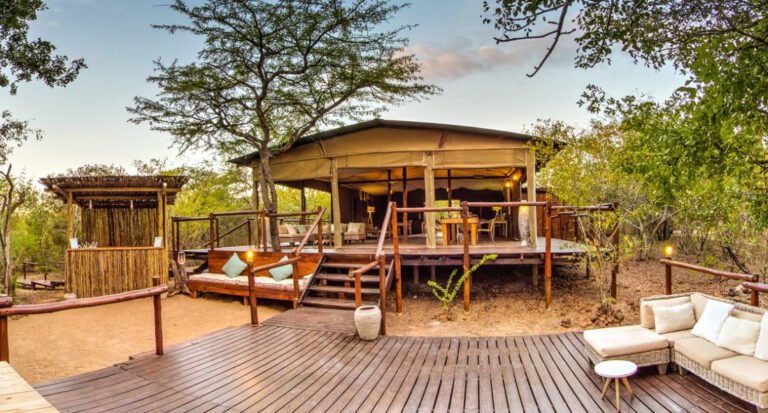
7-Day Tanzania Safari: Serengeti, Ngorongoro, And Tarangire In 2026-2027
A comprehensive guide to a 7-day Tanzania safari adventure, focusing on the iconic Serengeti National Park, the Ngorongoro Crater, and Tarangire National Park. Learn about optimal...
View package details
Serengeti Safari Tours: Prices, Packages & Best Time To Visit In 2026-2027
Discover everything you need to know for planning your Serengeti safari tour, from understanding pricing and package variations to identifying the ideal travel times in 2026-2027. This...
View package details
Zanzibar To Serengeti Safari Packages 2026-2027
Zanzibar to Serengeti Safari Packages is explained with current 2026-2027 planning, price, itinerary and booking information.
View package details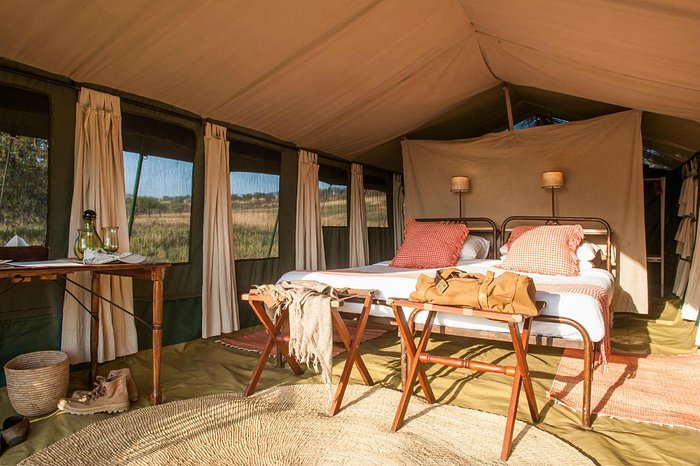
What Is The Best Month To Visit Serengeti? 2026-2027
What Is the Best Month to Visit Serengeti? is explained with current 2026-2027 planning, price, itinerary and booking information.
View package details
When Is The Great Migration In Tanzania And Kenya? Your Guide 2026-2027
The Great Migration's timing is dynamic, following the rains. Generally, it's in Kenya's Masai Mara from July to October, and in Tanzania's Serengeti from December to March. Planning around...
View package details
Tanzania Safari Tours & Packages /: Your Ultimate Wildlife Adventure 2026-2027
Discover the magic of Tanzania with expertly crafted safari tours and packages for 2026 and 2027. From the vast plains of the Serengeti to the depths of the Ngorongoro Crater, find your...
View package detailsBest African Safari Tours & Vacation Packages /: Your Ultimate Tanzania
start an unforgettable African safari adventure in 2026/2027 with expertly curated tours and vacation packages in Tanzania's most iconic wildlife destinations. From the Serengeti to the...
View package detailsPrivate Tanzania Safari Packages: Your Ultimate Guide For 2026-2027
Discover the unparalleled freedom and personalized experience of a private Tanzania safari package. This comprehensive guide for 2026-2027 explores custom itineraries, key destinations like...
View package details
Serengeti Great Migration Safari Packages: Your Guide To Witnessing The Wonder
start an unforgettable journey with our comprehensive guide to Serengeti Great Migration safari packages for 2026-2027. Understand the best times to go, optimal viewing locations, and how...
View package detailsBest Places To See Wild Animals In Tanzania: Your Ultimate Safari Guide
Planning a safari to witness incredible wildlife? Tanzania offers some of the planet's most spectacular viewing opportunities. This guide explores the top destinations for seeing wild...
View package detailsNo related package matches those filters. Clear one or more filters to see the other topic-matched options.



