
A Tanzania wildlife photography safari with a private guide and vehicle for 2026-2027 typically ranges from $350 to $800+ per person per day, depending on the safari style, accommodation level, parks visited, and duration. This price generally includes your private vehicle (usually a 4×4 Land Cruiser), a dedicated professional guide, park entry fees, accommodation, meals, and internal transfers. Customizing your itinerary for specific photographic opportunities, such as tracking the Great Migration in the Serengeti or focusing on birdlife in Tarangire, will influence the final cost, with longer trips and more exclusive lodges increasing the overall budget. Booking well in advance for 2026 or 2027 is advisable, especially for peak seasons.
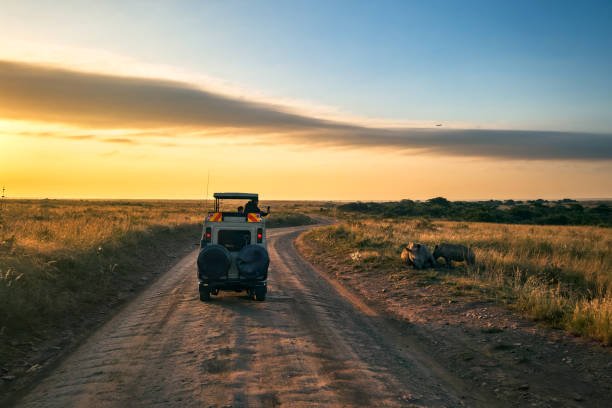

Planning Your Tanzania Wildlife Photography Safari: A Deep look at Private Guide & Vehicle Costs for 2026-2027
For photographers aiming to capture the dramatic landscapes and elusive wildlife of Tanzania, a private guide and vehicle safari is often the ultimate choice. This setup provides the flexibility, access, and specialized attention crucial for getting those award-winning shots. Unlike group tours, a private safari means your schedule, pace, and photographic priorities dictate the day. This article unpacks the specifics of Tanzania wildlife photography safari private guide & vehicle prices for 2026-2027, detailing what influences costs, how to get the best value, and what to expect on the ground.
Understanding the pricing structure is key to budgeting effectively. The figures mentioned are indicative, as each safari is a bespoke experience. Factors like the number of days, the specific national parks and reserves you wish to explore (Serengeti, Ngorongoro Crater, Tarangire, Lake Manyara, Selous Game Reserve, Ruaha National Park), the type of accommodation chosen (from comfortable mid-range camps to ultra-luxury lodges), and the time of year all play a significant role. For 2026 and 2027 travel, early planning can often secure better rates and availability, especially for popular lodges and peak migration viewing periods.
Understanding Private Safari Pricing: What’s Included in Tanzania Wildlife Photography Safari Costs?
When you look at the price for a Tanzania wildlife photography safari with a private guide and vehicle, it’s essential to break down what’s typically covered. This clarity helps you compare offers accurately and understand where your money is going. For 2026 and 2027 itineraries, expect the following to be standard inclusions:
Core Inclusions in Your Safari Package:
- Private 4×4 Safari Vehicle: This is usually a specially adapted Land Cruiser or Land Rover, equipped with pop-up roofs for unobstructed photography, comfortable seating, and ample space for gear. The vehicle is exclusively yours for the duration of your safari.
- Professional Driver-Guide: A knowledgeable guide who understands wildlife behavior, optimal viewing spots, and crucially for photographers, knows how to position the vehicle for the best light and angles. Many guides have experience working with photographers.
- Park Entrance Fees: These can be a significant portion of the cost, especially for extended stays in parks like the Serengeti. Fees are set by the Tanzania National Parks Authority (TANAPA) and Tanzania Parks.
- Accommodation: This covers your lodging for the nights spent on safari. The type ranges widely from basic tented camps to mid-range lodges and high-end luxury tented camps or lodges.
- Meals: Typically full board (breakfast, lunch, dinner) when on safari. Drinks might be included at some lodges but often not in the vehicle.
- Game Drives: Unlimited game drives within the parks during your safari days.
- Airport Transfers: Usually includes transfers from the nearest airport to your starting point and back.
- Conservation Fees: In addition to park fees, some areas or specific conservancies may have separate conservation fees.
It’s important to note what is rarely included in the base price for a Tanzania wildlife photography safari private guide & vehicle package, especially for 2026-2027 bookings:
Common Exclusions to Watch For:
- International Flights: Flights to and from Tanzania (e.g., Kilimanjaro International Airport – JRO).
- Visa Fees: Costs associated with obtaining a Tanzanian visa.
- Travel Insurance: Comprehensive travel and medical insurance is mandatory for most operators.
- Gratuities: Tips for your driver-guide and lodge staff are customary and appreciated.
- Personal Expenses: Souvenirs, laundry, alcoholic beverages, and soft drinks (unless specified).
- Optional Activities: Hot air balloon safaris, guided walking safaris (where permitted), or cultural visits often incur extra charges.
- Tips for Guides: While gratuities for lodge staff are common, tipping your dedicated safari guide is a separate, often significant, consideration.
When comparing quotes for your 2026 or 2027 safari, meticulously check the inclusions and exclusions list. A lower initial price might hide significant additional costs if key items like park fees or meals are omitted.
Key Cost Factors Influencing Tanzania Wildlife Photography Safari Prices
The price you pay for a Tanzania wildlife photography safari with a private guide and vehicle in 2026-2027 is not arbitrary. Several variables directly impact the total cost. Understanding these will help you make informed decisions and potentially tailor your trip to your budget without compromising too much on the photographic experience.
Factors Affecting Your Safari Budget:
- Duration of the Safari: The most straightforward factor. More days mean more park fees, accommodation nights, and guide/vehicle hire, directly increasing the total cost. A 7-day safari will naturally cost more than a 5-day one.
- Time of Year: Peak seasons (like July-October for the dry season and migration crossings) are the most expensive due to high demand. Shoulder seasons (March-May, November) can offer lower prices and fewer crowds, though weather might be less predictable. The 2026-2027 period will see similar seasonal price variations.
- Accommodation Level: This is arguably the biggest differentiator.
- Budget/Mid-Range: Comfortable tented camps or basic lodges.
- Mid-Luxury: Well-appointed lodges and permanent tented camps with excellent amenities.
- Luxury/Exclusive: High-end lodges and fly-in camps with gourmet dining, private plunge pools, and premium services.
Even a slight upgrade in accommodation can add $100-$300+ per person per night.
- Specific Parks and Reserves: While Serengeti and Ngorongoro are iconic, they also tend to have higher park fees. Some remote parks like Ruaha or Selous might involve internal flights, which add significant cost. The length of stay in each park also affects fees.
- Vehicle Type and Customization: While a private 4×4 Land Cruiser is standard, some operators might offer variations. The condition and age of the vehicle, and any specific modifications for photography (e.g., beanbag mounts, camera platforms), can influence price.
- Guide’s Expertise: While all guides are licensed, some have specific training or extensive experience in wildlife photography. Operators may charge a premium for guides renowned for their photographic knowledge, especially for specialized wildlife photography safaris.
- Inclusions: As mentioned, whether park fees, meals, drinks, or certain activities are included will change the upfront price. Always compare apples to apples.
- Group Size: While this article focuses on private safaris, the cost per person is always lower for more people sharing the vehicle and accommodation. A solo traveler on a private safari will pay significantly more per day than a couple.
For 2026-2027 bookings, it’s wise to consider the shoulder seasons if your budget is a primary concern, but balance this with the photographic opportunities you seek. For instance, the wildebeest migration timing varies annually, so research the likely location for your chosen dates.
Typical Price Ranges for Private Tanzania Wildlife Photography Safaris (2026-2027)
Based on current market trends and anticipating 2026-2027 pricing, here are general estimates for a Tanzania wildlife photography safari private guide & vehicle experience. These figures are per person per day and assume at least two people traveling together.
Estimated Daily Rates (Per Person, Based on 2 Sharing):
| Safari Style | Accommodation Level | Estimated Daily Cost (USD) | Key Characteristics |
|---|---|---|---|
| Budget/Standard | Basic Tented Camps/Lodges | $350 – $500 | Focus on core safari experience, good value, fewer amenities. |
| Mid-Range | Comfortable Tented Camps/Lodges | $500 – $700 | Good balance of comfort, service, and location. Often the sweet spot for value. |
| Luxury | High-End Lodges/Tented Camps | $700 – $950+ | Premium amenities, exceptional service, prime locations, gourmet dining. |
| Exclusive/Bespoke (Photography Focused) | Premium Lodges, Fly-in Camps, Custom Vehicles | $800 – $1200+ | Tailored for photographers, potentially with specialized vehicles, expert guides, and exclusive access. |
Note: These are indicative daily rates. A typical safari might be 7-10 days, so multiply by the number of days for a total estimate. Solo travelers will pay a supplement, often 30-70% more per day.
For a 10-day safari for two people at a mid-range level ($600 per person per day), you’d be looking at approximately $12,000 for the safari portion ($6,000 per person). This highlights the importance of booking in advance for 2026 and 2027 to potentially secure better rates or early-bird offers.
Choosing Your Private Guide: The Photographer’s Best Asset
The guide is arguably the most critical component of a successful Tanzania wildlife photography safari. While any licensed guide can drive you around, a photographer’s guide understands the nuances of light, animal behavior, and composition. When seeking a private guide for your Tanzania wildlife photography safari, consider these points:
What to Look for in a Photography-Focused Guide:
- Wildlife Behavior Knowledge: A guide who can predict animal movements, understand warning calls, and anticipate interactions is invaluable for capturing action shots.
- Understanding of Light: Knowing the best times of day for golden hour, understanding how light hits specific landscapes or animals, and how to position the vehicle accordingly.
- Patience and Adaptability: Willingness to wait for the perfect shot, even if it means deviating slightly from a packed schedule. They should be able to adapt to your photographic goals.
- Vehicle Positioning Skills: Ability to maneuver the vehicle for optimal angles, avoid obstructions, and ensure minimal disturbance to wildlife.
- Camera Gear Awareness: While they won’t operate your camera, they should understand basic photography needs, like avoiding direct sun in lenses or positioning the vehicle for clear shots.
- Communication: A guide who communicates well, listens to your needs, and can offer suggestions based on photographic potential.
When inquiring with operators for your 2026-2027 safari, specifically ask about their guides’ experience with photographers. Some companies pride themselves on having guides who are also keen photographers themselves. This specialization can significantly enhance your experience and the quality of your images. A dedicated conversation with the tour operator about your photographic interests is key to matching you with the right guide.
Vehicle Options for Photographers: Maximizing Your Shooting Platform
The vehicle for your Tanzania wildlife photography safari is more than just transport; it’s your mobile studio. For photographers, the standard 4×4 Land Cruiser is usually preferred, but there are specific features that make it ideal:
Essential Vehicle Features for Photography:
- Pop-Top Roof: This is non-negotiable. It allows you to stand up and shoot with a clear, unobstructed 360-degree view. For photographers, this means no window frames or limited angles.
- Spacious Interior: Enough room to comfortably store camera bags and equipment without feeling cramped, especially during long game drives.
- Open Sides: The ability to have the sides of the vehicle open (weather permitting) allows for shooting from a lower, more stable angle, which can be great for ground-level shots.
- Suspension: Good suspension ensures a smoother ride, which is crucial for delicate camera equipment and for maintaining stability when shooting handheld.
- Power Outlets/Inverters: While not standard on all vehicles, some operators might offer vehicles with power outlets or inverters for charging camera batteries. This is a significant plus for extended shoots.
- Beanbag Availability: Many photographers prefer using beanbags for stable lens support. Ask if the operator provides these or if you should bring your own.
When discussing your Tanzania wildlife photography safari private guide & vehicle price for 2026 or 2027, inquire specifically about the vehicle model and its suitability for photography. Some operators might have specialized vehicles or offer custom setups for serious photographers, which could affect the price but greatly enhance the shooting experience.
Accommodation Impact on Price: From Tented Camps to Luxury Lodges
Accommodation is a significant cost driver in any Tanzanian safari, and the choice you make will directly influence the price of your Tanzania wildlife photography safari. Operators typically offer packages that bundle game drives with lodging, so understanding the tiers is crucial.
Accommodation Tiers and Their Price Implications:
- Budget Tented Camps: Basic canvas tents with beds, shared ablution facilities (sometimes en-suite ‘eco’ bathrooms), and a communal mess tent for dining. These offer a rustic, authentic experience and are the most economical option.
- Mid-Range Lodges & Tented Camps: Comfortable rooms or permanent tents with en-suite bathrooms, hot running water, often a restaurant and bar area, and sometimes a swimming pool. This is where most travelers find a good balance of comfort and cost.
- Luxury Lodges & Tented Camps: These offer spacious rooms or suites, high-quality furnishings, private verandas, gourmet dining, excellent service, and often exclusive locations. Expect amenities like plunge pools, spas, and fine wines.
- Exclusive/Fly-in Camps: Often found in more remote areas, these require internal flights (which add significant cost) but offer unparalleled exclusivity and intimate wildlife viewing. They are typically at the highest price point.
For photographers, the location of your accommodation can also be important. Lodges or camps situated in prime wildlife areas or offering excellent views can provide opportunities for photography even before or after game drives. When planning for 2026 or 2027, discuss with your operator if certain lodges are known for their photographic potential or proximity to key wildlife hotspots. A lodge with a beautiful sunrise view over the plains, for example, could be a bonus.
Best Time for Photography & Its Impact on Safari Prices (2026-2027)
The timing of your Tanzania wildlife photography safari profoundly impacts both the photographic opportunities and the overall price. Tanzania offers excellent wildlife viewing year-round, but specific events and conditions favor different types of photography.
Seasonal Considerations for 2026-2027 Photography Safaris:
- Dry Season (June – October): This is peak season. Wildlife congregates around water sources, making sightings more predictable. The vegetation is sparser, offering clearer views. This is also the prime time for witnessing the Great Migration river crossings in the Grumeti and Mara Rivers (usually July-September). Prices are highest during these months.
- Green Season (November – May): This period is characterized by rains, which bring lush landscapes and new life. It’s the birthing season for many animals, offering excellent opportunities for predator-prey interactions and newborn wildlife photography. Birdlife is abundant, especially with migratory birds present. Prices are generally lower, particularly from November to March (excluding Christmas/New Year). The period from April to May can see heavy rains, which might disrupt travel and limit access to some areas.
- The Great Migration: Its exact location varies annually. For 2026-2027, expect the main herds to be in the Serengeti for much of the dry season. The timing of river crossings is a major draw for photographers seeking dramatic action shots.
For photographers, the “best” time depends on your specific interests. If dramatic migration action is your goal, aim for the dry season. If you prefer lush landscapes, newborn animals, and bird photography, the green season is excellent and more budget-friendly. When inquiring for Tanzania wildlife photography safari private guide & vehicle prices for 2026 or 2027, be clear about your priorities so the operator can recommend the optimal time and location.
Comparing Safari Packages: What to Look For in a Quote
When you receive quotes for your Tanzania wildlife photography safari private guide & vehicle, it’s crucial to compare them systematically. A simple price comparison is insufficient; you need to evaluate the value and suitability for your photographic needs.
Key Elements to Scrutinize in Safari Quotes:
- Detailed Itinerary: Does it align with your photographic interests? Are there sufficient days in key parks like the Serengeti or Ngorongoro?
- Vehicle Specification: Confirm it’s a 4×4 Land Cruiser with a pop-top roof.
- Guide’s Experience: As discussed, inquire about their specific experience with photographers.
- Accommodation Details: Know the exact lodges/camps booked. Are they well-located for wildlife viewing and photography?
- Inclusions & Exclusions: A clear, itemized list of what is and isn’t covered. Pay close attention to park fees, meals, and drinks.
- Total Price vs. Per Person Per Day: Understand how the total is calculated.
- Payment Terms: Deposit required, balance due date, cancellation policy.
- Operator Reputation: Look for reviews (e.g., on TripAdvisor) and how long they’ve been operating.
- Flexibility: How adaptable is the operator to last-minute changes or specific photographic requests?
For 2026-2027 bookings, it’s wise to get at least 2-3 quotes from reputable operators. Don’t be afraid to ask detailed questions. A good operator will be transparent and helpful in tailoring the safari to your specific needs as a wildlife photographer. For example, if you’re particularly interested in bird photography, ask if your itinerary includes time in areas known for diverse birdlife, like Tarangire during the green season.
Budgeting Tips for Photographers on a Tanzania Safari
Maximizing your photographic output while managing costs for a Tanzania wildlife photography safari requires smart planning. Here are some tips to help you budget effectively for your 2026-2027 trip:
Cost-Saving Strategies for Photographers:
- Travel in Shoulder or Green Seasons: As mentioned, prices for safaris and accommodations are lower outside the peak dry season. You can still get incredible shots, and potentially fewer crowds.
- Consider Slightly Less Famous Parks: While Serengeti and Ngorongoro are must-sees, parks like Tarangire (known for elephants and baobabs) or Lake Manyara (for tree-climbing lions and birds) can offer fantastic photography at potentially lower park fees.
- Pack Smart: Avoid unnecessary excess baggage fees on internal flights (if applicable) by packing efficiently. Ensure you have all necessary gear, but don’t overpack.
- Group Size Matters: If you can travel with a partner or small group, sharing the costs of the private vehicle and guide significantly reduces the per-person daily rate.
- Communicate Your Budget: Be upfront with your tour operator about your budget. They can often suggest itinerary adjustments or accommodation choices to fit your financial plan.
- Factor in Gratuities and Tips: Budget around $20-$30 per day for your driver-guide and $10-$15 per day for lodge staff. These are discretionary but customary.
- Look for Photography-Specific Tours: Some operators offer tours led by photography experts, which might be more expensive but can offer immense value through tuition and specialized access.
For a Tanzania wildlife photography safari private guide & vehicle booking in 2026 or 2027, remember that investing in quality guiding and vehicle is often more critical for photographers than the most luxurious accommodation. You’ll spend more time in the vehicle and with your guide than in your room.
Booking Your 2026-2027 Tanzania Wildlife Photography Safari
Securing your dream Tanzania wildlife photography safari with a private guide and vehicle for 2026 or 2027 requires careful selection of a tour operator and clear communication of your needs. As a specialist in Tanzanian adventures, Climb 4 Africa focuses on providing personalized safari experiences.
Why Choose Climb 4 Africa for Your Photography Safari?
- Customization: We excel at crafting tailor-made itineraries that put your photographic goals first, whether it’s tracking specific species, capturing landscapes at golden hour, or focusing on the Great Migration.
- Expert Guides: Our guides are not just drivers; they are passionate about wildlife and understand the unique requirements of photographers, including vehicle positioning and patience.
- Quality Vehicles: We utilize well-maintained 4×4 Land Cruisers with pop-top roofs, ensuring comfort and excellent shooting opportunities.
- Transparent Pricing: We provide detailed quotes that clearly outline all inclusions and exclusions, helping you understand the true cost of your Tanzania wildlife photography safari private guide & vehicle package.
- Local Expertise: Being based in Tanzania gives us invaluable local knowledge, enabling us to advise on the best times, locations, and logistics for your photographic pursuits.
When you’re ready to plan your 2026 or 2027 photographic adventure, reach out to us. To get a tailored quote, please provide details such as:
- Your preferred safari dates or travel window.
- The approximate duration of your safari.
- The number of people traveling.
- Your specific photographic interests (e.g., Great Migration, big cats, birds, landscapes).
- Your preferred accommodation style and budget range.
- Any specific parks or regions you wish to visit.
We are here to help you design the ultimate Tanzania wildlife photography safari. Contact us via WhatsApp at +255 747 477 898 or email us at climb4africa@gmail.com to start planning your unforgettable photographic journey. Let us help you capture the wild heart of Tanzania.
“,
“faq_schema”: [
{
“question”: “What is the average daily cost for a private Tanzania wildlife photography safari in 2026-2027?”,
“answer”: “The average daily cost for a private Tanzania wildlife photography safari with a dedicated guide and vehicle in 2026-2027 typically ranges from $350 to $800+ per person per day, depending on accommodation level, park fees, and inclusions. Luxury or highly specialized photographic safaris can exceed this range.”
},
{
“question”: “What is usually included in the price of a private photography safari?”,
“answer”: “A typical private Tanzania wildlife photography safari price includes a private 4×4 safari vehicle, a professional driver-guide experienced with photographers, park entrance fees, accommodation (as per chosen level), meals (usually full board), and game drives. Exclusions commonly are international flights, visas, insurance, tips, and personal expenses.”
},
{
“question”: “How does accommodation choice affect the price of a private photography safari?”,
“answer”: “Accommodation is a major cost factor. Budget tented camps are the most affordable, mid-range lodges offer a balance of comfort and cost, while luxury lodges and exclusive fly-in camps significantly increase the daily rate due to premium amenities and services.”
},
{
“question”: “When is the best time to book a Tanzania wildlife photography safari for 2026-2027?”,
“answer”: “For peak wildlife action, especially the Great Migration river crossings, the dry season (June-October) is ideal, but also the most expensive. The green season (November-May) offers lower prices, lush landscapes, and opportunities for newborn wildlife and bird photography. Booking 6-12 months in advance for 2026-2027 is recommended, especially for peak season travel.”
},
{
“question”: “What makes a guide suitable for wildlife photography safaris?”,
“answer”: “A guide suitable for wildlife photography understands animal behavior to predict action, knows optimal vehicle positioning for light and angles, is patient, and communicates effectively with photographers. They should be able to adapt the schedule to capture unique photographic moments.”
},
{
“question”: “Are there specific vehicle modifications recommended for photography safaris?”,
“answer”: “The most crucial feature is a pop-top roof for 360-degree shooting. Ample interior space for gear, good suspension for a smooth ride, and open sides for lower angles are also beneficial. Some operators may offer vehicles with power outlets or beanbag support.”
}
]
}
“`
Check Availability for Tanzania Wildlife Photography Safari – Private Guide & Vehicle Prices
Ready to compare dates, prices, and the best option for your group? Send the package name and travel month so the team can reply with a clear quote, availability, and what is included.
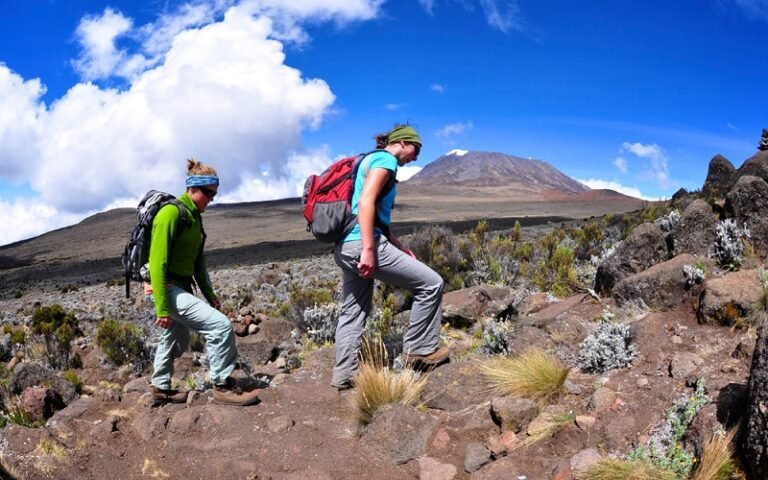
Kilimanjaro And Great Migration Safari July : Your Ultimate Tanzanian
Combining a Kilimanjaro climb with a Great Migration safari in July 2027 offers a spectacular Tanzanian adventure. This guide helps you plan your ideal itinerary, considering the best...
View package details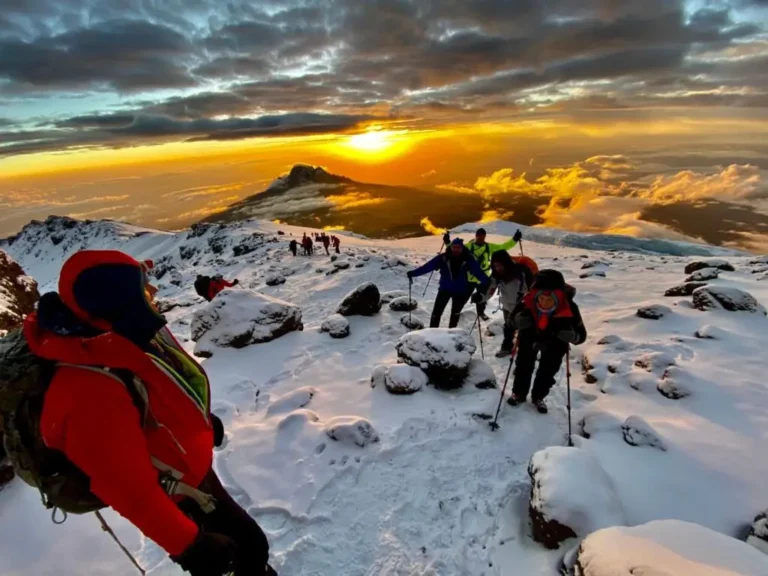
Kilimanjaro And Grumeti Migration Safari June : The Ultimate Tanzanian
Plan your unforgettable Kilimanjaro and Grumeti Migration safari for June 2027. This comprehensive guide details how to combine the challenge of summiting Africa's highest peak with the...
View package details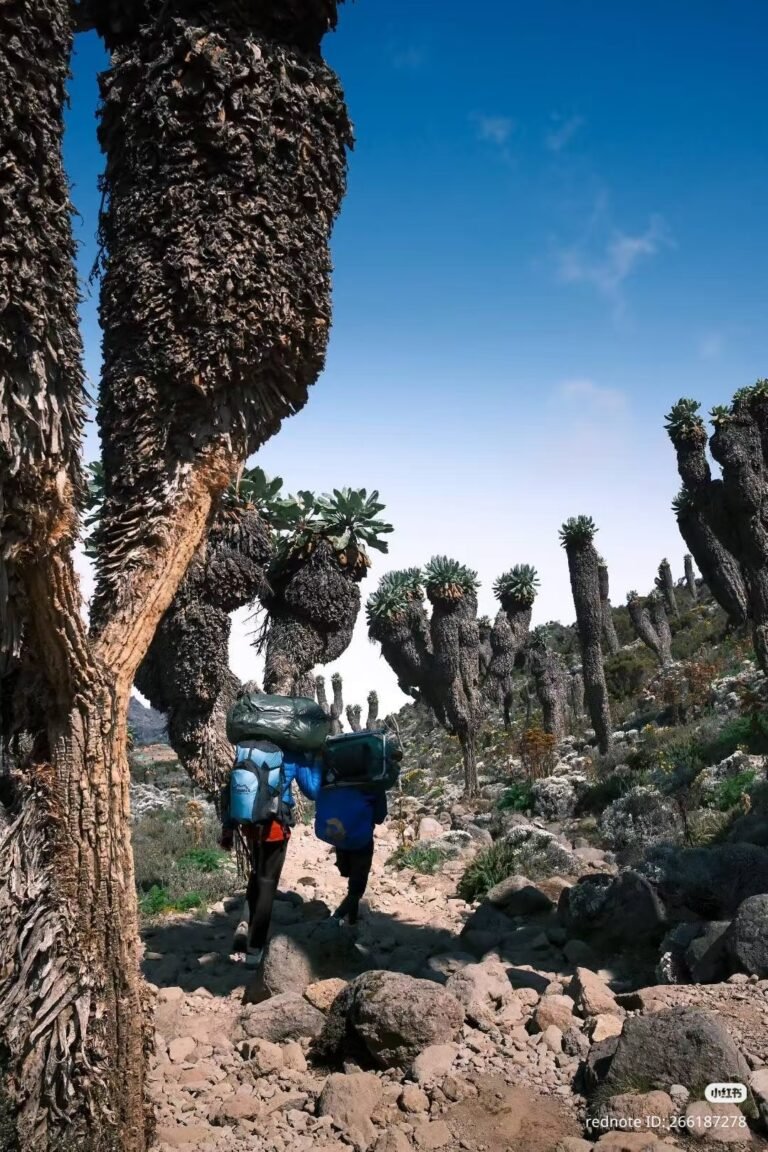
Kilimanjaro Christmas Climb And Tanzania Safari : Your Festive Adventure
Combine the magic of a Christmas ascent of Kilimanjaro with a thrilling Tanzania safari in 2026. Discover how to plan this dual adventure for a truly unique festive season.
View package detailsKilimanjaro And Mara River Crossing Safari August : Peak Season Adventure 2027
Combining the ultimate challenge of climbing Mount Kilimanjaro with the awe-inspiring spectacle of the Great Migration river crossing in the Maasai Mara offers an unparalleled African...
View package details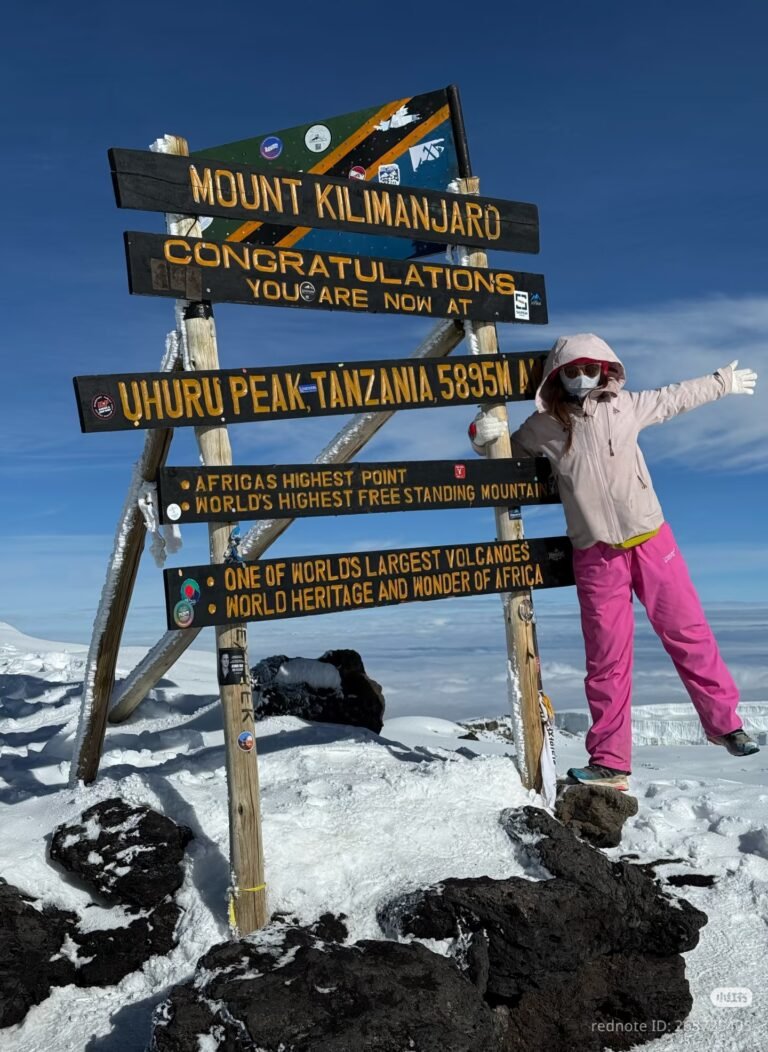
Kilimanjaro And Great Migration Safari August : Your Peak Season Adventure
Plan your ultimate Tanzanian adventure in August 2027, combining a Kilimanjaro climb with the spectacle of the Great Migration. This guide details the best timings, routes, and safari...
View package detailsKilimanjaro And Mara River Crossing Safari July 2027
Kilimanjaro and Mara River Crossing Safari July 2027 is explained with current 2027 planning, price, itinerary and booking information.
View package details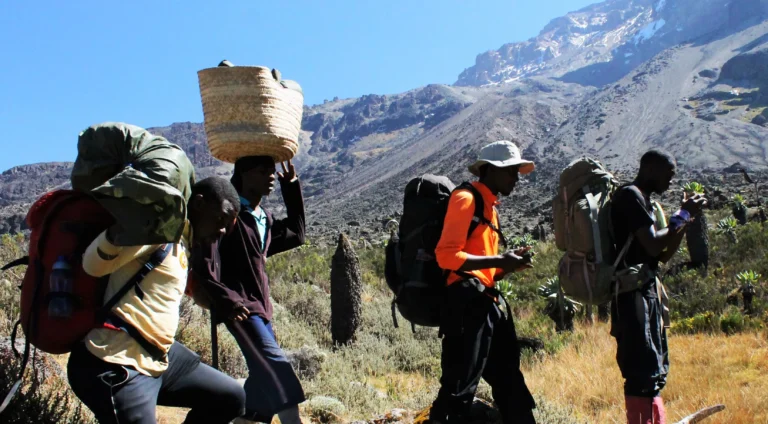
Best Kilimanjaro And Serengeti Calving Season Safari March 2027
Discover the magic of a March 2027 Kilimanjaro and Serengeti calving season safari. This guide explores the unique advantages and considerations for experiencing Tanzania's wildlife...
View package details
Kilimanjaro And Serengeti Calving Safari February : The Ultimate Planning
Combine the majesty of Mount Kilimanjaro with the impressive spectacle of the Serengeti's calving season in February 2027. This guide details how to plan this dual adventure, focusing on...
View package details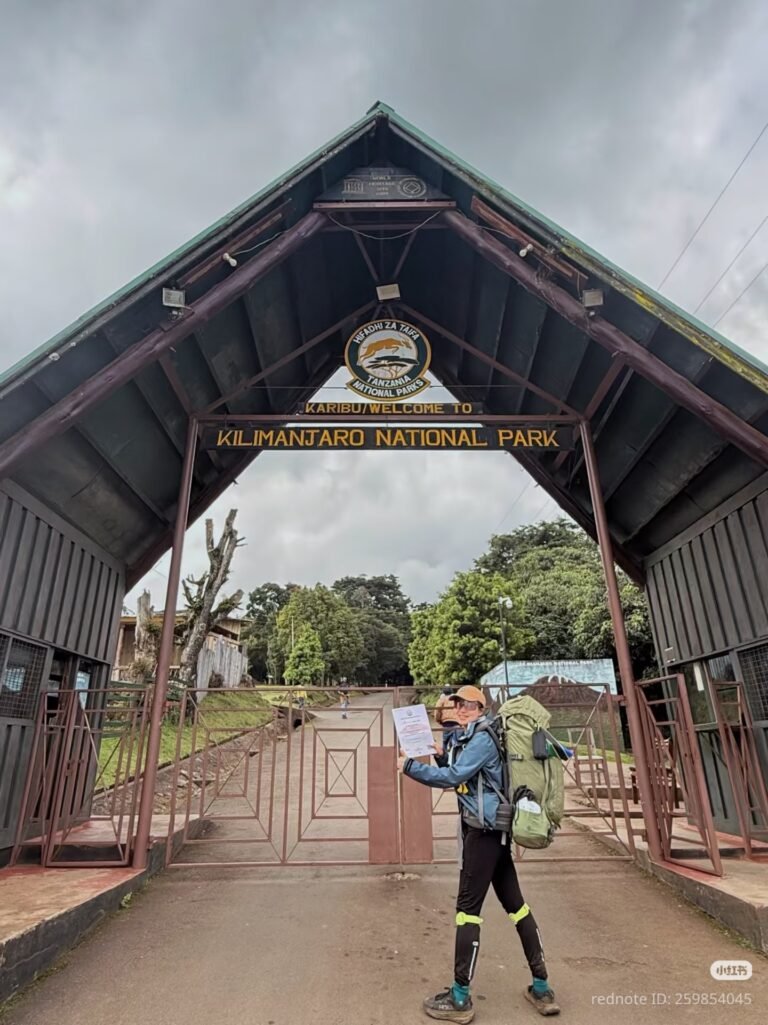
Kilimanjaro And Serengeti Calving Safari January 2026-2027
Kilimanjaro and Serengeti Calving Safari January 2027 is explained with current 2026-2027 planning, price, itinerary and booking information.
View package detailsNo related package matches those filters. Clear one or more filters to see the other topic-matched options.



