
A Tanzania conservation safari focusing on rare wildlife and private reserves offers unparalleled opportunities for close encounters with endangered species and unique ecosystems, often away from peak season crowds. These specialized safaris prioritize ethical wildlife viewing, support local conservation efforts, and typically involve stays in exclusive concessions or private conservancies that limit visitor numbers, ensuring a more intimate and impactful experience. Planning for 2026 or 2027 involves understanding which reserves offer the best chances for specific rare sightings, the optimal times to visit, and partnering with operators committed to responsible tourism practices.
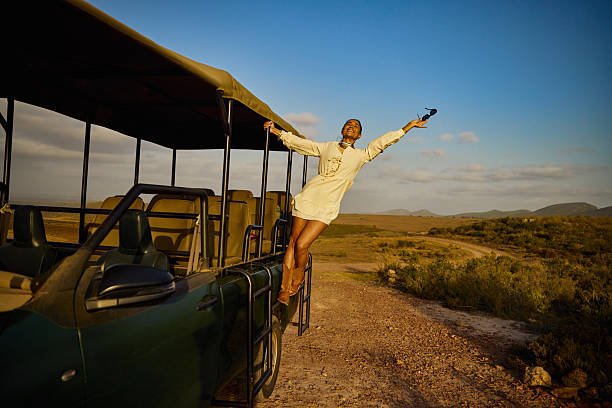
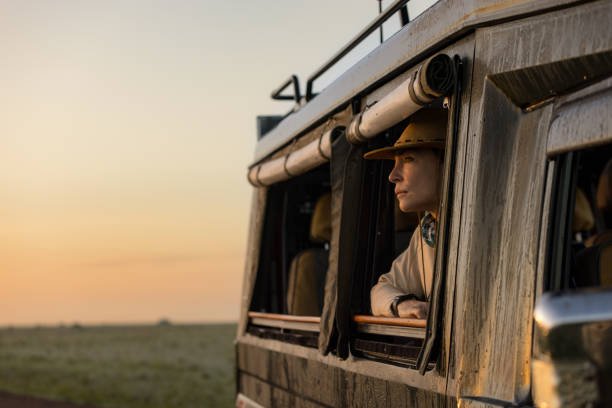
When we talk about a Tanzania conservation safari, we’re moving beyond the typical wildlife viewing experience. It’s about actively participating in or supporting the preservation of Tanzania’s incredible biodiversity, particularly focusing on its more elusive and endangered species. This often leads travelers to explore areas beyond the well-trodden paths of the northern circuit’s national parks, venturing into private conservancies and reserves where conservation initiatives are paramount.
For those planning a trip in 2026 or 2027, understanding the nuances of these specialized safaris is crucial. It’s not just about seeing animals; it’s about seeing them in a way that benefits their long-term survival and supports the local communities that are their custodians. This means looking for operators who work closely with conservation bodies, employ local guides with deep ecological knowledge, and ensure that tourism revenue directly contributes to anti-poaching efforts, habitat protection, and community development projects.
Understanding the Pillars of a Conservation Safari
A true conservation safari in Tanzania is built on several key principles. It’s essential to grasp these to ensure your trip aligns with genuine conservation goals and provides the meaningful experience you’re seeking. These aren’t just buzzwords; they represent a commitment to responsible travel that benefits both wildlife and people.
Wildlife Protection and Ethical Viewing
At its core, a conservation safari is about protecting wildlife. This translates into strict guidelines for how animals are approached and observed. Expect your guides to maintain safe distances, never feed animals, avoid disturbing their natural behaviors (like hunting or nesting), and to operate vehicles in a way that minimizes stress on wildlife. The focus is on observation, not interaction, ensuring that the animals’ welfare comes first.
The emphasis on rare wildlife is a significant draw. This might include species like the wild dog (African painted wolf), cheetahs, leopards, or specialized birdlife. Conservation safaris often target areas where these animals are known to exist, sometimes through specific research or monitoring programs. Your presence and the fees associated with your visit can directly fund the resources needed for these protection efforts.
Supporting Private Reserves and Conservancies
Many of Tanzania’s most impactful conservation initiatives are found within its private reserves and conservancies. Unlike national parks, these areas are often leased by conservation organizations or private entities, allowing for more controlled tourism. This control is vital. It means:
- Limited Visitor Numbers: Private reserves typically have strict limits on the number of vehicles and guests allowed at any given time. This drastically reduces the ‘safari traffic jams’ often seen in popular national parks, offering a much more serene and exclusive experience.
- Off-Road Driving (where permitted and beneficial): In some well-managed conservancies, guides may be permitted to drive off-road to follow specific sightings or navigate challenging terrain. This is done with extreme care to avoid ecological damage, but it can significantly enhance wildlife viewing opportunities, especially for elusive species.
- Night Game Drives: Many private reserves permit night game drives, which are crucial for spotting nocturnal animals like leopards, civets, genets, and various smaller mammals that are rarely seen during the day.
- Walking Safaris: These are often a highlight of conservancy experiences. Guided walking safaris allow for a much deeper connection with the bush, focusing on smaller details, tracks, and signs of wildlife that you might miss from a vehicle.
When planning your Tanzania conservation safari for 2026 or 2027, look for itineraries that specifically mention stays in these types of private concessions. They are often adjacent to or buffer larger national parks, providing access to similar wildlife while offering a more exclusive and conservation-focused experience.
Community Engagement and Benefit Sharing
A truly effective conservation safari ensures that local communities benefit directly from tourism. This can take many forms:
- Employment: Prioritizing lodges and operators that employ local guides, trackers, chefs, and support staff.
- Revenue Sharing: A portion of park fees, conservancy fees, or lodge profits being channeled into community development projects such as schools, healthcare facilities, or water projects.
- Sustainable Practices: Supporting lodges that use renewable energy, manage waste responsibly, and source food locally.
- Cultural Exchange: Opportunities for respectful interaction with local communities, learning about their traditions and way of life, and understanding their role in conservation.
By choosing operators who are transparent about their community engagement, you ensure your safari contributes positively to the people who share their land with these magnificent animals.
Key Destinations for Tanzania Conservation Safaris
While Tanzania boasts famous parks like the Serengeti and Ngorongoro Crater, its conservation-focused safaris often shine brightest in less crowded, privately managed areas. These locations are specifically chosen for their unique wildlife populations and commitment to conservation.
The Greater Ruaha Ecosystem (Southern Tanzania)
Often overlooked in favor of the northern circuit, the southern circuit, particularly the Greater Ruaha Ecosystem, is a powerhouse of wildlife and a prime example of effective conservation through private concessions. Ruaha National Park itself is Tanzania’s largest, and the surrounding game reserves and private concessions offer vast, wild landscapes.
- Wildlife Highlights: Ruaha is renowned for its large elephant herds, impressive populations of predators (especially lions and wild dogs), and a high density of buffalo. It’s also a critical habitat for endangered species like the cheetah and cheetah.
- Private Concessions: Areas like the Usangu Game Reserve and various concessions bordering Ruaha offer exclusive game viewing. Lodges here often work on anti-poaching patrols and ecological monitoring.
- Experience: Expect raw, untamed wilderness. Game drives can be more adventurous, and the sense of solitude is profound. Walking safaris are particularly rewarding here, allowing you to appreciate the sheer scale and biodiversity of the ecosystem.
- Planning for 2026-2027: This region is ideal for travelers seeking an authentic, wild experience away from crowds. Consider visiting in the dry season (June-October) when wildlife congregates around water sources, making sightings more predictable.
Selous Game Reserve (Nyerere National Park) – Southern Tanzania
Now officially Nyerere National Park, the southern part of the former Selous Game Reserve remains a vast wilderness area critical for conservation. It’s one of the largest protected areas in Africa and is a UNESCO World Heritage Site.
- Wildlife Highlights: Famous for its large elephant and buffalo herds, wild dogs, lions, and a huge variety of birdlife. It’s also a vital sanctuary for rhinos, though sightings are rare due to their elusive nature and conservation protection.
- Unique Activities: Selous offers unique safari experiences like boat safaris on the Rufiji River, providing a different perspective on wildlife, and walking safaris.
- Conservation Focus: The reserve’s sheer size and remoteness are its primary conservation tools. Efforts here focus on anti-poaching, particularly for elephants and rhinos, and habitat management.
- Planning for 2026-2027: This is a fantastic destination for those interested in boat safaris and a more remote wilderness feel. The dry season (June-October) is generally best, but the green season (November-May) offers lush landscapes and excellent birding.
The Serengeti’s Western and Southern Corridors
While the central Serengeti is famous for the Great Migration river crossings, its western and southern corridors, and the private conservancies bordering them, offer incredible wildlife viewing with fewer vehicles, especially outside the peak migration months.
- Wildlife Highlights: These areas are excellent for spotting cheetahs and lions, and in the right season, you can witness parts of the Great Migration. Private conservancies bordering these areas often have excellent populations of wild dogs.
- Private Conservancies: Areas like the Grumeti and Ikorongo Private Game Reserves offer exclusive access to wildlife. They are crucial for protecting migration routes and providing safe havens for predators.
- Experience: Combining a stay in a conservancy with a visit to the national park can offer a balanced experience of exclusivity and iconic Tanzanian landscapes.
- Planning for 2026-2027: For a conservation-focused Serengeti experience, opt for lodges within private concessions. Timing your visit to coincide with the migration’s passage through these less-visited areas can be incredibly rewarding.
Grumeti Reserve (Western Serengeti)
Specifically, the Grumeti Reserve is a prime example of a successful private conservancy model. It offers high-end, exclusive safari experiences with a strong conservation mandate.
- Wildlife: Famous for its large prides of lions, leopards, and the dramatic river crossings of the Great Migration (typically May-July). It also hosts significant populations of black and white colobus monkeys, unique to this region.
- Conservation Work: Grumeti Fund is a non-profit organization dedicated to wildlife conservation and the sustainable management of the reserve. Their work includes anti-poaching, habitat restoration, and community outreach.
- Exclusivity: Visitor numbers are strictly controlled, ensuring an intimate safari experience.
- Planning for 2026-2027: This is a top-tier destination for those seeking luxury and conservation. It’s particularly good for witnessing the migration during its western passage.
Lesser-Known Northern Circuit Areas and Private Ranches
Beyond the main parks, there are smaller, privately managed areas and ranches in the northern circuit that are increasingly focusing on conservation and offering unique safari experiences.
- Areas: Look for options in areas like West Kilimanjaro (offering stunning views of Kilimanjaro and good wildlife, including elephants and giraffes) or private ranches that support wildlife corridors.
- Focus: These areas often focus on specific species or offer activities like horse riding or walking safaris alongside traditional game drives, all within a conservation-minded framework.
- Planning for 2026-2027: These can be excellent for adding variety to a longer safari or for those seeking a more personalized, less crowded experience near popular hubs.
Identifying Rare Wildlife Species to Look For
A key appeal of a Tanzania conservation safari is the chance to see species that are either rare in general or rare in specific, well-visited areas. Conservation efforts are often targeted at these vulnerable populations.
African Wild Dog (Painted Wolf)
Once widespread, the African wild dog is now one of Africa’s most endangered carnivores. Tanzania, particularly its larger, less-populated parks and conservancies, is a crucial stronghold.
- Where to Find Them: Ruaha National Park and the surrounding ecosystem are arguably the best places in Tanzania to see wild dogs. Selous/Nyerere National Park also has a healthy population. They are also found in the Serengeti ecosystem, particularly in less-visited areas and private conservancies.
- Behavior: Wild dogs are highly social, cooperative hunters. Watching a pack on the move or during a hunt is an unforgettable spectacle.
- Conservation Status: Endangered. Their decline is due to habitat loss, human-wildlife conflict, and disease.
Cheetah
While cheetahs are found in many Tanzanian parks, seeing them in their natural habitat, especially in a conservation context, is always special. They are more vulnerable to predation by lions and hyenas and require large, open spaces.
- Where to Find Them: Serengeti National Park is famous for its cheetahs, particularly in the open plains. Ruaha and the western Serengeti conservancies also offer excellent opportunities.
- Conservation Status: Vulnerable.
Leopard
Leopards are notoriously elusive due to their solitary, nocturnal, and camouflaged nature. Seeing one often requires patience, luck, and knowledgeable guides.
- Where to Find Them: They are found across most of Tanzania’s protected areas. However, areas with dense cover and varied terrain, like the Serengeti’s kopjes, Ruaha’s rocky outcrops, and the woodlands of some private conservancies, offer good chances. Night drives in private reserves are particularly effective.
- Conservation Status: Vulnerable.
Black Rhinoceros
The black rhino is critically endangered, and sightings in Tanzania are exceptionally rare. Conservation efforts are focused on protecting the few remaining individuals and their habitats.
- Where to Find Them: The Ngorongoro Conservation Area has a small, highly protected population. There are also efforts to reintroduce rhinos in specific protected areas, but sightings are not guaranteed and are managed for the animals’ safety.
- Conservation Status: Critically Endangered.
Specialized Birdlife
Tanzania is a birdwatcher’s paradise, with over 1,000 species recorded. Conservation safaris can focus on areas known for endemic or rare bird species.
- Where to Find Them: Southern Tanzania (Ruaha, Selous/Nyerere) is excellent for a different array of species. The Ngorongoro Crater highlands and the unique miombo woodlands offer diverse habitats.
- Examples: Rufous-tailed Weaver, Tanzania Pied-babbler, various endemic Helmetshrikes, and many raptor species.
Planning Your Tanzania Conservation Safari in 2026-2027
Booking a conservation-focused safari requires a slightly different approach than a standard trip. Attention to detail and choosing the right partners are key to ensuring your safari is both memorable and impactful.
Choosing the Right Time to Travel
While Tanzania is a year-round destination, the timing for a conservation safari can influence your experience, especially when seeking specific wildlife or avoiding crowds.
- Dry Season (June to October): Generally considered the best time for wildlife viewing across most of Tanzania. Animals congregate around permanent water sources, making them easier to spot. This is also peak season, so booking well in advance for 2026 or 2027 is essential, especially for private reserves.
- Green Season (November to May): Offers lush landscapes, fewer tourists, and lower prices. It’s ideal for birdwatching and can be excellent for seeing predators with their young. However, heavy rains can make some areas inaccessible and disperse wildlife.
- Migration Specifics: If witnessing the Great Migration is part of your interest, timing is critical. The southern Serengeti (December-March) for calving, the western corridor (May-July) for river crossings, and the northern Serengeti (July-October) for more river crossings. However, conservation safaris often focus on areas *outside* the main migration routes to find resident predators and other rare species.
Accommodation: Lodges and Camps in Private Reserves
The type of accommodation you choose is integral to the conservation experience. Lodges and camps within private conservancies are often designed with sustainability in mind and offer exclusive access.
- Types of Accommodation:
- Luxury Lodges: Offer high-end amenities, excellent service, and often have strong conservation partnerships.
- Tented Camps: Provide a more intimate, ‘back-to-nature’ feel, often in prime wildlife locations. Mobile camps can move seasonally to follow wildlife.
- Exclusive-Use Camps: For ultimate privacy and flexibility, some properties offer exclusive use for a single group.
- Conservation Credentials: Look for lodges that highlight their sustainability practices (solar power, waste management, water conservation), their involvement in anti-poaching units, community projects, and their commitment to employing local staff.
- Booking for 2026-2027: High-demand properties in private reserves book up 12-18 months in advance, especially for peak seasons. Early planning is crucial.
Itinerary Design: Balancing Parks and Conservancies
A well-designed conservation safari often balances visits to iconic national parks with stays in private conservancies. This provides both the classic Tanzanian safari experience and the exclusivity and focused conservation opportunities of private areas.
- Example Itinerary Flow: A common approach might be to start in the Ngorongoro Crater for its unique ecosystem, then move to a private conservancy bordering the Serengeti for predator viewing and exclusivity, followed by a deep look at the wild landscapes of Ruaha or Selous/Nyerere.
- Duration: To truly appreciate the conservation aspects and explore different regions, a safari of 10-14 days is often recommended. Shorter trips can be effective if focused on a specific area.
- Customization: A key benefit of working with a local operator is the ability to tailor your itinerary. You can specify your interest in certain rare species or conservation activities.
Working with Local Experts for Conservation Safaris
When planning a specialized trip like a Tanzania conservation safari, partnering with a reputable local operator is invaluable. They possess the on-the-ground knowledge and established relationships that are essential for a smooth and impactful experience.
- Local Knowledge: Operators like Climb 4 Africa understand the dynamics of different reserves, the best times to visit, and which lodges are genuinely committed to conservation.
- Access and Permits: They handle all the complex logistics, including park fees, conservancy permits, and arranging special activities like walking safaris or night drives.
- Tailor-Made Experiences: They can craft bespoke itineraries that align with your specific interests, whether it’s tracking wild dogs in Ruaha or understanding the conservation challenges in the Serengeti.
- Support: Having local support throughout your trip provides peace of mind. If any issues arise, your operator is there to assist immediately.
The Role of Responsible Tourism Operators
The success of conservation safaris hinges on the integrity and practices of the tour operators. Choosing an operator committed to responsible tourism is not just about ethical travel; it directly impacts the effectiveness of conservation efforts.
What to Look For in a Responsible Operator
- Transparency: They should be open about where your money goes – which conservancies you’re supporting, how local communities benefit, and what conservation projects they are involved with.
- Local Partnerships: A strong relationship with local conservation organizations, park authorities, and community groups is a good sign.
- Experienced Local Guides: Guides who not only know wildlife but also understand conservation issues and can communicate them effectively to guests.
- Sustainable Operations: Commitment to eco-friendly practices in lodges and camps, and responsible vehicle usage.
- Ethical Wildlife Viewing Policies: Adherence to strict guidelines for approaching and observing wildlife.
Climb 4 Africa is dedicated to offering authentic and responsible Tanzania conservation safaris. We work closely with conservancies and lodges that share our commitment to protecting Tanzania’s natural heritage and supporting local communities. Our team has deep local knowledge, ensuring your 2026 or 2027 adventure is both incredible and contributes positively to conservation goals.
The Value of Private Conservancies for Conservation
Private conservancies represent a powerful model for wildlife conservation. By allowing tourism operators to manage these areas, significant revenue is generated that can be reinvested into protecting wildlife and habitats.
- Funding Anti-Poaching: Fees from lodges and tourists directly fund ranger patrols, equipment, and intelligence gathering, which are critical in combating poaching.
- Habitat Management: Conservancies can implement targeted habitat restoration and management programs that are not always feasible in larger, more general national parks.
- Buffer Zones: They often act as vital buffer zones around national parks, reducing human-wildlife conflict and providing safe corridors for animal movement.
- Research and Monitoring: Many conservancies partner with scientists to conduct research, monitor wildlife populations, and assess the impact of conservation strategies.
When you book a safari that includes stays in these private conservancies, you are directly contributing to these vital conservation activities. It’s a tangible way to make your travel count.
Making Your Booking for 2026-2027
The planning and booking process for a specialized safari like this requires thoughtful consideration. By focusing on the details, you can ensure your trip is perfectly aligned with your conservation goals.
When to Book
For Tanzania conservation safaris, especially those involving popular private reserves or lodges during peak seasons (like the dry months), booking at least 12-18 months in advance is highly recommended for 2026 and 2027. This is particularly true for exclusive-use properties or lodges with limited availability.
What to Discuss with Your Operator
When you connect with Climb 4 Africa, be sure to discuss:
- Your specific interests: Are you keen on seeing particular rare species? Do you want to focus on predator research, birdlife, or specific ecosystems?
- Your preferred safari style: Do you prefer luxury lodges, intimate tented camps, or a mix? Do you want to include walking safaris or night drives?
- Your conservation priorities: Ask about the specific conservation projects or community initiatives your trip will support.
- The itinerary details: Understand the balance between national parks and private conservancies, and the rationale behind the chosen locations.
Budget Considerations
Safaris in private reserves and conservancies are generally more expensive than those in national parks due to the limited number of visitors, higher operational costs, and the direct contribution to conservation fees. Expect pricing to reflect this exclusivity and the enhanced experience.
- Factors Influencing Cost: Lodge/camp choice, duration of stay, time of year (peak vs. low season), private vehicle hire, internal flights, and specific activities.
- What’s Typically Included: Accommodation, meals, standard game drives, park and conservancy fees, and local guiding.
- What’s Typically Excluded: International flights, visas, travel insurance, tips, drinks, and personal expenses.
When budgeting for a Tanzania conservation safari in 2026 or 2027, factor in that the higher cost directly supports the preservation of the very wildlife and landscapes you will experience.
Making a Positive Impact
Your choice of safari operator and destinations can make a significant difference. By opting for a conservation-focused safari, you are actively contributing to:
- The protection of endangered species and their habitats.
- The economic well-being of local communities, providing incentives for conservation.
- The preservation of Tanzania’s unique natural heritage for future generations.
Planning a Tanzania conservation safari for 2026 or 2027 is an exciting prospect. It promises an adventure that is not only spectacular but also meaningful. By focusing on rare wildlife and private reserves, you gain access to exclusive experiences while directly supporting critical conservation work. To start crafting your bespoke journey and ensure you secure the best availability for your preferred dates, we encourage you to reach out to our expert team. Let us help you design an unforgettable safari that aligns with your passion for wildlife and conservation.
For personalized planning and to discuss your ideal Tanzania conservation safari, including options for 2026 and 2027, please contact Climb 4 Africa:
- WhatsApp: +255 747 477 898
- Email: climb4africa@gmail.com
We look forward to helping you create a truly impactful Tanzanian adventure.
Check Availability for Tanzania Conservation Safaris: Rare Wildlife & Private Reserves In 2026-2027
Ready to compare dates, prices, and the best option for your group? Send the package name and travel month so the team can reply with a clear quote, availability, and what is included.
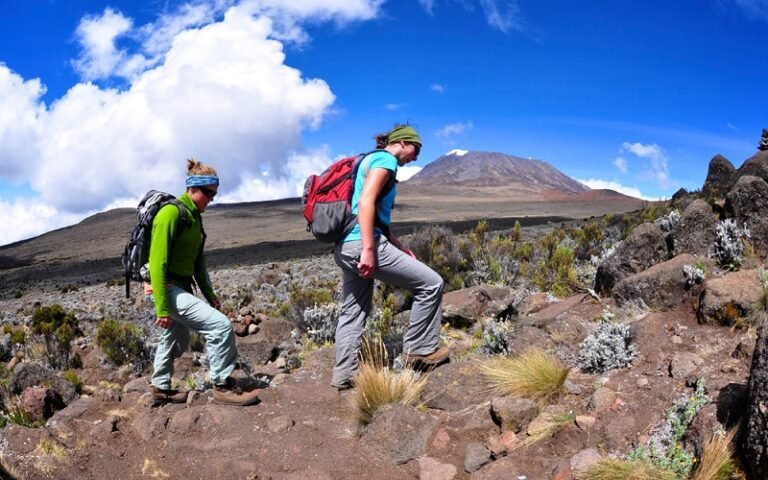
Kilimanjaro And Great Migration Safari July : Your Ultimate Tanzanian
Combining a Kilimanjaro climb with a Great Migration safari in July 2027 offers a spectacular Tanzanian adventure. This guide helps you plan your ideal itinerary, considering the best...
View package details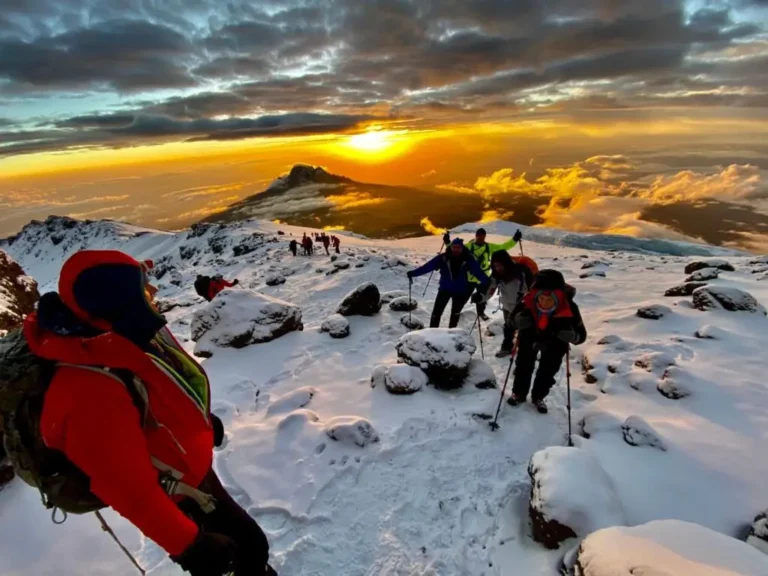
Kilimanjaro And Grumeti Migration Safari June : The Ultimate Tanzanian
Plan your unforgettable Kilimanjaro and Grumeti Migration safari for June 2027. This comprehensive guide details how to combine the challenge of summiting Africa's highest peak with the...
View package details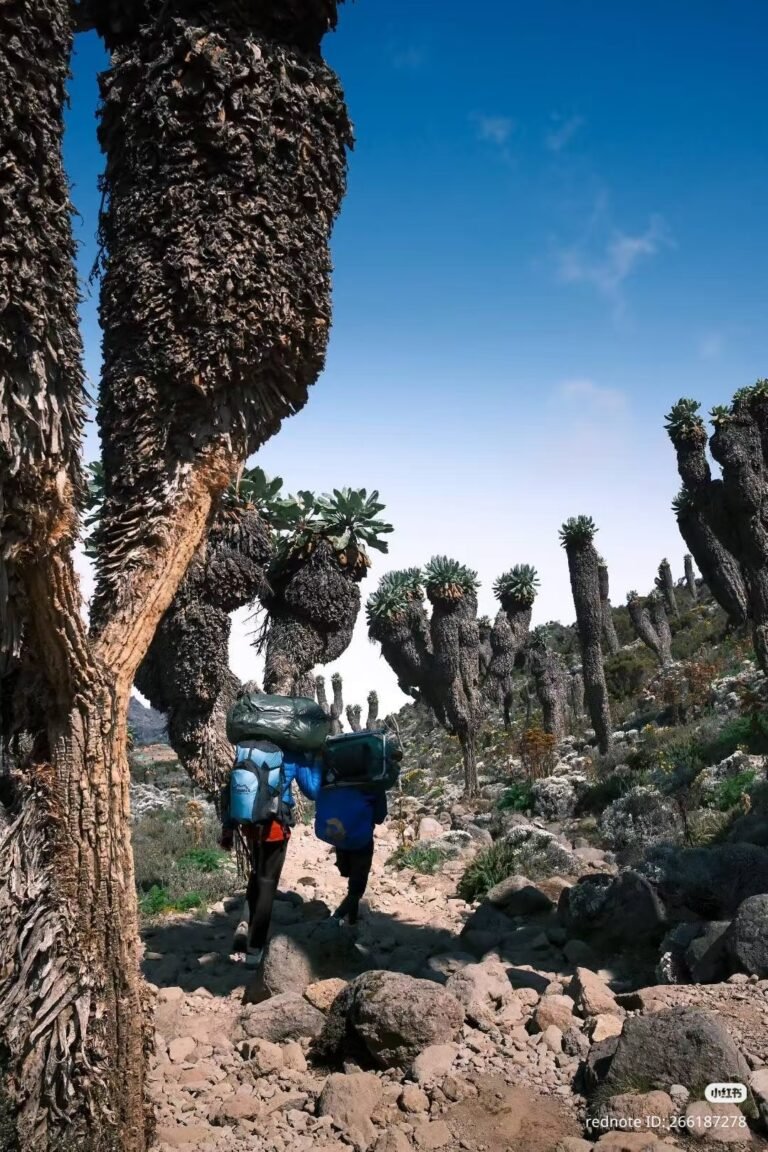
Kilimanjaro Christmas Climb And Tanzania Safari : Your Festive Adventure
Combine the magic of a Christmas ascent of Kilimanjaro with a thrilling Tanzania safari in 2026. Discover how to plan this dual adventure for a truly unique festive season.
View package detailsKilimanjaro And Mara River Crossing Safari August : Peak Season Adventure 2027
Combining the ultimate challenge of climbing Mount Kilimanjaro with the awe-inspiring spectacle of the Great Migration river crossing in the Maasai Mara offers an unparalleled African...
View package details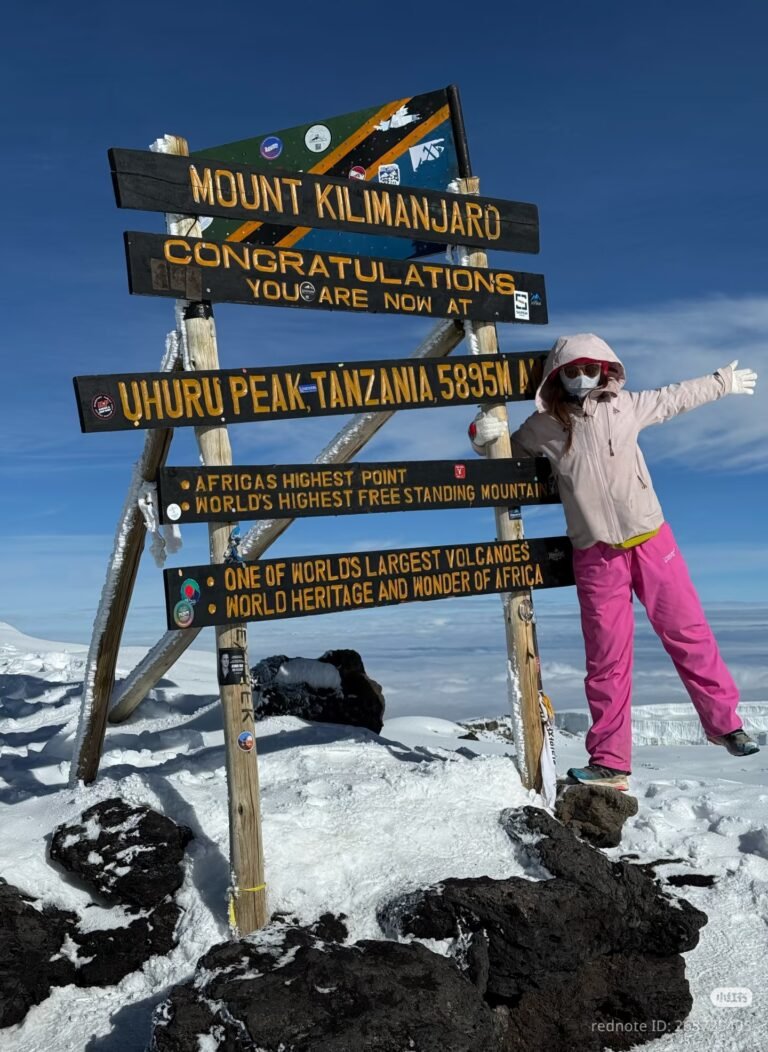
Kilimanjaro And Great Migration Safari August : Your Peak Season Adventure
Plan your ultimate Tanzanian adventure in August 2027, combining a Kilimanjaro climb with the spectacle of the Great Migration. This guide details the best timings, routes, and safari...
View package detailsKilimanjaro And Mara River Crossing Safari July 2027
Kilimanjaro and Mara River Crossing Safari July 2027 is explained with current 2027 planning, price, itinerary and booking information.
View package details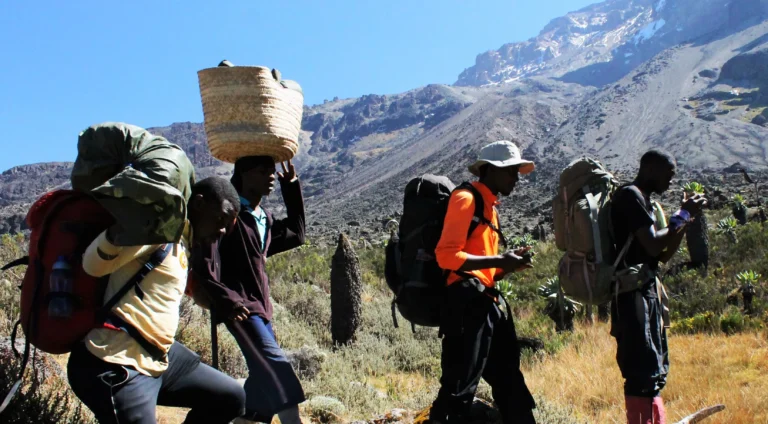
Best Kilimanjaro And Serengeti Calving Season Safari March 2027
Discover the magic of a March 2027 Kilimanjaro and Serengeti calving season safari. This guide explores the unique advantages and considerations for experiencing Tanzania's wildlife...
View package details
Kilimanjaro And Serengeti Calving Safari February : The Ultimate Planning
Combine the majesty of Mount Kilimanjaro with the impressive spectacle of the Serengeti's calving season in February 2027. This guide details how to plan this dual adventure, focusing on...
View package details
Kilimanjaro And Serengeti Calving Safari January 2026-2027
Kilimanjaro and Serengeti Calving Safari January 2027 is explained with current 2026-2027 planning, price, itinerary and booking information.
View package detailsNo related package matches those filters. Clear one or more filters to see the other topic-matched options.



