
A Serengeti Predator Photography Safari, especially a private photo tour in 2026 or 2027, focuses intensely on tracking and capturing high-quality images of lions, leopards, cheetahs, and other predators in their natural habitat. These specialized tours offer flexible timing, exclusive use of vehicles, and expert guidance to position you perfectly for dramatic wildlife encounters, typically lasting 7-10 days within the Serengeti ecosystem, often combined with nearby parks like the Ngorongoro Crater.
Understanding the Allure of a Serengeti Predator Photography Safari
The Serengeti National Park in Tanzania is world-renowned as one of the planet’s premier wildlife destinations, and for photographers, it offers an unparalleled stage for capturing the raw drama of predator-prey interactions. A Serengeti Predator Photography Safari is not just a typical safari; it’s a meticulously planned expedition where every element is geared towards maximizing your photographic opportunities. This means prioritizing time spent in areas known for high predator concentrations, understanding their behavior, and having the flexibility to follow them without the constraints of a larger group.
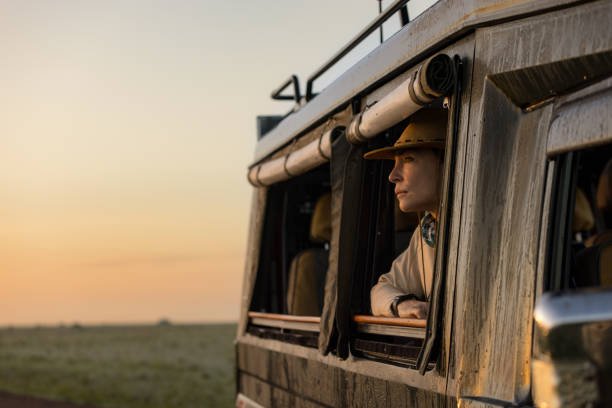
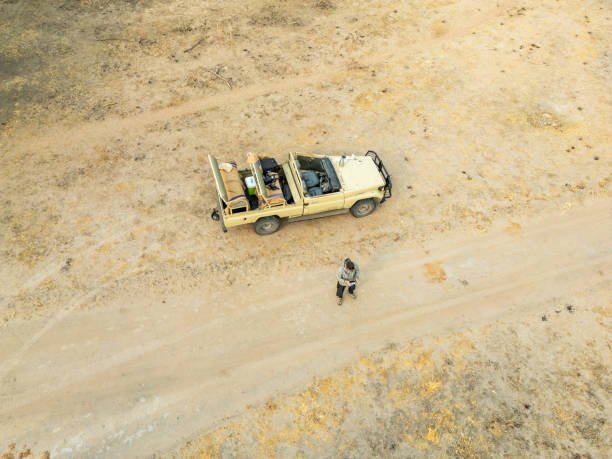
Choosing a private photo tour elevates this experience significantly. Unlike standard group tours, a private safari grants you exclusive use of a specially adapted safari vehicle, often with open sides or pop-top roofs for unobstructed views and shooting angles. Your guide is not just a driver but a trained spotter and photographer’s assistant, adept at anticipating animal movements and positioning the vehicle for the best light and composition. For serious photographers aiming for portfolio-worthy shots, this level of customization and expertise is invaluable, especially when planning for trips in the 2026-2027 seasons.
The focus on predators – the big cats, hyenas, wild dogs, and even jackals – means dedicating more time to tracking these elusive animals. This often involves early morning and late evening drives when predators are most active, and potentially venturing off the main tracks (where permitted and safe) to follow a promising sighting. The goal is to move beyond simply seeing wildlife to documenting their lives, their hunts, and their social dynamics with artistic and technical precision.
Why Choose a Private Tour for Predator Photography?
The decision to opt for a private photo tour over a shared safari is often driven by specific needs and expectations, particularly for those with a keen interest in predator photography. Here’s a breakdown of why it’s the preferred choice:
- Exclusive Vehicle Use: You have the entire safari vehicle to yourself. This means no compromises on seating, no one else’s schedule to adhere to, and the freedom to spend as much time as needed at a sighting without disturbing other guests. For photography, this is crucial – you can wait for the perfect light, the right pose, or the beginning of an action sequence.
- Customized Itinerary & Pace: A private tour allows for a flexible itinerary. If a pride of lions is active in a particular area, you can stay there for hours. If your guide spots cheetahs hunting in the distance, you can deviate to follow them. The pace is dictated by photographic opportunities, not by a fixed schedule.
- Expert Guiding for Photographers: Experienced guides on private photo tours understand the needs of photographers. They know the best times of day for light, the most likely locations for predators, and how to position the vehicle for optimal shots (e.g., avoiding direct sun glare, capturing eye-level perspectives). They are also skilled at reading animal behavior to predict action.
- Specialized Vehicles: Many private photo tours utilize vehicles that are better equipped for photography, such as those with wider doors, lower seating, or even modifications for camera support. Pop-up roofs provide 360-degree views, essential for capturing animals from various angles.
- Smaller Group Dynamics: Even if you bring a companion, the group is small and focused. This minimizes noise and disturbance to wildlife, which is critical when observing sensitive predator behavior.
- Privacy and Comfort: Enjoy the safari experience in complete privacy, with the freedom to discuss sightings, photography techniques, or simply relax without feeling self-conscious.
For a Serengeti Predator Photography Safari, these advantages translate directly into higher quality images and a more rewarding overall experience. Planning for 2026 or 2027 means you have ample time to secure the best guides and vehicles, as these specialized tours are in high demand.
Key Predators to Target in the Serengeti
When planning your Serengeti Predator Photography Safari, understanding the iconic predators you’ll aim to photograph is key to setting expectations and appreciating the diversity of the ecosystem. The Serengeti is a predator’s paradise, offering exceptional opportunities for stunning wildlife photography.
Lions: The Kings of the Serengeti
Lions are arguably the most sought-after predators. The Serengeti boasts a healthy and diverse lion population, from the open plains to the kopjes (rocky outcrops). Photographers often look for:
- Majestic Males: Capturing the power and beauty of a male lion with its full mane, often seen surveying its territory or resting after a kill.
- Lionesses in Action: Documenting their incredible hunting prowess, often working cooperatively to bring down prey.
- Cubs and Social Dynamics: The interactions within a pride, including playful cubs, nursing mothers, and territorial disputes, offer compelling storytelling opportunities.
- Adaptations: Lions in different habitats within the Serengeti might show subtle adaptations, from the slightly darker manes of those in the western corridor to the sheer numbers found in the central plains.
A private photo tour allows dedicated time to observe a pride’s daily routines, increasing chances for dramatic moments like hunts or territorial patrols, especially during the cooler hours of dawn and dusk in 2026-2027.
Leopards: The Elusive Masters of Stealth
Leopards are notoriously solitary and secretive, making them a challenging but incredibly rewarding subject for photographers. Their camouflage is exceptional, and they often hunt from trees. Key photographic moments include:
- Arboreal Prowess: Photographing a leopard resting on a tree branch, often with a kill hoisted above the ground to keep it safe from scavengers.
- Camouflage and Detail: Capturing the intricate patterns of their rosettes, their intense gaze, and their ability to blend seamlessly into the environment.
- Hunting Stalks: Observing their patient, stealthy approach to prey, a masterclass in predator efficiency.
- Nocturnal Activity: Leopards are highly active at night, and with specialized guides and vehicles, night drives can yield incredible photographic opportunities.
Areas like the Seronera Valley and the Moru Kopjes are prime leopard territory, and a flexible Serengeti Predator Photography Safari is essential for finding these magnificent cats.
Cheetahs: The Speed Kings
Cheetahs are built for speed, and witnessing a hunt is a impressive spectacle. They prefer more open grasslands where they can utilize their incredible acceleration.
- High-Speed Pursuits: While incredibly difficult to photograph due to the speed, a lucky shot of a chase is the pinnacle for many photographers.
- Stalking and Pouncing: Their hunting technique involves a low, stealthy stalk followed by an explosive burst.
- Vantage Points: Cheetahs often use termite mounds or small elevated spots to scan for prey, providing excellent photographic opportunities.
- Mothers with Cubs: Observing cheetah mothers teaching their cubs essential survival skills.
The vast plains of the Serengeti are ideal for cheetahs, and a private tour allows you to position yourself strategically when they are on the move, especially during the 2026-2027 migration seasons.
Other Predators: Hyenas, Wild Dogs, and Jackals
Don’t overlook the other fascinating predators:
- Spotted Hyenas: Often misunderstood, hyenas are highly intelligent and social animals with complex clan structures. Their powerful jaws and unique vocalizations are compelling subjects. Observing their coordinated hunts or scavenging activities provides a different perspective on the predator ecosystem.
- African Wild Dogs: Though rarer in the Serengeti than in other parks, sightings are incredibly rewarding. These highly social pack hunters are known for their endurance and efficient hunting strategies. Their unique mottled coats and energetic interactions make for fantastic photos.
- Jackals: Side-striped, black-backed, and golden jackals are often seen scavenging or hunting smaller prey. Their smaller size and quick movements can be challenging but rewarding to capture.
A comprehensive Serengeti Predator Photography Safari will not neglect these important members of the ecosystem, offering a richer photographic portfolio.
Planning Your Serengeti Predator Photography Safari: Key Considerations
A successful Serengeti Predator Photography Safari requires meticulous planning. Beyond choosing the right operator, several factors will significantly impact your experience and photographic output for trips in 2026-2027.
Best Time to Visit for Predator Photography
The Serengeti’s predator populations are present year-round, but certain times offer distinct advantages for photography:
- Dry Season (June to October): This is generally considered the prime time. Water sources become scarce, concentrating animals, including predators and their prey, making sightings more predictable. The landscape is drier, offering cleaner backgrounds for photos. The Great Migration is often in the western and northern Serengeti during these months, bringing vast herds and subsequent predator activity.
- Wet Season (November to May): While also a good time, the landscape is greener and lusher, which can sometimes make spotting predators more challenging due to thicker vegetation. However, this is calving season for wildebeest and zebras in the southern Serengeti (typically January-March), leading to intense predator activity around the new births. The light can be softer, and dramatic storm clouds can create stunning photographic backdrops.
For a private photo tour, flexibility is key. Discuss with your operator which season best aligns with your specific photographic goals. For instance, if capturing hunts during the calving season is a priority, planning for January-March 2027 would be ideal. If the dramatic river crossings of the Great Migration are your target, July-September 2026 or 2027 would be more suitable.
Choosing the Right Safari Vehicle
For a Serengeti Predator Photography Safari, the vehicle is your mobile studio. Standard 4×4 safari vehicles are common, but for serious photography, look for:
- Pop-up Roofs: Essential for 360-degree views and shooting from a higher vantage point.
- Open-sided Designs: Some custom vehicles are designed with open sides, offering unobstructed, lower-angle shots.
- Beanbags: Many operators provide beanbags, which are crucial for stabilizing long lenses when resting them on the vehicle’s edge.
- Power Outlets: The ability to charge camera batteries and equipment directly in the vehicle is a significant convenience.
- Comfort: Long hours in the vehicle require comfortable seating and ample legroom.
When booking your private photo tour, explicitly inquire about the type of vehicle used and its suitability for photography. Climb 4 Africa can confirm the specifications of their specialized vehicles to ensure they meet your needs for 2026-2027.
Guide Expertise: The Photographer’s Ally
The guide is arguably the most critical component of your Serengeti Predator Photography Safari. A great guide for photographers should:
- Be an Expert Tracker: Possess an intimate knowledge of the park, animal behavior, and the ability to find predators.
- Understand Photography: Know the best times for light, understand composition, and be willing to position the vehicle optimally for shots.
- Communicate Effectively: Be able to explain animal behavior and the photographic potential of a scene.
- Be Patient: Understand that photographers need time to compose shots and wait for the perfect moment.
- Prioritize Safety: Always maintain a safe distance from wildlife and adhere to park rules.
When selecting an operator for your private photo tour in 2026 or 2027, ask about the experience and training of their guides, specifically regarding wildlife photography. Local guides with deep knowledge of the Serengeti, like those from Climb 4 Africa, offer invaluable insights.
Duration of Your Safari
While a 3-4 day safari is typical for general tourists, a dedicated Serengeti Predator Photography Safari warrants more time. Consider:
- Minimum 7 Days: This allows for exploration of different regions within the Serengeti and dedicated time for tracking predators without rushing.
- 10-14 Days: For serious photographers, this duration is ideal. It provides ample time to experience the ecosystem, follow animal movements, and capture a wider range of behaviors and species. It also allows for recovery days or revisiting promising locations.
A longer duration on a private photo tour significantly increases your chances of witnessing and photographing key predator events, such as successful hunts or territorial interactions. For 2026-2027 planning, longer trips allow for better positioning around the Great Migration’s movements.
Packing Essentials for a Photography Safari
Beyond standard safari clothing, a photography-focused trip requires specific gear:
- Camera Bodies: At least two bodies are recommended in case of malfunction.
- Lenses: A versatile range is key. Consider a telephoto lens (e.g., 300mm, 400mm, 500mm, 600mm) for predators, a mid-range zoom (e.g., 70-200mm) for more general shots, and potentially a wide-angle lens for landscapes.
- Tripod/Monopod: While difficult to use in a moving vehicle, they are useful at lodges or for specific setups. Beanbags are more practical for vehicle-based shooting.
- Memory Cards: Ample storage is essential. Bring more than you think you’ll need.
- Batteries: Multiple spare batteries for all devices.
- Cleaning Kit: Dust is ubiquitous in the Serengeti; a good lens cleaning kit is vital.
- Laptop/Tablet: For backing up photos and potentially editing.
- Power Bank/Adapter: For charging devices on the go.
Note: Always check airline regulations for camera equipment and batteries. Consult with your tour operator, like Climb 4 Africa, for any specific vehicle limitations on equipment size or weight for your 2026-2027 trip.
Structuring Your Serengeti Predator Photography Itinerary
A well-structured itinerary is the backbone of a successful Serengeti Predator Photography Safari. While flexibility is paramount, having a strategic plan ensures you cover diverse habitats and maximize predator viewing opportunities. Here’s a potential framework for a 10-day private photo tour, adaptable for 2026-2027.
Day 1: Arrival in Arusha & Safari Briefing
Arrive at Kilimanjaro International Airport (JRO). You’ll be met by a representative and transferred to your lodge in Arusha. This day is for resting, acclimatizing, and a detailed briefing with your safari planner from Climb 4 Africa. You’ll discuss your photographic goals, review the itinerary, and prepare for your flight into the Serengeti. This is also a good time to confirm any last-minute gear needs.
Day 2: Fly to Serengeti – Central Serengeti (Seronera)
After breakfast, you’ll be transferred to Arusha Airport for your scheduled light aircraft flight to the Seronera Airstrip in the Central Serengeti. Upon arrival, you’ll be met by your dedicated private safari vehicle and guide. The Central Serengeti is known for its resident predator populations, especially lions and leopards, year-round. Spend the afternoon on your first game drive, focusing on finding these magnificent animals in the iconic acacia-dotted plains and kopjes.
Days 3-4: Central Serengeti – Predator Focus
Dedicate these days to exploring the Seronera Valley and its surroundings. This area is renowned for its high density of lions, leopards often found in the acacia trees and kopjes, and cheetahs in the more open grasslands. Your guide will focus on tracking these predators, spending ample time observing their behavior, and positioning the vehicle for optimal photographic light. Early morning and late afternoon drives are crucial for capturing predators on the move or during hunts. Evenings can be spent reviewing your shots and planning for the next day.
Day 5: Transfer to Western Serengeti – Grumeti River
Today, you’ll drive west towards the Grumeti River area. This region is particularly famous for its large crocodiles and the dramatic wildebeest river crossings during the Great Migration (typically May-July). While predators are present year-round, this area offers unique photographic opportunities, including leopards hunting along the riverbanks and lions adapted to this environment. The landscape changes here, offering different compositions.
Days 6-7: Western Serengeti – Riverine Predators & Migration (Seasonal)
Focus on the riverine areas and the open plains of the Western Corridor. If your trip is timed with the migration (check seasonal movements for 2026-2027), you might witness spectacular crossings. Even outside migration peaks, this area holds resident lions, leopards, and cheetahs. Your guide will leverage knowledge of the territory to find active predators. The Grumeti River itself is a photographic subject, especially with its large reptiles.
Day 8: Transfer to Northern Serengeti – Mara River Region
Journey north towards the Kogatende area, famous for the Mara River and its pivotal role in the Great Migration (typically July-October). This region offers vast open plains and dramatic riverine landscapes. It’s prime territory for lions, leopards, and cheetahs, often seen hunting the abundant migratory herds. The Mara River crossings, when they occur, are among the most iconic and challenging wildlife photography events.
Days 9-10: Northern Serengeti – River Crossings & Predator Action
Spend these days strategically positioned near the Mara River or in the surrounding plains, tracking the migration and the predators that follow. Your guide will work tirelessly to find crossing points or areas where predators are actively hunting. Patience is key here, as you might spend hours waiting for the right moment. Even without crossings, the sheer concentration of wildlife in this area provides endless photographic opportunities. This is the climax of your Serengeti Predator Photography Safari.
Day 11: Fly to Arusha / Departure
Enjoy a final early morning game drive in the Northern Serengeti, if time permits. Afterward, you’ll be transferred to the Kogatende Airstrip for your flight back to Arusha. Upon arrival, you can either connect to an international flight from Kilimanjaro International Airport or spend an extra night in Arusha to relax before your departure. This concludes your in-depth private photo tour.
Note: This is a sample itinerary. For your Serengeti Predator Photography Safari in 2026-2027, Climb 4 Africa will tailor this precisely to your interests, photographic goals, and the expected movements of the Great Migration.
Understanding Costs and Inclusions for a Private Photo Tour
The cost of a Serengeti Predator Photography Safari – Private Photo Tour is significantly higher than a standard group safari, reflecting the exclusivity, specialized services, and extended duration. It’s crucial to understand what influences the price and what is typically included.
Factors Affecting Price
- Duration: Longer safaris naturally cost more.
- Accommodation Level: Options range from luxury tented camps and lodges to more moderate options. Higher-end accommodations significantly increase the overall cost.
- Vehicle Type: Specialized photography vehicles or custom modifications may incur additional charges.
- Guide Specialization: A guide with specific photography expertise might command a higher daily rate.
- Time of Year: Peak season (like during the migration) often has higher rates for lodges and flights.
- Park Fees: Serengeti National Park fees are substantial and are usually calculated per person per day.
- Internal Flights: Light aircraft flights within Tanzania (e.g., Arusha to Serengeti) are a significant cost component.
Typical Inclusions in a Private Photo Tour Package
A comprehensive package for a Serengeti Predator Photography Safari – Private Photo Tour generally includes:
- Private Safari Vehicle: Exclusive use of a 4×4 safari vehicle with a pop-up roof, driven by a professional guide.
- Professional Photography Guide: A guide experienced in wildlife tracking and understanding photographer needs.
- Accommodation: All nights in chosen lodges or tented camps, based on double occupancy.
- All Meals: Typically includes breakfast, lunch, and dinner at lodges/camps.
- Park Entrance Fees: Daily conservation and entry fees for all national parks visited.
- Internal Flights: Round-trip flights from Arusha to the Serengeti airstrip(s).
- Activities: Scheduled game drives as per the itinerary.
- Drinking Water: Provided in the vehicle during game drives.
- Airport Transfers: In Arusha and to/from internal airports.
Common Exclusions
It’s equally important to know what’s typically not included:
- International Flights: Flights to and from Kilimanjaro International Airport (JRO).
- Visa Fees: Tanzania visa costs.
- Travel Insurance: Comprehensive travel and medical insurance is mandatory.
- Gratuities: Tips for guides, lodge staff, etc.
- Personal Expenses: Souvenirs, laundry, alcoholic beverages, and soft drinks (unless specified).
- Camera Gear & Accessories: You are responsible for your own photographic equipment.
- Optional Activities: Hot air balloon safaris or guided walking safaris (if available and desired).
Pricing Guidance for 2026-2027: For a 7-10 day private photo tour focusing on Serengeti predators, expect costs to range significantly, often starting from $5,000 – $10,000+ per person, depending heavily on accommodation luxury and the exact inclusions. For a more precise quote tailored to your 2026 or 2027 travel dates and preferences, direct consultation is essential.
Booking Your Private Photo Tour
When contacting operators like Climb 4 Africa for your Serengeti Predator Photography Safari – Private Photo Tour for 2026-2027, be prepared to discuss:
- Your preferred travel dates.
- The desired duration of your safari.
- Your budget range (this helps them suggest appropriate accommodation).
- Your specific photographic interests (e.g., big cats, action shots, migration).
- Any specific requirements for your vehicle or guide.
This detailed information will help them craft the perfect, personalized itinerary for your photographic adventure.
Maximizing Your Photographic Success
Beyond the planning and logistics, several tips can help you get the most out of your Serengeti Predator Photography Safari.
Mastering the Light
The “golden hours” – shortly after sunrise and before sunset – offer the most flattering light for wildlife photography. Soft, warm light minimizes harsh shadows and brings out rich colors. Your private guide will understand this and prioritize driving during these times. Be ready with your camera!
Understanding Animal Behavior
Learning about predator behavior is key. A lion’s twitching tail might signal agitation, a cheetah’s crouch indicates it’s about to sprint, and a leopard’s upward gaze might mean it’s watching potential prey. Your guide’s expertise here is invaluable, but doing some pre-safari reading will enhance your appreciation and photographic timing.
Patience and Observation
Wildlife photography often involves long periods of waiting. Don’t get discouraged if sightings aren’t immediate. Patience allows you to observe subtle behaviors, wait for the perfect moment, and appreciate the natural rhythm of the wild. A private photo tour allows you the luxury of this unhurried observation.
Respecting Wildlife
Always maintain a safe and respectful distance from animals. Your guide will manage this, but your own actions matter. Avoid making loud noises, sudden movements, or trying to attract the animals’ attention. The goal is to document them in their natural state.
Gear Management
Keep your gear clean and accessible. Dust is a constant challenge. Have your primary lens ready and be prepared to switch lenses quickly if opportunities arise. Regularly back up your photos, especially on longer trips.
Comparing Options: Private vs. Shared for Photography
While the keyword is Serengeti Predator Photography Safari – Private Photo Tour, it’s useful to briefly contrast this with shared options to highlight the value proposition.
Shared Safaris
- Pros: More affordable, good for general wildlife viewing.
- Cons: Less flexibility, limited time at sightings, potential for disruptions from other guests, vehicle may not be optimized for photography, guides may prioritize general guest satisfaction over photographic needs.
Private Photo Tours
- Pros: Maximum flexibility, extended time at sightings, customized itinerary, expert photography-focused guiding, exclusive vehicle use, optimal positioning for light and action, greater comfort and privacy.
- Cons: Significantly higher cost.
For photographers serious about capturing high-quality images of Serengeti predators, the investment in a private photo tour is almost always justified. The increased opportunities, specialized support, and flexibility far outweigh the cost difference for achieving desired photographic results in 2026 or 2027.
Why Choose Climb 4 Africa for Your Serengeti Predator Photography Safari?
Climb 4 Africa is a Tanzanian-based tour operator with deep roots and extensive local knowledge. When planning a specialized trip like a Serengeti Predator Photography Safari – Private Photo Tour for 2026-2027, local expertise is invaluable. We understand the nuances of the Serengeti, the best times for sightings, and the critical importance of having the right vehicle and guide for photographers.
Our commitment is to craft bespoke safari experiences that meet the unique needs of our clients. For photographers, this means:
- Tailor-Made Itineraries: We don’t offer one-size-fits-all packages. We work with you to design an itinerary that maximizes your photographic opportunities based on your interests and the season.
- Experienced Photography Guides: Our guides are not just drivers; they are passionate about wildlife and understand the demands of photography. They know how to position vehicles for the best light and angles, and they have an exceptional ability to track and find predators.
- Specialized Vehicles: We utilize well-maintained 4×4 safari vehicles equipped with pop-up roofs, and we can often arrange for custom modifications or specific vehicles known for their suitability for photographers.
- Local Insight: As a local company, we have direct relationships with lodges, airstrips, and park authorities, ensuring smooth logistics and up-to-date information on wildlife movements and park conditions.
- Dedicated Support: From your initial inquiry to your departure, you’ll have a dedicated point of contact. We are available to answer all your questions and ensure your trip, whether planned for 2026 or 2027, is smooth and unforgettable.
We believe that a Serengeti Predator Photography Safari is more than just a trip; it’s an opportunity to capture the wild heart of Africa. Let us help you make that vision a reality. Contact us today to start planning your ultimate photographic adventure.
Ready to plan your 2026-2027 Serengeti Predator Photography Safari? Reach out to Climb 4 Africa for a personalized quote and expert advice. Call us on WhatsApp +255 747 477 898 or email us at climb4africa@gmail.com. Let’s create an unforgettable photographic journey together.
“,
“faq_schema”: [
{
“question”: “What is the best time of year for a Serengeti Predator Photography Safari in 2026-2027?”,
“answer”: “The dry season (June to October) is generally excellent for predator sightings as animals congregate around water sources, and the Great Migration is often in the western and northern Serengeti. The wet season (January-March) is prime for calving season in the south, leading to intense predator activity. For river crossings, July-October is ideal. Your private tour can be timed to match these specific events.”
},
{
“question”: “What makes a private photo tour different from a standard safari for predator photography?”,
“answer”: “A private photo tour offers exclusive use of a specialized safari vehicle with a dedicated guide who understands photographic needs. This means complete flexibility in itinerary and timing, longer stays at sightings, optimal vehicle positioning for light and angles, and a pace dictated by photographic opportunities rather than a group schedule. This is crucial for capturing high-quality predator images.”
},
{
“question”: “What kind of camera gear is essential for a Serengeti Predator Photography Safari?”,
“answer”: “Essential gear includes at least one telephoto lens (300mm-600mm), a mid-range zoom (70-200mm), multiple camera bodies, ample memory cards and batteries, a lens cleaning kit, and potentially beanbags for stabilizing lenses in the vehicle. A laptop for backups is also highly recommended.”
},
{
“question”: “How long should a private Serengeti predator photography safari be?”,
“answer”: “For serious photographers, a minimum of 7 days is recommended to explore different regions and have dedicated time for tracking. A 10-14 day safari is ideal for a more in-depth experience, allowing for flexibility, covering more ground, and increasing chances of capturing significant predator behaviors.”
},
{
“question”: “What are the main predators I can expect to see and photograph in the Serengeti?”,
“answer”: “The primary predators include lions, leopards, and cheetahs. You can also expect to see spotted hyenas, African wild dogs (though less common), and various jackal species. The Serengeti offers one of the highest concentrations of predators in Africa.”
},
{
“question”: “How much does a private Serengeti Predator Photography Safari typically cost for 2026-2027?”,
“answer”: “Costs vary significantly based on duration, accommodation luxury, and specific inclusions. A 7-10 day private photo tour typically ranges from $5,000 to $10,000+ per person. It’s best to get a personalized quote from an operator like Climb 4 Africa based on your specific requirements.”
}
]
}
“`
Check Availability for Serengeti Predator Photography Safari – Private Photo Tour 2026-2027
Ready to compare dates, prices, and the best option for your group? Send the package name and travel month so the team can reply with a clear quote, availability, and what is included.
Serengeti To Lake Natron Safari – Private Route & Itinerary 2026-2027
Serengeti to Lake Natron Safari – Private Route & Itinerary is explained with current 2026-2027 planning, price, itinerary and booking information.
View package details
Private Serengeti And Ngorongoro Safari From Zanzibar 2026-2027
start an exclusive private safari adventure from Zanzibar to the iconic Serengeti and Ngorongoro Crater for 2026-2027. This guide covers everything from wildlife viewing to accommodation...
View package details
Private Safari From Zanzibar To Serengeti National Park 2026-2027
Private Safari from Zanzibar to Serengeti National Park 2026-2027 is explained with current 2026-2027 planning, price, itinerary and booking information.
View package details
Serengeti, Ngorongoro & Hadzabe Cultural Safari Package 2026-2027
Serengeti, Ngorongoro & Hadzabe Cultural Safari Package is explained with current 2026-2027 planning, price, itinerary and booking information.
View package details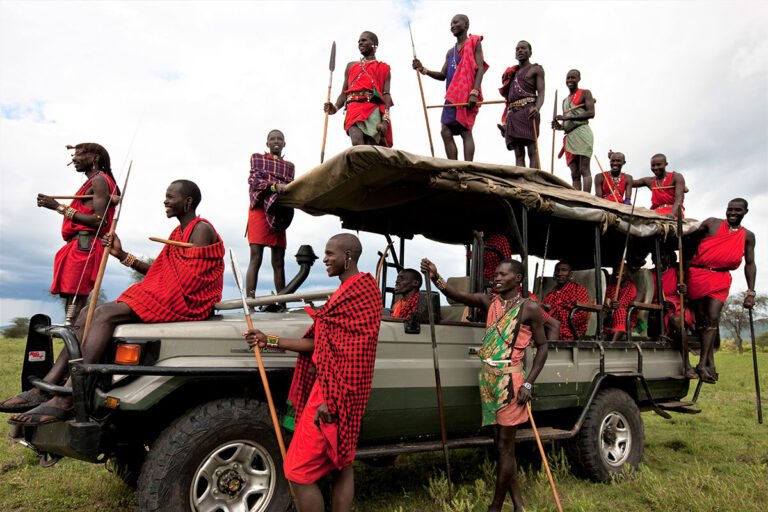
Solo Traveler Group Safari From Zanzibar To Serengeti : Your Ultimate
Discover how solo travelers can join group safaris connecting Zanzibar's beaches with the vast plains of the Serengeti in 2026-2027. This guide covers everything from itinerary options and...
View package details
2 Days Safari From Zanzibar To Serengeti With Flights 2026-2027
2 Days Safari from Zanzibar to Serengeti with Flights 2026-2027 is explained with current 2026-2027 planning, price, itinerary and booking information.
View package detailsFly-In Safari From Zanzibar To Serengeti National Park 2026-2027
Fly-In Safari from Zanzibar to Serengeti National Park 2026-2027 is explained with current 2026-2027 planning, price, itinerary and booking information.
View package details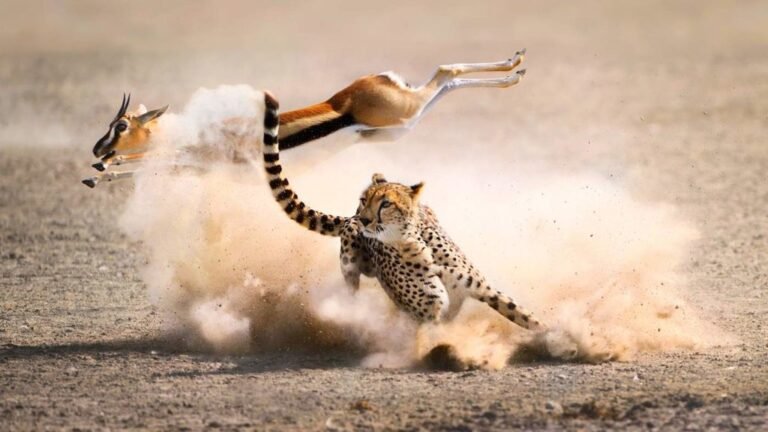
Mid Range Safari From Zanzibar To Serengeti And Ngorongoro : Your Ultimate
Explore the dream Tanzania safari combining Zanzibar's beaches with the iconic Serengeti and Ngorongoro Crater. This guide details mid-range options for 2026-2027, covering itineraries...
View package details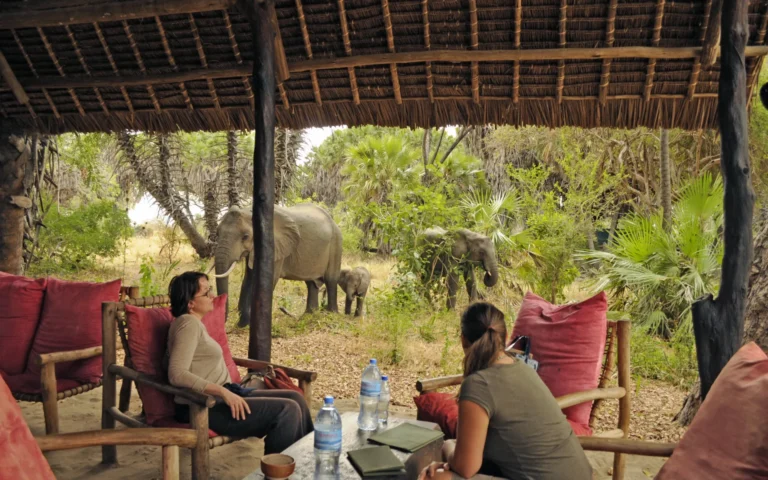
Luxury Safari From Zanzibar To Serengeti With Flights 2026-2027
start a luxurious journey combining the exotic allure of Zanzibar with the unparalleled wildlife spectacle of the Serengeti. This guide details how to arrange flights and craft your dream...
View package details
Serengeti And Ngorongoro Safari From Zanzibar Package 2026-2027
Serengeti and Ngorongoro Safari from Zanzibar Package 2026-2027 is explained with current 2026-2027 planning, price, itinerary and booking information.
View package details
Great Migration Safari From Zanzibar To Serengeti : Your Ultimate Guide
start an unforgettable Great Migration safari, journeying from the exotic shores of Zanzibar to the iconic plains of the Serengeti for the 2026-2027 season. This comprehensive guide details...
View package details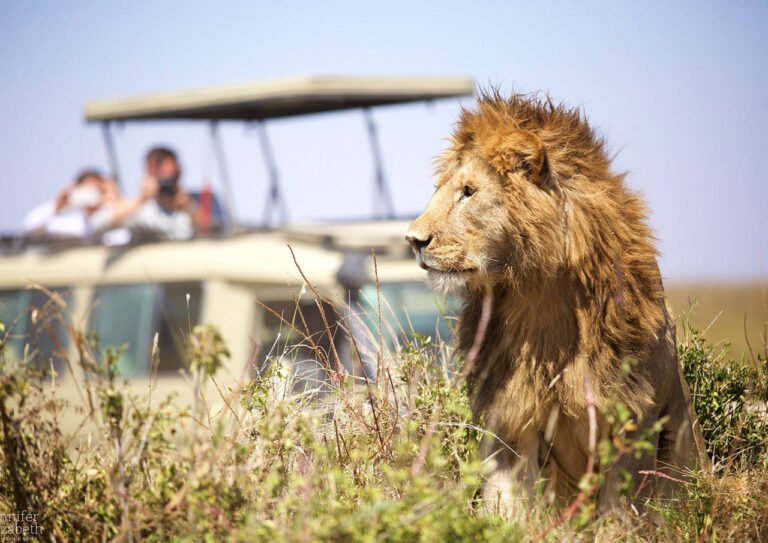
Affordable Safari From Zanzibar To Serengeti : Your Ultimate Guide 2026-2027
start an unforgettable safari adventure from Zanzibar to the iconic Serengeti National Park. This comprehensive guide covers everything you need to know for an affordable trip in 2026-2027...
View package detailsNo related package matches those filters. Clear one or more filters to see the other topic-matched options.



