
A private safari from Zanzibar to Serengeti National Park for 2026-2027 offers a personalized and flexible way to experience Tanzania’s iconic wildlife. Typically, this involves flying from Zanzibar to a mainland airstrip near the Serengeti, followed by a multi-day safari with a dedicated vehicle and guide, allowing for custom itineraries and optimal wildlife viewing. Planning for 2026-2027 involves choosing between fly-in or overland options, selecting the best time of year based on animal movements like the Great Migration, and deciding on accommodation styles, all while ensuring your safari is tailored to your interests and pace.


- Minimum Duration for a Meaningful Safari
- Popular Itinerary Structures (3-Day to 7-Day+ Serengeti Safaris)
- Exploring Serengeti Regions: Central, Northern, Southern, Western
- Integrating Other Parks: Ngorongoro Crater, Tarangire, Lake Manyara
- Tailoring Your Private Safari for 2026-2027: Specific Interests
Embarking on Your Private Safari Adventure
The allure of Tanzania is undeniable: the sweeping savannas of the Serengeti, the dramatic caldera of the Ngorongoro Crater, and the spice-scented air of Zanzibar. For many, the ultimate Tanzanian experience combines the relaxation and culture of Zanzibar with the unparalleled wildlife encounters of a safari. A private safari from Zanzibar to Serengeti National Park, especially when planned for 2026-2027, represents the pinnacle of this blend, offering an exclusive journey tailored precisely to your desires. Unlike group tours, a private safari means you have your own vehicle, your own dedicated guide, and the freedom to set the pace, linger at sightings, and customize your itinerary. This flexibility is invaluable when seeking specific wildlife or simply wanting to absorb the vastness of the African landscape without the constraints of a group schedule. Whether you dream of witnessing the Great Migration, photographing elusive predators, or simply enjoying a more intimate connection with nature, a private safari delivers.
This guide is designed to walk you through every aspect of planning your private safari from Zanzibar to the Serengeti for the 2026-2027 travel window. We’ll explore the logistical pathways, from flying off the island to arriving on the mainland, discuss itinerary options that maximize your wildlife viewing opportunities, and help you understand the best times to travel to catch nature’s most spectacular events. We’ll also cover accommodation choices, what to expect daily, how to pack effectively, and critically, how to approach budgeting and booking for your bespoke adventure. By the end, you’ll have a clear roadmap for creating an unforgettable private safari from Zanzibar to Serengeti National Park.
Understanding the Journey: Zanzibar to Serengeti Logistics
Connecting the tropical paradise of Zanzibar with the world-renowned Serengeti National Park involves a strategic logistical plan. The journey primarily consists of two parts: getting from Zanzibar to the mainland and then embarking on your safari within the national parks. Understanding these components is crucial for a smooth and efficient private safari from Zanzibar to Serengeti National Park.
Fly-In vs. Overland: Which Route is Right for You?
When planning your private safari from Zanzibar to Serengeti National Park for 2026-2027, the primary decision regarding transit is whether to fly or travel overland. Each has distinct advantages and influences the overall experience and cost.
Fly-In Safari: The Time-Efficient Luxury Option
This is the most common and recommended method for a private safari originating from Zanzibar. It involves taking a short domestic flight from Zanzibar International Airport (ZNZ) directly to one of the airstrips within or near the Serengeti National Park (e.g., Seronera Airstrip, Grumeti Airstrip, Kogatende Airstrip). This method saves significant travel time, allowing you to maximize your time on safari. For instance, a flight from Zanzibar to the Serengeti might take around 1.5 to 2 hours, compared to a full day or more of travel overland.
- Pros: Maximizes safari time, bypasses long road transfers, comfortable, offers scenic aerial views, ideal for shorter safari durations.
- Cons: More expensive due to flight costs, baggage restrictions (typically 15-20kg per person in soft-sided bags), less opportunity to see the changing landscape en route.
This option is particularly suited for travelers who have limited time, prefer comfort, or wish to start their Serengeti experience immediately upon arrival on the mainland. For a private safari from Zanzibar to Serengeti National Park, flying ensures you get straight into the heart of the action.
Overland Safari: The Adventurous, Budget-Conscious Choice
This route involves taking a ferry from Zanzibar to Dar es Salaam, followed by a long drive to the Serengeti. Alternatively, some might fly from Zanzibar to Arusha and then drive to the Serengeti. This overland portion can take anywhere from 8 to 12 hours of driving, often broken up with an overnight stay in Arusha or Karatu. While it offers a more in-depth journey through Tanzania’s diverse landscapes, it significantly eats into your safari time, especially if you have a limited overall trip duration.
- Pros: More budget-friendly if road transfers are optimized, allows you to see more of Tanzania’s scenery, no strict baggage weight limits (though space in vehicles is still a consideration).
- Cons: Extremely time-consuming, can be tiring, road conditions can vary, less ideal for short safari segments, might require an overnight stop, reducing your actual safari days.
Given the primary desire is often to experience the Serengeti’s wildlife, the overland route from Zanzibar is generally less practical for a dedicated private safari from Zanzibar to Serengeti National Park unless combined with a longer stay on the mainland or if budget is the absolute overriding factor and time is not a concern.
Recommendation for 2026-2027: For most travelers seeking a smooth and efficient private safari from Zanzibar to Serengeti National Park, the fly-in option is overwhelmingly preferred. It respects your time and ensures you arrive refreshed and ready for your wildlife adventures.
Zanzibar Departure: What to Expect
Your departure from Zanzibar for your safari is usually straightforward. You will typically arrange a transfer from your hotel to Zanzibar International Airport (ZNZ). It’s advisable to confirm your flight schedule well in advance, especially when booking your private safari from Zanzibar to Serengeti National Park for 2026-2027, as flight availability can vary. Most domestic flights operate in the morning or early afternoon.
Key points for Zanzibar departure:
- Timing: Allow ample time for check-in and security at ZNZ. Your tour operator will advise on the recommended arrival time at the airport, usually around 1.5 to 2 hours before departure.
- Baggage: Remember the strict baggage allowance for small bush planes. Soft-sided duffel bags are mandatory, and weight limits are typically 15-20 kg per person, including hand luggage. This is a critical point to discuss when booking your private safari from Zanzibar to Serengeti National Park.
- Airlines: Common carriers for these routes include Precision Air, Coastal Aviation, and Auric Air. Your safari operator will book these for you.
- Luggage Storage: If you have excess luggage you don’t wish to take on safari, most hotels in Zanzibar can store it for you until your return.
Mainland Arrival & Safari Start Points
Upon landing at your chosen Serengeti airstrip, you will be met by your private safari guide and vehicle. This is where your dedicated private safari from Zanzibar to Serengeti National Park truly begins. The airstrip location will dictate your immediate surroundings and the start of your game drives.
Common Airstrip Destinations:
- Seronera Airstrip (SEU): Located in the central Serengeti, this is the most frequently used airstrip. It provides excellent access to the central region, known for its resident wildlife year-round, including big cats. From Seronera, you can easily explore the central plains.
- Kogatende Airstrip (KOG): Situated in the northern Serengeti, this airstrip is ideal for those visiting during the migration season (roughly June to October) when large herds cross the Mara River.
- Grumeti Airstrip (GTZ): Also in the western corridor, useful for accessing this region, particularly during the migration’s passage through the western side (typically May to July).
- Ndutu Airstrip (NDT): Located in the Ngorongoro Conservation Area bordering the southern Serengeti, this is the prime access point for the southern plains during the calving season (December to March).
Your guide will be waiting with a welcome sign, ready to assist with your luggage and escort you to your safari vehicle. The first game drive often commences directly from the airstrip, offering immediate wildlife viewing opportunities as you drive to your lodge or camp. This is part of the magic of a well-organized private safari from Zanzibar to Serengeti National Park.
Internal Flights: Costs and Considerations for 2026-2027
The cost of internal flights is a significant factor in the overall budget for a private safari from Zanzibar to Serengeti National Park. These are not typically included in basic safari packages and are usually quoted as an additional expense. Understanding these costs is vital when planning for 2026-2027.
Typical Flight Costs (Estimates for 2026-2027):
- Zanzibar to Serengeti Airstrip (e.g., Seronera): Expect prices to range from approximately $350 to $500 USD per person for a one-way ticket. Round-trip flights will double this amount.
- Zanzibar to Arusha (ARK): If you opt for a fly-and-drive combination, flights to Arusha are generally cheaper, around $150-$250 USD per person one-way.
Factors influencing flight prices:
- Season: Prices can fluctuate slightly between peak and low seasons.
- Airline: Different charter and scheduled airlines have varying pricing structures.
- Booking time: Booking well in advance, especially for 2026-2027 travel, can sometimes secure better rates, though prices are relatively stable.
- Direct vs. Connecting: Direct flights are usually more expensive but save time.
Important Note: These are estimates. Actual prices for 2026-2027 will be confirmed at the time of booking. Your safari operator will provide a clear breakdown of flight costs as part of your total quote for your private safari from Zanzibar to Serengeti National Park.
Crafting Your Private Serengeti Safari Itinerary
The beauty of a private safari from Zanzibar to Serengeti National Park lies in its flexibility. You are not bound by a fixed itinerary; instead, you can work with your tour operator to design a safari that perfectly matches your interests, pace, and available time. This section explores common itinerary structures and how to tailor them.
Minimum Duration for a Meaningful Safari
To truly appreciate the Serengeti’s vastness and wildlife diversity, a minimum of 3 full days dedicated to game drives within the park is highly recommended. This allows you to experience different areas and increase your chances of seeing a wide range of animals.
- 3-Day Safari: Typically focuses on one region, often the central Serengeti (Seronera), which offers excellent resident wildlife viewing year-round.
- 4-Day Safari: Allows for exploration of two regions or a more relaxed pace within one region.
- 5-Day Safari and longer: Provides the opportunity to explore multiple regions of the Serengeti (e.g., Central and North, or Central and South) and potentially include other nearby parks like Ngorongoro or Tarangire.
When planning your private safari from Zanzibar to Serengeti National Park for 2026-2027, consider that travel days (flying from Zanzibar, transferring to camp) will add to the total trip duration. A 3-day Serengeti safari usually means a 5-day total trip including travel to/from Zanzibar.
Popular Itinerary Structures (3-Day to 7-Day+ Serengeti Safaris)
Here are some common structures for a private safari from Zanzibar to Serengeti National Park, keeping in mind these can be fully customized:
Example: 3-Day Serengeti Explorer (Focus: Central Serengeti)
- Day 1: Zanzibar to Serengeti. Morning flight from Zanzibar to Seronera Airstrip. Met by your guide, game drive en route to your lodge/camp. Afternoon game drive.
- Day 2: Central Serengeti. Full day of game drives in the central Serengeti, focusing on big cats, elephants, giraffes, and diverse plains game.
- Day 3: Serengeti to Zanzibar. Morning game drive, followed by a flight from Seronera back to Zanzibar.
This is ideal for a short, impactful wildlife experience.
Example: 5-Day Serengeti Highlights (Focus: Central & North/South)
- Day 1: Zanzibar to Serengeti. Flight to Seronera. Game drive en route to camp. Afternoon game drive.
- Day 2: Central Serengeti. Full day game drives in the central region.
- Day 3: Serengeti (North or South). Drive north or south (depending on season) with game viewing en route to your next camp.
- Day 4: Northern/Southern Serengeti. Full day game drives in the chosen region.
- Day 5: Serengeti to Zanzibar. Morning game drive, flight from a northern/southern airstrip back to Zanzibar.
This offers a broader perspective of the Serengeti’s diverse ecosystems.
Example: 7-Day Grand Serengeti & Crater (Focus: Serengeti & Ngorongoro)
- Day 1: Zanzibar to Serengeti. Flight to Seronera. Game drive to camp. Afternoon game drive.
- Day 2: Central Serengeti. Full day game drives.
- Day 3: Serengeti Migration (North/South/West). Drive to a different region based on migration patterns or your preference, game viewing en route.
- Day 4: Serengeti. Full day game drives in the new region.
- Day 5: Serengeti to Ngorongoro. Morning game drive. Drive towards Ngorongoro Conservation Area, potentially stopping at Olduvai Gorge. Overnight near the crater rim.
- Day 6: Ngorongoro Crater Tour. Descend into the crater for a full day of game viewing in this unique ecosystem.
- Day 7: Ngorongoro to Zanzibar. Morning transfer to Arusha Airport (via a short drive and potentially a flight from Manyara) for your flight back to Zanzibar.
This combines the Serengeti’s vastness with the Ngorongoro Crater’s incredible density of wildlife.
Exploring Serengeti Regions: Central, Northern, Southern, Western
The Serengeti is vast, and different regions offer unique experiences, especially concerning the Great Migration. Understanding these regions is key to planning your private safari from Zanzibar to Serengeti National Park for 2026-2027.
- Central Serengeti (Seronera Valley): This is the heart of the Serengeti and is accessible year-round. It boasts a high concentration of resident wildlife, including lions, leopards, cheetahs, elephants, and giraffes. The Seronera River attracts predators, making it a prime spot for big cat sightings. It’s an excellent choice for shorter safaris or for those who want guaranteed wildlife action regardless of migration timing.
- Northern Serengeti (Kogatende/Mara River): Famous for the dramatic river crossings of the wildebeest and zebra herds during the Great Migration, typically from June/July to October. If witnessing this spectacle is your priority, a northern Serengeti safari is essential. The landscape is characterized by rolling hills and the Mara River.
- Southern Serengeti (Ndutu Area/Lakis): This region is part of the Ngorongoro Conservation Area but is often considered with the southern Serengeti. It’s the prime location for the wildebeest calving season, usually from late December to March, when millions of young are born on the short-grass plains. Predator activity is extremely high during this time.
- Western Serengeti (Grumeti River): Known for the Grumeti River, which presents challenges for migrating herds, especially during May to July. Large crocodiles inhabit the river, and wildebeest attempting to cross can be vulnerable. This corridor also offers good resident wildlife viewing.
Your choice of region for your private safari from Zanzibar to Serengeti National Park will heavily depend on the time of year you plan to travel in 2026-2027 and what specific wildlife events you wish to witness.
Integrating Other Parks: Ngorongoro Crater, Tarangire, Lake Manyara
While the Serengeti is the star, combining it with other Northern Circuit parks can create a richer Tanzanian safari experience. These parks offer different landscapes and wildlife viewing opportunities.
- Ngorongoro Crater: Often called the ‘Eighth Wonder of the World’, this UNESCO World Heritage Site is a collapsed volcano caldera teeming with wildlife. It’s home to a high density of animals, including the Big Five (lion, leopard, elephant, rhino, buffalo), and offers excellent chances of spotting the endangered black rhino. It’s easily combined with Serengeti. A typical visit involves a full day’s game drive within the crater.
- Tarangire National Park: Famous for its large elephant herds and iconic baobab trees. It’s particularly spectacular during the dry season (June to October) when animals congregate around the Tarangire River. It’s a great addition for birdwatchers and elephant enthusiasts.
- Lake Manyara National Park: Known for its tree-climbing lions, large troops of baboons, and diverse birdlife. The park’s compact size makes it suitable for a shorter visit, often as a stopover between Arusha and the Serengeti or Ngorongoro. Its groundwater forest and rift valley escarpment offer varied scenery.
When planning your private safari from Zanzibar to Serengeti National Park, you can extend your trip to include these parks. For example, a 7-10 day itinerary could comfortably cover Serengeti, Ngorongoro, and Tarangire, providing a comprehensive overview of Tanzania’s safari highlights.
Tailoring Your Private Safari for 2026-2027: Specific Interests
A private safari is your chance to indulge specific interests. When discussing your plans for 2026-2027 with your operator, consider:
- Photographic Safaris: If photography is your passion, inform your guide. They can position the vehicle for optimal shots, allow you more time at sightings, and may even suggest lodges with better photographic opportunities. Some operators offer specialized photographic vehicles with beanbags and better seating arrangements.
- Birdwatching: Tanzania is a birder’s paradise. If you’re keen on spotting specific species, your guide can adjust routes and focus on habitats known for particular birds.
- Predator Tracking: For those fascinated by big cats and other predators, focusing on areas and times known for predator activity (e.g., Seronera for big cats, Ndutu during calving season) is key.
- Cultural Experiences: While the focus is wildlife, you might incorporate visits to Maasai villages or local communities (ensure these are respectful and ethical).
- Walking Safaris: In certain areas outside the main national parks (e.g., Ngorongoro Conservation Area buffer zones), guided walking safaris can offer a different perspective and a chance to appreciate the smaller details of the ecosystem.
By communicating your specific interests, your private safari from Zanzibar to Serengeti National Park can be transformed from a standard tour into a deeply personal and rewarding adventure.
Choosing the Best Time for Your 2026-2027 Safari
The timing of your safari significantly impacts what you’ll see, particularly regarding the Great Migration. Tanzania experiences distinct seasons, each offering unique advantages for a private safari from Zanzibar to Serengeti National Park. Planning for 2026-2027 requires understanding these seasonal shifts.
The Great Migration: Timing Your Visit
The Great Migration is a year-round phenomenon, with the herds constantly moving in a circular pattern across the Serengeti ecosystem. The most dramatic event – the river crossings – is season-specific.
General Migration Calendar:
- December – March: Calving season in the Southern Serengeti (Ndutu area). Millions of wildebeest and zebras are concentrated on the plains, attracting predators. Excellent for seeing newborns and predator action.
- April – May: The herds begin moving north, often through the central or western Serengeti. This is the ‘long rains’ season, and it’s typically quieter with fewer tourists.
- June – July: The herds reach the northern Serengeti and the Mara River. This is prime time for witnessing dramatic river crossings as the animals attempt to cross the crocodile-infested waters.
- August – October: The herds are primarily in the northern Serengeti, with ongoing crossings possible. They then start moving southwards again, often through the central corridor.
- November: The herds are usually moving south through the central Serengeti, often coinciding with the ‘short rains’.
If witnessing the river crossings is a priority for your private safari from Zanzibar to Serengeti National Park in 2026-2027, aim for July, August, or September and focus on the northern Serengeti. For calving season and predator action, December to March in the south is ideal.
Seasonal Highlights Beyond the Migration
Even outside the peak migration movements, the Serengeti offers incredible wildlife viewing. Each season has its charms:
- Dry Season (June to October): This is generally considered the peak tourist season. The landscape is drier, and animals congregate around permanent water sources, making them easier to spot. Skies are often clear, offering excellent photographic conditions. This is also when river crossings are most likely.
- Wet Season (November to May): The landscape turns lush and green, offering beautiful photographic opportunities. The rains bring fresh grass, and wildlife disperses. This period can be quieter, with fewer tourists and potentially lower prices. The southern Serengeti is spectacular during the calving season (Dec-Mar).
For a private safari from Zanzibar to Serengeti National Park, the dry season offers the most predictable wildlife viewing, while the wet season can offer a more intimate experience with dramatic landscapes and fewer crowds.
Understanding Tanzania’s Weather Patterns
Tanzania is located near the equator, so temperatures are generally warm year-round, but there are distinct wet and dry periods.
- Temperatures: Expect daytime temperatures typically ranging from 25°C to 30°C (77°F to 86°F). Nights can be cooler, especially at higher altitudes like the Ngorongoro Crater rim, where temperatures can drop to 10-15°C (50-59°F).
- Long Rains (March to May): Heavy, persistent rainfall, often in the afternoons and evenings. Roads can become challenging.
- Short Rains (November): Brief, scattered showers, usually in the late afternoon.
- Dry Season (June to October): Clear skies, minimal rainfall, and lower humidity.
When planning your private safari from Zanzibar to Serengeti National Park for 2026-2027, consider that the wet season can mean lower prices and fewer tourists, but also potential travel disruptions due to rain. The dry season offers more predictable conditions but comes with higher demand and costs.
Peak Seasons and Pricing for 2026-2027
The cost of your private safari from Zanzibar to Serengeti National Park will be influenced by the season you choose for 2026-2027.
- Peak Season: June to October (dry season, migration river crossings) and December to February (calving season). Accommodation and flight prices tend to be higher during these periods due to high demand.
- Shoulder Seasons: March-May (long rains, fewer tourists) and November (short rains). Prices may be slightly lower.
- Low Season: April and May are typically the lowest season due to the heavy rains.
Booking your private safari from Zanzibar to Serengeti National Park well in advance for 2026-2027 is recommended, especially if you are targeting peak season dates, as lodges and flights can fill up quickly.
Accommodation Styles: Balancing Comfort and Immersion
Your choice of accommodation significantly shapes your safari experience. For a private safari from Zanzibar to Serengeti National Park, you can select from a range of styles, each offering a different level of comfort, luxury, and connection to the wilderness.
Luxury Lodges and Tented Camps
These offer the highest level of comfort and service. They feature spacious rooms or suites, often with en-suite bathrooms, private verandas, gourmet dining, swimming pools, and impeccable service. Luxury tented camps provide an authentic safari feel with canvas tents, but these are permanent structures with solid floors, comfortable beds, and en-suite facilities, often indistinguishable from lodges in terms of comfort.
- Pros: Exceptional comfort, fine dining, high service standards, exclusive locations, amenities like pools and spas.
- Cons: Most expensive option, may feel less ‘wild’ to some due to the high level of pampering.
- Suitability: Ideal for honeymooners, special occasions, or travelers who prioritize comfort and luxury.
Examples include Four Seasons Safari Lodge Serengeti, Singita properties, and many others renowned for their exclusivity and service.
Mid-Range Safari Camps
These accommodations strike a balance between comfort and authenticity. They typically offer comfortable en-suite tents or rooms with basic amenities. Dining is usually communal, fostering a friendly atmosphere. While not as opulent as luxury options, they provide a genuine safari experience with excellent service.
- Pros: Good value for money, comfortable and clean, authentic safari feel, good service.
- Cons: Fewer amenities than luxury options, may be less secluded.
- Suitability: Excellent choice for most travelers seeking a comfortable and memorable safari without the premium price tag of luxury lodges. Many operators specialize in high-quality mid-range camps.
This category offers a fantastic experience for a private safari from Zanzibar to Serengeti National Park, allowing you to enjoy the wildlife without breaking the bank.
Budget Options and Camping
For the most adventurous and budget-conscious travelers, camping is an option. This can range from staying in public campsites with basic facilities (shared bathrooms) to more comfortable ‘glamping’ setups with private tents and sometimes even basic en-suite facilities. Public camping is often used by overland tours but can be arranged for private safaris if specifically requested.
- Pros: Most affordable option, offers a very close-to-nature experience.
- Cons: Basic facilities, less comfort, requires a tolerance for rustic conditions, can be noisy with wildlife around campsites.
- Suitability: Best for younger travelers, backpackers, or those on a very tight budget who prioritize experiencing the wilderness above all else. This is less common for a private safari from Zanzibar to Serengeti National Park unless specifically requested for its raw experience.
Note: Public campsites require self-catering or arranging meals separately, which adds complexity. Many operators offer ‘fly-camping’ which is a more comfortable, but still basic, tented experience.
Private vs. Shared Accommodation Considerations
Even on a private safari, accommodation can be either private or shared. For a truly exclusive experience matching your private safari from Zanzibar to Serengeti National Park, you would book private lodges or camps. However, some lodges might have shared dining areas or common lounges. Ensure you understand what “private” means in the context of your accommodation booking.
- Private Camps/Lodges: Your booking secures the entire camp or a specific wing for your group. This is the ultimate in exclusivity and privacy, but also the most expensive.
- Individual Tents/Rooms in a Camp: Most common for private safaris. You have your own private tent or room, but share common areas like the dining room, lounge, and bar with other guests at the lodge/camp. This is standard for mid-range and luxury camps.
When planning your private safari from Zanzibar to Serengeti National Park for 2026-2027, discuss your comfort level and budget with your tour operator. They can recommend accommodations that align with your preferences, whether you seek ultimate seclusion or a more social safari atmosphere.
What to Expect on Your Private Safari
A private safari from Zanzibar to Serengeti National Park is designed for maximum enjoyment and minimal hassle. Understanding the typical experience, from your guide and vehicle to daily routines and essential preparations, will help you make the most of your adventure.
Your Safari Vehicle and Guide: The Core Experience
The vehicle and guide are the heart of your safari. For a private safari, you have exclusive use of both.
The Vehicle:
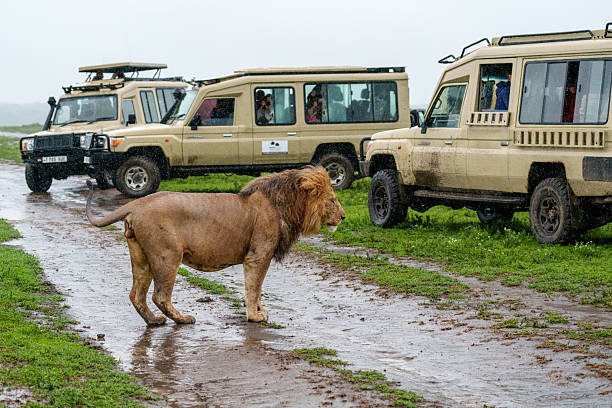
- Typically a customized 4×4 Land Cruiser or Land Rover.
- Features include pop-up roofs for optimal viewing and photography, comfortable seating, ample space for luggage (within soft-bag limits), and often a cooler box with drinks.
- The vehicle is equipped for off-road conditions and equipped with essentials like binoculars, a field guide, and first-aid kit.
Your Guide:
- A professional, experienced safari guide is assigned solely to your group.
- They possess extensive knowledge of wildlife behavior, tracking skills, and the local ecosystem.
- Guides are also skilled drivers, navigating the park roads and tracks safely.
- They are crucial for interpreting animal behavior, answering your questions, and ensuring you have the best possible wildlife viewing opportunities. Your guide is your gateway to understanding the Serengeti.
The relationship with your guide is paramount. A good guide can transform a good safari into an exceptional one. They are trained to be patient, attentive, and responsive to your needs, making your private safari from Zanzibar to Serengeti National Park a truly personalized experience.
Wildlife Viewing Etiquette and Best Practices
To ensure a respectful and enjoyable experience for both you and the wildlife, adhering to certain etiquette is important:
- Respect Wildlife: Maintain a safe distance. Never feed animals. Avoid loud noises or sudden movements that could disturb them. Your guide will ensure all interactions are safe and responsible.
- Stay in the Vehicle: Unless at a designated camp or picnic site, always remain inside the safari vehicle. The wilderness is unpredictable.
- Minimize Disturbances: Keep voices low. Avoid using flash photography, especially with nocturnal animals or predators at close range.
- Follow Guide’s Instructions: Your guide is trained in wildlife safety and park rules. Always follow their directions.
- Leave No Trace: Do not litter. Take all rubbish back with you to camp or lodge.
- Observe Other Vehicles: When multiple vehicles are at a sighting, allow everyone a fair chance to view. Your guide will manage this, but patience is appreciated.
These practices ensure the preservation of the environment and wildlife, making your private safari from Zanzibar to Serengeti National Park sustainable.
A Typical Daily Safari Schedule
A private safari from Zanzibar to Serengeti National Park offers flexibility, but a typical day follows a rhythm designed to maximize wildlife viewing when animals are most active.
- Early Morning (Approx. 6:00 AM – 9:00 AM): Wake up call with coffee/tea delivered to your tent. Depart for an early morning game drive. This is often the best time to see predators active as they finish their night’s hunt or rest. The light is also beautiful for photography.
- Late Morning (Approx. 9:00 AM – 12:00 PM): Return to camp/lodge for breakfast or brunch. Relax during the heat of the day, perhaps by the pool or reading.
- Afternoon (Approx. 3:00 PM – 6:30 PM): Depart for an afternoon game drive. Animals often become more active again as the temperature cools. You might visit a different area than the morning drive.
- Evening (Approx. 6:30 PM onwards): Return to camp/lodge for sundowners (drinks and snacks at sunset), followed by dinner. Discuss the day’s sightings with your guide and plan for the next day.
Variations: Depending on your preferences, you can opt for a full-day game drive with a packed lunch, skipping the midday break at camp. Your guide will accommodate your wishes, making your private safari from Zanzibar to Serengeti National Park perfectly suited to you.
Safety and Health Considerations
Your safety and health are paramount. Your tour operator will provide detailed advice, but here are key points:
Safety:
- Wildlife Encounters: Always listen to your guide. Never approach or provoke wildlife.
- Vehicle Safety: Keep hands and heads inside the vehicle during game drives.
- Camp Safety: Follow camp rules regarding movement after dark. Escort services are often provided to/from your tent after dinner.
- Road Safety: Roads within parks can be rough. Your guide is experienced in navigating these conditions.
Health:
- Malaria: Tanzania is a malaria-endemic country. Consult your doctor about malaria prophylaxis well in advance of your trip for 2026-2027.
- Vaccinations: Check with your doctor or a travel clinic regarding recommended vaccinations (e.g., Yellow Fever, Hepatitis A, Typhoid).
- Sun Protection: The sun is strong. Use high-SPF sunscreen, wear a wide-brimmed hat, sunglasses, and protective clothing.
- Hydration: Drink plenty of bottled water provided during your safari to stay hydrated.
- First Aid: Your guide will carry a first-aid kit. Ensure you bring any personal medications you require.
It’s wise to have travel insurance that covers medical emergencies and evacuation.
Packing Essentials for Your Safari
Packing smart is crucial, especially considering the baggage restrictions for flights. Aim for lightweight, neutral-colored clothing.
Clothing:
- Neutral Colors: Khaki, beige, olive green, brown. Avoid bright colors (like white or red) and dark colors (like black or navy), which can attract insects or scare wildlife.
- Layers: Lightweight long-sleeved shirts and trousers for sun protection and warmth in the evenings/mornings.
- Fleece/Warm Jacket: Essential for early morning/late evening game drives, especially during cooler months or at higher altitudes.
- T-shirts/Polo Shirts: Comfortable for daytime wear.
- Shorts/Skirts: For relaxing at the lodge during the day.
- Swimsuit: For lodges with pools.
- Comfortable Shoes: Trainers or hiking boots for walking activities (if any) and comfortable sandals for camp.
Accessories:
- Sun Hat: Wide-brimmed, for maximum sun protection.
- Sunglasses: Essential for glare.
- Binoculars: Crucial for wildlife spotting. Consider bringing your own if you’re serious about photography/viewing.
- Camera: With extra batteries and memory cards. A telephoto lens is highly recommended.
- Power Bank/Adapter: For charging electronics. Safari lodges often have limited charging points.
- Insect Repellent: With DEET.
- Sunscreen: High SPF.
- Personal First-Aid Kit: Include any personal medications, pain relievers, antiseptic wipes, bandages, etc.
- Hand Sanitizer: Useful when out and about.
- Torch/Headlamp: For navigating camp at night.
- Reusable Water Bottle: To minimize plastic waste.
- Soft-Sided Duffel Bag: Mandatory for flights, adhering to weight limits.
Documents:
- Passport and Visas (check requirements for your nationality).
- Flight tickets and itinerary.
- Vaccination certificates (e.g., Yellow Fever, if required).
- Travel insurance details.
- Credit/Debit cards and some USD cash for tips and souvenirs.
Planning Your 2026-2027
Check Availability for Private Safari From Zanzibar To Serengeti National Park 2026-2027
Ready to compare dates, prices, and the best option for your group? Send the package name and travel month so the team can reply with a clear quote, availability, and what is included.
10 closely related packages
Best Kilimanjaro And Serengeti Calving Season Safari March 2027
Discover the magic of a March 2027 Kilimanjaro and Serengeti calving season safari. This guide explores the unique advantages and considerations for experiencing Tanzania's wildlife...
View package details 
Kilimanjaro And Serengeti Calving Safari February : The Ultimate Planning
Combine the majesty of Mount Kilimanjaro with the impressive spectacle of the Serengeti's calving season in February 2027. This guide details how to plan this dual adventure, focusing on...
View package details 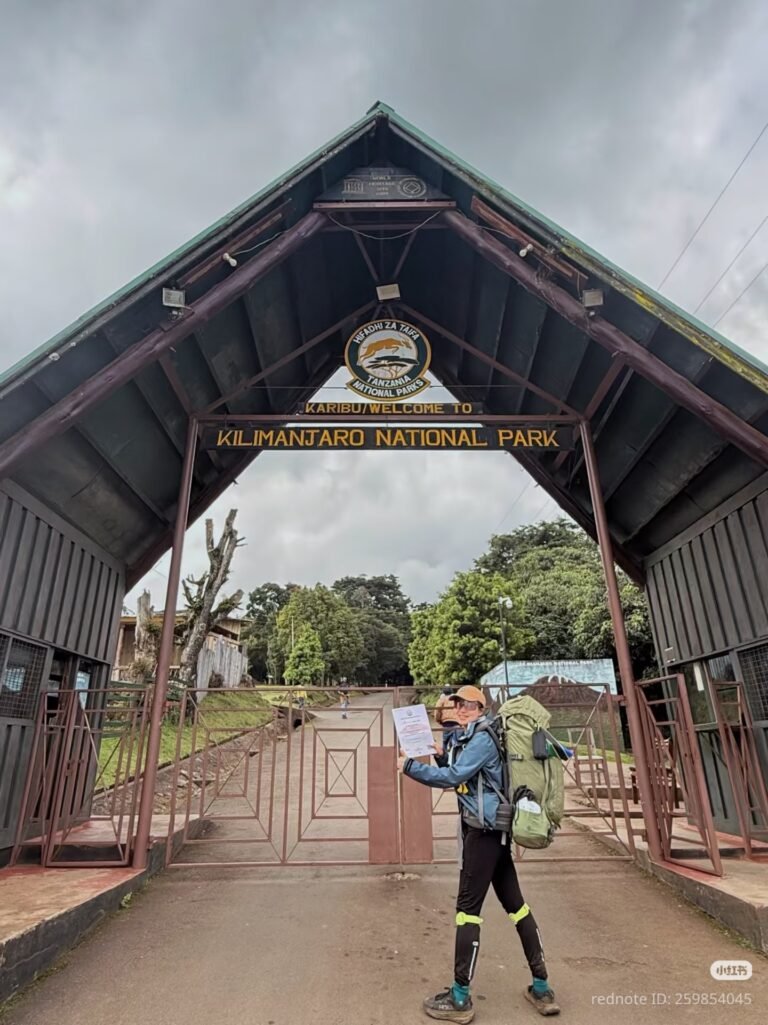
Kilimanjaro And Serengeti Calving Safari January 2026-2027
Kilimanjaro and Serengeti Calving Safari January 2027 is explained with current 2026-2027 planning, price, itinerary and booking information.
View package details 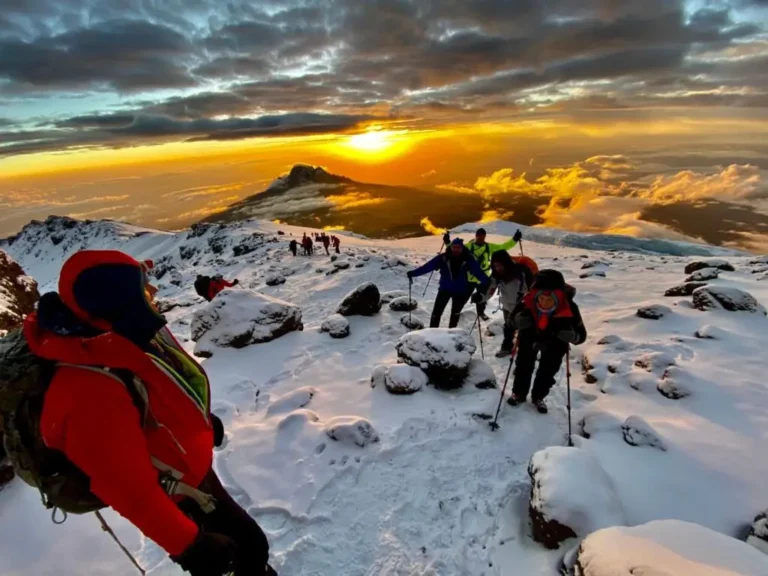
Kilimanjaro And Grumeti Migration Safari June : The Ultimate Tanzanian
Plan your unforgettable Kilimanjaro and Grumeti Migration safari for June 2027. This comprehensive guide details how to combine the challenge of summiting Africa's highest peak with the...
View package details 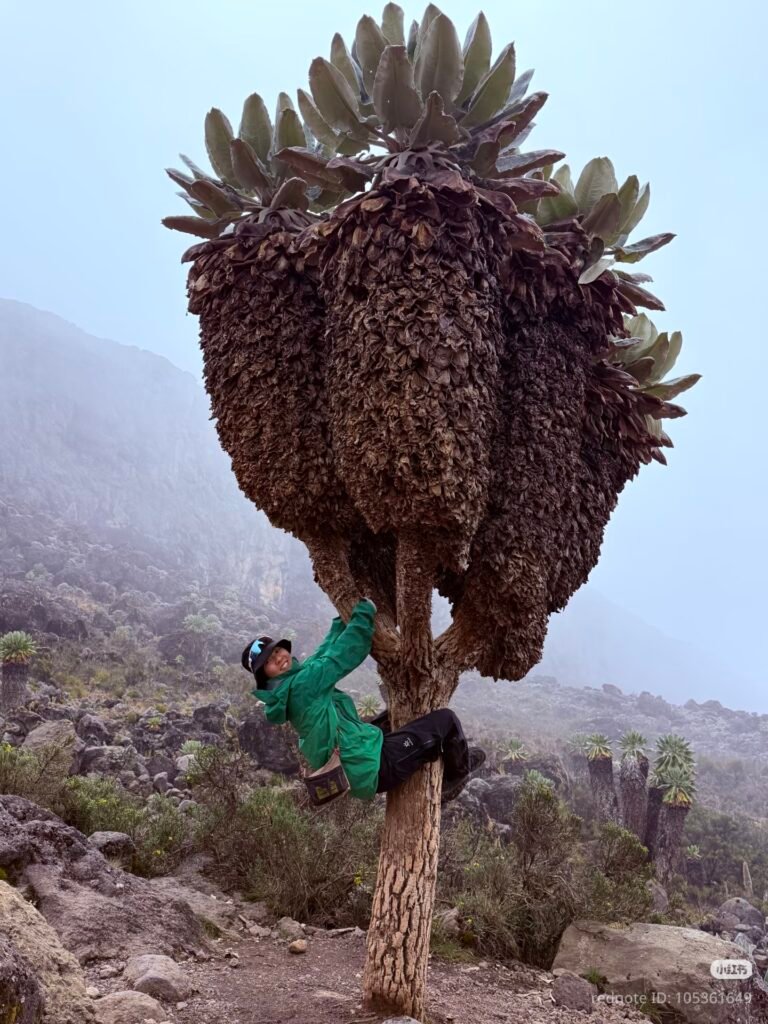
Christmas Kilimanjaro And Zanzibar Holiday : Your Ultimate Adventure 2026-2027
Experience an unforgettable Christmas combining the thrill of climbing Mount Kilimanjaro with the serene beauty of Zanzibar's beaches. This guide covers planning for your 2026-2027 festive...
View package details 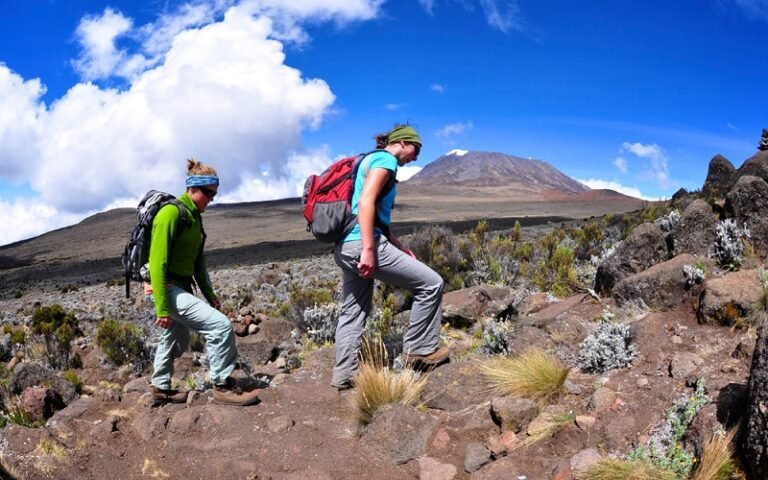
Kilimanjaro And Mara River Crossing Safari August : Peak Season Adventure 2027
Combining the ultimate challenge of climbing Mount Kilimanjaro with the awe-inspiring spectacle of the Great Migration river crossing in the Maasai Mara offers an unparalleled African...
View package details 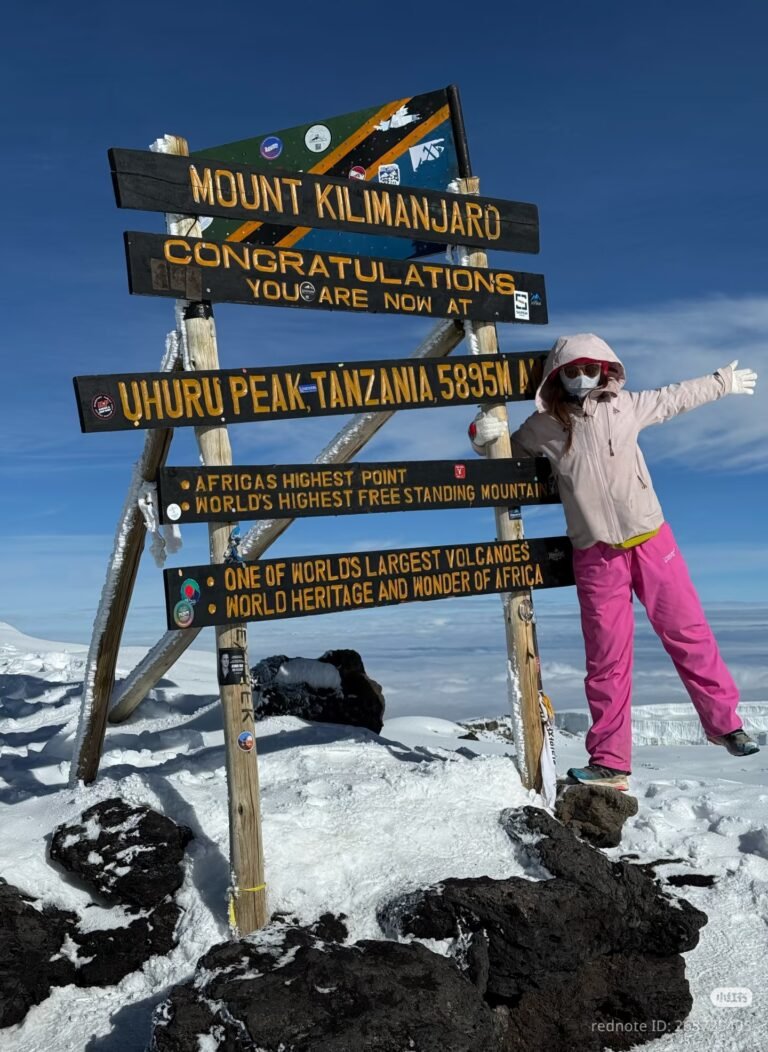
Kilimanjaro And Great Migration Safari August : Your Peak Season Adventure
Plan your ultimate Tanzanian adventure in August 2027, combining a Kilimanjaro climb with the spectacle of the Great Migration. This guide details the best timings, routes, and safari...
View package details Kilimanjaro And Mara River Crossing Safari July 2027
Kilimanjaro and Mara River Crossing Safari July 2027 is explained with current 2027 planning, price, itinerary and booking information.
View package details Kilimanjaro And Great Migration Safari July : Your Ultimate Tanzanian
Combining a Kilimanjaro climb with a Great Migration safari in July 2027 offers a spectacular Tanzanian adventure. This guide helps you plan your ideal itinerary, considering the best...
View package details 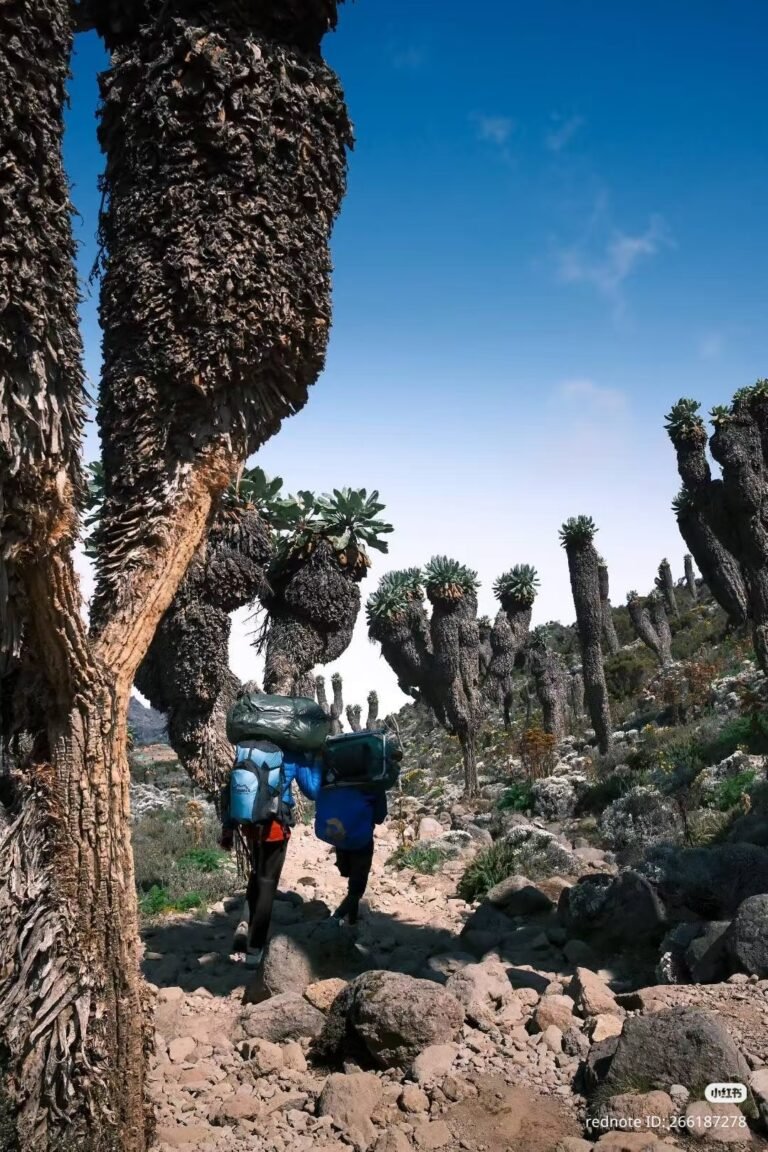
Kilimanjaro Christmas Climb And Tanzania Safari : Your Festive Adventure
Combine the magic of a Christmas ascent of Kilimanjaro with a thrilling Tanzania safari in 2026. Discover how to plan this dual adventure for a truly unique festive season.
View package details No related package matches those filters. Clear one or more filters to see the other topic-matched options.
Check Availability for Private Safari From Zanzibar To Serengeti National Park 2026-2027
Ready to compare dates, prices, and the best option for your group? Send the package name and travel month so the team can reply with a clear quote, availability, and what is included.
Best Kilimanjaro And Serengeti Calving Season Safari March 2027
Discover the magic of a March 2027 Kilimanjaro and Serengeti calving season safari. This guide explores the unique advantages and considerations for experiencing Tanzania's wildlife...
View package detailsKilimanjaro And Serengeti Calving Safari February : The Ultimate Planning
Combine the majesty of Mount Kilimanjaro with the impressive spectacle of the Serengeti's calving season in February 2027. This guide details how to plan this dual adventure, focusing on...
View package detailsKilimanjaro And Serengeti Calving Safari January 2026-2027
Kilimanjaro and Serengeti Calving Safari January 2027 is explained with current 2026-2027 planning, price, itinerary and booking information.
View package detailsKilimanjaro And Grumeti Migration Safari June : The Ultimate Tanzanian
Plan your unforgettable Kilimanjaro and Grumeti Migration safari for June 2027. This comprehensive guide details how to combine the challenge of summiting Africa's highest peak with the...
View package detailsChristmas Kilimanjaro And Zanzibar Holiday : Your Ultimate Adventure 2026-2027
Experience an unforgettable Christmas combining the thrill of climbing Mount Kilimanjaro with the serene beauty of Zanzibar's beaches. This guide covers planning for your 2026-2027 festive...
View package detailsKilimanjaro And Mara River Crossing Safari August : Peak Season Adventure 2027
Combining the ultimate challenge of climbing Mount Kilimanjaro with the awe-inspiring spectacle of the Great Migration river crossing in the Maasai Mara offers an unparalleled African...
View package detailsKilimanjaro And Great Migration Safari August : Your Peak Season Adventure
Plan your ultimate Tanzanian adventure in August 2027, combining a Kilimanjaro climb with the spectacle of the Great Migration. This guide details the best timings, routes, and safari...
View package detailsKilimanjaro And Mara River Crossing Safari July 2027
Kilimanjaro and Mara River Crossing Safari July 2027 is explained with current 2027 planning, price, itinerary and booking information.
View package detailsKilimanjaro And Great Migration Safari July : Your Ultimate Tanzanian
Combining a Kilimanjaro climb with a Great Migration safari in July 2027 offers a spectacular Tanzanian adventure. This guide helps you plan your ideal itinerary, considering the best...
View package detailsKilimanjaro Christmas Climb And Tanzania Safari : Your Festive Adventure
Combine the magic of a Christmas ascent of Kilimanjaro with a thrilling Tanzania safari in 2026. Discover how to plan this dual adventure for a truly unique festive season.
View package detailsNo related package matches those filters. Clear one or more filters to see the other topic-matched options.



