
A West Kilimanjaro e-bike safari provides an intimate and adventurous way to traverse the iconic landscapes surrounding Africa’s highest peak, offering electric-assisted cycling through Maasai country. These tours are designed for travelers seeking a unique, eco-friendly exploration of the region’s natural beauty, wildlife, and rich cultural heritage, with itineraries typically spanning 1 to 5 days and often starting from or near Moshi, allowing for close encounters with Maasai communities and the majestic Mount Kilimanjaro backdrop, especially relevant for planning trips in 2026 and 2027.
Understanding the West Kilimanjaro E-Bike Safari Experience
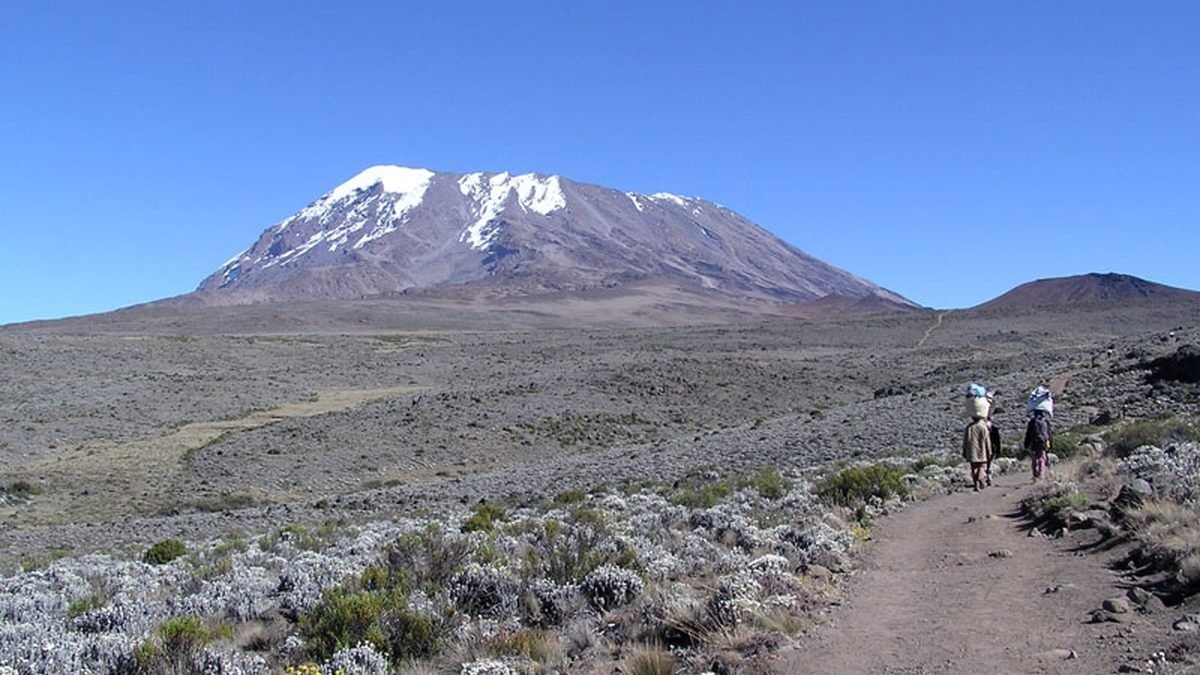
The concept of an e-bike safari in West Kilimanjaro is relatively new but rapidly gaining traction as a sustainable and engaging alternative to traditional vehicle-based safaris or strenuous treks. It’s not about conquering a mountain; it’s about immersing yourself in the environment. Imagine pedaling gently on an electric-assisted bicycle, the wind carrying the scent of wild grasses, with Mount Kilimanjaro’s snow-capped summit visible on clear days. This is the essence of a West Kilimanjaro E-Bike Safari.
Unlike a challenging mountain climb, this experience is about accessibility and connection. The electric assist means that even those with moderate fitness can cover significant distances, navigate gentle inclines, and focus on the sights and sounds around them. This approach allows for a much deeper engagement with the landscape and the people who call it home, particularly the Maasai communities who have traditionally inhabited these plains.
The routes are carefully chosen to showcase the diverse ecosystems. You might ride through open savannah dotted with acacia trees, pass by local farms, and approach traditional Maasai bomas (homesteads). The pace is deliberately slow enough to spot smaller wildlife – perhaps a herd of zebras grazing in the distance, gazelles darting across the plains, or a variety of birdlife. The silence, broken only by the whir of the e-bike and natural sounds, is a stark contrast to the rumble of safari vehicles, offering a more authentic connection to the wilderness.
For those planning their adventures in 2026 or 2027, this type of safari represents a forward-thinking approach to tourism. It aligns with growing traveler interest in responsible travel, cultural exchange, and active, yet enjoyable, exploration. It’s an opportunity to see Tanzania’s iconic landscapes through a different lens, one that is both exhilarating and respectful of the environment and its inhabitants.
Why Choose an E-Bike Safari in West Kilimanjaro?
The decision to opt for an electric cycling safari through Maasai country in West Kilimanjaro is driven by a desire for a unique, in-depth, and eco-conscious travel experience. Here’s a breakdown of the key advantages:
- Intimate Encounters: Being on an e-bike, at a slower pace than a vehicle, allows for more personal observations of the environment and wildlife. You can stop easily, listen to the sounds of the bush, and feel more connected to the surroundings.
- Cultural Immersion: The routes are designed to pass through or near Maasai villages. This provides opportunities for respectful cultural exchange, learning about their traditions, social structures, and daily lives directly from the Maasai people.
- Eco-Friendly Exploration: E-bikes offer a low-impact way to explore sensitive ecosystems. They produce zero emissions, minimize noise pollution, and allow access to areas that might be restricted for vehicles, contributing to a more sustainable tourism model.
- Accessibility: The electric assist makes cycling accessible to a wider range of fitness levels. It reduces the physical strain, allowing participants to enjoy the scenery, photography, and cultural interactions without being overly fatigued. This is particularly beneficial for longer rides or warmer conditions.
- Unique Perspective: From the saddle of an e-bike, the vast plains of West Kilimanjaro unfold differently. You gain a ground-level perspective that is distinct from game drives, offering new vantage points for photography and appreciating the scale of the landscape.
- Adventure with Comfort: It blends the thrill of adventure with a level of comfort and ease. The ‘electric’ aspect means you can enjoy the journey without feeling like you’re undergoing a strenuous workout, making it a perfect option for many travelers planning for 2026-2027.
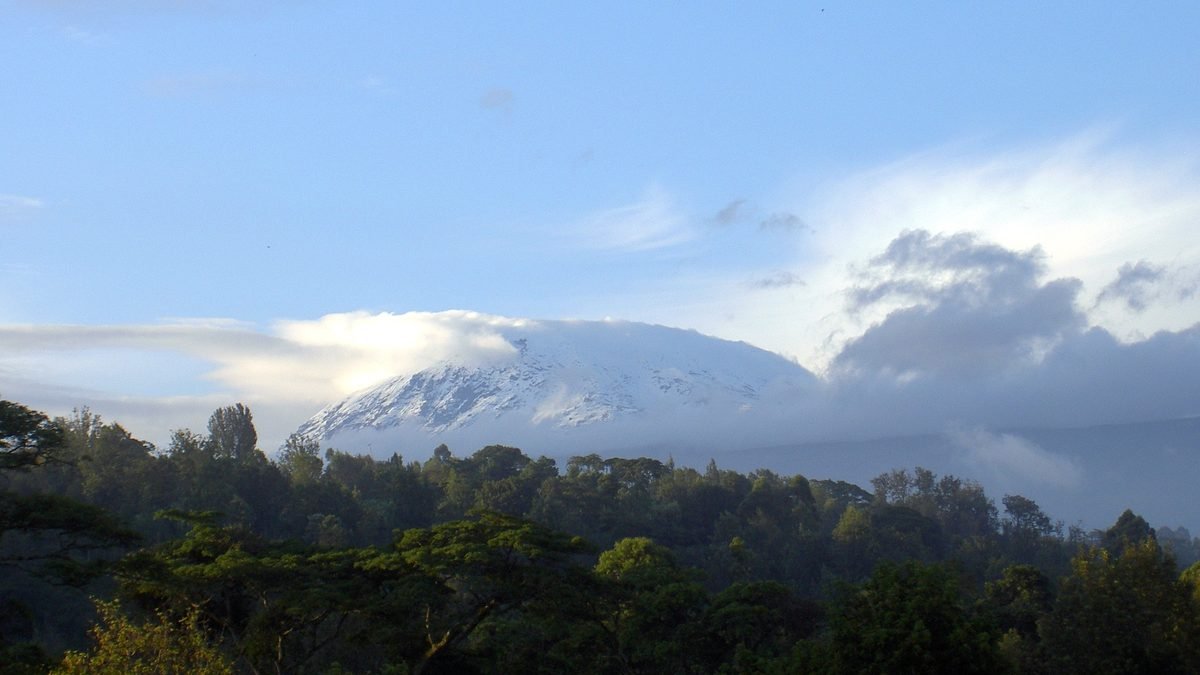
- Proximity to Kilimanjaro: The location in West Kilimanjaro offers impressive views of Mount Kilimanjaro, often unobstructed by other tourist traffic, providing incredible photographic opportunities.
While the allure of a traditional safari is strong, the West Kilimanjaro E-Bike Safari offers a different, often more profound, kind of connection with Tanzania. It’s for the traveler who wants to go beyond the surface, to engage actively and thoughtfully with the destination.
Itinerary Possibilities and Route Planning
When considering an electric cycling through Maasai country adventure, understanding the potential itineraries is crucial for planning your trip in 2026 or 2027. While exact routes can be customized, typical expeditions focus on areas west of Mount Kilimanjaro, away from the more crowded northern safari circuits. These routes are chosen for their scenic beauty, cultural significance, and suitability for cycling.
Typical Tour Durations
Most West Kilimanjaro e-bike safaris range from 1 to 5 days. This flexibility allows travelers to integrate the experience into a broader Tanzanian itinerary, perhaps before or after a Kilimanjaro climb or a visit to other national parks.
- 1-Day E-Bike Safari: Often a taster, this might involve a loop from a base camp or lodge, focusing on a specific cultural village visit and a scenic ride with Kilimanjaro views.
- 2-3 Day E-Bike Safari: These itineraries allow for deeper exploration, covering more ground, visiting multiple Maasai communities, and potentially venturing into areas with more diverse flora and fauna. Overnight stays would be in comfortable lodges or equipped tented camps.
- 4-5 Day E-Bike Safari: For the truly in-depth experience, these longer tours can cover significant distances, explore remote areas, and offer extended opportunities for wildlife spotting and cultural exchange. They might include visits to local markets or conservation areas.
Key Route Features and Considerations
The routes are generally designed to be manageable for most fitness levels, thanks to the e-bike’s assistance. However, terrain can vary:
- Terrain: Expect a mix of dirt tracks, gravel roads, and sometimes smoother paths. While the e-bikes handle most conditions well, some sections might be sandy or rocky. Guides will assess conditions daily.
- Distance: Daily distances can range from 20 to 60 kilometers, depending on the tour length and pace. The electric assist significantly reduces the effort required, allowing focus on the experience rather than the exertion.
- Cultural Stops: A hallmark of these safaris is the inclusion of visits to Maasai bomas. These are not staged performances but genuine opportunities to interact with families, learn about their customs, and perhaps purchase local crafts. It’s important to approach these visits with respect and an open mind.
- Wildlife Viewing: While not a primary big-game safari destination like the Serengeti, West Kilimanjaro offers opportunities to see plains game such as zebras, wildebeest, various antelopes, and a rich array of birdlife. The low impact of e-bikes can sometimes bring you closer to skittish animals.
- Scenery: The ever-present, majestic Mount Kilimanjaro provides a stunning backdrop. Routes are often planned to maximize these views, especially during sunrise and sunset. You’ll also encounter the unique vegetation of the Kilimanjaro foothills and savannah.
Logistics and Support
A key aspect of a well-organized West Kilimanjaro E-Bike Safari is the support system:
- Support Vehicle: Most tours include a 4×4 support vehicle that follows the group. This vehicle carries water, snacks, spare parts, first-aid equipment, and can pick up riders if they need a break or if an e-bike requires attention. It also serves as transport for luggage.
- Guides: Experienced local guides are essential. They are knowledgeable about the routes, local culture, wildlife, and mechanics of the e-bikes. They ensure safety and enrich the experience with their insights.
- Accommodation: Depending on the tour length, accommodation can range from comfortable lodges in the foothills to well-equipped tented camps in more remote areas, providing a genuine bush experience.
When booking for 2026 or 2027, inquire about the specific routes, daily distances, and support provided to ensure the itinerary aligns with your expectations and physical comfort level. A well-planned route is the foundation of a memorable electric cycling through Maasai country adventure.
The E-Bikes: Technology and Usage
The heart of a West Kilimanjaro E-Bike Safari is, naturally, the electric bicycle itself. Understanding how these bikes work and what to expect is key to enjoying the experience fully.
What is an E-Bike?
An electric bicycle, or e-bike, is essentially a regular bicycle with an integrated electric motor to assist propulsion. This motor is powered by a rechargeable battery, and the level of assistance can typically be adjusted by the rider.
- Motor: Located in the hub of a wheel or near the pedals (mid-drive), the motor provides a boost when you pedal. It doesn’t power the bike on its own; it amplifies your pedaling effort.
- Battery: Usually mounted on the frame or integrated into it, the battery is the power source. Battery life depends on factors like terrain, rider weight, assistance level chosen, and riding style. Tour operators ensure batteries are fully charged for each day’s ride.
- Sensors: Pedal-assist sensors detect when you are pedaling and activate the motor accordingly. Some systems also have a throttle for on-demand power, though pedal-assist is more common for safaris.
- Display: A small console on the handlebars shows battery level, speed, distance, and the chosen assistance level (e.g., Eco, Tour, Sport).
Assistance Levels and Riding Modes
The beauty of e-bikes lies in their versatility. Most e-bikes used for safaris offer multiple assistance levels:
- Eco/Low: Provides a subtle boost, extending your range and making pedaling easier on flat terrain.
- Tour/Medium: Offers a noticeable assist, ideal for general riding and moderate inclines.
- Sport/High: Delivers maximum power, making steep climbs much more manageable and reducing effort significantly.
Your guide will help you select the appropriate level based on the terrain, your energy, and the group’s pace. The goal is to make the ride enjoyable and accessible, not a strenuous workout, allowing you to appreciate the Maasai country scenery.
Maintenance and Support
For a West Kilimanjaro E-Bike Safari, robust maintenance and support are paramount:
- Bike Quality: Reputable tour operators use well-maintained, robust e-bikes suitable for off-road conditions. Brands like Bosch, Shimano, or Yamaha are common for their reliable motors and batteries.
- Pre-Ride Checks: Bikes are thoroughly checked before each tour, including tire pressure, brakes, battery charge, and motor function.
- On-the-Trail Support: The support vehicle is equipped with spare batteries, chargers, tools, and spare parts. Guides are trained to perform basic maintenance and troubleshoot issues. If a bike has a significant problem, you can switch to the support vehicle.
- Battery Management: Guides manage battery usage, ensuring you have enough power for the planned route. They can advise on when to switch assistance levels to conserve battery if needed.
Choosing a tour operator with a strong reputation for bike maintenance and support is critical for a smooth and enjoyable electric cycling through Maasai country experience, especially when planning for future travel dates like 2026 or 2027.
Cultural Encounters in Maasai Country
A significant part of the allure of a West Kilimanjaro E-Bike Safari is the opportunity to engage with the Maasai people, whose ancestral lands you will be traversing. This is not a voyeuristic glimpse, but an invitation to understand a unique culture in its natural setting.
Understanding Maasai Culture
The Maasai are a semi-nomadic indigenous ethnic group of Kenya and northern Tanzania. Known for their vibrant red shuka (robes), intricate beadwork, and proud warrior traditions, they have maintained many of their customs despite the pressures of modernization.
- Social Structure: Maasai society is organized around age-sets (warriors, junior elders, senior elders) and clans. The ‘moran’ (warrior) stage is particularly iconic, representing a period of training and protection for the community.
- Livelihoods: Traditionally, the Maasai are pastoralists, relying on cattle for milk, blood, meat, and hides. Their lives are deeply intertwined with their livestock.
- Beliefs: They believe in a sky god, Engai, and have a strong connection to the land and its spirits.
- Bomas: Traditional villages, or bomas, are circular enclosures made of thorny bushes, protecting the houses (inkajijik) and livestock.
Visiting a Maasai Boma
An e-bike safari often includes visits to a Maasai boma. Here’s what to expect and how to ensure a respectful interaction:
- Arranged Visits: These visits are typically pre-arranged by your tour operator with the community. This ensures that the visit is welcome and that the community benefits from your presence, often through a fee or by purchasing crafts.
- Welcome Rituals: You might be welcomed with a traditional song or greeting. It’s polite to accept the welcome with gratitude.
- Learning and Exchange: Your Maasai guide, or a representative from the village, will share insights into their daily life, customs, and traditions. This is your chance to ask respectful questions and learn.
- Daily Life: You may see women crafting intricate beadwork, men tending to livestock, and children playing. The experience offers a rare window into a way of life that is both ancient and resilient.
- Photography: Always ask permission before taking photos of individuals, especially children. Some communities may charge a small fee for photography.
- Gift Giving: If you wish to bring gifts, practical items like school supplies (pens, notebooks) or basic medical supplies are often more appreciated than trinkets. However, the most valuable contribution is often through purchasing authentic Maasai crafts directly from the artisans.
Respectful Engagement
The key to a meaningful cultural encounter is respect. Remember that you are a guest in their community. Dress modestly, be mindful of your behavior, and show genuine interest. Avoid intrusive behavior or treating the visit as purely a photo opportunity.
Planning your West Kilimanjaro E-Bike Safari for 2026 or 2027 offers a chance to connect with the Maasai people in a way that is both enriching for you and supportive of their community. It’s an integral part of the electric cycling through Maasai country experience.
Wildlife and Nature in West Kilimanjaro
While the Serengeti and Maasai Mara are famed for their megafauna, the West Kilimanjaro region offers its own distinct and rewarding wildlife and natural landscape encounters, best appreciated on a West Kilimanjaro E-Bike Safari.
Flora and Fauna
The ecosystem is a mosaic of savannah grasslands, acacia woodlands, and the foothills of Kilimanjaro. This variety supports a range of wildlife:
- Mammals: Common sightings include various species of gazelles (Thomson’s, Grant’s), zebras, wildebeest (especially during migration seasons), giraffes, warthogs, and smaller mammals like dik-diks and various monkey species. Larger predators like lions and hyenas are present but less frequently encountered on the cycling routes due to their nocturnal habits and the speed of vehicles. Elephants can sometimes be seen in certain areas, particularly closer to protected zones.
- Birds: The region is a birdwatcher’s paradise. Expect to see numerous species of grassland birds, raptors like eagles and buzzards, and water birds if you pass near seasonal water sources. Ostrich are also common.
- Vegetation: The iconic Acacia trees dominate the landscape, interspersed with hardy grasses and shrubs adapted to the dry climate. As you ascend towards Kilimanjaro’s slopes, the vegetation changes, becoming more lush and varied.
The E-Bike Advantage for Wildlife Viewing
The slow, quiet nature of e-biking offers distinct advantages for wildlife observation:
- Stealth: E-bikes produce minimal noise, allowing you to approach wildlife more closely without startling them. Animals are often less wary of a slow-moving cyclist than a vehicle.
- Sensory Immersion: You are more attuned to your surroundings – the sounds, smells, and subtle movements in the grass that might be missed from a car.
- Flexibility: You can stop instantly to observe an animal, take photos, or simply soak in the scene. This spontaneous interaction is a key part of the safari experience.
Conservation and Sustainability
Choosing an electric cycling through Maasai country safari also aligns with responsible tourism principles:
- Low Environmental Impact: E-bikes have a significantly smaller carbon footprint than motorized vehicles. They don’t disturb wildlife with engine noise or exhaust fumes.
- Supporting Local Communities: By visiting Maasai bomas and purchasing local crafts, you contribute directly to the local economy, providing an alternative income stream that can support conservation efforts and cultural preservation.
- Educational Component: Many tours incorporate discussions on local conservation challenges and successes, raising awareness among travelers.
Best Times for Wildlife Viewing
The dry seasons (June to October and December to February) generally offer the best wildlife viewing opportunities as animals tend to congregate around water sources. However, the West Kilimanjaro region offers year-round beauty and wildlife sightings. Planning for 2026 or 2027 means you can aim for these optimal periods or enjoy the unique character of the green seasons.
A West Kilimanjaro E-Bike Safari is not just about covering ground; it’s about experiencing the natural world in a more profound and connected way. The combination of electric cycling, stunning landscapes, and wildlife sightings makes it a truly memorable adventure.
Planning Your West Kilimanjaro E-Bike Safari for 2026-2027
To ensure your West Kilimanjaro E-Bike Safari is a success, careful planning is essential, especially when looking ahead to 2026 and 2027. Here are key considerations:
Choosing the Right Tour Operator
Selecting a reputable operator is paramount. Look for companies with:
- Local Expertise: Operators based in Tanzania, like Climb 4 Africa, have invaluable on-the-ground knowledge of routes, local customs, and logistics.
- Quality Equipment: Ensure they use well-maintained, reliable e-bikes suitable for the terrain and provide adequate support vehicles and gear.
- Experienced Guides: Guides should be knowledgeable about cycling, local culture, wildlife, and safety protocols.
- Safety Record: Check reviews and inquire about their safety procedures, including first-aid training and emergency protocols.
- Sustainability Practices: A commitment to responsible tourism, including community engagement and environmental protection, is a strong indicator of a good operator.
Best Time to Travel
While West Kilimanjaro is accessible year-round, the weather significantly impacts the experience:
- Dry Seasons (June-October, December-February): These are generally the most popular times. Skies are clear, offering excellent views of Kilimanjaro and the surrounding landscape. Wildlife is easier to spot. Roads are in better condition.
- Green Seasons (March-May, November): These months offer lush landscapes and fewer tourists. However, rains can make some tracks muddy and challenging, and visibility of Kilimanjaro can be reduced by cloud cover. The air is often cleaner and the scenery vibrant.
For 2026-2027, consider these patterns. The shoulder months (like November or early March) can offer a good balance of decent weather, fewer crowds, and potentially better value.
What to Pack
Packing appropriately will enhance your comfort and enjoyment:
- Clothing: Lightweight, breathable layers are key. Include long-sleeved shirts and trousers for sun and insect protection, a warm fleece or jacket for cooler evenings, and waterproof outer gear. Cycling shorts can add comfort.
- Footwear: Comfortable, sturdy cycling shoes or hiking boots are essential. Closed-toe shoes are mandatory for safety.
- Sun Protection: A wide-brimmed hat, sunglasses, and high-SPF sunscreen are crucial.
- Insect Repellent: Especially important for evenings and areas with denser vegetation.
- Hydration: Reusable water bottles or a hydration pack. The tour operator will provide water refills.
- Personal Items: Camera, binoculars, a small backpack, personal medications, hand sanitizer, and any personal toiletries.
- Documents: Passport, visa (if required), travel insurance details, and any necessary vaccination certificates.
Physical Fitness and Health
While e-bikes reduce the physical demand, a moderate level of fitness is still recommended. You should be comfortable cycling for several hours a day, with the ability to handle varying terrains. Consult your doctor about any necessary vaccinations or health precautions for Tanzania.
Booking Considerations for 2026-2027
Booking in advance is advisable, especially for peak seasons in 2026 and 2027:
- Availability: Popular dates, particularly during the dry seasons, can fill up quickly.
- Customization: Discuss any specific interests or requirements with your tour operator. They can often tailor itineraries, accommodation, and activities.
- Inclusions/Exclusions: Clarify what is included in the tour price (e.g., meals, accommodation, bike rental, guide services, park fees) and what is not (e.g., international flights, visas, tips, personal insurance).
- Payment Terms: Understand the deposit requirements and cancellation policies.
Thorough planning ensures that your West Kilimanjaro E-Bike Safari is not just an adventure, but a well-organized and deeply rewarding journey through the heart of Maasai country.
Booking Your West Kilimanjaro E-Bike Safari with Climb 4 Africa
Embarking on a West Kilimanjaro E-Bike Safari is a decision that promises unparalleled adventure and cultural immersion. For travelers planning their Tanzanian exploration for 2026 or 2027, partnering with an experienced and locally-rooted operator like Climb 4 Africa can make all the difference.
Why Choose Climb 4 Africa?
Climb 4 Africa specializes in creating authentic Tanzanian experiences, with deep roots in the Kilimanjaro region. Our expertise extends beyond mountain climbing to encompass enriching safaris and cultural tours, including the unique electric cycling through Maasai country expeditions.
- Local Expertise: As a Tanzania-based company, we possess intimate knowledge of West Kilimanjaro, its people, its landscapes, and the best routes for e-bike exploration.
- Tailored Experiences: We understand that every traveler is different. We excel at crafting bespoke itineraries that match your interests, pace, and desired level of adventure, whether it’s a short introduction or an extended exploration.
- Commitment to Sustainability: We are dedicated to responsible tourism practices that benefit local communities and protect the environment. Our e-bike safaris are designed to be low-impact and culturally sensitive.
- Quality and Safety: We use high-quality, well-maintained e-bikes and ensure all tours are led by experienced, certified local guides. Safety is our top priority, with comprehensive support systems in place.
- smooth Logistics: From airport transfers to accommodation and daily support, we manage all the logistical details, allowing you to focus on enjoying your adventure.
How to Book for 2026-2027
Planning for future travel dates like 2026 and 2027 is straightforward with Climb 4 Africa. Here’s how to begin:
- Initial Inquiry: Reach out to us with your interest in a West Kilimanjaro E-Bike Safari. Please include your preferred travel dates (even if approximate for 2026-2027), the number of participants, and any specific interests or questions you may have.
- Consultation: We will schedule a consultation (via email, phone, or WhatsApp) to discuss your requirements in detail. We can suggest suitable itinerary lengths, discuss route options, and answer any questions about the experience, equipment, and logistics.
- Itinerary Customization: Based on our discussion, we will craft a personalized itinerary proposal for your review. This will outline the daily activities, accommodation, inclusions, and estimated costs.
- Confirmation and Deposit: Once you are happy with the proposed itinerary, we will send a formal booking confirmation along with payment instructions. A deposit is typically required to secure your booking and reserve your chosen dates.
- Pre-Trip Preparation: After booking, we will provide you with detailed pre-trip information, including a packing list, health recommendations, and visa advice. We will remain in contact to finalize all arrangements leading up to your departure.
Contact Us
Ready to experience the unique thrill of an electric cycling through Maasai country adventure? We are here to help you plan an unforgettable journey. Whether you have a specific date in mind for 2026 or 2027 or are just beginning to explore your options, our team is eager to assist.
You can reach us directly:
- WhatsApp: +255 747 477 898
- Email: climb4africa@gmail.com
Let Climb 4 Africa guide you on an extraordinary West Kilimanjaro E-Bike Safari. We look forward to helping you discover the magic of Tanzania.
Check Availability for West Kilimanjaro E-Bike Safari – Electric Cycling Through Maasai Country…
Ready to compare dates, prices, and the best option for your group? Send the package name and travel month so the team can reply with a clear quote, availability, and what is included.
West Kilimanjaro Bike Safari: Cycle With Wildlife, Maasai Culture & Mountain
Discover the unparalleled adventure of a West Kilimanjaro Bike Safari, combining exhilarating cycling with incredible wildlife encounters, authentic Maasai cultural experiences, and...
View package details
Kilimanjaro Bike + Serengeti Safari Adventure: Cycling, Wildlife & Mountain
Discover the thrill of a Kilimanjaro Bike + Serengeti Safari Adventure, a unique journey blending challenging cycling with the unparalleled wildlife spectacle of the Serengeti. This...
View package detailsUltimate Kilimanjaro Multi-Adventure: Trek, Bike, Fly, Safari & Zanzibar
Combine the thrill of climbing Kilimanjaro with biking, flying over the plains, a wildlife safari, and relaxation on Zanzibar. This ultimate multi-adventure trip offers an unparalleled way...
View package details
Kilimanjaro Trek + Paragliding + Safari Multi-Adventure: Climb, Fly & Explore
This comprehensive guide details the ultimate Kilimanjaro Trek + Paragliding + Safari Multi-Adventure, offering insights for planning your 2026-2027 expedition. Discover how to climb...
View package details
Kilimanjaro Trail Run + Serengeti Safari – Running Adventure & Big Five Combo
Kilimanjaro Trail Run + Serengeti Safari – Running Adventure & Big Five Combo is explained with current 2026-2027 planning, price, itinerary and booking.
View package details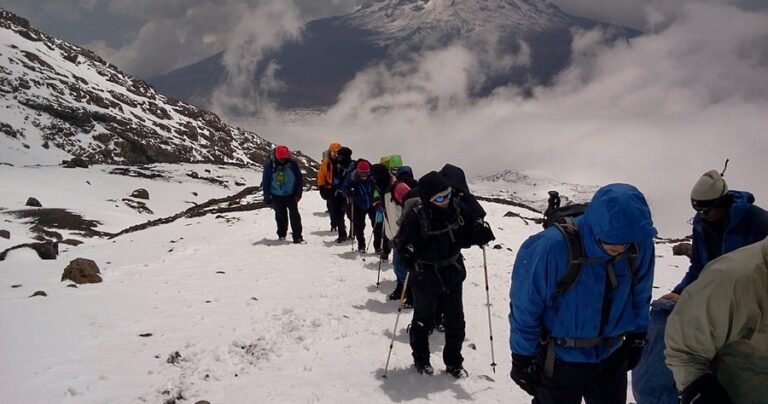
Kilimanjaro Honeymoon Private Climb + Safari + Zanzibar – Ultimate Tanzania
Kilimanjaro Honeymoon Private Climb + Safari + Zanzibar – Ultimate Tanzania Romance Adventure is explained with current 2026-2027 planning, price, itinerary.
View package details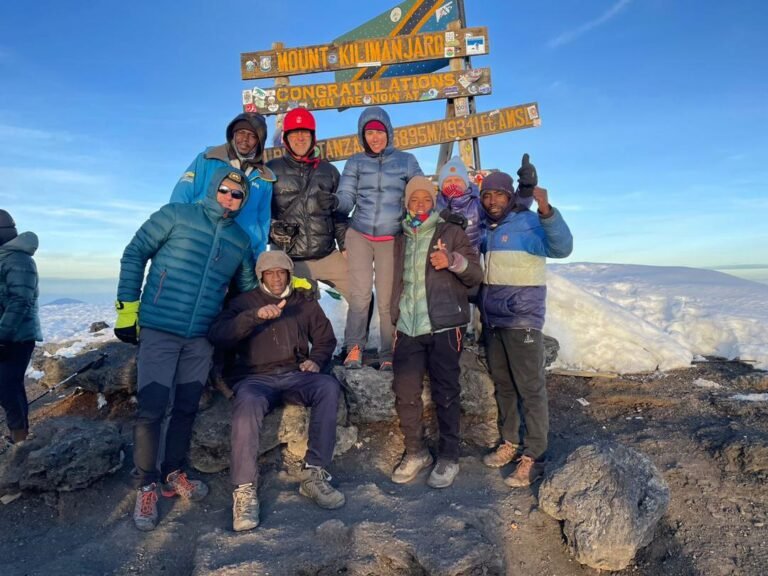
Kilimanjaro Wildlife & Forest Photography Safari – Mountain, Birds & Mammals
Kilimanjaro Wildlife & Forest Photography Safari – Mountain, Birds & Mammals is explained with current 2026-2027 planning, price, itinerary and booking.
View package details
Kilimanjaro Responsible Trekking & Local Community Experience – Mountain +
Discover how to combine the awe-inspiring challenge of climbing Kilimanjaro with a deep, responsible engagement with local communities. This guide explores the benefits, planning, and...
View package details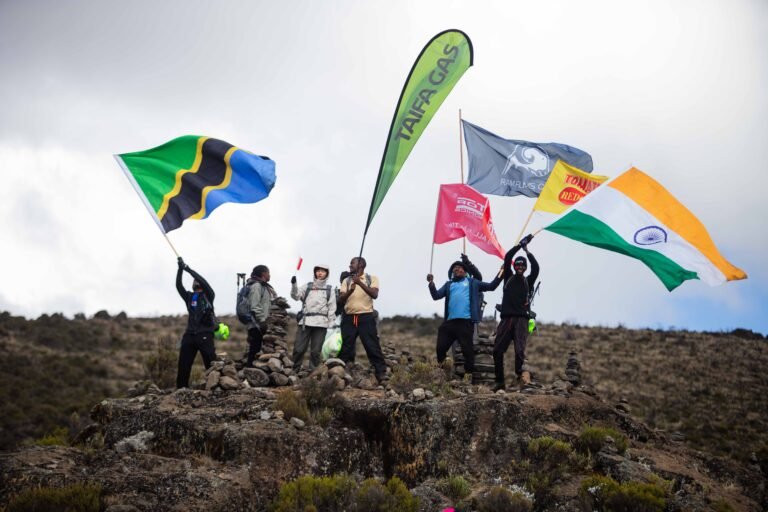
Kilimanjaro Village Walking & Local Food Experience – Chagga Farms, Markets &
Experience the heart of Kilimanjaro's culture through village walks, exploring Chagga farms, vibrant local markets, and savoring authentic cuisine. This deep look at local life offers a...
View package details
Marangu Caves, Chagga Culture & Waterfalls Tour: Uncover Hidden Kilimanjaro
Discover the rich heritage of the Chagga people with a visit to the historic Marangu Caves, vibrant local culture, and impressive waterfalls on a guided tour near Kilimanjaro. This...
View package detailsMarangu Waterfalls, Coffee & Kilimanjaro Day Hike – Culture And Nature Combo
Marangu Waterfalls, Coffee & Kilimanjaro Day Hike – Culture and Nature Combo is explained with current 2026-2027 planning, price, itinerary and booking.
View package detailsCoffee-To-Summit Kilimanjaro Experience – Chagga Coffee Culture + Mountain
Coffee-to-Summit Kilimanjaro Experience – Chagga Coffee Culture + Mountain Trek is explained with current 2026-2027 planning, price, itinerary and booking.
View package detailsNo related package matches those filters. Clear one or more filters to see the other topic-matched options.



