
The Coffee-to-Summit Kilimanjaro experience offers a profound immersion into the vibrant Chagga coffee culture of Tanzania’s northern highlands before embarking on your ascent of Africa’s highest peak. This integrated journey allows you to understand the local heritage, participate in coffee farming traditions, and then tackle the Kilimanjaro trek with a deeper appreciation for the land and its people, typically involving a 7-10 day trek duration depending on the chosen route, with options for 2026 and 2027 departures available through specialist operators.
What Exactly is the Coffee-to-Summit Kilimanjaro Experience?
The Coffee-to-Summit Kilimanjaro experience is a thoughtfully curated journey that begins not at the mountain’s base camp, but within the verdant slopes where the famed Chagga coffee is grown. It’s designed for travelers who seek more than just a physical challenge; they desire a deeper connection to the destination. This unique offering integrates a hands-on cultural immersion into the Chagga way of life, focusing on their rich coffee-growing heritage, with the iconic trek up Mount Kilimanjaro. Typically, this means spending a few days engaging with local communities, learning about coffee cultivation from bean to cup, and experiencing traditional Chagga hospitality before you even set foot on the mountain trails. This foundational cultural period serves multiple purposes: it offers a gentler acclimatization to the altitude, provides valuable insight into the local environment and economy, and allows for a more profound appreciation of the landscape you are about to ascend. For those planning their adventures for 2026 or 2027, this combined approach promises an exceptionally rewarding and holistic Kilimanjaro expedition.
The Chagga Culture Foundation: More Than Just Coffee
Before the boots hit the scree and the air thins on Kilimanjaro’s slopes, the Coffee-to-Summit experience anchors you in the heart of the Chagga people’s homeland. This region, located on the fertile southern and eastern flanks of the mountain, is not only the source of some of the world’s finest Arabica beans but also a cradle of rich cultural traditions. Understanding the Chagga is key to appreciating the context of your journey.
History and Origins of the Chagga People
The Chagga (or Wachagga) are one of Tanzania’s largest and most influential ethnic groups. Historically, they were known for their sophisticated social structure, organized into clans and led by chiefs, and their resilience in defending their territory. Their ancestral lands on Kilimanjaro provided fertile ground for agriculture, leading to a prosperous and distinct culture. Early European explorers encountered them as organized, self-sufficient communities. Over centuries, they developed intricate irrigation systems and farming techniques suited to the mountain’s microclimates, making them masters of their environment. This history of ingenuity and community is palpable as you explore their villages and farms. Understanding this background enriches the entire Coffee-to-Summit Kilimanjaro experience, transforming a trek into a cultural exploration.
Coffee’s Central Role in Chagga Life
Coffee is far more than a commodity for the Chagga; it is woven into the fabric of their daily lives, their economy, and their social interactions. Arabica coffee, introduced by German missionaries in the late 19th century, found an ideal home in the volcanic soils and high altitudes around Kilimanjaro. The Chagga embraced coffee cultivation with remarkable success, developing it into a primary cash crop. The process of growing, harvesting, processing, and selling coffee provides livelihoods for thousands of families. Participating in a coffee tour allows you to see this firsthand: from walking through lush plantations where beans ripen under banana canopies, to understanding the meticulous washing and drying processes, and finally, to tasting the freshly roasted and brewed coffee. This deep connection to coffee is a cornerstone of the Coffee-to-Summit Kilimanjaro experience, offering a unique lens through which to view the region.
Traditional Farming Methods and Sustainability
The Chagga have long practiced a form of sustainable agriculture that predates modern organic movements. Their traditional system involves intercropping coffee with other food crops, most notably bananas, which provide shade and nutrients. This agroforestry approach not only enhances soil fertility and biodiversity but also creates a resilient farming system. Banana leaves are used for shade, while the plants themselves offer a vital food source and additional income. You’ll see how this multi-layered cultivation creates a microclimate that benefits the coffee plants. Many Chagga farmers continue these practices, often passed down through generations, emphasizing a harmonious relationship with the land. Experiencing these methods firsthand offers a compelling contrast to industrial agriculture and highlights the sustainable ethos that can be part of your Coffee-to-Summit Kilimanjaro journey.
Cultural Visits and Interactions
A key element of the Coffee-to-Summit Kilimanjaro experience is the opportunity for genuine interaction with the Chagga people. This often involves visiting local villages, meeting farming families, and perhaps even participating in daily activities. You might be invited into a traditional homestead, learn about local customs, hear stories from elders, and witness the community’s way of life. These visits are typically facilitated by local guides who are often from the Chagga community themselves, providing authentic insights and ensuring respectful engagement. The warmth and hospitality of the Chagga are renowned, and these interactions are often cited as highlights of the trip, adding a profound human dimension to your Kilimanjaro adventure. This cultural immersion is what truly sets the Coffee-to-Summit Kilimanjaro experience apart.
Integrating Coffee Culture with Kilimanjaro Trekking
The true magic of the Coffee-to-Summit Kilimanjaro experience lies in its smooth integration of cultural immersion with the physical challenge of climbing the mountain. This isn’t just about visiting a coffee farm and then starting your trek; it’s about how the two elements enhance each other, creating a richer, more meaningful journey from the highlands to the roof of Africa.
Pre-Climb Preparation and Acclimatization
Spending time in the Chagga coffee-growing regions, which are situated at moderate altitudes (around 1,200-1,800 meters or 4,000-6,000 feet), offers a fantastic opportunity for gentle acclimatization before beginning the steep ascent. Unlike arriving directly at the trek’s starting point, this period allows your body to gradually adjust to higher elevations. You’ll be engaged in light activities like walking through plantations and visiting villages, which are excellent low-impact ways to prepare for the sustained effort of the climb. This initial phase helps reduce the risk of altitude sickness later on, making the overall trek more enjoyable and successful. This aspect of the Coffee-to-Summit Kilimanjaro experience is crucial for a well-prepared ascent.
Route Selection and Coffee Regions
The choice of Kilimanjaro route can significantly influence how you experience the coffee culture. Routes that begin on the southern or eastern slopes, such as the Machame, Lemosho, or Marangu routes, pass through or near the prime coffee-growing areas. This proximity allows for easier integration of pre-climb cultural activities. For example, an operator might arrange for you to stay in a lodge near Moshi or Arusha, spend a day or two exploring local coffee farms and villages, and then transfer to the trailhead of your chosen route. The Rongai route, starting from the north, is less integrated with the traditional coffee culture areas, though it’s still possible to arrange pre-climb visits. When planning your Coffee-to-Summit Kilimanjaro adventure for 2026 or 2027, discuss route options with your operator to ensure the best cultural integration.
Sample Day-by-Day Coffee-to-Summit Itinerary
While itineraries vary, a typical Coffee-to-Summit Kilimanjaro experience might look something like this, focusing on the pre-climb cultural immersion before the actual trek begins:
Days 1-2: Arrival and Chagga Cultural Immersion
- Day 1: Arrive at Kilimanjaro International Airport (JRO), meet your Climb 4 Africa guide, and transfer to a comfortable lodge in Moshi or a nearby coffee-growing village. Rest and recover from your journey.
- Day 2: Full-day cultural experience. Visit a working Chagga coffee plantation. Participate in the coffee-making process: from picking ripe cherries, through washing and drying, to roasting and brewing. Learn about traditional Chagga life, visit a local home, and perhaps a local market or school. Enjoy a traditional lunch. This day is a deep look at the heart of the Coffee-to-Summit Kilimanjaro experience.
Days 3-4 (or more): Kilimanjaro Trek – Machame Route Example
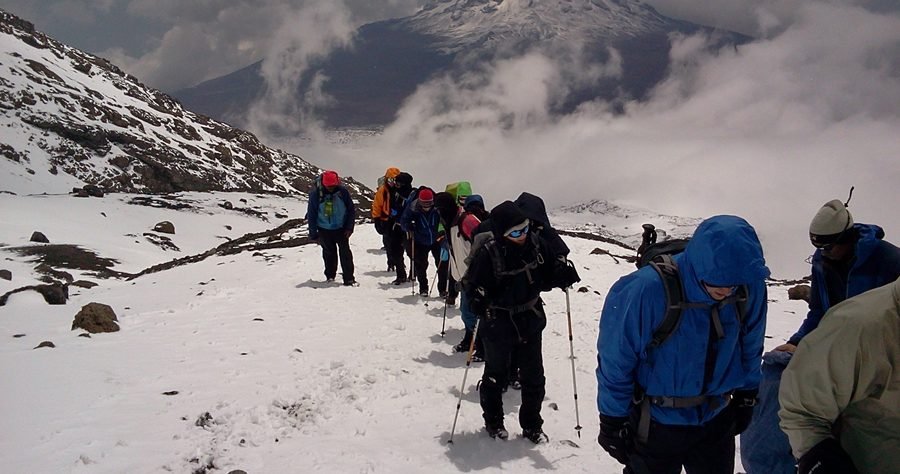
- Day 3: Transfer to Machame Gate (1,800m). Begin the trek through lush rainforest to Machame Camp (3,050m). This is the start of your Kilimanjaro trek.
- Day 4: Trek from Machame Camp to Shira Camp (3,850m), crossing moorlands with stunning views.
- Day 5: Acclimatization hike to Lava Tower (4,600m) then descend to Barranco Camp (3,950m).
- Day 6: Conquer the Barranco Wall, trek through Karanga Valley to Karanga Camp (4,000m).
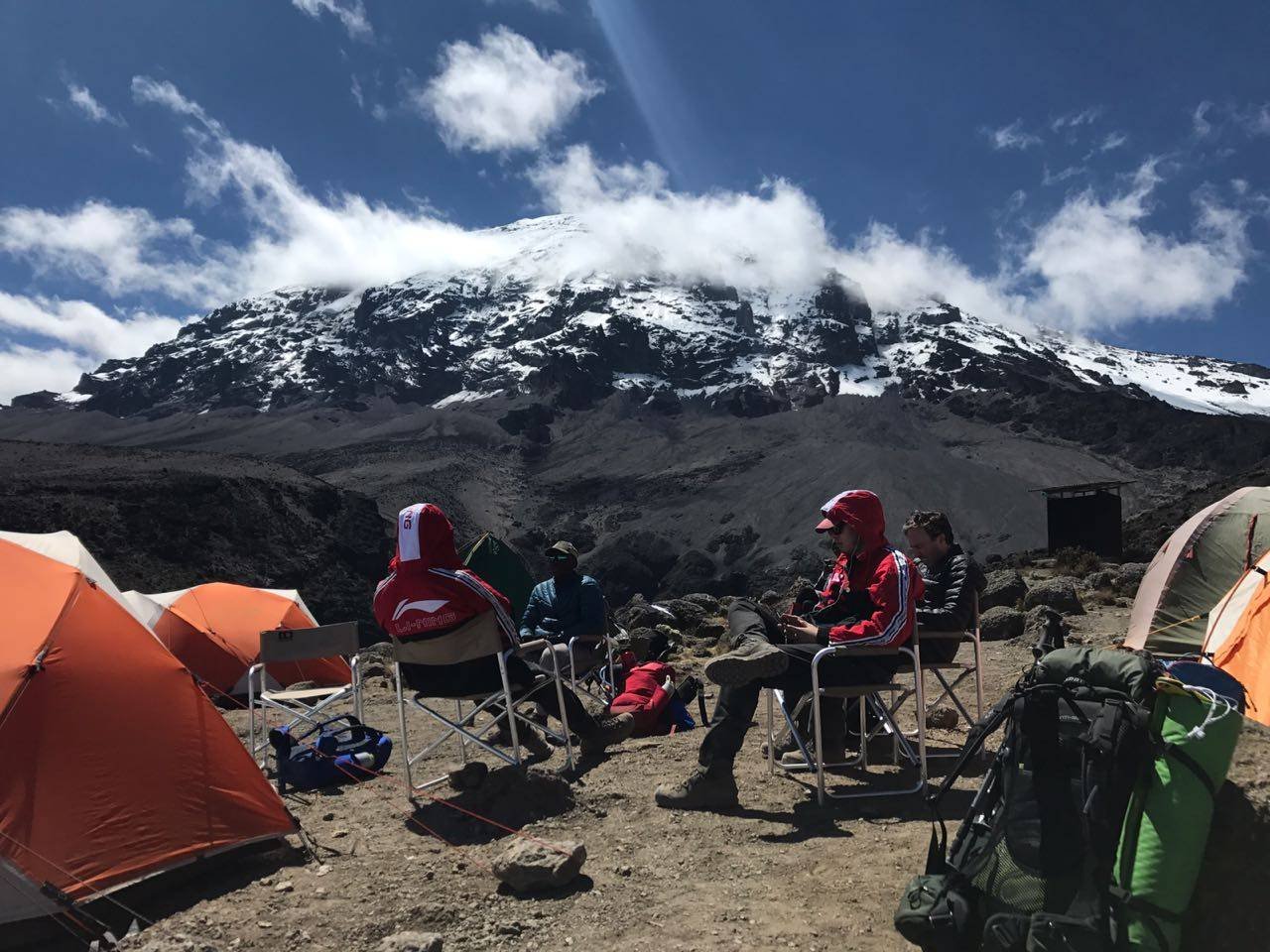
- Day 7: Ascend to Barafu Camp (4,650m), the base for the summit push.
- Day 8: Summit night! Ascend to Uhuru Peak (5,895m) for sunrise, then descend to Mweka Camp (3,100m).
- Day 9: Trek from Mweka Camp to Mweka Gate (1,600m), then transfer back to your lodge in Moshi. Celebrate your achievement.
- Day 10: Departure or extension (e.g., safari, Zanzibar).
This sample highlights how the Chagga coffee culture is experienced as a prelude to the mountain challenge, enriching the overall Kilimanjaro trek. For 2026 and 2027 trips, flexibility in itinerary duration is key.
Kilimanjaro Trekking Considerations for the Coffee-to-Summit Traveler
While the cultural aspect of the Coffee-to-Summit Kilimanjaro experience is unique, the trekking component demands careful planning. The mountain itself presents significant challenges, and understanding these is vital for a safe and successful climb. Integrating cultural insights with the practicalities of trekking ensures a holistic and enjoyable adventure.
Choosing the Right Kilimanjaro Route
For the Coffee-to-Summit Kilimanjaro experience, routes starting from the south or east are generally preferred due to their proximity to the Chagga heartland. The Machame Route is highly popular for its scenic beauty and good acclimatization profile, offering excellent opportunities for pre-climb cultural activities. The Lemosho Route is similar but starts further west, often considered more remote and beautiful, though still accessible for cultural integration. The Marangu Route, known as the ‘Coca-Cola’ route, is the oldest and offers dormitory-style accommodation, which some find less appealing. While it’s possible to do a Coffee-to-Summit Kilimanjaro trip starting from the north (e.g., Rongai), the cultural immersion component would need to be more deliberately planned as a separate pre-trek activity in Moshi or Arusha. For 2026 and 2027 bookings, consider that popular routes fill up quickly.
Duration and Acclimatization Strategies
The length of your Kilimanjaro trek is directly related to acclimatization and success rates. For the Coffee-to-Summit Kilimanjaro experience, a minimum of 7 days is recommended for the trek itself, with an additional 2-3 days dedicated to the cultural immersion. Longer treks, such as 8 or 9 days, significantly improve acclimatization and thus success rates. The longer duration allows for a slower ascent, more rest days, and the “climb high, sleep low” principle, which is crucial for adapting to altitude. When combining the cultural phase with the trek, you gain an inherent advantage in acclimatization. Planning for a 9-day or 10-day total trip (including cultural days) for 2026 or 2027 is a wise investment in your climb’s success and overall enjoyment.
Packing Essentials for Coffee and Climb
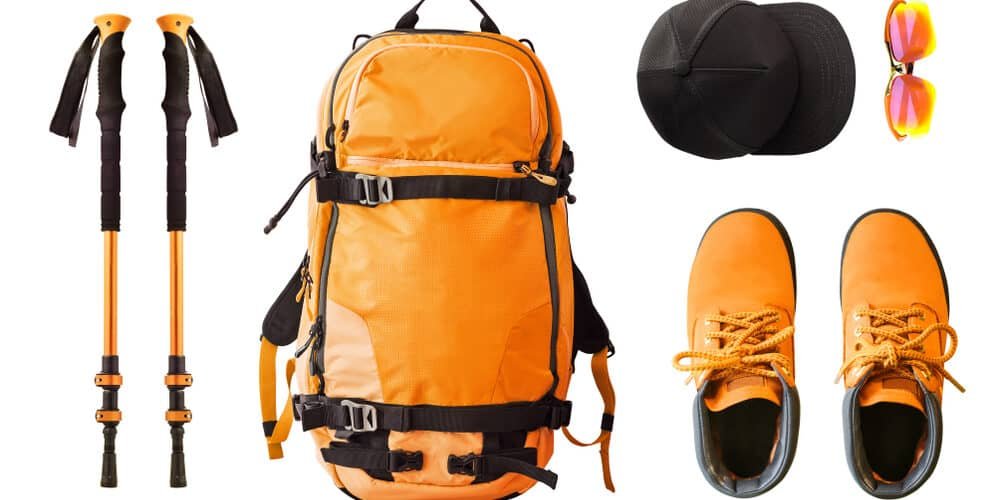
Your packing list for a Coffee-to-Summit Kilimanjaro experience needs to cover both the cultural visits and the demanding mountain environment. While your tour operator will provide a detailed list, here are some key considerations:
- Clothing: Layering is critical. Thermal base layers, fleece mid-layers, and a waterproof/windproof outer shell are essential for the mountain. For cultural visits, pack comfortable, modest clothing suitable for village visits. A light jacket or sweater is useful for cooler evenings.
- Footwear: Sturdy, broken-in hiking boots are non-negotiable for the trek. Comfortable walking shoes or sandals are good for the coffee tours and evenings.
- Sun Protection: High SPF sunscreen, a wide-brimmed hat, and sunglasses are vital. The equatorial sun is intense at altitude.
- Hydration: Water bottles or a hydration reservoir. You’ll need to drink 3-4 liters of water daily on the mountain.
- Headlamp: Essential for summit night and navigating camp in the dark.
- Personal Items: Camera, power bank, personal first-aid kit, toiletries (biodegradable options are good for the environment), insect repellent (for lower altitudes during cultural visits).
- Documents: Passport, visa, travel insurance details, vaccination certificates.
- Money: Some US dollars or Tanzanian Shillings for tips and personal expenses.
Remember that porters will carry the bulk of your gear on the mountain, but you’ll need a comfortable daypack for essentials. For the cultural phase, packing lighter and more casual items is appropriate.
Fitness and Preparation
Physical fitness is paramount for any Kilimanjaro climb, and the Coffee-to-Summit Kilimanjaro experience is no different. While the cultural days involve light activity, the trek demands significant cardiovascular endurance and leg strength. Focus on:
- Cardiovascular Training: Regular aerobic exercise like running, cycling, swimming, or brisk walking for at least 3-4 times a week for several months leading up to your trip.
- Strength Training: Exercises targeting legs and core, such as squats, lunges, and planks, will build resilience.
- Hiking Practice: If possible, undertake long hikes, especially with a weighted backpack, to simulate trekking conditions.
- Mental Preparedness: Understand that Kilimanjaro is a mental challenge as much as a physical one. The Coffee-to-Summit Kilimanjaro experience can help build mental fortitude through cultural engagement.
Good physical preparation will enhance your ability to enjoy both the cultural activities and the trek itself, making your 2026 or 2027 adventure more comfortable and successful.
Logistics and Booking Your Coffee-to-Summit Kilimanjaro Experience
Securing the right tour operator and understanding the logistical nuances are critical for a smooth and rewarding Coffee-to-Summit Kilimanjaro experience. Planning ahead, especially for popular travel windows in 2026 and 2027, is essential.
When to Go: Optimal Seasons for 2026-2027
Kilimanjaro has two main climbing seasons, characterized by drier weather:
- January to March: Generally dry and warm, with good visibility. This is a popular time.
- June to October: Cooler but also dry, with clear skies. This is another peak season, often preferred by those seeking milder temperatures.
The Coffee-to-Summit Kilimanjaro experience can be enjoyed during these periods. However, the lower altitude cultural portions might experience rain during shoulder months. The shoulder seasons (April-May and November) are wetter and less predictable, often resulting in fewer climbers and potentially lower prices, but the cultural activities might be affected by rain. For 2026 and 2027, booking during the peak seasons is advisable for the best weather, but consider the shoulder seasons for a potentially more solitary experience. Always check weather patterns closer to your planned travel dates.
Operator Selection Criteria
Choosing a reputable tour operator is paramount for safety, ethical practices, and overall experience. For a Coffee-to-Summit Kilimanjaro adventure, look for operators who:
- Specialize in Kilimanjaro: Deep knowledge of the mountain, routes, and safety protocols.
- Offer Integrated Cultural Experiences: Clearly outline how they incorporate Chagga coffee culture, not just as an afterthought.
- Prioritize Safety: Have well-trained guides, adequate emergency equipment (including oxygen), and robust safety procedures. Check their staff-to-client ratios.
- Have Ethical Staff Policies: Ensure fair wages and good working conditions for porters and guides. This is a significant aspect of responsible tourism.
- Provide Excellent Support: Offer comprehensive pre-trip information, clear communication, and responsive customer service.
- Have a Proven Track Record: Look for reviews and testimonials, especially regarding Kilimanjaro climbs and cultural tours.
Companies like Climb 4 Africa, with their local expertise and focus on comprehensive experiences, are well-suited for planning this specific type of trip for 2026 and 2027.
Inclusions and Exclusions to Verify
When comparing quotes for your Coffee-to-Summit Kilimanjaro experience, scrutinize what is included and excluded. Common inclusions are:
- Trek Inclusions: Park fees, rescue fees, camping/hut fees, meals on the mountain, experienced guides, assistant guides, porters, cook, tents, sleeping mats.
- Cultural Inclusions: Guided coffee tour, village visits, transport to/from the mountain and cultural sites, meals during the cultural phase, accommodation during the cultural phase (lodge or homestay).
- Exclusions: Flights, visa fees, travel insurance, personal gear (sleeping bag, warm clothing), tips for guides and porters, personal expenses, meals and drinks not specified in the itinerary, pre- or post-trek accommodation.
Crucially, verify that park fees and rescue fees are included, as these are substantial costs. Ensure clarity on the accommodation standards for both the cultural phase and on the mountain. For 2026 and 2027 bookings, getting a detailed breakdown is essential.
Cost Factors and Budgeting
The cost of a Coffee-to-Summit Kilimanjaro experience is generally higher than a standard trek due to the added cultural component, accommodation, and guided activities. Key cost factors include:
- Trek Duration: Longer treks (8-9 days) cost more than shorter ones (7 days) due to additional park fees and staff days.
- Route Choice: Some routes have higher park fees or require more logistical support.
- Operator Standard: Premium operators with higher safety standards, better equipment, and better staff welfare policies typically charge more.
- Accommodation: The quality of lodges used during the cultural phase impacts the price.
- Group Size: Private treks are more expensive per person than joining a group.
- Inclusions: A comprehensive package with more inclusions will be pricier.
Expect the cost to range broadly, but a good estimate for a quality Coffee-to-Summit Kilimanjaro experience in 2026-2027, including the cultural immersion and a 7-9 day trek, might fall between $2,500 – $4,500 USD per person. This is a guideline; obtaining a personalized quote is the best approach. Remember to budget separately for flights, visas, insurance, gear, and tips.
Maximizing Your Coffee-to-Summit Adventure
To truly make the most of your Coffee-to-Summit Kilimanjaro experience, consider the nuances of cultural interaction, environmental responsibility, and post-climb possibilities. These elements transform a great trip into an unforgettable one.
Cultural Etiquette and Respect
When engaging with the Chagga community, showing respect for their customs and traditions is paramount. This is not just about politeness; it enhances your experience and fosters positive relationships.
- Dress Modestly: Especially when visiting villages or homes. Avoid overly revealing clothing.
- Ask Before Photographing: Always seek permission before taking pictures of people, especially elders or children.
- Learn Basic Phrases: A few words in Swahili (like ‘Jambo’ for hello, ‘Asante’ for thank you) go a long way.
- Be Open and Curious: Engage with locals, ask thoughtful questions, and be genuinely interested in their way of life.
- Support Local Economy: If opportunities arise, purchase local crafts or coffee directly from farmers.
- Follow Your Guide’s Lead: Your local guide will be invaluable in navigating cultural nuances and ensuring you interact appropriately.
These practices are integral to the spirit of the Coffee-to-Summit Kilimanjaro experience, fostering mutual respect and understanding.
Environmental Stewardship On and Off the Mountain
Responsible tourism is key, both in the coffee-growing regions and on Kilimanjaro itself. The Chagga’s traditional farming methods often embody sustainability, and this ethos should extend to your trekking practices.
- Leave No Trace: Pack out everything you pack in. Avoid littering on trails or in villages.
- Conserve Water: Water is a precious resource, especially at higher altitudes. Use it mindfully.
- Respect Wildlife: Observe animals from a distance and never feed them.
- Stay on Trails: To minimize erosion and protect vegetation.
- Support Sustainable Practices: Choose operators who demonstrate a commitment to environmental protection and ethical treatment of staff.
- Biodegradable Products: Use biodegradable soaps and toiletries where possible.
Your Coffee-to-Summit Kilimanjaro adventure is an opportunity to witness and contribute to a sustainable relationship with the environment and local culture.
Post-Climb Options and Further Exploration
After successfully reaching Uhuru Peak and descending, your journey in Tanzania doesn’t have to end. Many travelers extend their trip to explore more of what this incredible country has to offer.
- Tanzania Safari: Combine your Kilimanjaro climb with a wildlife safari in iconic parks like the Serengeti, Ngorongoro Crater, or Tarangire National Park. This offers a contrasting but equally spectacular experience. Group safari departures are available for 2026 and 2027.
- Zanzibar Holiday: Relax on the pristine beaches of Zanzibar, explore the historic Stone Town, and enjoy water sports. It’s the perfect way to recover after a challenging trek.
- Local Exploration: Spend more time in Arusha or Moshi, visiting local markets, cultural heritage centers, or exploring nearby natural attractions like waterfalls.
Integrating these options with your Coffee-to-Summit Kilimanjaro experience can create a comprehensive East African adventure for your 2026 or 2027 travel plans.
Why Choose Climb 4 Africa for Your Coffee-to-Summit Kilimanjaro Experience?
For an unparalleled Coffee-to-Summit Kilimanjaro experience that authentically blends the rich Chagga coffee culture with a safe and successful Kilimanjaro trek, partnering with a specialist operator is essential. Climb 4 Africa stands out for several key reasons:
- Local Expertise: As a Tanzanian-based company, we possess deep, on-the-ground knowledge of Kilimanjaro and the surrounding cultural landscapes. Our guides are not just mountain professionals; they are often from the Chagga community themselves, offering unparalleled insight.
- Integrated Cultural Programs: We have meticulously designed our Coffee-to-Summit itineraries to provide a genuine and respectful immersion into Chagga life and coffee traditions, ensuring this is a core part of your journey, not an add-on.
- Safety First: Your safety is our absolute priority. We adhere to stringent safety protocols, equip our teams with necessary medical supplies including oxygen, and ensure our guides are highly trained in altitude medicine and rescue.
- Ethical Trekking: We are committed to the fair treatment and welfare of our porters and guides, adhering to KPAP (Kilimanjaro Porter Assistance Project) standards or similar, ensuring your climb supports the local community responsibly.
- Tailored Experiences: We understand that every traveler is unique. We excel at crafting tailor-made itineraries for 2026 and 2027, adjusting durations, routes, and cultural activities to perfectly match your interests and fitness levels.
- Comprehensive Support: From your initial inquiry to your final descent, we provide clear, detailed information, responsive communication, and practical support every step of the way.
We invite you to connect with us to discuss your dream Coffee-to-Summit Kilimanjaro experience. Whether you’re planning for 2026 or 2027, let’s craft an adventure that honors the land, its culture, and your personal journey to the summit. Reach out via WhatsApp at +255 747 477 898 or email us at climb4africa@gmail.com to begin planning.
“,
“faq_schema”: [
{
“question”: “What makes the Coffee-to-Summit Kilimanjaro experience different from a standard trek?”,
“answer”: “The Coffee-to-Summit Kilimanjaro experience uniquely integrates a cultural immersion into the Chagga coffee farming traditions of Tanzania’s northern highlands with the physical challenge of climbing Mount Kilimanjaro. This means spending time learning about coffee cultivation, local life, and hospitality before or during the initial stages of your trek, offering a deeper connection to the destination and a gentler acclimatization.”
},
{
“question”: “When is the best time to undertake a Coffee-to-Summit Kilimanjaro trip in 2026 or 2027?”,
“answer”: “The best times to climb Kilimanjaro, and thus undertake the Coffee-to-Summit experience, are during the dry seasons: January to March and June to October. These periods offer the clearest skies and most stable weather for both the cultural activities and the trek itself. Planning for 2026 or 2027 during these windows is highly recommended.”
},
{
“question”: “How long does a typical Coffee-to-Summit Kilimanjaro experience last?”,
“answer”: “A typical Coffee-to-Summit Kilimanjaro experience usually involves 2-3 days for the cultural immersion (coffee tours, village visits) followed by a 7 to 9-day trek on Kilimanjaro. This brings the total trip duration to around 9-12 days, allowing for proper acclimatization and a more comprehensive cultural engagement.”
},
{
“question”: “What level of fitness is required for the Coffee-to-Summit Kilimanjaro experience?”,
“answer”: “A good level of cardiovascular fitness is essential for the Kilimanjaro trek portion. While the cultural days are less demanding, the climb requires endurance for long trekking days and significant altitude gain. Regular aerobic exercise and some strength training in the months leading up to your trip are highly recommended for your 2026 or 2027 adventure.”
},
{
“question”: “What are the main costs associated with a Coffee-to-Summit Kilimanjaro trip?”,
“answer”: “The main costs include the tour operator package (which covers park fees, guides, porters, food, and accommodation on the mountain and during cultural days), flights to Kilimanjaro International Airport (JRO), visa fees, travel insurance, personal trekking gear, tips for the crew, and any personal expenses. For 2026-2027, expect package prices to range roughly from $2,500 to $4,500 USD per person, depending on duration and operator.”
},
{
“question”: “Can I combine the Coffee-to-Summit Kilimanjaro experience with a safari or Zanzibar trip?”,
“answer”: “Absolutely. Many travelers choose to extend their Tanzanian adventure by adding a wildlife safari in parks like the Serengeti or Ngorongoro Crater, or a relaxing holiday on the beaches of Zanzibar. These combinations are popular for 2026 and 2027 travel plans and can be arranged with specialist operators.”
}
]
}
“`
Check Availability for Coffee-To-Summit Kilimanjaro Experience – Chagga Coffee Culture + Mountain
Ready to compare dates, prices, and the best option for your group? Send the package name and travel month so the team can reply with a clear quote, availability, and what is included.
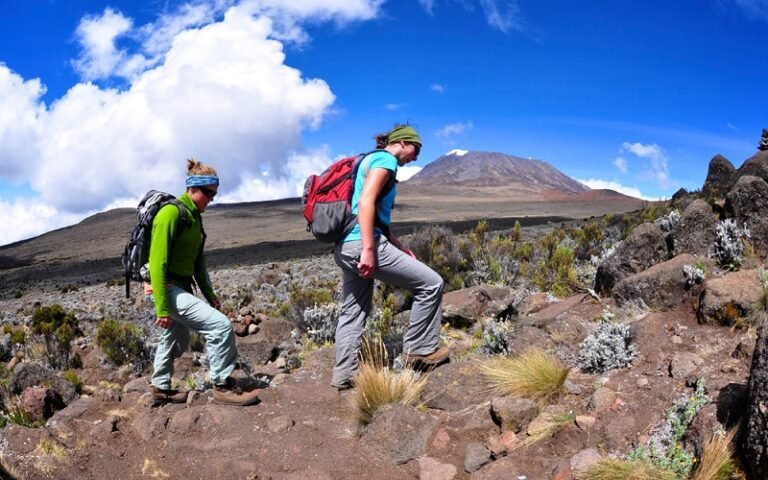
Kilimanjaro And Mara River Crossing Safari August : Peak Season Adventure 2027
Combining the ultimate challenge of climbing Mount Kilimanjaro with the awe-inspiring spectacle of the Great Migration river crossing in the Maasai Mara offers an unparalleled African...
View package details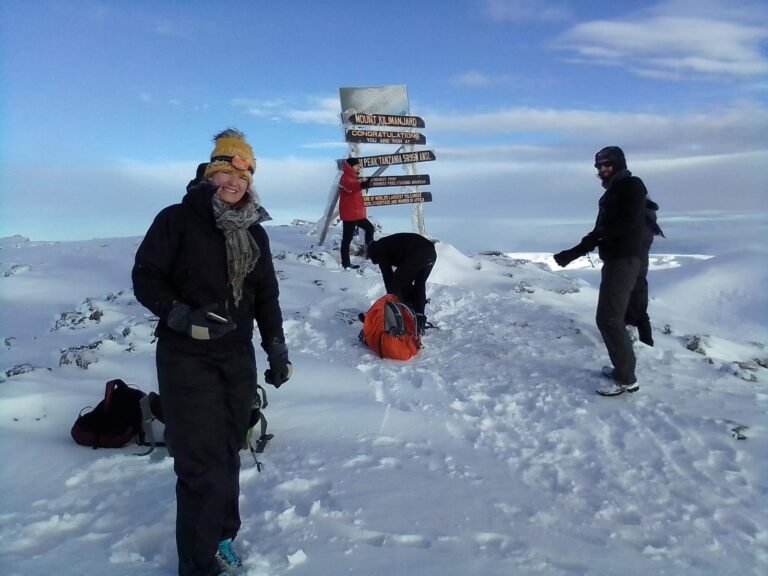
Kilimanjaro 8 May : Experience A Low-Crowd Group Trek 2027
Discover the unique advantages of joining a low-crowd group trek on Kilimanjaro on May 8, 2027. This departure offers a more intimate climbing experience, focusing on safety...
View package detailsEaster Sunday Kilimanjaro Summit – 28 March Trekking Adventure 2027
start an extraordinary journey to the Roof of Africa by aiming for the summit of Kilimanjaro on Easter Sunday, March 28, 2027. This unique timing offers a blend of spiritual significance...
View package details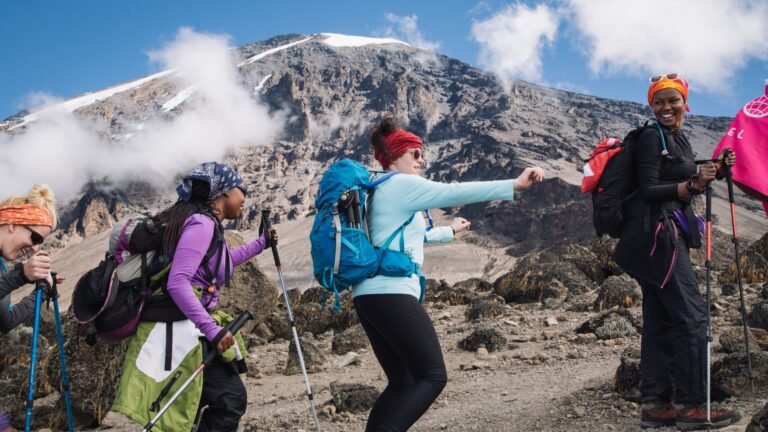
Kilimanjaro 1 May : Your Day Mountain Adventure Awaits 2027
start an unforgettable Kilimanjaro 1 May 2027 adventure. This guide details everything you need to know for a successful May Day climb, from route selection to essential preparation.
View package details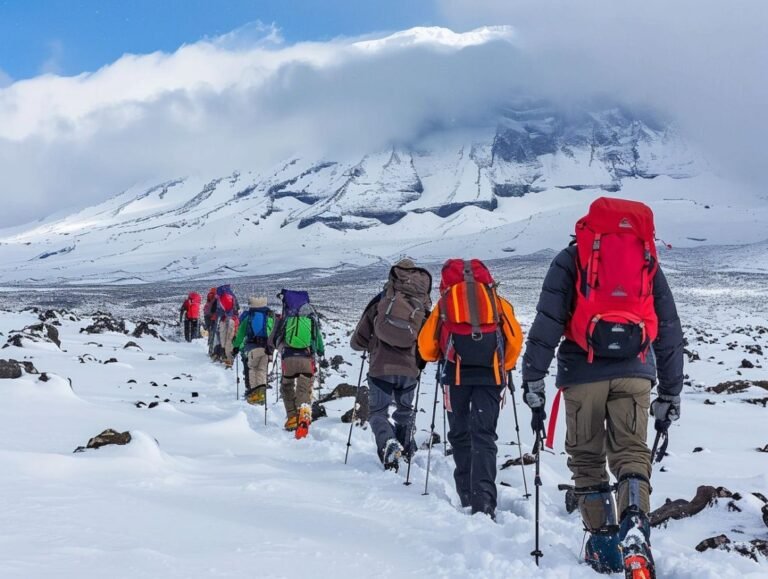
Kilimanjaro Full Moon Climb August – Summit Around 17 2027
start an unforgettable Kilimanjaro Full Moon Climb in August 2027, targeting a impressive summit on or around August 17th. This guide covers optimal routes, August conditions, and essential...
View package details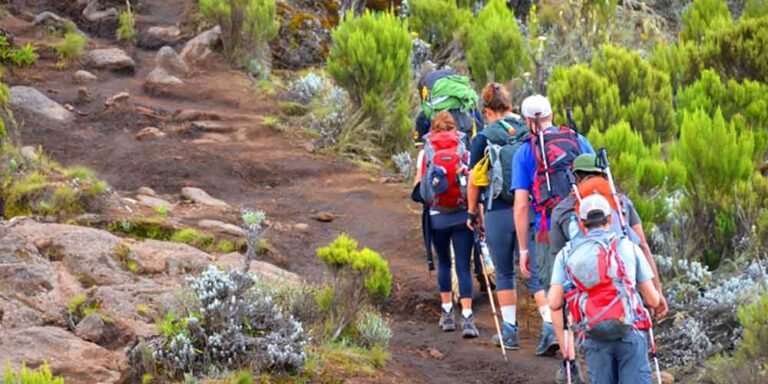
Northern Circuit – 8 August Quiet Peak-Season Trek On Kilimanjaro 2027
Explore the Northern Circuit route for your Kilimanjaro climb on August 8, 2027. This detailed guide covers why it's a preferred choice for a quieter, more scenic, and high-success-rate...
View package detailsKilimanjaro Full Moon Climb July – Summit Around 18 2027
start an unforgettable Kilimanjaro full moon climb in July 2027, targeting a summit on or around July 18th. This guide details the unique advantages of a full moon ascent, optimal routes...
View package detailsNorthern Circuit – 5 July Long Kilimanjaro Trek 2027
Northern Circuit – 5 July 2027 Long Kilimanjaro Trek is explained with current 2027 planning, price, itinerary and booking information.
View package details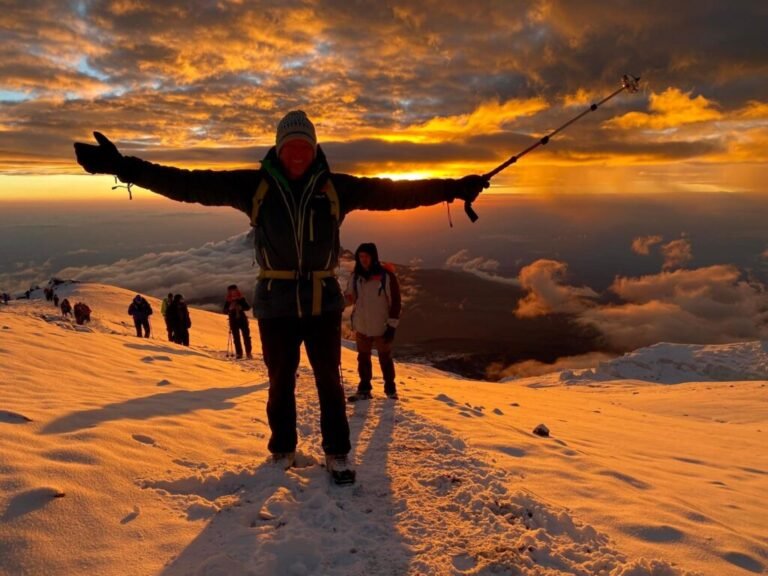
July 4Th Kilimanjaro Climb – Your Us Independence Holiday Trek 2027
Climb Kilimanjaro over the US Independence Day holiday in 2027. This guide covers planning, routes, and what to expect for a memorable July 4th trek.
View package detailsKilimanjaro Full Moon Climb June : Summiting Under The Moonlight On 19Th 2027
start an unforgettable Kilimanjaro Full Moon Climb in June 2027, with the peak aiming for the night of June 19th. This guide explores the magic of summiting under the full moon, optimal...
View package details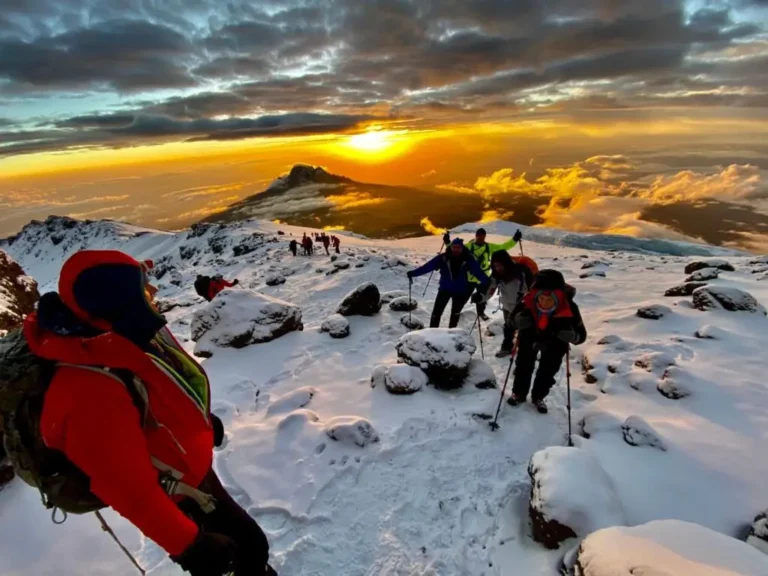
Northern Circuit Kilimanjaro – 2 June Group Trek With Climb 4 Africa 2027
Discover the Northern Circuit Kilimanjaro trek departing on June 2, 2027. This detailed guide covers the route, acclimatization, what to expect, and how to prepare for this unique group...
View package details
Memorial Day Kilimanjaro Climb – Your Us Holiday Trek Plan 2027
Dreaming of summiting Kilimanjaro on Memorial Day 2027? This guide details how to make your US holiday trek a reality, covering routes, timing, and essential planning with Climb 4 Africa.
View package detailsNo related package matches those filters. Clear one or more filters to see the other topic-matched options.



