
A Kilimanjaro Sunrise Summit Photography Trek – Private Golden-Hour Climb is an exclusive trekking experience designed for photographers and adventurers seeking to capture the iconic dawn from Africa’s highest peak. It focuses on reaching Stella Point or Uhuru Peak just before sunrise, allowing ample time for golden-hour photography, often via routes like the 7-day Machame or Lemosho, with private group arrangements ensuring personalized support and flexibility for your 2026-2027 climb.
The allure of Kilimanjaro’s summit at dawn is undeniable. For photographers, it’s a dream canvas painted with the first light of day, casting long shadows across the African continent and illuminating the vast volcanic crater. A private golden-hour climb elevates this experience, offering dedicated guides, tailored pacing, and the solitude needed to truly experience the moment and capture impressive images. This specialized trek focuses not just on reaching the summit, but on the photographic opportunities presented during the crucial pre-dawn and sunrise hours.
Understanding the Kilimanjaro Sunrise Photography Trek
A Kilimanjaro Sunrise Summit Photography Trek is more than just a climb; it’s an expedition meticulously planned around capturing the dawn. The primary objective is to stand at or near the summit (Uhuru Peak or Stella Point) as the sun begins its ascent, bathing the landscape in warm, golden light. This requires a strategic summit push, typically beginning in the very early hours of summit day (around midnight to 2 AM), allowing climbers to descend through the magical alpine glow as they make their way down.
The ‘private’ aspect means your group will have exclusive use of guides, porters, and a cook, providing a level of personalized attention that shared climbs cannot match. This is invaluable for photographers who may need extra time for shots, specific breaks for light, or simply a more comfortable and less crowded experience. The ‘golden-hour’ focus emphasizes the period just before and during sunrise, when the light is soft, warm, and highly dramatic, perfect for landscape and portrait photography against the stark, high-altitude environment.
Unlike a standard trek where the focus is solely on reaching the top and descending, this specialized trek integrates photography at its core. This means guides are briefed on photographic needs, itineraries might be adjusted slightly for optimal light, and the overall pace is managed to accommodate the demands of capturing stunning visuals. For your 2026-2027 adventures, this offers a unique way to experience Kilimanjaro.
Why a Private Golden Hour Climb?
Choosing a private golden-hour climb for your Kilimanjaro sunrise photography trek offers distinct advantages, particularly when compared to joining a larger, shared group. The primary benefit is control and flexibility. You dictate the pace, allowing your photographer(s) to stop for extended periods to capture specific light conditions or compositions without feeling rushed by other trekkers. This is crucial for golden-hour photography, where timing and patience are key.
Secondly, personalized support is paramount. A private team of guides, porters, and a chef ensures that your specific needs are met. This includes assistance with carrying photography gear, which can be substantial, and ensuring you are well-fed and hydrated, especially during the demanding summit night. Your guides can also be briefed to identify prime photographic locations and optimal viewpoints for the sunrise, acting as an extension of your photographic eye.
Privacy and comfort are also significant factors. A private trek means your group’s dynamics, energy levels, and specific requests are the priority. This can lead to a more relaxed and enjoyable experience, reducing stress and allowing for deeper immersion in the mountain environment. For those serious about capturing the Kilimanjaro sunrise, the dedicated focus of a private climb ensures the best possible conditions for both the ascent and the photographic opportunities.
Furthermore, when planning for 2026-2027, booking a private climb often allows for easier coordination of specific dates that might align with optimal weather windows or personal schedules, without being constrained by pre-set group departure dates.
Optimal Routes for Sunrise Photography
Selecting the right route is critical for maximizing your chances of a successful Kilimanjaro sunrise photography trek. The goal is to arrive at the crater rim (Stella Point or Uhuru Peak) in the pre-dawn darkness, ready to witness and photograph the sunrise. Routes that offer good acclimatization profiles and allow for a summit push that culminates in the early morning are ideal. For a private golden-hour climb, longer routes are generally preferred due to their higher success rates and better acclimatization benefits, which are vital for enjoying the summit experience and having the energy for photography.
Here are the most recommended routes for a Kilimanjaro sunrise photography trek:
The Lemosho Route (7-8 Days)
The Lemosho route is often considered the best overall for acclimatization, scenery, and wildlife viewing in its early stages. It’s a longer route, typically 7 or 8 days, which significantly increases success rates. The 8-day Lemosho variation provides an extra day for acclimatization, which is invaluable for the demanding summit night. The final ascent to Stella Point is usually done from the Barafu Camp, a common strategy for most routes, allowing you to reach the rim in the early morning hours for the sunrise. The stunning views from the western side of the mountain as you ascend and descend are also a photographer’s delight.
The Machame Route (7 Days)
Known as the ‘Whiskey Route’, Machame is a popular choice due to its excellent acclimatization profile and scenic beauty. It’s a challenging route, but a 7-day itinerary is highly recommended for a private sunrise climb. This duration allows for a slower pace and better acclimatization compared to shorter versions. Similar to Lemosho, the summit push from Barafu Camp is timed for pre-dawn arrival at the crater rim, perfect for capturing the golden hour. The Machame route offers diverse landscapes, from rainforest to alpine desert, providing varied photographic opportunities.
The Northern Circuit (9-10 Days)
If time and budget allow, the Northern Circuit is the longest and arguably the best route for acclimatization, offering a 360-degree circuit of the mountain. Its 9 or 10-day duration provides ample time to adapt to the altitude, significantly increasing the chances of a comfortable and enjoyable summit experience. This extended acclimatization is a photographer’s best friend, ensuring you have the energy and mental clarity to focus on capturing the sunrise. The route offers unique vistas and fewer crowds.
Why these routes for photography? They generally involve camping at higher altitudes for longer periods, with the final approach to the summit typically starting from Barafu Camp (around 4,600m). This strategy positions you perfectly to reach Stella Point (5,756m) or Uhuru Peak (5,895m) between 5:30 AM and 7:00 AM, right in time for the prime golden-hour photography window. Shorter routes, while possible, increase the risk of altitude sickness and may not allow for the necessary acclimatization needed to fully enjoy and photograph the summit sunrise.
When planning your Kilimanjaro Sunrise Summit Photography Trek for 2026 or 2027, consider these longer routes for the best balance of success, acclimatization, and photographic potential. A private golden-hour climb on any of these will enhance your experience.
Photography Considerations for Kilimanjaro Summit
Capturing stunning images on Kilimanjaro, especially during the critical summit sunrise, requires careful thought about gear, technique, and the unique environmental challenges. The altitude, extreme cold, and low light conditions present specific hurdles that even experienced photographers need to prepare for.
Gear Selection:
- Camera Body: A reliable DSLR or mirrorless camera is essential. Consider one that performs well in low light and is relatively robust.
- Lenses: A versatile zoom lens (e.g., 24-70mm equivalent) is often the most practical choice, covering wide landscapes and tighter compositions. A fast prime lens (e.g., 35mm or 50mm f/1.8) can be excellent for low-light conditions if you have the capacity to carry it.
- Tripod: A lightweight, sturdy travel tripod is crucial for low-light shots and long exposures during sunrise. Ensure it’s stable enough to withstand wind.
- Batteries: Cold drains batteries rapidly. Bring at least 3-4 fully charged spare batteries. Keep them warm in an inside pocket when not in use.
- Memory Cards: Carry plenty of high-capacity memory cards. You don’t want to run out of space during the most photogenic moments.
- Filters: A polarizing filter can help manage glare, and a neutral density (ND) filter might be useful for capturing cloud movement if conditions are right.
- Cleaning Kit: Lens cloths, a blower, and a lens pen are vital for keeping dust and moisture off your gear.
Technical Challenges and Solutions:
Low Light: The pre-dawn and sunrise hours are characterized by dim light. You’ll need to use wider apertures (lower f-numbers), higher ISO settings (though be mindful of noise), and potentially longer shutter speeds. A tripod is indispensable here. Shooting in RAW format will give you the most flexibility in post-processing to recover detail from shadows and highlights.
Extreme Cold: Temperatures on summit night can drop to -15°C to -20°C (5°F to -4°F), sometimes colder with wind chill. This affects camera batteries, LCD screens, and your ability to operate the camera with thick gloves. Keep batteries warm, use a camera glove or operate the camera with thin liner gloves. Ensure your camera has good weather sealing.
Altitude and Fatigue: At 5,895m (19,341 ft), fatigue is significant. Operating complex camera settings while exhausted and cold is difficult. Pre-planning your shots, setting your camera to an ‘easy’ mode, or using presets can help. Practice operating your camera with gloves on before your trek.
Composition and Light: The sunrise itself is the main event, but don’t forget the surrounding landscape. Look for foreground elements like volcanic rocks, snow formations, or even silhouettes of fellow climbers to add depth. The alpine glow on the mountain’s contours and the vastness of the crater rim are spectacular subjects. Experiment with different angles and perspectives.
Focusing: Autofocus can struggle in low light. Use manual focus if necessary, perhaps focusing on a distant bright object or using the focus peaking feature if your camera has it. For star trails or Milky Way shots in the very early morning, manual focus is essential.
Drone Photography: While technically possible, drone use on Kilimanjaro is highly restricted and often prohibited by park authorities. It’s best to assume you cannot use a drone and focus on ground-based photography.
Capturing the Experience: Beyond landscapes, consider portraits of your climbing partners or guides against the dramatic backdrop. The exhaustion and triumph on their faces tell a powerful story.
For a Kilimanjaro Sunrise Summit Photography Trek, especially a private golden-hour climb in 2026 or 2027, mastering these considerations will significantly enhance the quality of your photographic output and your overall enjoyment of the summit experience.
Planning Your 2026-2027 Kilimanjaro Sunrise Trek
Successful planning for a Kilimanjaro Sunrise Summit Photography Trek, particularly a private golden-hour climb, requires attention to detail across several key areas. The years 2026 and 2027 offer excellent opportunities, but booking in advance is crucial, especially for private treks and peak seasons.
Best Time to Climb:
Kilimanjaro has two main dry seasons, which are ideal for climbing and offer the best chances for clear skies and good visibility for photography:
- January to March: Generally clear skies, but can be very cold. This period also offers chances for snow on the summit, which can add to the photographic drama.
- June to October: This is the longest dry season, offering stable weather and moderate temperatures. It’s a popular time, so booking for 2026-2027 should be done early.
Avoid the rainy seasons (April-May and November-December) if photography is a high priority, as cloud cover and poor visibility will significantly hinder sunrise views and landscape shots.
Choosing Your Itinerary Duration:
For a photography-focused trek, especially a private one aiming for the sunrise, longer is better. We strongly recommend a minimum of 7 days, with 8 days on Machame or Lemosho, or 9-10 days on the Northern Circuit being ideal. This allows for gradual acclimatization, reducing the risk of altitude sickness and increasing your chances of a successful and enjoyable summit. Better acclimatization means you’ll feel stronger, have more energy for photography, and be more present to capture the moments.
Booking Your Private Trek:
A private golden-hour climb means you’ll need to coordinate with a reputable tour operator like Climb 4 Africa. For 2026-2027 bookings, it’s advisable to inquire and book at least 6-12 months in advance, especially if you have specific date preferences or are traveling during peak season. Private treks can be arranged for any day of the year, offering flexibility, but popular dates fill up quickly.
Physical Preparation:
This trek is physically demanding. Start a consistent training program at least 3-6 months before your climb. Focus on cardiovascular fitness (hiking, running, cycling) and strength training, particularly for your legs and core. Practice hiking with a weighted backpack on varied terrain, simulating the conditions you’ll face. Stamina is key for the long summit night and descent.
Visa and Vaccinations:
Check visa requirements for Tanzania well in advance. Consult your doctor or a travel clinic about recommended vaccinations and malaria prophylaxis. Diamox (acetazolamide) is often recommended for altitude sickness prevention; discuss this with your doctor.
Travel Insurance:
Comprehensive travel insurance is non-negotiable. Ensure it covers high-altitude trekking (up to 6,000m), emergency medical evacuation (including helicopter rescue), trip cancellation, and lost/damaged equipment, especially valuable photography gear.
Pre-Trek Briefing:
Your tour operator should provide a thorough pre-trek briefing. This is your opportunity to clarify any doubts regarding the itinerary, gear, safety procedures, and specific photography considerations. For a Kilimanjaro Sunrise Summit Photography Trek, ensure your guides are aware of your photographic goals.
Budgeting:
While a private climb is more expensive than a shared one, the value in terms of personalized service, flexibility, and enhanced experience is significant. Factor in costs for the trek itself, flights, visa, insurance, vaccinations, personal gear, tips for the crew, and any post-trek activities like safaris or Zanzibar holidays. Understanding the inclusions and exclusions of your chosen package is vital.
By meticulously planning these aspects for your 2026 or 2027 adventure, you set yourself up for a successful and memorable Kilimanjaro Sunrise Summit Photography Trek.
Gear and Equipment for Photographers
Beyond standard trekking gear, photographers embarking on a Kilimanjaro Sunrise Summit Photography Trek will need to pack specific items to ensure their equipment functions optimally and they can capture the best possible images, especially during the demanding summit night. The key is balancing essential photography gear with the need to keep pack weight manageable for the porters and yourself.
Essential Photography Gear:
- Camera: DSLR or Mirrorless with good low-light performance.
- Lenses: A versatile zoom (e.g., 24-70mm) is a good starting point. Consider a fast prime if space allows.
- Batteries: 3-4 fully charged spares. Keep them warm in an inner pocket.
- Memory Cards: Multiple cards with ample storage.
- Tripod: Lightweight but sturdy travel tripod.
- Camera Bag/Insert: A comfortable, padded insert for your main backpack or a dedicated camera backpack that allows easy access.
- Lens Cleaning Kit: Microfiber cloths, lens pen, blower.
- Camera Glove: A specialized glove to keep your hands warm while operating the camera.
- Power Bank: For charging other devices, though camera batteries are the priority.
Clothing Considerations for Extreme Cold:
Summit night is brutally cold. Layering is key. You’ll need:
- Base Layers: Moisture-wicking thermal tops and bottoms (merino wool or synthetic).
- Mid Layers: Fleece jackets or insulated vests for warmth.
- Outer Layer: A waterproof and windproof jacket and trousers (Gore-Tex or similar).
- Insulation Layer: A down or synthetic insulated jacket for extreme cold, especially for summit night.
- Extremities:
- Headwear: A warm, insulated hat that covers your ears. A balaclava or neck gaiter is essential for protecting your face.
- Gloves: Multiple pairs. Thin liner gloves for dexterity (essential for camera operation), warm insulated gloves, and waterproof outer mittens for the summit.
- Socks: Several pairs of thick wool or synthetic hiking socks.
- Footwear: Broken-in, waterproof, insulated hiking boots. Gaiters are recommended to keep snow and debris out of your boots.
Other Essential Trekking Gear:
- Backpack: A 40-60 liter backpack for your personal items (layers, water, snacks, camera).
- Duffel Bag: A large, waterproof duffel bag (80-100 liters) for porters to carry your main camping gear.
- Sleeping Bag: A 4-season sleeping bag rated to at least -15°C (0°F).
- Sleeping Pad: For added insulation and comfort.
- Headlamp: With extra batteries. Crucial for navigating in the dark and for summit night.
- Water Bottles/Hydration Reservoir: At least 3 liters capacity. Insulated covers for reservoirs are recommended to prevent freezing.
- Sun Protection: High SPF sunscreen, lip balm with SPF, sunglasses (essential for snow glare), and a wide-brimmed hat or cap.
- First-Aid Kit: Personal medications, blister treatment, pain relievers, antiseptic wipes.
- Trekking Poles: Highly recommended for stability and reducing strain on joints, especially on descents.
- Toiletries: Biodegradable soap, toothbrush, toothpaste, wet wipes, hand sanitizer.
Packing Strategy for Photographers:
Consider how your photography gear will be carried. While porters carry the bulk of the weight, your camera and essential lenses are often carried by you or a dedicated porter if arranged. Ensure your daypack is comfortable and accessible. For summit night, all essentials, including spare batteries and camera, should be easily reachable within your daypack.
Tip for 2026-2027 Climbers: Test your gear thoroughly in cold conditions before you travel. Ensure your camera settings are dialed in and you’re comfortable operating it with gloves. A private golden-hour climb ensures your guides are aware of your needs, but being self-sufficient with your gear is paramount.
Acclimatization and Health for the Summit Push
A successful Kilimanjaro Sunrise Summit Photography Trek hinges on effective acclimatization and maintaining good health throughout the climb. The summit push, beginning late at night, is the most challenging phase, and being properly acclimatized is non-negotiable for both safety and enjoyment, especially when you want to focus on capturing the golden hour.
Understanding Altitude Sickness:
Altitude sickness (Acute Mountain Sickness – AMS) is caused by ascending too quickly, preventing your body from adapting to lower oxygen levels. Symptoms can range from mild headaches and nausea to severe, life-threatening conditions like High Altitude Pulmonary Edema (HAPE) and High Altitude Cerebral Edema (HACE). On Kilimanjaro, AMS is common, but severe cases are rare on well-managed treks.
The Principle of ‘Pole Pole’ (Slowly Slowly):
This Swahili phrase is the mantra for climbing Kilimanjaro. Ascending slowly allows your body to adjust to the decreasing oxygen pressure. Longer routes (7 days or more) are designed with this principle in mind, offering significantly better acclimatization profiles than shorter treks. For a private sunrise climb, this means your guides will manage the pace meticulously.
Key Acclimatization Strategies:
- Ascend High, Sleep Low: Whenever possible, trek to a higher altitude during the day and then descend to a lower camp to sleep. While not always perfectly achievable on Kilimanjaro’s defined routes, the principle guides the route planning of longer itineraries.
- Hydration: Drink plenty of water (3-4 liters per day). Dehydration can exacerbate AMS symptoms. Avoid alcohol and caffeine, which can dehydrate you.
- Nutrition: Eat well, even if your appetite is reduced by the altitude. High-carbohydrate meals are recommended.
- Pacing: Walk slowly and steadily. Take frequent short breaks. Listen to your body and communicate any symptoms to your guide immediately.
- Avoid Overexertion: Especially on summit night, the pace is slow and steady. Conserve energy.
Summit Night Strategy for Sunrise Photography:
The summit push typically starts around midnight from Barafu Camp (approx. 4,600m). You’ll climb through the night in darkness, aiming to reach Stella Point (5,756m) around 5:30 AM – 6:30 AM, in time for the sunrise. Uhuru Peak (5,895m) is about an hour further. Your guides will monitor your condition constantly. They will:
- Check your oxygen saturation and pulse regularly.
- Assess your symptoms for any signs of AMS.
- Manage the pace strictly.
- Ensure you are eating and drinking small amounts frequently.
For photographers, this means being prepared to operate your camera in extreme cold and darkness, often while moving slowly. Having your camera ready in an easily accessible pocket of your daypack is crucial. You might only have brief opportunities to set up for a shot, so pre-visualization is key.
Health and Medical Considerations:
- Consult Your Doctor: Discuss altitude sickness prevention and treatment with your doctor. They may prescribe Acetazolamide (Diamox).
- Pre-existing Conditions: If you have any heart, lung, or other serious medical conditions, consult your doctor before booking. Kilimanjaro is not suitable for everyone.
- Emergency Evacuation: Ensure your travel insurance covers emergency medical evacuation, including helicopter rescue. All reputable operators will have oxygen cylinders and first-aid kits on the mountain.
- Hygiene: Maintain good hygiene to prevent common travel illnesses.
A private golden-hour climb allows your guides to focus entirely on your group’s well-being and photographic objectives. This dedicated attention is invaluable for managing acclimatization and health during the demanding Kilimanjaro Sunrise Summit Photography Trek, ensuring you can safely enjoy the extraordinary experience of summiting at dawn in 2026-2027.
Booking Your Private Sunrise Climb
Securing your Kilimanjaro Sunrise Summit Photography Trek – Private Golden-Hour Climb for 2026-2027 involves a few key steps to ensure you book with a reputable operator and get the best possible experience. Given the specialized nature of this trek, choosing the right partner is paramount.
Why Choose Climb 4 Africa for Your Private Trek?
As a specialist Kilimanjaro operator with deep local expertise, Climb 4 Africa understands the nuances of creating exceptional trekking experiences. We pride ourselves on:
- Experienced Local Guides: Our guides are highly trained, certified, and possess extensive knowledge of Kilimanjaro’s routes, weather patterns, and altitude management. Many are photographers themselves or understand the needs of photographers.
- Safety First Approach: We prioritize your safety with well-equipped medical kits, oxygen supplies, and strict protocols for altitude sickness management. Our guides are trained in wilderness first aid.
- Personalized Service: For a private trek, we tailor the experience to your group’s needs. This includes flexible pacing, specific meal requests, and accommodating photography stops.
- Ethical Porter Treatment: We are committed to fair wages and ethical treatment of our mountain crew, ensuring they are well-equipped and cared for.
- Comprehensive Inclusions: Our packages are designed to be transparent, covering most essential aspects of the climb to minimize hidden costs.
What to Expect When Booking a Private Climb:
1. Inquiry and Consultation: Reach out to us with your desired dates for 2026 or 2027, group size, and any specific requirements (like a dedicated photography focus). We’ll provide detailed information on suitable routes, itinerary options, and answer all your questions.
2. Itinerary Customization: Based on your preferences, we will help you select the optimal route and duration. For a sunrise photography trek, we’ll emphasize routes like Machame or Lemosho (7-8 days) or the Northern Circuit (9-10 days) to ensure excellent acclimatization.
3. Quotation and Inclusions: You will receive a detailed quotation outlining what is included (e.g., park fees, crew wages, meals, tents, transfers) and what is excluded (e.g., flights, visa, insurance, tips, personal gear, optional extras like sleeping bag rental).
4. Booking Process: Once you are happy with the proposal, a deposit will be required to confirm your booking. We will then send you a booking confirmation and further pre-departure information.
5. Pre-Departure Support: We provide comprehensive packing lists, training advice, and answer any last-minute queries you may have leading up to your departure.
Key Considerations Before Booking:
- Operator Reputation: Research potential operators. Look for reviews on platforms like TripAdvisor and check their safety records and ethical practices.
- Inclusions vs. Exclusions: Understand exactly what your package covers. Park fees alone are a significant cost. Ensure your quote is comprehensive.
- Crew Tips: Tipping the guides, porters, and cooks is customary and expected. Clarify recommended tipping amounts with your operator.
- Emergency Fund: Have access to funds for unforeseen circumstances or emergencies.
To begin planning your unforgettable Kilimanjaro Sunrise Summit Photography Trek – Private Golden-Hour Climb for 2026 or 2027, or to discuss tailoring a safari or Zanzibar holiday around your climb, please contact us:
WhatsApp: +255 747 747 898
Email: climb4africa@gmail.com
We are here to help you craft the perfect adventure, ensuring every detail is managed so you can focus on the incredible journey and the impressive summit sunrise.
Check Availability for Kilimanjaro Sunrise Summit Photography Trek – Private Golden-Hour Climb
Ready to compare dates, prices, and the best option for your group? Send the package name and travel month so the team can reply with a clear quote, availability, and what is included.
Kilimanjaro Family & Teen Summit Adventure – Private Multi-Generation Trek
Kilimanjaro Family & Teen Summit Adventure – Private Multi-Generation Trek is explained with current 2026-2027 planning, price, itinerary and booking.
View package details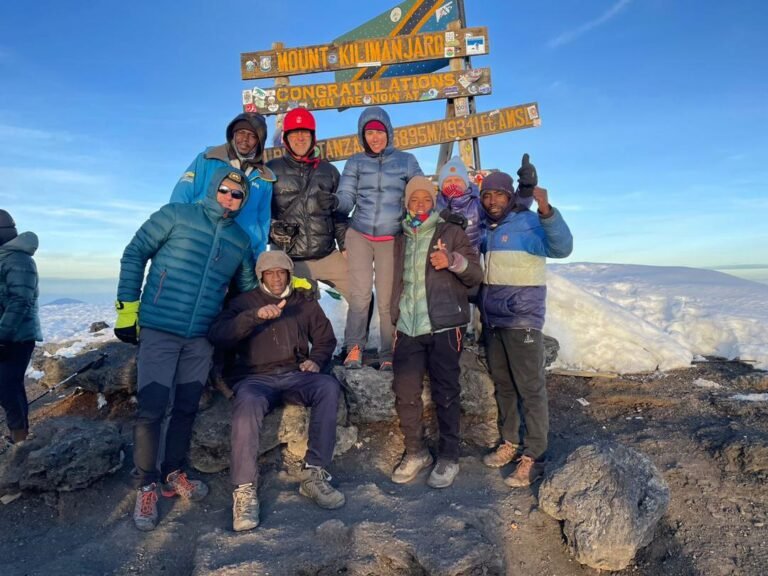
Kilimanjaro Luxury Private Camp Expedition – Premium Summit Trek 2026-2027
Kilimanjaro Luxury Private Camp Expedition – Premium Summit Trek 2026-2027 is explained with current 2026-2027 planning, price, itinerary and booking.
View package details
Kilimanjaro Photography Expedition: Glaciers, Stars, Summit Landscapes & More
start a Kilimanjaro Photography Expedition to capture its iconic glaciers, impressive starry skies, and dramatic summit landscapes. This guide details how to best prepare for and execute...
View package details
Kilimanjaro Women-Only Summit Expedition – Private Female Adventure Group
Discover the ultimate Kilimanjaro Women-Only Summit Expedition, designed for private female adventure groups. This comprehensive guide covers everything you need to know for a successful...
View package details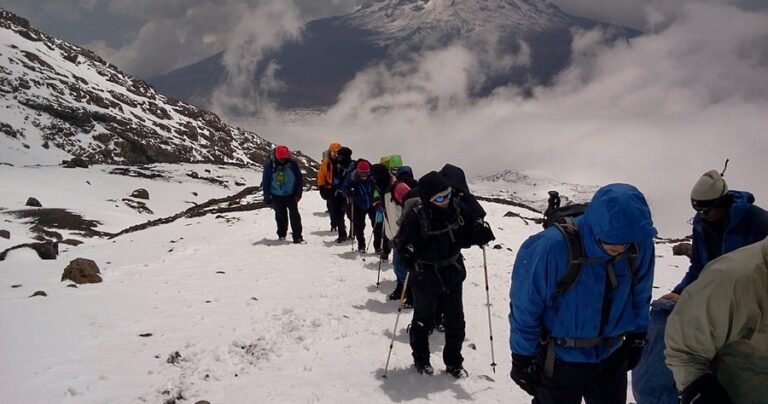
Kilimanjaro Honeymoon Private Climb + Safari + Zanzibar – Ultimate Tanzania
Kilimanjaro Honeymoon Private Climb + Safari + Zanzibar – Ultimate Tanzania Romance Adventure is explained with current 2026-2027 planning, price, itinerary.
View package detailsKilimanjaro Summit + Hot Springs Recovery Adventure – Climb Then Relax In
Combine the thrill of conquering Kilimanjaro's summit with the deep relaxation of natural hot springs. This guide details the ultimate adventure for trekkers seeking both challenge and...
View package details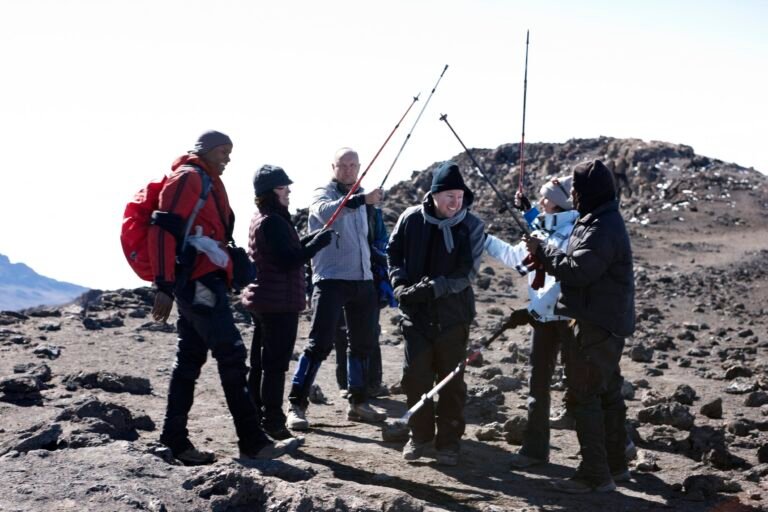
Kilimanjaro Trek + Paragliding + Safari Multi-Adventure: Climb, Fly & Explore
This comprehensive guide details the ultimate Kilimanjaro Trek + Paragliding + Safari Multi-Adventure, offering insights for planning your 2026-2027 expedition. Discover how to climb...
View package details
Kilimanjaro Accessible Foothills Scenic Tour – Mountain Views Without A
Kilimanjaro Accessible Foothills Scenic Tour – Mountain Views without a Summit Climb is explained with current 2026-2027 planning, price, itinerary and.
View package detailsCoffee-To-Summit Kilimanjaro Experience – Chagga Coffee Culture + Mountain
Coffee-to-Summit Kilimanjaro Experience – Chagga Coffee Culture + Mountain Trek is explained with current 2026-2027 planning, price, itinerary and booking.
View package detailsKilimanjaro Trek & Wellness Recovery Retreat: Summit, Massage, Spa & Rest
Discover how to integrate a rejuvenating wellness retreat with your Kilimanjaro climb. This guide covers post-summit recovery options, including massage, spa treatments, and essential rest...
View package detailsKilimanjaro Slow-Pace Acclimatization Trek – Extended Route For A Gentler
Kilimanjaro Slow-Pace Acclimatization Trek – Extended Route for a Gentler Climbing Pace is explained with current 2026-2027 planning, price, itinerary and.
View package details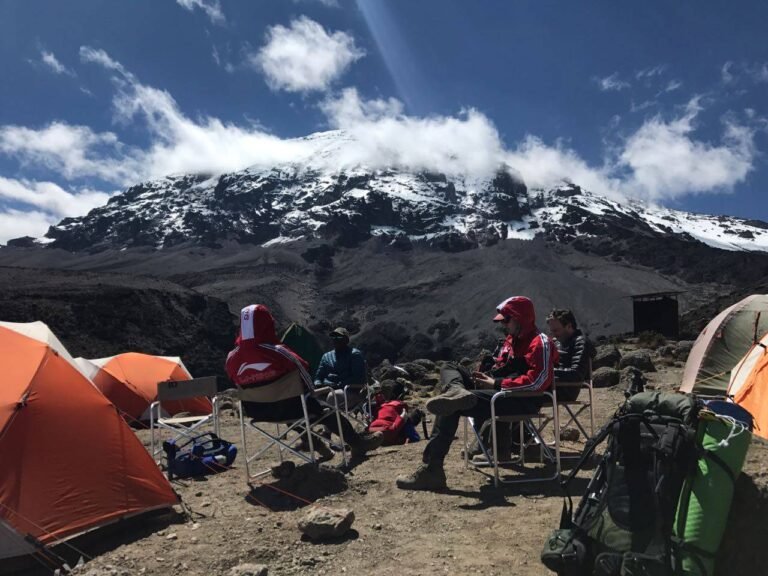
Kilimanjaro Full Moon Summit Climb: Best Times For 2026-2027
An expert guide to planning your Kilimanjaro full moon summit climb, detailing the best dates for 2026-2027, route recommendations, essential preparation, and what to expect during this...
View package detailsNo related package matches those filters. Clear one or more filters to see the other topic-matched options.



