
A Kilimanjaro slow-pace acclimatization trek utilizes extended routes, typically lasting 8 days or more, to ensure a gentler ascent profile. This approach prioritizes gradual altitude gain, significantly improving your body’s ability to adapt, reducing the risk of altitude sickness, and increasing overall summit success rates for 2026-2027 expeditions.
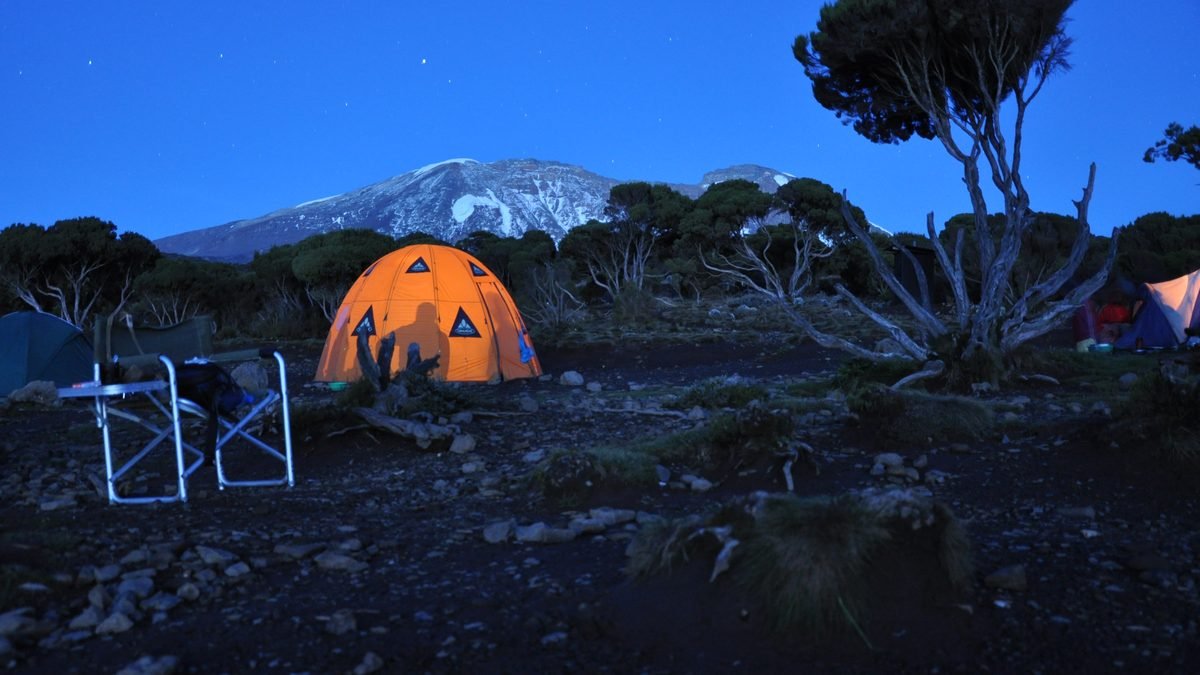
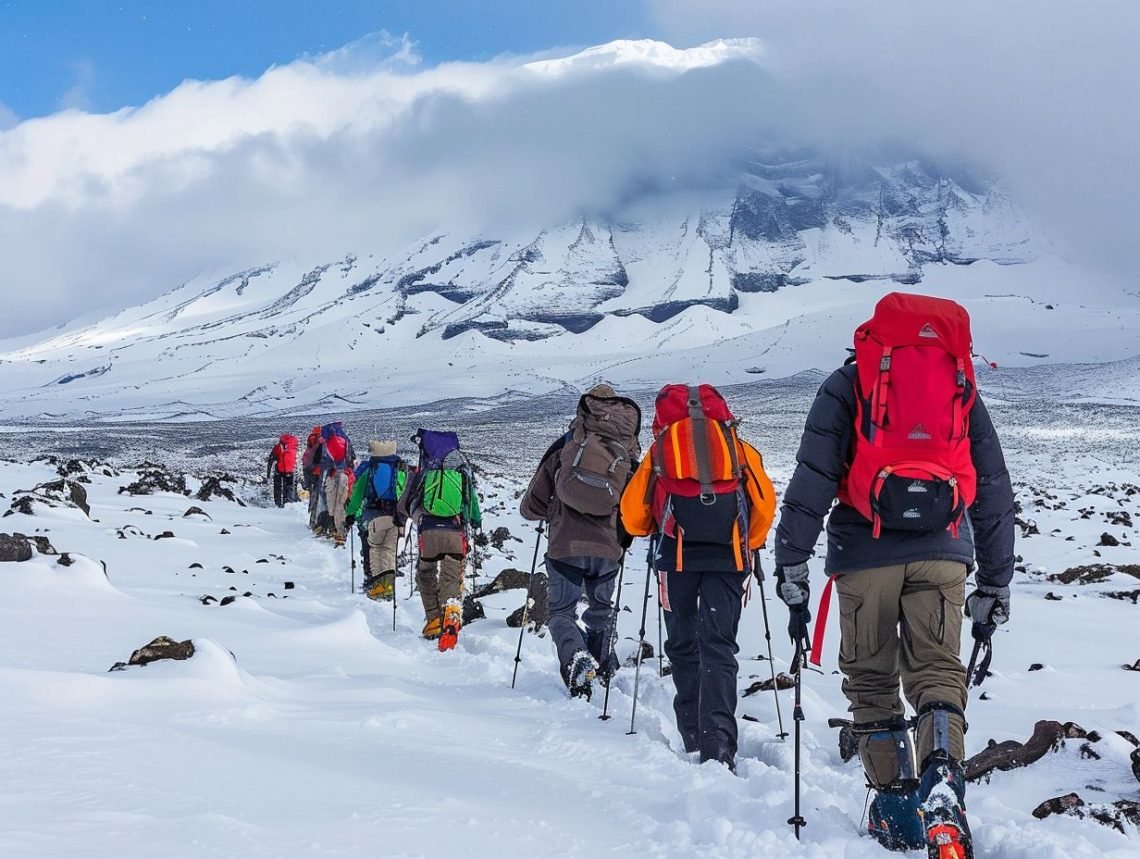
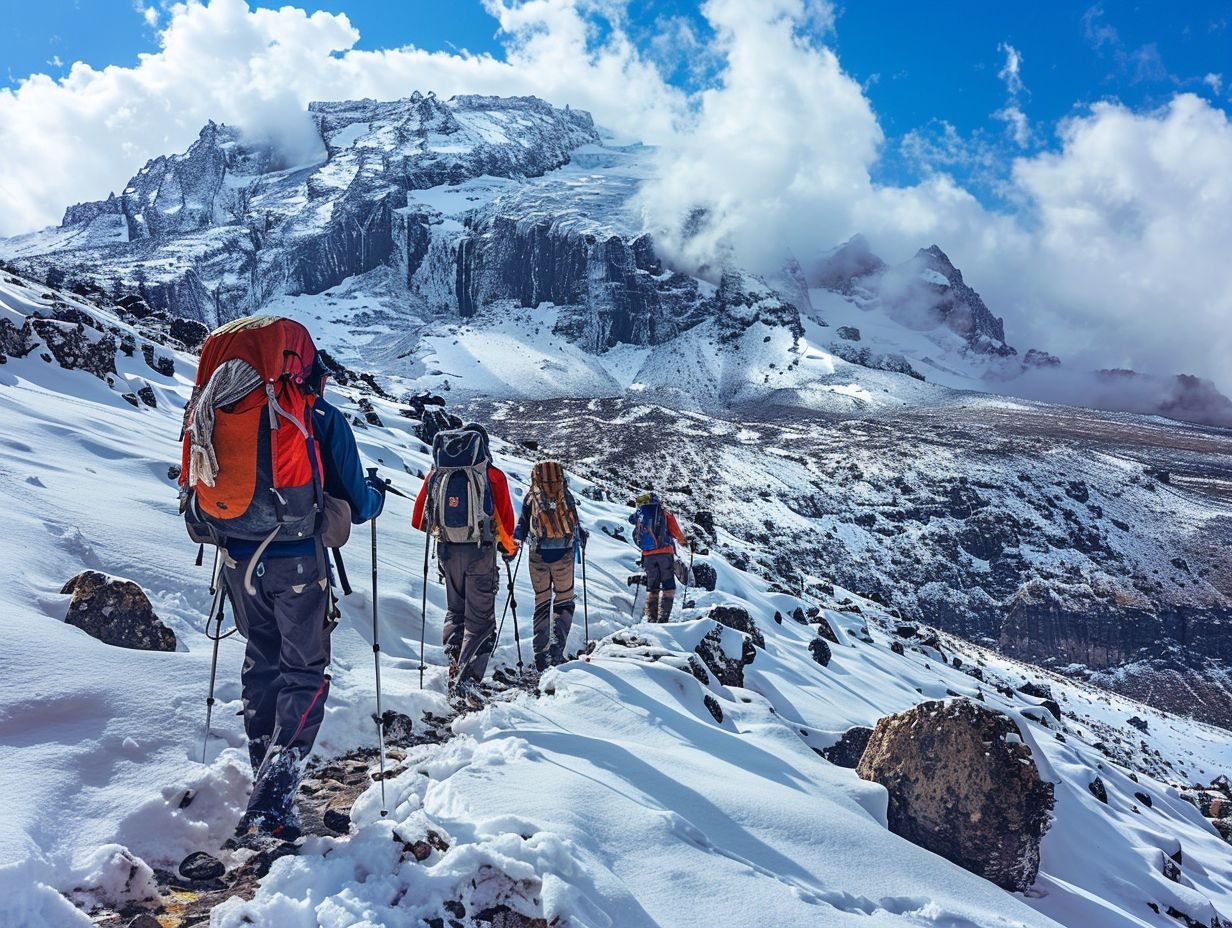
Embarking on a Kilimanjaro climb is a significant undertaking, and for many, the key to a successful and enjoyable experience lies not just in the destination, but in the journey itself. The concept of a Kilimanjaro slow-pace acclimatization trek is precisely about optimizing that journey. It’s a deliberate strategy that contrasts with shorter, more aggressive itineraries, focusing on allowing your body ample time to adjust to the increasing altitudes. This is particularly crucial on a mountain as high as Kilimanjaro, where altitude-related challenges are the primary reason for summit failures. By choosing an extended route, you are fundamentally choosing a gentler climbing pace, which translates directly into a more comfortable and rewarding experience.
For travelers planning their Kilimanjaro adventure for 2026 or 2027, understanding the nuances of acclimatization is paramount. The principle is simple: the slower you ascend, the better your body can cope with the reduced oxygen levels. This doesn’t mean leisurely strolls all day; it means a well-structured itinerary designed with rest days, gradual increases in elevation, and sufficient time spent at higher camps before pushing for the summit. This article will guide you through the advantages, best-suited routes, and practical considerations for planning a Kilimanjaro slow-pace acclimatization trek, ensuring your 2026-2027 climb is as safe and successful as possible.
Understanding the Science: Why Slow-Pace Acclimatization Matters
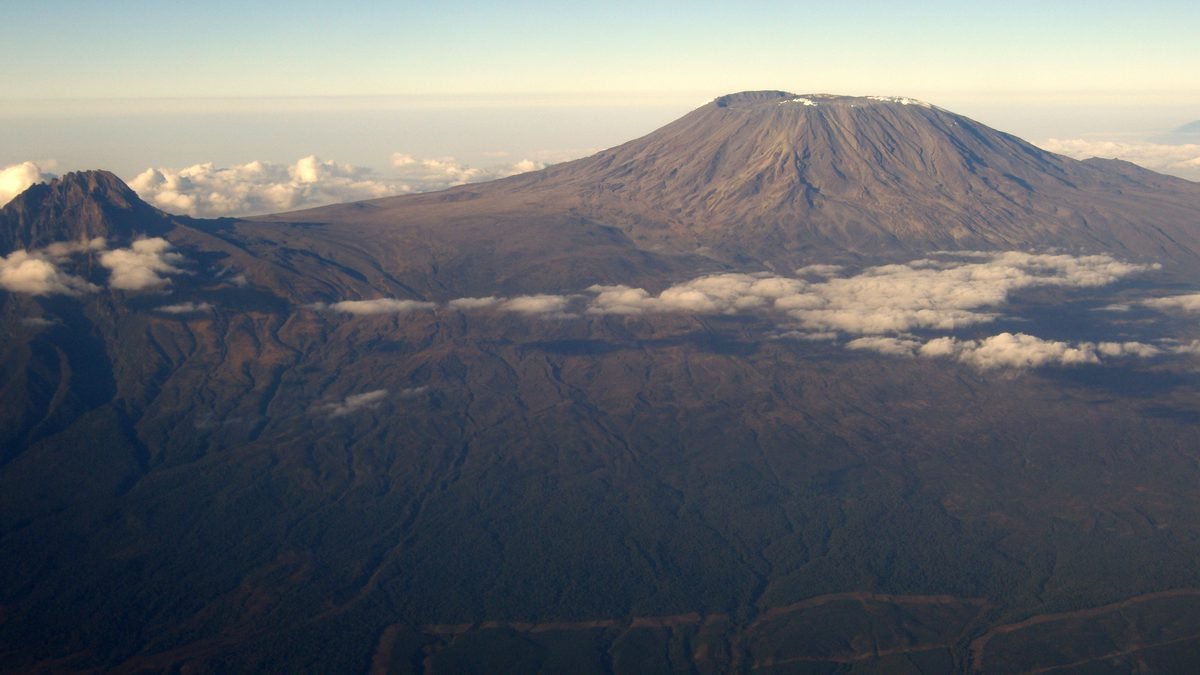
The core of any successful Kilimanjaro expedition, especially one focused on a slow-pace acclimatization trek, lies in understanding and respecting the physiological challenges of high altitude. Kilimanjaro stands at 5,895 meters (19,341 feet), a significant elevation that can affect even the fittest individuals. The air at these heights contains considerably less oxygen than at sea level. For instance, at the summit, the oxygen pressure is roughly half of what you’d experience at the coast.
Your body needs time to adapt to this oxygen-scarce environment. This process is called acclimatization. When you ascend too quickly, your body doesn’t have enough time to make the necessary physiological adjustments. This can lead to Acute Mountain Sickness (AMS), characterized by symptoms like headaches, nausea, dizziness, and fatigue. In severe cases, AMS can progress to more dangerous conditions like High Altitude Cerebral Edema (HACE) or High Altitude Pulmonary Edema (HAPE), which are life-threatening.
A Kilimanjaro slow-pace acclimatization trek directly combats these risks. The strategy is often summarized by the mantra, “Pole Pole” (meaning “slowly, slowly” in Swahili), which is more than just a saying; it’s a fundamental principle of climbing Kilimanjaro safely. This means:
- Gradual Ascent Profile: Extended routes are designed with a gentler gradient, meaning you gain altitude over more days. This allows your body to gradually produce more red blood cells, which carry oxygen, and make other metabolic adjustments.
- Higher ‘Climb High, Sleep Low’ Ratio: Many of the best slow-pace routes incorporate days where you hike to a higher altitude during the day and then descend slightly to sleep at a lower camp. This technique is incredibly effective for acclimatization.
- Rest Days: Longer itineraries often include dedicated rest days at key altitudes, allowing your body to recover and adapt without the stress of continuous climbing.
- Extended Duration: Typically, a slow-pace acclimatization trek refers to routes of 8 days or more. While 7-day treks are common, extending by one or two days significantly improves acclimatization and success rates.
The “ideal” acclimatization profile often involves a daily ascent of no more than 300-500 meters (1,000-1,600 feet) above your sleeping altitude. Shorter routes often violate this principle, especially on the final push to the summit, where climbers ascend thousands of feet in a single night. For your 2026 or 2027 climb, prioritizing a route that adheres to these acclimatization principles is the single most important decision you can make for your safety and success.
Why Choose an Extended Route for Your Kilimanjaro Climb?
The decision to opt for an extended route, thereby enabling a Kilimanjaro slow-pace acclimatization trek, is a strategic one. It’s about maximizing your chances of reaching Uhuru Peak while minimizing the physical toll and the risk of altitude sickness. While shorter routes might seem appealing due to time constraints or perceived cost savings, the trade-offs are significant.
Here’s why an extended route is the superior choice for a gentler climbing pace:
- Higher Summit Success Rates: This is the most compelling reason. Studies and operator data consistently show that longer routes (8 days or more) have significantly higher success rates. For example, the Machame and Lemosho routes, when extended to 7 or 8 days, offer much better acclimatization than their 6-day versions. For 2026-2027 expeditions, this statistic alone should guide your decision.
- Reduced Risk of Altitude Sickness: By allowing your body more time to adapt, the likelihood of experiencing moderate to severe AMS symptoms is greatly reduced. This means a more comfortable and enjoyable trek, rather than a constant battle with your own physiology.
- Enhanced Enjoyment of the Scenery: A slower pace allows you to truly appreciate the diverse ecosystems of Kilimanjaro, from the lush rainforest to the alpine desert and the arctic summit zone. You can pause to take photos, observe wildlife, and soak in the immense landscapes without feeling rushed.
- Greater Physical Comfort: Trekking for longer days at a measured pace is less physically demanding on a day-to-day basis. You conserve energy, which is crucial for the demanding summit night.
- More Time for Observation and Learning: Your guides can share more information about the mountain, its geology, flora, and fauna when the pace is not frantic.
When considering your 2026-2027 Kilimanjaro adventure, think of the extended route not as adding days, but as building in essential time for your body to perform at its best. It’s an investment in your health, safety, and the overall success of your climb. The slight increase in cost for an 8-day trek compared to a 6-day one is a small price to pay for the substantial increase in comfort and success probability.
Best Kilimanjaro Routes for a Slow-Pace Acclimatization Trek
Not all Kilimanjaro routes are created equal when it comes to facilitating a slow-pace acclimatization trek. Some routes are inherently better suited due to their length, path, and the way they allow for gradual altitude gain. For travelers specifically seeking a gentler, more acclimatized ascent for their 2026-2027 climb, the following routes are highly recommended:
Lemosho Route (8 Days)
Often cited as the most scenic route, the Lemosho route also offers excellent acclimatization, especially when trekked over 8 days. It starts in the west and approaches Kilimanjaro from the Shira Plateau. The 8-day itinerary includes a crucial extra day for acclimatization compared to the 7-day version, significantly boosting success rates.
- Pros: Excellent acclimatization, stunning scenery, low traffic in the initial days, high success rates on the 8-day version.
- Cons: Can be more expensive due to longer duration and transport to the starting point.
- Suitability for Slow-Pace: Very high. The 8-day Lemosho is a benchmark for good acclimatization.
Machame Route (7 or 8 Days)
Known as the “Whiskey Route” due to its popularity, the Machame route is a circuit that approaches from the south. The 7-day Machame offers good acclimatization, but the 8-day Machame route truly excels in providing a slow-pace acclimatization trek. This extra day allows for a more gradual ascent and often includes a rest day or a shorter hiking day at a critical altitude, greatly enhancing the chances of reaching the summit for 2026-2027 trekkers.
- Pros: Good acclimatization (especially 8 days), scenic, popular with good infrastructure.
- Cons: Can be crowded, especially the 7-day version.
- Suitability for Slow-Pace: High. The 8-day option is ideal.
Northern Circuit (9 Days)
This is the longest and arguably the best route for acclimatization. The Northern Circuit offers a full 360-degree trek around the mountain, approaching from the west and descending on the north side. Its 9-day itinerary is specifically designed for slow, steady acclimatization, making it the ultimate choice for those who prioritize a gentler climb and the highest possible success rate.
- Pros: Superior acclimatization, highest success rates, most scenic, least crowded.
- Cons: Longest duration, generally the most expensive.
- Suitability for Slow-Pace: Exceptional. This route is purpose-built for gradual ascent.
Marangu Route (6 or 7 Days)
While the Marangu route is known for its “Coca-Cola” hut accommodation (dormitory-style sleeping), its 6-day itinerary is generally considered too fast for optimal acclimatization. However, a 7-day Marangu itinerary, which includes an extra acclimatization day, is a viable option for a gentler pace, though it’s still not as effective as the longer western routes. It approaches from the southeast.
- Pros: Unique hut accommodation, slightly less physically demanding on the legs due to walking poles not being as essential on some sections.
- Cons: Lower success rates on the 6-day version, less scenic than western routes, acclimatization is less ideal compared to Lemosho or Northern Circuit.
- Suitability for Slow-Pace: Moderate. Only the 7-day version is recommended for a gentler approach.
For any traveler in 2026 or 2027 focused on a Kilimanjaro slow-pace acclimatization trek, prioritizing these longer, well-designed routes is key. The difference in experience and outcome between a 6-day and an 8-day climb on Kilimanjaro can be profound.
Planning Your Kilimanjaro Slow-Pace Trek: Key Considerations for 2026-2027
Successfully planning a Kilimanjaro slow-pace acclimatization trek involves more than just picking a longer route. It requires careful consideration of several factors to ensure your 2026-2027 expedition is well-prepared and enjoyable. As a local expert in Tanzania, we emphasize that preparation is key to a successful and safe ascent.
1. Choosing the Right Operator
Selecting a reputable tour operator is paramount. For a slow-pace trek, look for operators who:
- Offer Extended Itineraries: Ensure they explicitly offer 8-day Lemosho, 8-day Machame, or 9-day Northern Circuit options. Some operators might advertise these but still push for faster timings internally.
- Prioritize Safety: They should have strict safety protocols, including carrying supplementary oxygen, regular health checks by guides, and emergency evacuation plans.
- Employ Experienced Guides: Guides should be well-trained in high-altitude physiology and AMS management. Their ability to monitor your condition and adjust the pace is critical.
- Treat Staff Well: Fair wages and good treatment for porters and guides contribute to a more professional and dedicated team. This is a hallmark of responsible operators.
Climb 4 Africa is committed to these principles, ensuring your Kilimanjaro slow-pace acclimatization trek is supported by a professional and safety-conscious team for your 2026-2027 adventure.
2. Best Time to Climb
While a slow-pace trek can be undertaken year-round, certain periods offer more favorable weather conditions. The two main dry seasons are generally considered:
- January to March: Good visibility, cooler temperatures, but can be very cold at the summit.
- June to October: Warmer temperatures, but can be more crowded, especially during July and August.
Shoulder seasons (April-May and November) can bring unpredictable weather, including rain and snow, which can make trekking more challenging. For a gentler pace and higher comfort levels, aiming for the dry seasons in 2026 or 2027 is advisable.
3. Physical Fitness and Training
Even with a slow-pace acclimatization trek, physical fitness is non-negotiable. Your training should focus on:
- Cardiovascular Endurance: Activities like hiking (with a backpack), running, cycling, and swimming are essential. Aim for at least 3-4 sessions per week.
- Strength Training: Focus on leg strength (squats, lunges) and core strength.
- Hiking Practice: The most crucial training is hiking, ideally on varied terrain and with hills. Practice hiking for several hours at a time, carrying a daypack similar to what you’ll use on Kilimanjaro.
- Mental Preparation: Understand that it will be challenging, and develop strategies to stay positive and motivated.
Start your training at least 3-6 months before your 2026-2027 climb. The goal isn’t to be an elite athlete, but to build the stamina and resilience needed for multiple days of trekking at altitude.
4. Packing Essentials
Packing correctly is vital for comfort and safety. Key items for a slow-pace trek include:
- Layered Clothing: Base layers (merino wool or synthetic), mid-layers (fleece), and an outer waterproof/windproof shell.
- Good Hiking Boots: Broken-in, waterproof, and supportive.
- Warm Accessories: Warm hat, gloves, scarf or balaclava.
- Sun Protection: High SPF sunscreen, sunglasses, wide-brimmed hat.
- Hydration: Water bottles or a hydration reservoir (ensure it won’t freeze).
- Headlamp: Essential for summit night and camp.
- Trekking Poles: Highly recommended to reduce strain on knees, especially on descents.
Your tour operator will provide a detailed packing list. Ensure you review it thoroughly for your 2026-2027 expedition.
5. Altitude Sickness Prevention and Management
While a slow-pace trek is the best prevention, other measures include:
- Hydration: Drink plenty of water (3-4 liters per day). Avoid alcohol and caffeine.
- Pacing: “Pole Pole” is your mantra. Hike at a pace that allows you to hold a conversation.
- Diet: Eat well, even if your appetite is reduced. High-carbohydrate meals are recommended.
- Medication: Consult your doctor about Diamox (acetazolamide) as a preventative measure. It’s not a substitute for slow acclimatization but can aid the process.
Your guides will monitor you closely for any signs of AMS. Report any symptoms immediately, no matter how minor they seem. For your Kilimanjaro slow-pace acclimatization trek in 2026-2027, open communication with your guide is essential.
The Daily Grind: What to Expect on a Slow-Pace Kilimanjaro Trek
A Kilimanjaro slow-pace acclimatization trek offers a different rhythm compared to shorter, faster climbs. The emphasis is on consistency, gradual progress, and allowing your body the time it needs to adapt to the altitude. This extended duration transforms the experience from a race against time to a more in-depth journey.
Here’s a typical day on an extended route, illustrating the gentler climbing pace:
Morning (Around 7:00 AM – 8:00 AM)
- Wake up to a warm cup of tea or coffee brought to your tent.
- Breakfast is served, usually a hearty meal like porridge, eggs, or pancakes, designed to fuel your day.
- Guides brief the group on the day’s itinerary, expected weather, and any specific points of caution.
- You’ll have time to pack your daypack, put on sunscreen, and prepare for the day’s trek.
Trekking (Around 8:30 AM – 1:00 PM)
- The day’s hike begins at a slow, steady pace – “Pole Pole.”
- Guides lead the way, setting a pace that is sustainable for everyone, encouraging conversation and breaks as needed.
- The scenery will change dramatically as you ascend through different ecological zones.
- Short breaks are taken every hour or so for water, snacks, and photos.
Lunch (Around 1:00 PM)
- A packed lunch is typically enjoyed at a scenic spot along the trail. This might include sandwiches, fruit, boiled eggs, and snacks.
- This is a good opportunity to rest and rehydrate.
Afternoon Trekking (Around 2:00 PM – 4:00 PM)
- The trek continues, often with a more gradual ascent or sometimes a descent towards the campsite.
- On some days, particularly on routes like the Northern Circuit or an 8-day Lemosho, you might hike to a higher altitude for acclimatization and then descend to sleep at a lower camp (the “climb high, sleep low” principle).
- The goal is to reach the day’s campsite by mid-afternoon.
Arrival at Camp (Around 4:00 PM – 5:00 PM)
- Upon arrival, you’ll be shown to your tent.
- Hot drinks and snacks are usually provided.
- This is a crucial time for hydration and rest. You might be encouraged to drink even if you don’t feel thirsty.
- Guides will check in on your well-being and monitor for any signs of altitude sickness.
Evening (Around 6:30 PM onwards)
- Dinner is served in the mess tent, typically a substantial and varied meal.
- Guides will discuss the plan for the next day.
- You’ll have time to organize your gear for the following morning and prepare for sleep.
- Lights out is generally around 9:00 PM, ensuring you get adequate rest for the next day’s trek.
On longer, 8-day or 9-day treks, one or two of these days might be designated as rest days. These days are not spent idly; they often involve short, acclimatization hikes to nearby points of interest before returning to the same camp to sleep. This deliberate pacing is the hallmark of a Kilimanjaro slow-pace acclimatization trek and is what makes the difference for a successful 2026-2027 climb.
Summit Night: The Climax of a Slow-Pace Climb
Summit night is the most challenging part of any Kilimanjaro climb, but the preparation provided by a Kilimanjaro slow-pace acclimatization trek significantly enhances your ability to face it. The gentler climbing pace over the preceding days means your body is better adapted to the altitude, making the extreme effort required for the summit push more manageable.
Here’s what you can expect on summit night, which typically begins around midnight after your last full day of trekking:
- Early Wake-Up: You’ll be woken up very early, usually between 11:00 PM and 1:00 AM, depending on the route and your group’s pace.
- Final Preparations: This is a critical time. You’ll need to put on your warmest gear, eat a light, energy-rich meal (if you can stomach it), and drink water. Your guides will ensure all your equipment, especially your headlamp, is functioning correctly.
- The Ascent Begins: You’ll start trekking upwards in the dark, often in a single file line behind your guides. The pace will be extremely slow – “Pole Pole” becomes even more important now. Each step is deliberate.
- Cold and Darkness: Temperatures will be well below freezing, potentially dropping to -15°C to -20°C (-0°F to -4°F) or colder, especially with wind chill. Your headlamp will be your only light source, illuminating the switchbacks ahead.
- Breathing and Pacing: Your guides will constantly monitor your breathing and pace. They will encourage you to take small sips of water and eat high-energy snacks. Frequent, short breaks are essential.
- Reaching Stella Point: The first major milestone is Stella Point (5,756 meters / 18,885 feet), located on the crater rim. This is a significant achievement, and for many, the hardest part of the climb.
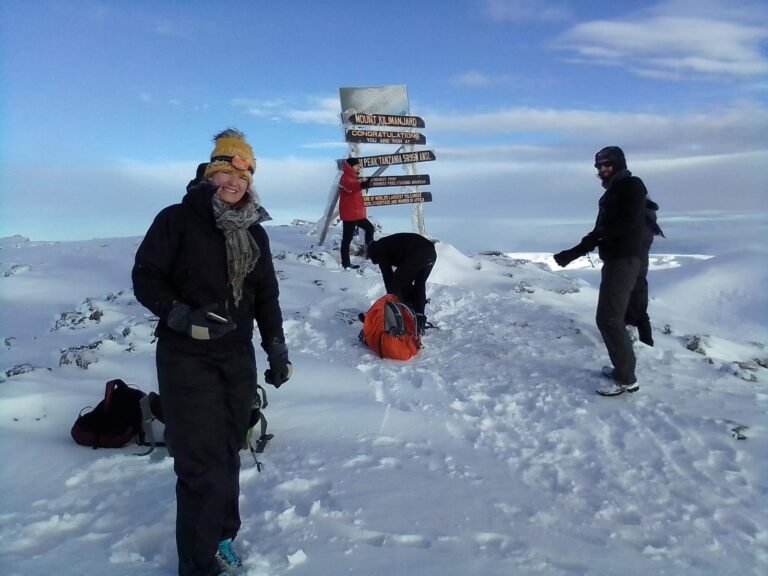
- The Final Push to Uhuru Peak: From Stella Point, it’s another 45-60 minutes of relatively flat walking along the crater rim to Uhuru Peak (5,895 meters / 19,341 feet), the highest point in Africa. The sunrise views from the rim are often spectacular.
- Summit Celebration: Reaching Uhuru Peak is an emotional moment. You’ll have a brief time to take photos and celebrate your success before your guides emphasize the need to descend quickly.
The descent is often as challenging as the ascent, if not more so, as fatigue sets in and the steep scree slopes can be treacherous. However, the superior acclimatization from a Kilimanjaro slow-pace acclimatization trek means you are likely to be in a better physical and mental state to handle both the climb and the descent. For your 2026 or 2027 expedition, remember that summit night is the culmination of days of careful, gradual ascent.
Comparing Slow-Pace Options: 8-Day vs. 9-Day Treks
When committing to a Kilimanjaro slow-pace acclimatization trek, the choice often comes down to an 8-day versus a 9-day itinerary. Both offer significant advantages over shorter treks, but the 9-day Northern Circuit provides the ultimate in gradual ascent and acclimatization. Understanding the differences will help you choose the best option for your 2026-2027 climb.
| Feature | 8-Day Trek (e.g., Lemosho or Machame) | 9-Day Northern Circuit |
|---|---|---|
| Duration | 8 days / 7 nights on the mountain | 9 days / 8 nights on the mountain |
| Acclimatization Profile | Excellent. Includes an extra day for gradual ascent, often with a ‘climb high, sleep low’ component. | Superior. The longest route, offering the most gradual ascent and the best ‘climb high, sleep low’ opportunities. |
| Summit Success Rate | Very High (significantly higher than 6 or 7-day treks) | Highest among all routes. |
| Scenery & Experience | Stunning, especially Lemosho. Offers diverse views and landscapes. | Exceptional. Circumnavigates the entire mountain, providing panoramic views and diverse ecosystems, often with fewer crowds. |
| Crowds | Moderate, especially on Machame. Lemosho can be less crowded. | Least crowded route. |
| Cost | Mid-to-High range. | High range, due to the longer duration and logistical requirements. |
| Ideal For | Most trekkers seeking a good balance of acclimatization, scenery, and cost. A great choice for a Kilimanjaro slow-pace acclimatization trek. | Trekkers who prioritize the absolute best acclimatization, highest success rates, and a more remote, scenic experience, and have the time and budget. The ultimate Kilimanjaro slow-pace acclimatization trek. |
For travelers planning their 2026-2027 adventure, the choice between an 8-day and 9-day trek depends on your priorities and budget. Both are excellent for a gentler climbing pace. If you have the flexibility and desire for the most comprehensive acclimatization and a truly in-depth experience, the 9-day Northern Circuit is unparalleled. Otherwise, an 8-day Lemosho or Machame route provides an outstanding Kilimanjaro slow-pace acclimatization trek experience.
Cost Factors for a Slow-Pace Kilimanjaro Trek
The cost of a Kilimanjaro slow-pace acclimatization trek will naturally be higher than for shorter treks, primarily due to the extended duration and the increased logistics involved. Understanding these cost factors is crucial for budgeting your 2026-2027 expedition.
Key components influencing the price:
- Duration: More days on the mountain mean more food, more crew wages, and more park fees. This is the most significant factor in the price difference between 7-day and 8-day treks, or 8-day and 9-day treks.
- Route Choice: Some routes are more logistically complex or require longer transfers to the starting point, influencing costs. The Northern Circuit, for instance, is more expensive partly due to its remote starting point and longer duration.
- Operator Inclusions: What is included in the price varies widely. Reputable operators like Climb 4 Africa typically include:
- Park entrance fees (conservation fees, camping fees, rescue fees)
- All meals on the mountain
- Experienced mountain guides, assistant guides, porters, and cooks
- Porters’ wages and ensuring fair treatment
- Accommodation in tents
- Catering equipment
- Boiled water on the mountain
- All ground transport to and from the mountain
- Briefings and medical support (e.g., carrying supplementary oxygen)
- Group Size: While private climbs are more expensive per person, shared group departures offer a more economical option.
- Level of Service: Higher-end operators may offer slightly more comfortable camping gear, better food variety, or more experienced guides, which can affect the price.
Pricing for 2026-2027: While exact prices fluctuate, expect a well-organized 8-day Kilimanjaro climb to range from approximately $2,200 to $3,500 USD per person for a reputable operator. A 9-day Northern Circuit trek will likely be at the higher end of this spectrum, potentially ranging from $2,800 to $4,000+ USD per person. These figures generally exclude flights, visas, tips for the crew, personal gear, and travel insurance.
When comparing prices, always look at what is included. A cheaper quote might seem attractive, but it could exclude essential park fees or mean compromising on guide quality or porter welfare. For your Kilimanjaro slow-pace acclimatization trek in 2026-2027, investing in a reputable operator that includes all necessary fees and prioritizes safety and crew welfare is the wisest approach.
Booking Your Kilimanjaro Slow-Pace Trek with Climb 4 Africa
Choosing the right partner for your Kilimanjaro slow-pace acclimatization trek is as important as choosing the right route. At Climb 4 Africa, we specialize in creating safe, memorable, and successful Kilimanjaro expeditions tailored to individual needs. We understand the critical importance of acclimatization and offer extended itineraries designed for a gentler climbing pace.
Why Choose Climb 4 Africa for Your 2026-2027 Expedition?
- Expertise: We are a local Tanzanian company with deep knowledge of Kilimanjaro and its surrounding environment. Our team comprises experienced guides and support staff who are passionate about sharing their mountain with you.
- Safety First: Your safety is our absolute priority. We adhere to strict safety protocols, including carrying supplementary oxygen and having emergency procedures in place. Our guides are trained in wilderness first aid and high-altitude medicine.
- Focus on Acclimatization: We strongly advocate for and offer extended routes (8 and 9 days) specifically designed for optimal acclimatization, ensuring a gentler climbing pace and higher success rates.
- Responsible Tourism: We are committed to fair treatment and wages for our crew, ensuring porters are well-equipped and respected. We also focus on environmental conservation on the mountain.
- Personalized Service: We work with you to understand your needs and preferences, helping you select the ideal route and itinerary for your Kilimanjaro slow-pace acclimatization trek.
Next Steps for Your 2026-2027 Climb:
Ready to plan your gentler ascent of Kilimanjaro? We recommend the following:
- Contact Us: Reach out to our team to discuss your plans. We can provide detailed itineraries, answer all your questions, and help you choose the best route and duration for your slow-pace trek.
- Specify Your Needs: Let us know you are specifically looking for a Kilimanjaro slow-pace acclimatization trek, ideally an 8-day or 9-day itinerary. Mention your desired travel window for 2026 or 2027.
- Receive a Custom Quotation: Based on your chosen route and duration, we will provide a comprehensive quotation detailing inclusions and exclusions.
- Book Your Adventure: Once you’re ready, we’ll guide you through the booking process.
Don’t leave your Kilimanjaro dream to chance. Invest in an experience that prioritizes your well-being and maximizes your chances of success. Let Climb 4 Africa help you plan the ultimate Kilimanjaro slow-pace acclimatization trek.
For inquiries and to start planning your 2026-2027 Kilimanjaro adventure, please contact us:
- WhatsApp: +255 747 477 898
- Email: climb4africa@gmail.com
We look forward to helping you conquer Kilimanjaro at a pace that ensures success and creates lasting memories.
“,
“faq_schema”: [
{
“question”: “What is a Kilimanjaro slow-pace acclimatization trek?”,
“answer”: “A Kilimanjaro slow-pace acclimatization trek utilizes extended routes, typically 8 days or longer, to ensure a gentler, gradual ascent. This approach prioritizes allowing your body ample time to adapt to increasing altitudes, significantly reducing the risk of altitude sickness and enhancing summit success rates for expeditions planned for 2026-2027.”
},
{
“question”: “Why is a slow-pace important for climbing Kilimanjaro?”,
“answer”: “Kilimanjaro’s summit is at 5,895 meters (19,341 feet), where oxygen levels are significantly lower. Ascending too quickly can lead to Acute Mountain Sickness (AMS). A slow-pace trek allows your body to produce more red blood cells and make other physiological adjustments needed to cope with the reduced oxygen, making the climb safer and more comfortable.”
},
{
“question”: “Which Kilimanjaro routes are best for a slow-pace acclimatization trek?”,
“answer”: “The best routes for a slow-pace acclimatization trek are those that offer 8 or 9 days. These include the 8-day Lemosho Route, the 8-day Machame Route, and the 9-day Northern Circuit. These longer itineraries provide superior acclimatization profiles compared to shorter 6 or 7-day treks.”
},
{
“question”: “What is the difference between an 8-day and a 9-day Kilimanjaro trek?”,
“answer”: “An 8-day trek (like Lemosho or Machame) offers excellent acclimatization and high success rates. A 9-day trek, specifically the Northern Circuit, is the longest route and provides the most gradual ascent and best ‘climb high, sleep low’ opportunities, leading to the highest success rates and a more in-depth experience. For 2026-2027 planning, the 9-day Northern Circuit is the ultimate for acclimatization.”
},
{
“question”: “How does a slow-pace trek affect summit success rates?”,
“answer”: “Extended routes (8 days or more) significantly increase summit success rates compared to shorter treks (6 or 7 days). By allowing for proper acclimatization, trekkers are less likely to suffer from altitude sickness and are better able to conserve energy for the demanding summit night push, making them more likely to reach Uhuru Peak.”
},
{
“question”: “When is the best time to plan a Kilimanjaro slow-pace trek for 2026-2027?”,
“answer”: “The best times for a Kilimanjaro climb are the dry seasons: January to March and June to October. These periods offer more stable weather, which is ideal for any trek, including a slow-pace acclimatization trek. Aiming for the shoulder months within these seasons can sometimes offer fewer crowds.”
},
{
“question”: “What are the approximate costs for an 8-day or 9-day Kilimanjaro trek?”,
“answer”: “For a reputable operator offering an 8-day Kilimanjaro slow-pace acclimatization trek in 2026-2027, expect costs to range from approximately $2,200 to $3,500 USD per person. A 9-day Northern Circuit trek will be higher, potentially from $2,800 to $4,000+ USD per person. These figures typically exclude flights, tips, and personal gear.”
},
{
“question”: “What should I pack for a slow-pace Kilimanjaro trek?”,
“answer”: “Key items include layered clothing (base, mid, outer shells), waterproof and breathable outer gear, broken-in hiking boots, warm accessories (hat, gloves), sun protection, a headlamp, trekking poles, and a good quality sleeping bag. Your tour operator will provide a detailed packing list.”
}
]
}
“`
Check Availability for Kilimanjaro Slow-Pace Acclimatization Trek – Extended Route For A Gentler
Ready to compare dates, prices, and the best option for your group? Send the package name and travel month so the team can reply with a clear quote, availability, and what is included.
Climbing Kilimanjaro In May : Your Green Season Trekking Guide 2027
Discover the unique advantages and challenges of climbing Kilimanjaro in May 2027. This guide details everything you need to know for a successful trek during the shoulder season.
View package details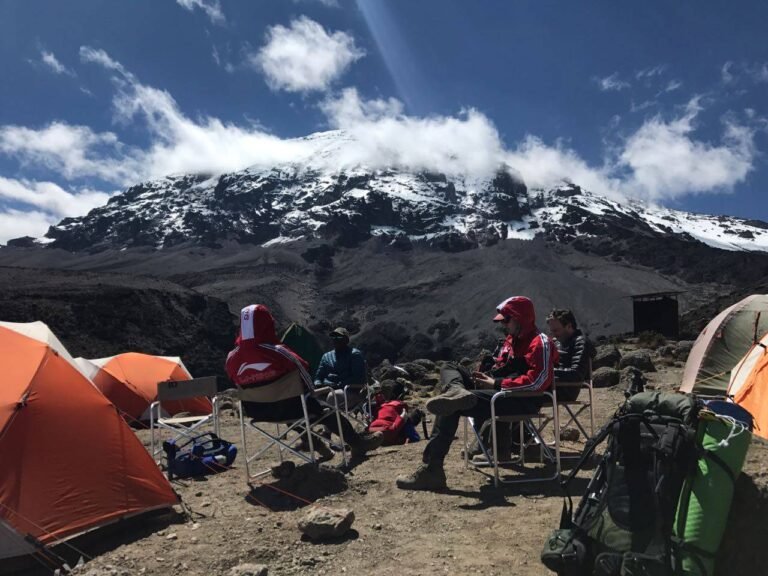
Rongai Route Kilimanjaro April : Your Northern-Side Rainy Season Trek 2027
start your Kilimanjaro adventure via the Rongai Route in April 2027. This guide details the northern-side experience during the shoulder rainy season, offering practical insights for...
View package details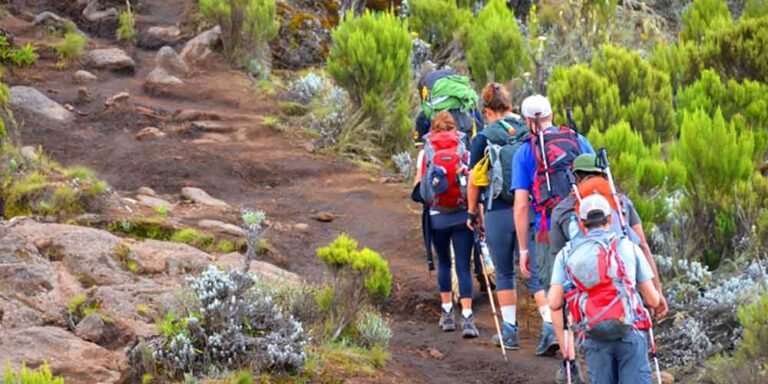
Northern Circuit Kilimanjaro – 3 January Long Acclimatization Trek 2027
start the Northern Circuit Kilimanjaro trek starting 3 January 2027. This extended route prioritizes acclimatization for a more comfortable and successful ascent. Explore its unique...
View package details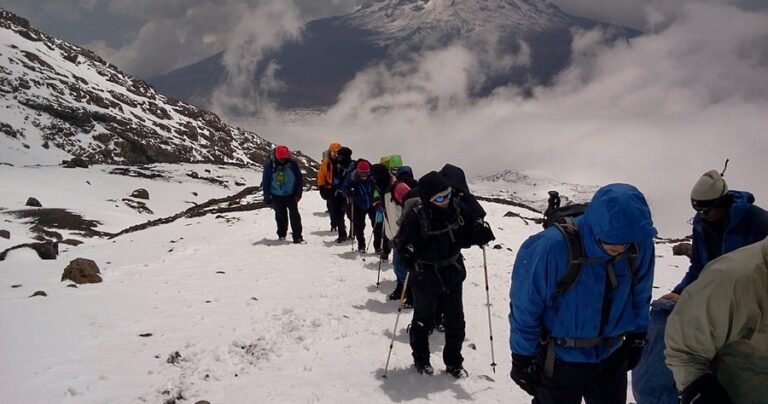
Lemosho Route 25 January – Late Kilimanjaro Trek 2026-2027
Lemosho Route 25 January 2027 – Late January Kilimanjaro Trek is explained with current 2026-2027 planning, price, itinerary and booking information.
View package details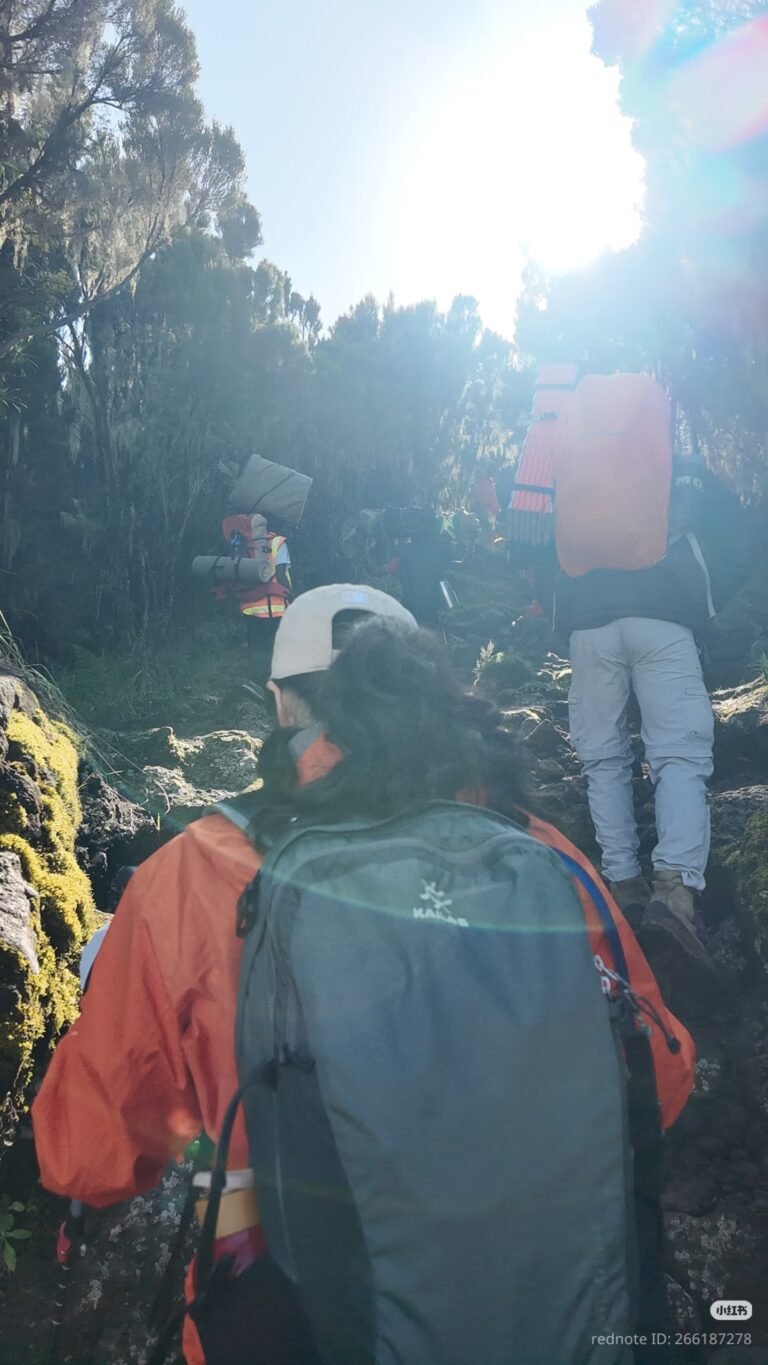
Marangu Route 28 December : Your New Year Kilimanjaro Group Trek 2026-2027
Plan your New Year's Eve ascent of Kilimanjaro by joining a Marangu Route group trek departing on December 28, 2026. This guide covers route specifics, what to expect, and essential...
View package details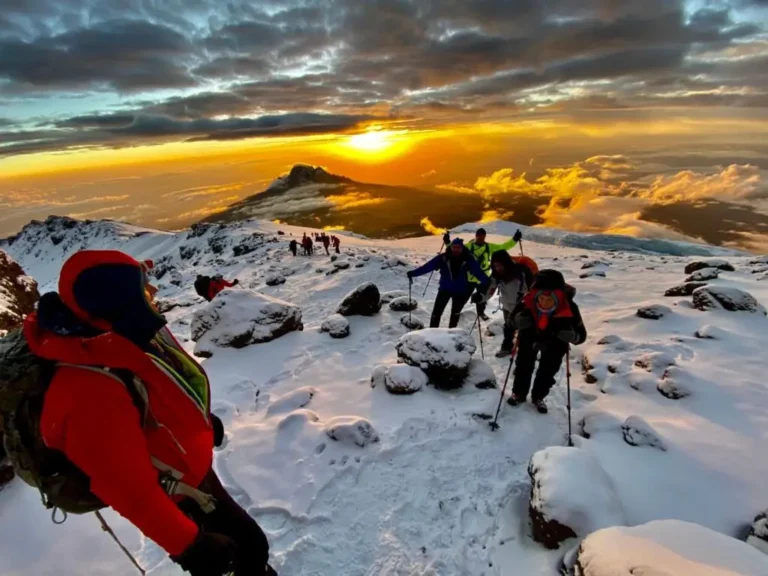
Marangu Route – 26 June Kilimanjaro Group Climb 2027
Marangu Route – 26 June 2027 Kilimanjaro Group Climb is explained with current 2027 planning, price, itinerary and booking information.
View package details7 Day Machame Route – 19 June Kilimanjaro Group Departure 2027
Planning to climb Kilimanjaro on the Machame Route in a group setting? This 7-day departure on June 19, 2027, offers a balanced approach to acclimatization and scenery. Learn what to...
View package details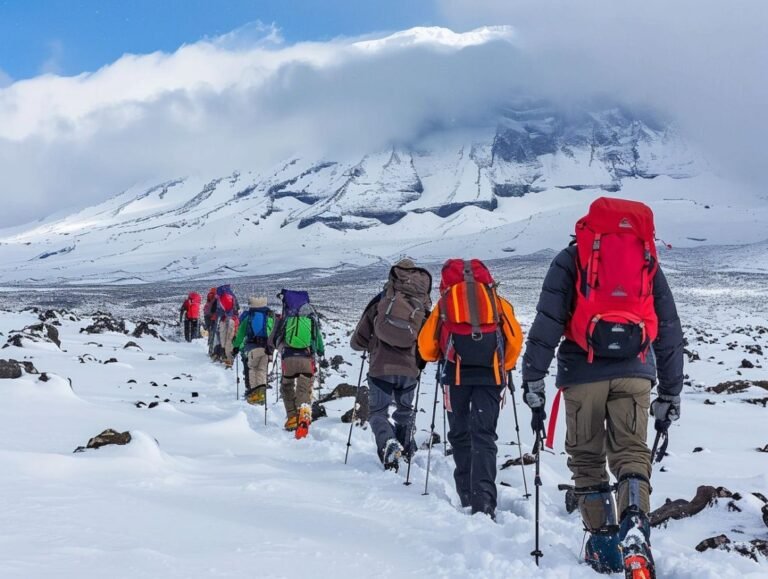
8 Day Lemosho Route – 20 February Kilimanjaro Departure With Climb 4 Africa
This article details the 8-day Lemosho Route Kilimanjaro climb scheduled for February 20, 2027, focusing on planning, itinerary, and what makes this departure a unique opportunity with...
View package detailsLemosho Route – 7 August Summer Group Climb: Your Kilimanjaro Adventure 2027
start a memorable Lemosho Route – 7 August 2027 Summer Group Climb up Mount Kilimanjaro. This guide covers the itinerary, acclimatization, and preparation for your ascent.
View package detailsLemosho Route – 28 August Kilimanjaro Group Climb 2027
Lemosho Route – 28 August 2027 Kilimanjaro Group Climb is explained with current 2027 planning, price, itinerary and booking information.
View package detailsLemosho Route – 12 August Kilimanjaro Group Climb With 4 Africa 2027
A detailed guide to the Lemosho Route Kilimanjaro climb for the 12 August 2027 group departure, covering itinerary, acclimatization, challenges, and what to expect with Climb 4 Africa.
View package detailsNorthern Circuit – 8 August Quiet Peak-Season Trek On Kilimanjaro 2027
Explore the Northern Circuit route for your Kilimanjaro climb on August 8, 2027. This detailed guide covers why it's a preferred choice for a quieter, more scenic, and high-success-rate...
View package detailsNo related package matches those filters. Clear one or more filters to see the other topic-matched options.



