
An 8-day group-joining Lemosho Route Kilimanjaro climb offers an excellent balance of acclimatization and scenic beauty, making it one of the most popular choices for trekkers aiming for the summit in December 2026 and 2027. This duration allows for a gradual ascent, increasing your chances of success while experiencing the diverse landscapes of Kilimanjaro. Group departures provide a cost-effective and social way to undertake this challenge, with Climb 4 Africa coordinating logistics and expert local support.
Understanding the 8-Day Lemosho Route for Your 2026-2027 Climb
The Lemosho Route is widely celebrated for its high success rates, stunning scenery, and excellent acclimatization profile. Opting for the 8-day variation specifically enhances these benefits, providing an extra day on the mountain compared to shorter itineraries. This extended duration is crucial for allowing your body to adapt to the increasing altitude, a factor that significantly impacts overall success and enjoyment. For trekkers planning their expedition in the peak season of December 2026 and 2027, an 8-day Lemosho trek is a strategic choice.
When we talk about an ‘8-day group-joining Lemosho Route’ for 2026-2027, we’re referring to a pre-scheduled departure where individual trekkers sign up to form a larger group. This model is particularly attractive because it shares the operational costs among more people, typically making it more affordable than a private climb. Climb 4 Africa specializes in organizing these group departures, ensuring that even as part of a group, you receive personalized attention and professional guidance from experienced local guides and crew.
The Lemosho Route begins on the western side of Kilimanjaro, near the Lemosho Glades, offering a more remote and wild start compared to other routes. It then traverses the mountain from west to east, eventually merging with the popular Shira and then the Machame routes before ascending to the summit via Stella Point and Uhuru Peak. The 8-day itinerary includes an additional acclimatization day, often spent at high altitude, which is a significant advantage. This means that by the time you reach higher camps, your body has had more time to adjust, reducing the risk of altitude sickness and improving your overall endurance for the summit push.
Choosing December for your 2026 or 2027 climb is generally a good decision. December falls within Kilimanjaro’s shorter rainy season, but it’s often characterized by brief, localized showers rather than prolonged downpours. The weather can be unpredictable, but clear skies and good visibility are common, especially in the early part of the month. Temperatures will be cold, particularly at higher altitudes and during the night, so proper gear is essential. The benefit of climbing during this shoulder season can sometimes mean fewer crowds on the mountain compared to the absolute peak dry seasons of January-February or June-August.
Why Choose the 8-Day Lemosho Route?
The primary advantage of the 8-day Lemosho Route over its 7-day counterpart lies in its superior acclimatization schedule. While the 7-day version is efficient, the 8-day itinerary provides that crucial extra day, often inserted as a rest or acclimatization day at a higher camp like Barranco Camp or Karanga Camp. This extra day allows trekkers to hike a shorter distance, ascend higher, and then descend back to a lower altitude (‘climb high, sleep low’), which is a proven method for aiding acclimatization.
- Higher Success Rates: The extended acclimatization significantly boosts the chances of reaching Uhuru Peak.
- Scenic Variety: Lemosho offers diverse landscapes, from lush forests to alpine deserts and glacial zones.
- Less Crowded Start: The initial days on Lemosho are more remote, offering a more tranquil experience.
- Gradual Ascent: The 8-day itinerary provides a gentler introduction to the altitude.
- Group Dynamics: Joining a group can be motivating, fun, and cost-effective.
For a December 2026 or 2027 8-day group-joining Lemosho Route, you’re setting yourself up for a well-rounded and challenging adventure. It’s a route that demands respect for the mountain but rewards climbers with unparalleled views and a profound sense of achievement.
The 8-Day Lemosho Route Itinerary: A Day-by-Day Breakdown
Understanding the day-to-day progression of the 8-day Lemosho Route is key to visualizing your climb and appreciating the acclimatization strategy. This itinerary is designed to maximize your exposure to altitude gains while minimizing the effects of altitude sickness.
Day 1: Lemosho Gate (2100m/6890ft) to Mti Mkubwa Camp (2820m/9252ft)
Trek: Approximately 6 km / 3.7 miles, 3-4 hours.
Habitat: Rainforest.
Description: After an early breakfast and a briefing in Moshi, you’ll be driven to the Lemosho Gate. Here, you’ll complete park formalities and meet your porters. The trek begins through the dense rainforest, a habitat teeming with unique flora and fauna. The path is relatively gentle but can be muddy, especially in December. Your first camp, Mti Mkubwa (meaning ‘Big Tree’), is located within the forest, offering a peaceful introduction to mountain camping.
Day 2: Mti Mkubwa Camp (2820m/9252ft) to Shira 1 Camp (3500m/11483ft)
Trek: Approximately 10 km / 6.2 miles, 5-7 hours.
Habitat: Moorland.
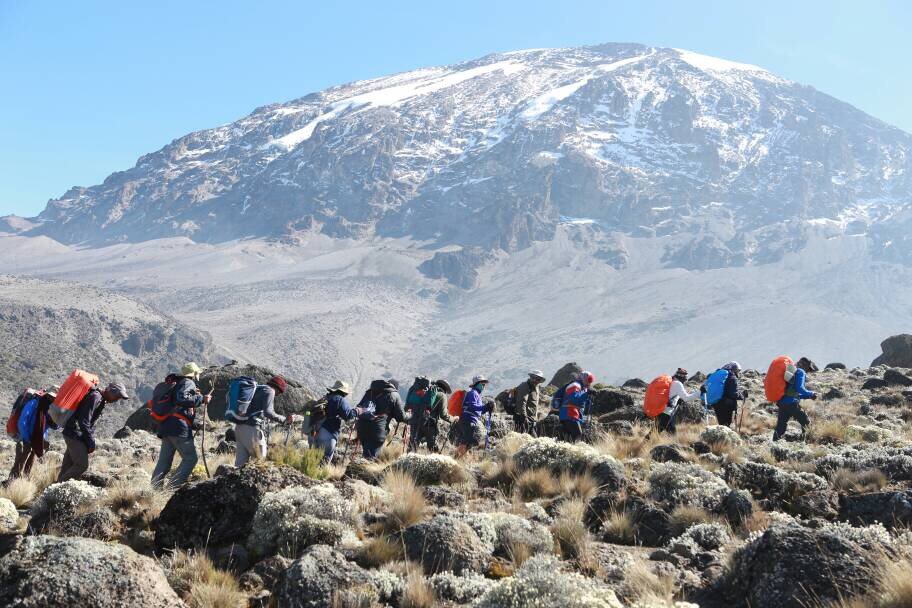
Description: Today, you ascend out of the rainforest into the moorland zone. The vegetation becomes sparser, characterized by giant heathers, groundsels, and lobelias. You’ll cross the Shira Ridge, and if the weather is clear, you’ll be treated to your first impressive views of Kibo and Shira massifs. Shira 1 Camp is situated on the Shira Plateau, a vast, high-altitude moorland. The air is thinner here, and you’ll start to feel the effects of the altitude more keenly. It’s important to drink plenty of water and move slowly.
Day 3: Shira 1 Camp (3500m/11483ft) to Shira 2 Camp (3850m/12631ft)
Trek: Approximately 5 km / 3.1 miles, 3-4 hours.
Habitat: Moorland.
Description: This is a relatively short day, designed for further acclimatization. You’ll trek across the Shira Plateau, a stunning landscape with unique volcanic formations. The objective is Shira 2 Camp, which is at a higher elevation than Shira 1. This ‘climb high, sleep low’ principle is crucial for acclimatization, even though the trek is not very long. The views from Shira 2 are expansive, offering a great perspective of your journey so far. The evenings can be cold, with temperatures dropping below freezing.
Day 4: Shira 2 Camp (3850m/11483ft) to Barranco Camp (3950m/12959ft)
Trek: Approximately 10 km / 6.2 miles, 6-8 hours.
Habitat: Alpine Desert.
Description: Today’s trek involves a significant ascent towards the Lava Tower (4630m/15190ft), a prominent volcanic plug. After lunch at Lava Tower, you’ll descend to Barranco Camp. This descent is vital for acclimatization, as you’ll be sleeping at a lower altitude than the day’s highest point. The landscape transforms into an alpine desert, stark and beautiful. Barranco Camp is spectacularly situated at the base of the immense Barranco Wall.
Day 5: Barranco Camp (3950m/12959ft) to Karanga Camp (4000m/13123ft)
Trek: Approximately 5 km / 3.1 miles, 4-5 hours.
Habitat: Alpine Desert.
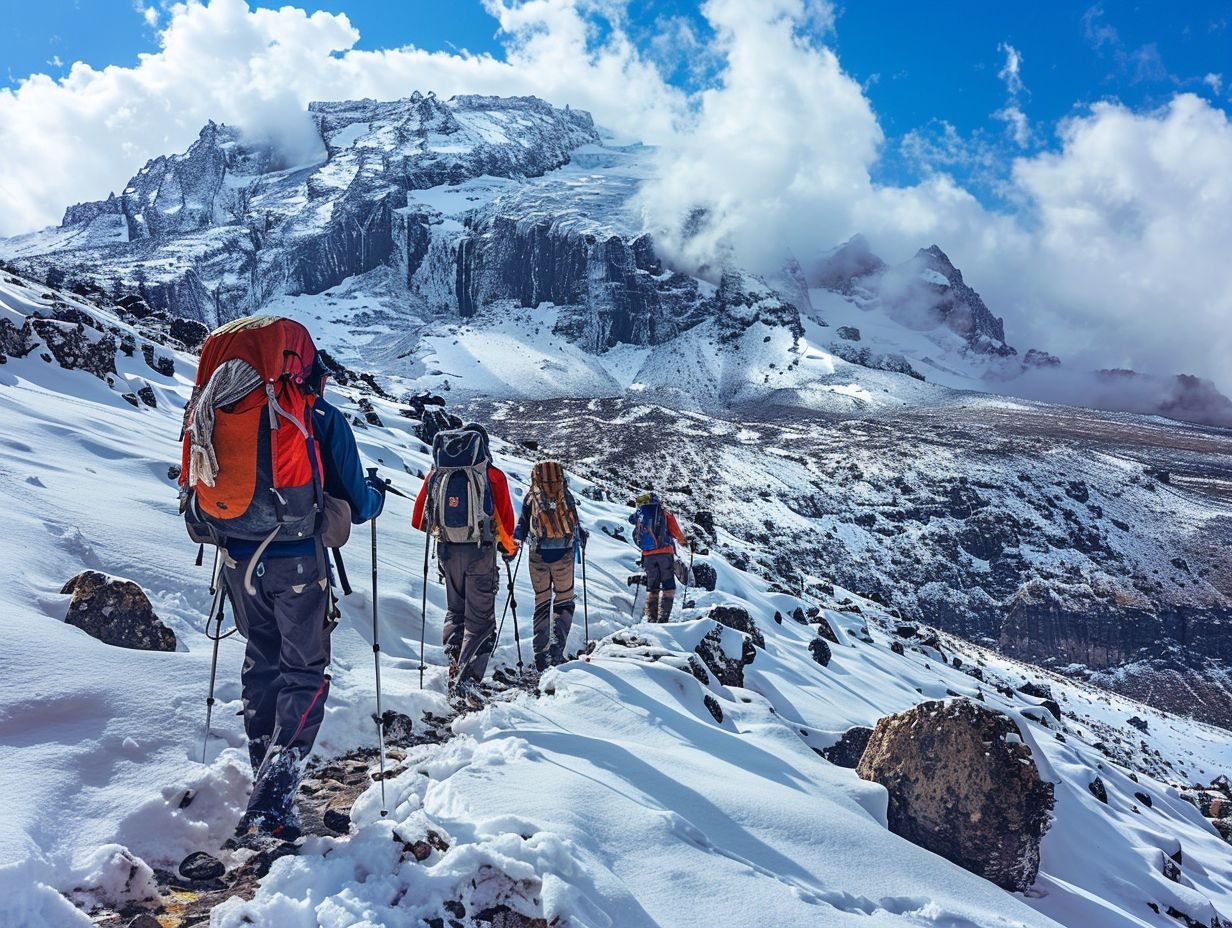
Description: This is a challenging but rewarding day. You’ll tackle the famous Barranco Wall, a steep, non-technical scramble that requires using your hands. It’s an exciting section of the climb that tests your agility and nerve. After cresting the wall, the path becomes more undulating, leading you through the Karanga Valley. Karanga Camp is situated just above the valley floor, offering good views of Kilimanjaro’s southern ice fields.
Day 6: Karanga Camp (4000m/13123ft) to Barafu Camp (4650m/15256ft)
Trek: Approximately 4 km / 2.5 miles, 4-5 hours.
Habitat: Alpine Desert.
Description: Today’s trek is relatively short but steep, as you ascend towards Barafu Camp. Barafu means ‘ice’ in Swahili, and you’ll certainly feel the cold at this altitude. The camp is situated on a rocky, exposed ridge, providing a base for the summit attempt. You’ll have an early dinner and try to get some sleep before the final push to the summit, which usually begins around midnight.
Day 7: Barafu Camp (4650m/15256ft) to Summit (Uhuru Peak 5895m/19341ft) and descend to Mweka Camp (3100m/10171ft)
Trek: Approximately 5 km / 3.1 miles ascent, 12 km / 7.5 miles descent, 10-15 hours.
Habitat: Arctic.
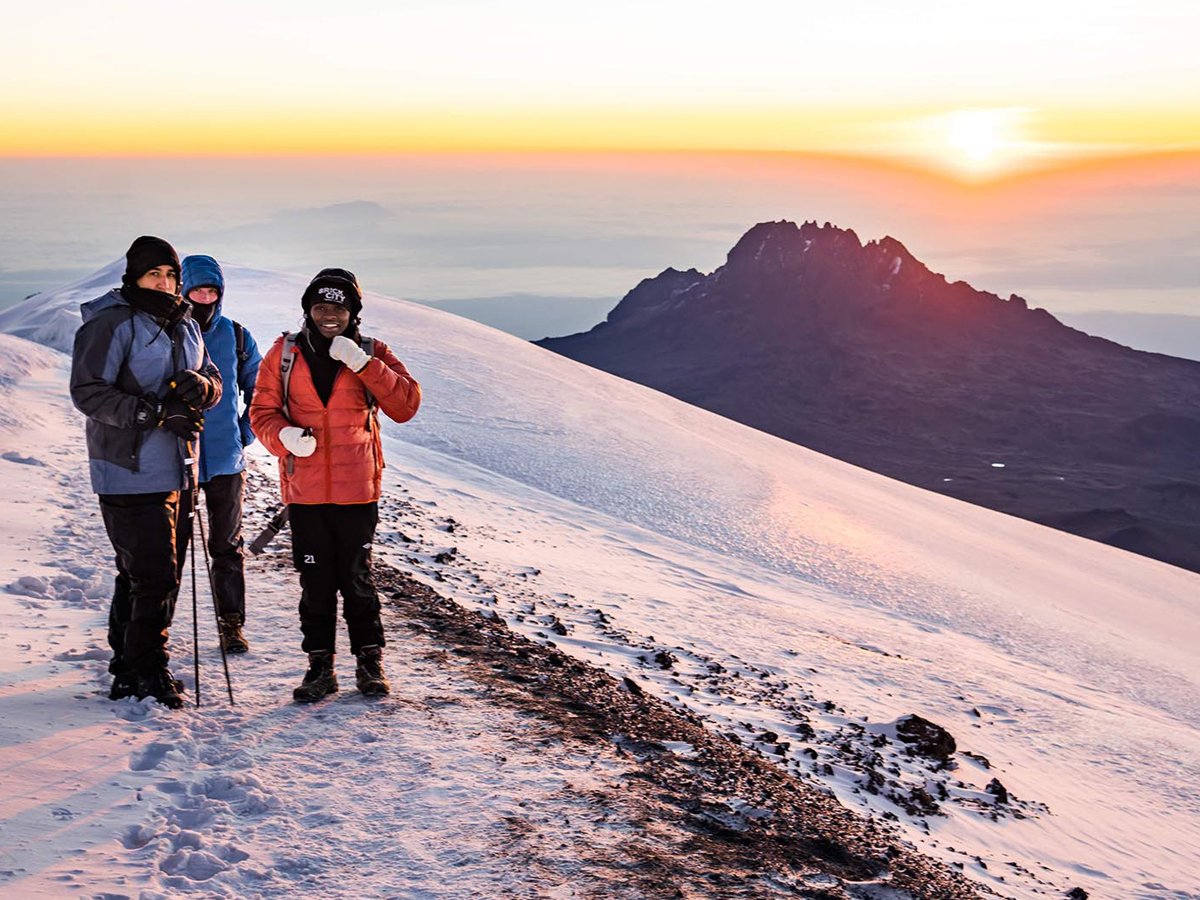
Description: This is the most demanding day. You’ll start around midnight, trekking up a steep scree slope towards Stella Point (5756m/18885ft) on the crater rim. The ascent is slow and steady, with frequent breaks. Reaching Stella Point by sunrise is a magical experience. From Stella Point, you’ll continue along the crater rim to Uhuru Peak, the highest point in Africa. After celebrating your achievement, you’ll descend back to Barafu Camp for a short break before continuing down to Mweka Camp. This descent is long and can be tough on the knees.
Day 8: Mweka Camp (3100m/10171ft) to Mweka Gate (1640m/5381ft)
Trek: Approximately 10 km / 6.2 miles, 3-4 hours.
Habitat: Rainforest.
Description: The final day involves a pleasant descent through the rainforest back to Mweka Gate. You’ll receive your climbing certificates and bid farewell to your guides and crew. A vehicle will be waiting to transfer you back to your hotel in Moshi, where you can rest and celebrate your incredible achievement.
Preparing for Your 8-Day Lemosho Group Climb in December 2026-2027
Successful preparation is the cornerstone of any Kilimanjaro climb, especially for a challenging route like Lemosho, and even more so when aiming for a specific month like December 2026 or 2027. The 8-day itinerary demands good physical fitness, mental fortitude, and meticulous planning regarding gear, health, and logistics.
Physical Training and Fitness
Kilimanjaro is not a technical climb, but it is a demanding high-altitude trek. The key is endurance and strength, particularly in your legs and core. Your training should focus on:
- Cardiovascular Fitness: Engage in activities like hiking (with a backpack), running, cycling, or swimming at least 3-4 times a week. Aim for sessions of 1-2 hours.
- Strength Training: Focus on leg exercises like squats, lunges, and calf raises, as well as core strengthening exercises.
- Hiking with Weight: Practice hiking on varied terrain (hills are ideal) while wearing a backpack weighing 8-10 kg (18-22 lbs). This simulates the conditions on the mountain.
- Altitude Simulation (if possible): If you live at high altitude or can access altitude training facilities, this can be beneficial. However, consistent cardiovascular training is more critical for most.
- Consistency is Key: Start your training at least 3-6 months before your planned December 2026 or 2027 climb.
The 8-day Lemosho route requires a good level of fitness because of the sustained ascent and the summit night’s intensity. While you don’t need to be an elite athlete, being able to hike for 5-8 hours a day with significant elevation gain is essential.
Gear and Equipment
Packing the right gear is critical for comfort, safety, and success. Kilimanjaro’s weather can change rapidly, and temperatures can range from tropical heat in the rainforest to well below freezing at the summit. For a December 2026 or 2027 climb, layering is your best strategy.
Essential Gear Checklist:
- Base Layers: Moisture-wicking thermal tops and bottoms (synthetic or merino wool).
- Mid Layers: Fleece jacket or a lightweight down jacket for insulation.
- Outer Layer: Waterproof and windproof jacket (Gore-Tex or similar) and trousers.
- Insulated Jacket: A warm, insulated jacket (down or synthetic) for evenings and summit night.
- Trekking Trousers: Comfortable, quick-drying trekking trousers (avoid jeans).
- Headwear: Warm hat (beanie), sun hat with a wide brim, and a balaclava or neck gaiter for the summit.
- Gloves: Warm, waterproof gloves or mittens, and thinner liner gloves.
- Footwear: Broken-in, waterproof hiking boots with good ankle support. Camp shoes or trainers for evenings.
- Socks: Several pairs of warm wool or synthetic hiking socks.
- Sleeping Bag: A 4-season sleeping bag rated to at least -15°C (5°F).
- Backpack: A comfortable daypack (30-40 liters) and a large duffel bag (80-100 liters) for porters.
- Headlamp: With extra batteries.
- Water Bottles/Hydration Reservoir: At least 2-3 liters capacity. Insulated covers are recommended for December.
- Sun Protection: High SPF sunscreen, lip balm with SPF, and sunglasses.
- Personal Items: Toiletries (biodegradable), wet wipes, hand sanitizer, personal first-aid kit, pain relievers, blister treatment.
- Trekking Poles: Highly recommended for stability and reducing knee strain.
- Snacks: Energy bars, nuts, dried fruit (though meals are provided).
Note: Climb 4 Africa can provide a more detailed gear list upon booking and can often arrange for rental of certain items like sleeping bags and warm jackets. It’s crucial to test your gear before you leave home.
Health and Vaccinations
Consult your doctor or a travel clinic 4-6 weeks before your trip. Recommended vaccinations often include Hepatitis A, Typhoid, Tetanus, and potentially Yellow Fever (check current requirements). Malaria prophylaxis might be recommended for lower altitudes, though Kilimanjaro itself is generally considered low-risk for malaria due to its altitude. However, areas around Moshi and Arusha can have mosquitoes.
Altitude Sickness (Acute Mountain Sickness – AMS): This is the most significant health risk. The 8-day Lemosho route’s acclimatization profile is designed to mitigate this, but it’s still a risk. Diamox (acetazolamide) can be prescribed by your doctor to aid acclimatization, but it’s not a substitute for slow ascent and proper hydration. Understand the symptoms: headache, nausea, dizziness, fatigue. Inform your guide immediately if you experience any.
Travel Insurance
Comprehensive travel insurance is mandatory for all Kilimanjaro climbs. Ensure your policy covers:
- High-altitude trekking up to 6000m (Uhuru Peak is 5895m).
- Emergency medical expenses and evacuation (including helicopter rescue).
- Trip cancellation and interruption.
Always check the policy’s terms and conditions carefully. Climb 4 Africa requires proof of insurance before your climb.
What to Expect on an 8-Day Lemosho Group Departure
Joining a group departure for the 8-day Lemosho Route in December 2026 or 2027 offers a unique blend of shared experience and personal challenge. Understanding what to expect can help manage expectations and enhance your journey.
The Group Dynamic
Group climbs are a fantastic way to meet like-minded individuals from around the world. You’ll share experiences, motivate each other, and celebrate successes together. While there’s a group itinerary, your guides will ensure that faster trekkers don’t leave slower ones behind, and that everyone gets adequate breaks. The pace is generally set by the slowest member of the group, ensuring no one feels rushed. Teamwork and mutual support are often the hallmarks of successful group expeditions.
Climb 4 Africa’s group departures are managed by experienced local guides who are adept at fostering a positive group atmosphere while ensuring safety and efficiency. They are trained in first aid, mountain rescue, and the specific needs of trekkers at altitude.
Daily Life on the Mountain
- Mornings: Wake up calls are usually early, around 6-7 AM, with hot water provided for washing. Breakfast follows, typically porridge, eggs, toast, and fruit.
- Trekking: You’ll start your day’s trek after breakfast, often with packed lunches (sandwiches, fruit, boiled eggs, snacks) to eat en route. Your guides will lead the way, and porters will carry the bulk of your gear.
- Acclimatization: Daily briefings from your lead guide will cover the day’s route, altitude gain, weather, and any specific advice. They will monitor everyone for signs of AMS.
- Evenings: Arrive at camp, receive hot drinks and snacks. Your tent will be set up. You’ll have time to rest, rehydrate, and prepare for the next day. Dinner is usually a hearty three-course meal (soup, main course with carbohydrates and protein, dessert).
- Sleeping: Nights can be very cold, especially at higher camps. Your sleeping bag and warm layers are essential.
The 8-day Lemosho Route provides ample time for enjoying the scenery, taking photographs, and interacting with your fellow trekkers and crew. The focus is on a safe, enjoyable, and successful climb.
Food and Water
Climb 4 Africa provides three nutritious meals a day, plus snacks and hot drinks. The food is prepared by dedicated camp chefs and is designed to provide the energy needed for trekking at altitude. Expect a variety of dishes, including soups, stews, rice, pasta, vegetables, chicken, and fruits. Vegetarian and other dietary requirements can usually be accommodated with advance notice.
Water: Drinking water is sourced from streams and then purified by boiling or using purification tablets. It’s crucial to drink at least 3-5 liters of water per day. Your crew will ensure you have boiled or treated water available at all times.
Crew and Support
On the 8-day Lemosho Route, you’ll be supported by a team of experienced local guides, cooks, and porters. The number of crew members depends on the group size, but expect at least one lead guide, one assistant guide per 6-8 trekkers, a cook, and multiple porters to carry tents, food, and your main luggage.
Guides are trained in wilderness first aid and mountain rescue. They are responsible for your safety, navigation, and monitoring your health. Porters are essential for carrying the heavy gear, allowing you to focus on trekking. It’s customary and highly appreciated to tip your crew at the end of the climb; Climb 4 Africa provides guidelines on tipping amounts.
Booking Your 8-Day Lemosho Route Group Climb (2026-2027)
Securing your spot on an 8-day group-joining Lemosho Route Kilimanjaro climb for December 2026 or 2027 requires careful consideration and timely booking. As a specialist Kilimanjaro operator, Climb 4 Africa is well-equipped to guide you through this process.
When to Book
December is a popular month for climbing Kilimanjaro, especially for those seeking to avoid the busier dry seasons or wanting to climb around the holidays. Therefore, for December 2026 or 2027 departures, it’s advisable to book at least 6-12 months in advance. This ensures availability, especially for group departures, and gives you ample time for training and preparation.
Choosing a Departure Date
Climb 4 Africa typically schedules group departures based on demand and optimal climbing conditions. While specific dates for December 2026 and 2027 group departures will be published on their website, you can also inquire directly. If a specific date doesn’t work, they can often accommodate requests for custom group departures or private climbs if you have a small group of friends or family.
When inquiring about 8-day group joining Lemosho Route departures for 2026-2027, be sure to ask about:
- Specific departure dates for December 2026 and December 2027.
- Group size (typical and maximum).
- Inclusions and exclusions in the quoted price.
- Accommodation before and after the climb.
- Park fees and permits.
What’s Typically Included in a Climb 4 Africa Group Package
Climb 4 Africa prides itself on offering comprehensive packages that cover most aspects of your climb, ensuring a hassle-free experience. While exact details can vary, a typical package for an 8-day Lemosho Route group climb includes:
- All park fees, camping fees, and rescue fees.
- Accommodation in Moshi before and after the climb (usually 2 nights).
- All transfers to and from Kilimanjaro International Airport (JRO) and to/from the mountain gate.
- Experienced, English-speaking climbing guides, cooks, and porters.
- Nutritious meals and purified drinking water during the climb.
- Camping equipment (tents, sleeping mats).
- Campsite fees.
- A moderate amount of bottled oxygen for emergency use.
- Emergency evacuation insurance (often a basic form, check details).
What is usually NOT included:
- International flights.
- Visa fees for Tanzania.
- Travel and medical insurance (mandatory).
- Tips for guides, cooks, and porters.
- Personal climbing gear (sleeping bag, warm jacket, boots, etc.).
- Alcoholic beverages, soft drinks, and personal snacks.
- Personal expenses (souvenirs, laundry).
- Optional pre- or post-climb safaris or Zanzibar trips.
Cost Considerations: The cost of an 8-day Lemosho Route group climb with Climb 4 Africa is competitive and reflects the quality of service, experienced guides, and commitment to safety. Prices are typically quoted per person and will be provided upon inquiry, taking into account the 2026-2027 season. Expect prices to be in the mid-to-upper range for Kilimanjaro operators, reflecting a commitment to fair wages for staff and robust safety protocols.
Making Your Booking Inquiry
To book your 8-day group-joining Lemosho Route Kilimanjaro climb for December 2026 or 2027, or to simply get more information, reaching out to Climb 4 Africa is the best next step. They are experts in Kilimanjaro expeditions and can provide personalized advice.
Contact Climb 4 Africa:
- WhatsApp: +255 747 477 898
- Email: climb4africa@gmail.com
- Website: climb-4-africa.com
When you contact them, be sure to mention your interest in the 8-day group-joining Lemosho Route for December 2026 or 2027. Providing your preferred travel dates and any questions you have will help them tailor their response and provide you with the most accurate information and a personalized quote.
Comparing Lemosho Route Durations and Other Kilimanjaro Routes
While this article focuses on the 8-day Lemosho Route for December 2026-2027, it’s helpful to understand how it compares to other options. This context can solidify your decision or open your eyes to alternatives.
Lemosho: 7-Day vs. 8-Day
The 7-day Lemosho Route is also very popular and offers a slightly faster pace. It typically merges with the Machame route earlier. While still offering good acclimatization, the 8-day itinerary adds an extra day, usually at a higher camp like Barranco or Karanga, allowing for more ‘climb high, sleep low’ opportunities. For trekkers who might be concerned about altitude or simply want a more relaxed pace, the 8-day version is generally preferred and often leads to higher success rates. For December 2026/2027, the 8-day provides that extra buffer.
Lemosho vs. Machame Route
The Machame Route is Kilimanjaro’s most popular route, known for its scenic beauty and good acclimatization profile, especially when done over 7 or 8 days. The 8-day Machame route is very similar in its acclimatization strategy to the 8-day Lemosho. However, Lemosho starts on the western side, offering a more remote and less-trafficked initial ascent, which many trekkers appreciate. Machame tends to be more crowded due to its popularity. Both routes converge on the southern circuit and ascend to the summit via Stella Point.
Lemosho vs. Marangu Route
The Marangu Route, often called the ‘Coca-Cola’ route, is the oldest and only route with hut accommodation instead of camping. It’s generally considered the easiest and cheapest route. However, its ascent profile is much steeper, and it has significantly lower success rates due to poor acclimatization (often done in 5 or 6 days). The 8-day Lemosho Route is vastly superior in terms of acclimatization and scenery. For a December 2026 or 2027 climb, if success and a memorable experience are priorities, Lemosho is the clear choice over Marangu.
Lemosho vs. Northern Circuit
The Northern Circuit is the longest route (9-10 days) and offers the best acclimatization profile and highest success rates. It circles the mountain, providing a comprehensive and diverse experience. If maximum acclimatization and a more leisurely pace are your top priorities, and you have more time and budget for a 2026-2027 trip, the Northern Circuit is an excellent option. However, the 8-day Lemosho Route provides a fantastic balance for those with less time or a slightly tighter budget.
Lemosho vs. Rongai Route
The Rongai Route approaches Kilimanjaro from the north, near the Kenyan border. It’s a good alternative for those concerned about rain, as it is drier during the rainy seasons (though December is generally a shoulder season). Rongai is also less crowded. However, its acclimatization profile is not as strong as Lemosho’s, and the scenery, while beautiful, is often considered less dramatic than Lemosho’s western approach. The 8-day Lemosho Route is generally preferred for its higher success rates and more varied landscapes.
For your 8-day group-joining Lemosho Route in December 2026 or 2027, you are choosing a route that consistently ranks high in terms of success, scenery, and acclimatization. It strikes an excellent balance for most trekkers.
Frequently Asked Questions about the 8-Day Lemosho Route
Here are some common questions potential climbers have about undertaking an 8-day Lemosho Route trek, especially for group departures in 2026-2027.
Q1: What is the best time of year for an 8-day Lemosho Route climb?
A1: While Kilimanjaro can be climbed year-round, the two main dry seasons (January-March and June-October) are most popular. December falls into a shoulder season. It’s often characterized by good weather with occasional, brief showers, and can be less crowded than the peak dry months. Temperatures will be cold, especially at altitude. For 2026-2027 December, expect variable but generally good conditions, making it a viable choice, especially if you prefer fewer crowds.
Q2: How difficult is the 8-day Lemosho Route?
A2: The 8-day Lemosho Route is considered a challenging trek. The difficulty stems primarily from the altitude and the sustained physical effort required over multiple days. The 8-day itinerary’s excellent acclimatization profile significantly helps manage the altitude challenge. The most demanding part is the summit night. Good physical fitness and mental preparation are essential.
Q3: What is the success rate for the 8-day Lemosho Route?
A3: Success rates vary depending on the operator, the individual’s preparation, and the chosen itinerary. However, the 8-day Lemosho Route is known for having one of the highest success rates, often quoted between 85-90%. This is largely due to its longer duration and superior acclimatization schedule compared to shorter routes.
Q4: Is the 8-day Lemosho Route suitable for solo travelers?
A4: Absolutely. The 8-day group-joining Lemosho Route is ideal for solo travelers. Joining a group provides companionship, shared costs, and a supportive environment. Climb 4 Africa’s group departures ensure you are never truly alone, surrounded by fellow trekkers and a dedicated crew.
Q5: What are the accommodation arrangements on the mountain?
A5: On the 8-day Lemosho Route, you will be camping. Climb 4 Africa provides high-quality, spacious tents for sleeping, dining tents, and toilet tents. Your guides and porters will set up and take down camp each day.
Q6: Do I need to be an experienced mountaineer to climb Kilimanjaro?
A6: No, you do not need prior mountaineering experience. The Lemosho Route is a trek, not a technical climb. However, you do need to be in good physical condition and have a strong desire to complete the challenge. Prior hiking experience is beneficial.
Q7: What happens if I get sick or injured on the mountain?
A7: Safety is paramount. Your guides are trained in first aid and will monitor your health daily. If you show symptoms of altitude sickness or suffer an injury, they will assess the situation. Depending on the severity, this might involve administering medication, resting, descending to a lower altitude, or initiating an emergency evacuation. This is why comprehensive travel insurance covering high-altitude evacuation is mandatory.
Q8: How much should I tip the crew for an 8-day Lemosho Route climb in 2026 or 2027?
A8: Tipping is a significant part of the crew’s income. Climb 4 Africa provides recommended tipping guidelines based on the number of days and crew members. Typically, tips are pooled and distributed among guides, cooks, and porters. A general guideline might be around $250-$350 USD per trekker for an 8-day climb, but always check with your operator for their specific recommendations.
Conclusion: Your 2026-2027 Kilimanjaro Adventure Awaits
Embarking on an 8-day group-joining Lemosho Route Kilimanjaro climb in December 2026 or 2027 is a decision that promises an unforgettable adventure. This route offers a superior balance of scenic beauty, acclimatization, and a high probability of summit success. By choosing a group departure, you gain the benefits of cost-effectiveness and shared camaraderie, all expertly managed by Climb 4 Africa’s local expertise.
Preparation is key, from physical training to packing the right gear and understanding the health considerations. The 8-day itinerary is meticulously designed to guide you safely through Kilimanjaro’s diverse ecosystems, culminating in a challenging but rewarding summit night. The December 2026-2027 timeframe offers a potentially less crowded experience with the magic of the holiday season.
Ready to take the next step towards Africa’s rooftop? Contact Climb 4 Africa today to discuss your 8-day group-joining Lemosho Route plans for 2026 or 2027. Their team is dedicated to helping you plan a safe, successful, and life-changing Kilimanjaro expedition.
Reach out to Climb 4 Africa:
WhatsApp: +255 747 477 898
Email: climb4africa@gmail.com
Website: climb-4-africa.com
Check Availability for 8-Day Group Joining Lemosho Route Kilimanjaro Climb 2026-2027
Ready to compare dates, prices, and the best option for your group? Send the package name and travel month so the team can reply with a clear quote, availability, and what is included.
8 Day Lemosho Route – 5 December Kilimanjaro Group Climb 2026
Plan your 8-day Lemosho Route Kilimanjaro group climb for December 5, 2026. Discover why Lemosho is a top choice for success rates and scenery, with practical advice from Climb 4 Africa.
View package details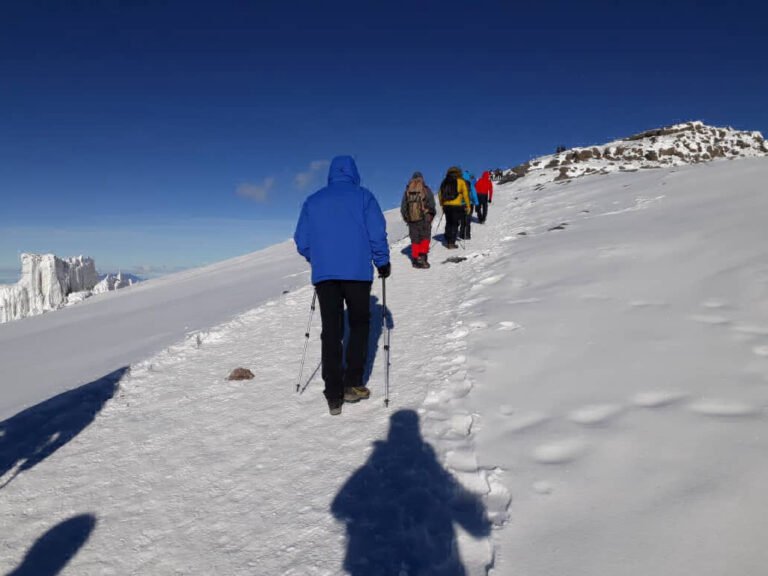
Lemosho Route – 16 January Group Joining Kilimanjaro Climb 2026-2027
This page details the Lemosho Route Kilimanjaro climb scheduled for January 16, 2027. It's an 8-day group joining departure, ideal for trekkers seeking a balance of scenic beauty, excellent...
View package details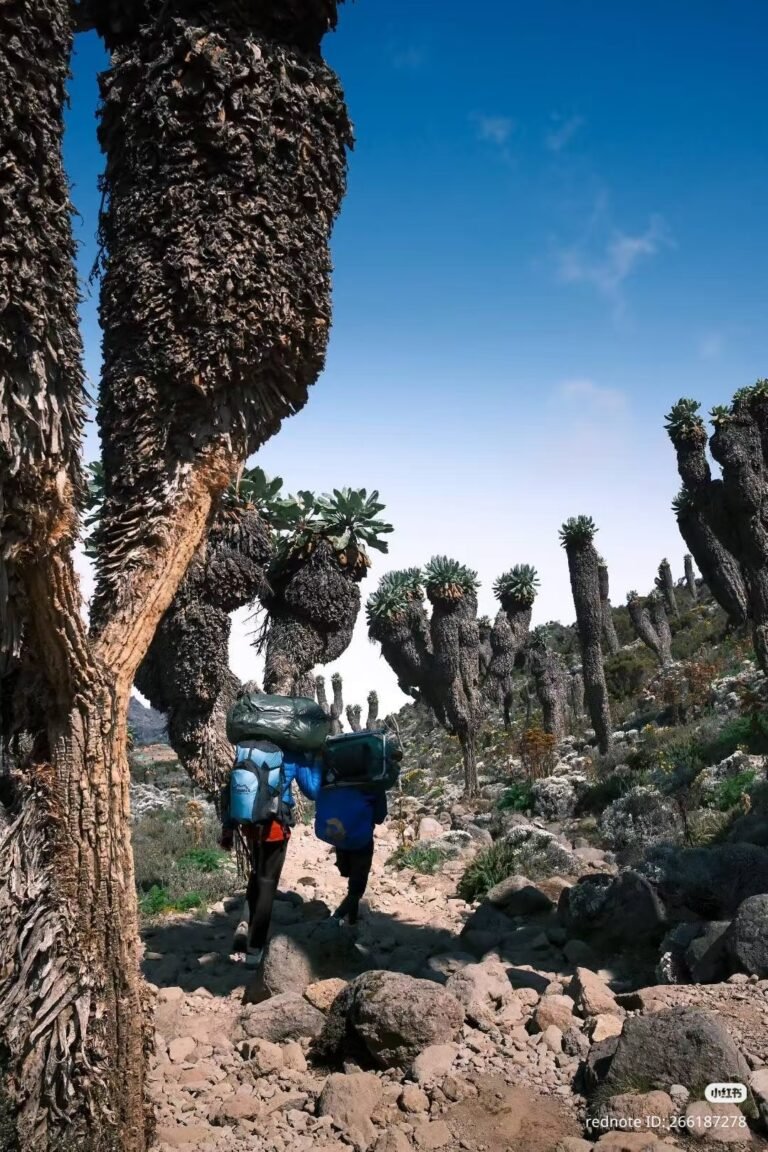
7 Day Machame Route – 7 December Group Departure | Your Kilimanjaro Climb
Plan your Kilimanjaro ascent on the popular 7-day Machame Route with a group departure on December 7, 2026. This guide covers the trek's highlights, challenges, and what to expect when...
View package details
8 Day Lemosho Route – 1 August Kilimanjaro Group 2027
8 Day Lemosho Route – 1 August 2027 Kilimanjaro Group is explained with current 2027 planning, price, itinerary and booking information.
View package details
7 Day Machame Route – 17 July Group Joining Climb 2027
7 Day Machame Route – 17 July 2027 Group Joining Climb is explained with current 2027 planning, price, itinerary and booking information.
View package details8 Day Lemosho Route – 12 July Kilimanjaro Group 2027
8 Day Lemosho Route – 12 July 2027 Kilimanjaro Group is explained with current 2027 planning, price, itinerary and booking information.
View package details8 Day Lemosho Route – 7 July Group Departure Kilimanjaro Climb 2027
start an incredible 8-day Lemosho Route trek up Mount Kilimanjaro with the Climb 4 Africa group departure on July 7, 2027. This itinerary offers a fantastic balance of acclimatization...
View package details8 Day Lemosho Route – 4 February Group Climb: Your Definitive Guide 2027
Plan your ascent of Kilimanjaro via the Lemosho Route on our scheduled group climb departing February 4, 2027. This guide details the itinerary, advantages, and what to expect.
View package details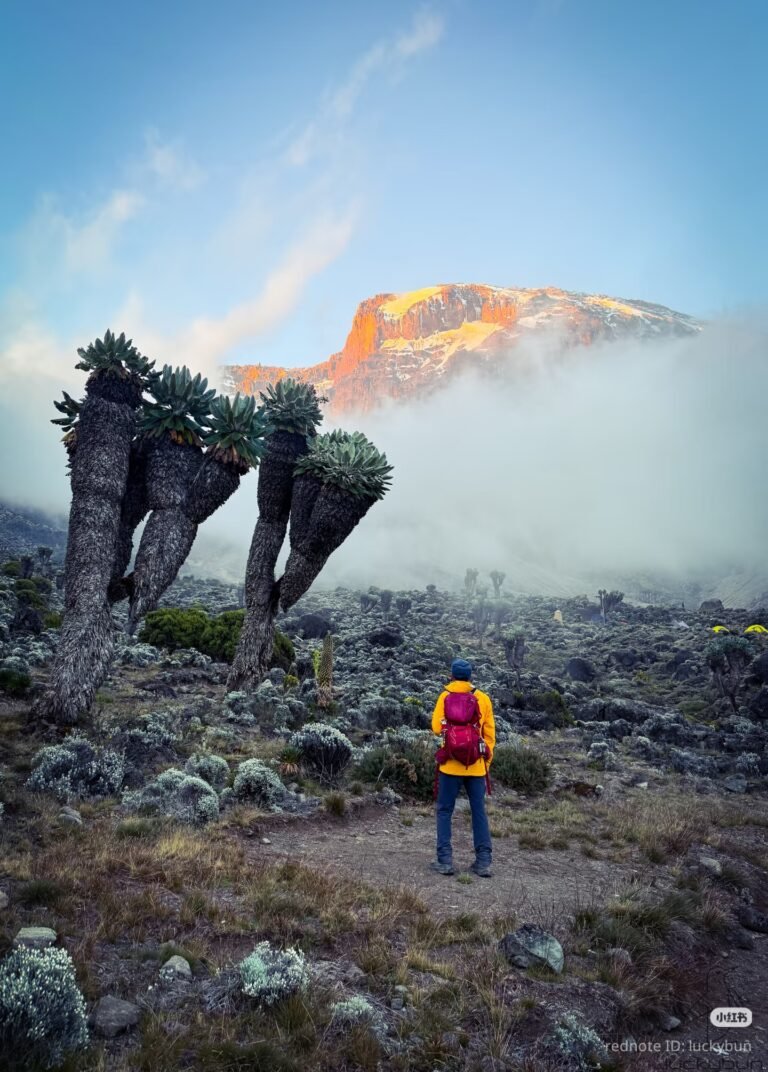
8 Day Lemosho Route – 2 January Group Climb: Your Ultimate Kilimanjaro
start the scenic 8 Day Lemosho Route on January 2, 2027, a group climb designed for optimal acclimatization and summit success on Mount Kilimanjaro. This guide details the itinerary...
View package details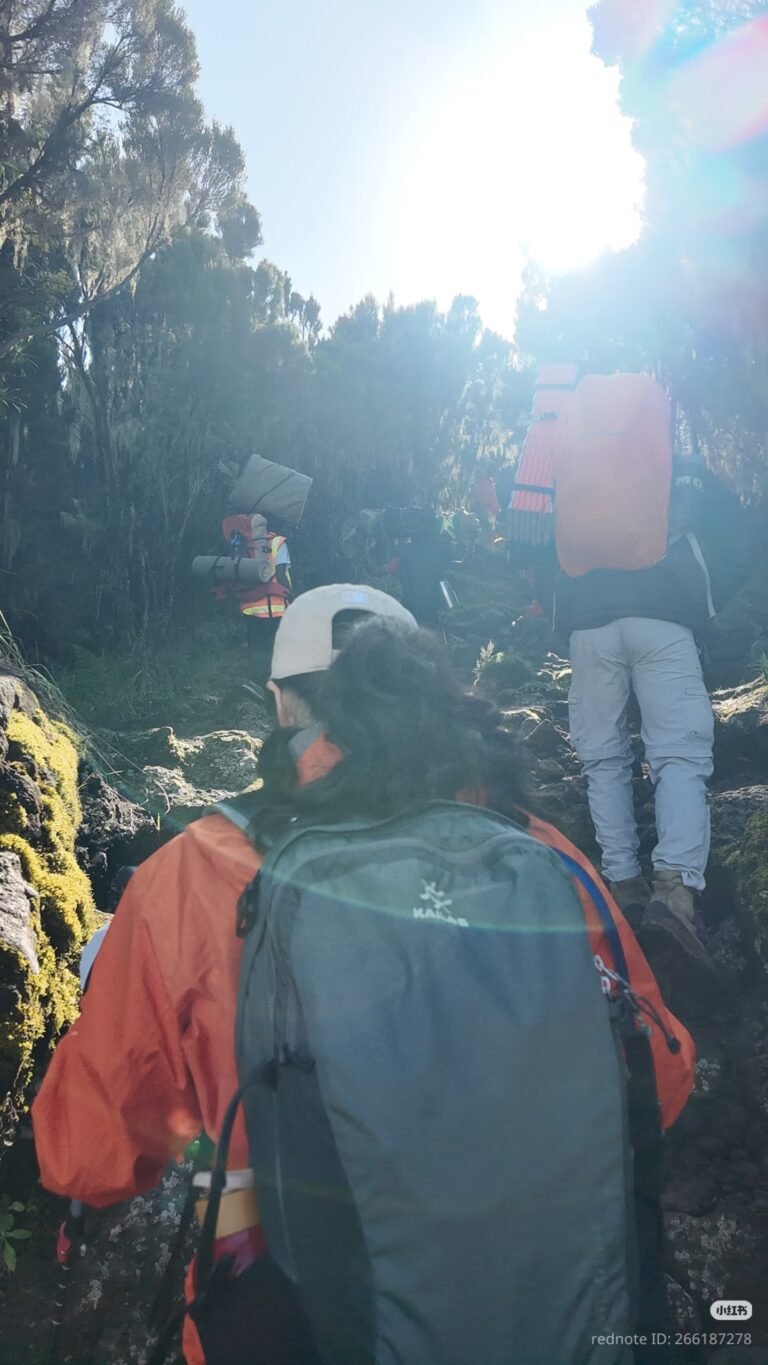
Marangu Route 28 December : Your New Year Kilimanjaro Group Trek 2026-2027
Plan your New Year's Eve ascent of Kilimanjaro by joining a Marangu Route group trek departing on December 28, 2026. This guide covers route specifics, what to expect, and essential...
View package details?? Kilimanjaro Early December, Group Joining, Acclimatization 2026-2027
→ Kilimanjaro early December, group joining, acclimatization. is explained with current 2026-2027 planning, price, itinerary and booking information.
View package details8 Day Lemosho Route – 26 December New Year Kilimanjaro Climb 2026-2027
8 Day Lemosho Route – 26 December 2026 New Year Kilimanjaro Climb is explained with current 2026-2027 planning, price, itinerary and booking information.
View package detailsNo related package matches those filters. Clear one or more filters to see the other topic-matched options.



