
A 10 Days Western Tanzania Safari, focusing on Katavi, Mahale, and Lake Tanganyika, offers an unparalleled adventure into some of Africa’s most remote and biodiverse regions, combining vast savannahs teeming with wildlife, dense rainforests for chimpanzee trekking, and the tranquil shores of the world’s longest freshwater lake. This itinerary is ideal for travelers seeking an off-the-beaten-path experience, distinct from the more crowded Northern Circuit, providing exceptional game viewing, primate encounters, and opportunities for relaxation by the lake, with optimal planning for 2026-2027 travel requiring early booking due to limited accommodations and flight schedules.

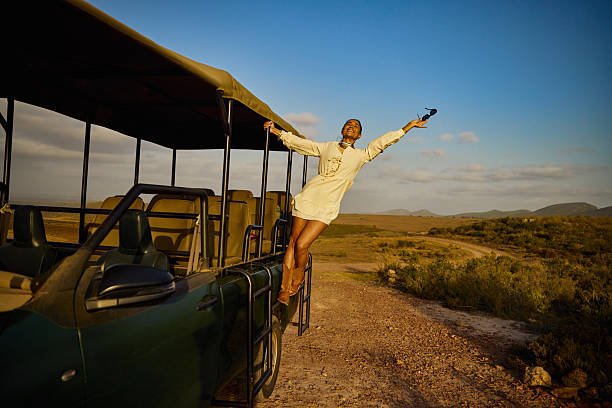
Understanding Your 10 Days Western Tanzania Safari: Katavi, Mahale & Lake Tanganyika
This 10 Days Western Tanzania Safari is not your typical Tanzanian adventure. While the Northern Circuit’s Serengeti and Ngorongoro Crater draw crowds with their accessibility and iconic landscapes, the western circuit offers a profound sense of discovery. Katavi National Park, often called ‘the true Africa,’ is a vast, untamed wilderness where large herds and predators roam freely under immense skies. Mahale Mountains National Park is world-renowned for its wild chimpanzee population, offering intimate trekking experiences. Finally, Lake Tanganyika, the second-deepest lake in the world and the longest freshwater lake, provides a serene contrast with its crystal-clear waters and sandy beaches. Combining these three destinations in a 10-day timeframe is ambitious but rewarding, requiring careful logistical planning, particularly for travel in 2026 or 2027.
This journey is for the discerning traveler who values exclusivity, raw nature, and unique wildlife encounters. It’s about experiencing Tanzania’s wild heart away from the masses, a journey that demands a certain level of adventure and preparedness. The logistics of reaching and moving between these remote parks are complex, involving light aircraft flights and boat transfers, which adds to the exclusivity but also means that planning well in advance, especially for peak seasons in 2026-2027, is essential.
The 10 Days Western Tanzania Safari itinerary we typically craft focuses on maximizing your experience within this challenging yet rewarding region. It’s a deep look at ecosystems that feel ancient and untouched, offering moments of solitude and genuine connection with nature. We’ll explore the unique dynamics of Katavi’s dry season concentrations, the thrill of tracking chimps in Mahale’s verdant slopes, and the tranquil beauty of Lake Tanganyika’s shores.
Why Choose Western Tanzania for Your 10-Day Safari?
The allure of Western Tanzania lies in its raw, untamed beauty and the sheer exclusivity it offers. Unlike the well-trodden paths of the Northern Circuit, a 10 Days Western Tanzania Safari allows you to step into a Tanzania that feels profoundly wild and less influenced by mass tourism. This region is a sanctuary for those seeking authentic encounters and a deeper connection with nature.
The Appeal of Unspoiled Wilderness
Katavi National Park is a prime example. Its sheer size and remoteness mean that wildlife sightings are not guaranteed in the same way as more developed parks, but when they happen, they are often spectacular and intimate. Imagine vast floodplains dotted with elephants, buffaloes, zebras, and giraffes, with predators like lions, leopards, and hyenas often visible. The park is particularly famous for its massive herds of buffalo and elephants, especially during the dry season when they congregate around the few remaining water sources.
Unique Primate Encounters
Mahale Mountains National Park offers something truly special: a chance to track and observe wild chimpanzees in their natural habitat. Led by experienced guides, you’ll trek through lush rainforests, listening for the calls of these intelligent primates. The opportunity to sit quietly and watch a chimpanzee family interact is an experience that stays with you forever. This is a highlight for many on a 10 Days Western Tanzania Safari, offering a profound connection to our closest living relatives.
The Majestic Lake Tanganyika
Lake Tanganyika provides a stunning counterpoint to the wildlife-focused parks. Its crystal-clear waters are perfect for swimming, snorkeling, and kayaking. The lakeside lodges offer a chance to relax, unwind, and enjoy impressive sunsets over the water. The vibrant fishing villages along its shores also offer a glimpse into local life, adding a cultural dimension to the safari.
Exclusivity and Fewer Crowds
For travelers prioritizing solitude and a sense of discovery, Western Tanzania is unparalleled. You’re more likely to have a guiding vehicle all to yourself, or share it with only a few others, and sightings are often experienced without the constant presence of multiple jeeps. This exclusivity enhances the feeling of being truly immersed in the wild. This is a key differentiator for those planning a 10 Days Western Tanzania Safari, especially as visitor numbers potentially increase in 2026 and 2027.
A Different Perspective on Tanzania
This safari offers a more challenging, yet deeply rewarding, perspective on Tanzania. It’s a journey that requires a bit more planning and flexibility, but the payoff is an experience that is both profound and incredibly memorable. It caters to those who have perhaps already explored the more common safari circuits and are looking for something new, or those who specifically seek out these remote, wild places.
A Sample 10-Day Western Tanzania Safari Itinerary
Crafting a 10 Days Western Tanzania Safari itinerary that balances travel time with quality experiences requires careful consideration. This sample itinerary is designed to give you a taste of the region’s diversity, assuming travel via light aircraft, which is standard for accessing these remote parks. It balances game drives, primate trekking, and relaxation.
Day 1: Arrival in Dar es Salaam & Fly to Katavi
Arrive at Julius Nyerere International Airport (DAR) in Dar es Salaam. After clearing customs, you’ll be met by a representative and transferred to the domestic terminal for your charter or scheduled light aircraft flight to Katavi National Park. The flight itself offers spectacular aerial views of Tanzania’s diverse landscapes. Upon landing at the airstrip in Katavi, you’ll be met by your lodge’s guide and transferred to your accommodation. Settle in and perhaps enjoy a short evening game drive depending on arrival time.
Day 2-3: Katavi National Park – in-depth Game Drives
Spend two full days exploring Katavi National Park. Morning and afternoon game drives will take you through the park’s vast floodplains, acacia woodlands, and riverine forests. Katavi is known for its immense elephant and buffalo herds, particularly in the dry season. You’ll also look for lions, leopards, cheetahs, hippos (often seen in huge numbers), crocodiles, and a variety of antelope species. The sheer scale of the park and the low visitor numbers create an unparalleled sense of wilderness.
Day 4: Fly to Mahale Mountains National Park
After a final morning activity in Katavi, take a light aircraft flight to Mahale Mountains National Park. The landing strip is typically near the shores of Lake Tanganyika. From the airstrip, you’ll transfer to your lakeside lodge, often involving a boat ride, which is a beautiful introduction to the park. After checking in and having lunch, you might start a short afternoon activity, perhaps a boat trip on the lake or a guided walk near the lodge.
Day 5-6: Mahale Mountains National Park – Chimpanzee Trekking
These two days are dedicated to tracking the habituated chimpanzees of Mahale. Accompanied by experienced rangers and guides, you’ll venture into the dense forest. The treks can vary in difficulty and duration, depending on the chimps’ location. The reward is an unforgettable encounter with these fascinating primates. You’ll spend time observing their social interactions, feeding habits, and unique personalities. Beyond chimps, Mahale also offers opportunities to see other primates like red colobus monkeys and various birdlife. Relax by the lake in the late afternoons.
Day 7: Transfer to Lake Tanganyika Lodge (South/Central)
After a final morning chimpanzee trek or relaxation by the lake, you’ll transfer to a different lodge located along the shores of Lake Tanganyika. This transfer could be by boat, offering stunning views of the coastline. This move allows you to experience a different stretch of the lake and potentially access different activities. Settle into your new accommodation and enjoy the tranquil lakeside environment.
Day 8: Lake Tanganyika – Relaxation and Water Activities
Enjoy a full day of leisure and activities on Lake Tanganyika. Options include swimming in the clear, warm waters, snorkeling amongst colorful fish, kayaking along the shoreline, or simply relaxing on the beach with a good book. Some lodges may offer guided nature walks or cultural visits to nearby fishing villages. This is a chance to decompress after the intensity of safari and trekking.
Day 9: Fly back to Dar es Salaam
After a leisurely breakfast and perhaps a final dip in the lake, you’ll be transferred to the local airstrip for your light aircraft flight back to Dar es Salaam. Upon arrival in Dar, you will be met and transferred to a hotel for an overnight stay, or directly to the international airport for your onward flight, depending on your schedule. This allows for a comfortable transition from the remote wilderness back to civilization.
Day 10: Departure
Depending on your international flight schedule, you may have time for some last-minute souvenir shopping in Dar es Salaam or a city tour before heading to the airport for your departure.
Note: This itinerary is a suggestion and can be customized. For instance, you could extend time in Katavi or Mahale, or even include a brief visit to Ruaha National Park if time permits and logistics align, though fitting Ruaha into a 10-day trip with Katavi and Mahale is extremely tight.
Deep Dive: Katavi National Park – The True Wilderness
Katavi National Park is a destination that truly embodies the spirit of raw, untamed Africa. It’s one of Tanzania’s largest parks, yet receives a fraction of the visitors that flock to the Northern Circuit. This isolation is its greatest asset, preserving a wildness that is increasingly rare. A 10 Days Western Tanzania Safari that includes Katavi offers an experience of pure, unadulterated nature.
The Landscape and Ecosystems
Katavi is characterized by vast, open floodplains that become lush and green during the rainy season and shrink to reveal concentrated water sources in the dry season. These floodplains are surrounded by miombo woodlands, acacia forests, and dense riverine vegetation along the Katuma River and its associated lakes, such as Lake Katavi and Lake Chada. This diverse topography supports an incredible array of wildlife.
Iconic Wildlife Concentrations
Katavi is perhaps most famous for its spectacular wildlife concentrations, particularly during the dry season (roughly June to October). During this time, the park’s few remaining water sources become magnets for enormous herds of elephants and buffaloes. You can witness thousands of buffaloes, a truly awe-inspiring sight, and large, social elephant herds. The park also boasts significant populations of lions, leopards, and hyenas, and cheetahs are present, though sightings are less common.
Hippos are abundant, and Katavi’s Lake Chada is known for having one of the largest hippo populations in Africa, with males often engaging in fierce territorial battles. Crocodiles bask on the riverbanks, and the birdlife is prolific, with over 400 species recorded, including various water birds, raptors, and woodland species.
What to Expect on Game Drives
Game drives in Katavi are an adventure. The tracks can be rough, and distances between sightings can be significant, but this is part of the charm. Your guide will be adept at reading the signs of the bush, seeking out predators and tracking animal movements. The absence of large crowds means you can often enjoy sightings in complete privacy, allowing for a more in-depth and intimate experience. You might spend hours observing a pride of lions, tracking a leopard through the trees, or simply marveling at the sheer scale of a buffalo herd.
Lodging in Katavi
Accommodation in Katavi is limited, contributing to its exclusivity. Lodges are typically tented camps or lodges designed to blend into the environment, offering comfort without compromising the wild feel. Options range from luxury tented camps to more rustic but comfortable lodges. Booking well in advance is crucial, especially for popular seasons in 2026 and 2027, as availability is scarce.
Why it’s Essential for a Western Tanzania Safari
Including Katavi in a 10 Days Western Tanzania Safari provides the quintessential ‘wild Africa’ experience. It’s a park that demands patience and rewards it handsomely with encounters that feel authentic and profound. It’s a place where you can truly feel like an explorer, discovering a landscape that has changed little over centuries.
Deep Dive: Mahale Mountains National Park – Chimpanzee Encounters
Mahale Mountains National Park is synonymous with one of Tanzania’s most sought-after wildlife experiences: trekking to see wild chimpanzees. located on the eastern shores of Lake Tanganyika, this park offers a impressive combination of dense tropical forests, rugged mountains, and pristine lake vistas. For anyone undertaking a 10 Days Western Tanzania Safari, Mahale represents a chance to connect with our closest primate relatives in a truly spectacular setting.
The Chimpanzee Experience
Mahale is home to a population of wild chimpanzees, and a significant portion of these have been habituated to human presence through dedicated research and tourism efforts. This habituation allows for guided treks where visitors can approach and observe the chimps relatively closely. The process involves following experienced guides and trackers who locate the chimpanzee groups, often by listening for their calls or finding fresh signs of their passage.
Trekking can be physically demanding, involving hikes through steep, humid rainforest terrain. The duration and difficulty depend on where the chimps are foraging on any given day. Once a group is found, you’ll typically have a set amount of time (often one hour) to observe them. Witnessing a chimpanzee family interact – grooming each other, feeding, playing, or resting – is an incredibly moving and intimate experience. You’ll learn about their complex social structures, individual personalities, and behaviors from your knowledgeable guides.
Beyond the Chimps
While chimpanzees are the main draw, Mahale offers more. The park’s diverse ecosystems support other primate species, including the striking red colobus monkeys, blue monkeys, and vervet monkeys. The birdlife is also rich, with many endemic species found in the montane forests. The park’s trails offer opportunities for beautiful forest walks, and the lake itself is a hub of activity.
Activities on Lake Tanganyika
The proximity to Lake Tanganyika opens up a range of activities. Many lodges are situated right on the beach, offering immediate access to the crystal-clear waters. You can enjoy swimming, snorkeling to see the lake’s endemic cichlid fish, or kayaking along the scenic coastline. Boat trips are also popular, providing a different perspective of the park’s dramatic mountain backdrop meeting the vast expanse of the lake.
Lodging in Mahale
Accommodation in Mahale is typically in exclusive lodges or tented camps, often accessible only by boat from the nearest airstrip. These lodges are designed to offer comfort and stunning lake views while maintaining a low environmental impact. They provide a perfect base for your chimpanzee treks and relaxation by the water. Due to the remote nature and limited capacity, booking accommodation for Mahale for 2026-2027 travel needs to be done very far in advance.
Why Mahale is Crucial for This Safari
Mahale Mountains National Park is the jewel in the crown for primate enthusiasts and a must-visit on any comprehensive 10 Days Western Tanzania Safari. It provides a unique, deeply rewarding, and respectful way to encounter chimpanzees in their natural habitat, offering a profound contrast to the savannah-based wildlife viewing of other parks.
Deep Dive: Lake Tanganyika – Serenity and Adventure
Lake Tanganyika, the longest freshwater lake in the world and the second-deepest, forms a impressive western boundary for Tanzania and is a vital component of any 10 Days Western Tanzania Safari that seeks diversity. Its vast, clear waters and sandy beaches offer a tranquil and beautiful contrast to the rugged wilderness of Katavi and the dense forests of Mahale. It’s a place to relax, rejuvenate, and engage in unique aquatic adventures.
A Natural Wonder
Stretching over 673 kilometers (418 miles) long and up to 72 kilometers (45 miles) wide, Lake Tanganyika is a geological marvel, part of the Great Rift Valley. Its waters are incredibly clear, supporting an astonishing diversity of fish species, including over 250 endemic cichlids, making it a paradise for snorkelers and divers. The lake’s shores range from rugged, rocky outcrops to long stretches of soft, golden sand, dotted with small fishing villages that offer a glimpse into local life.
Activities by the Lake
The lodges situated along Lake Tanganyika’s shores offer a variety of activities designed to help guests appreciate the lake’s beauty and tranquility:
- Swimming: The warm, clear waters are inviting for a refreshing dip, especially after a day of travel or trekking.
- Snorkeling: Explore the underwater world teeming with vibrantly colored cichlid fish. Many lodges provide snorkeling gear.
- Kayaking and Paddleboarding: Gently paddle along the shoreline, enjoying the serene environment and stunning views of the surrounding mountains.
- Boat Trips: Take a boat excursion to explore different parts of the lake, visit secluded beaches, or enjoy sunset cruises.
- Fishing: For those interested, some lodges may offer opportunities for fishing, experiencing the traditional methods used by local communities.
- Cultural Visits: Engage with local communities by visiting nearby fishing villages to learn about their way of life and traditions.
The Role in a 10-Day Itinerary
Including Lake Tanganyika in your 10 Days Western Tanzania Safari serves multiple purposes. It provides a crucial period of relaxation and decompression, allowing you to rest and absorb the incredible experiences you’ve had in Katavi and Mahale. It also adds a significant element of variety, showcasing a different facet of Tanzania’s natural beauty. The transition from the intensity of primate trekking to the peaceful lapping of waves is a welcome change of pace.
Logistics and Access
Access to lakeside lodges is typically via light aircraft, landing at small airstrips near the shore. From there, a boat transfer to your lodge is often part of the experience, offering a dramatic introduction to your lakeside accommodation. The lodges themselves are designed to complement the natural beauty, offering comfortable stays with stunning views.
Why It’s Worthwhile
While often seen as a place to relax, Lake Tanganyika is a destination in its own right. Its unique ecosystem, stunning scenery, and the opportunity for water-based activities make it an indispensable part of a well-rounded Western Tanzania experience. It offers a chance to reflect on the wildness you’ve witnessed and to simply enjoy the peaceful embrace of one of Africa’s greatest natural wonders.
Logistics, Travel Style, and Accommodation Choices
The logistics of a 10 Days Western Tanzania Safari are paramount and fundamentally shape the travel style and accommodation options available. Unlike the Northern Circuit, where road travel is common between parks, Western Tanzania relies heavily on light aircraft transfers due to the vast distances and challenging terrain. This dictates a certain pace and type of travel.
The Role of Light Aircraft Flights
Flights between Dar es Salaam, Katavi, Mahale, and potentially other airstrips are the backbone of this itinerary. Companies like Safari Air Link (SAL) or Coastal Aviation operate scheduled or charter flights. These flights are essential for making the 10-day timeframe feasible. They offer incredible aerial views but also mean that luggage is strictly limited, typically to 15-20 kg (33-44 lbs) per person in soft-sided bags.
Booking these flights well in advance is critical, especially for 2026-2027, as capacity is limited. The cost of these flights is a significant component of the overall safari price.
Travel Style: Exclusive and Remote
The travel style for a Western Tanzania safari is inherently exclusive and remote. You’ll be staying in lodges or tented camps that are often the only ones in their respective areas, ensuring a sense of privacy and solitude. Game drives are usually in custom-designed 4×4 safari vehicles, often shared with only a handful of other guests, or potentially private if you opt for a private safari.
The pace is deliberate. While 10 days is enough to sample the highlights, you won’t be rushing between destinations. Instead, you’ll have dedicated time in each park to truly experience the environment. This is not a ‘tick-box’ safari; it’s about quality experiences and deeper exploration.
Accommodation Tiers
Accommodation in Western Tanzania tends to be at the higher end of the spectrum, reflecting the remoteness and exclusivity. You won’t find budget-level camps in Katavi or Mahale. The options generally fall into:
- Luxury Tented Camps/Lodges: These offer spacious canvas tents or stone-built chalets with en-suite bathrooms, comfortable furnishings, and often private verandas. They focus on high-quality service, gourmet food, and prime locations. Examples include high-end camps in Katavi and well-appointed lodges on the shores of Lake Tanganyika and near Mahale.
- Mid-Range (Exclusive) Lodges: While not strictly ‘budget,’ some lodges offer a slightly more understated luxury or a more rustic charm. They still provide comfort and excellent guiding but might have fewer opulent amenities. These are rare in such remote areas but can exist.
When planning for 2026-2027, it’s important to understand that availability at these exclusive properties is limited. The best camps and lodges book up 9-12 months in advance, sometimes even longer for peak seasons.
Key Considerations for Logistics and Style
- Luggage Restrictions: Always use soft-sided duffel bags.
- Flight Schedules: Flights are often morning or early afternoon. This dictates the pace of your days.
- Connectivity: Expect limited or no Wi-Fi and phone signal in most locations. Embrace the digital detox.
- Guides: The quality of your guide is paramount. Ensure your tour operator works with experienced, local guides.
- Transfers: Be prepared for boat transfers, walking safaris (where permitted), and game drives.
Understanding these logistical elements is crucial for setting expectations and ensuring a smooth, enjoyable 10 Days Western Tanzania Safari.
When to Go: Timing Your 10-Day Western Tanzania Safari for 2026-2027
Deciding on the best time to undertake your 10 Days Western Tanzania Safari is a critical part of the planning process, especially when looking at travel dates for 2026 and 2027. Western Tanzania has distinct seasons, and the optimal timing depends on what you wish to prioritize: wildlife viewing, chimpanzee trekking, or the overall experience.
The Dry Season (June to October)
This is generally considered the prime time for a safari in Western Tanzania, particularly for Katavi National Park. During the dry season:
- Wildlife Concentration: Animals, especially elephants and buffaloes, congregate around the remaining water sources in Katavi, making game viewing highly predictable and spectacular.
- Vegetation: The landscape becomes drier, offering better visibility through the bush.
- Comfort: Temperatures are generally pleasant, with cooler mornings and evenings and warm, sunny days.
- Mahale: Chimpanzee trekking is still excellent, though the forest is less lush.
- Lake Tanganyika: The lake offers pleasant weather for water activities.
Considerations for 2026-2027: This is the peak season, meaning higher demand and potentially higher prices. Booking at least 9-12 months in advance is strongly recommended for 2026 and 2027 travel to secure preferred lodges and flights.
The Green Season / Shoulder Seasons (November to May)
The green season, characterized by rainfall, offers a different, often more intimate, safari experience.
- November-December (Short Rains): Occasional showers, but game viewing is still good. Landscapes begin to turn green. Fewer crowds.
- January-March (Long Rains): This period sees the most significant rainfall, primarily in the afternoons. Game viewing can be more challenging as animals disperse and vegetation becomes dense. However, it’s a fantastic time for birdwatching, and the scenery is incredibly lush and beautiful. The parks are very quiet.
- April-May (Long Rains End): The rains begin to taper off. Landscapes are vibrant green, and the air is fresh. This can be an excellent time for photography, and you might find better value as it’s outside the peak season. However, some camps might close or reduce services in April/May due to the end of the rainy season.
Mahale in the Green Season: The lushness can make chimpanzee trekking more challenging, but the forest is beautiful. Birdlife is exceptional.
Lake Tanganyika in the Green Season: The lake can be rougher during periods of heavy rain, potentially impacting boat activities. However, when the rain stops, the lake is often calm and beautiful.
Considerations for 2026-2027: The green season offers a more budget-friendly option and fewer crowds. If you don’t mind the possibility of rain and appreciate lush scenery and excellent birding, this can be a wonderful time to travel. It’s also a good time to book with more flexibility.
Specific Considerations for Each Park:
- Katavi: Best from June to October when wildlife is concentrated. The landscape is stunningly dramatic in the dry season.
- Mahale: Chimpanzee trekking is possible year-round, but the dry season (June-October) is often preferred for easier trekking and more reliable sightings. However, the green season offers a different, vibrant experience.
- Lake Tanganyika: Pleasant year-round, though heavy rains can sometimes affect boat operations. The dry season offers the most consistently pleasant weather for lakeside activities.
Ultimately, the best time for your 10 Days Western Tanzania Safari in 2026-2027 depends on your priorities. For classic, high-concentration wildlife viewing, aim for the dry season. For a more budget-conscious, visually lush, and bird-focused trip, consider the shoulder or green seasons.
Planning Your 10-Day Western Tanzania Safari: Key Considerations
Embarking on a 10 Days Western Tanzania Safari is a significant undertaking, and meticulous planning is key to ensuring a smooth and unforgettable experience. Unlike more conventional safaris, Western Tanzania demands attention to detail in several crucial areas.
1. Budget and Inclusions
Western Tanzania safaris are inherently more expensive than Northern Circuit trips due to the reliance on costly light aircraft flights and exclusive, remote lodges. Your budget needs to account for:
- Light Aircraft Flights: These are a major cost driver.
- Accommodation: Lodges are typically high-end, all-inclusive (meals, drinks, laundry, park fees).
- Park Fees: Katavi and Mahale have daily conservation fees.
- Activities: Game drives, chimpanzee trekking permits, and guided walks.
- Transfers: Airstrip transfers, boat transfers.
- Visas, Flights to Tanzania, Insurance.
Clarify what is included in your safari package. Most reputable operators will include accommodation, meals, local drinks, park fees, park activities (game drives, trekking), and internal flights. Ensure international flights, visas, travel insurance, tips, and personal expenses are clearly outlined as exclusions.
2. Physical Fitness and Trekking
While not Mount Kilimanjaro, the chimpanzee treks in Mahale Mountains National Park can be strenuous. The terrain is steep and humid, and treks can last several hours. A moderate level of fitness is recommended. Discuss your fitness level with your tour operator so they can tailor the pace and routes appropriately.
3. Packing Wisely: The Luggage Limit
As mentioned, soft-sided duffel bags are mandatory for light aircraft flights, with a strict weight limit (usually 15-20 kg per person). Pack light, versatile clothing in neutral colors (khaki, beige, olive green). Essential items include:
- Lightweight, breathable clothing (long-sleeved shirts and trousers for sun/insect protection).
- A warm fleece or jacket for cooler mornings and evenings.
- Comfortable walking shoes and sandals.
- Hat, sunglasses, high SPF sunscreen.
- Insect repellent (with DEET).
- Camera with extra batteries and memory cards.
- Binoculars.
- Basic first-aid kit and personal medications.
- Headlamp or torch.
- Swimsuit for Lake Tanganyika.
4. Health and Vaccinations
Consult your doctor or a travel clinic well in advance of your 2026-2027 trip regarding recommended vaccinations and malaria prophylaxis. Yellow fever vaccination is often required for entry into Tanzania if arriving from a country with a risk of yellow fever. Ensure you have adequate travel insurance that covers medical emergencies and evacuation.
5. Booking Lead Times
Due to the limited availability of flights and accommodations in Western Tanzania, booking your 10 Days Western Tanzania Safari well in advance is crucial. For travel in 2026 or 2027, aim to book at least 9-12 months ahead, especially if you are traveling during the peak dry season (June-October).
6. Flexibility and Expectations
Western Tanzania is a wild and remote region. While operators strive for smooth experiences, be prepared for the unexpected. Flights can be delayed due to weather, and wildlife sightings are never guaranteed. Embrace the adventure, remain flexible, and trust your guides. The rewards of experiencing such pristine wilderness are immense.
7. Choosing Your Operator
Selecting a reputable tour operator with in-depth knowledge of Western Tanzania is vital. Look for companies that specialize in this region and can handle the complex logistics. They should be able to offer tailored itineraries and provide excellent guiding services. Climb 4 Africa has extensive experience crafting unique Western Tanzania itineraries.
By considering these planning aspects, you can ensure your 10 Days Western Tanzania Safari is everything you hope for and more.
Booking Your 10-Day Western Tanzania Safari with Climb 4 Africa
Planning a 10 Days Western Tanzania Safari is an exciting prospect, and choosing the right partner is key to unlocking the magic of this remote and extraordinary region. At Climb 4 Africa, we specialize in crafting deeply in-depth and logistically sound journeys through Tanzania, including the exclusive parks of the west.
Why Choose Climb 4 Africa for Your Western Tanzania Adventure?
- Local Expertise: As a Tanzanian-based company, we possess intimate knowledge of Katavi, Mahale, and Lake Tanganyika. We understand the nuances of the seasons, the best lodges, and the most effective ways to navigate these remote areas.
- Tailor-Made Itineraries: We don’t offer one-size-fits-all packages. We work closely with you to understand your interests, budget, and travel style to design a bespoke 10 Days Western Tanzania Safari that perfectly suits your needs for 2026 or 2027.
- Logistical Mastery: We handle all the complex arrangements, from booking light aircraft flights and securing permits to selecting the best camps and guides. Our experience ensures a smooth transition between destinations.
- Commitment to Quality: We partner with lodges and camps that meet our high standards for service, guiding, and conservation.
- Personalized Support: From your initial inquiry to your departure from Tanzania, you’ll have dedicated support. We are accessible and responsive, ensuring peace of mind throughout your planning process.
Next Steps to Booking Your Safari
To begin planning your dream 10 Days Western Tanzania Safari, we recommend the following steps:
1. Get in Touch: Reach out to us with your initial thoughts. Let us know your preferred travel dates for 2026-2027, the approximate duration, your interests (e.g., photography, chimpanzees, relaxation), and your estimated budget level (e.g., luxury, mid-range exclusive). You can contact us via:
- Email: climb4africa@gmail.com
- WhatsApp: +255 747 477 898
2. Itinerary Design: Based on your input, we will craft a draft itinerary for your 10 Days Western Tanzania Safari, outlining the proposed route, accommodation, and activities. We will discuss this with you and make any necessary adjustments.
3. Confirmation and Booking: Once you are happy with the proposed itinerary, we will provide a detailed quote. Upon acceptance, we will proceed with booking flights, lodges, and any other necessary arrangements. A deposit will be required to secure these bookings.
4. Pre-Departure Support: We will provide you with comprehensive pre-departure information, including packing lists, visa advice, health recommendations, and tips for your safari.
Choosing Climb 4 Africa means opting for an authentic, well-managed, and unforgettable safari experience in Western Tanzania. We are passionate about sharing the wonders of this incredible part of Africa with you. Let us help you craft the 10 Days Western Tanzania Safari of a lifetime, designed for discovery and wonder in 2026 and 2027.
Check Availability for 10 Days Western Tanzania Safari: Katavi, Mahale & Lake Tanganyika Expedition
Ready to compare dates, prices, and the best option for your group? Send the package name and travel month so the team can reply with a clear quote, availability, and what is included.
Kilimanjaro And Great Migration Safari July : Your Ultimate Tanzanian
Combining a Kilimanjaro climb with a Great Migration safari in July 2027 offers a spectacular Tanzanian adventure. This guide helps you plan your ideal itinerary, considering the best...
View package details
Kilimanjaro And Grumeti Migration Safari June : The Ultimate Tanzanian
Plan your unforgettable Kilimanjaro and Grumeti Migration safari for June 2027. This comprehensive guide details how to combine the challenge of summiting Africa's highest peak with the...
View package details
Kilimanjaro Christmas Climb And Tanzania Safari : Your Festive Adventure
Combine the magic of a Christmas ascent of Kilimanjaro with a thrilling Tanzania safari in 2026. Discover how to plan this dual adventure for a truly unique festive season.
View package detailsKilimanjaro And Mara River Crossing Safari August : Peak Season Adventure 2027
Combining the ultimate challenge of climbing Mount Kilimanjaro with the awe-inspiring spectacle of the Great Migration river crossing in the Maasai Mara offers an unparalleled African...
View package details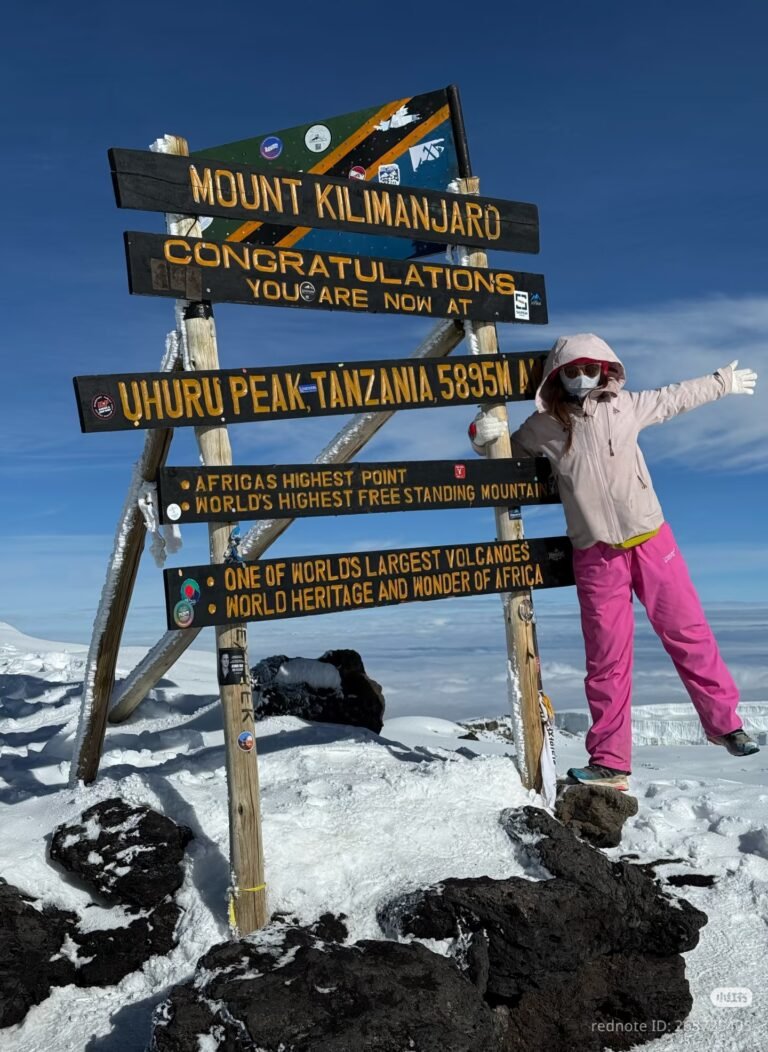
Kilimanjaro And Great Migration Safari August : Your Peak Season Adventure
Plan your ultimate Tanzanian adventure in August 2027, combining a Kilimanjaro climb with the spectacle of the Great Migration. This guide details the best timings, routes, and safari...
View package detailsKilimanjaro And Mara River Crossing Safari July 2027
Kilimanjaro and Mara River Crossing Safari July 2027 is explained with current 2027 planning, price, itinerary and booking information.
View package details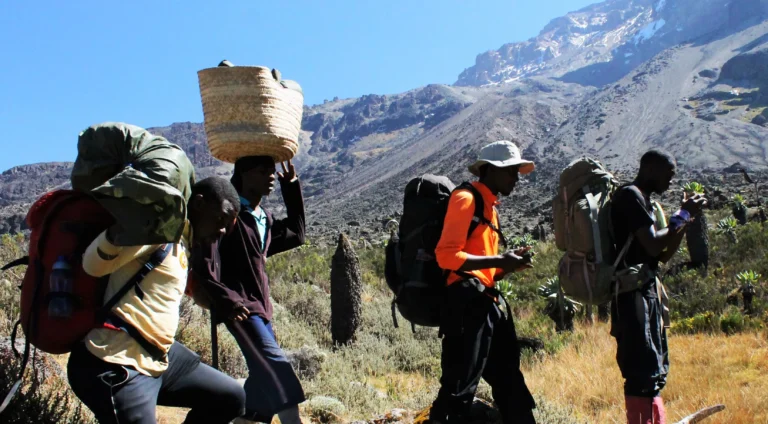
Best Kilimanjaro And Serengeti Calving Season Safari March 2027
Discover the magic of a March 2027 Kilimanjaro and Serengeti calving season safari. This guide explores the unique advantages and considerations for experiencing Tanzania's wildlife...
View package details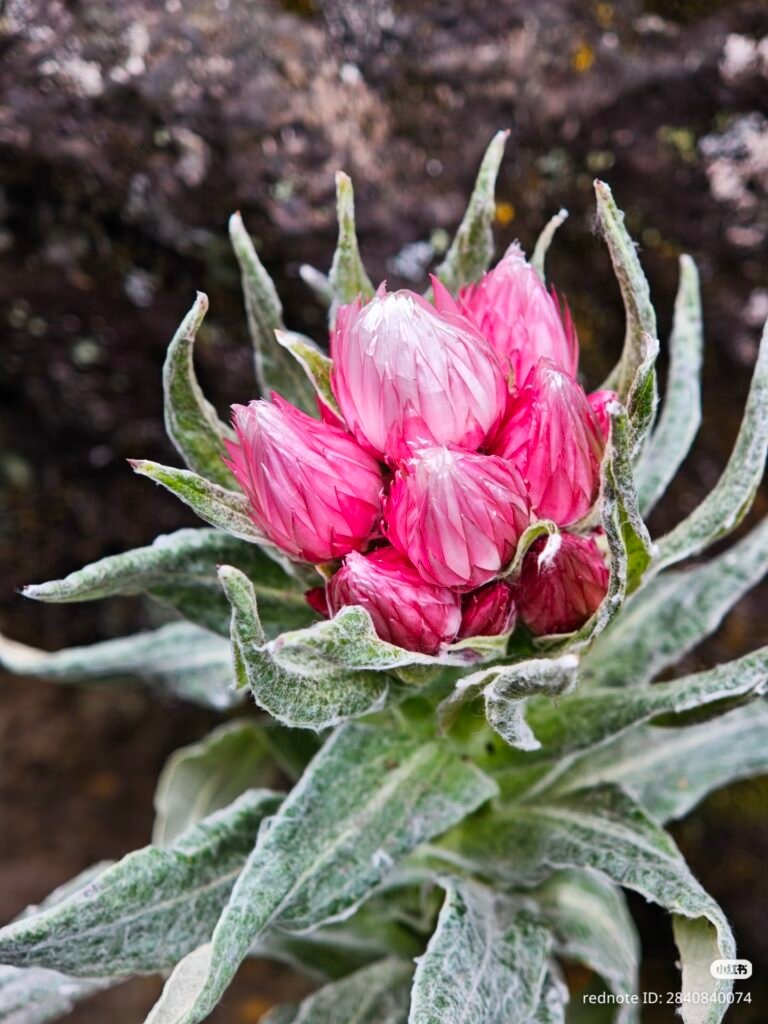
Kilimanjaro And Serengeti Calving Safari February : The Ultimate Planning
Combine the majesty of Mount Kilimanjaro with the impressive spectacle of the Serengeti's calving season in February 2027. This guide details how to plan this dual adventure, focusing on...
View package details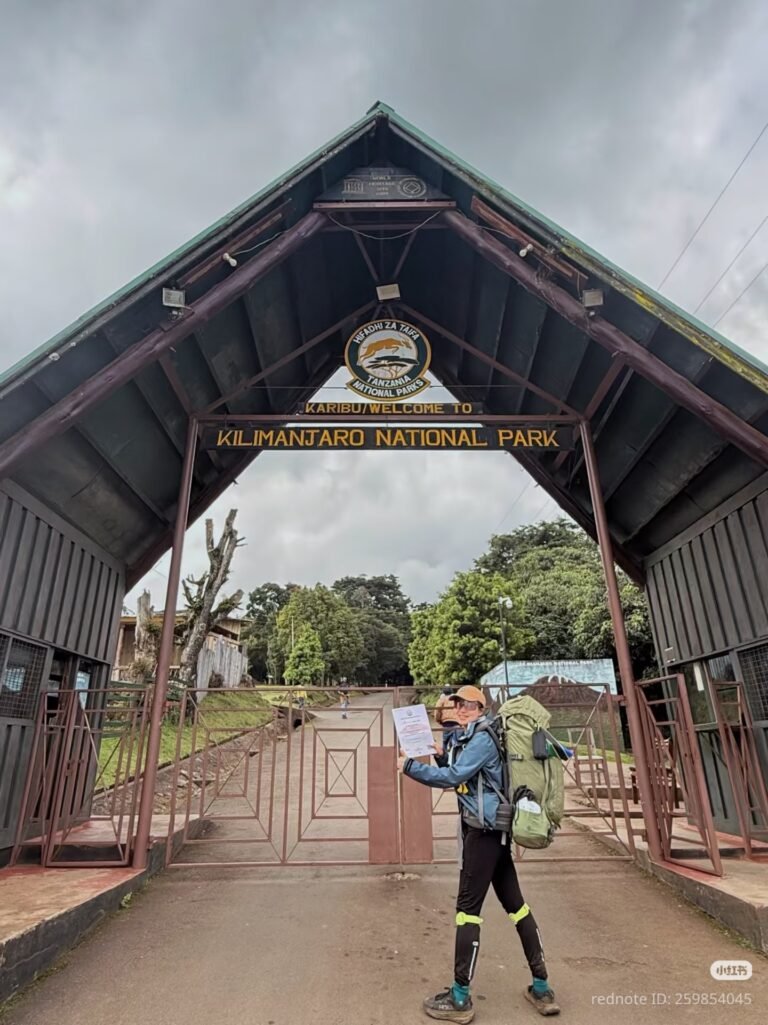
Kilimanjaro And Serengeti Calving Safari January 2026-2027
Kilimanjaro and Serengeti Calving Safari January 2027 is explained with current 2026-2027 planning, price, itinerary and booking information.
View package detailsNo related package matches those filters. Clear one or more filters to see the other topic-matched options.



