
A comprehensive Western Tanzania Chimpanzee & Wildlife Safari itinerary typically spans 10-14 days, focusing on the unique primate sanctuaries of Gombe and Mahale Mountains National Parks, often combined with the remote big game haven of Katavi National Park. This journey offers unparalleled chimpanzee trekking, diverse wildlife sightings including lions and elephants in Katavi, and stunning Lake Tanganyika scenery, best experienced during the dry seasons of June to October and again from December to February for 2026-2027 travel.
Why Western Tanzania? A Primate and Wilderness Focus
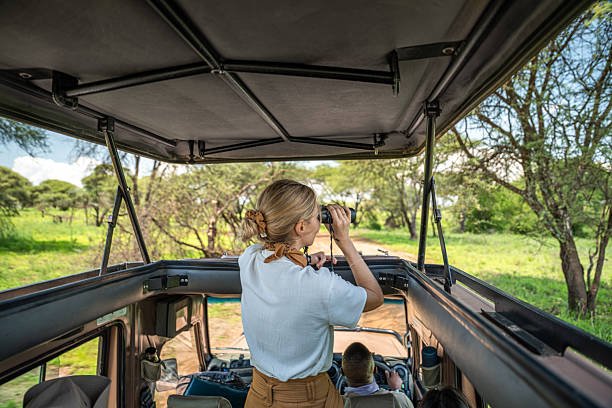
When most travelers envision a Tanzanian safari, their minds often drift to the iconic plains of the Serengeti or the Ngorongoro Crater. While these are undoubtedly spectacular destinations, Western Tanzania offers a profoundly different, yet equally rewarding, safari experience. This region is the undisputed heartland for chimpanzee trekking in Tanzania, home to two of the most famous and accessible chimpanzee populations: Gombe Stream and Mahale Mountains National Parks. Beyond these primate havens, Western Tanzania also boasts Katavi National Park, a vast and largely untouched wilderness renowned for its dramatic wildlife spectacles, particularly during the dry season. This combination provides a unique opportunity to witness our closest living relatives in their natural habitat, followed by encounters with large herds of elephants, buffalo, and formidable predators in a truly wild setting. For those seeking an authentic, less-traveled path in Africa, a Western Tanzania Chimpanzee & Wildlife Safari for 2026-2027 presents an adventure unlike any other.
The appeal lies in its exclusivity and the raw, untamed nature of its parks. Unlike the more developed northern circuit, Western Tanzania requires a more dedicated approach to travel, often involving light aircraft flights and boat transfers, which adds to the sense of discovery. The smaller scale of Gombe and the rugged terrain of Mahale mean that chimpanzee encounters are intimate and personal. Katavi, on the other hand, offers a sense of vastness and solitude that is increasingly rare. It’s a destination for the discerning traveler who values unique experiences, incredible biodiversity, and the thrill of exploring remote landscapes.
Planning Your Western Tanzania Chimpanzee & Wildlife Safari
Embarking on a Western Tanzania Chimpanzee & Wildlife Safari in 2026-2027 requires careful planning due to the logistical complexities and the specific nature of these parks. Unlike the northern circuit, which is well-connected by road, Western Tanzania’s parks are best accessed by air. This means that costs can be higher, and flexibility with travel dates is beneficial, especially when coordinating flights.
Key considerations for planning include:
- Duration: A minimum of 10 days is recommended to adequately experience at least two of the main parks (e.g., Gombe and Mahale, or Mahale and Katavi). A 14-day itinerary allows for a more relaxed pace and the inclusion of all three parks.
- Flights: International flights typically arrive at Kilimanjaro International Airport (JRO) or Julius Nyerere International Airport (DAR) in Dar es Salaam. From there, you’ll connect to internal flights, usually via Dar es Salaam or Arusha, to regional airstrips like Kigoma (for Gombe) or Mpanda (for Katavi and Mahale access).
- Park Entrance Fees: These parks have distinct fee structures, and it’s crucial to understand these when budgeting. Fees for Gombe and Mahale are often higher than for parks in the north, reflecting their unique conservation status and operational costs.
- Accommodation: Lodges and camps in Western Tanzania are generally more exclusive and remote, ranging from rustic bandas to more comfortable mid-range and luxury options. Booking well in advance is essential, especially for popular lodges.
- Activities: The primary activities are chimpanzee trekking, general game drives (especially in Katavi), boat safaris on Lake Tanganyika (for Mahale and Gombe), and hiking.
- Permits: Chimpanzee trekking often requires permits, which are managed by park authorities. Your tour operator will typically arrange these.
- Budget: Due to the reliance on light aircraft, accommodation in remote lodges, and park fees, Western Tanzania safaris tend to be at the higher end of the safari cost spectrum. However, the unique experiences justify the investment for many travelers.
It’s also important to consider the travel style. While group departures for the northern circuit are common, Western Tanzania is more often explored via private or tailor-made safaris, allowing for greater flexibility in flight schedules and lodge choices. For 2026-2027, booking at least 6-12 months in advance is highly advisable, especially if you have specific lodge preferences or travel dates.
Itinerary Overview: A Sample 12-Day Journey
This sample itinerary provides a framework for a Western Tanzania Chimpanzee & Wildlife Safari, balancing primate encounters with diverse wildlife viewing. It is designed for 2026-2027 travel and can be customized.
Day 1: Arrival in Dar es Salaam / Kigoma
Arrive at Julius Nyerere International Airport (DAR) in Dar es Salaam. Depending on your international flight schedule, you might spend a night in Dar or connect directly to a domestic flight to Kigoma, the gateway town for Gombe Stream National Park.
Day 2-4: Gombe Stream National Park
Transfer by boat from Kigoma to your lodge within or near Gombe Stream. Spend three days dedicated to chimpanzee trekking. Explore the lush forest trails, observe habituated chimpanzee families, and learn about Jane Goodall’s groundbreaking research. Boat excursions on Lake Tanganyika and visits to waterfalls are also possible.
Day 5: Travel to Mahale Mountains National Park
After a morning activity in Gombe, take a boat transfer back to Kigoma. From Kigoma, you’ll take a chartered or scheduled light aircraft flight to a landing strip near Mahale Mountains National Park (often accessible via flight to Mpanda, followed by a transfer and boat). Transfer by boat to your lodge on the shores of Lake Tanganyika.
Day 6-8: Mahale Mountains National Park
Mahale is renowned for its large population of wild chimpanzees. Spend your days trekking through the forested slopes in search of these incredible primates. Mahale offers a more rugged and wild trekking experience than Gombe. Enjoy swimming, snorkeling, or kayaking in the crystal-clear waters of Lake Tanganyika, and take in the stunning sunsets over the lake.
Day 9: Travel to Katavi National Park
After a final morning activity in Mahale, take a boat transfer back to your departure point (likely Mpanda). From here, a light aircraft flight will take you to Katavi National Park’s airstrip. Transfer to your safari lodge within the park.
Day 10-11: Katavi National Park
Katavi is one of Africa’s most remote and wild parks. Spend two full days on game drives, exploring its vast floodplains, acacia woodlands, and iconic tamarind trees. Katavi is famous for its huge herds of buffalo and elephants, as well as significant populations of lions, hippos, and crocodiles. The park offers a true sense of wilderness and isolation.
Day 12: Departure
Enjoy a final morning game drive in Katavi. After breakfast, take a light aircraft flight from Katavi’s airstrip back to Dar es Salaam (DAR) or Arusha (ARK) for your onward international flight or connecting arrangements.
Gombe Stream National Park: The Jane Goodall Legacy
Gombe Stream National Park, located on the eastern shore of Lake Tanganyika, is perhaps the most famous chimpanzee sanctuary in the world, primarily due to the pioneering work of Dr. Jane Goodall. Her research, which began in 1960, revolutionized our understanding of chimpanzee behavior and their complex social structures. Visiting Gombe is a pilgrimage for many, offering a chance to see habituated chimpanzees in a relatively accessible and well-managed environment.
Key aspects of a Gombe visit:
- Chimpanzee Trekking: The primary activity involves guided walks into the forest to observe the chimpanzees. Thanks to decades of habituation, the chimps here are accustomed to human presence, allowing for close-up viewing (within a respectful distance, usually 10-15 meters). Treks can range from a few hours to a full day, depending on where the chimpanzee families are located. The terrain is often steep and can be muddy, so good hiking boots and a reasonable level of fitness are beneficial.
- Habituated Families: You’ll likely encounter specific family groups, such as the Kasakela community, which are well-documented. Guides are knowledgeable about individual chimpanzees, their relationships, and behaviors, making the experience incredibly insightful.
- Other Wildlife: While chimpanzees are the stars, Gombe is also home to other primates like olive baboons, vervet monkeys, and red-tailed monkeys. Birdlife is abundant, and the forest itself is beautiful.
- Lake Tanganyika: The park’s location on the world’s longest freshwater lake offers opportunities for boat trips, swimming, and enjoying the serene lake views. The sunsets over Lake Tanganyika are particularly spectacular.
- Logistics: Access to Gombe is typically via boat from Kigoma town. Lodges are often situated along the lakeshore, with pathways leading into the forest. The remoteness and boat access contribute to Gombe’s unique charm and also its cost.
For travelers planning a Western Tanzania Chimpanzee & Wildlife Safari in 2026-2027, Gombe offers a foundational primate experience. It’s a place where you can witness complex social dynamics, tool use, and emotional expressions mirroring our own, all within a stunning natural setting. The scientific and conservation legacy here is palpable, making it an enriching part of any Tanzanian adventure.
Mahale Mountains National Park: Chimps Amidst the Peaks
Mahale Mountains National Park, also situated on the shores of Lake Tanganyika, is another premier destination for chimpanzee trekking. It’s considered one of the most beautiful and biodiverse parks in Tanzania, offering a more rugged and wilder chimpanzee experience than Gombe. The park is a haven for chimpanzees, with estimates suggesting up to 1,000 individuals inhabit its dense forests, making sightings highly probable.
Key aspects of a Mahale visit:
- Primate Trekking: Like Gombe, Mahale involves trekking into the forest to find habituated chimpanzee groups. The trekking here can be more challenging due to the steeper terrain and denser vegetation. The satisfaction of reaching a chimpanzee family in this dramatic landscape is immense.
- Untamed Environment: Mahale is less developed and more remote than Gombe, offering a true sense of wilderness. The habituation process here is ongoing, and while encounters are common, they can feel more spontaneous and less predictable than in Gombe.
- Spectacular Scenery: The park is characterized by steep, forested mountains that plunge dramatically into the clear waters of Lake Tanganyika. The combination of lush forests, pristine beaches, and the vast lake creates a visually stunning backdrop for your safari.
- Lake Tanganyika Activities: The lake is central to the Mahale experience. Activities include swimming, snorkeling, kayaking, and boat excursions. The clear waters offer excellent visibility for underwater exploration, and the lake is teeming with endemic cichlid fish. Sunset boat trips are a highlight.
- Other Wildlife: Besides chimpanzees, Mahale is home to red colobus monkeys, Angola colobus monkeys, vervet monkeys, baboons, and a variety of bird species. Hippos and crocodiles can be seen in the lake.
- Logistics: Access is primarily by light aircraft to Mpanda airstrip, followed by a road transfer and then a boat journey along the lake to your lodge. This multi-stage journey underscores the park’s remoteness and exclusivity.
Mahale offers a more adventurous and in-depth primate trekking experience, combined with the unique allure of Lake Tanganyika. For travelers planning a Western Tanzania Chimpanzee & Wildlife Safari in 2026-2027, it provides an unforgettable encounter with wild chimpanzees in a impressive setting, appealing to those who appreciate a more remote and adventurous journey.
Katavi National Park: Tanzania’s Untamed Wilderness
Katavi National Park is a true gem for those seeking an authentic, off-the-beaten-path safari experience. Located in the remote southwest of Tanzania, it is one of the country’s largest and most biodiverse parks, yet receives very few visitors. Katavi is known for its vast floodplains, dense miombo woodlands, and dramatic seasonal changes, which concentrate wildlife in spectacular fashion.
Key aspects of a Katavi visit:
- Abundant Wildlife: Katavi is particularly famous for its enormous herds of buffalo and elephants, often numbering in the hundreds or even thousands during the dry season. The park also boasts significant populations of lions, leopards, cheetahs, hippos, crocodiles, zebras, and giraffes.
- Dramatic Landscapes: The park is characterized by the seasonal Lwafi and Katuma floodplains, which transform from dry, cracked earth to vibrant wetlands depending on the rains. Iconic tamarind trees dot the landscape, providing shade and a striking visual element.
- Hippo and Crocodile Spectacles: During the dry season, Katavi’s rivers and lakes become vital water sources, leading to incredible congregations of hippos and crocodiles. You can witness thousands of hippos packed into muddy pools, often engaged in territorial disputes.
- Predator Sightings: The abundance of prey, especially buffalo, makes Katavi an excellent destination for predator sightings. Lions are often seen resting under trees or hunting, and leopards are present, though more elusive.
- Sense of Wilderness: Katavi offers an unparalleled sense of solitude and wildness. Game drives here feel like true explorations, with very few other vehicles encountered. This isolation enhances the feeling of being in a truly wild and untouched corner of Africa.
- Logistics: Access is typically via light aircraft to one of Katavi’s airstrips (e.g., Mpala, Sitalike), followed by a short transfer to your lodge. The park’s remoteness is a significant part of its appeal.
Combining Katavi with Gombe and Mahale on a Western Tanzania Chimpanzee & Wildlife Safari provides a comprehensive experience of Tanzania’s primate and big game offerings. For travelers planning for 2026-2027, Katavi promises an unforgettable immersion into a raw, untamed wilderness, far from the crowds.
Logistics, Accommodation, and Travel Between Parks
The logistical backbone of any Western Tanzania Chimpanzee & Wildlife Safari is its reliance on air transfers and boat travel, which distinguishes it from road-based safaris in the northern circuit. Understanding these elements is crucial for planning a smooth and enjoyable trip for 2026-2027.
Internal Flights:
- Gateway Airports: International flights usually land at Kilimanjaro (JRO) or Dar es Salaam (DAR).
- Domestic Connections: From JRO or DAR, you’ll take scheduled or charter light aircraft flights to regional hubs like Kigoma (for Gombe), Mpanda (for Mahale and Katavi access), or directly to airstrips within Katavi. Companies like Auric Air or Coastal Aviation often operate these routes.
- Booking Flights: Your tour operator will handle the booking of these internal flights. It’s essential to confirm baggage allowances, as light aircraft typically have strict weight limits (usually around 15-20 kg in soft bags).
- Flight Scheduling: Flights are often scheduled based on lodge bookings and passenger numbers, so flexibility is key. Delays can occur due to weather or operational reasons.
Boat Travel:
- Gombe Stream: Access to lodges within Gombe is exclusively by boat from Kigoma town. These transfers are usually arranged by the lodges or your tour operator.
- Mahale Mountains: Similarly, reaching lodges in Mahale from the nearest landing strip (often accessed via Mpala) involves a scenic boat journey across Lake Tanganyika.
- Lake Tanganyika’s Role: The lake serves not just as an access route but also as a recreational area, offering opportunities for swimming, snorkeling, and sunset cruises.
Accommodation Options:
- Gombe Stream: Lodges like the Gombe Serena Hotel offer comfortable, mid-range accommodation with stunning lake views. More rustic options might be available.
- Mahale Mountains: Camps such as Greystoke Mahale or Kungwe Beach Camp offer luxurious and exclusive experiences, often featuring bandas with incredible lake and forest vistas. Mid-range options are also available.
- Katavi National Park: Lodges in Katavi, like Chada Katavi or Mlelemi Lodge, are typically high-end, emphasizing exclusivity and immersion in the wilderness. These are often tented camps offering a classic safari feel.
Travel Between Parks:
- The transitions between Gombe, Mahale, and Katavi are the most time-consuming parts of the journey. They typically involve a combination of boat transfers, road transfers, and light aircraft flights.
- For example, moving from Gombe to Mahale might involve a boat to Kigoma, a flight to Mpala, a road transfer to a lake point, and then a boat to your Mahale lodge.
- A well-structured itinerary, planned by an experienced operator, is essential to minimize travel time and maximize your time in each park. For 2026-2027, booking these complex transfers well in advance is critical.
Optimal Timing for 2026-2027 Safaris
Choosing the right time to visit Western Tanzania is crucial for maximizing wildlife viewing opportunities and ensuring comfortable travel conditions. The region experiences distinct wet and dry seasons, each offering a different but valuable safari experience. For your 2026-2027 Western Tanzania Chimpanzee & Wildlife Safari, consider these periods:
Dry Season (June to October):
- Pros: This is generally considered the prime time for safari in Western Tanzania. The weather is sunny and pleasant, with minimal rainfall. Vegetation thins out, making wildlife, especially in Katavi, easier to spot. Water sources become concentrated, drawing large numbers of animals to rivers and lakes, leading to spectacular sightings of elephants, buffalo, hippos, and predators. Chimpanzee trekking is also excellent, as they tend to descend to lower altitudes to find water. Lake Tanganyika’s waters are calmer, making boat travel more comfortable.
- Cons: This is also peak tourist season, meaning lodges and flights can be more expensive and book up quickly. Early booking for 2026-2027 is essential.
Short Dry Season / Shoulder Season (December to February):
- Pros: This period offers a good balance. The weather is generally dry and sunny, though occasional short showers can occur. Wildlife viewing remains good, particularly in Katavi, where animals are still concentrated around water sources. It’s often less crowded and potentially more affordable than the peak dry season. Birdlife is usually at its best during this time as migratory birds arrive.
- Cons: Some lodges might close or reduce services during the true rainy season that follows. Occasional rain showers can interrupt game drives or trekking.
Green Season / Rainy Season (March to May):
- Pros: This is the low season, offering the most affordable prices and the fewest crowds. The landscape is lush and green, offering beautiful photographic opportunities. Birdwatching is exceptional. Chimpanzee trekking can still be rewarding, though the forest is denser.
- Cons: Heavy rainfall is common, making some tracks impassable and potentially disrupting flight schedules. Wildlife viewing can be more challenging as animals disperse into the wider bush. Lake Tanganyika can be rougher, impacting boat travel. Many lodges close or operate with limited services during this period.
Recommendation for 2026-2027: For a Western Tanzania Chimpanzee & Wildlife Safari, aiming for the dry season (June-October) or the short dry season (December-February) will provide the most reliable and rewarding experience for both chimpanzee trekking and general wildlife viewing. If budget is a significant concern and you don’t mind potential rain, the shoulder months of June or early December can offer good value.
Essential Packing List
Packing for a Western Tanzania Chimpanzee & Wildlife Safari requires careful consideration due to the varied activities and remote nature of the destinations. Light aircraft baggage restrictions are a key factor. Aim for lightweight, neutral-colored clothing.
Clothing:
- Lightweight Trousers: 2-3 pairs. Ideal for trekking and evenings.
- Shorts: 1-2 pairs. Suitable for relaxing at the lodge or boat trips, less ideal for trekking due to insects and vegetation.
- T-shirts & Long-Sleeved Shirts: Several. Long sleeves protect against sun and insects, especially during treks. Neutral colors (khaki, beige, olive green) are best for safaris. Avoid bright colors and dark blue/black (attracts tsetse flies).
- Fleece Jacket or Warm Sweater: Evenings and early mornings can be cool, especially at higher altitudes or on the lake.
- Waterproof Jacket: A lightweight, breathable one is essential, even in the dry season, for unexpected showers.
- Swimsuit: For swimming in Lake Tanganyika or lodge pools.
- Underwear and Socks: Plenty of moisture-wicking socks, especially for trekking.
Footwear:
- Comfortable Hiking Boots: Broken-in and waterproof, essential for chimpanzee trekking.
- Sandals or Comfortable Walking Shoes: For around the lodge and travel days.
- Flip-flops: Optional, for the lodge.
Gear & Accessories:
- Sun Hat: Wide-brimmed for maximum protection.
- Sunglasses: With UV protection.
- Insect Repellent: Containing DEET or Picaridin.
- Sunscreen: High SPF.
- Personal First-Aid Kit: Including any personal medications, blister treatment, pain relievers, antiseptic wipes, etc.
- Binoculars: Essential for wildlife viewing.
- Camera: With extra batteries, memory cards, and a zoom lens if possible. Consider a waterproof bag.
- Headlamp or Small Torch: Useful for navigating lodges at night.
- Reusable Water Bottle: To stay hydrated and reduce plastic waste.
- Small Backpack or Daypack: For carrying essentials during treks (water, camera, snacks, rain jacket).
- Dry Bag: Recommended for boat transfers and protecting electronics.
- Power Bank/Portable Charger: For keeping devices charged, as power access can be limited.
- Travel Adapter: For charging electronics (Type G plugs are common in Tanzania).
- Hand Sanitizer: For hygiene on the go.
- Wet Wipes: Always useful.
Documents & Money:
- Passport: With at least six months’ validity and sufficient blank pages.
- Visa: Check requirements for your nationality. Often obtainable on arrival or in advance.
- Yellow Fever Certificate: May be required.
- Travel Insurance Details: Keep copies accessible.
- Flight Tickets & Itinerary: Printed and digital copies.
- Cash: USD in small denominations for tips and souvenirs. Credit cards may be accepted at some lodges but not everywhere.
Important Note on Baggage: Soft-sided duffel bags are strongly recommended for light aircraft flights. Hard suitcases are often not permitted due to space limitations. Always confirm baggage weight and size restrictions with your tour operator.
Responsible Chimpanzee Trekking and Wildlife Viewing
Visiting chimpanzees and wildlife in their natural habitats comes with a significant responsibility. For your 2026-2027 Western Tanzania Chimpanzee & Wildlife Safari, embracing responsible tourism practices is paramount to ensuring the safety and well-being of the animals and their environment, and to supporting local conservation efforts.
Chimpanzee Trekking Ethics:
- Maintain Distance: Always adhere to the recommended distance from the chimpanzees (usually 10-15 meters). Never attempt to touch or feed them.
- Keep Noise Low: Speak softly and avoid loud noises or sudden movements that could disturb the chimpanzees or other wildlife.
- Avoid Direct Eye Contact: Prolonged direct eye contact can be perceived as a threat by primates.
- Do Not Litter: Pack out everything you pack in, including all trash.
- Follow Your Guide: Your guide is trained in primate behavior and park regulations. Listen to their instructions carefully and at all times.
- Limit Visit Duration: Time spent with chimpanzee groups is often limited to one hour to minimize disturbance.
- No Flash Photography: The flash from cameras can startle and distress animals.
- Stay Together: Do not wander away from your group or guide.
- Health Considerations: If you have a cold, flu, or any contagious illness, you may be asked not to trek to protect the chimpanzees, who are susceptible to human diseases.
Responsible Wildlife Viewing:
- Respect Habitats: Stay on designated tracks during game drives to avoid damaging vegetation and disturbing wildlife.
- Do Not Feed Animals: Never offer food to any wildlife. This can lead to dependency, aggression, and health problems.
- Vehicle Etiquette: Keep noise to a minimum in vehicles. Do not throw anything out of the vehicle. Maintain a respectful distance from animals, allowing them to move freely.
- Support Local Communities: Choose tour operators and lodges that employ local staff, contribute to community projects, and source local goods.
- Conservation Contributions: Many lodges and tour operators contribute to local conservation initiatives. Your choice of operator can have a positive impact.
By adhering to these guidelines, you contribute to the long-term preservation of these incredible species and their habitats, ensuring that future generations can also experience the wonder of a Western Tanzania Chimpanzee & Wildlife Safari.
Booking Your Western Tanzania Chimpanzee & Wildlife Safari
Securing your Western Tanzania Chimpanzee & Wildlife Safari for 2026-2027 requires careful selection of a tour operator who understands the intricacies of this region. Due to the specialized nature of travel in Western Tanzania, working with an experienced local company is highly recommended. They possess the on-the-ground knowledge essential for navigating flight schedules, lodge availability, park regulations, and the best times to visit for optimal sightings.
Why Choose a Specialist Operator?
- Expertise: Local operators like Climb 4 Africa have intimate knowledge of Gombe, Mahale, and Katavi, including the best lodges, most reliable flight operators, and current park conditions.
- Logistical Management: They handle complex flight bookings, boat transfers, and ground arrangements, ensuring a smooth flow between parks. This is invaluable given the remoteness.
- Tailor-Made Itineraries: They can customize your safari to your specific interests, budget, and desired pace, whether you want to focus more on primates or big game.
- Value for Money: While Western Tanzania is a premium destination, experienced operators can often secure better rates for accommodation and internal flights than individuals booking independently.
- Support: They provide pre-trip advice, in-country support, and assistance should any unforeseen issues arise during your travels.
What to Discuss When Booking for 2026-2027:
- Itinerary Details: Confirm the exact duration, sequence of parks, and daily activities.
- Accommodation: Discuss lodge options, their amenities, and suitability for your comfort level and budget.
- Internal Flights: Understand the flight routes, timings, and baggage allowances.
- Inclusions and Exclusions: Clarify what is covered (park fees, meals, activities, guides, transfers) and what is not (international flights, visas, tips, personal expenses).
- Payment Schedule: Understand the deposit and final payment terms.
- Cancellation Policy: Be aware of the terms and conditions regarding cancellations.
- Travel Insurance: Confirm that comprehensive travel insurance is a mandatory requirement.
When planning your 2026-2027 adventure, reach out to specialists who can craft the perfect Western Tanzania Chimpanzee & Wildlife Safari for you. Climb 4 Africa, with its deep roots in Tanzania and expertise in crafting unique safari experiences, is well-equipped to help you design an unforgettable journey. You can connect with them via WhatsApp at +255 747 477 898 or by emailing climb4africa@gmail.com to begin planning your bespoke itinerary.
Check Availability for Western Tanzania Chimpanzee & Wildlife Safari – Complete Itinerary Guide
Ready to compare dates, prices, and the best option for your group? Send the package name and travel month so the team can reply with a clear quote, availability, and what is included.
Kilimanjaro And Great Migration Safari July : Your Ultimate Tanzanian
Combining a Kilimanjaro climb with a Great Migration safari in July 2027 offers a spectacular Tanzanian adventure. This guide helps you plan your ideal itinerary, considering the best...
View package details
Kilimanjaro And Grumeti Migration Safari June : The Ultimate Tanzanian
Plan your unforgettable Kilimanjaro and Grumeti Migration safari for June 2027. This comprehensive guide details how to combine the challenge of summiting Africa's highest peak with the...
View package details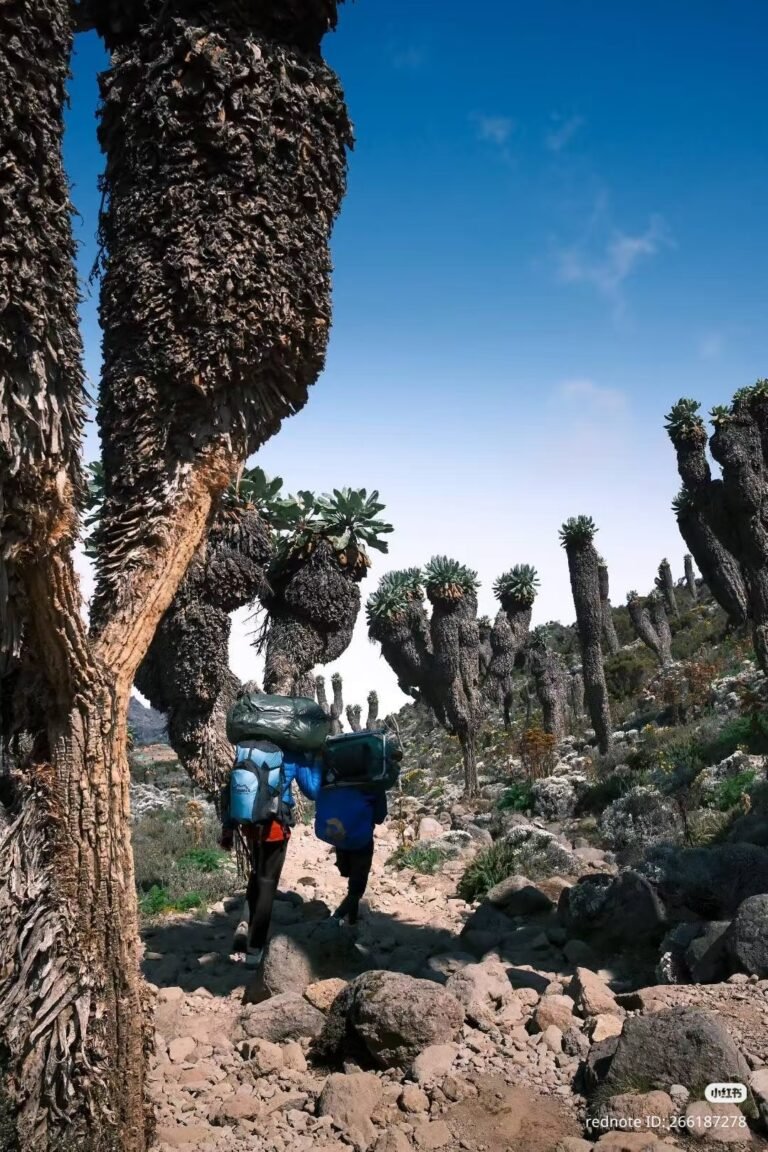
Kilimanjaro Christmas Climb And Tanzania Safari : Your Festive Adventure
Combine the magic of a Christmas ascent of Kilimanjaro with a thrilling Tanzania safari in 2026. Discover how to plan this dual adventure for a truly unique festive season.
View package detailsKilimanjaro And Mara River Crossing Safari August : Peak Season Adventure 2027
Combining the ultimate challenge of climbing Mount Kilimanjaro with the awe-inspiring spectacle of the Great Migration river crossing in the Maasai Mara offers an unparalleled African...
View package details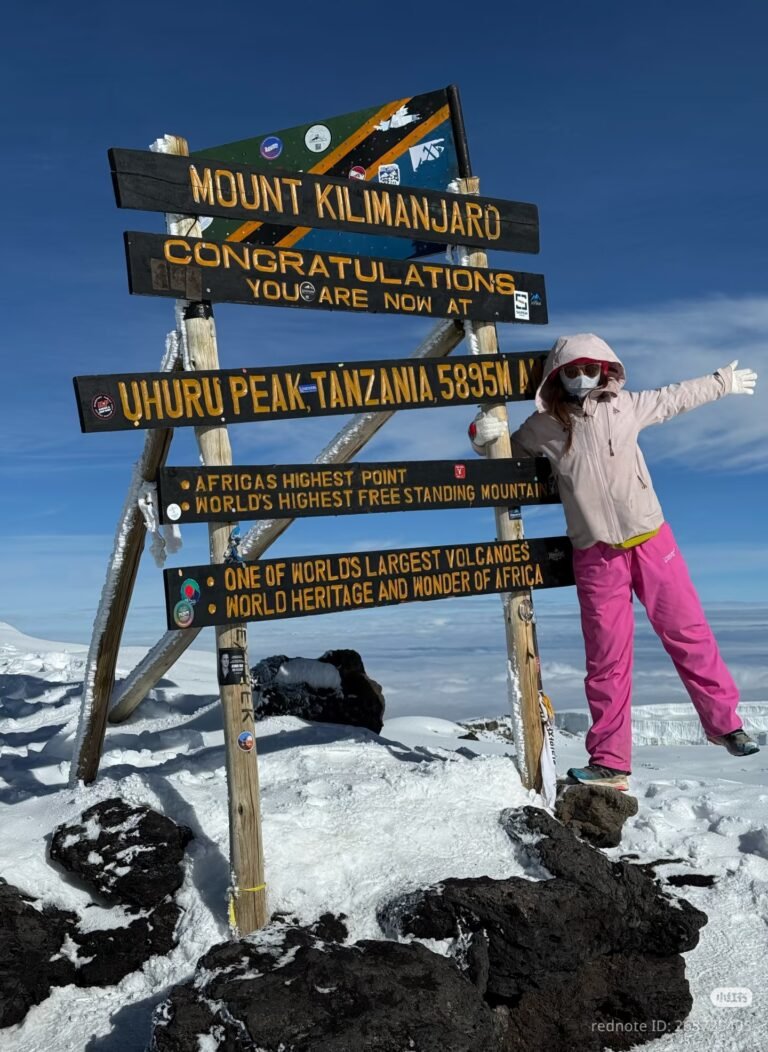
Kilimanjaro And Great Migration Safari August : Your Peak Season Adventure
Plan your ultimate Tanzanian adventure in August 2027, combining a Kilimanjaro climb with the spectacle of the Great Migration. This guide details the best timings, routes, and safari...
View package detailsKilimanjaro And Mara River Crossing Safari July 2027
Kilimanjaro and Mara River Crossing Safari July 2027 is explained with current 2027 planning, price, itinerary and booking information.
View package details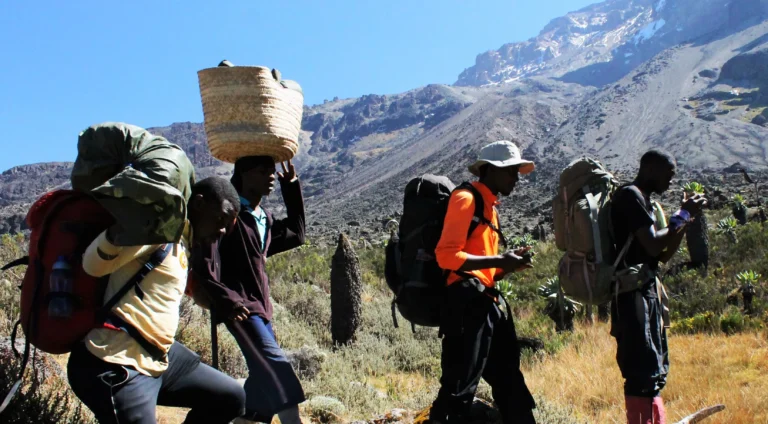
Best Kilimanjaro And Serengeti Calving Season Safari March 2027
Discover the magic of a March 2027 Kilimanjaro and Serengeti calving season safari. This guide explores the unique advantages and considerations for experiencing Tanzania's wildlife...
View package details
Kilimanjaro And Serengeti Calving Safari February : The Ultimate Planning
Combine the majesty of Mount Kilimanjaro with the impressive spectacle of the Serengeti's calving season in February 2027. This guide details how to plan this dual adventure, focusing on...
View package details
Kilimanjaro And Serengeti Calving Safari January 2026-2027
Kilimanjaro and Serengeti Calving Safari January 2027 is explained with current 2026-2027 planning, price, itinerary and booking information.
View package detailsNo related package matches those filters. Clear one or more filters to see the other topic-matched options.



